
Beyond Chocolate Chip: Easy Classic Cookies Every Beginner Should Try

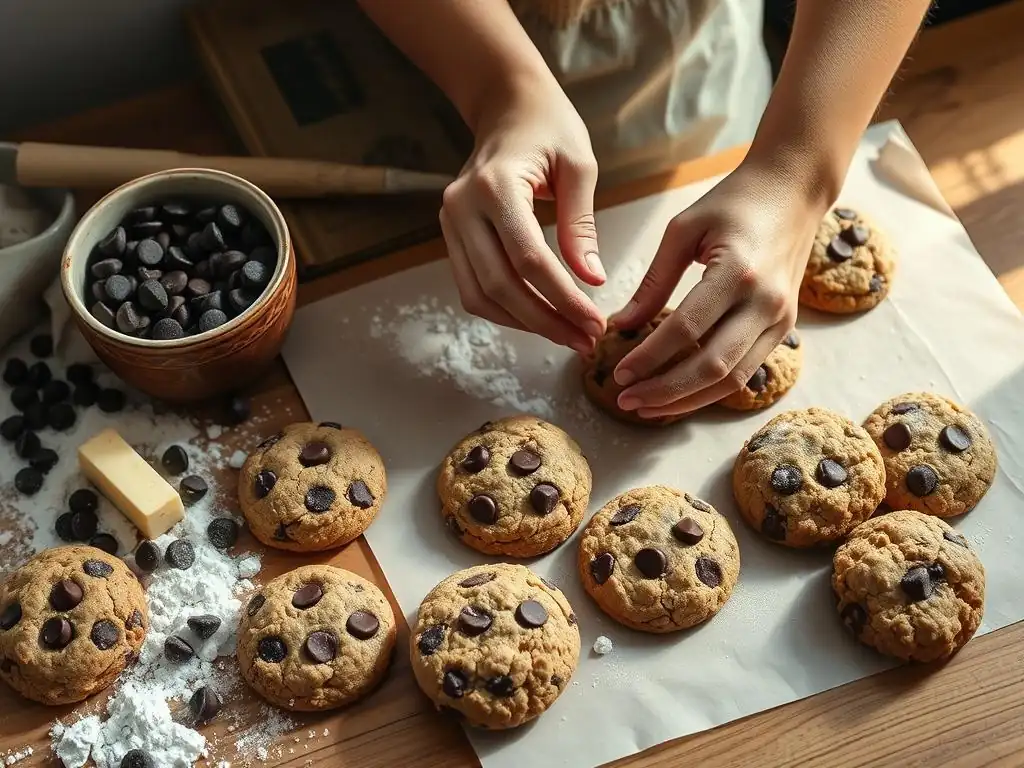
Welcome to BakeWithEase, your haven for confident baking! Ever wondered if you could truly master baking? You can. And it starts here. Today, we're diving into the wonderful world of classic cookies, stepping beyond the traditional – but essential – easy chocolate chip cookie recipe to unlock a treasure trove of beginner-friendly delights. Get ready to bake like a pro, one delicious cookie at a time. What secret cookie recipe will you uncover first?
- Beyond Chocolate Chip: Easy Classic Cookies Every Beginner Should Try | BakeWithEase
- Introduction to Beginner Baking: Expanding Your Cookie Repertoire
- Mastering the Easiest Chocolate Chip Cookie Recipe (And Beyond!)
- 5 Classic Cookie Recipes Even Beginner Bakers Can Master
- Essential Baking Tools for Easy Cookie Recipes
- Tips & Tricks for Baking Perfect Cookies Every Time
- Conclusion: Baking Success Starts with Easy Cookie Recipes
-
Frequently Asked Questions
- What makes a cookie recipe considered "easy" for beginners?
- Besides chocolate chip, what other "classic" cookies are good for beginners?
- What are some common mistakes beginners make when baking cookies and how can I avoid them?
- Where can I find a reliable "easy chocolate chip cookie recipe" suitable for beginners?
- How important is it to use room temperature ingredients when baking cookies?
- Final Reflection: The Enduring Allure of the Simple Cookie
- Unleash Your Inner Baker: Master Classic Cookie Creations!
Baking cookies is often one of the first culinary adventures many people embark on, and for good reason! The process can be incredibly rewarding, resulting in delicious treats perfect for sharing or enjoying solo. While mastering an easy chocolate chip cookie recipe is a fantastic starting point, the world of cookies is vast and inviting, offering a delightful array of textures, flavors, and baking techniques that are surprisingly accessible to newcomers.
Moving beyond that initial success opens up opportunities to learn fundamental baking principles that apply to many other desserts. Think of each new cookie recipe as a building block in your baking education. From understanding the role of different fats and sugars to learning how mixing methods affect the final texture, exploring classic cookies provides a practical, delicious way to hone your skills and gain confidence in the kitchen.
While an easy chocolate chip cookie recipe is a beloved classic and a perfect entry point into baking, it's just the tip of the iceberg. Many beginner bakers find comfort in sticking to what they know, but venturing into other classic cookie styles can significantly broaden their baking horizons and palate. Each type of cookie, from a simple peanut butter cookie to a delicate shortbread, introduces slightly different techniques or ingredient ratios that teach valuable lessons about how ingredients interact.
Expanding your repertoire means you'll encounter doughs that require chilling, rolling, or even pressing, each offering a unique learning experience. For instance, working with a shortbread dough teaches you about minimizing gluten development for tenderness, while a snickerdoodle recipe highlights the magic of leavening agents like cream of tartar. These experiences build intuition and make tackling more complex baked goods feel less daunting down the line.
Classic cookie recipes are the foundation of much of Western baking. They are popular for a reason: they are generally forgiving, use common pantry staples, and produce consistently delicious results when a few key steps are followed. For a beginner, this predictability is incredibly encouraging. Successfully baking a batch of sugar cookies or oatmeal cookies provides tangible proof of skill development and motivates further exploration.
Furthermore, these recipes often involve straightforward techniques that are easy to grasp. Creaming butter and sugar, folding in dry ingredients, and understanding the visual cues for doneness are all skills refined through baking classic cookies. These fundamental techniques are transferable to countless other baking projects, from muffins and cakes to pie crusts. Starting with classics ensures a solid understanding of baking fundamentals before moving onto more intricate recipes.
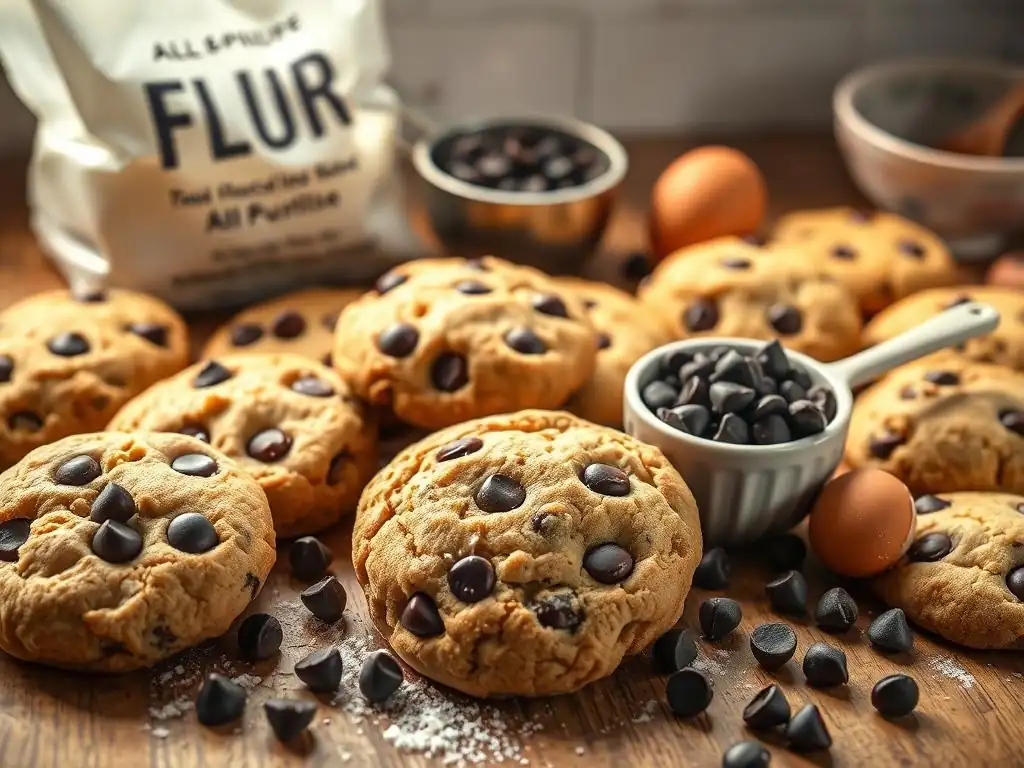
Before we delve into other classics, let's solidify the foundation: the easy chocolate chip cookie recipe. Even experienced bakers revisit this staple. Understanding its components and potential pitfalls is key to consistent success and provides a benchmark for comparing other cookie types. A truly easy chocolate chip cookie recipe should be simple to follow and deliver reliably delicious results every time.
The goal isn't just to follow instructions but to understand why you're doing certain things. Why use softened butter? Why measure flour correctly? Why is baking time so crucial? Answering these questions for a familiar recipe like the chocolate chip cookie makes it easier to apply that knowledge to new recipes. It's about building baking intuition, starting with the most accessible and beloved cookie of all.
A truly simple chocolate chip cookie recipe typically involves creaming softened butter with sugar (usually a mix of granulated and brown sugar), adding eggs and vanilla, then incorporating dry ingredients (flour, baking soda, salt) and finally, the chocolate chips. The ratio of ingredients is crucial for texture.
A common starting point for a beginner-friendly recipe might be around 1 cup (2 sticks) of butter, 3/4 cup granulated sugar, 3/4 cup packed brown sugar, 2 large eggs, 1 teaspoon vanilla extract, 2 1/4 cups all-purpose flour, 1 teaspoon baking soda, and 1/2 teaspoon salt, with about 1-2 cups of chocolate chips.
Mixing is generally done with a mixer or by hand, starting with creaming the butter and sugars until light and fluffy – this incorporates air, contributing to leavening. Eggs and vanilla are added next, followed by the dry ingredients, mixed just until combined. Overmixing can develop too much gluten, leading to tough cookies. Dropping spoonfuls onto a baking sheet and baking at around 350°F (175°C) for 9-12 minutes is standard. This basic structure provides a solid, easy chocolate chip cookie recipe framework.
Each ingredient in an easy chocolate chip cookie recipe plays a vital role. Butter, ideally unsalted and softened to room temperature, provides flavor, tenderness, and helps with leavening when creamed with sugar. Using softened butter, not melted, is critical for structure. Granulated sugar contributes to crispness and spread, while brown sugar adds moisture, chewiness, and a hint of caramel flavor. The ratio of these sugars significantly impacts the final texture.
Eggs bind the ingredients together and add richness, while vanilla extract enhances the overall flavor. All-purpose flour provides the structure. Baking soda is the primary leavening agent, reacting with acidic components (like brown sugar) to produce carbon dioxide, which makes the cookies rise and spread. Salt balances the sweetness. And, of course, the chocolate chips provide that signature melted chocolate goodness. Using good quality chips can elevate even the most easy chocolate chip cookie recipe.
Even with an easy chocolate chip cookie recipe, beginners can encounter issues. One common problem is cookies spreading too much. This can be due to using melted butter instead of softened, measuring too little flour, using a baking sheet that's too greasy, or the dough being too warm. Chilling the dough for at least 30 minutes can often help prevent excessive spread. Another issue is cookies that are too puffy and don't spread enough. This might be caused by using too much flour, insufficient creaming of butter and sugar, or incorrect oven temperature (too low).
Tough cookies are often the result of overmixing the dough once the flour is added. Gluten develops when flour and liquid are mixed, and excessive mixing leads to a tough texture. Mix only until the dry ingredients are just incorporated. Burning the bottoms is usually a sign of an oven hot spot or baking for too long; using parchment paper can help, as can checking the cookies a minute or two before the recipe suggests. Understanding these common pitfalls makes mastering any easy chocolate chip cookie recipe achievable.
Once you're comfortable with an easy chocolate chip cookie recipe, it's time to explore! These five classic cookie types are excellent next steps for beginners. They introduce slightly different techniques while still being relatively simple and using readily available ingredients. Each offers a unique texture and flavor profile to expand your baking repertoire.
Embarking on these recipes will solidify your understanding of basic baking principles and introduce new ones, like handling sticky dough (peanut butter), rolling and cutting (sugar cookies), or incorporating mix-ins (oatmeal raisin). They are designed to be forgiving and fun, providing plenty of opportunity for success and learning.
Peanut butter cookies are wonderfully straightforward and require minimal ingredients, often just peanut butter, sugar, eggs, and perhaps a little flour, baking soda, and salt. The dough is typically easy to handle, and the signature criss-cross pattern pressed with a fork not only looks classic but also helps the cookies bake evenly. This recipe is a fantastic introduction to working with dense, oil-rich doughs.
A basic recipe might call for 1 cup of peanut butter, 1 cup of sugar (white or brown, or a mix), and 1 large egg. Creaming the peanut butter and sugar, then adding the egg, and finally any dry ingredients (like 1/2 cup flour, 1/2 tsp baking soda, pinch of salt) is a common method. Rolling the dough into balls and pressing them down with a fork before baking at 350°F (175°C) for about 10-12 minutes yields delightful results. It's a simple process that guarantees delicious cookies.
Tips for Making Soft and Chewy Peanut Butter Cookies
For softer, chewier peanut butter cookies, the type of sugar and baking time are key. Using more brown sugar than granulated sugar adds moisture and chewiness. Another tip is to slightly underbake them; pull them out of the oven when the edges are just set but the centers still look a little soft. They will continue to cook slightly on the hot baking sheet.
Using natural peanut butter (the kind you have to stir) can sometimes lead to a different texture due to oil separation; for consistency in a beginner recipe, processed peanut butter is often more reliable. Ensure your ingredients are at room temperature for easier creaming. Baking on parchment paper also helps with even heat distribution and prevents sticking, contributing to a better texture.
Classic sugar cookies are a beginner's dream for their simplicity and versatility. The dough is typically a simple mix of butter, sugar, eggs, vanilla, flour, and baking powder or soda. Unlike drop cookies, sugar cookie dough is often chilled, then rolled out and cut into shapes. This introduces the beginner to working with dough that requires chilling and handling before baking.
A standard recipe might use 1 cup butter, 1 1/2 cups granulated sugar, 2 eggs, 1 tsp vanilla, 2 3/4 cups flour, and 1 tsp baking powder. Creaming the butter and sugar, adding wet ingredients, then dry, forms a stiff dough. Chilling for at least an hour makes it firm enough to roll out to about 1/4-inch thickness and cut with cookie cutters. Baking at 375°F (190°C) for 8-11 minutes until the edges are lightly golden is typical. They are simple, yet offer endless creative possibilities.
Decorating Ideas for Easy Sugar Cookies
Sugar cookies are the ultimate blank canvas for creativity, perfect for beginners to experiment with simple decorating techniques. The easiest method is a simple glaze made from powdered sugar and a liquid like milk, lemon juice, or water. A ratio of about 1 cup powdered sugar to 1-2 tablespoons liquid works well. This glaze can be spread or drizzled over cooled cookies.
For slightly more control, a simple icing made with powdered sugar, milk, and a touch of corn syrup (for shine) can be used for outlining and flooding. Sprinkles are a beginner's best friend – apply them to wet glaze or icing. Even just dusting cooled cookies with powdered sugar through a sieve adds a lovely, simple touch. These methods are low-stress and yield beautiful, edible results.
Oatmeal raisin cookies offer a chewy texture and comforting flavor, incorporating rolled oats which add fiber and a unique structure. They are relatively easy to make, following a similar creaming method to chocolate chip cookies but with the addition of oats and raisins. This recipe introduces the beginner to incorporating bulkier mix-ins into a standard cookie dough.
A typical recipe includes creamed butter and sugars (often a higher proportion of brown sugar for chewiness), eggs, vanilla, flour, baking soda, salt, cinnamon (a classic addition), rolled oats, and raisins. Using old-fashioned rolled oats rather than quick oats provides better texture. The dough is usually dropped by spoonfuls onto a baking sheet. Baking at 350°F (175°C) for 10-13 minutes, until the edges are golden but the center is still soft, is key to that perfect chewy texture.
Variations: Adding Nuts and Spices to Your Oatmeal Cookies
Oatmeal raisin cookies are highly adaptable. Beginners can easily experiment with adding other mix-ins like chopped walnuts or pecans for added crunch and flavor. Approximately 1/2 cup of chopped nuts can be folded in along with the raisins. This is a simple way to customize the recipe without changing the core technique.
Beyond nuts, spices like nutmeg or a pinch of cloves can complement the cinnamon and enhance the warmth of the cookie. Adding 1/4 to 1/2 teaspoon of these spices along with the cinnamon can create a more complex flavor profile. Chocolate chips or dried cranberries can also be substituted for or added alongside the raisins for different variations, showing how easy it is to modify a basic cookie recipe.
4. Snickerdoodles: A Cinnamon-Sugar Dream
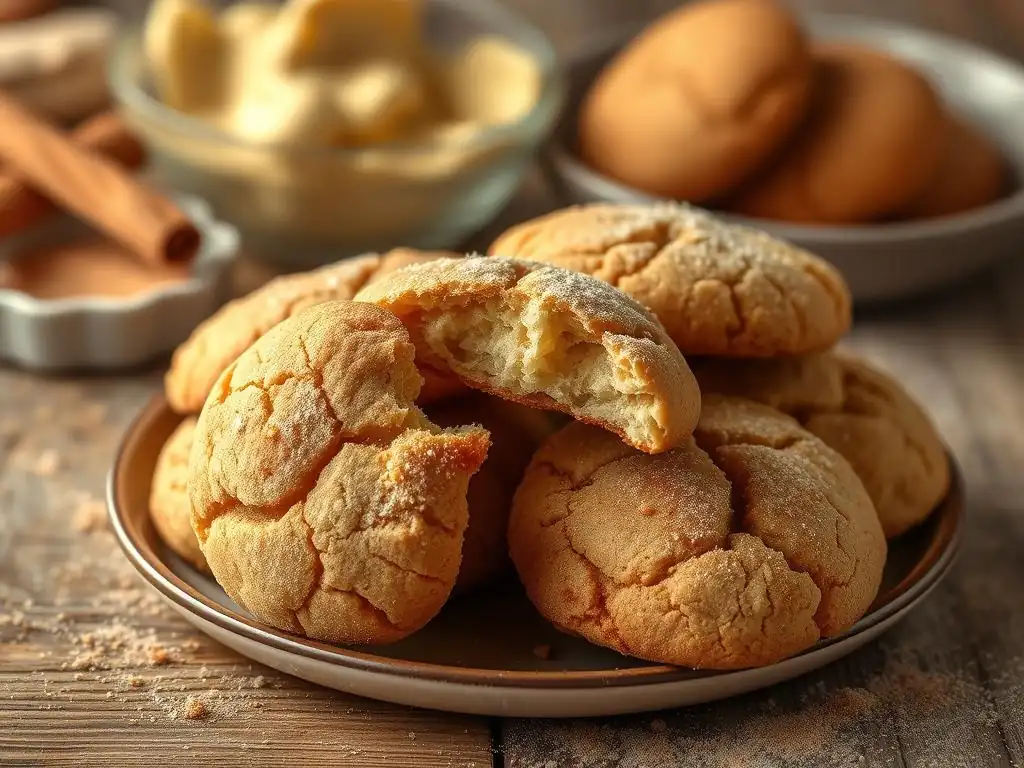
Snickerdoodles are distinct for their coating of cinnamon sugar and their slightly tangy flavor, which comes from cream of tartar. The dough itself is similar to a sugar cookie dough, but the rolling in cinnamon sugar before baking gives them their characteristic crackled surface and sweet, spiced crust. This recipe introduces the use of cream of tartar and the technique of coating cookies before baking.
The dough typically involves creaming butter and sugar, adding eggs and vanilla, then incorporating flour, cream of tartar, baking soda, and salt. Cream of tartar, an acidic salt, reacts with baking soda to give snickerdoodles their slight tang and contributes to their chewy texture and signature crackle. After chilling briefly, the dough is rolled into balls and then generously rolled in a mixture of granulated sugar and cinnamon. Baking is usually at 375°F (190°C) for about 8-10 minutes.
The Secret to Perfectly Tangy Snickerdoodles
The tangy flavor and unique texture of snickerdoodles are primarily due to cream of tartar. Chemically, cream of tartar (potassium bitartrate) is an acidic powder. When combined with baking soda (sodium bicarbonate), it produces carbon dioxide gas, helping the cookies rise. More importantly for snickerdoodles, its acidity reacts with the baking soda in a way that contributes to the chewy interior and slightly cracked surface.
Using fresh cream of tartar is important, as it can lose potency over time. Ensure your spice cabinet ingredients aren't years old! The amount of cream of tartar is usually equal to or slightly less than the baking soda in the recipe, typically around 1 to 1.5 teaspoons for a standard batch. Don't skip or substitute the cream of tartar if you want authentic snickerdoodles; it's the key ingredient that sets them apart from a simple sugar cookie rolled in cinnamon sugar.
Shortbread is perhaps the simplest cookie in terms of ingredients, typically containing just butter, sugar, and flour. The magic lies in the ratio and the method. Shortbread has a high proportion of butter, which inhibits gluten development, resulting in a wonderfully tender, crumbly texture that melts in your mouth. This recipe teaches the beginner about the importance of fat content in achieving a specific texture.
A classic shortbread ratio is often 1 part sugar, 2 parts butter, and 3 parts flour by weight. For example, 1/2 cup sugar, 1 cup butter, and 1 1/2 cups flour is a common starting point. The butter is often cut into the dry ingredients (like making a pie crust) or creamed minimally with the sugar before adding flour. The dough is pressed into a pan or shaped into a log and sliced, rather than dropped. Baking is typically at a lower temperature, around 325-350°F (160-175°C), for a longer time (20-30 minutes) until pale golden.
Achieving the Perfect Crumbly Texture in Shortbread
The secret to shortbread's signature crumbly, melt-in-your-mouth texture lies in minimizing gluten development. Gluten forms when flour is mixed with liquid and agitated. Shortbread dough has very little liquid (only what's in the butter), and the high fat content coats the flour particles, preventing gluten strands from forming easily.
Using softened but not melted butter is crucial. Overworking the dough after adding the flour will develop gluten and result in tough cookies. Mix just until the ingredients come together. Pressing the dough into shape rather than rolling it out extensively also helps. Baking at a lower temperature ensures the cookies cook through and become tender without browning too much, allowing that buttery, crumbly texture to shine.
You don't need a professional kitchen setup to bake delicious cookies. Many easy cookie recipes require only a few basic tools that are likely already in your kitchen, or are inexpensive to acquire. Having the right tools makes the process smoother, more accurate, and ultimately, more successful for a beginner baker.
Investing in a few key items can significantly improve your results and make baking more enjoyable. Precision in baking is often about accurate measurements and consistent conditions, and the right tools help achieve this.
A few essential tools will cover almost all easy cookie recipes. First, accurate measuring tools are non-negotiable: a set of dry measuring cups, liquid measuring cups (for liquids only! ), and measuring spoons. Baking is a science, and precise measurements are key. Secondly, mixing bowls of various sizes are needed for combining ingredients.
A sturdy whisk and a rubber spatula or wooden spoon are necessary for mixing by hand. If you plan to bake often, an electric hand mixer can make creaming butter and sugar much easier. You'll also need baking sheets (standard half-sheet size is versatile) and parchment paper or silicone baking mats to prevent sticking and ensure even baking. Finally, a cooling rack is essential for letting cookies cool properly after baking.
Starting out, you don't need top-of-the-line equipment. Many affordable options work perfectly well. Basic aluminum baking sheets are widely available and effective. Parchment paper is relatively inexpensive and disposable, making cleanup easy. Silicone baking mats are a bit more of an initial investment but are reusable for years.
For mixing, a simple set of plastic or glass mixing bowls is sufficient. Measuring cups and spoons can be found very affordably. A basic electric hand mixer is often under $30-$40 and is a worthwhile investment if you plan on baking regularly. A simple wire cooling rack is also quite inexpensive. Focus on getting the essential tools first before upgrading or buying specialized equipment.
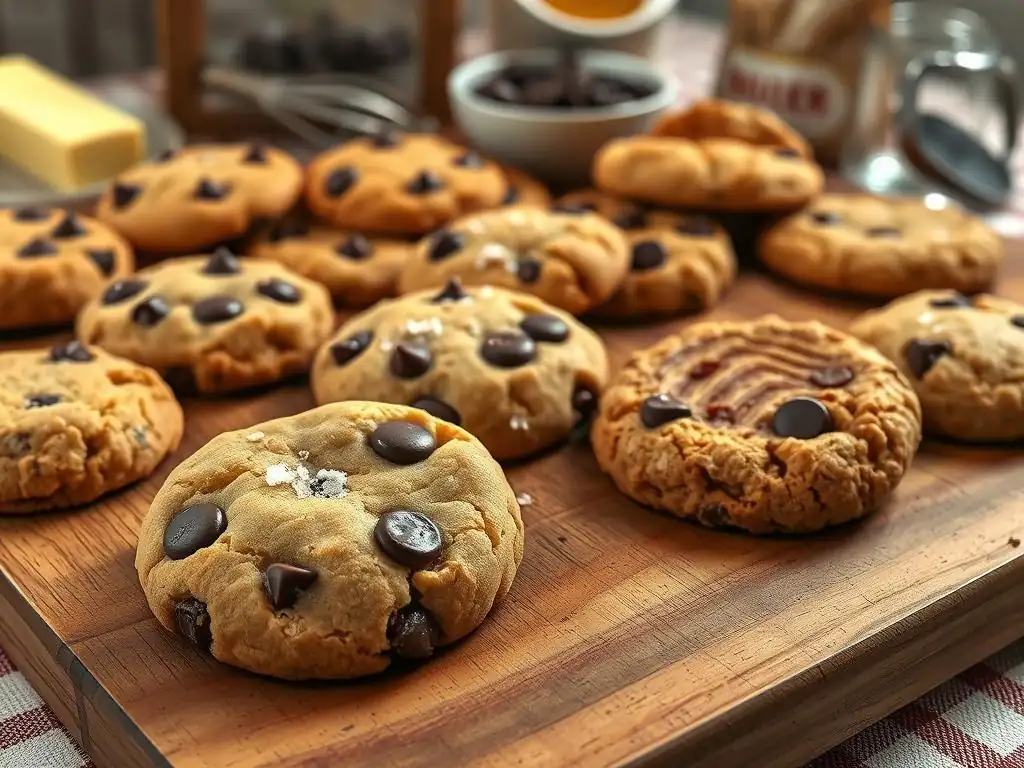
Beyond following an easy cookie recipe, a few universal tips and tricks can dramatically improve your results. These apply whether you're making an easy chocolate chip cookie recipe or venturing into shortbread. Mastering these fundamentals will give you consistent, delicious cookies batch after batch.
These tips focus on accuracy, technique, and understanding your oven – factors that are crucial for successful baking but often overlooked by beginners. Paying attention to these details will elevate your baking from good to great.
Measuring Ingredients Accurately for Consistent Results
Accurate measuring is perhaps the single most important factor in consistent cookie baking. For dry ingredients like flour, spoon the flour lightly into your dry measuring cup and level off the excess with a straight edge (like the back of a knife). Do not scoop flour directly from the bag with the measuring cup, as this compacts it and you'll end up with too much flour, leading to dry or tough cookies.
Granulated sugar can be scooped and leveled. Brown sugar should be packed firmly into the measuring cup. Liquids should be measured in liquid measuring cups placed on a flat surface, reading at eye level. Butter should be measured accurately using the markings on the wrapper or a kitchen scale if specified in the recipe. Using a kitchen scale for flour is the most accurate method, especially for recipes that provide weights.
Understanding Oven Temperatures and Baking Times
Oven temperatures can vary significantly from the dial setting. Using an inexpensive oven thermometer placed inside your oven is highly recommended to ensure it's heating to the correct temperature. An oven that runs too hot or too cold will drastically affect baking time and cookie texture. Preheat your oven for at least 15-20 minutes to ensure it reaches and stabilizes at the correct temperature.
Baking times provided in recipes are always guidelines. Start checking your cookies at the minimum time specified. Look for visual cues: edges that are set and lightly golden, centers that may still look slightly soft (depending on the cookie type). Cookies continue to bake for a minute or two after being removed from the oven due to residual heat. It's better to slightly underbake than overbake most cookies, especially chewy varieties like an easy chocolate chip cookie recipe or oatmeal raisin.
Proper storage is key to keeping your delicious homemade cookies fresh and maintaining their texture. Allow cookies to cool completely on a wire rack before storing. Storing warm cookies creates condensation, which can make them soggy. Store different types of cookies separately, as strong flavors can transfer. For instance, don't store spicy gingerbread with delicate shortbread.
Airtight containers are best for most cookies to prevent them from drying out. Store soft, chewy cookies (like your easy chocolate chip cookie recipe or snickerdoodles) in a container with a slice of bread – the cookies will absorb moisture from the bread and stay soft. Store crisp cookies (like sugar cookies or shortbread) in an airtight container, but avoid adding bread, as this will make them soft. Most cookies stay fresh at room temperature for 3-5 days. For longer storage, many cookie doughs and baked cookies can be frozen.
Embarking on the journey of baking doesn't have to be intimidating. Starting with easy cookie recipes, like a simple chocolate chip cookie recipe and the other classics discussed, provides a low-pressure environment to learn fundamental techniques and build confidence. Each successful batch is a delicious reward and a stepping stone towards more complex baking projects.
Remember that baking is a skill that improves with practice. Don't be discouraged by a batch that doesn't turn out perfectly; learn from it and try again. The joy of creating something delicious from simple ingredients is immense, and the aroma of fresh-baked cookies filling your home is an added bonus.
Moving beyond your first easy chocolate chip cookie recipe opens up a world of textures and flavors. Each new cookie type introduces variations in ingredients, mixing methods, or shaping techniques that contribute to your overall baking knowledge. From the simplicity of shortbread to the tang of a snickerdoodle, every recipe teaches you something new about the science and art of baking.
As you gain confidence with these classics, you'll find yourself better equipped to tackle recipes for cakes, breads, pastries, and more. The principles of creaming, measuring, understanding leavening, and managing oven temperature are universal. So, keep exploring, keep practicing, and enjoy the delicious process of becoming a more skilled baker, one cookie at a time.
Encouragement and Resources for Aspiring Bakers on BakeWithEase.com
Don't hesitate to dive in! The world of baking is welcoming and rewarding. BakeWithEase.com is designed to be your friendly guide, offering simple, clear recipes and helpful tips for bakers of all levels. Whether you're looking for an easy chocolate chip cookie recipe, troubleshooting advice, or your next baking challenge, you'll find resources here to support you.
We encourage you to try these classic cookie recipes and explore others on our site. Experiment with variations, find your favorites, and share your creations with friends and family. Baking is meant to be enjoyed, both in the making and the eating. Let BakeWithEase be your partner in discovering the simple pleasure and rewarding achievements of baking.
Frequently Asked Questions
An easy cookie recipe typically features a short ingredient list, straightforward instructions, and requires minimal specialized equipment, making it accessible for novice bakers.
Other beginner-friendly classics include oatmeal raisin cookies, peanut butter cookies, and sugar cookies because they often rely on simple mixing techniques and readily available ingredients.
Common mistakes include overmixing the dough, incorrect oven temperature, and inaccurate measuring of ingredients. Using a kitchen scale and following instructions carefully can help avoid these issues.
Websites like BakeWithEase.com offer step-by-step guides and recipes specifically designed for beginners, focusing on simplicity and clear instructions to ensure success.
Using room temperature ingredients is crucial for proper emulsification, which results in a smoother batter and a more consistent cookie texture.
The humble cookie, far from being a mere dessert, represents a gateway to culinary creativity and the joy of sharing. While the internet overflows with complex baking techniques, the enduring appeal of classic cookies remains undeniable. This article explored several easy-to-master recipes, proving that deliciousness doesn't require hours of intricate work. The simplicity of these recipes opens up the world of baking to everyone, regardless of skill level.
The impact of a perfectly baked cookie transcends mere taste; it's a symbol of comfort, connection, and shared experience. From childhood memories of warm cookies fresh from the oven to the satisfaction of gifting homemade treats, the cultural significance of cookies is profound. Baking is at once child's play and adult joy. And love, of course.
This quote perfectly encapsulates the emotional resonance of baking, and particularly, the simple joy of creating classic cookies. The recipes shared here aim to foster that joy, encouraging a new generation of bakers to embrace the magic of the simple cookie.
Now, it's your turn. Don't be intimidated by the seemingly endless world of baking. Choose one of the recipes from this article, gather your ingredients, and experience the satisfaction of creating something delicious and meaningful with your own hands. The warmth of a freshly baked cookie, the pride in your creation, and the joy of sharing it with others – these are the true rewards of embracing the simple, classic cookie. So, roll up your sleeves, preheat your oven, and discover the joy of baking!
Thanks for joining us on this delicious journey into the world of classic cookies! We hope you've gained the confidence to tackle some baking basics. Now it's time to put your newfound skills to the test!
- Dive into your kitchen and bake your favorite recipe from today's article! Let the aroma of freshly baked cookies fill your home.
- Share your baking triumphs (and even your bloopers!) with us on social media using #BakeWithEaseCookies – we’d love to see what you create!
- Challenge yourself to try a new cookie recipe this week. Expand your baking horizons and explore new flavors.
What incredible cookie adventure will you embark on next?