
Troubleshooting Dry Chocolate Cakes: The Moisture Secret

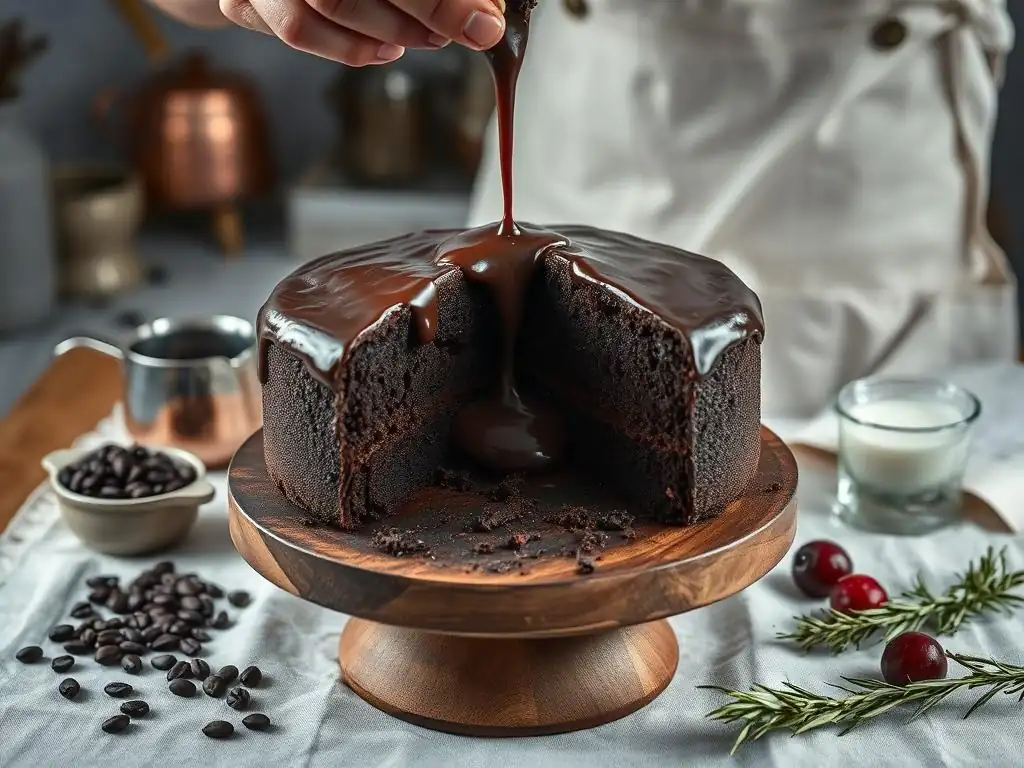
Welcome to BakeWithEase, where baking becomes a joy, not a chore! Are you tired of dry, disappointing chocolate cakes? This is your moisture intervention! Dive into our secrets and learn the surprisingly simple fixes that will transform your baking. Discover the key ingredients and techniques that guarantee a moist and decadent chocolate cake every time. Ready to unlock the moisture secret and banish dryness forever? Let's explore the world of the dry chocolate cake fix!
- Introduction: Banish Dryness from Your Chocolate Cakes
- Understanding the Culprits: Common Causes of Dry Chocolate Cake
- Dry Chocolate Cake Fix: Simple Solutions and Techniques
- Proactive Measures: Preventing Dry Chocolate Cakes Before They Happen
- Reviving a Dry Chocolate Cake: Salvage Strategies
- Advanced Techniques for Ultimate Chocolate Cake Moisture
- Recipe Adjustments: Tailoring Recipes for Guaranteed Moisture
- Conclusion: Enjoy Perfectly Moist Chocolate Cakes, Every Time
-
Frequently Asked Questions
- How can I tell if my chocolate cake is going to be dry before it's even baked?
- What are the most common reasons why chocolate cakes turn out dry?
- Can I add extra liquid to a dry chocolate cake batter to fix it?
- My dry chocolate cake is already baked. Is there anything I can do to salvage it?
- Does the type of chocolate I use affect the moisture level of my cake?
- Final Reflection: The Enduring Quest for the Perfect Chocolate Cake
- Unlock Your Cake's Moistest Potential!
Introduction: Banish Dryness from Your Chocolate Cakes
The Agony of a Dry Chocolate Cake: Why Does it Happen?
Few things are as disappointing in the baking world as slicing into a beautiful chocolate cake, only to find the inside is dry, crumbly, and lacking that crucial moist tenderness. It's a frustrating experience that can make you question your baking skills. Often, the culprits are subtle – maybe it baked a few minutes too long, the ingredients weren't quite right, or the oven temperature was off. Understanding the root causes is the essential first step in achieving that perfect, moist chocolate cake you dream of.
Chocolate cakes, in particular, can be prone to dryness because cocoa powder, a key ingredient, is naturally very absorbent. If not properly hydrated within the batter, it can soak up moisture during baking, leaving you with a dense, arid result. Identifying the specific factors contributing to dryness in your bakes is the most effective way to implement a successful dry chocolate cake fix and ensure your future chocolate creations are wonderfully moist.
A Baker's Guide to Moist Chocolate Cakes
Fear not, fellow bakers! Achieving a moist chocolate cake is absolutely within your reach, even if you've faced dry disasters in the past. This guide is designed to walk you through the common pitfalls and equip you with the knowledge and techniques to bake chocolate cakes that are consistently tender, flavorful, and delightfully moist. We'll explore the science behind moisture loss and provide actionable strategies for prevention and correction.
Whether you're a beginner or looking to perfect your craft, this article will serve as your comprehensive resource. We'll cover everything from ingredient ratios and oven temperatures to advanced methods like Tangzhong and simple syrup soaks. By the end, you'll have a baker's toolkit full of reliable methods to banish dry chocolate cakes from your kitchen forever and confidently apply a dry chocolate cake fix whenever needed.
Understanding the Culprits: Common Causes of Dry Chocolate Cake
Overbaking: The Number One Moisture Thief
Overbaking is arguably the most common reason for a dry chocolate cake. When a cake bakes for too long, the heat causes excessive evaporation of the liquids within the batter. Proteins in the flour and eggs also coagulate more than necessary, creating a tighter, tougher structure that feels dry. Even a few minutes past the ideal baking time can significantly impact the final moisture level of your cake.
Think of it like cooking steak – a few extra minutes on the grill can change it from perfectly juicy to tough and dry. The same principle applies to cakes. The ideal internal temperature for most finished cakes is typically between 200°F and 210°F (93°C to 99°C). Baking beyond this range pushes out too much moisture, resulting in that undesirable crumbly texture and the need for a dry chocolate cake fix.
Incorrect Ingredient Ratios: The Balance is Key
Baking is often described as a science because the ratios of ingredients matter significantly. A recipe calls for specific amounts of flour, sugar, fat, and liquid for a reason – they work together to create the desired structure, tenderness, and moisture. If the balance is off, particularly if there's too much dry ingredient (like flour or cocoa powder) or too little liquid (milk, eggs, oil, etc. ), the resulting cake will inevitably be dry.
Cocoa powder is a prime example; it absorbs liquid differently depending on whether it's natural or Dutch-processed, and it generally requires more hydration than flour. A recipe with a high proportion of cocoa powder and insufficient liquid will almost certainly yield a dry cake. Mastering the interplay between wet and dry ingredients is crucial for preventing a dry chocolate cake fix situation.
Using the Wrong Type of Flour: Gluten Content Matters
Flour provides the structure in a cake, but the type of flour used can impact tenderness and moisture. Flours vary in protein content, and protein forms gluten when mixed with liquid. High-protein flours, like bread flour (typically 12-14% protein), develop more gluten, leading to a chewier texture better suited for bread. While some gluten is needed for structure, too much in a cake can make it tough and contribute to dryness.
For most cakes, including chocolate ones, a lower-protein flour like cake flour (around 6-8% protein) or all-purpose flour (around 10-12%) is preferred. Cake flour's lower protein and finer grind result in less gluten development and a more tender, delicate crumb that feels moister. Using a flour with too much gluten is a common, often overlooked, reason for needing a dry chocolate cake fix.
Insufficient Liquid: A Recipe for Disaster
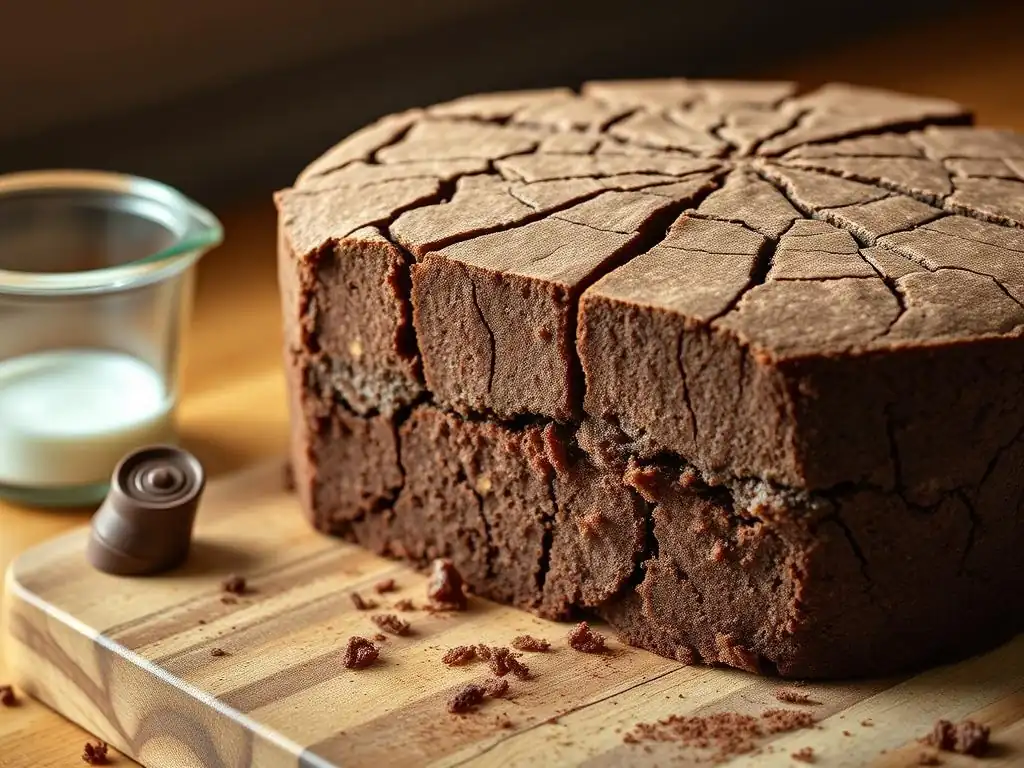
It might seem obvious, but a cake simply won't be moist if the recipe doesn't include enough liquid ingredients. Liquids like milk, water, buttermilk, sour cream, oil, and eggs provide hydration to the dry ingredients and contribute to the cake's overall moisture and tenderness. A recipe that is skimpy on these components, especially relative to the amount of dry ingredients, is destined to produce a dry cake.
Moreover, how liquids are incorporated matters. Hot liquids, like boiling water or hot coffee, are often used in chocolate cake recipes because they help "bloom" the cocoa powder, intensifying its flavor and ensuring it's hydrated before baking. Failing to use enough liquid, or using liquids that don't properly hydrate the cocoa, are direct pathways to a dry chocolate cake.
Oven Temperature Issues: Hot Spots and Uneven Baking
An oven that doesn't heat accurately or has significant hot spots can cause parts of your cake to bake faster than others. This leads to uneven baking where edges might be dry and overbaked while the center is still underdone, or vice versa. This inconsistency in heat distribution results in a cake with varying textures and moisture levels, often with dry patches.
Relying solely on your oven's dial can be misleading, as oven temperatures can be off by 25°F to 50°F (15°C to 30°C) or even more. An oven that runs too hot will cook the cake too quickly on the outside before the inside is done, leading to a dry exterior and potentially dense interior. Uneven heat is a sneaky culprit behind many dry chocolate cake dilemmas.
Dry Chocolate Cake Fix: Simple Solutions and Techniques
Adjusting Baking Time for Moistness
The simplest and often most effective dry chocolate cake fix is careful monitoring of baking time. Begin checking your cake for doneness several minutes before the recipe's minimum suggested time. Use a timer and stay close by during the final stages of baking. This vigilance is key to pulling the cake out at the precise moment it's perfectly baked, preventing moisture loss.
Look for visual cues: the edges of the cake should just start to pull away from the sides of the pan, and the surface should look set and spring back slightly when gently pressed. The most reliable test is inserting a wooden skewer or toothpick into the center; it should come out with a few moist crumbs attached, but no wet batter. A clean toothpick indicates the cake is likely already slightly overbaked.
Mastering Ingredient Ratios for Optimal Hydration
Precision in measuring ingredients is fundamental to achieving the correct ratio and, consequently, a moist cake. This is especially true for dry ingredients like flour and cocoa powder. Simply scooping flour directly from the bag with your measuring cup can compact it, adding significantly more than the recipe intended – potentially 20% to 30% extra flour, a surefire way to a dry cake.
Using a digital kitchen scale to weigh your ingredients is the most accurate method. For example, 1 cup of all-purpose flour typically weighs around 120-125 grams, while 1 cup of cocoa powder is usually closer to 100-115 grams, depending on the type. Weighing ensures you have the exact dry-to-wet ratio the recipe developer intended, providing a solid foundation for a moist dry chocolate cake fix.
Choosing the Right Flour for a Tender Crumb
As discussed earlier, the type of flour impacts texture. For a tender, moist chocolate cake, opt for cake flour if the recipe allows, or use all-purpose flour. Cake flour, with its lower protein content (around 6-8%), develops less gluten, resulting in a softer crumb that feels more moist. If a recipe calls for all-purpose flour (10-12% protein), this is usually acceptable, but avoid high-protein bread flour.
If using all-purpose flour, consider sifting it after measuring. Sifting helps aerate the flour and breaks up clumps, contributing to a lighter texture. While cake flour is ideal for the most tender results, using the correct measuring techniques with all-purpose flour goes a long way in achieving a moist outcome and avoiding the need for a dry chocolate cake fix later.
The Power of Liquid: Adding Moisture Back In
Liquid ingredients are the lifeblood of a moist cake. Don't be afraid to use recipes that incorporate significant amounts of liquid, especially hot liquids for chocolate cakes. Hot water or coffee not only hydrate the batter but also bloom the cocoa powder, enhancing its flavor and color while preventing it from absorbing essential moisture during baking.
Sometimes, a recipe can benefit from a slight increase in liquid, particularly if you've found it yields dry results in the past. Adding an extra 1/4 to 1/2 cup of milk, buttermilk, or coffee to the batter can provide a noticeable boost in moisture without compromising the cake's structure, especially in rich, sturdy chocolate cake recipes. This simple adjustment can be a powerful dry chocolate cake fix.
Using Buttermilk for a Tangy and Moist Result
Buttermilk is a fantastic ingredient for moist cakes. Its acidity reacts with baking soda in the recipe, producing carbon dioxide gas that helps the cake rise and contributes to a tender crumb structure. More importantly, the fat content in buttermilk adds richness, while the liquid provides crucial hydration.
The slight tanginess of buttermilk also pairs wonderfully with the deep flavor of chocolate, creating a more complex and appealing taste profile. Cakes made with buttermilk often have a finer, softer crumb and stay moist longer than those made with regular milk. It's a go-to ingredient for many bakers seeking a reliable dry chocolate cake fix.
Incorporating Sour Cream for Richness and Hydration
Sour cream is another excellent addition for moisture. Like buttermilk, it's acidic, which helps tenderize the cake's crumb. Its high fat content provides significant richness and moisture, contributing to a dense yet incredibly tender and moist texture.
Sour cream can often be used to replace some of the butter or liquid in a recipe. For instance, substituting 1/4 cup of the specified liquid or fat with 1/4 cup of full-fat sour cream can yield a cake with a notably moister and more luxurious crumb. It's a simple substitution that acts as an effective dry chocolate cake fix.
Coffee's Secret: Enhancing Chocolate Flavor and Moisture
Using coffee in chocolate cakes is a time-honored technique. Coffee doesn't just add moisture; its slightly bitter notes enhance the chocolate's richness and depth, making the chocolate flavor more prominent and intense. Using hot brewed coffee or espresso is particularly effective as the heat helps to fully dissolve and bloom the cocoa powder, preventing it from drying out the cake.
Substituting the water called for in a chocolate cake recipe with hot brewed coffee is a simple yet impactful way to boost both flavor and moisture. The liquid hydrates the dry ingredients, while the coffee complements the chocolate beautifully, resulting in a richer, moister cake that's far less likely to require a dry chocolate cake fix.
Oven Temperature Calibration: Ensuring Even Baking
An accurate oven temperature is vital for even baking and preventing dry spots. Invest in an inexpensive oven thermometer and place it inside your oven to verify the actual temperature. If your oven consistently runs hotter or cooler than the dial indicates, you can adjust your oven setting accordingly (e.g., set it 25°F lower if your thermometer reads 25°F too high).
Furthermore, rotating your cake pans halfway through the baking time helps ensure that all sides of the cake receive equal heat exposure. For example, if a cake bakes for 30 minutes, turn the pan 180 degrees after 15 minutes. This prevents hot spots from overbaking one side, contributing to a more uniformly moist cake and reducing the chance of needing a dry chocolate cake fix.
Proactive Measures: Preventing Dry Chocolate Cakes Before They Happen
Accurate Measuring: Precision is Paramount
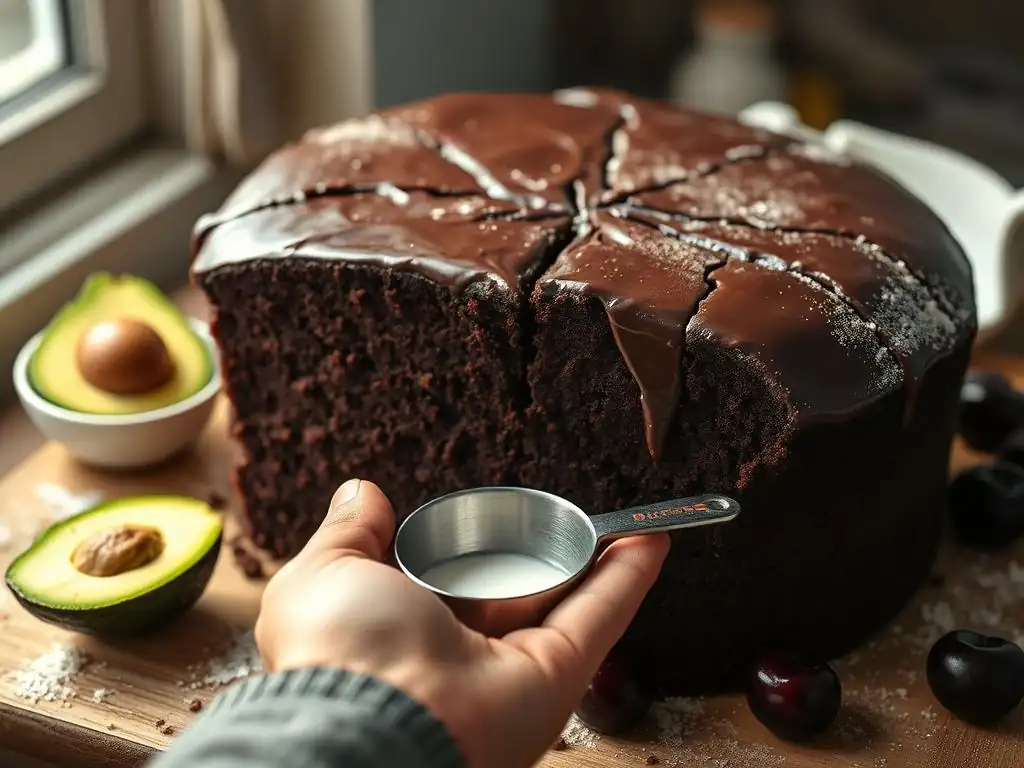
Weighing ingredients, especially flour and cocoa powder, is the gold standard for accuracy in baking. Using a digital scale eliminates the variability that comes with volume measurements (cups). The difference between a cup of flour lightly spooned into a cup and one scooped directly from the bag can be significant, leading to an incorrect dry-to-liquid ratio and a dry cake.
If you don't have a scale, use the spoon-and-level method for flour: gently spoon flour from the bag into your measuring cup until it's overflowing, then level it off with a straight edge (like the back of a knife) without tapping or packing the flour down. This method provides a more consistent volume measurement than scooping, helping you avoid inadvertently adding excess dry ingredients that cause a dry chocolate cake fix scenario.
Proper Mixing Techniques: Avoiding Overmixing and Undermixing
Mixing plays a crucial role in gluten development and ingredient distribution. Overmixing the batter, especially after adding the flour, develops too much gluten, resulting in a tough, dense, and dry cake. Ingredients should be mixed only until just combined. For example, when adding dry ingredients to wet, mix on low speed just until no streaks of flour are visible – usually less than a minute.
Conversely, undermixing can leave pockets of dry ingredients or uneven distribution of leaveners, leading to a poor texture and potentially dry spots. Ensure all ingredients are fully incorporated, but stop as soon as that point is reached. Gentle mixing is key to a tender, moist crumb and preventing the need for a dry chocolate cake fix.
Using a Cake Tester: The Ultimate Doneness Check
Relying solely on the baking time listed in a recipe can be misleading due to variations in ovens and pans. A cake tester, such as a wooden skewer or toothpick, is your best friend for determining doneness accurately. Insert it into the very center of the cake.
For a perfectly moist cake, the tester should come out with a few moist crumbs clinging to it. If it comes out with wet batter, it needs more time. If it comes out completely clean, the cake is likely already slightly overbaked and starting to dry out. Mastering this simple technique is a powerful preventative dry chocolate cake fix. An instant-read thermometer reading 200-210°F (93-99°C) in the center is even more precise.
Storing Your Chocolate Cake Correctly: Locking in Moisture
Even a perfectly baked cake can become dry if not stored properly. Air is the enemy of moisture in baked goods, causing it to evaporate over time. Once your cake has cooled completely, protect it from the air.
If storing unfrosted layers, wrap each layer tightly in plastic wrap, then again in aluminum foil. They can be kept at room temperature for a day or two, or frozen for longer storage (up to 2-3 months). For frosted cakes, use an airtight cake carrier or cover exposed cut surfaces with plastic wrap before placing the cake in a carrier. Proper storage is a critical step in preserving moisture and avoiding a future dry chocolate cake fix challenge.
Reviving a Dry Chocolate Cake: Salvage Strategies
Simple Syrup Soak: Adding Moisture Back to the Cake
If you find yourself with a cake that's already a bit dry, a simple syrup soak is a classic dry chocolate cake fix. Simple syrup is made by heating equal parts sugar and water until the sugar dissolves (e.g., 1 cup sugar to 1 cup water). Once cooled, this syrup can be brushed or drizzled generously over cooled cake layers.
The cake will absorb the liquid, adding moisture back into the crumb. You can even infuse the syrup with flavorings like vanilla extract, coffee liqueur, or a splash of rum to complement the chocolate. This technique is particularly effective for layered cakes before assembly, ensuring each bite is moist and flavorful despite initial dryness.
Chocolate Ganache Rescue: Masking Dryness with Decadence
A rich, creamy chocolate ganache can work wonders on a dry cake. Ganache is made by pouring hot heavy cream over chopped chocolate and stirring until smooth. The high fat content of the cream and chocolate provides significant moisture and richness.
Using ganache as a frosting or filling for a dry cake helps to moisten the crumb it touches and its luxurious texture and intense flavor can effectively distract from any underlying dryness. A typical ratio for a pourable ganache is 1 part chocolate to 1 part cream, while a thicker frosting ganache might use 2 parts chocolate to 1 part cream. It's a delicious dry chocolate cake fix!
Steaming Method: Rehydrating the Cake
For individual slices of a slightly dry or stale cake, a gentle steaming method can help rehydrate them. Place a slice of cake on a small rack set over a pot of simmering water. Cover the pot loosely with a lid or foil, ensuring the cake doesn't touch the water. Let it steam for just a few minutes.
The steam will gently penetrate the cake, softening the crumb and adding back some moisture. This is a quick fix for a single serving and can revive a slice that has been sitting out for too long. While not suitable for a whole cake, it's a handy trick for a small-scale dry chocolate cake fix.
Advanced Techniques for Ultimate Chocolate Cake Moisture
The Tangzhong Method: Asian Baking Secret for Softness
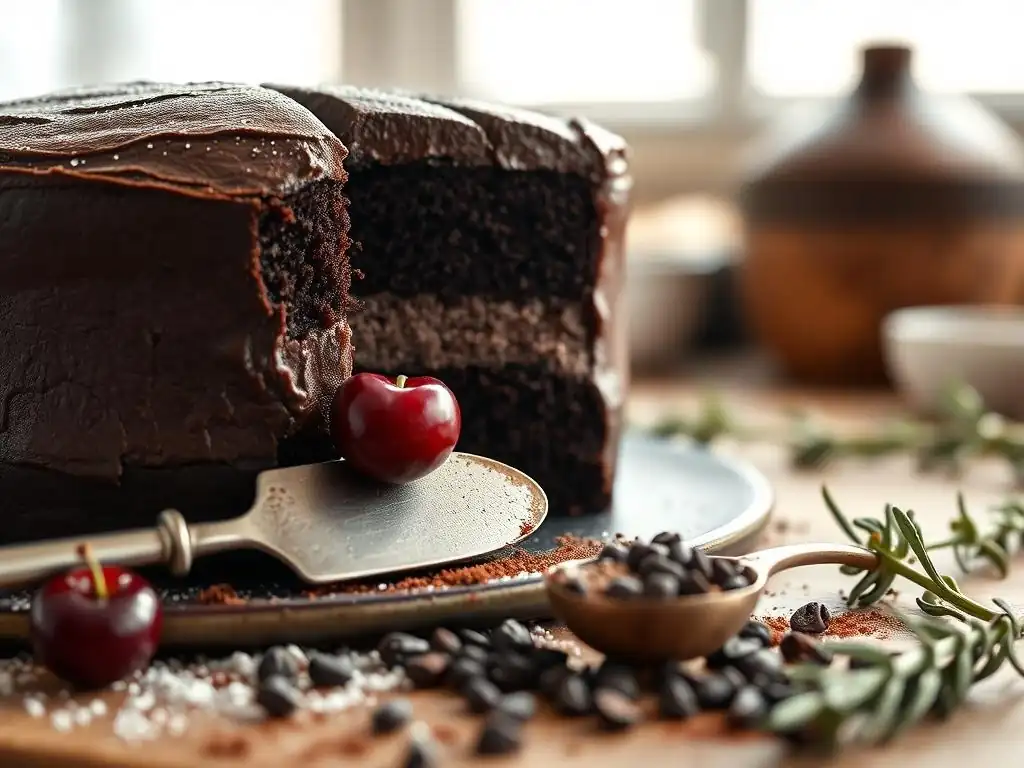
The Tangzhong method, originating from Asian baking, is a powerful technique for achieving incredibly soft and moist cakes and breads that stay fresh longer. It involves cooking a small portion of the flour and liquid (milk or water) from the recipe into a thick paste (a roux) heated to about 149°F (65°C). This process gelatinizes the starch in the flour.
When this cooled Tangzhong paste is added to the main cake batter, it helps the cake absorb and retain significantly more liquid during mixing and baking. This extra hydration results in a cake with an exceptionally fine, tender, and moist crumb structure that resists drying out, making it an advanced but highly effective preventative dry chocolate cake fix.
Reverse Creaming: Creating a Tender Crumb Structure
Traditional cake mixing starts by creaming butter and sugar. The reverse creaming method flips this: dry ingredients (flour, sugar, leaveners) are mixed with softened butter first. This coats the flour particles in fat before any liquid is added.
By coating the flour in fat, the reverse creaming method inhibits gluten development when the liquids are eventually incorporated. This leads to a cake with a very fine, velvety, and tender crumb that feels exceptionally moist. It's a technique favored by professional bakers for its ability to produce cakes with superior texture and moisture, effectively preventing the need for a dry chocolate cake fix.
Using Oil Instead of Butter: A Moisture-Boosting Swap
While butter adds wonderful flavor, oil is superior when it comes to moisture retention in cakes. Butter contains about 15-18% water, which evaporates during baking. Oil, on the other hand, is 100% fat and coats flour particles more effectively, preventing them from forming a strong gluten network and resulting in a more tender crumb.
Cakes made with oil tend to be moister and stay soft longer than butter-based cakes. This is particularly beneficial for chocolate cakes, which can be inherently drier due to cocoa powder's absorbency. While some flavor is sacrificed compared to butter, using a neutral oil like vegetable or canola oil can be a simple yet powerful dry chocolate cake fix for maximum moisture. Many moist chocolate cake recipes use a combination of oil and butter for both moisture and flavor.
Recipe Adjustments: Tailoring Recipes for Guaranteed Moisture
Modifying Existing Recipes for Better Results
Once you understand the principles behind moist cakes, you can analyze your favorite chocolate cake recipes and identify areas for improvement. Look for recipes that might be low in liquid relative to dry ingredients, or those that don't specify using hot liquid for the cocoa. You can then make small, controlled adjustments to enhance moisture.
For instance, if a recipe uses milk, consider substituting buttermilk. If it uses water, try using hot coffee instead. If it seems particularly low on liquid, you might add a small extra amount. Keep notes on your adjustments and results to refine the recipe over time, creating your own perfectly moist version and eliminating the need for a dry chocolate cake fix.
Adjusting Liquid Ratios: Adding Extra Liquid for Enhanced Moisture
A straightforward way to boost moisture is to slightly increase the liquid component of a recipe. For a standard 8-inch or 9-inch cake recipe, adding an extra 1/4 cup to 1/2 cup of liquid (milk, buttermilk, coffee, or even just hot water) can make a noticeable difference in the final texture.
Chocolate cakes are especially forgiving of extra liquid because the cocoa powder is so absorbent. This extra hydration helps the cocoa bloom fully and ensures there's enough moisture left in the cake structure after baking. This simple adjustment is often a quick and effective dry chocolate cake fix.
Incorporating Sour Cream: A Creamy Addition for a Moist Crumb
Adding sour cream is an excellent way to introduce both fat and acidity, leading to a richer, more tender, and moister crumb. You can often substitute a portion of the liquid or fat in a recipe with an equal amount of full-fat sour cream.
For example, if a recipe calls for 1 cup of milk, you could use 3/4 cup milk and 1/4 cup sour cream. Or, if it calls for 1 cup of butter, you might use 3/4 cup butter and 1/4 cup sour cream. This creamy addition is a reliable method for ensuring a moist result and is a fantastic preventative dry chocolate cake fix.
Conclusion: Enjoy Perfectly Moist Chocolate Cakes, Every Time
Embrace the Tips and Never Suffer a Dry Cake Again
Baking a dry chocolate cake can be disheartening, but it doesn't have to be a recurring problem. By understanding the common culprits – from the dangers of overbaking and incorrect ingredient ratios to the impact of flour type and oven inconsistencies – you've taken the first crucial step toward consistently moist results.
Armed with the techniques and solutions discussed, you now have the power to prevent dry chocolate cakes before they happen and even salvage ones that missed the mark. Accurate measuring, careful monitoring of baking time, using moisture-boosting ingredients like buttermilk, sour cream, and coffee, and proper storage are all vital tools in your baking arsenal. Embrace these tips, practice them with your favorite chocolate cake recipes, and you'll master the art of the dry chocolate cake fix, ensuring every slice you serve is delightfully tender and moist.
Frequently Asked Questions
How can I tell if my chocolate cake is going to be dry before it's even baked?
Look for signs like a very thick batter that doesn't easily pour, or a batter that seems crumbly rather than smooth. These can indicate a moisture imbalance.
What are the most common reasons why chocolate cakes turn out dry?
Over-baking is a major culprit, leading to moisture evaporation. Also, incorrect ingredient ratios, particularly too much flour or not enough liquid, can result in a dry final product.
Can I add extra liquid to a dry chocolate cake batter to fix it?
Yes, carefully adding a small amount of liquid like milk, buttermilk, or even coffee can help. Mix it in gradually until the batter reaches a smooth, pourable consistency, but avoid overmixing.
My dry chocolate cake is already baked. Is there anything I can do to salvage it?
Absolutely! Try brushing it with a simple syrup or flavored liqueur to add moisture. You can also serve it with a moist frosting or whipped cream.
Does the type of chocolate I use affect the moisture level of my cake?
Yes, different types of chocolate have varying fat contents. Using a higher quality chocolate with a higher cocoa butter content can contribute to a more moist and flavorful cake.
Final Reflection: The Enduring Quest for the Perfect Chocolate Cake
The quest for a moist, decadent chocolate cake is a timeless pursuit, and the struggle with dryness remains a common baking woe. This article has explored the science behind dry chocolate cakes, highlighting the crucial role of proper hydration and ingredient ratios in achieving that perfect texture. Understanding these factors is not just about fixing a failed bake; it's about unlocking the potential for consistently delicious results.
The impact of a perfectly moist chocolate cake extends far beyond the individual experience. It's a symbol of comfort, celebration, and shared joy. It's the centerpiece of birthdays, the sweet ending to a comforting meal, and a testament to the power of simple ingredients transformed by skill and understanding. A cake is a celebration; it's a moment of joy, a symbol of happiness.
This sentiment, while simple, encapsulates the emotional weight we often attach to this seemingly simple dessert. The pursuit of the perfect chocolate cake, therefore, is a pursuit of perfection in a small, delicious way, reflecting our desire for mastery and the creation of something beautiful.
Now, consider your own baking journey. Have you experienced the frustration of a dry chocolate cake? What have you learned from your successes and failures? I encourage you to experiment with the techniques discussed in this article, to embrace the process of learning, and to discover the joy of creating a truly exceptional chocolate cake. The next time you face a dry cake, remember the moisture secret, and let it guide you towards baking triumph. The perfect chocolate cake awaits – go forth and bake!
Unlock Your Cake's Moistest Potential!
Thanks for diving into the world of perfectly moist chocolate cakes! We hope you learned some valuable techniques to banish dryness forever. Ready to put your new knowledge into practice?
- Bake a show-stopping chocolate cake this weekend! Use your newfound wisdom to create a masterpiece—we know you can do it!
- Share your baking triumph with us on social media using #BakeWithEaseMoistMagic. Let's inspire other bakers!
- Challenge yourself: Try a completely new chocolate cake recipe and see how your improved techniques transform the outcome.
What's your go-to tip for keeping chocolate cakes moist and delicious? Share your secrets below!