
EggFree Ice Cream Recipes: Deliciously Simple Alternatives

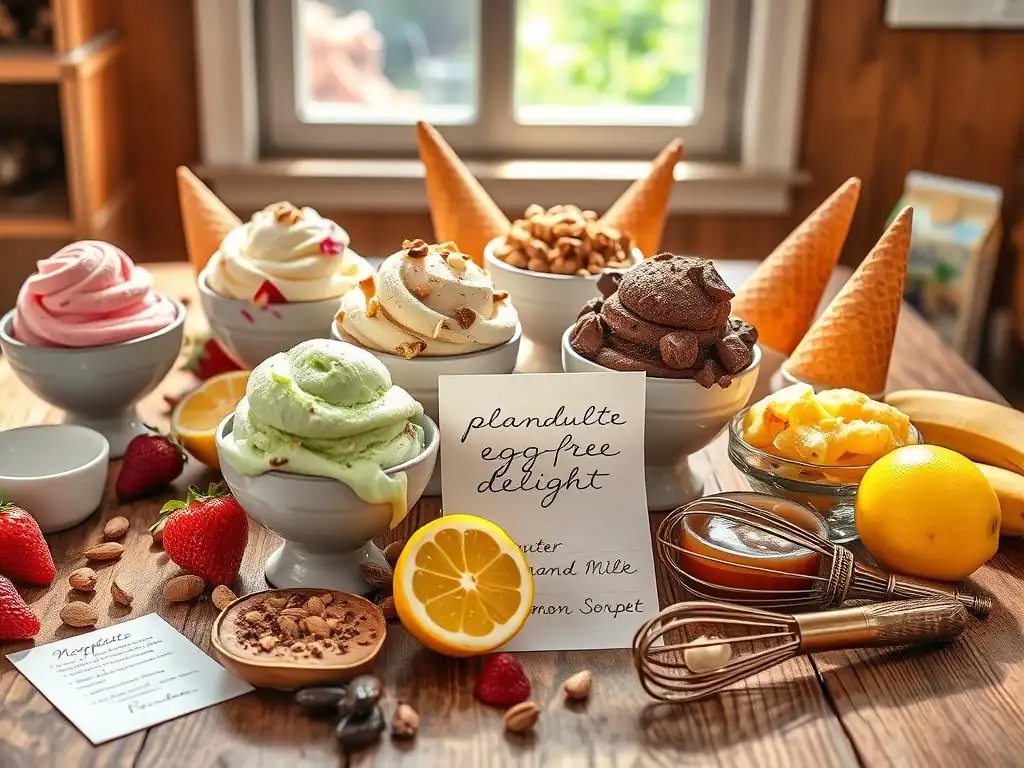
Welcome to BakeWithEase, your haven for baking brilliance! Tired of complicated recipes and hard-to-find ingredients? Dive into our world of delicious desserts, starting with a surprisingly simple topic: eggfree ice cream recipes easy enough for anyone to master. Discover how to create creamy, dreamy, egg-free frozen delights that will have everyone asking for seconds. Ready to scoop up some surprisingly simple secrets?
- Introduction to Egg-Free Ice Cream
- Mastering the Basics: Essential Ingredients for Egg-Free Ice Cream
- Easy Egg-Free Ice Cream Recipes: Step-by-Step Guides
- Troubleshooting Your Egg-Free Ice Cream
- Tips and Tricks for the Best Egg-Free Ice Cream
- Exploring Advanced Egg-Free Ice Cream Techniques
- Conclusion: Enjoying Delicious and Easy Egg-Free Ice Cream
- Frequently Asked Questions
- Final Reflection: The Sweetness of Inclusion: Egg-Free Ice Cream for Everyone
- Unleash Your Inner Ice Cream Alchemist!
Introduction to Egg-Free Ice Cream
Why Choose Egg-Free Ice Cream Recipes?
Choosing egg-free ice cream recipes opens up a world of possibilities for those with allergies, dietary restrictions like veganism, or simply those looking for a lighter dessert. While traditional ice cream often relies on eggs for richness and emulsification, modern techniques and ingredients make it surprisingly easy to achieve a wonderfully creamy texture and deep flavor without them. This accessibility means more people can enjoy homemade frozen treats, making it a popular choice for family gatherings or baking projects where dietary needs vary.
Furthermore, exploring easy egg-free ice cream recipes can be a fun way to experiment in the kitchen. Many simple egg-free bases require less cooking time than custard-based recipes, which traditionally involve tempering eggs and careful heating. This often translates to a quicker path from ingredients to frozen dessert, perfect for impromptu cravings or busy schedules. The simplicity of these methods makes finding egg-free ice cream recipes easy for anyone to start, regardless of their baking experience.
Guide to Easy Egg-Free Frozen Desserts
Embarking on the journey of making egg-free frozen desserts is less daunting than you might think. The core principle involves replacing the functions of eggs – binding, emulsifying, and contributing richness – with alternative ingredients. This can range from simple swaps like using starches for thickening to incorporating fats from coconut milk or cashews for creaminess in vegan versions. The key is understanding the role each ingredient plays.
This guide will walk you through the essential components of easy egg-free ice cream making. We'll cover common egg substitutes, discuss dairy and non-dairy bases, and provide step-by-step instructions for classic flavors. Whether you're aiming for a rich dairy treat or a completely vegan delight, mastering these basics will equip you to create delicious, scoopable ice cream right from your kitchen.
Mastering the Basics: Essential Ingredients for Egg-Free Ice Cream
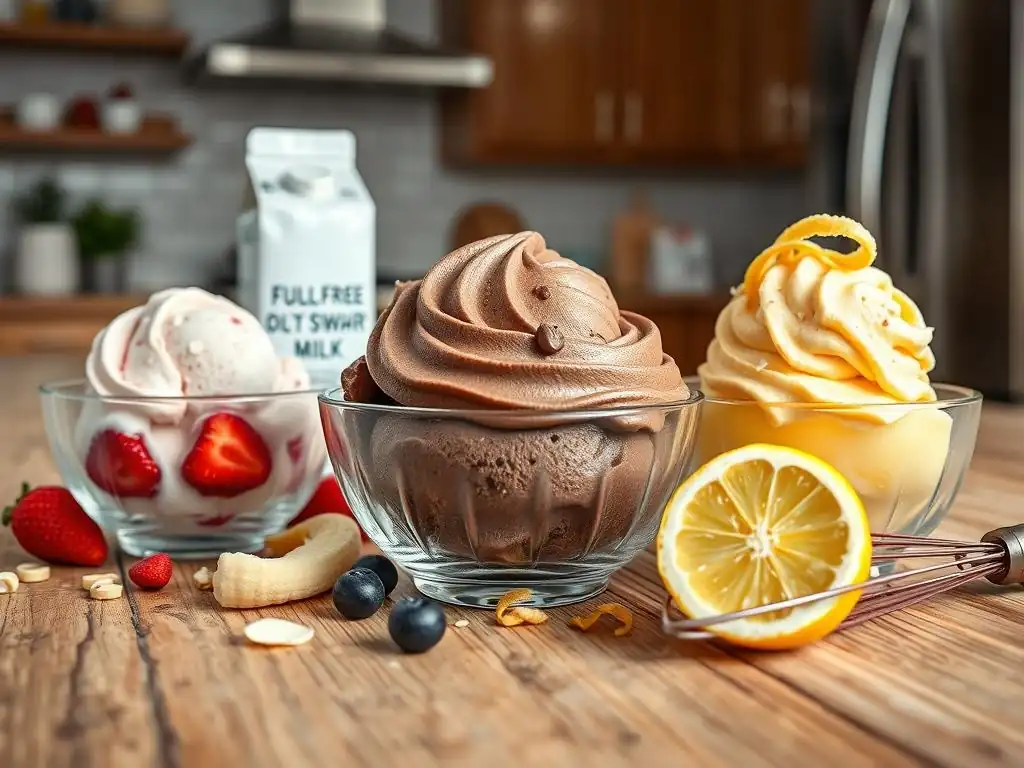
The Role of Eggs in Traditional Ice Cream
In classic French-style ice cream, eggs, specifically egg yolks, play a crucial role in creating a rich, smooth, and stable custard base. The yolks contain fats and emulsifiers (like lecithin) that help bind water and fat together, preventing the formation of large ice crystals and resulting in a wonderfully creamy texture. They also contribute to the overall richness and pale yellow color of the final product. The custard is heated, which thickens it slightly and helps pasteurize the eggs.
The protein in egg yolks also helps to slightly stabilize the mixture, contributing to a smoother melt and preventing the ice cream from becoming too hard when frozen. While American-style ice cream often omits eggs, relying more on heavy cream and sugar for texture, the egg-based method is prized for its luxurious mouthfeel. Replicating this texture without eggs requires finding ingredients that can perform similar functions.
Key Egg Substitutes for Creamy Texture
Finding the right egg substitute is key to creating easy egg-free ice cream with a desirable texture. The goal is to provide thickening, emulsification, and sometimes richness that eggs would typically offer. Several common pantry staples can step in to perform these tasks effectively, often with minimal effort.
These substitutes work by either absorbing liquid to thicken the base, helping to keep fat and water molecules dispersed evenly, or adding a smooth, almost gelatinous quality that mimics the mouthfeel of egg custard. Choosing the right substitute depends on the desired final texture and whether the recipe is dairy or non-dairy.
Cornstarch: A Common Thickening Agent
Cornstarch is a widely available and inexpensive thickener often used in egg-free ice cream recipes easy to prepare. When heated in a liquid, cornstarch granules absorb water and swell, creating a thickened, smooth consistency. This helps to give the ice cream base more body, which in turn contributes to a creamier texture by interfering with ice crystal formation during freezing.
Typically, only a small amount of cornstarch is needed – often just 1 to 2 tablespoons per quart of liquid base. It's crucial to mix cornstarch with a small amount of cold liquid first to form a slurry before adding it to the hot base to prevent lumps. The mixture must then be heated to a simmer and cooked for a minute or two to fully activate the thickening power of the starch.
Tapioca Starch: For a Smooth, Gelatinous Result
Tapioca starch, also known as tapioca flour, is another effective starch-based thickener. Unlike cornstarch, which can sometimes result in a slightly opaque or cloudy finish, tapioca starch tends to create a more clear, glossy, and slightly elastic texture. This gelatinous quality is particularly good at mimicking the smooth mouthfeel that eggs contribute to ice cream.
Similar to cornstarch, tapioca starch should be mixed with a cold liquid slurry before being whisked into the warm ice cream base. It thickens quickly once heated, often requiring less cooking time than cornstarch. Using tapioca starch can lead to a remarkably smooth and less icy easy egg-free ice cream, making it a favorite for many homemade recipes.
Agar-Agar: A Vegan-Friendly Option
Agar-agar is a gelling agent derived from seaweed, making it an excellent vegan alternative to gelatin (which is animal-based) and a useful egg substitute for texture in vegan egg-free ice cream recipes easy to follow. It creates a firm gel when cooled, and in ice cream, a small amount is used to help stabilize the mixture and improve texture.
Agar-agar is typically sold as flakes or powder. The powder is more potent, usually requiring about half the amount of flakes. It needs to be boiled in the liquid base for a few minutes to fully dissolve and activate its gelling properties. Using too much agar-agar can result in a rubbery texture, so precise measurement is important. It's particularly effective in non-dairy bases that might otherwise lack the structure needed for a creamy freeze.
Dairy vs. Non-Dairy Options: Choosing Your Base
The base liquid provides the bulk of your ice cream and significantly impacts its final flavor and texture. You have two main paths when making easy egg-free ice cream: using dairy or opting for non-dairy alternatives. Both can yield delicious results, but they require slightly different approaches to achieve optimal creaminess without eggs.
Your choice of base will influence which egg substitutes work best and may require adjustments to sugar and fat levels. Consider your dietary needs and desired flavor profile when selecting between dairy and non-dairy options.
Dairy-Based Egg-Free Ice Cream
For those who consume dairy, a base of heavy cream, milk (whole milk is best for richness), and sugar is the classic foundation for egg-free ice cream recipes easy and delicious. The high fat content of heavy cream is a major contributor to a smooth texture, as fat doesn't freeze into hard crystals like water does. Using a combination of cream and milk provides a good balance of richness and body.
While these recipes omit eggs, they still benefit from a thickening agent like cornstarch or tapioca starch to enhance texture and prevent iciness. The base is typically heated to dissolve sugar and activate the starch, then chilled thoroughly before churning. A typical ratio might involve 2 cups of heavy cream to 1 cup of whole milk, though variations exist.
Vegan Egg-Free Ice Cream
Creating vegan egg-free ice cream recipes easy to make involves using plant-based liquids with sufficient fat content to achieve creaminess. Full-fat coconut milk or cream is a popular choice due to its richness and ability to freeze smoothly. Cashews, when soaked and blended, can also create a wonderfully creamy base. Other options include oat milk, almond milk, or soy milk, often combined with additional fat sources or thickeners.
Achieving the desired texture in vegan egg-free ice cream often relies more heavily on stabilizers like starches (cornstarch, tapioca) or gums (like guar gum or xanthan gum, used in very small quantities) to compensate for the lack of dairy fat and egg emulsifiers. Heating the base is often necessary to dissolve sugar and activate thickeners.
Exploring Other Dairy-Free Alternatives: Oat Milk, Almond Milk, Soy Milk
Beyond coconut and cashews, various other dairy-free milks can serve as the base for easy egg-free ice cream. Oat milk, particularly the full-fat barista blends, offers a natural creaminess and slightly sweet flavor. Almond milk is lighter but works well when combined with other ingredients for richness. Soy milk is another versatile option.
These alternatives generally have lower fat content than heavy cream or full-fat coconut milk, so they often require additional fat (like coconut oil or cocoa butter in chocolate recipes) or more reliance on thickeners and stabilizers to achieve a creamy, scoopable consistency. Experimenting with different combinations can help you find your favorite base for egg-free ice cream recipes easy and delicious.
Easy Egg-Free Ice Cream Recipes: Step-by-Step Guides
Making easy egg-free ice cream at home is a rewarding process. Here are a few basic recipes to get you started, showcasing different approaches to achieving great texture without eggs. Remember to chill your ice cream maker bowl according to the manufacturer's instructions, usually for 12-24 hours, before churning.
Recipe 1: Classic Vanilla Egg-Free Ice Cream (Dairy-Based)
This recipe focuses on simple ingredients and a quick method to produce a smooth, rich vanilla ice cream without eggs. It's a perfect starting point for dairy lovers.
Ingredients for Vanilla Egg-Free Ice Cream
- 2 cups heavy cream
- 1 cup whole milk
- ¾ cup granulated sugar
- 2 teaspoons vanilla extract
- 2 tablespoons cornstarch (or 1 ½ tablespoons tapioca starch)
- Pinch of salt (optional, enhances flavor)
Step-by-Step Instructions
- In a medium saucepan, whisk together about ¼ cup of the milk with the cornstarch (or tapioca starch) until a smooth slurry forms. Set aside.
- Add the remaining milk, heavy cream, sugar, and salt (if using) to the saucepan. Heat over medium heat, stirring constantly, until the sugar is dissolved and the mixture is warm but not boiling.
- Slowly whisk the cornstarch slurry into the warm cream mixture. Continue to cook, stirring frequently, until the mixture thickens slightly, coating the back of a spoon. This usually takes about 5-7 minutes after adding the slurry. Do not boil vigorously.
- Remove from heat and stir in the vanilla extract.
- Pour the mixture into a clean bowl or container. Place plastic wrap directly on the surface of the mixture to prevent a skin from forming as it cools.
- Refrigerate the mixture until thoroughly chilled, ideally for at least 4-6 hours, or overnight. Chilling is crucial for proper churning.
- Once chilled, pour the mixture into your pre-chilled ice cream maker bowl and churn according to the manufacturer's instructions, typically 20-30 minutes, until it reaches a soft-serve consistency.
- Transfer the churned ice cream to an airtight container and freeze for at least 2-4 hours to harden before serving.
Tips for Perfect Vanilla Flavor
Use good quality vanilla extract or, for an even richer flavor, steep a split vanilla bean in the milk/cream mixture during the heating step, removing it before churning. Ensure the mixture is fully chilled before churning; warmth will result in a less creamy texture. Don't overcook the base after adding the starch, as this can sometimes break down the thickening power. For variations, try adding a scraped vanilla bean pod to the mixture while heating, then removing it before chilling and churning.
Recipe 2: Chocolate Egg-Free Ice Cream (Vegan)
This rich, decadent vegan chocolate ice cream uses full-fat coconut milk for creaminess and cocoa powder for intense flavor. It's one of the most satisfying egg-free ice cream recipes easy to adapt.
Ingredients for Vegan Chocolate Egg-Free Ice Cream
- 2 cans (13.5 oz each) full-fat coconut milk
- ¾ cup granulated sugar (or maple syrup for a less refined option)
- ½ cup unsweetened cocoa powder
- 2 tablespoons cornstarch (or 1 ½ tablespoons tapioca starch)
- 1 teaspoon vanilla extract
- Pinch of salt
- Optional: 2 ounces vegan dark chocolate, chopped, melted and whisked into the hot base for extra richness
Step-by-Step Instructions
- In a medium saucepan, whisk together the cocoa powder, sugar, salt, and cornstarch (or tapioca starch).
- Gradually whisk in the coconut milk until smooth, ensuring no lumps of dry ingredients remain.
- Heat the mixture over medium heat, stirring constantly, until it comes to a gentle simmer and thickens enough to coat the back of a spoon, about 5-10 minutes.
- Remove from heat and stir in the vanilla extract. If using optional melted chocolate, whisk it in now until fully combined.
- Pour the mixture into a clean container. Place plastic wrap directly on the surface.
- Refrigerate until thoroughly chilled, at least 4-6 hours or overnight.
- Churn the chilled mixture in your pre-chilled ice cream maker according to manufacturer's instructions, typically 20-30 minutes.
- Transfer to an airtight container and freeze for at least 4-6 hours to firm up.
Enhancing the Chocolate Flavor
Using high-quality unsweetened cocoa powder makes a big difference; Dutch-processed cocoa often yields a darker color and smoother flavor. Adding a pinch of espresso powder to the base can deepen the chocolate flavor without adding a coffee taste. Melting in a bit of vegan dark chocolate provides extra richness and a more intense chocolate experience. Ensure the cocoa powder is fully dissolved and cooked out during the heating process to avoid a grainy texture.
Recipe 3: Strawberry Egg-Free Ice Cream (Dairy-Based)
Fresh strawberries give this easy egg-free ice cream a vibrant color and natural sweetness. It's a refreshing alternative to classic flavors.
Ingredients for Strawberry Egg-Free Ice Cream
- 1 lb fresh strawberries, hulled and sliced
- ½ cup granulated sugar (plus more to taste, depending on strawberry sweetness)
- 2 cups heavy cream
- 1 cup whole milk
- 1 tablespoon lemon juice (enhances strawberry flavor)
- 1 ½ tablespoons cornstarch (or 1 tablespoon tapioca starch)
Step-by-Step Instructions
- In a bowl, combine the sliced strawberries and ½ cup sugar. Let sit for 15-30 minutes, stirring occasionally, to allow the strawberries to macerate and release their juices.
- In a medium saucepan, whisk together about ¼ cup of the milk with the cornstarch (or tapioca starch) until a smooth slurry forms. Set aside.
- Add the remaining milk and heavy cream to the saucepan. Heat over medium heat until warm.
- Add the macerated strawberries and their juices to the warm cream mixture. Heat gently, stirring, until the mixture is warm and the sugar is dissolved.
- Slowly whisk the cornstarch slurry into the mixture. Continue to cook, stirring frequently, until the base thickens slightly, about 5-7 minutes. Do not boil vigorously.
- Remove from heat and stir in the lemon juice.
- For a smooth ice cream, carefully blend the mixture using an immersion blender until the strawberries are fully pureed. For small strawberry pieces, mash the strawberries slightly before adding them to the base and omit the blending step, straining the base if desired before chilling.
- Pour the mixture into a clean container, cover the surface with plastic wrap, and refrigerate until thoroughly chilled, at least 4-6 hours or overnight.
- Churn the chilled mixture in your pre-chilled ice cream maker according to manufacturer's instructions, typically 20-30 minutes.
- Transfer to an airtight container and freeze for at least 4-6 hours to firm up.
Fresh vs. Frozen Strawberries: Which to Use?
Fresh, ripe strawberries are ideal for the best flavor and vibrant color in this easy egg-free ice cream. Their natural sweetness and moisture content work well in the recipe. If using frozen strawberries, thaw them first and drain off excess liquid before macerating them with sugar; frozen berries can sometimes add too much water, potentially leading to icier results. Adjust sugar based on the sweetness of the fruit.
Troubleshooting Your Egg-Free Ice Cream
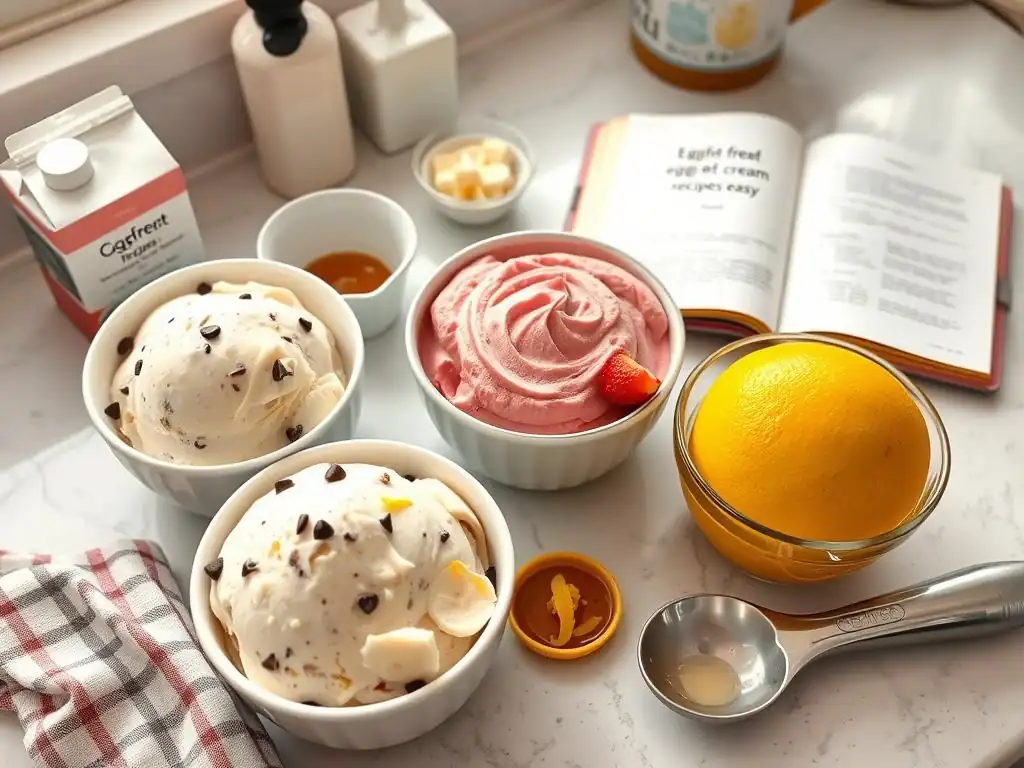
Even with simple egg-free ice cream recipes easy to follow, you might encounter common issues. Understanding why they happen and how to fix them will help you achieve perfect results every time.
Common Problems and Solutions
Making ice cream involves managing water, fat, sugar, and air as they freeze. Without the stabilizing effect of eggs, these elements can sometimes behave unpredictably, leading to less-than-ideal textures or flavors.
Ice Crystals: Preventing and Minimizing
Ice crystals are a common enemy of creamy ice cream. They form when water molecules freeze slowly, allowing them to clump together into noticeable, hard shards. This can happen if the base isn't properly emulsified, if there's too much water content, or if the freezing process is too slow.
To prevent large ice crystals, ensure your base is well-chilled before churning – this speeds up freezing in the machine. Using a thickening agent like cornstarch or tapioca starch helps bind water. Higher fat content (from heavy cream or coconut milk) also inhibits crystal formation. Freeze the churned ice cream quickly in a very cold freezer (-18°C or 0°F is ideal) and store it in an airtight container to prevent temperature fluctuations or freezer burn.
Texture Issues: Too Grainy or Too Soft
A grainy texture can occur if starches aren't fully cooked out, if cocoa powder isn't properly dissolved, or if added ingredients like fruit puree separate. Ensure starches are cooked until the base visibly thickens and cocoa powder is completely smooth before chilling. Blending fruit purees thoroughly helps.
If the ice cream is too soft and doesn't freeze firmly, it might have too much sugar, alcohol (from extracts or mix-ins), or insufficient fat/stabilizer. Sugar lowers the freezing point. Reduce sugar slightly in future batches or ensure you're using full-fat dairy or coconut milk. If it's too hard, it might lack enough sugar or fat, or it froze too quickly. Allowing it to temper at room temperature for a few minutes before scooping can help.
Flavor Problems: Bland or Overpowering
Blandness often results from insufficient flavorings like vanilla, cocoa, or fruit. Taste your base before chilling and adjust sugar or flavorings as needed, keeping in mind that flavors are less intense when frozen. An overpowering flavor might mean too much extract or a dominant base ingredient. For extracts, start with the recommended amount and add more cautiously. Ensure your base ingredients (like coconut milk) have a neutral enough flavor if you don't want them to dominate. A pinch of salt can surprisingly enhance sweetness and other flavors without making the ice cream taste salty.
Tips and Tricks for the Best Egg-Free Ice Cream
Beyond basic recipes, a few techniques can elevate your easy egg-free ice cream from good to great. These tips focus on maximizing texture and flavor without relying on eggs.
Achieving the Perfect Texture Without Eggs
The key to creamy egg-free ice cream recipes easy to make is managing the balance of fat, sugar, liquid, and stabilizers. High fat content from heavy cream or full-fat coconut milk is crucial. Using a thickening agent like cornstarch, tapioca starch, or even a tiny amount of guar gum helps prevent iciness and adds body.
Ensuring the base is extremely cold before churning is paramount; the colder it is, the faster it freezes in the machine, leading to smaller ice crystals. Churning time is also important – churn until it's the consistency of soft-serve, no longer, as over-churning can sometimes negatively affect texture.
Sweetening Options: Sugar, Honey, Maple Syrup, and Alternatives
Granulated sugar is standard in many easy egg-free ice cream recipes because it dissolves easily and contributes to texture by lowering the freezing point. However, you can experiment with other sweeteners. Honey and maple syrup add distinct flavors and also contribute to a smoother texture because they contain inverted sugars.
Be mindful that liquid sweeteners can add more water, potentially requiring slight adjustments to your base. Artificial sweeteners or sugar alcohols can be used, but they often don't contribute to texture in the same way sugar does and can sometimes leave an aftertaste or cause digestive upset. For best results, stick to sugar, honey, or maple syrup when starting out.
Freezing and Storage Tips
Once churned, transfer your easy egg-free ice cream to a cold, airtight container immediately. A shallow, wide container allows it to freeze faster than a deep, narrow one. Press plastic wrap directly onto the surface of the ice cream before putting the lid on to prevent freezer burn (ice crystals forming on the surface).
Freeze the container in the coldest part of your freezer. Aim for storage temperatures around -18°C (0°F) or lower. Homemade ice cream is best consumed within 1-2 weeks for optimal texture and flavor, as it doesn't contain the stabilizers found in commercial varieties that prolong shelf life.
Exploring Advanced Egg-Free Ice Cream Techniques
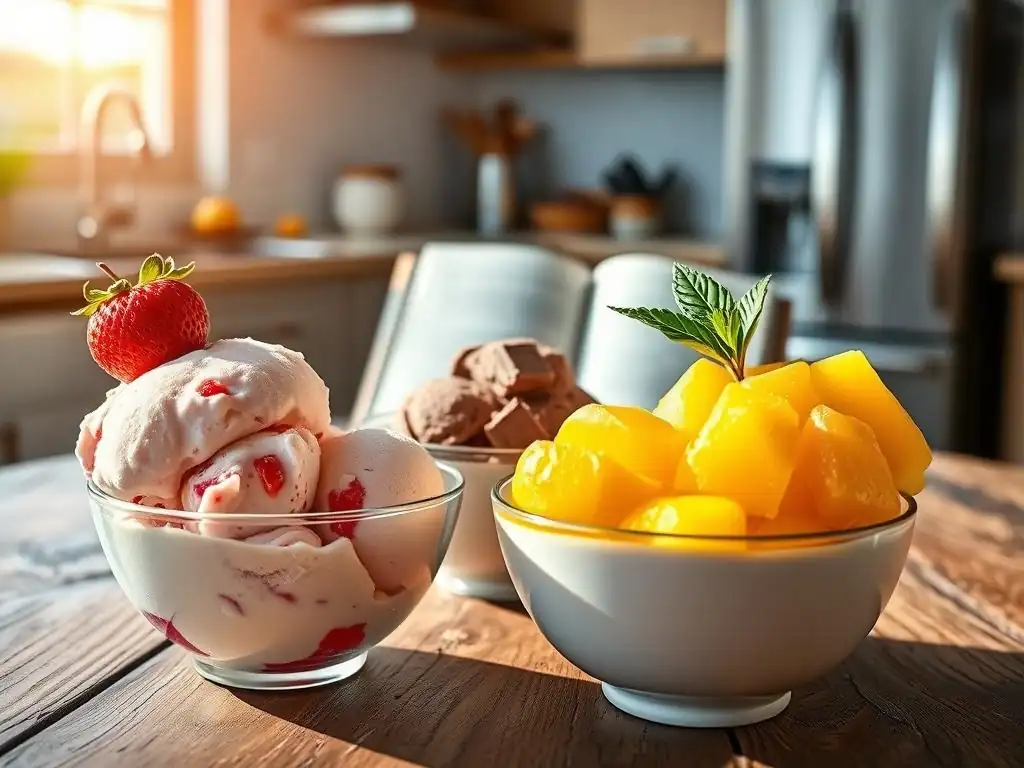
Once you're comfortable with basic egg-free ice cream recipes easy to make, you can get creative! Adding mix-ins, layering flavors, or using your ice cream in other desserts takes your skills to the next level.
Adding Mix-Ins: Fruits, Nuts, Chocolate Chips, and More
Mix-ins add texture, flavor, and excitement to your easy egg-free ice cream. Popular options include chopped chocolate, nuts, cookie pieces, chopped fruit, or swirls of caramel or fudge sauce.
Add mix-ins during the last few minutes of churning, or gently fold them into the churned ice cream before transferring it to the freezer. If adding sauces, drizzle them in and swirl gently with a knife or spoon. Ensure solid mix-ins are small enough to scoop easily when frozen.
Layering Flavors for Complex Egg-Free Ice Cream Creations
Creating layered or swirled easy egg-free ice cream allows for dynamic flavor combinations. You can achieve this by making two different flavored bases and churning them separately, then layering spoonfuls of each into your freezer container.
Alternatively, make one base flavor and prepare a contrasting sauce or fruit puree. Swirl the sauce/puree through the churned ice cream as you transfer it to the freezer container. Think vanilla base with a berry swirl, or chocolate base with a peanut butter swirl.
Making Egg-Free Ice Cream Sandwiches
Your delicious easy egg-free ice cream is the perfect filling for homemade ice cream sandwiches! Bake your favorite cookies (ensure they are sturdy but not too hard when frozen) and let them cool completely.
Soften the churned ice cream slightly (or use it directly from the churn if it's firm enough), scoop it onto the flat side of one cookie, and top with another cookie, pressing gently. Wrap each sandwich individually in plastic wrap or parchment paper and freeze until firm, at least 2-4 hours.
Conclusion: Enjoying Delicious and Easy Egg-Free Ice Cream
Making egg-free ice cream recipes easy and delicious is absolutely achievable with the right ingredients and techniques. You don't need eggs to create creamy, flavorful frozen treats that everyone can enjoy. From classic vanilla to decadent chocolate and refreshing fruit flavors, the possibilities are vast.
Embrace the Simplicity of Egg-Free Baking
The beauty of egg-free ice cream recipes easy to master lies in their relative simplicity compared to traditional custard bases. Less cooking time, fewer finicky steps like tempering, and readily available substitutes mean you can whip up a batch of homemade ice cream whenever the craving strikes. So, gather your ingredients, chill your ice cream maker, and get ready to enjoy the delightful world of egg-free frozen desserts!
Frequently Asked Questions
How can I make ice cream without eggs?
Egg-free ice cream recipes typically rely on other ingredients like cornstarch or cream cheese to provide the necessary thickness and smoothness. These ingredients help achieve a similar texture to traditional ice cream without using eggs.
Are egg-free ice cream recipes easier to make than traditional ones?
Generally, yes! Egg-free recipes often skip the tempering step required in traditional custard-based ice creams. This makes the process faster and less prone to error, especially for beginners.
What are some common substitutes for eggs in ice cream?
Besides cornstarch and cream cheese, you can also use agar-agar, tapioca starch, or even avocado to achieve a creamy texture. The best substitute depends on the desired flavor and consistency.
Will egg-free ice cream taste different from regular ice cream?
While the texture can be very similar, the flavor might be slightly different. Egg-free versions can sometimes have a cleaner, less rich taste, allowing other flavors to shine through. Experiment with different recipes to find your favorite!
Where can I find easy egg-free ice cream recipes?
Websites like BakeWithEase.com offer a variety of simple, step-by-step egg-free ice cream recipes. Search for "EggFree Ice Cream Recipes Easy" online for more options and variations.
Final Reflection: The Sweetness of Inclusion: Egg-Free Ice Cream for Everyone
The demand for egg-free ice cream recipes continues to grow, reflecting a wider societal shift towards inclusivity and catering to diverse dietary needs. This isn't just about avoiding allergens; it's about ensuring everyone can enjoy the simple pleasure of a delicious, creamy ice cream, regardless of dietary restrictions or preferences. The recipes explored in this article demonstrate that deliciousness doesn't require compromise.
Creating these egg-free recipes has been a journey of discovery, highlighting the surprising versatility of ingredients often overlooked in traditional ice cream making. It underscores the power of culinary innovation to meet evolving needs and preferences. The best things in life are simple,
a common adage rings especially true when considering the pure joy a perfectly crafted scoop of ice cream can bring. This simple pleasure should be accessible to all.
Now, I invite you to explore the world of egg-free ice cream making. Experiment with the recipes provided, adapt them to your taste, and most importantly, share the joy of creamy, delicious ice cream with everyone around you. Don't let dietary restrictions limit your creativity or the pleasure of a sweet treat – embrace the challenge, and discover the endless possibilities of egg-free indulgence.
Unleash Your Inner Ice Cream Alchemist!
Thanks for exploring the world of egg-free ice cream with us! We hope you discovered some deliciously simple recipes that will delight your taste buds and impress your friends. Ready to take the next step?
- Whip up your favorite egg-free recipe today! Grab your ingredients and start creating – you'll be surprised how easy it is.
- Share your ice cream creations on social media! Use #BakeWithEaseEggFreeIceCream and tag us – we can’t wait to see your masterpieces!
- Experiment with different flavor combinations: What unique twist will you add to your next batch?
So, what delicious egg-free flavor adventure awaits you?