
Ingredient Quality: Does It Matter for Your Homemade Ice Cream?

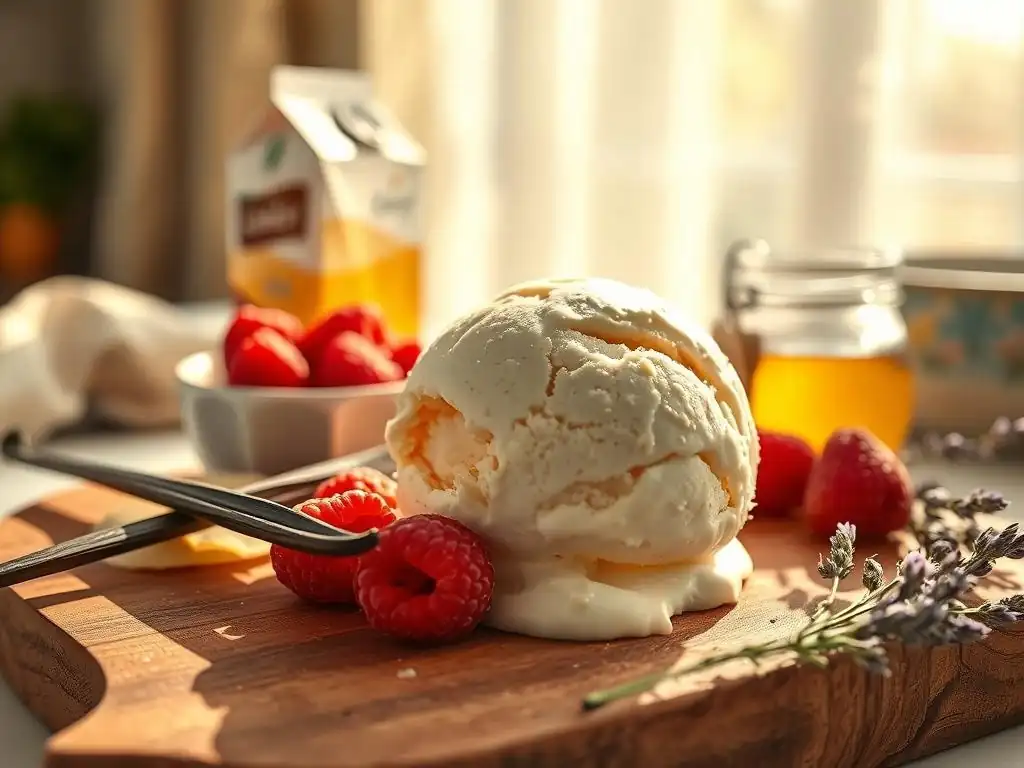
Welcome to BakeWithEase, your companion in the delightful world of baking! Ever wondered if using high-quality ice cream ingredients truly makes a difference in your homemade creations? It does! Dive in to discover how selecting the right components can elevate your ice cream from ordinary to extraordinary, and unlock secrets to creating frozen masterpieces. Let's explore the impact of each ingredient, and learn how to choose the best for your next batch.
- Why High-Quality Ice Cream Ingredients are Essential for Homemade Ice Cream
- Understanding Key Ice Cream Ingredients and Their Quality
- Sourcing High-Quality Ice Cream Ingredients
- How Ingredient Quality Affects the Freezing Process of Ice Cream
- The Cost vs. Benefit of High-Quality Ice Cream Ingredients
- Recipes that Showcase High-Quality Ice Cream Ingredients
- Tips for Storing Homemade Ice Cream Made with Quality Ingredients
-
Frequently Asked Questions
- What are the most crucial ingredients to focus on for high-quality ice cream?
- Does using organic dairy inherently guarantee better ice cream?
- How can I ensure the high-quality of my flavor additions, like chocolate or fruit?
- Can I substitute ingredients to save money without sacrificing ice cream quality?
- Where can I source high-quality ice cream ingredients if my local grocery store is limited?
- Final Reflection: The Sweet Truth About High-Quality Ice Cream Ingredients
- Unlock Your Ice Cream's Full Potential!
Why High-Quality Ice Cream Ingredients are Essential for Homemade Ice Cream
When you set out to make homemade ice cream, the list of ingredients seems simple enough: dairy, sugar, flavorings. But the truth is, the quality of those simple ingredients can make a world of difference in the final product. Using highquality ice cream ingredients isn't just about snobbery; it's about achieving the creamy texture, intense flavor, and overall delightful experience that defines truly exceptional ice cream.
Think of it like baking bread – you can make a loaf with basic flour and yeast, but a loaf made with artisanal flour and a slow-fermented starter is a whole different story. The same principle applies to frozen desserts.
Investing in premium ice cream ingredients pays dividends in taste and texture. Poor quality ingredients can lead to issues like excessive ice crystals, bland or artificial flavors, and a less satisfying mouthfeel. Conversely, starting with the best available milk, cream, sugar, and flavorings provides a strong foundation for success. It allows the natural flavors to shine through and contributes to a smoother, richer, and more decadent scoop. Ultimately, the goal is to create an ice cream that rivals or surpasses what you find in the best scoop shops, and that journey begins with sourcing top-tier components.
The Impact of Ingredient Quality on Ice Cream Texture
Texture is arguably the most critical element of great ice cream. We crave that smooth, velvety mouthfeel, free from large, crunchy ice crystals. Highquality ice cream ingredients, particularly the dairy and sugar components, play a starring role in achieving this. Cream with a high butterfat content (often 36-40% for heavy cream) contributes significantly to richness and helps inhibit the formation of large ice crystals during the freezing process. The fat molecules interfere with water molecules bonding together, keeping those crystals small and dispersed, resulting in a smoother texture.
Consider a side-by-side comparison: ice cream made with heavy cream versus ice cream made with half-and-half (typically 10-12% fat). The half-and-half version will inevitably be icier because there's less fat to disrupt crystallization. Similarly, the type and quality of sugar used also impact texture.
Sugar not only sweetens but also lowers the freezing point of the mixture. High-quality sugars, or those with specific properties like invert sugars, can depress the freezing point more effectively, leading to a softer, less icy scoop straight from the freezer. Using enough, but not too much, quality sugar is key to finding that perfect balance between sweetness and scoopability.
The Influence of Ingredient Quality on Ice Cream Flavor
Flavor is where the magic truly happens, and the quality of your ingredients dictates just how enchanting that magic is. A classic example is vanilla. Using a high-quality vanilla bean, bursting with tiny black specks and complex aromatic compounds, yields an ice cream with a deep, nuanced vanilla flavor that simply cannot be replicated by artificial vanilla extract. Similarly, fresh, ripe fruit picked at its peak season will contribute a vibrant, natural sweetness and intensity of flavor far superior to frozen, less flavorful fruit or artificial flavorings.
Think about chocolate ice cream. The difference between using premium dark chocolate with a high cocoa solid percentage (say, 70% or more) and using chocolate chips designed for baking (which often contain stabilizers and less pure chocolate) is vast. The high-quality chocolate melts smoothly, providing a rich, complex chocolate taste, while lower quality options might taste waxy or less intense. When you prioritize quality ingredients for ice cream, you are essentially allowing the inherent deliciousness of those components to be the star of your dessert. This is especially true for simple flavors where there's nothing to hide behind.
Understanding Key Ice Cream Ingredients and Their Quality
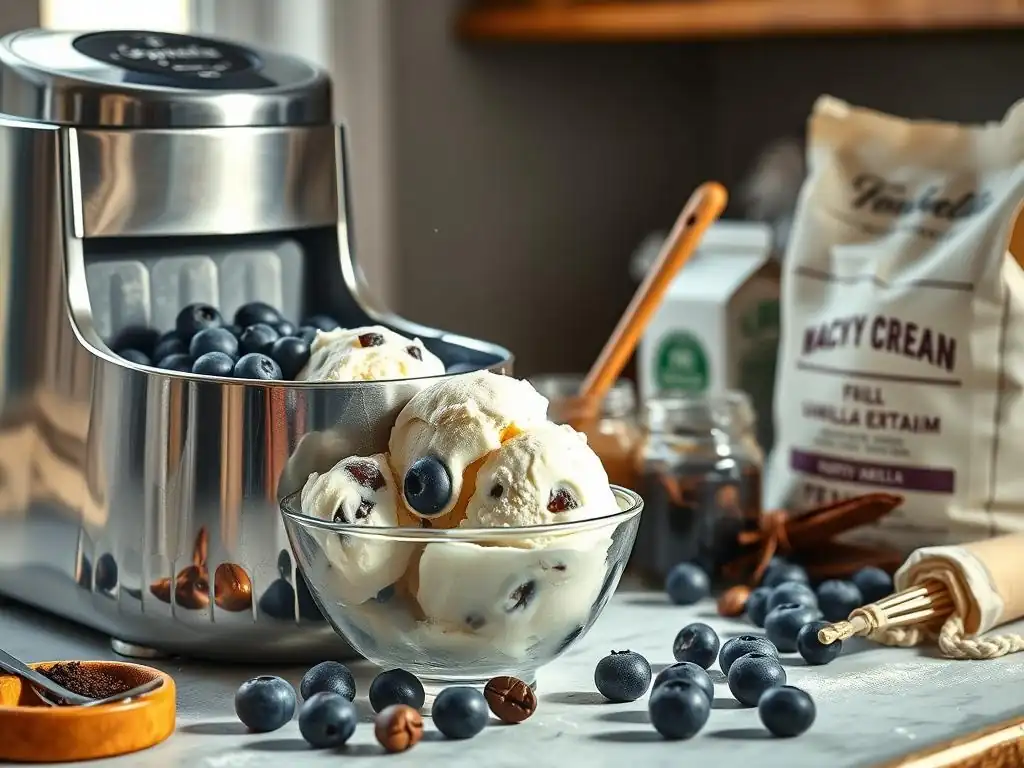
Making the best homemade ice cream requires understanding the role each ingredient plays and how its quality influences the final outcome. It's not just about having the right items on your list; it's about selecting the best version of each item you can reasonably access. This attention to detail is what elevates a good ice cream to a truly memorable one. From the dairy base to the sweetening agent and the flavorings, each component contributes significantly to the texture, flavor, and overall quality of your frozen treat.
Identifying highquality ice cream ingredients involves a bit of knowledge about sourcing and production. For dairy, understanding fat content and processing methods is key. For sweeteners, knowing the difference between various sugar types and their behavior is important. And for flavorings, recognizing that natural, high-quality sources almost always outperform artificial alternatives is fundamental. This section dives into the specifics of these core components.
The Importance of High-Fat Dairy in Ice Cream Making
Dairy forms the backbone of most traditional ice cream recipes, providing richness, body, and contributing significantly to the smooth texture. The fat content in particular is crucial. Butterfat coats ice crystals, preventing them from growing large and resulting in that desirable creamy mouthfeel. A higher fat percentage generally correlates with a richer, smoother, and more luxurious ice cream. This is why recipes often call for heavy cream, sometimes in combination with whole milk.
Milk solids, not fat (MSNF), also play a role. These include proteins (like casein and whey) and lactose. Proteins contribute to the structure and body of the ice cream, helping to stabilize the mixture and prevent excessive air incorporation.
Lactose, while a sugar, can sometimes crystallize in storage if not managed properly, leading to a gritty texture. However, in the right balance, MSNF contributes to the overall richness and chewiness of the ice cream. The quality of the dairy – how fresh it is, how it's processed – can influence the performance and taste of these components in your ice cream base.
Choosing Cream with Optimal Fat Content for Rich Ice Cream
For truly decadent ice cream, opting for heavy cream with a high fat content is highly recommended. Standard heavy cream in the US typically contains between 36% and 40% butterfat. Some specialty creams might even have slightly higher percentages. Using a cream closer to the 40% mark will generally yield a richer, smoother ice cream compared to using one at the lower end of the range, assuming all other factors are equal. This higher fat content directly translates to smaller ice crystals and a creamier texture.
While you can make ice cream with lower-fat dairy like half-and-half (10-12% fat) or even milk, the texture will be noticeably icier and less rich. These lower-fat options contain more water, which freezes into larger crystals. For recipes aiming for a classic, dense, and creamy result, prioritizing heavy cream with a robust fat percentage is a key factor in achieving that desired texture. Look for labels that specify the fat content, and don't shy away from the higher numbers for the best results.
The Role of Milk Solids in Ice Cream Structure
Beyond butterfat, the non-fat milk solids (MSNF) contribute structure and body to the ice cream mix. These solids, primarily proteins like casein and whey, help to emulsify the fat and water, stabilize the air bubbles incorporated during churning, and prevent excessive ice crystal growth. They contribute to the chewiness or body of the ice cream. Too few milk solids can result in a weak, watery structure, while too many can lead to a dense, gummy texture.
Commercial ice creams often add dry milk powder to boost the MSNF content and improve texture and stability. While not strictly necessary for home cooks, using fresh, high-quality milk and cream provides a good balance of these solids naturally. The proteins in quality dairy help create a stable emulsion, ensuring that the fat doesn't separate and the texture remains consistent throughout the freezing and storage process. This structural support is part of why highquality ice cream ingredients create a superior product.
Selecting High-Quality Sugar for Optimal Sweetness and Texture
Sugar is more than just a sweetener in ice cream; it's a critical component for texture. Sugar lowers the freezing point of the mix, preventing it from freezing solid and allowing it to be scoopable. The amount and type of sugar used significantly impact this property. Using the correct proportion of sugar (typically 15-20% of the total weight in a standard base) is essential for achieving the right consistency. Too little sugar results in a rock-hard, icy product, while too much can make it overly soft and excessively sweet.
High-quality granulated sugar is a good starting point, but exploring other sugar types can offer textural advantages. The purity of the sugar matters less than its chemical structure and how it interacts with water and fat during freezing. Different sugars depress the freezing point to varying degrees and affect the texture by interfering with ice crystal formation. Understanding these properties helps in formulating recipes for the best possible outcome.
Invert Sugar vs. Granulated Sugar: A Comparison
Granulated sugar (sucrose) is the most common sweetener in homemade ice cream, and a quality brand provides pure sweetness. However, other sugars, particularly those containing invert sugar, can improve texture. Invert sugar is a mixture of glucose and fructose, formed when sucrose is broken down. Honey and corn syrup are common sources of invert sugar. Because glucose and fructose are smaller molecules than sucrose, they are more effective at interfering with ice crystal formation and lowering the freezing point.
Replacing a portion of the granulated sugar (say, 25-30%) with a liquid invert sugar source like light corn syrup or honey (adjusting for flavor impact) can result in a significantly smoother, less icy ice cream that remains more scoopable directly from the freezer. While granulated sugar provides clean sweetness, incorporating some form of invert sugar is a technique often used by professionals to enhance texture. Experimenting with these premium ice cream ingredients can elevate your homemade batches.
How Sugar Concentration Affects Ice Cream Freezing Point
The concentration of sugar in your ice cream base has a direct and significant impact on its freezing point. Water freezes at 32°F (0°C). When sugar is dissolved in water, it disrupts the formation of ice crystals, requiring a lower temperature for the mixture to freeze. The more sugar present, the lower the freezing point. For example, a mix with 15% sugar might start freezing around 28°F (-2°C), while a mix with 20% sugar might start freezing closer to 25°F (-4°C).
This property is crucial for scoopability. If the freezing point is too high (not enough sugar), the ice cream will become rock-hard in a standard home freezer operating around 0°F (-18°C). If the freezing point is too low (too much sugar), the ice cream might be too soft or even slushy. Achieving the correct sugar balance, typically falling within the 15-20% range depending on the recipe and desired texture, is key to producing highquality ice cream that is both firm enough to hold its shape and soft enough to scoop easily.
The Significance of Flavor Extracts and Add-ins in Homemade Ice Cream
While dairy and sugar provide the base and texture, the flavorings and add-ins are what define the specific taste profile of your ice cream. The quality of these components is paramount. Using real, high-quality flavor sources provides a depth and authenticity that artificial flavors simply cannot match. Whether it's a pure vanilla extract, fresh fruit, or premium chocolate, the better the ingredient, the better the resulting flavor.
Choosing the right flavorings also involves understanding how they interact with the cold temperature. Cold dulls flavors, so using intense, high-quality sources ensures the flavor remains prominent even when frozen. This is why a little extra effort in sourcing the best vanilla, the ripest berries, or the richest cocoa powder makes a noticeable difference in the final scoop. These premium ice cream ingredients are the difference between a good vanilla and an amazing vanilla ice cream.
Using Vanilla Bean Paste vs. Vanilla Extract
Vanilla is a cornerstone flavor in ice cream, and the choice between vanilla extract and vanilla bean paste significantly impacts the final product. High-quality pure vanilla extract, made by steeping vanilla beans in alcohol, provides a classic, clean vanilla flavor. Look for extracts labeled "pure" and ideally made from Bourbon or Madagascar beans, known for their sweet, creamy notes. A good extract will have a rich, complex aroma.
Vanilla bean paste, however, offers an even more intense and visually appealing vanilla experience. It's a concentrated blend of vanilla extract and finely ground vanilla bean seeds suspended in a thick syrup. Using paste provides the full spectrum of vanilla flavor compounds plus the visual cue of the tiny black specks, which signify authentic vanilla. While often more expensive, using vanilla bean paste delivers a superior, more robust vanilla flavor that is highly prized in highquality ice cream.
Choosing Ripe Fruits and Chocolate for the Best Flavor
When incorporating fruits or chocolate into your ice cream, their quality directly determines the success of the flavor. For fruit-based ice creams or sorbets, using ripe, in-season fruit is non-negotiable. A ripe strawberry, for instance, is naturally sweet and intensely flavored, requiring less added sugar and delivering a pure, vibrant taste. Using unripe or out-of-season fruit often results in a bland flavor that needs to be boosted with artificial means or excessive sugar.
For chocolate ice cream or adding chocolate pieces, the quality and type of chocolate are key. Opt for high-quality chocolate with a good percentage of cocoa solids (e.g., 60-70% for dark chocolate, 30-40% for milk chocolate). The flavor profile of premium chocolate is complex and rich, translating beautifully into ice cream. For mix-ins, choose chocolate that melts well but also retains some structure when frozen, like chopping a good quality chocolate bar rather than using standard chocolate chips, which often contain stabilizers that prevent smooth melting. These are important considerations when selecting premium ice cream ingredients.
Sourcing High-Quality Ice Cream Ingredients
Finding highquality ice cream ingredients doesn't always mean spending a fortune, but it does require knowing where to look and what to look for. The goal is to source ingredients that are fresh, minimally processed (where appropriate), and bursting with natural flavor. This might involve looking beyond your usual supermarket aisles and exploring local options or specialty stores.
Sourcing the best ingredients is part of the fun of making homemade ice cream. It connects you more deeply with the food you're creating. Whether it's seeking out dairy from a local farm, finding artisanal flavorings, or choosing the best seasonal produce, the effort put into sourcing directly impacts the deliciousness of your final scoop.
Local Dairy Farms vs. Supermarket Dairy for Homemade Ice Cream
For the dairy base, you have options ranging from standard supermarket products to dairy from local farms. Supermarket heavy cream is widely available and consistently standardized (typically 36-40% fat), providing a reliable base. Look for brands that are known for quality and freshness.
However, sourcing dairy directly from a local farm can sometimes offer superior flavor and richness, although fat content might vary seasonally. Farm-fresh cream might have a more pronounced dairy flavor and often comes from cows with different diets, which can subtly influence the taste. If you have access to a reputable local dairy that sells pasteurized (and ideally non-ultra-pasteurized) cream, it's worth trying for a batch to see if you notice a difference in richness and flavor compared to standard supermarket options. This is a prime example of exploring options for the best ice cream ingredients.
Finding Artisan Extracts and Flavorings
Beyond vanilla, many ice cream recipes call for extracts or flavorings like almond extract, peppermint extract, or citrus zest. The quality here varies widely. Cheap, artificially flavored extracts can taste harsh or chemical. Investing in high-quality, pure extracts made from natural sources will provide a cleaner, more authentic flavor. Look for extracts from reputable spice companies or specialty baking stores.
For citrus flavors, using fresh zest from organic, unwaxed fruits is always preferable to extract, as the zest contains volatile oils that provide a brighter, more natural aroma and taste. Similarly, for coffee ice cream, using freshly brewed, strong espresso or high-quality coffee extract will yield a far superior flavor than instant coffee powder. Seeking out these artisanal or premium flavorings is key to making highquality ice cream that truly stands out.
Selecting Seasonal Fruits and Other Add-ins
When using fruit in ice cream, seasonality is your best friend. Fruit picked at its peak ripeness during its natural season will be the most flavorful and sweet, requiring less added sugar in your recipe. Visit farmers' markets or local orchards to find the freshest, most intensely flavored berries, peaches, cherries, or other fruits. Freezing ripe fruit at its peak is also a great way to have high-quality options year-round.
For other add-ins like chocolate chunks, nuts, or cookie pieces, choose the best quality you can find. Use premium chocolate bars chopped by hand instead of standard chips. Toast nuts to enhance their flavor before adding them. If adding cookies or brownies, make sure they are fresh and flavorful themselves. The quality of every component, no matter how small, contributes to the overall excellence of your homemade ice cream. These small details matter when aiming for the best ice cream ingredients in your creations.
How Ingredient Quality Affects the Freezing Process of Ice Cream
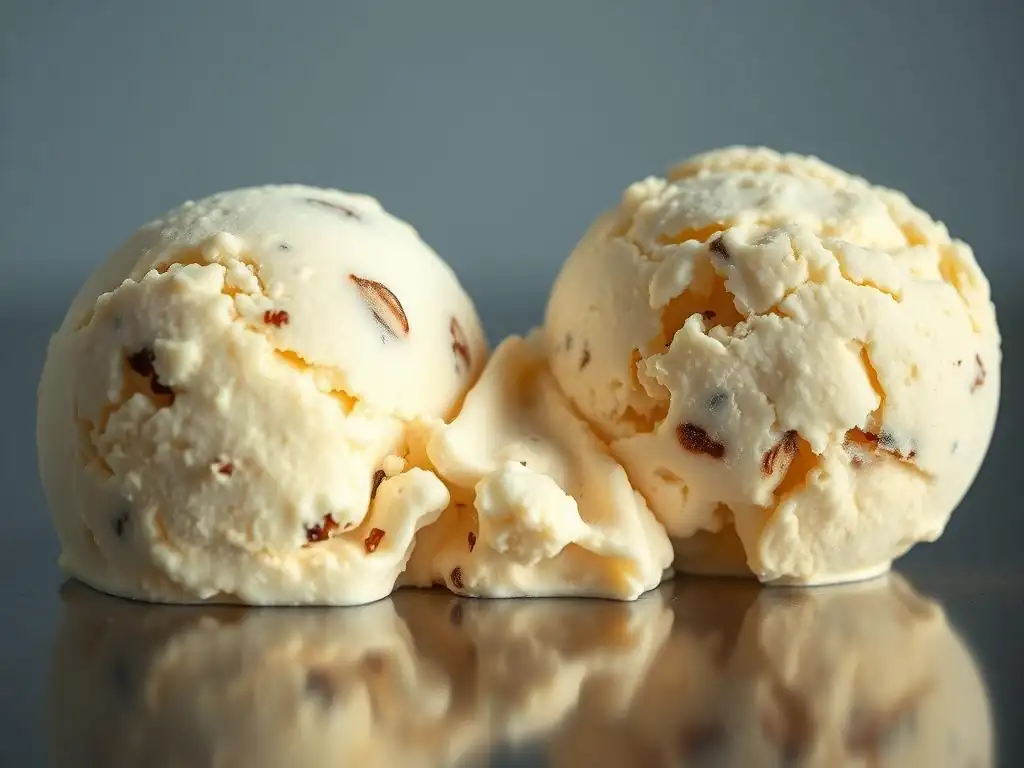
The journey from a liquid base to a frozen dessert involves a complex interplay of ingredients, temperature, and agitation. The quality of your ingredients significantly influences how this process unfolds and the ultimate texture of the frozen product. High-quality components behave predictably and contribute positively to the desired outcome – a smooth, creamy, and scoopable ice cream.
Conversely, using lower-quality ingredients can introduce variables that hinder proper freezing. For example, insufficient fat or the wrong type of sugar can lead to faster and larger ice crystal formation, resulting in a grainy or icy texture. Understanding how premium ice cream ingredients interact during freezing helps in troubleshooting and perfecting your technique.
High-Quality Ingredients Lead to Smoother Freezing
High-quality fats and sugars are particularly important for achieving a smooth texture during freezing. Higher butterfat content, as found in premium heavy cream, helps to emulsify the mixture and inhibits the growth of large ice crystals. The fat globules interfere with water molecules clustering together to form ice. This results in smaller, more numerous ice crystals, which are perceived as smooth and creamy on the tongue.
Similarly, the right balance and types of high-quality sugars (including some invert sugars) effectively lower the freezing point and further disrupt ice crystal formation. They bind to water molecules, preventing them from joining the growing ice lattice. This combined effect of high-quality fat and sugar leads to a mixture that freezes more slowly and results in a finer, more desirable texture compared to a mix made with lower-quality, less effective ingredients.
Avoiding Ice Crystals with Proper Sugar and Fat Balance
Large, crunchy ice crystals are the bane of homemade ice cream makers. They form when water molecules freeze into large structures, often due to slow freezing, improper churning, or an imbalance of ingredients. Using highquality ice cream ingredients with the correct fat and sugar content is the first line of defense against this issue. A base with sufficient butterfat (ideally 18% or more of the total mix weight) and the right concentration of sugar (around 15-20%) is inherently more resistant to large crystal formation.
The fat physically gets in the way of ice crystals growing, while the sugar lowers the freezing point and chemically interferes with crystallization. Think of it like building a wall: the fat is like mortar filling the gaps between bricks (water molecules), and the sugar is like an anti-freeze agent. Without enough high-quality fat and sugar in the correct proportions, the water is left exposed and free to form large, undesirable ice structures. Proper chilling of the base before churning and efficient churning also play roles, but they work best when starting with a well-formulated base using premium ingredients.
The Cost vs. Benefit of High-Quality Ice Cream Ingredients
It's true that highquality ice cream ingredients often come with a higher price tag. A pint of organic heavy cream from a local farm or a bottle of pure Madagascar vanilla bean paste will cost more than their standard supermarket counterparts. This leads many home bakers to wonder if the added expense is truly justified for homemade ice cream.
The answer depends on your goals. If you're simply looking for a quick, inexpensive frozen treat, basic ingredients will suffice. However, if you're aiming to replicate the rich, complex, and smooth texture of artisanal ice cream, the investment in premium ingredients is likely worth it. The difference in flavor and texture can be profound, elevating your homemade creation from good to exceptional.
For many ice cream enthusiasts, the answer is a resounding yes. The sensory experience of highquality ice cream – the silky texture, the pure, intense flavor – is significantly enhanced by using better ingredients. While a container of standard heavy cream might cost around $4-5, a higher-fat or organic option might be $6-8. A bottle of pure vanilla extract might be $10-15, while vanilla bean paste could be $20+. These costs add up.
However, consider the cost of purchasing premium ice cream from a scoop shop, which can range from $5 to $10 per scoop or more for a pint. Making ice cream at home with highquality ice cream ingredients, even premium ones, can still be more cost-effective than buying the equivalent quality commercially. Furthermore, the satisfaction of creating something truly delicious from scratch using the best components is a reward in itself. If ice cream is a treat you truly savor, the investment in quality is often worthwhile for the superior result.
Minimizing Waste and Maximizing Flavor
Using highquality ice cream ingredients doesn't just improve taste; it can also indirectly help minimize waste and maximize satisfaction. When you use premium ingredients, the resulting ice cream is often so delicious that every last scoop is savored, reducing the likelihood of leftovers going to waste. The intense, pure flavors mean you might even find yourself satisfied with a smaller portion because the experience is so rich and fulfilling.
Furthermore, focusing on quality over quantity encourages thoughtful purchasing. Instead of buying large quantities of mediocre ingredients, you might buy smaller amounts of truly excellent ones. This approach can lead to less food waste overall. By prioritizing the best ice cream ingredients, you're not just making better ice cream; you're engaging in a more mindful and rewarding approach to cooking and enjoying food.
Recipes that Showcase High-Quality Ice Cream Ingredients
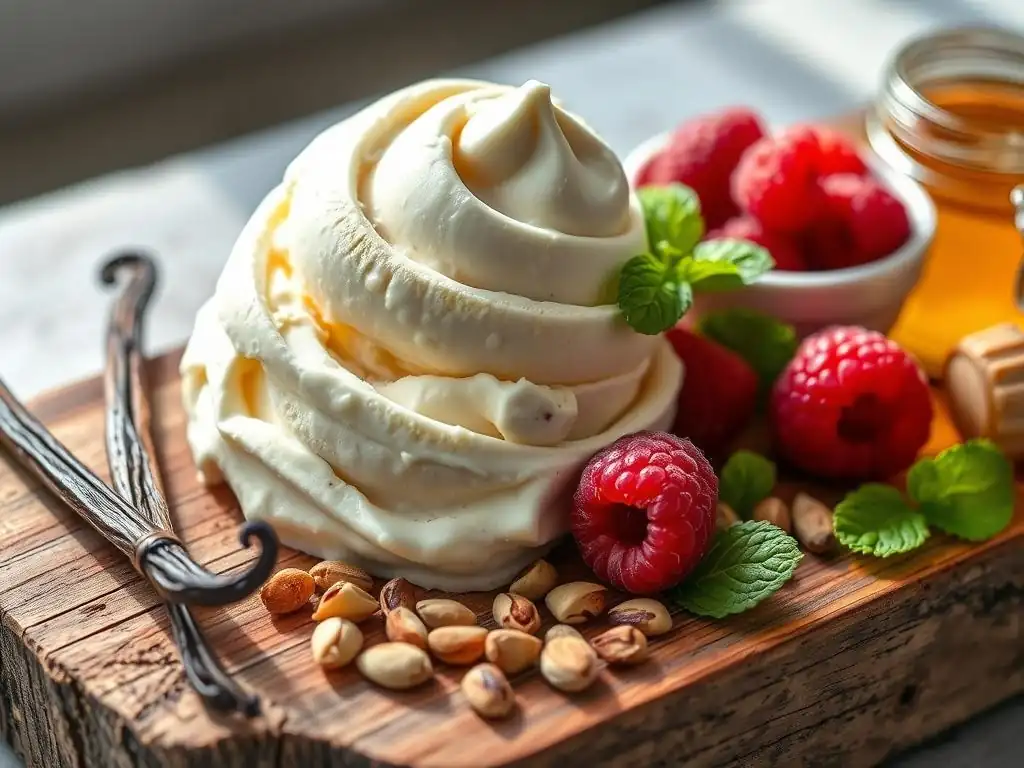
To truly appreciate the impact of highquality ice cream ingredients, try recipes that allow their inherent flavors to shine. Simple, classic flavors are perfect for this, as there are no complex additions to mask the nuances of the base ingredients. A pure vanilla bean ice cream or a vibrant fresh fruit sorbet are excellent examples.
These recipes highlight the importance of selecting the best dairy, sugar, and primary flavoring. They serve as benchmarks for understanding how ingredient quality translates directly into taste and texture. By making these recipes with both standard and premium ingredients, you can conduct your own taste test and see the difference firsthand.
Madagascar Vanilla Bean Ice Cream
This recipe is a testament to the power of high-quality vanilla.
- Requires:
- High-quality heavy cream (36-40% fat)
- Whole milk
- Granulated sugar
- Optional: A small amount of corn syrup (for texture)
- Salt
- 1-2 high-quality Madagascar vanilla beans (or equivalent vanilla bean paste)
The key here is the vanilla. A plump, fragrant Madagascar vanilla bean (or equivalent amount of paste) will infuse the dairy base with rich, complex vanilla notes far beyond what extract alone can provide. The tiny black specks are a visual promise of the intense flavor to come. Using high-fat cream ensures a smooth, luxurious texture that allows the delicate vanilla flavor to be the star. This simple recipe beautifully showcases how prioritizing one or two premium ice cream ingredients can transform a classic.
Fresh Raspberry Ice Cream
This recipe highlights the importance of using ripe, seasonal fruit.
- Requires:
- High-quality heavy cream
- Whole milk
- Granulated sugar
- Optional: A small amount of lemon juice (to brighten fruit flavor)
- Salt
- 2-3 cups fresh, ripe raspberries (or other berry)
The success of this ice cream hinges entirely on the quality of the raspberries. Ripe berries are naturally sweet, intensely flavored, and vibrant in color. Using fresh, peak-season fruit means you need less added sugar to achieve a perfect balance, allowing the pure berry flavor to dominate. The natural pectin in the fruit also contributes to a smoother texture. This recipe demonstrates that for fruit-based ice creams, the quality of the fruit is perhaps the most critical of all the highquality ice cream ingredients.
Tips for Storing Homemade Ice Cream Made with Quality Ingredients
Even the best homemade ice cream made with highquality ice cream ingredients can suffer if not stored properly. Freezing and storage conditions can significantly impact texture, leading to the formation of large ice crystals over time and the development of off-flavors. Taking a few simple steps can help preserve the creamy texture and vibrant flavor you worked so hard to achieve.
Proper storage techniques are essential for maximizing the lifespan and enjoyment of your homemade frozen treats. Protecting the ice cream from temperature fluctuations and air is key to maintaining its quality. Don't let your investment in premium ingredients go to waste due to poor storage habits.
Proper Storage Techniques to Maintain Flavor and Texture
Once your ice cream is churned, transfer it immediately to a pre-chilled airtight container. Plastic freezer containers or metal loaf pans covered tightly with plastic wrap and then foil work well. The goal is to minimize exposure to air, which causes freezer burn and oxidation, leading to off-flavors. Press a piece of plastic wrap directly onto the surface of the ice cream before sealing the container to create an extra barrier against air.
Store the container in the coldest part of your freezer, typically towards the back, away from the door. The door is subject to frequent temperature changes every time the freezer is opened, which can cause cycles of thawing and refreezing that lead to ice crystal growth. Storing it in a stable, cold environment helps maintain the smooth texture achieved with highquality ice cream ingredients.
Preventing Freezer Burn in Homemade Ice Cream
Freezer burn occurs when moisture evaporates from the surface of the ice cream and then refreezes as ice crystals on the surface or lid. This leaves the ice cream underneath dry, icy, and with compromised flavor. It's primarily caused by air exposure and temperature fluctuations. Using airtight containers and pressing plastic wrap directly onto the surface are crucial steps in preventing this.
Additionally, try to fill the storage container as completely as possible to minimize the amount of trapped air. If you have a partially full container, transfer the remaining ice cream to a smaller container to reduce air space. While using highquality ice cream ingredients gives you the best starting texture, diligent storage is necessary to preserve that texture and prevent the formation of freezer burn over time. Following these tips ensures your delicious, homemade ice cream stays in peak condition for as long as possible.
Frequently Asked Questions
What are the most crucial ingredients to focus on for high-quality ice cream?
The most crucial ingredients are fresh, full-fat dairy (cream and milk) and high-quality flavorings. Using the best available vanilla extract or fresh fruit will significantly impact the final product.
Does using organic dairy inherently guarantee better ice cream?
Not necessarily. While organic dairy can be a great choice, focusing on freshness and fat content is more important for texture and flavor. Organic doesn't automatically equal superior ice cream.
How can I ensure the high-quality of my flavor additions, like chocolate or fruit?
Opt for premium chocolate with a high cocoa percentage and use ripe, seasonal fruit for the best flavor. Avoid artificial flavorings whenever possible.
Can I substitute ingredients to save money without sacrificing ice cream quality?
Substituting ingredients often affects the final product. While some minor adjustments are possible, using lower-quality substitutes for key ingredients like cream will noticeably reduce the richness and flavor.
Where can I source high-quality ice cream ingredients if my local grocery store is limited?
Consider checking specialty food stores, farmers' markets, or online retailers that specialize in gourmet ingredients. These sources often offer higher quality options than standard supermarkets.
Final Reflection: The Sweet Truth About High-Quality Ice Cream Ingredients
The pursuit of the perfect scoop isn't just about taste; it's a reflection of our commitment to quality and mindful consumption. High-quality ice cream, made with carefully selected ingredients, offers a sensory experience far surpassing anything mass-produced. This isn't just a culinary preference; it's a statement about appreciating the source of our food and the impact it has on our overall well-being.
The journey through the world of ice cream ingredients has been a revelation, highlighting the profound difference between using supermarket staples and sourcing premium, often locally-produced, alternatives. The subtle nuances in flavor, texture, and even the overall richness of the final product are undeniable. As the saying goes, The best things in life are simple,
and this rings especially true when considering the impact of superior ingredients on a seemingly simple dessert. The journey to understanding this has been deeply rewarding, prompting me to reconsider the quality of ingredients I use in all aspects of my cooking.
Now, consider your own ice cream adventures. Will you continue to settle for the readily available, or will you embark on a quest for the perfect scoop, one that reflects your values and commitment to quality? I encourage you to explore the world of premium ingredients, to taste the difference, and to savor the experience of truly exceptional ice cream. The journey to better ice cream is a journey to a more mindful and delicious life.
Unlock Your Ice Cream's Full Potential!
Thanks for taking the time to explore the world of high-quality ice cream ingredients with us! We hope you now understand the significant impact ingredient quality has on your homemade creations. Ready to take your ice cream game to the next level?
- Whip up a batch of premium ice cream: Put your newfound knowledge to the test! Use the freshest, highest-quality ingredients you can find and savor the difference. This is your chance to experience truly exceptional ice cream.
- Share your ice cream journey: Post a picture of your masterpiece on social media and tag us – we’d love to see your delicious results!
- Experiment with unique flavor combinations: Now that you understand the importance of quality ingredients, don't be afraid to get creative! Try using unusual fruits, spices, or extracts to create your signature flavor.
What unexpected ingredient are you excited to try in your next batch of homemade ice cream?