
Understanding the 'Seed' Effect: How Tiny Crystals Ruin Sugar Work

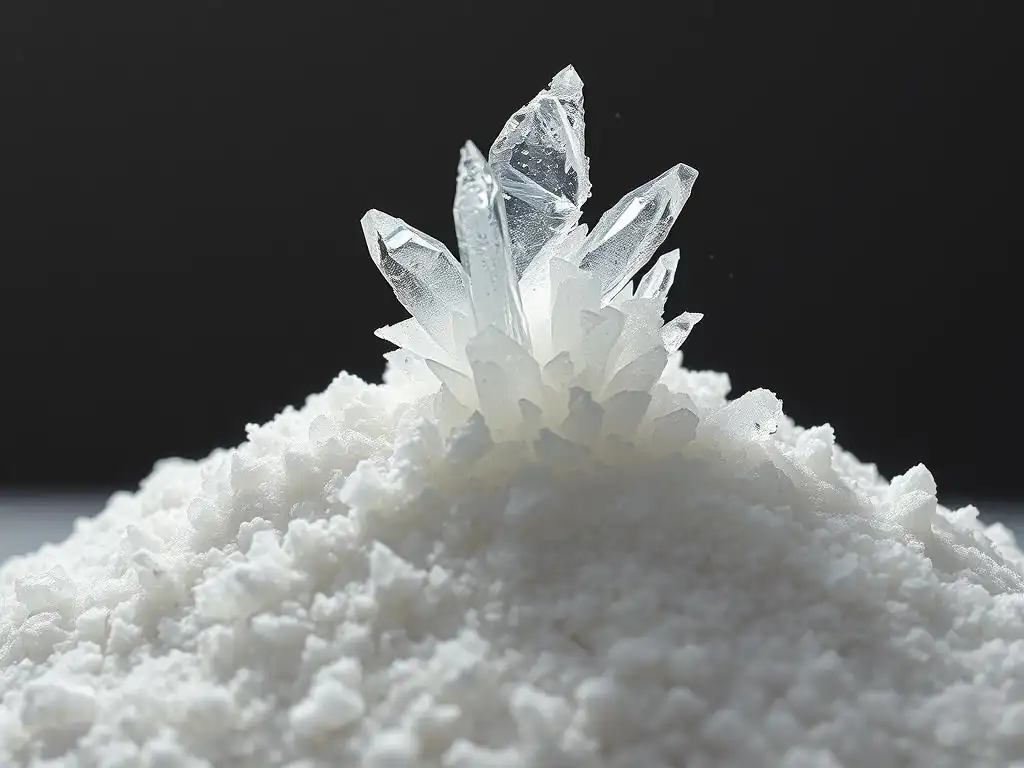
Welcome to BakeWithEase, your guide to unlocking baking mastery! Have you ever wondered why your beautifully crafted sugar work suddenly turns gritty? Dive into our Baking Science Deep Dive and uncover the secrets behind sugar crystal texture problems. Learn how the seemingly insignificant "seed" effect can sabotage your creations, and discover practical tips to achieve flawlessly smooth, professional-looking results. Curious to know more? Let's explore the science!
- Understanding Forced Crystallization: Achieving Desired Texture in Confectionery
- Introduction to Crystallization in Confectionery
- The Science Behind Sugar Crystal Formation
- Identifying Nucleation Sites: Controlling Where Crystals Form
- Preventing Premature Crystallization: Techniques for Smooth Confections
- Troubleshooting Texture Problems in Confections
- Advanced Techniques for Controlling Sugar Crystallization
- Common Mistakes That Lead to Texture Problems in Confections
- Achieving Perfect Texture: Best Practices for Confectionery
-
Frequently Asked Questions
- What exactly is the "seed" effect in sugar work, and why is it a problem?
- How can I prevent the "seed" effect from ruining my sugar creations?
- What role does temperature play in preventing sugar crystal texture problems?
- What types of sugar work are most susceptible to the "seed" effect?
- If my sugar syrup does crystallize, is there anything I can do to salvage it?
- Final Reflection: The Enduring Mystery of the Sugar Crystal
- Unleash Your Inner Sugar Artist: Conquer Crystal Chaos!
Understanding Forced Crystallization: Achieving Desired Texture in Confectionery
Introduction to Crystallization in Confectionery
Baking and confectionery often involve working with sugar in various forms, from fine granules to molten syrup. The texture of many beloved sweets, like fudge, caramel, brittle, and even fondant, is fundamentally determined by how sugar crystals form – or are prevented from forming – within the mixture.
Understanding the science behind sugar crystallization is paramount to mastering these treats and avoiding common pitfalls that lead to undesirable textures, such as the dreaded grainy mouthfeel often associated with sugar crystal texture problems. Controlled crystallization allows us to create everything from the smooth, creamy texture of fudge to the large, clear crystals of rock candy.
The Importance of Controlled Crystallization: Achieving Desired Texture
Controlled crystallization is the art and science of manipulating sugar solutions to achieve a specific crystal size and distribution, directly impacting the final texture of a confection. Imagine the difference between a smooth, melt-in-your-mouth caramel and a gritty, sugary mess; this difference is often the result of uncontrolled sugar crystal texture problems. By understanding factors like temperature, concentration, and agitation, bakers can guide the sugar molecules into forming crystals of the desired size, ensuring a pleasant eating experience.
For instance, achieving the characteristic texture of creamy fudge relies on encouraging the formation of many, very small sugar crystals. If crystallization is uncontrolled or happens too quickly with large crystals forming, the fudge becomes grainy. Conversely, making hard candy or brittle requires preventing significant crystallization altogether, resulting in a smooth, glassy texture. Mastering this control is key to consistency and quality in confectionery.
What is Forced Crystallization?
Forced crystallization, in the context of confectionery, refers to techniques deliberately employed to initiate and control the formation of sugar crystals in a supersaturated solution. Unlike allowing crystals to form randomly, forced crystallization involves introducing specific conditions or agents that encourage the sugar molecules to align and solidify into a crystalline structure at a chosen moment and rate. This is a fundamental technique used to achieve specific textures, particularly in confections like fudge, fondant, and some types of icing.
This process typically begins after a sugar solution has been heated to a high concentration (supersaturation) and then cooled slightly. Instead of letting the solution sit undisturbed, which might lead to unpredictable crystallization or none at all, a trigger is introduced. This trigger could be mechanical, like stirring or scraping the sides of the pan, or it could be the introduction of pre-existing sugar crystals, a technique known as "seeding." By forcing crystallization, bakers can dictate when and how the sugar begins to solidify, mitigating potential sugar crystal texture problems and ensuring uniformity in the final product.
The Science Behind Sugar Crystal Formation
Sugar crystallization is a physical process where dissolved sugar molecules (typically sucrose) come out of solution and arrange themselves into a highly ordered, solid structure. This happens when the concentration of sugar in a liquid exceeds its solubility limit at a given temperature, creating a supersaturated solution. The process involves two main stages: nucleation, where tiny crystal seeds form, and crystal growth, where these seeds attract more sugar molecules and increase in size. Understanding these stages is crucial for controlling the outcome and preventing unwanted sugar crystal texture problems.
Supersaturation: The Driving Force of Crystallization
Supersaturation is the critical state that makes crystallization possible. It occurs when a solution holds more dissolved solute (in this case, sugar) than it normally could at equilibrium at that temperature. This is typically achieved by heating a sugar-water mixture, dissolving a large amount of sugar, and then carefully cooling it without disturbing it.
For example, water at 20°C can dissolve about 204 grams of sucrose per 100 ml, but when heated to 100°C, it can dissolve over 476 grams. As this hot, concentrated solution cools, the amount of sugar dissolved exceeds the new solubility limit for the lower temperature, creating a supersaturated state.
This supersaturated state is inherently unstable. The excess sugar molecules are eager to leave the solution and form crystals to reach a more stable state. The degree of supersaturation—how much excess sugar is dissolved—directly influences the driving force for crystallization. A highly supersaturated solution is very prone to crystallizing rapidly, potentially leading to many small crystals or uncontrolled growth, which can cause significant sugar crystal texture problems if not managed carefully.
How Temperature Influences Crystal Size and Structure
Temperature plays a dual role in sugar crystallization: it affects solubility and influences the rate of crystal growth. Higher temperatures allow more sugar to dissolve, which is essential for creating a supersaturated solution upon cooling. However, once the solution is cooling and in the supersaturated state, the rate at which it cools significantly impacts crystal formation. Rapid cooling tends to create a high degree of supersaturation quickly throughout the solution, leading to the simultaneous formation of many small nuclei and thus many small crystals.
Conversely, slower cooling rates maintain a lower degree of supersaturation for a longer period. This favors crystal growth on existing nuclei over the formation of new ones. Sugar molecules have more time to deposit onto the surfaces of crystals that have already formed, resulting in fewer but larger crystals. This is a key factor in controlling texture; for a smooth texture like fudge, rapid cooling followed by controlled agitation helps produce many tiny crystals, while for rock candy, slow, undisturbed cooling is needed to grow large, visible crystals.
The Role of Interfering Agents in Crystallization
Interfering agents are substances added to sugar solutions to prevent or modify crystal growth. These agents work by getting in the way of sugar molecules trying to join the crystal lattice, effectively slowing down or inhibiting the process. Common interfering agents include glucose (dextrose), fructose, corn syrup (which contains glucose and other sugars), invert sugar (a mixture of glucose and fructose), acids (like cream of tartar or lemon juice, which can invert sucrose), fats (like butter), and proteins (like milk solids or egg whites).
A classic example is the use of corn syrup or butter in caramel. Corn syrup, primarily glucose, acts as an interfering agent, preventing sucrose from forming large, grainy crystals and helping maintain a smooth, chewy texture. Similarly, the fat in butter coats sugar molecules, hindering their ability to connect and crystallize. Without these agents, many confections would quickly turn into a solid block of large, gritty sucrose crystals, leading to significant sugar crystal texture problems. The proportion of interfering agents to sucrose is critical in determining the final texture.
Identifying Nucleation Sites: Controlling Where Crystals Form
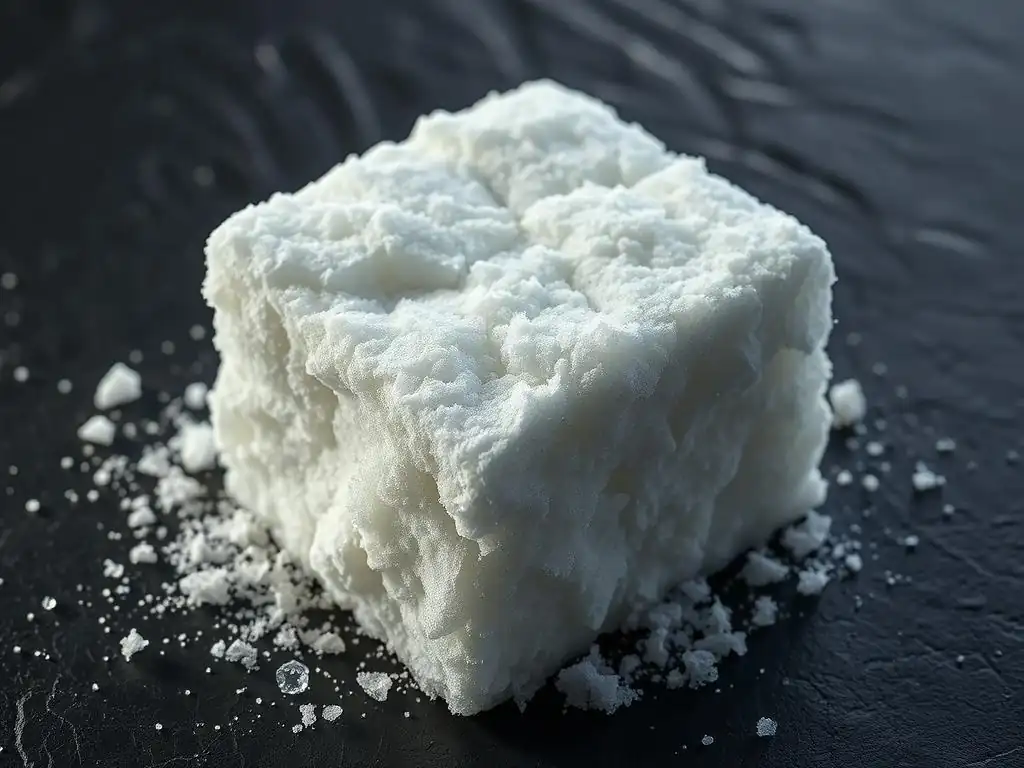
Nucleation is the initial stage of crystallization where the very first, microscopic crystal seeds appear. These seeds then serve as templates for further crystal growth. In a supersaturated sugar solution, nucleation can happen spontaneously (homogeneous nucleation) if the supersaturation level is very high, or it can be triggered by external factors (heterogeneous nucleation). Controlling where and when nucleation occurs is fundamental to managing the number and size of crystals that form, directly influencing the texture of the final product and preventing uncontrolled sugar crystal texture problems.
Common nucleation sites are often imperfections or foreign particles within the solution or on the surfaces it touches. Tiny dust particles, air bubbles, or even microscopic scratches on the inside of a pan can act as surfaces where sugar molecules can more easily align and start forming a crystal. This is why keeping equipment meticulously clean is crucial in confectionery; even a single grain of sugar left in a pan can initiate premature crystallization.
Purposeful Seeding with Existing Crystals
Purposeful seeding is a controlled method of initiating crystallization by deliberately introducing pre-formed sugar crystals into a supersaturated solution. This technique is used when you want to encourage crystallization to happen rapidly and uniformly, often leading to the formation of many small crystals if followed by agitation. The introduced crystals act as readily available nucleation sites, providing a template for the dissolved sugar molecules to deposit onto.
A classic application of seeding is in making fondant or certain types of fudge. After the sugar syrup has reached the desired temperature and cooled slightly into a supersaturated state, a few grains of powdered sugar or a small piece of cooled fudge are added and stirred in. These seeds provide numerous starting points, encouraging crystallization to begin simultaneously throughout the mixture rather than unevenly. This directed approach helps prevent the formation of large, undesirable crystals that cause sugar crystal texture problems.
Using Agitation to Promote Nucleation
Agitation, such as stirring or beating, is another powerful technique used to promote nucleation and control crystal size in a cooling supersaturated sugar solution. Once the solution has cooled to a specific temperature (often around 40-50°C or 104-122°F, depending on the confection), introducing movement disrupts the stability of the supersaturated state. The mechanical energy from stirring helps sugar molecules overcome the energy barrier required to start forming new crystals.
Continuous or vigorous agitation at the right temperature range encourages the formation of a multitude of tiny crystal nuclei throughout the mixture. As these nuclei form and grow slightly, the agitation also helps break apart larger clusters and distributes the growing crystals evenly. This process, often seen when making fudge or divinity, is essential for creating a smooth texture characterized by a large number of very fine crystals, effectively mitigating sugar crystal texture problems caused by large crystal growth.
Utilizing Cooling Surfaces for Crystal Initiation
Cooling surfaces can also be leveraged to initiate crystallization. When a hot, supersaturated sugar syrup comes into contact with a cooler surface, the layer of syrup directly touching that surface cools more rapidly. This localized rapid cooling increases the degree of supersaturation in that specific area, making it more likely for nucleation to occur. This principle is often observed unintentionally when sugar crystallizes on the sides of a pan as the syrup cools.
In some techniques, this effect is used deliberately. For example, in traditional methods of making certain candies, the hot syrup might be poured onto a cool marble slab. As the syrup cools on the surface, crystallization begins. The confectioner then works the cooling mass, often by folding or pulling, which combines the effect of cooling surfaces with agitation to control crystal size. This interaction between the syrup and the cooler surface contributes to the initiation of crystallization and helps manage sugar crystal texture problems.
Preventing Premature Crystallization: Techniques for Smooth Confections
While controlled crystallization is desired for some confections like fudge, many others, such as hard candy, caramel, and clear sauces, require preventing crystallization altogether to achieve a smooth, glassy texture. Premature or uncontrolled crystallization in these cases leads to graininess, cloudiness, and undesirable sugar crystal texture problems. Preventing this requires careful handling of the sugar solution from start to finish.
The key to preventing premature crystallization lies in avoiding anything that could trigger nucleation before the desired point (often, never). This includes ensuring all sugar is fully dissolved, maintaining clean equipment, controlling temperature carefully, and minimizing disturbances while the solution is hot and cooling. Even a single undissolved sugar grain or a splash of syrup drying on the side of the pan can act as a seed, initiating a chain reaction of crystallization.
Proper Dissolution Techniques: Ensuring Complete Sugar Dissolving
Ensuring every single grain of sugar is completely dissolved before the solution reaches high temperatures is perhaps the most critical step in preventing premature crystallization. Undissolved sugar particles are essentially large crystal seeds waiting to grow, and they will rapidly initiate crystallization once the solution becomes supersaturated upon cooling. To achieve complete dissolution, sugar is typically combined with liquid (usually water) and heated gently while stirring until all granules disappear.
It's advisable to heat the mixture slowly at first, stirring until it becomes clear and no sugar is visible on the bottom or sides of the pan. For example, when making a simple syrup or caramel base, heat gently over low to medium heat, stirring constantly until clear. Once dissolved, stirring should often stop or be minimized during the subsequent heating phase to prevent splashing sugar onto the sides of the pan, where it can dry and crystallize, later falling back into the syrup as seeds causing sugar crystal texture problems.
Temperature Control: Maintaining the Ideal Temperature Range
Precise temperature control is vital throughout the confectionery process, both for achieving the correct sugar concentration and for managing crystallization. For confections meant to be glassy and non-crystalline, like hard candy, the syrup is heated to very high temperatures (e.g., 150-160°C or 300-320°F) to boil off excess water and create an extremely concentrated solution. Maintaining this high temperature and avoiding cooling until the candy is poured or molded helps keep the sugar in a non-crystalline, amorphous state.
During the cooling phase, allowing the syrup to cool undisturbed to a certain point before handling is also crucial. Disturbing a supersaturated solution while it's too hot can still trigger crystallization. Different confections require different cooling strategies; hard candy is often poured and left to cool, while caramel might be cooled slightly before adding interfering agents like butter. Monitoring temperature with a reliable candy thermometer is indispensable for hitting the right points to prevent unwanted sugar crystal texture problems.
Using Clean Equipment: Avoiding Undesirable Nucleation
Using scrupulously clean equipment is non-negotiable when making confections where smoothness is paramount. Any tiny food particle, grease residue, or, most importantly, stray sugar crystal left on a spoon, spatula, or the inside of the pan can act as a nucleation site. As the hot, supersaturated sugar syrup comes into contact with these impurities, crystallization can begin prematurely and uncontrollably, leading to a grainy texture.
Before starting, ensure all pots, spoons, and molds are thoroughly washed and rinsed to remove any potential contaminants. Some confectioners even wipe down the inside of the pan with a damp pastry brush above the syrup line during cooking to wash down any sugar crystals that might splash onto the sides. This attention to cleanliness minimizes potential triggers for unwanted crystallization and helps prevent frustrating sugar crystal texture problems.
Controlling Cooling Rates: Achieving Desired Crystal Size
The rate at which a supersaturated sugar solution cools significantly impacts the final crystal size, even when trying to prevent crystallization altogether. For non-crystalline confections like hard candy, rapid cooling after reaching the target temperature is generally preferred. Pouring the hot syrup onto a cool surface (like a silicone mat or marble slab, if applicable to the specific candy) or into molds helps it solidify quickly into an amorphous, glassy state before sugar molecules have a chance to organize into crystals.
If the cooling is too slow, especially in the presence of any interfering agents or slight impurities, there's a greater risk of some crystallization occurring, leading to cloudiness or graininess. For confections where controlled crystallization is desired (like fudge), cooling to a specific intermediate temperature before initiating agitation or seeding is key. Cooling too quickly before agitation can lead to large, uneven crystals, while cooling too slowly might result in fewer, larger crystals during agitation. Managing the cooling rate is a fine balance tailored to the specific confection to either prevent or control sugar crystal texture problems effectively.
Troubleshooting Texture Problems in Confections
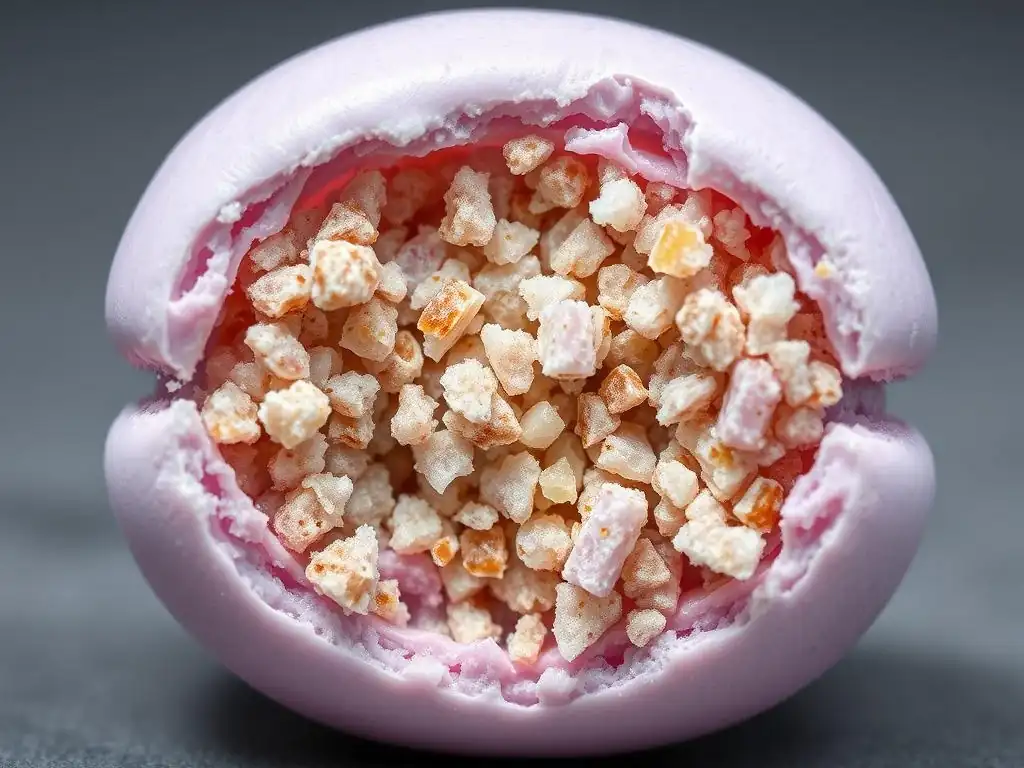
Despite best efforts, sometimes sugar crystal texture problems arise. A batch of fudge turns out grainy, or a caramel sauce develops an unpleasantly sandy texture. Recognizing the signs of undesirable crystallization and knowing how to potentially salvage the confection can save time and ingredients. The most common culprit is the formation of large, uneven sugar crystals where small or no crystals were desired.
These sugar crystal texture problems often stem from issues during the heating or cooling process, such as incomplete dissolution of sugar, premature nucleation from impurities, or improper temperature control and agitation during cooling. Identifying the likely cause based on the confection type and the process followed is the first step in troubleshooting and learning how to avoid the issue in future batches.
Recognizing Signs of Undesirable Crystallization
Undesirable crystallization in confections is typically characterized by a grainy or sandy texture that is easily detectable on the tongue. Instead of a smooth, creamy, or glassy feel, you perceive distinct sugar particles. In clear candies or sauces, this can manifest as cloudiness or opacity where transparency is expected. For example, a clear caramel sauce that turns cloudy or develops a gritty sediment has likely undergone uncontrolled crystallization.
In confections like fudge, the texture should be smooth and melt-in-your-mouth, ideally without any noticeable grain. If you bite into fudge and feel a sandy or gritty sensation, this is a clear sign that large sugar crystals have formed, indicating sugar crystal texture problems. This contrasts sharply with the desired texture achieved through controlled formation of many microscopic crystals.
Salvaging Grainy Confections: Recrystallization Techniques
In some cases, a grainy confection suffering from sugar crystal texture problems can be salvaged through a process of recrystallization. This involves returning the sugar to a dissolved state and then carefully re-managing the cooling and crystallization process. For example, a grainy fudge can often be returned to the saucepan, a small amount of liquid (like milk or water) added, and the mixture heated gently while stirring until all the sugar crystals are completely dissolved again.
Once dissolved into a smooth syrup, the mixture must be brought back up to the required temperature (e.g., soft ball stage for fudge) and then cooled again, this time paying extra attention to preventing premature nucleation and managing the cooling and stirring process correctly. While not always successful in restoring the perfect texture, this technique can often improve a grainy confection significantly, making it palatable again.
Fudge: Controlling Crystallization for a Smooth Texture
Fudge is a prime example of a confection where controlling crystallization is paramount for achieving the desired smooth texture and avoiding sugar crystal texture problems. The goal is to create a matrix of many very small sugar crystals suspended in a sugar syrup and fat mixture. This is achieved by heating the sugar, liquid, and interfering agents (like butter, milk solids, corn syrup) to a specific temperature (typically 112-115°C or 234-239°F, the soft ball stage), which creates a supersaturated solution.
After reaching the correct temperature, the fudge is cooled without stirring to a specific intermediate temperature (often around 45-50°C or 113-122°F). Cooling undisturbed prevents premature large crystal formation. Once cooled to this point, the mixture is vigorously beaten or stirred. This agitation, performed at the ideal level of supersaturation for that temperature, forces the formation of a multitude of tiny crystal nuclei simultaneously. Continued beating encourages these nuclei to grow slightly but prevents them from clumping into large, grainy crystals, resulting in the characteristic smooth texture of good fudge.
Advanced Techniques for Controlling Sugar Crystallization
Beyond the basic principles, several advanced techniques and ingredients can be employed to fine-tune the control over sugar crystallization, allowing for a wider range of textures and increased consistency. These methods often involve introducing substances that interfere with sucrose's natural tendency to crystallize or carefully manipulating environmental conditions.
Using Invert Sugar: Inhibiting Crystal Formation
Invert sugar is a powerful interfering agent composed of glucose and fructose, formed by hydrolyzing sucrose (breaking it down, often with heat and acid). Glucose and fructose molecules have different shapes than sucrose and do not fit neatly into the sucrose crystal lattice. When present in a sugar solution, they disrupt the organization of sucrose molecules, making it much harder for sucrose crystals to form and grow.
Using invert sugar, either by adding commercial invert syrup or by adding an acid (like cream of tartar or lemon juice) to the sugar solution during heating to partially invert the sucrose, significantly inhibits crystallization. This is particularly useful in confections like fondant, marshmallows, and some syrups where a non-crystalline or very finely crystalline structure is desired.
A typical ratio might involve replacing a small percentage (e.g., 10-20%) of the sucrose with invert sugar or adding a pinch of cream of tartar per cup of sugar during boiling. This helps prevent sugar crystal texture problems and maintains smoothness and pliability.
Adding Corn Syrup: Modifying Sugar's Crystallization Properties
Corn syrup, a liquid sweetener derived from corn starch, is primarily composed of glucose, maltose, and longer-chain saccharides. Like invert sugar, the presence of glucose and other non-sucrose sugars in corn syrup acts as an interfering agent. When added to a sucrose solution, the various sugar molecules in corn syrup get in the way of sucrose molecules attempting to form ordered crystal structures.
Adding corn syrup is a very common technique in confectionery to control crystallization, used in everything from caramels and taffy to hard candies and fudge. It helps prevent graininess by inhibiting the formation of large sucrose crystals. The amount used varies depending on the desired texture, but even a small addition (e.g., a few tablespoons per cup of sugar) can significantly impact the outcome, helping to maintain a smooth texture and prevent sugar crystal texture problems. It also contributes to chewiness and moisture retention.
Controlling Cooling Rates: Achieving Desired Crystal Size
As discussed earlier, the rate of cooling is a critical variable in managing sugar crystallization. For confections requiring a smooth, finely crystalline texture (like fudge), cooling undisturbed to a specific intermediate temperature (often in the 40-50°C range) before agitation is key. This allows the supersaturation level to develop appropriately for the subsequent forced crystallization phase. Cooling too slowly might result in fewer nucleation sites forming during agitation, leading to larger crystals. Cooling too quickly before agitation can lead to premature, uncontrolled crystallization.
Conversely, for non-crystalline confections like hard candy, rapid cooling after reaching the final high temperature is essential to "shock" the sugar into a glassy, amorphous state before crystals have a chance to form. Pouring hot syrup onto a cool surface or into molds facilitates this rapid cooling. Understanding the specific cooling requirements for different types of confections is a nuanced skill that significantly impacts the ability to prevent or control sugar crystal texture problems and achieve the desired outcome.
Common Mistakes That Lead to Texture Problems in Confections
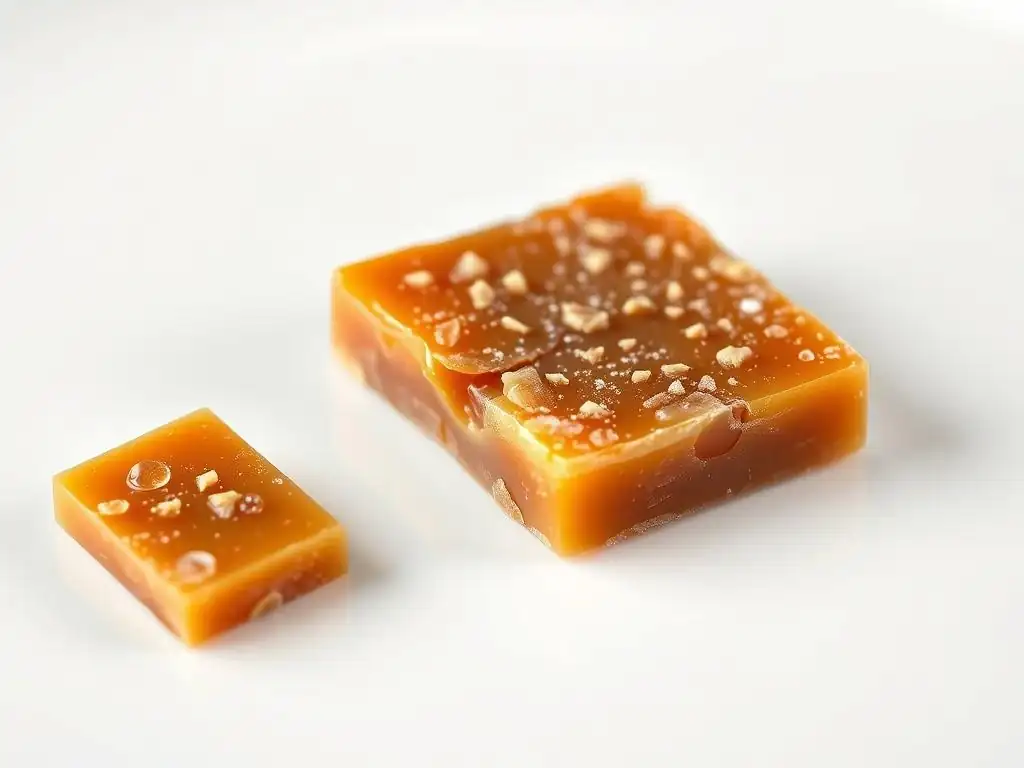
Even with knowledge of the science, mistakes in execution can easily lead to undesirable sugar crystal texture problems. These errors often involve improper handling of the sugar solution at critical stages, triggering uncontrolled crystallization or preventing necessary crystal formation. Identifying and avoiding these common pitfalls is essential for consistent success in confectionery.
Overcooking or Burning Sugar
Heating sugar beyond its intended temperature range can lead to several problems, including burning and altered crystallization behavior. While caramelization requires heating sugar to specific high temperatures (typically 160-180°C or 320-356°F), exceeding these or applying heat too quickly can cause the sugar to scorch or burn. Burnt sugar develops a bitter, acrid flavor and dark color.
Moreover, excessive heat can sometimes break down sucrose molecules, potentially leading to some degree of inversion, but uncontrolled high heat can also make the syrup more prone to rapid, uncontrolled crystallization upon cooling if not managed perfectly. Overcooked syrups are often thicker and can set up too quickly or become brittle when a chewy texture was desired. Precise temperature monitoring is crucial to avoid these issues and prevent related sugar crystal texture problems.
Using the Wrong Type of Sugar
While most confectionery relies on granulated white sugar (sucrose), using different types of sugar or sugars with varying crystal sizes can impact the outcome. For instance, using coarse sugar when a recipe calls for fine granulated sugar might affect dissolution rates. More significantly, substituting sucrose entirely with other sugars like powdered sugar (which contains anti-caking agents like cornstarch, an interfering agent) or brown sugar (which contains molasses, another interfering agent) will fundamentally alter the crystallization process and the final texture.
Recipes are often developed using standard granulated sucrose, and deviations can lead to unexpected results. For example, attempting to make clear hard candy with brown sugar will result in a different texture due to the molasses inhibiting crystallization differently. For specific confections, like those requiring controlled crystallization (fudge, fondant), the purity and crystal size of the initial sugar can even play a subtle role. Using the specified type of sugar helps ensure predictable crystallization behavior and reduces sugar crystal texture problems.
Inadequate Stirring Techniques
Stirring techniques and timing are critical in confectionery and vary depending on the desired outcome. For non-crystalline confections like hard candy or clear caramel, stirring should generally stop after the sugar is completely dissolved and the syrup is boiling to high temperatures. Splashing syrup onto the sides of the pan during high-temperature boiling can cause sugar to crystallize on the cooler edges, and these crystals can fall back into the main batch, seeding unwanted crystallization and causing sugar crystal texture problems.
Conversely, for confections requiring controlled crystallization like fudge, stirring is crucial after the syrup has cooled to a specific intermediate temperature. Insufficient or mistimed stirring during this cooling phase will result in too few nucleation sites, leading to the formation of larger, grainy crystals instead of many small ones. Knowing when to stir and when not to stir is a fundamental skill in managing sugar crystallization.
Achieving Perfect Texture: Best Practices for Confectionery
Mastering sugar crystallization is an ongoing process, but adopting best practices significantly increases the likelihood of achieving the desired textures in your confections and avoiding frustrating sugar crystal texture problems. It involves careful preparation, precise execution, and a solid understanding of the science at play.
Essential Tools and Equipment for Confectionery
Having the right tools makes a significant difference in controlling sugar crystallization. A reliable candy thermometer is indispensable for accurately monitoring sugar syrup temperatures, which is crucial for reaching the correct concentration and knowing when to initiate or prevent crystallization. Heavy-bottomed saucepans distribute heat evenly, preventing hot spots that can cause burning or uneven cooking.
Other useful tools include a pastry brush and a small cup of water for washing down sugar crystals from the sides of the pan, clean spoons or spatulas dedicated solely to confectionery work, and potentially a marble slab or silicone mat for cooling certain types of candy. Using clean, appropriate equipment minimizes variables and helps prevent unwanted sugar crystal texture problems caused by impurities or inaccurate temperatures.
Tempering Chocolate: A Step-by-Step Guide to Stable Crystals
While chocolate crystallization involves cocoa butter crystals rather than sugar crystals, the principle of controlled crystallization is very similar and equally critical for achieving desired texture and appearance. Tempering chocolate is the process of melting chocolate and then cooling and reheating it to specific temperatures to encourage the formation of stable, desirable beta (β) crystals in the cocoa butter.
Here's a simplified look at the process:
- Melt: Gently melt chocolate (e.g., 500g high-quality dark chocolate) to a temperature where all crystal forms are gone (around 45-50°C or 113-122°F for dark chocolate).
- Cool & Seed/Agitate: Cool the melted chocolate while agitating or by adding small pieces of already tempered chocolate (seeding). This step encourages the formation of stable beta crystals. For dark chocolate, cool to around 28-29°C (82-84°F).
- Reheat Slightly: Gently reheat the chocolate slightly to melt any unstable crystal forms, leaving only the desired beta crystals (around 31-32°C or 88-90°F for dark chocolate).
- Maintain: Keep the chocolate at this working temperature while molding or coating.
Properly tempered chocolate sets with a glossy finish, a firm snap when broken, and resistance to melting at room temperature – all signs of stable, controlled cocoa butter crystallization, analogous to preventing sugar crystal texture problems in sugar work.
Tips and Tricks for Mastering Crystallization Control
Mastering sugar crystallization takes practice, but a few key tips can help. Always start with a clean pan and dissolve sugar completely before boiling. Avoid stirring sugar syrup at high temperatures to prevent splashing and crystallization on the sides. Use interfering agents like corn syrup or acid judiciously when a smooth, non-crystalline texture is desired. For crystalline confections like fudge, cool the syrup undisturbed to the target temperature before initiating agitation.
Invest in a good candy thermometer and understand the specific temperature ranges for different confections (e.g., thread, soft ball, hard crack stages). Be patient; allowing syrups to cool properly before handling is crucial. Finally, don't be discouraged by initial failures; sugar crystal texture problems are common, but understanding the science empowers you to troubleshoot and improve with each batch.
Frequently Asked Questions
What exactly is the "seed" effect in sugar work, and why is it a problem?
The "seed" effect refers to the formation of unwanted sugar crystals that create a grainy, undesirable texture. This is problematic because it ruins the smooth, glossy finish intended for many sugar-based desserts.
How can I prevent the "seed" effect from ruining my sugar creations?
Prevention involves ensuring all sugar crystals are completely dissolved during the cooking process and avoiding the introduction of undissolved sugar particles or impurities that can act as seeds. Clean equipment is also crucial.
What role does temperature play in preventing sugar crystal texture problems?
Maintaining a consistent and even temperature is critical. Overheating or sudden temperature changes can encourage crystallization. Use a reliable thermometer to monitor the sugar syrup.
What types of sugar work are most susceptible to the "seed" effect?
Delicate sugar work like pulled sugar, spun sugar, and sugar sculptures are particularly vulnerable because they require a perfectly smooth sugar syrup for optimal results.
If my sugar syrup does crystallize, is there anything I can do to salvage it?
Sometimes, you can carefully add more water and gently reheat the mixture, ensuring all crystals dissolve completely. However, this isn't always successful, and it's better to start with a fresh batch to guarantee quality.
Final Reflection: The Enduring Mystery of the Sugar Crystal
The seemingly insignificant world of sugar crystals holds a surprising power to impact the success—or failure—of countless culinary creations. A single rogue crystal, a microscopic imperfection, can unravel hours of careful work, leaving bakers and confectioners frustrated and disheartened. This article has explored the "seed" effect, demonstrating how these tiny crystals act as nucleation points, dramatically altering the texture and appearance of our sugar-based delights.
The impact of understanding this phenomenon extends far beyond the kitchen. It highlights the importance of precision and control in any creative process, reminding us that even the smallest detail can have profound consequences. The difference between ordinary and extraordinary is that little extra.
This quote, while often attributed to Jimmy Johnson, perfectly encapsulates the delicate balance required in sugar work, where a single errant crystal can shift the outcome from exquisite to disastrous. The pursuit of perfection, in this context, becomes a fascinating study in meticulous attention to detail and the understanding of fundamental scientific principles.
Now, consider your own creative endeavors. Whether you're a baker meticulously crafting a delicate macaron, a candy maker striving for the perfect caramel, or simply someone who enjoys the simple pleasure of a perfectly brewed cup of tea, the lessons learned here apply.
Take a moment to reflect on the importance of preparation, the value of understanding the underlying science, and the beauty of embracing the unexpected. Perhaps, next time you encounter a less-than-perfect result, you'll approach it not with frustration, but with a newfound appreciation for the intricate dance of sugar crystals and the journey towards mastering their unpredictable nature.
Unleash Your Inner Sugar Artist: Conquer Crystal Chaos!
Thanks for diving deep into the world of sugar artistry with us! You now understand the sneaky "seed" effect and how it can impact your delicate sugar creations. Ready to take your skills to the next level? Let's put that knowledge into action!
- Master the Art of Prevention: Experiment with different sugar types and humidity levels to find the perfect environment for crystal-free success. Keep notes of your findings for future projects!
- Share Your Sugar Success: Show off your flawless sugar work and inspire fellow bakers! Post your creations online and tag #BakeWithEaseSeedEffect. Let’s build a supportive community!
- Challenge the "Seed": Try a new sugar work technique this week, focusing on minimizing potential crystal formation. What innovative methods will you discover?
Ready to create your most stunning sugar masterpieces yet, free from crystal worries?