
From Greasy Mess to Velvety Crumb: The Power of Emulsification in Your Bakes

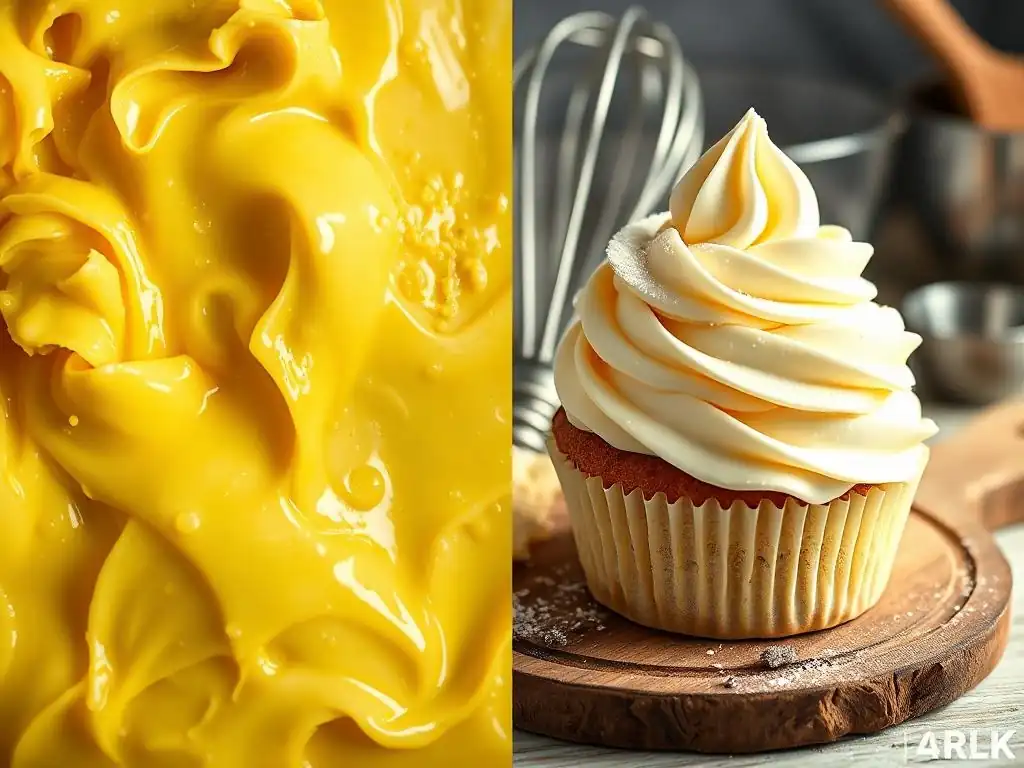
Welcome to BakeWithEase, where we unlock the secrets to baking brilliance! Ever wondered why some cakes are dry and crumbly, while others boast a heavenly, velvety texture? The answer lies in emulsification. Dive into this Baking Science Deep Dive and discover how mastering emulsification techniques can transform your bakes from potential disasters to delectable masterpieces. Prepare to elevate your baking game, one perfectly emulsified ingredient at a time!
BakeWithEase: Mastering Emulsification for Baking Success
Welcome back to BakeWithEase! Today, we're diving deep into a fundamental concept that separates good bakes from truly great ones: emulsification. You know that moment when your cake batter looks perfectly smooth and unified, or when your cookie dough comes together without separating into greasy blobs and watery puddles? That's the magic of emulsification at work. It's the process that allows ingredients that normally don't mix, like oil and water, to come together harmoniously, creating stable mixtures that translate into superior texture, consistency, and overall success in your baking projects.
Perfecting emulsification baking techniques is truly a game-changer. It's not just about following a recipe; it's about understanding why ingredients behave the way they do and how to guide them towards a stable, unified state. Whether you're aiming for a moist, tender cake crumb, cookies that spread just right, or enriched breads with a luxurious texture, mastering these techniques is key. Throughout this article, we'll explore the science, the methods, and the practical applications of emulsification, helping you elevate your baking skills and achieve consistently delightful results. Get ready to transform potentially greasy messes into velvety, delicious triumphs!
- How does emulsification actually improve my baked goods?
- What are the most common signs that my emulsification has failed?
- What are some essential emulsification baking techniques I should master?
- What ingredients act as natural emulsifiers in baking?
- Why is temperature so important for successful emulsification in baking?
Understanding Emulsification in Baking: The Foundation for Perfect Bakes
What is Emulsification and Why is it Crucial for Baking?
At its core, emulsification is the process of dispersing one liquid into another immiscible liquid, like oil into water or water into oil. Think about salad dressing – if you let it sit, the oil and vinegar separate. Shaking it creates a temporary emulsion, but it quickly breaks. In baking, we aim for stable emulsions, where tiny droplets of one liquid remain dispersed within the other for extended periods, often with the help of special ingredients called emulsifiers. This stability is absolutely crucial because baking involves heating and structure-building, processes that can easily break unstable mixtures.
Without proper emulsification, fats and liquids in your batter or dough would remain separate. In a cake, this could lead to a dense, uneven texture with greasy pockets and dry areas. In cookies, it might cause excessive spreading and a greasy, unpleasant mouthfeel.
Emulsification ensures that fat is evenly distributed throughout the mixture, coating flour particles and interfering with gluten development, which results in a tender crumb. It also helps to evenly distribute moisture and flavor, leading to more consistent, delicious results every time you bake. Perfecting emulsification baking techniques is fundamental for achieving the desired structure, tenderness, and moisture in almost any baked good.
The Science Behind Emulsification: Oil and Water Can Mix!
The reason oil and water don't naturally mix is due to their molecular properties. Water molecules are polar, meaning they have a slight positive charge on one end and a slight negative charge on the other, allowing them to attract each other strongly. Oil molecules, on the other hand, are non-polar and are repelled by water molecules. When you try to mix them, the water molecules prefer to stick together, forcing the oil molecules to cluster separately.
Emulsifiers bridge this gap. An emulsifier molecule has a part that is attracted to water (hydrophilic) and a part that is attracted to oil (hydrophobic). When added to a mixture of oil and water, emulsifier molecules position themselves at the interface between the oil and water droplets.
The hydrophobic end dissolves in the oil droplet, while the hydrophilic end dissolves in the surrounding water. This creates a barrier around the oil droplets, preventing them from coalescing (joining back together) and allowing them to remain suspended evenly throughout the water phase. This principle is vital for perfecting emulsification baking techniques, as it explains how common ingredients like egg yolks or butter work their magic.
The Role of Emulsifiers in Baking: Lecithin, Mono- and Diglycerides, Egg Yolks
Baking relies on naturally occurring and sometimes added emulsifiers. One of the most common and effective natural emulsifiers is lecithin, found abundantly in egg yolks. Lecithin is a phospholipid, a type of fat molecule with a strong hydrophilic head and hydrophobic tails. When you add egg yolks to a batter containing both fat and liquid, the lecithin helps bind them together, creating a stable emulsion. This is why recipes often add eggs gradually to creamed butter and sugar – it allows the lecithin time to work and prevent curdling.
Other important emulsifiers in baking include mono- and diglycerides, which are types of fats formed when glycerol is attached to one or two fatty acids. These are naturally present in fats like butter and margarine, and are also often added to commercial shortenings and cake mixes to improve emulsification and extend shelf life.
Even ingredients like honey and mustard contain compounds that can act as weak emulsifiers, contributing to the texture of baked goods like some breads or dressings used in savory baking. Understanding the role these ingredients play is a key step in perfecting emulsification baking techniques and achieving consistent results.
Perfecting Emulsification Baking Techniques: A Step-by-Step Guide
Preparing Your Ingredients: Key to Successful Emulsification
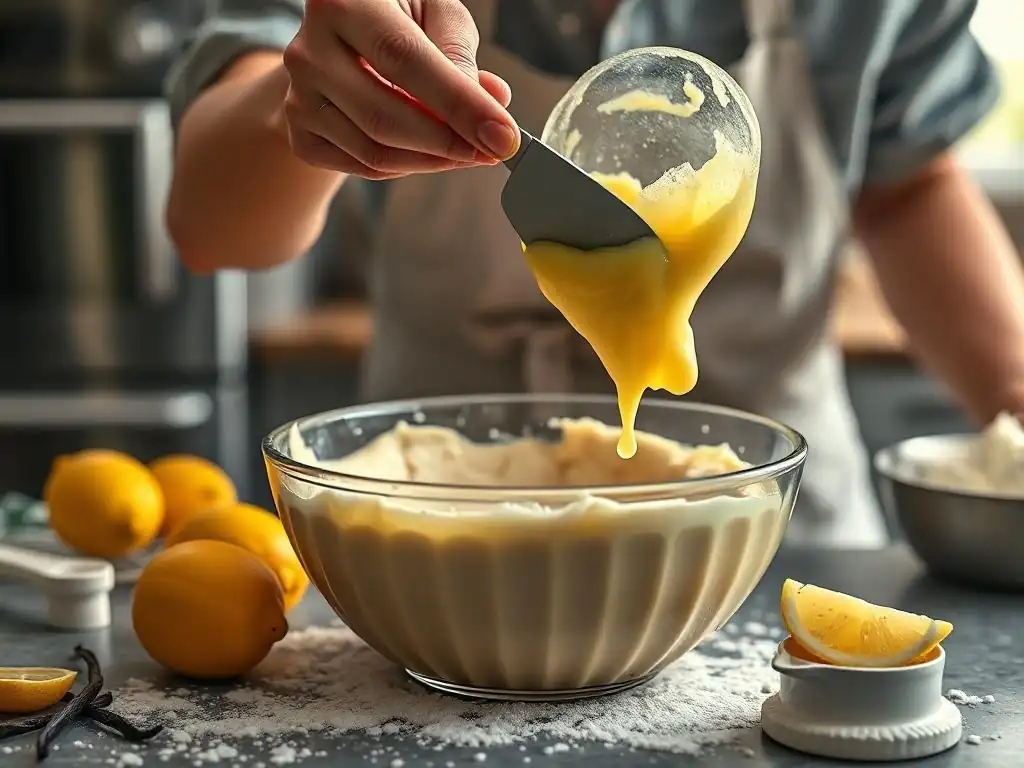
The journey to a perfect emulsion often begins before you even start mixing. Temperature is perhaps the single most critical factor. Ingredients like butter, eggs, and milk should almost always be at room temperature unless the recipe specifically states otherwise. Why? Room temperature butter is pliable enough to incorporate air when creamed with sugar, forming a stable base emulsion. Cold eggs, when added to creamed butter and sugar, can shock the mixture, causing the fat to seize and separate from the liquid, leading to a curdled appearance.
To bring ingredients to room temperature safely and efficiently:
- Butter: Cut into cubes and let sit for 30-60 minutes. It should yield slightly to pressure but not be greasy.
- Eggs: Place in a bowl of warm (not hot) water for 10-15 minutes.
- Milk/Liquids: Pour the required amount and let sit for 30 minutes alongside other ingredients.
Ensuring your ingredients are at the correct temperature allows them to combine more smoothly and form strong, stable emulsions, which is foundational for perfecting emulsification baking techniques.
Mixing Techniques for Optimal Emulsion: Creaming, Reverse Creaming, Two-Stage Method
Different recipes employ various mixing techniques, each designed to achieve a specific type of emulsion and structure. The classic "creaming method," commonly used for butter cakes and some cookies, involves beating softened butter and sugar together until light and fluffy. This process not only dissolves some of the sugar but, crucially, whips tiny air bubbles into the butter, creating a stable fat-in-air emulsion. Eggs are then added gradually, and their lecithin helps emulsify the liquids (from eggs) into this aerated fat structure.
The "reverse creaming method" starts by mixing dry ingredients (flour, sugar, leavening, salt) with softened butter until the mixture resembles coarse sand or wet crumbs. This coats the flour particles with fat before liquid is added, which inhibits gluten development and results in an exceptionally tender cake crumb. Liquids (like milk and eggs, often whisked together) are then added in stages, and the mixing continues just until a smooth batter forms.
This method focuses on creating a stable fat-coated dry mixture emulsion before incorporating the liquid phase. Understanding how each method manipulates the emulsification process is essential for perfecting emulsification baking techniques tailored to different recipe types.
Troubleshooting Common Emulsification Issues: Preventing Separation and Greasiness
Even with careful preparation, sometimes emulsions can break. A common issue is a "curdled" batter, where the mixture looks lumpy or separated, often with visible pockets of liquid. This usually happens when liquids (especially cold ones) are added too quickly to the creamed butter and sugar, overwhelming the emulsifiers. The fat and liquid separate.
Don't panic! You can often rescue a curdled batter by adding a tablespoon or two of the dry ingredients (flour from the recipe) to the mixture and beating on medium speed. The flour helps absorb some of the excess liquid and can help the emulsion reform.
Another issue is a greasy final product or one with tunnels. This can be caused by an unstable emulsion breaking during baking, or sometimes by overmixing after liquids are incorporated, which can both break the emulsion and overdevelop gluten. If your cookie dough looks greasy and separated before baking, chilling it thoroughly can sometimes help the fat re-solidify and stabilize. For cakes, ensuring ingredients are at room temperature and adding liquids gradually are the best preventative measures. Learning to identify and fix these issues is a vital part of perfecting emulsification baking techniques.
Here are some quick troubleshooting tips:
- Curdled batter: Add a tablespoon of flour and mix gently until it comes back together, then continue adding liquids slowly.
- Greasy dough/batter: Ensure ingredients were at room temperature. For dough, try chilling. Avoid overmixing.
- Separation during baking: Likely an unstable initial emulsion. Review ingredient temperatures and mixing steps for next time.
Emulsification in Different Baked Goods: Tailoring Techniques to Recipes
Cakes: Achieving a Tender and Moist Crumb Through Emulsification
Emulsification is paramount in cake baking, directly impacting the crumb's texture, moisture, and tenderness. A well-emulsified cake batter is smooth, glossy, and holds air bubbles effectively. This stability prevents the fat from separating during baking and coating the gluten strands excessively in large clumps, which would result in a tough cake. Instead, the finely dispersed fat shortens the gluten strands evenly, contributing to a soft, tender crumb.
Consider a classic butter cake made with the creaming method. The initial emulsion of butter and sugar, followed by the gradual addition of eggs (with their lecithin), creates a stable network where fat, water, and air are evenly distributed. This foundation is key. When the dry and wet ingredients are added, they are incorporated into this already stable system, resulting in a homogeneous batter that bakes into a cake with a fine, velvety texture and consistent moisture throughout. Perfecting emulsification baking techniques is fundamental to achieving that desirable, melt-in-your-mouth cake experience.
Emulsified Cake Batter: Pound Cake, Genoise Sponge, Devil's Food Cake
Different cake types rely on emulsification in varying ways. Pound cake, traditionally made with equal parts flour, butter, sugar, and eggs, is a prime example of a cake heavily dependent on the creaming method to build a strong, stable emulsion. The high proportion of butter and eggs necessitates careful emulsification to prevent a greasy or separated texture.
Genoise sponge, on the other hand, often uses melted butter and relies on the emulsifying power of whole eggs (or separated yolks and whites) whipped with sugar. The careful folding of melted butter into the aerated egg mixture is a delicate emulsification process. Devil's food cake, often containing cocoa (which can dry out batters) and sometimes oil or melted chocolate in addition to butter, requires robust emulsification to ensure moisture and tenderness.
Using methods like reverse creaming or adding oil/chocolate in an emulsified form (like melted chocolate mixed with a little hot liquid) helps achieve this. Mastering these specific applications is part of perfecting emulsification baking techniques for diverse cake styles.
While often seemingly simpler than cakes, cookies also benefit significantly from proper emulsification. The way fat is incorporated and emulsified affects everything from how much the cookie spreads during baking to its final texture – whether it's chewy, crisp, or tender.
In many cookie recipes, the creaming of butter and sugar establishes the initial fat-sugar emulsion. Adding eggs then helps to emulsify the liquid component, ensuring that fat is distributed evenly throughout the dough. This even distribution of fat is crucial; it coats the flour particles, limiting gluten development, which contributes to tenderness.
It also helps to control spread by creating a more stable structure that doesn't melt into a flat puddle too quickly in the oven. Furthermore, fat carries flavor, and a well-emulsified dough ensures that flavor is evenly distributed throughout the cookie. Perfecting emulsification baking techniques for cookies means understanding how mixing impacts spread and texture.
Emulsifying Cookie Dough: Chocolate Chip Cookies, Shortbread, Sugar Cookies
Consider a classic chewy chocolate chip cookie. Creaming softened butter with sugars creates tiny air pockets and begins the emulsification. Adding eggs emulsifies the liquids. The goal is a stable dough where fat is evenly distributed, leading to consistent spread and a tender-chewy texture. Over-creaming can incorporate too much air, leading to excessive spread, while insufficient emulsification might result in a greasy or uneven bake.
Shortbread, with its high butter content and minimal liquid (often just butter, flour, sugar, sometimes a little egg yolk), relies on careful mixing to not overdevelop gluten while still achieving a relatively uniform distribution of fat. The goal isn't necessarily a traditional emulsion like in cake, but rather coating the flour particles with fat to create that characteristic crumbly, tender texture.
Sugar cookies, often using the creaming method, benefit from a stable butter-sugar-egg emulsion to ensure they hold their shape when cut and baked, rather than spreading excessively or having a tough texture. Mastering these nuances is part of perfecting emulsification baking techniques across the cookie spectrum.
Bread: The Unexpected Role of Emulsification in Bread Making
While we often think of bread as flour, water, yeast, and salt, emulsification plays a subtle but important role, especially in enriched breads. These are breads that contain significant amounts of fat (like butter or oil), eggs, and/or milk – ingredients that introduce challenges for the gluten network if not properly handled.
Adding fats and liquids like milk and eggs to bread dough requires careful incorporation. Emulsifiers present in eggs (lecithin) and dairy help to integrate these fat and liquid components into the dough structure without interfering too much with gluten development, which is essential for bread's rise and chew. The emulsified fats coat gluten strands, making the crumb more tender and extending shelf life by keeping the bread softer longer. This is particularly evident in rich doughs where a large amount of fat needs to be dispersed.
Emulsification in Bread Dough: Brioche, Challah, Enriched Doughs
Brioche is a prime example of a bread heavily reliant on emulsification. It contains a high percentage of butter and eggs. These rich ingredients are typically added gradually to the developed dough, allowing the natural emulsifiers in the eggs and butter to integrate the fat into the gluten network. This process requires careful mixing and kneading to ensure the fat is fully absorbed and emulsified, resulting in brioche's characteristic tender, rich crumb and golden color.
Challah, another enriched bread often made with eggs and oil or butter, also benefits from emulsification. The eggs provide lecithin, helping to emulsify the added fat and contribute to the dough's elasticity and the bread's soft texture and golden crust. Enriched doughs in general, whether for sweet rolls, doughnuts, or savory breads containing fats and dairy, require attention to how these ingredients are incorporated to ensure a smooth, pliable dough and a tender, flavorful final product. Perfecting emulsification baking techniques in bread involves understanding how to integrate fats and liquids into a gluten structure without compromising its development.
Mastering Emulsification: Advanced Baking Tips and Tricks
Temperature's Impact on Emulsification: Maintaining the Right Balance
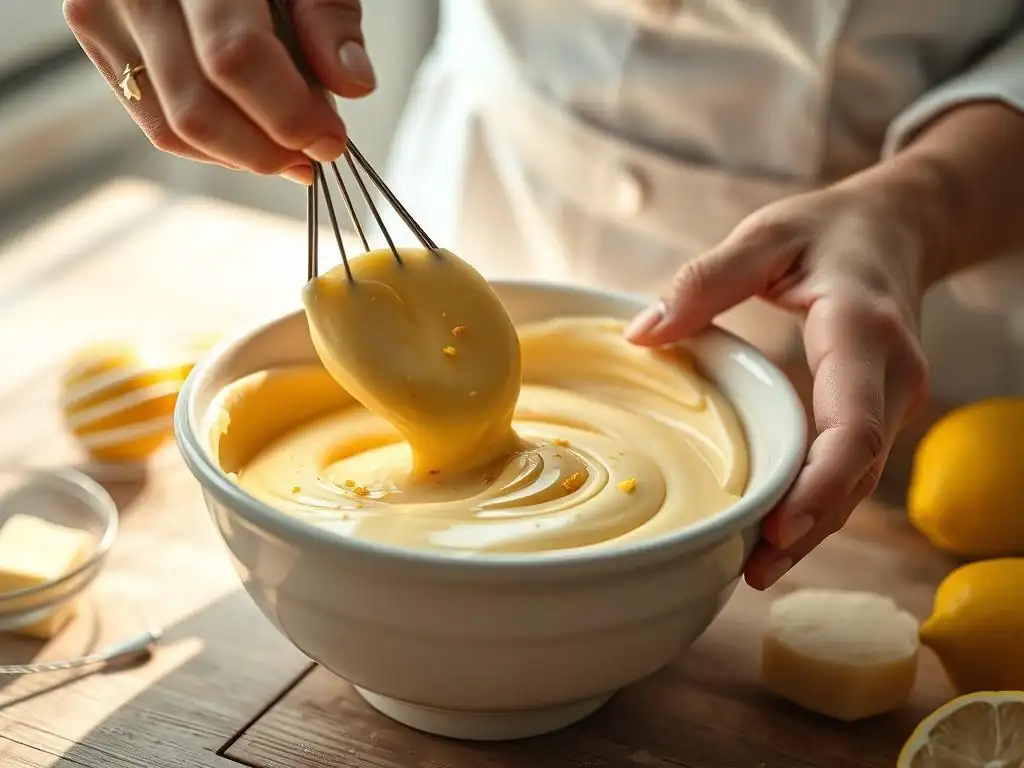
We've touched on room temperature ingredients, but temperature impacts emulsification throughout the process. When creaming butter and sugar, the temperature of your kitchen can affect how quickly the butter softens and how much air is incorporated. Aim for a comfortable room temperature, around 68-72°F (20-22°C). If it's too cold, the butter won't cream properly; too warm, and the butter can become greasy and the emulsion unstable.
During mixing, friction can generate heat, especially in stand mixers. Be mindful of the temperature of your batter or dough, particularly when working with sensitive emulsions like those for butter cakes or brioche. Overheating can cause the emulsion to break. Conversely, some processes, like making a warm sabayon or certain types of meringue, involve gentle heating to help emulsifiers (like egg proteins) work and stabilize the mixture. Controlling temperature at each stage is key to perfecting emulsification baking techniques.
Understanding Ingredient Ratios for Optimal Emulsification
While specific ratios vary greatly by recipe, understanding the balance between fat, liquid, and emulsifier is crucial. Recipes with a high proportion of fat and liquid, like a very rich pound cake or a moist muffin recipe using oil and milk, require effective emulsification to prevent separation. The amount of emulsifier present (from eggs, butter, etc.) needs to be sufficient to handle the volume of fat and liquid.
If a recipe seems prone to separation, it might be that the ratio of fat and liquid is high relative to the natural emulsifiers. Sometimes, adjusting the mixing technique (like adding liquids very slowly) or ensuring ingredients are perfectly at room temperature can help compensate. In commercial baking, specific emulsifiers might be added to handle challenging ratios, but for home bakers perfecting emulsification baking techniques, focusing on ingredient temperature, quality, and mixing method is usually sufficient to manage common ratios found in standard recipes.
The Importance of Mixing Speed and Time in Emulsification
The speed and duration of mixing significantly influence emulsion formation and stability. Initial mixing to bring ingredients together should often be done at a lower speed to prevent splashing and allow emulsifiers to start their work without forcing the mixture too aggressively.
However, processes like creaming butter and sugar require medium to high speed to whip air into the fat and create the primary emulsion structure. Adding eggs needs a medium speed to incorporate them fully without curdling. Once dry ingredients are added, mixing speed is typically reduced and duration kept short, as the goal is just to combine, not to overdevelop gluten or risk breaking the fragile emulsion formed in earlier steps.
Overmixing after the batter comes together can actually break the emulsion, leading to a less desirable texture. Learning the right speed and time for each stage is vital for perfecting emulsification baking techniques.
Emulsification Baking Techniques: Recipes to Put Your Knowledge to the Test
Recipe 1: Classic Pound Cake with Lemon Glaze
Recipe 3: Rich and Fluffy Brioche Bread
Achieving Baking Excellence: The Long-Term Benefits of Mastering Emulsification
Consistent Results: Replicating Perfect Bakes Every Time
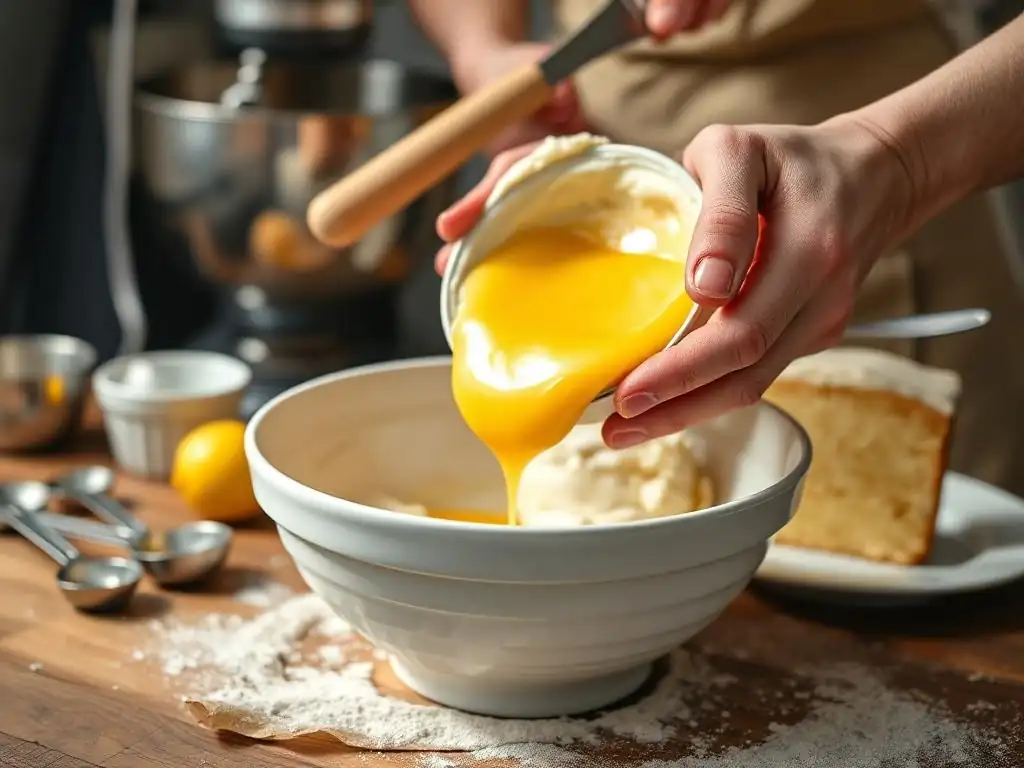
Once you understand the principles of emulsification and how to apply them, you'll find that your baking becomes far more consistent. No more guessing why one cake turned out perfectly tender while the next was dense and greasy. By controlling ingredient temperature, using appropriate mixing techniques, and recognizing the signs of a stable or unstable emulsion, you can reliably produce bakes with the desired texture and structure. This consistency builds confidence and makes baking a more predictable and enjoyable activity. Perfecting emulsification baking techniques removes much of the guesswork.
This reliability is particularly valuable when you find a recipe you love. Being able to replicate that perfect batch of cookies or that incredibly moist cake consistently is a hallmark of a skilled baker. It means you've moved beyond simply following instructions and have started to understand the underlying science that makes baking work.
Enhanced Flavor and Texture: Elevating Your Baking Creations
Emulsification isn't just about preventing disaster; it actively enhances the quality of your bakes. A stable emulsion ensures that fat, which carries many flavor compounds, is evenly distributed throughout the product. This means every bite delivers the full, rich flavor profile intended by the recipe. Furthermore, proper emulsification leads to superior texture – the velvety crumb of a cake, the tender chew of a cookie, or the soft richness of brioche.
Compare a cake made with perfectly emulsified batter to one where the batter curdled. The emulsified cake will have a fine, even crumb that feels wonderfully soft and moist in your mouth. The curdled cake might have a coarser texture, potentially with greasy pockets and a less pleasant mouthfeel. Mastering emulsification directly translates into bakes that look, smell, and taste better, truly elevating your creations. It's a critical step in perfecting emulsification baking techniques for truly delicious results.
Unlock New Baking Possibilities: Expanding Your Culinary Horizons
As you become more adept at managing emulsions, you'll feel more confident tackling a wider range of recipes, including those that might have seemed intimidating before. Rich doughs, delicate batters, and recipes requiring specific textures become accessible. You'll start to understand why certain steps are in a recipe and how to adapt or troubleshoot when things don't go exactly as planned.
Perhaps you'll experiment with adding more enriching ingredients to your bread, knowing how to properly incorporate them. Or you might try developing your own cake recipes, confident in your ability to create a stable batter. Perfecting emulsification baking techniques isn't just about mastering existing recipes; it's about gaining the knowledge to innovate and expand your baking repertoire. It empowers you to become a more creative and versatile baker.
Beyond the Basics: Further Exploration of Emulsification in Baking
Experimenting with Different Emulsifiers: Soy Lecithin, Mustard, Honey
While eggs and the natural emulsifiers in butter are common, the world of emulsifiers is vast. Soy lecithin, available as granules or liquid, is a powerful plant-based emulsifier that can be used in recipes where you want extra stability or are avoiding eggs. A small amount can dramatically improve the texture of some batters or doughs.
Interestingly, ingredients like mustard (containing natural emulsifying compounds) or honey (which can act as a weak emulsifier and stabilizer) are sometimes used in baking for their emulsifying properties in addition to flavor. For example, a touch of mustard in a savory scone dough or honey in a whole wheat bread can subtly impact texture and stability. Exploring these different emulsifiers offers new avenues for perfecting emulsification baking techniques and achieving unique results.
Advanced Emulsification Techniques: Using High-Shear Mixing, Ultrasonic Emulsification
In industrial or professional settings, advanced techniques are sometimes used to create incredibly fine and stable emulsions. High-shear mixers use rapidly rotating blades or impellers to apply intense mechanical force, breaking down fat and liquid droplets into much smaller sizes than can be achieved with standard home mixers. Smaller droplets lead to more stable emulsions with different textural properties.
Ultrasonic emulsification uses high-frequency sound waves to create cavitation bubbles that collapse violently, generating localized high pressure and shear forces that break apart and disperse immiscible liquids. While these techniques are far beyond the scope of the home kitchen, understanding they exist highlights the importance of droplet size and energy input in creating and stabilizing emulsions. For the home baker, focusing on ingredient temperature, proper mixing speed/time, and established methods like creaming or reverse creaming remains the most practical path to perfecting emulsification baking techniques.
The Future of Emulsification in Baking: Novel Emulsifiers, Plant-Based Baking
The field of emulsification is constantly evolving, driven by the demand for healthier, more stable, and plant-based baked goods. Researchers are developing novel emulsifiers derived from sources like proteins, polysaccharides, and plant extracts, which can offer unique functional properties beyond traditional emulsifiers.
As plant-based baking grows in popularity, finding effective egg and dairy substitutes with good emulsifying capabilities is a key focus. Ingredients like aquafaba (chickpea liquid), various plant proteins, and specialized starches are being explored and utilized to mimic the emulsifying, binding, and aerating functions of eggs and dairy. Staying curious about these developments can give you insights into future baking trends and ingredients as you continue your journey in perfecting emulsification baking techniques.
Mastering emulsification is a fundamental skill that will profoundly impact your baking. By understanding the science and practicing the techniques, you're well on your way to consistently producing delicious, beautifully textured baked goods. Happy Baking!
Frequently Asked Questions
How does emulsification actually improve my baked goods?
Emulsification allows fat and water-based ingredients to combine properly, resulting in a smoother batter and a more uniform texture in the final product. It prevents separation and creates a velvety crumb.
What are the most common signs that my emulsification has failed?
A failed emulsification often appears as a greasy or oily batter, ingredients separating, or a final product with a dense and uneven texture. You might also notice pockets of oil in the baked good.
What are some essential emulsification baking techniques I should master?
Key techniques include creaming butter and sugar thoroughly, adding eggs gradually, and ensuring ingredients are at room temperature. Using an emulsifier like lecithin can also help.
What ingredients act as natural emulsifiers in baking?
Eggs are excellent natural emulsifiers due to the lecithin in the yolk. Honey, mustard, and even some flours can also contribute to better emulsification.
Why is temperature so important for successful emulsification in baking?
Temperature affects the viscosity of fats and the ability of ingredients to combine. Room temperature ingredients emulsify more easily, creating a stable emulsion and preventing the fat from solidifying too quickly.
Final Reflection: The Transformative Power of Emulsion in Baking
Mastering emulsification isn't just about achieving a perfect texture; it's about unlocking the full potential of your baking. A seemingly simple process, the delicate dance of oil and water, profoundly impacts the final product, transforming a greasy mess into a velvety crumb that delights the senses. This understanding is more relevant than ever in a world increasingly focused on artisanal baking and the pursuit of culinary excellence.
The journey through the world of emulsification has been a fascinating one, revealing the subtle yet significant impact this process has on the culinary landscape. From the airy lightness of a perfect soufflé to the rich, decadent texture of a chocolate ganache, the principles we've explored are fundamental to countless beloved recipes. The control emulsification offers allows for creativity and innovation, pushing the boundaries of what's possible in the kitchen. The secret to good cooking is to taste and adjust, to trust your instincts, and to have fun.
– Julia Child. This quote perfectly encapsulates the spirit of experimentation and precision that mastering emulsification demands.
Now, it's your turn. Take what you've learned about the science and art of emulsification and apply it to your own baking endeavors. Don't be afraid to experiment, to tweak ratios, and to trust your senses. Each successful emulsion, each perfectly textured cake or pastry, is a testament to your growing understanding and a delicious reward for your efforts. Embrace the challenge, and discover the transformative power of emulsion in your own baking journey.
Unlock the Magic of Emulsification Today!
Thank you for diving into the world of emulsification and discovering how it can transform your baking! You’ve learned how this powerful technique can elevate your recipes from ordinary to extraordinary. Now, it’s time to put that knowledge into action.
Here’s how you can start enjoying the velvety textures and vibrant flavors of expertly emulsified bakes:
- Experiment with your own emulsions: Try combining different fats and liquids to create unique flavors in your baked goods. Start with one new ingredient this week!
- Share your creations: Document your emulsification success on social media! Use the hashtag #EmulsionWonder and invite your friends to join in on the fun.
- Join our baking community: Participate in discussions about emulsification techniques in our BakeWithEase forums. Engage with fellow bakers and exchange tips and tricks!
What delightful recipe are you excited to experiment with using emulsification techniques?