
Corn Syrup vs. Glucose: Best Interfering Agents for Sugar Work

Welcome to BakeWithEase, your trusted guide in the delicious world of baking! Ever wondered how to achieve that perfect texture in your candies and confections? Then you've come to the right place. Today, we're diving deep into the science behind sugar interfering agents and exploring which reigns supreme: corn syrup or glucose. Prepare to unlock the secrets to preventing unwanted crystallization and creating melt-in-your-mouth masterpieces. Let's get baking!
- Interfering Agents in Caramel: Lemon Juice vs. Cream of Tartar
- Understanding Sugar Crystallization in Caramel: The Role of Interfering Agents
- Exploring Sugar Interfering Agents: Lemon Juice and Cream of Tartar
- Lemon Juice as an Interfering Agent: Properties and Usage
- Cream of Tartar as an Interfering Agent: Properties and Usage
-
Lemon Juice vs. Cream of Tartar: A Detailed Comparison for Caramel
- Interfering Power: Which Agent is More Effective at Preventing Crystallization?
- Flavor Impact: Comparing the Taste Contribution of Lemon Juice and Cream of Tartar
- Reaction Rate: How Each Agent Affects the Caramelization Process
- Availability and Cost: Which Agent is Easier to Find and More Affordable?
- Choosing the Right Interfering Agent: Lemon Juice or Cream of Tartar for Your Caramel
- Troubleshooting Sugar Crystallization Issues: Solutions and Best Practices
- Mastering Caramel Making with Interfering Agents: Advanced Techniques
- Conclusion: Achieving Smooth and Crystal-Free Caramel with the Best Interfering Agents
-
Frequently Asked Questions
- What are sugar interfering agents, and why are they important in baking?
- How do corn syrup and glucose compare as sugar interfering agents?
- In what types of baked goods or confectionery are sugar interfering agents most useful?
- Are there any alternatives to corn syrup and glucose as sugar interfering agents?
- Does using a sugar interfering agent affect the sweetness or shelf life of the baked good?
- Final Reflection: Sweetening the Debate – Choosing the Right Sugar Interfering Agent
- Unlock Your Sweetest Creations: Mastering Sugar Work
Interfering Agents in Caramel: Lemon Juice vs. Cream of Tartar
Understanding Sugar Crystallization in Caramel: The Role of Interfering Agents
What is Sugar Crystallization and Why Does it Matter in Caramel Making?
Sugar crystallization is a natural process where dissolved sugar molecules in a liquid solution begin to bond together, forming organized, solid structures – sugar crystals. When you heat sugar and water to make caramel, the sugar dissolves, creating a supersaturated solution as the water evaporates. If left undisturbed or if impurities are introduced, these dissolved sugar molecules can easily find each other and start reforming into crystals. This is the same process that happens when you make rock candy, but it's the opposite of what you want when making smooth, glossy caramel.
For caramel, unwanted crystallization is the enemy of texture. Instead of a silky, pourable sauce or a chewy, uniform candy, you end up with a grainy, often hard, and unpleasantly gritty mass. Imagine trying to drizzle gritty caramel over ice cream or biting into a praline that crumbles into sugar grains instead of offering a smooth, sweet chew. This undesirable outcome is why understanding and controlling crystallization is absolutely crucial in sugar work, especially when aiming for the best sugar interfering agents to achieve perfection.
The Importance of Controlling Sugar Crystallization for Smooth Caramel Textures
Controlling sugar crystallization is paramount for achieving the desired texture in caramel and other sugar-based confections. A smooth, non-gritty texture is the hallmark of well-made caramel, whether it's a soft caramel chew, a firm caramel sauce, or a brittle candy. Without controlling crystallization, the sugar solution can "seize," turning from a liquid into a solid, crystalline block rapidly, often before it even reaches the desired caramel color and flavor.
The goal is to keep the sugar molecules from bonding into large, ordered crystals. Instead, we want them to remain in a more disordered, amorphous state, which is what gives properly made caramel its smooth, glass-like, or chewy texture. This smooth texture is not just aesthetically pleasing; it significantly impacts the mouthfeel and overall enjoyment of the final product. Employing effective strategies, such as using the best sugar interfering agents, is key to preventing this common pitfall in sugar work.
Exploring Sugar Interfering Agents: Lemon Juice and Cream of Tartar
Defining Sugar Interfering Agents: Preventing Unwanted Crystals
Sugar interfering agents are substances added to a sugar solution during heating that work to prevent or slow down the formation of large sugar crystals. Their primary function is to "interfere" with the process of sucrose molecules bonding together. By introducing other molecules or ions into the solution, these agents make it harder for the sucrose molecules to align and form the ordered lattice structure of a crystal. Think of them as tiny obstacles getting in the way of the sugar molecules trying to hold hands and form a circle.
These agents achieve their effect through various mechanisms, often involving the breakdown of sucrose (a disaccharide) into its simpler constituent sugars, glucose and fructose (monosaccharides). These simpler sugars have different shapes and properties than sucrose and are less likely to crystallize. The presence of a mixture of glucose, fructose, and remaining sucrose molecules in the solution makes it much more difficult for uniform crystals to form, resulting in a smoother, more stable product. Finding the best sugar interfering agents is essential for consistent results.
Common Types of Sugar Interfering Agents Used in Caramel Making
Several substances can act as sugar interfering agents in caramel making, each with slightly different properties and effects. The most common ones used in home kitchens and professional settings include acids and inverted sugars. Acids, such as lemon juice and cream of tartar, work by catalyzing the hydrolysis of sucrose into glucose and fructose when heated. This process, called inversion, is highly effective at preventing crystallization.
Another common type of interfering agent is inverted sugar itself, often in the form of corn syrup or commercial liquid glucose. These syrups already contain a mixture of glucose and fructose. Adding them directly to the sugar solution provides the interfering molecules upfront, without needing a chemical reaction to occur during cooking. While corn syrup and glucose are widely used, lemon juice and cream of tartar are also popular, particularly for those seeking natural or pantry-staple options as their best sugar interfering agents.
Lemon Juice as an Interfering Agent: Properties and Usage
What is Lemon Juice? Composition and Characteristics
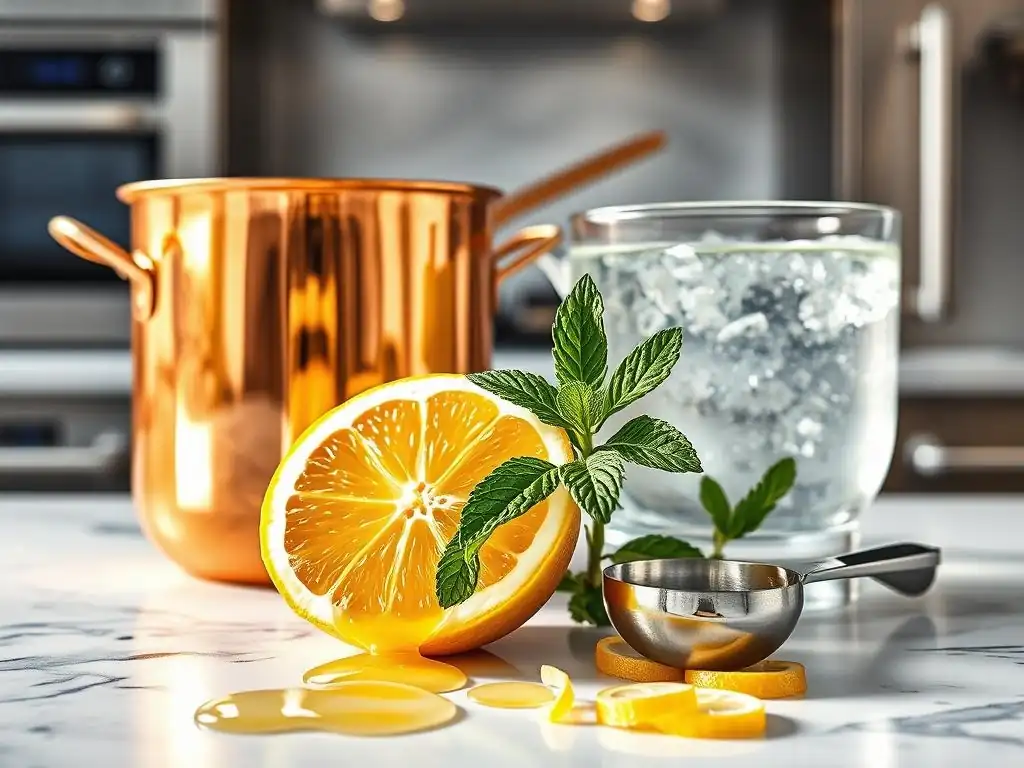
Lemon juice is the liquid extracted from the citrus fruit, the lemon. It is primarily composed of water, but its key characteristic is its high acidity, largely due to citric acid. The pH of fresh lemon juice typically ranges from 2.0 to 2.5, making it a strong acid relative to many other food ingredients. It also contains small amounts of sugars, vitamins (like Vitamin C), and flavorful aromatic compounds that give it its distinctive tangy taste and aroma.
In baking and confectionery, the acidic nature of lemon juice is its most valuable property when used as an interfering agent. The citric acid acts as a catalyst when heated with sucrose and water. This acidic hydrolysis breaks down the sucrose molecule into its component monosaccharides, glucose and fructose. This 'inversion' process is highly effective at disrupting the crystalline structure that sucrose would otherwise form, leading to a smoother texture in the final product.
How Lemon Juice Prevents Sugar Crystallization: The Science Explained
When lemon juice is added to a sugar-water solution and heated, the citric acid within the juice facilitates a chemical reaction called hydrolysis. Sucrose (C₁₂H₂₂O₁₁), a disaccharide, reacts with water (H₂O) in the presence of the acid catalyst and heat, breaking down into one molecule of glucose (C₆H₁₂O₆) and one molecule of fructose (C₆H₁₂O₆). This mixture of glucose and fructose is often referred to as "invert sugar."
The presence of this invert sugar is key to preventing crystallization. Glucose and fructose molecules have different shapes and don't fit neatly into the crystalline lattice structure that sucrose molecules readily form. By introducing a significant number of these 'foreign' molecules into the solution, the acid effectively disrupts the ability of the remaining sucrose molecules to organize into crystals. A common ratio might involve adding about 1 teaspoon of lemon juice per cup of sugar to see a noticeable interfering effect, making it a readily available option among the best sugar interfering agents.
Using Lemon Juice Effectively in Caramel: Tips and Tricks
To use lemon juice effectively as an interfering agent in caramel, precision is helpful but flexibility is possible. A typical starting point is to add about 1/2 to 1 teaspoon of fresh lemon juice for every cup (around 200g) of granulated sugar used in your caramel recipe. Add the lemon juice along with the water and sugar at the beginning of the cooking process, before you start heating the mixture. This allows the acid to be present from the start and begin the inversion process as the temperature rises.
Ensure the sugar is fully dissolved before the mixture boils vigorously. Once boiling, avoid stirring the caramel, as introducing foreign particles or splashing sugar onto the sides of the pan can trigger crystallization. The acid in the lemon juice helps protect against this, but it's still best practice to minimize disturbance.
Remember that lemon juice imparts a subtle tangy flavor, which might be desirable in some caramel applications but could be noticeable if used in very large quantities. Start with the recommended amount and adjust in future batches if you desire a stronger or weaker interfering effect or flavor impact.
Cream of Tartar as an Interfering Agent: Properties and Usage
What is Cream of Tartar? Composition and Characteristics Compared to Lemon Juice
Cream of tartar, scientifically known as potassium bitartrate (KC₄H₅O₆), is an acidic salt. It is a byproduct of winemaking, precipitating out of grape juice during fermentation. Unlike liquid lemon juice, cream of tartar is a dry, white powder. While it is acidic, its acidity is less intense than that of citric acid found in lemon juice. It has a pH of around 3.5 to 4.0 when dissolved in water.
Compared to lemon juice, cream of tartar provides a more concentrated source of acidity in a dry form. This can be advantageous in recipes where adding extra liquid from lemon juice might affect the final consistency or cooking time. Both substances work through acidic hydrolysis to create invert sugar, but because cream of tartar is a powder, a smaller quantity is typically needed to achieve a similar interfering effect compared to the liquid volume of lemon juice. For instance, you might use only 1/4 teaspoon of cream of tartar per cup of sugar, versus 1 teaspoon of lemon juice.
How Cream of Tartar Prevents Sugar Crystallization: A Deeper Dive
Like lemon juice, cream of tartar acts as an acid catalyst to break down sucrose into glucose and fructose. When potassium bitartrate is added to the sugar-water mixture and heated, it dissolves and releases hydrogen ions (H⁺) into the solution. These hydrogen ions catalyze the hydrolysis reaction, cleaving the glycosidic bond that links the glucose and fructose units in sucrose.
The resulting mixture of monosaccharides (glucose and fructose) and remaining sucrose creates a heterogeneous environment that inhibits crystallization. The presence of these different molecular shapes makes it significantly more difficult for the sucrose molecules to arrange themselves into the orderly structure required for crystal formation. Cream of tartar is a very effective interfering agent, often favored for its reliability and lack of significant added liquid, making it a strong contender when considering the best sugar interfering agents.
Using Cream of Tartar Effectively in Caramel: Best Practices
Using cream of tartar effectively in caramel involves adding a small, precise amount to your sugar solution. A typical guideline is to use about 1/8 to 1/4 teaspoon of cream of tartar per cup (around 200g) of granulated sugar. It should be added to the pot along with the sugar and water at the very beginning, ensuring it dissolves completely before the mixture starts to boil.
As with using any interfering agent, it's crucial to avoid stirring the caramel once it reaches a boil to prevent accidental crystallization from seed crystals. Ensure the sides of the pan are clean of any sugar crystals by occasionally brushing them down with a wet pastry brush if necessary, although the presence of the interfering agent significantly reduces this risk.
Cream of tartar has a very subtle, slightly metallic or tangy flavor on its own, but in the small quantities used in caramel, its flavor impact is usually negligible, making it a versatile choice among the best sugar interfering agents.
Lemon Juice vs. Cream of Tartar: A Detailed Comparison for Caramel
Interfering Power: Which Agent is More Effective at Preventing Crystallization?
Both lemon juice and cream of tartar are effective at preventing sugar crystallization through the creation of invert sugar. However, cream of tartar is often considered slightly more reliable or potent gram-for-gram due to its concentrated nature as a dry acid salt compared to the more dilute liquid form of lemon juice. A smaller amount of cream of tartar provides sufficient acidity to catalyze the inversion reaction for a given quantity of sugar.
For example, achieving a similar level of inversion might require 1 teaspoon of lemon juice versus just 1/4 teaspoon of cream of tartar for the same amount of sugar. While both can successfully prevent crystallization, cream of tartar's consistent composition and lack of added liquid can make it a preferred choice for some bakers seeking precise control and minimal impact on the recipe's liquid balance. Both are recognized as effective options among the best sugar interfering agents.
Flavor Impact: Comparing the Taste Contribution of Lemon Juice and Cream of Tartar
The flavor impact is a significant difference between lemon juice and cream of tartar when used in caramel. Lemon juice, even in small quantities like 1 teaspoon per cup of sugar, contributes a noticeable bright, tangy, or slightly acidic note to the final caramel. This can be desirable in some applications, like a lemon-kissed caramel sauce, but might clash with others where a pure, rich caramel flavor is desired.
Cream of tartar, on the other hand, is relatively flavor-neutral when used in the recommended small amounts (e.g., 1/4 teaspoon per cup of sugar). While it has a slight tanginess on its own, this is generally undetectable in the sweet, cooked sugar matrix of caramel. If minimizing any non-caramel flavor is a priority, cream of tartar often has the edge, making it a preferred choice for those prioritizing pure caramel taste when selecting the best sugar interfering agents.
Reaction Rate: How Each Agent Affects the Caramelization Process
Both lemon juice and cream of tartar work as acid catalysts, meaning they speed up the inversion of sucrose when heated. The inversion process begins as soon as the acid is present in the heated sugar solution. The rate of inversion increases with temperature and the concentration of the acid. Both agents will facilitate this process as the caramel cooks.
However, the caramelization process itself – the browning and development of complex flavors from the sugar – is a separate chemical reaction that occurs at high temperatures (typically above 320°F or 160°C). While the presence of invert sugar (glucose and fructose) slightly lowers the melting point of the overall sugar mixture and can influence browning, neither lemon juice nor cream of tartar directly speeds up the caramelization reactions themselves in a significant way compared to their primary role of preventing crystallization. Their main impact is ensuring you can reach the caramelization temperatures without seizing.
Availability and Cost: Which Agent is Easier to Find and More Affordable?
Both lemon juice and cream of tartar are widely available pantry staples in most grocery stores. Fresh lemons are common in the produce section, and bottled lemon juice is readily available. Cream of tartar is typically found in the baking aisle alongside spices and leavening agents. Neither ingredient is difficult to source for most home bakers.
In terms of cost, fresh lemons or a bottle of lemon juice are generally quite affordable. Cream of tartar, while sold in smaller containers, is also relatively inexpensive, especially considering the small quantities needed for most recipes (e.g., 1/4 teaspoon per cup of sugar). On a per-batch-of-caramel basis, the cost difference between using lemon juice or cream of tartar as your best sugar interfering agents is usually negligible.
Choosing the Right Interfering Agent: Lemon Juice or Cream of Tartar for Your Caramel
Factors to Consider When Selecting an Interfering Agent for Specific Caramel Recipes
Choosing between lemon juice and cream of tartar depends largely on the desired outcome for your specific caramel recipe. Consider the following factors:
- Flavor Profile: Do you want a hint of bright, tangy flavor (lemon juice) or a pure, rich caramel taste (cream of tartar)?
- Liquid Content: Is adding a small amount of liquid (lemon juice) acceptable, or do you need to avoid extra moisture (cream of tartar)?
- Reliability: Both are reliable, but some bakers find cream of tartar slightly more consistent due to its dry, measured form.
- Recipe Type: Certain recipes might traditionally call for one over the other based on historical practice or specific textural goals.
- Availability: While both are common, you might have one on hand when you don't have the other.
By considering these points, you can make an informed decision about which of these best sugar interfering agents is most suitable for your particular baking project.
Matching Interfering Agents to Different Caramel Types: Soft Caramels, Hard Candies, and More
The choice of interfering agent can subtly influence the final texture and application of the caramel.
- Soft Caramels (Chews, Sauces): Both lemon juice and cream of tartar work well. Cream of tartar is often preferred for sauces where a pure caramel flavor is desired, while lemon juice can add a pleasant tang to certain sauces or chews. The goal is preventing graininess for a smooth, chewy texture.
- Hard Candies (Brittle, Lollipops): Cream of tartar is frequently chosen for hard candies. Its dry form means no extra water is added that needs to be boiled off at very high temperatures, and its flavor neutrality is ideal for showcasing nut or other added flavors in brittle. Preventing crystallization is critical for the hard, glass-like texture.
- Fondant or Confections Requiring Very Fine Crystals: While this article focuses on preventing large crystals, some confections require controlled, microscopic crystallization (like fudge or traditional fondant). Interfering agents are often used in minimal amounts or avoided entirely in such cases, or specific inverted sugars are used differently.
Ultimately, experimentation with small batches can help you determine which of the best sugar interfering agents yields the results you prefer for different caramel applications.
Troubleshooting Sugar Crystallization Issues: Solutions and Best Practices
Identifying Causes of Unwanted Sugar Crystallization in Your Caramel
Unwanted sugar crystallization, often called "seizing," can happen for several reasons, even when using interfering agents. Common culprits include:
- Undissolved Sugar Crystals: If even a few sugar crystals remain on the sides of the pot or on your stirring utensil when the mixture starts boiling, they can act as "seed" crystals, triggering rapid crystallization throughout the batch.
- Stirring During Boiling: Stirring while the sugar solution is boiling is a major cause of crystallization. It introduces air bubbles and can splash supersaturated sugar solution onto the cooler sides of the pan, where it crystallizes and falls back in, seeding the batch.
- Impurities: Dust, grease, or other particles in the pot or ingredients can also act as seed crystals.
- Insufficient Interfering Agent: Not using enough lemon juice or cream of tartar for the quantity of sugar can result in inadequate inversion, leaving the solution vulnerable to crystallization.
- Aggressive Boiling: Extremely rapid or turbulent boiling can also contribute to splashing and potential seeding.
Understanding these causes helps you implement preventive measures to ensure smooth results with your best sugar interfering agents.
Adjusting Interfering Agent Levels to Prevent Crystallization Problems
If you consistently experience crystallization despite using an interfering agent, you may need to slightly increase the amount used in your recipe. For example, if using 1/4 teaspoon of cream of tartar per cup of sugar results in graininess, try increasing it to a scant 1/2 teaspoon in your next batch. Similarly, if using 1 teaspoon of lemon juice isn't sufficient, try 1.5 teaspoons.
However, be cautious not to add excessive amounts, as this can lead to too much inversion. While preventing crystallization, too much invert sugar can result in a caramel that is excessively soft, sticky, or doesn't set properly, particularly for hard candies. It can also introduce unwanted flavors (especially with lemon juice). Start with standard recommendations and make small adjustments based on your results and specific recipe. The goal is finding the optimal level of your chosen best sugar interfering agents.
Other Techniques for Controlling Sugar Crystallization: Temperature and Agitation
Beyond using interfering agents, several physical techniques help prevent crystallization:
- Start Clean: Ensure your pot and all utensils are spotless and free of any sugar residue or grease before you begin.
- Dissolve Fully: Heat the sugar and water gently, stirring only until all the sugar crystals have completely dissolved before the mixture comes to a rolling boil. You should see no visible crystals clinging to the sides or bottom of the pot.
- Wash Down Sides: Once boiling, use a clean pastry brush dipped in hot water to carefully wash down any sugar crystals that splash onto the sides of the pot above the liquid line. This prevents them from falling back into the caramel and seeding it.
- Avoid Stirring: Do not stir the caramel once it is boiling and clear. Swirling the pan gently is acceptable if needed for even heating, but direct stirring should be avoided.
- Use a Thermometer: Cooking sugar to the correct temperature is crucial. Undercooking can leave too much water, while overcooking can concentrate the sugar excessively. A reliable candy thermometer helps ensure you reach the desired stage (e.g., 245°F for soft ball, 320°F+ for caramel).
Combining these techniques with the use of the best sugar interfering agents provides the strongest defense against unwanted sugar crystallization.
Mastering Caramel Making with Interfering Agents: Advanced Techniques
Experimenting with Different Interfering Agent Ratios for Unique Textures
Once you're comfortable using standard amounts of lemon juice or cream of tartar, you can experiment with slightly varying the ratios to fine-tune your caramel's texture. Using a little less interfering agent might result in a slightly firmer texture for hard candies or a chewier bite for soft caramels, while using a bit more could yield a softer chew or a caramel that remains liquid at room temperature (like a sauce).
For instance, if a standard recipe calls for 1/4 tsp cream of tartar per cup of sugar, you might try 1/8 tsp for a firmer candy or 1/3 tsp for a softer chew. With lemon juice, reducing from 1 tsp to 1/2 tsp might increase firmness, while increasing to 1.5 tsp could make a sauce more pourable.
Keep detailed notes of your experiments – the amount of agent used, the amount of sugar, the final temperature, and the resulting texture – to learn how these variables interact. This hands-on approach helps you discover the best sugar interfering agents and ratios for your specific needs.
Expert Tips for Achieving Perfect Caramel Using Lemon Juice and Cream of Tartar
Achieving consistently perfect caramel requires attention to detail and practice. Here are some expert tips:
- Use a Heavy-Bottomed Pan: This distributes heat evenly, preventing hot spots that can burn the sugar in one area while the rest is still cooking.
- Measure Accurately: Especially with cream of tartar, small variations in quantity can impact results. Use proper measuring spoons.
- Monitor Temperature Closely: Use a reliable candy thermometer clipped to the side of the pan (ensure the bulb is fully submerged but not touching the bottom). Temperature is the most critical indicator of the caramel's stage.
- Be Patient: Caramel making takes time, especially as it approaches higher temperatures. Don't rush the process by using excessively high heat, as this increases the risk of burning.
- Learn the Visual Cues: In addition to temperature, pay attention to the color and consistency changes as the sugar cooks. Caramel progresses from clear syrup to pale yellow, then amber, and finally deep reddish-brown.
- Stop Cooking Promptly: Once the desired temperature is reached, remove the pan from the heat immediately. Caramel retains heat and will continue to cook for a short time. You can plunge the bottom of the pan into an ice bath for a few seconds to halt the cooking process rapidly, if needed.
- Safety First: Be extremely careful when working with hot sugar. It can cause severe burns. Avoid tasting until it has cooled significantly.
Following these tips, combined with selecting and properly using your best sugar interfering agents, will significantly increase your success rate in making smooth, delicious caramel.
Conclusion: Achieving Smooth and Crystal-Free Caramel with the Best Interfering Agents
Creating smooth, crystal-free caramel is a rewarding skill in baking, transforming simple sugar into a luscious confection. Understanding sugar crystallization and how to prevent it is fundamental. While many techniques exist, the use of interfering agents like lemon juice and cream of tartar offers a reliable chemical solution by promoting the creation of invert sugar.
Both lemon juice and cream of tartar effectively break down sucrose into glucose and fructose, disrupting crystal formation. Lemon juice provides a readily available, slightly tangy option, typically used at about 1 teaspoon per cup of sugar. Cream of tartar offers a neutral-flavored, concentrated powder, often used at a smaller ratio, around 1/4 teaspoon per cup of sugar. Choosing between them depends on desired flavor, required precision, and the specific type of caramel being made.
By incorporating the best sugar interfering agents into your process, alongside careful technique like dissolving sugar fully, avoiding stirring during boiling, and monitoring temperature, you can confidently achieve that coveted smooth, non-grainy texture. Experimentation and practice will help you master the art, ensuring your caramel sauces, candies, and confections are consistently perfect.
Frequently Asked Questions
What are sugar interfering agents, and why are they important in baking?
Sugar interfering agents are ingredients that prevent sugar crystallization, leading to smoother textures and better control over the final product. They are crucial in confectionery and certain baked goods for achieving desired results.
How do corn syrup and glucose compare as sugar interfering agents?
Both corn syrup and glucose are effective, but glucose tends to be more potent due to its simpler sugar structure. Corn syrup provides a softer texture, while glucose can lead to a chewier result.
In what types of baked goods or confectionery are sugar interfering agents most useful?
They are most beneficial in recipes like candies, caramels, frostings, and ice cream, where a smooth, non-grainy texture is desired and sugar crystallization is a concern.
Are there any alternatives to corn syrup and glucose as sugar interfering agents?
Yes, other options include honey, invert sugar, and cream of tartar. Each offers slightly different properties and may affect the final flavor and texture.
Does using a sugar interfering agent affect the sweetness or shelf life of the baked good?
Yes, using a sugar interfering agent may affect the sweetness, as it can reduce the perceived sweetness. It can also improve shelf life by preventing sugar crystallization and moisture loss.
Final Reflection: Sweetening the Debate – Choosing the Right Sugar Interfering Agent
The quest for the perfect interfering agent in sugar work remains a crucial aspect of confectionery and baking, impacting both texture and shelf life. The subtle differences between corn syrup and glucose, as explored in this article, highlight the importance of understanding the nuanced properties of these ingredients to achieve optimal results. Choosing the right agent isn't just about sweetness; it's about mastering the art of confectionery.
This exploration into the world of corn syrup and glucose has underscored the enduring relevance of traditional techniques in modern food science. The subtle yet significant variations in their chemical compositions directly translate to tangible differences in the final product. The impact extends beyond the kitchen, influencing the industrial production of countless sweets and baked goods. The details are not the details. They make the design.
– Charles Eames. This quote perfectly encapsulates the importance of understanding the seemingly minor differences between corn syrup and glucose. The seemingly small choices we make as food artisans have a profound impact on the final product.
Now, consider your own culinary creations. What role do interfering agents play in your recipes? I challenge you to experiment, to explore the subtle differences between corn syrup and glucose in your next baking or candy-making endeavor. By understanding the science behind these ingredients, you can elevate your skills and create truly exceptional results. Don't just follow recipes; master the art of understanding the ingredients themselves. The journey of culinary exploration is a sweet one, indeed.
Unlock Your Sweetest Creations: Mastering Sugar Work
Thanks for diving deep into the world of corn syrup and glucose! We hope you now feel confident in choosing the perfect interfering agent for your next sugar masterpiece. Ready to put your new knowledge into practice?
- Experiment with a new recipe: Try substituting glucose for corn syrup in your favorite pulled sugar recipe and see the difference in texture and workability. This is your chance to truly master the art!
- Share your sweet success: Post a picture of your creation on social media and tag us! Let's inspire others with your amazing sugar work.
- Dive deeper into sugar science: Explore other types of interfering agents and their unique properties. What other culinary adventures await you?
So, which sweet creation will you tackle first? Let us know in the comments!