
The Baker's Secret: Acids That Stop Sugar Crystallization

Welcome to BakeWithEase, where we unlock the secrets to baking perfection! Have you ever struggled with gritty frosting or grainy caramel? The answer might surprise you. This week, we're diving deep into baking science to uncover the baker's secret weapon against unwanted sugar crystals. Discover the simple, yet powerful, role of acids and how they can transform your desserts from ordinary to extraordinary. Intrigued? Let's get baking!
- Understanding Sugar Crystallization in Baking
- The Science Behind Acids and Sugar
- Mastering the Art of Using Acids to Prevent Sugar Crystals
- Practical Applications: Preventing Sugar Crystallization in Recipes
- Best Practices for Acid Usage in Baking
- Advanced Techniques: Controlling Crystallization in Complex Sugar Work
- Troubleshooting Sugar Crystallization Problems
- Recipes for Crystal-Free Baking
-
Frequently Asked Questions
- How does adding acid prevent sugar crystals from forming in my baked goods?
- What types of acids are most commonly used to prevent sugar crystallization?
- When should I add the acid to my recipe to prevent sugar crystals?
- Can adding too much acid negatively impact my baked goods?
- Are there any alternatives to using acid to prevent sugar crystallization?
- Final Reflection: The Sweet Science of Preventing Sugar Crystals
- Unlock Your Baking Potential: Mastering Acidic Secrets!
Understanding Sugar Crystallization in Baking
What is Sugar Crystallization and Why Does it Happen?
Sugar crystallization is a common phenomenon in sugar work, occurring when dissolved sugar molecules reform into solid crystals. This happens when a sugar solution is oversaturated – meaning it contains more dissolved sugar than the liquid can hold at a given temperature. As the solution cools or water evaporates, the sugar molecules lose their mobility and start to link together, forming a crystalline structure. This process can be initiated by various factors, including impurities, agitation, or even a single stray crystal acting as a seed.
Imagine heating sugar and water together to create a syrup. As the water evaporates, the concentration of sugar increases. If this process isn't carefully controlled, or if the solution is disturbed while cooling, the sugar molecules can quickly aggregate. This is particularly noticeable in candy making or syrup production where high sugar concentrations are involved. Even microscopic dust particles or sugar grains stuck to the side of the pan can trigger a chain reaction, leading to unwanted crystallization throughout the mixture. Understanding this fundamental process is the first step in learning how to prevent sugar crystals.
The Impact of Sugar Crystals on Baked Goods Texture
The presence of unwanted sugar crystals can significantly degrade the texture of baked goods and confections. Instead of a smooth, creamy, or glassy finish, you end up with a grainy, gritty, or dull texture. This is especially problematic in items like fudge, caramels, syrups, and hard candies, where a specific texture is crucial to the overall enjoyment. A fudge that should be smooth and melt-in-your-mouth can become unpleasant due to the presence of even small crystals.
In glazes or icings, crystallization can lead to a sandy texture rather than a smooth, glossy coating. For hard candies or brittle, it can result in an opaque, crumbly structure instead of the desired clear, brittle snap. Preventing sugar crystallization is therefore essential for achieving the correct mouthfeel and visual appeal in many sweet treats, ensuring that the effort put into baking results in a product with the intended quality.
Identifying Problems Caused by Sugar Crystallization
Identifying sugar crystallization is usually quite straightforward – it manifests as a grainy or gritty texture where smoothness is expected. In syrups or glazes, you might see small, hard particles. In caramel or fudge, the entire batch can seize up or develop a sandy consistency. Sometimes, crystallization can even cause a sugary mixture to turn opaque or cloudy when it should be clear.
A classic sign is when a sugar syrup, intended for candy or frosting, suddenly turns into a solid mass of sugar grains after cooling or stirring. This often happens rapidly once crystallization begins. For example, a batch of simple syrup intended for cocktails or soaking cake layers might become cloudy and grainy overnight if not prepared correctly. Recognizing these signs early can sometimes allow for corrective action, though often, once crystallization is widespread, the texture cannot be fully salvaged without reprocessing.
The Science Behind Acids and Sugar
How Acids Invert Sugar and Prevent Crystallization
Acids play a crucial role in preventing sugar crystallization through a process called inversion or hydrolysis. Table sugar, or sucrose, is a disaccharide, meaning it's composed of two simpler sugars: glucose and fructose, linked together. When sucrose is heated in the presence of an acid and water, the acid acts as a catalyst to break the bond between the glucose and fructose molecules. This process splits the sucrose into its two component monosaccharides.
The resulting mixture of equal parts glucose and fructose is called invert sugar. Unlike sucrose, glucose and fructose have different molecular shapes and properties. When they are present together in a solution, their different structures interfere with each other's ability to pack neatly into a crystalline lattice. This disruption makes it much harder for the sugar molecules to form stable crystals, effectively stopping sugar crystallization. The more sucrose that is inverted, the less likely the solution is to crystallize.
The Role of Invert Sugar in Baking Chemistry
Invert sugar is prized in baking and confectionery for its ability to control texture and moisture. Because it resists crystallization, it helps keep sugar syrups, candies, and frostings smooth and non-grainy. This is particularly important in items like fudge, caramel, and soft candies, where a smooth texture is paramount. Commercial confectionery often uses pre-made invert sugar syrup for this reason.
Beyond preventing sugar crystals, invert sugar also has hygroscopic properties, meaning it attracts and holds onto moisture better than sucrose. This helps keep baked goods like cakes and cookies softer and moister for longer, extending their shelf life. It also contributes to a smoother mouthfeel and can slightly enhance sweetness perception, as fructose is sweeter than sucrose. Using acids to create invert sugar during cooking is a time-tested method for achieving these desirable results.
Different Types of Acids Used in Baking to Control Sugar
Several common food-grade acids are used in baking and confectionery to induce sugar inversion and control crystallization. The most popular include citric acid (often from lemon juice), tartaric acid (found in cream of tartar), and acetic acid (from vinegar). Each acid works similarly by lowering the pH of the sugar solution, facilitating the hydrolysis of sucrose.
The choice of acid can sometimes influence the flavor profile of the finished product. Lemon juice imparts a citrus note, vinegar adds a slight tang, and cream of tartar is relatively neutral in flavor when used in small amounts. Other acidic ingredients like honey and corn syrup also contain natural invert sugars or acids that can contribute to crystal prevention, making them valuable additions to recipes where a smooth texture is desired. Understanding the properties of each acid allows bakers to select the best option for a specific recipe when learning how to prevent sugar crystals.
Mastering the Art of Using Acids to Prevent Sugar Crystals
Lemon Juice: A Classic Anti-Crystallization Agent
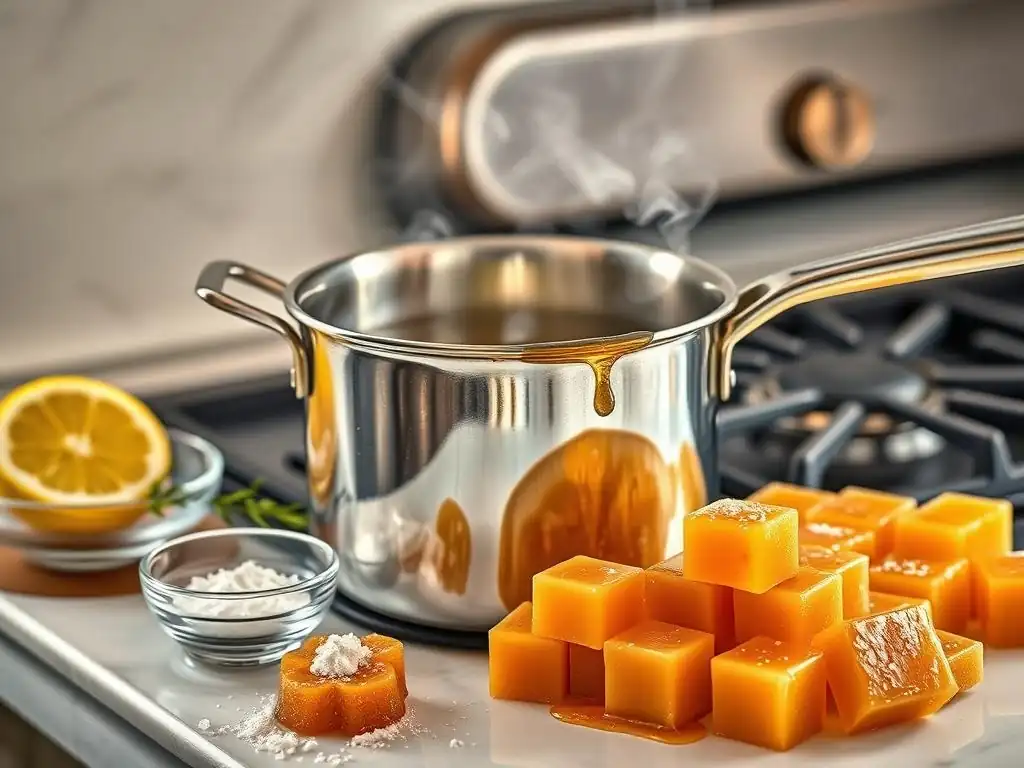
Lemon juice is one of the most readily available and widely used acids for preventing sugar crystallization in home baking. Its acidity comes primarily from citric acid. Just a small amount added to a sugar syrup or candy mixture can significantly reduce the likelihood of crystallization. The typical ratio might be around 1 teaspoon of lemon juice per cup of sugar being dissolved, though this can vary based on the total liquid volume and desired outcome.
When using lemon juice, be mindful of its flavor. While it can complement fruity or sweet recipes, it might be noticeable in delicate flavors. It's often used in recipes like fruit tarts, glazes, or simple syrups where a hint of citrus is welcome. The key is to add it early in the cooking process, after the sugar has fully dissolved but before the syrup reaches its final temperature, allowing time for the inversion process to occur as the mixture heats.
Cream of Tartar: Controlling Sugar with Precision
Cream of tartar, chemically known as potassium bitartrate or potassium hydrogen tartrate, is a fine white powder and a byproduct of winemaking. It's an acidic salt and a very effective agent for preventing sugar crystals, particularly in achieving smooth textures in candies and frostings. Unlike liquid acids, it doesn't add significant moisture, making it ideal for sugar work where precise water content is critical.
A common guideline is to use about 1/8 to 1/4 teaspoon of cream of tartar per cup of sugar. It's often dissolved in a tiny amount of hot water or mixed with the sugar before adding the main liquid to ensure it disperses evenly. Cream of tartar is particularly favored in recipes like divinity or some types of fudge where a very fine, non-grainy texture is desired. Its relatively neutral flavor profile makes it versatile for various sugar applications.
Vinegar: Adding a Tang and Preventing Crystal Formation
Vinegar, typically white vinegar (acetic acid), is another acid that can be used to prevent sugar crystallization. Like lemon juice, it's a liquid acid and can contribute a distinctive flavor. The concentration of acetic acid in white vinegar is usually around 5%, making it less potent than pure citric or tartaric acid but still effective in sugar solutions.
Using vinegar requires careful consideration of its strong, pungent taste. It's best suited for recipes where a slightly tangy note is desirable or can be masked by other strong flavors. For example, a small amount might be used in caramel or certain types of brittle. The typical amount is similar to lemon juice, perhaps 1/2 to 1 teaspoon per cup of sugar, adjusted based on the recipe and desired flavor. It's a reliable tool for how to prevent sugar crystals when its flavor profile fits the dish.
Honey and Corn Syrup: Natural Invert Sugars
While not technically acids added to induce inversion, honey and corn syrup are frequently used in sugar work because they already contain significant amounts of invert sugar (glucose and fructose) or compounds that act similarly. Honey naturally contains glucose and fructose, making it less likely to crystallize than pure sucrose syrup. Corn syrup, particularly high-fructose corn syrup, is manufactured to contain a high proportion of invert sugar.
Adding a small amount of honey or corn syrup to a sugar solution introduces these interfering sugars, which disrupt the sucrose crystallization process. For instance, many caramel recipes include a tablespoon or two of corn syrup for this very reason. This method is often preferred when you want to prevent sugar crystals without adding a noticeable acidic flavor. It's a simple and effective technique widely used in commercial and home kitchens.
Practical Applications: Preventing Sugar Crystallization in Recipes
How to Prevent Sugar Crystals in Caramel
Achieving smooth, creamy caramel requires careful control to prevent it from turning gritty. The primary method is to add an acid or an invert sugar source to the sugar-water mixture at the beginning of the cooking process. A common approach is to use 1 to 2 tablespoons of light corn syrup per cup of sugar, or alternatively, a teaspoon of lemon juice or 1/4 teaspoon of cream of tartar.
Beyond adding an anti-crystallization agent, techniques like using enough water to fully dissolve the sugar initially, avoiding stirring once the syrup starts boiling (which can splash sugar crystals onto the sides of the pan), and washing down the sides of the pan with a wet pastry brush to dissolve any stray crystals are crucial steps. Cooking the syrup to the correct temperature (usually around 340-350°F for firm caramel) and then adding fat and cream off the heat also helps maintain smoothness.
Preventing Sugar Crystals in Fudge: A Step-by-Step Guide
Fudge is notoriously prone to crystallization, resulting in a grainy texture instead of smooth creaminess. Acids or invert sugars are key to avoiding this. Many recipes call for corn syrup – typically 2 tablespoons per 3 cups of sugar – added at the start. Alternatively, some traditional recipes use a small amount of vinegar or lemon juice.
Here's a simple guide on how to prevent sugar crystals in fudge:
- Combine sugar, liquid (milk/cream), butter, and corn syrup/acid in a heavy-bottomed pan.
- Heat gently, stirring constantly until the sugar is completely dissolved. This is critical – you shouldn't feel any grit when rubbing a tiny bit between your fingers.
- Once dissolved, stop stirring! Cook the mixture to the correct temperature (often around 234-238°F, soft ball stage), using a candy thermometer.
- Do not scrape down the sides of the pan while boiling, or use a wet pastry brush to dissolve crystals.
- Remove from heat and let it cool undisturbed to about 110°F (lukewarm). Do not stir while cooling.
- Once cooled, beat the fudge vigorously with a spoon or electric mixer until it thickens and loses its gloss. Proper beating at this stage encourages the formation of very small crystals, resulting in a smooth texture, rather than large, gritty ones.
Making Smooth Candies: The Acid Secret
For smooth candies like taffy, caramels, or soft nougat, preventing large sugar crystals is essential for the desired chewy or soft texture. Acids and invert sugars are the primary tools. Corn syrup is ubiquitous in commercial candy making for this purpose, often making up a significant percentage of the sweetener blend alongside sucrose. In home candy making, a tablespoon or two of corn syrup per cup of sugar is standard practice.
For hard candies or brittle, while acid is used to prevent immediate crystallization during cooking, controlled crystallization is sometimes desired after cooling (as in rock candy). However, for clear, smooth hard candies, preventing crystallization during the high-temperature cook is vital. A small amount of cream of tartar or lemon juice added early in the process ensures the syrup remains clear and glassy upon cooling. Cooking to the precise high temperature (like 300-310°F for hard crack) is also crucial, as the low water content at this stage inherently inhibits crystallization.
Achieving Perfect Texture in Syrups and Glazes
Syrups and glazes need to be smooth and pourable, without any grittiness. Preventing sugar crystallization is key. Simple syrups (equal parts sugar and water) are less prone to crystallization than more concentrated syrups, but they can still crystallize, especially if stored for long periods or if made improperly. Adding a slice of lemon or a pinch of cream of tartar (about 1/8 teaspoon per cup of sugar) during the cooking process can help.
For concentrated syrups like those used for candying fruit or making certain types of frosting bases, the risk of crystallization is higher. Incorporating a small amount of corn syrup (e.g., 1 tablespoon per 2 cups of sugar) or an acid ensures a smooth, stable syrup. Glazes, particularly those made from powdered sugar and liquid, can also benefit from a touch of acid (like lemon juice in a lemon glaze), which not only adds flavor but also helps keep the texture smooth and prevents the glaze from turning grainy upon drying.
Best Practices for Acid Usage in Baking
Measuring Acids Accurately for Optimal Results
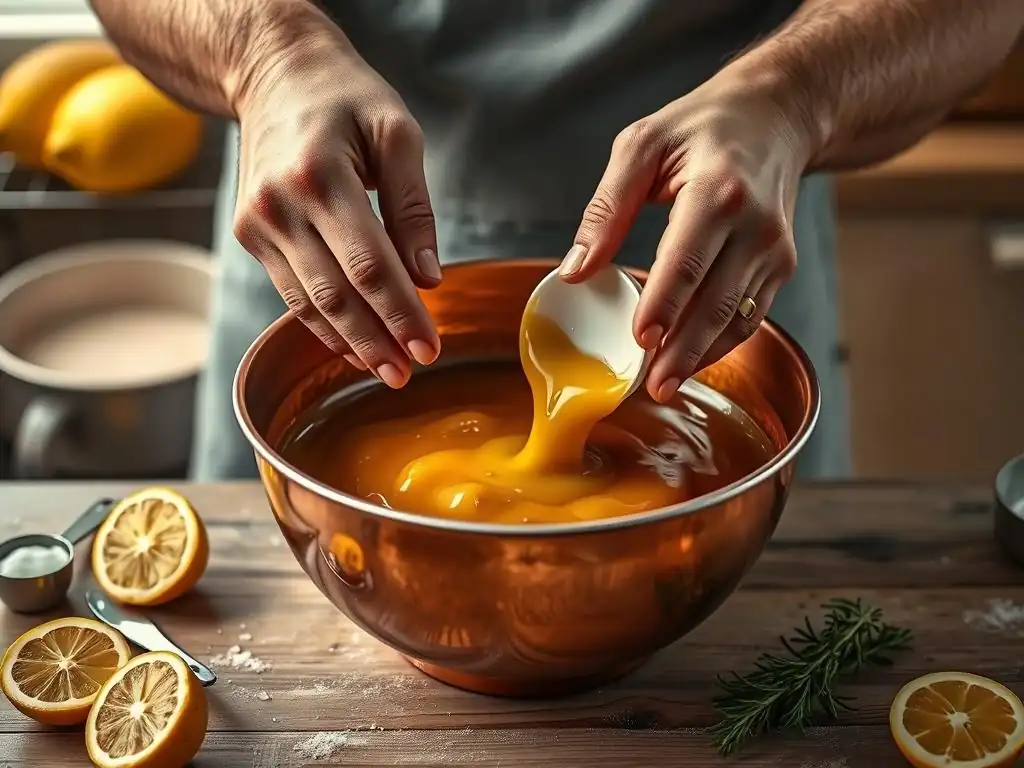
Accurate measurement is crucial when using acids to prevent sugar crystallization. Too little acid won't effectively invert enough sugar, and you might still get crystals. Too much acid can lead to unwanted flavors or even cause the sugar to break down too much, resulting in a sticky, hygroscopic (water-attracting) mixture that doesn't set properly.
For liquid acids like lemon juice or vinegar, measuring spoons are standard. For solid acids like cream of tartar, use measuring spoons and level them off. Remember that the potency of natural acids can vary (e.g., ripeness of lemons). When a recipe calls for a specific amount, stick to it. If experimenting, start with a small amount (e.g., 1/8 teaspoon cream of tartar or 1/2 teaspoon lemon juice per cup of sugar) and adjust in future batches if needed. Using a scale for solid ingredients, including cream of tartar if the recipe provides a weight, offers the highest accuracy.
When to Add Acids During the Cooking Process
Timing is important when adding acids to sugar solutions. Acids need heat and water to effectively catalyze the inversion of sucrose. Therefore, acids are typically added early in the process, after the sugar has fully dissolved in the liquid but before the syrup begins to thicken significantly or reach high temperatures.
Adding the acid at the beginning, along with the sugar and water, ensures it's evenly distributed and has ample time and conditions to work as the mixture heats. Adding it too late, when the syrup is already very hot and concentrated, will be less effective at preventing sugar crystals that may have already started to form or are on the verge of forming. For cream of tartar, dissolving it in a tiny amount of hot water before adding to the main pot ensures it's fully incorporated without adding solid particles that could trigger crystallization.
Potential Pitfalls: Over-Acidification and How to Avoid It
Using too much acid can lead to several problems. The most obvious is an overly sour or tangy flavor that overpowers the sweetness. Beyond flavor, excessive acid can break down too much sucrose, resulting in a mixture that is too sticky and may not set correctly, especially in candies like fudge or caramels that rely on specific sugar structures for their texture.
To avoid over-acidification, always follow recipe guidelines carefully. If substituting one acid for another, consider their relative strengths (e.g., citric acid is stronger than acetic acid).
When in doubt, it's safer to start with a smaller amount of acid and learn how to prevent sugar crystals through other techniques like careful cooking and handling, rather than relying solely on a large dose of acid. If a batch tastes too acidic, sometimes adding a tiny pinch of baking soda (a base) can neutralize some of the excess acid, but this should be done with extreme caution as it can cause vigorous bubbling.
Advanced Techniques: Controlling Crystallization in Complex Sugar Work
Achieving Crystal-Clear Hard Candy
Creating perfectly clear, glassy hard candy is a challenge where preventing sugar crystallization is paramount. The process involves cooking sugar, water, and typically an acid or invert sugar source to a very high temperature (around 300-310°F). The high temperature drives off nearly all the water, and the presence of invert sugar (from added corn syrup or an acid like cream of tartar) prevents the remaining sugar from forming opaque crystals as it cools.
Techniques include using a clean, heavy-bottomed pan, ensuring all sugar is dissolved before boiling starts, avoiding stirring once boiling, and carefully washing down the sides of the pan with a wet brush. Using a reliable candy thermometer is critical to reach the precise temperature. Once the correct temperature is reached, the syrup is carefully poured – without scraping the pan – onto a prepared surface. Any agitation or introduction of stray crystals during cooling can cause cloudiness or graininess.
Creating Smooth Fondant and Frosting
Smooth fondant and certain types of frostings, like cooked icings or some buttercreams, require careful handling of sugar to avoid a gritty texture. Fondant, often made from powdered sugar, corn syrup, and sometimes gelatin, relies on the corn syrup (invert sugar) to maintain its smooth, pliable texture and prevent the fine sugar particles from clumping into noticeable crystals.
Cooked frostings, like divinity or some seven-minute frostings, involve cooking a sugar syrup and then beating it. As discussed with fudge, adding an acid like cream of tartar to the syrup before cooking helps create invert sugar. When the cooled syrup is beaten, this invert sugar promotes the formation of microscopic crystals, which are too small to feel on the tongue, resulting in a smooth, creamy texture. Avoiding stirring the syrup while it cooks and allowing it to cool undisturbed before beating are crucial steps for how to prevent sugar crystals from forming prematurely.
Working with Isomalt and Other Alternative Sugars
Isomalt and other sugar substitutes (polyols) behave differently than sucrose when heated. Isomalt, often used in sugar sculptures and decorations, is much less prone to crystallization than sucrose, making it easier to work with for clear, stable structures. However, it can still crystallize under certain conditions, often due to moisture absorption.
While acids are primarily used to invert sucrose, their role with isomalt is less about inversion and more about controlling pH, which can sometimes affect its stability or color when heated. For other alternative sweeteners like erythritol or xylitol, crystallization behavior varies. Erythritol, for example, is known to crystallize readily upon cooling, which can be a challenge or a desired outcome depending on the application. Preventing crystallization with these sugars often involves different techniques, such as combining them with other ingredients or controlling cooling rates, rather than relying on acid-induced inversion.
Troubleshooting Sugar Crystallization Problems
Identifying the Cause of Unwanted Crystals
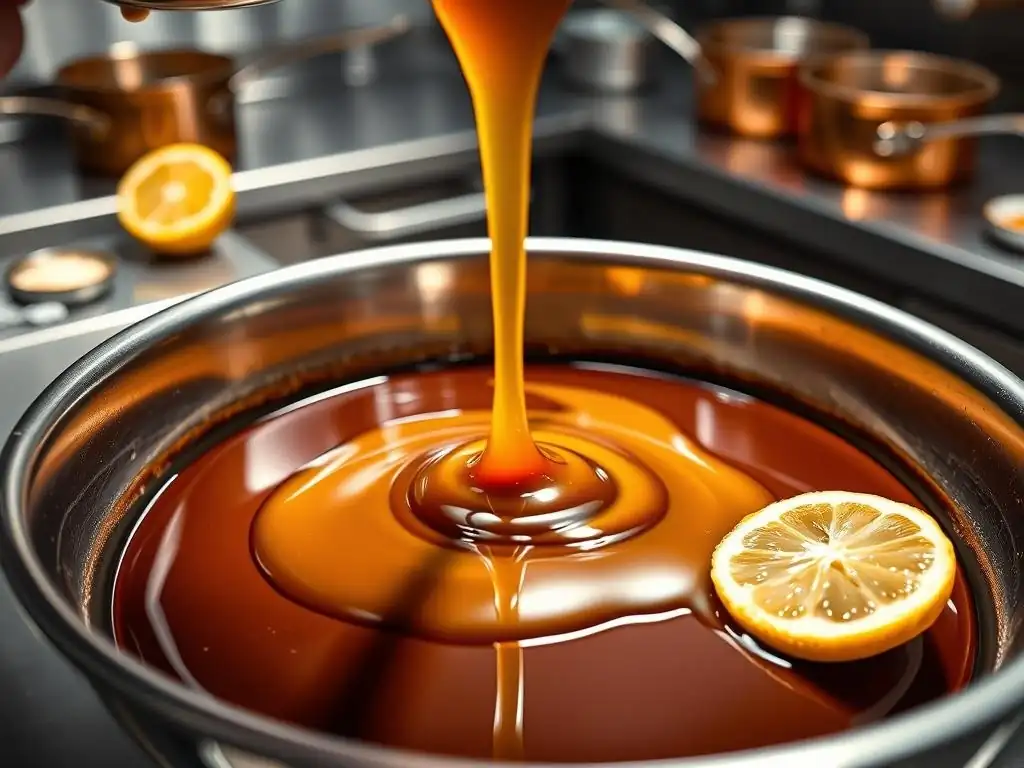
When a batch of sugar work turns grainy, identifying the cause is key to preventing it from happening again. Common culprits include:
- Insufficient Dissolving: Not heating and stirring enough at the beginning to ensure all sugar crystals are fully dissolved before boiling starts.
- Premature Stirring: Stirring the sugar syrup while it's boiling or cooling, which can introduce air bubbles or splash syrup onto the sides, where it cools and crystallizes, seeding the rest of the batch.
- Seed Crystals: Introducing even a single tiny sugar crystal from the bag, a dirty utensil, or stuck to the pan sides, which acts as a nucleus for other crystals to form upon.
- Lack of Acid/Invert Sugar: Not using enough or any acid or invert sugar source in recipes prone to crystallization (like fudge or caramel).
- Incorrect Temperature: Not cooking the syrup to a high enough temperature to achieve the desired concentration, or cooking it too slowly.
Understanding these common issues helps pinpoint why your sugar work didn't turn out smooth and how to prevent sugar crystals in the future.
Corrective Actions: Salvaging Crystallized Sugar Mixtures
Sometimes, a crystallized sugar mixture can be salvaged, though it may require starting over to some extent. If a syrup or candy mixture has crystallized, you can often add a small amount of liquid (water, milk, or cream, depending on the recipe), return it to low heat, and gently stir until the crystals dissolve again.
Once dissolved, bring the mixture back up to temperature, being extra careful this time to avoid stirring while boiling and potentially adding a bit more acid or corn syrup if the original recipe seemed insufficient. Wash down the sides of the pan with a wet brush. While this can rescue the mixture from being a solid block of sugar, the texture might not be quite as perfect as if crystallization had been prevented from the start. For hard candy or caramel that has seized, this method can work, but it's often easier and yields better results to start fresh.
Preventing Recurrence: Long-Term Solutions
To consistently prevent sugar crystals, adopt best practices in your sugar work. Always start with a clean pan and clean utensils. Ensure all sugar is fully dissolved before the syrup boils – you shouldn't feel any grit. Once boiling, resist the urge to stir. Use a wet pastry brush dipped in hot water to wash down any sugar crystals that form on the sides of the pan above the liquid level.
Incorporate an acid or invert sugar source, like corn syrup, lemon juice, or cream of tartar, especially in recipes known for crystallization issues like fudge, caramel, and cooked frostings. Use a reliable candy thermometer to ensure you reach the correct temperature for the desired consistency. Finally, allow cooked sugar mixtures to cool undisturbed before handling or beating (unless the recipe specifically calls for beating while hot, which is rare for preventing crystals). By implementing these steps, you'll master how to prevent sugar crystals and achieve consistently smooth results.
Recipes for Crystal-Free Baking
Salted Caramel Sauce with Lemon Juice
This recipe uses a touch of lemon juice to ensure a silky smooth caramel sauce, free from graininess.
- Combine 1 cup granulated sugar, 1/4 cup water, and 1 teaspoon fresh lemon juice in a heavy-bottomed saucepan.
- Stir over medium heat until the sugar is completely dissolved.
- Increase heat and boil without stirring, washing down sides with a wet brush as needed, until the syrup turns a deep amber color (around 340°F).
- Remove from heat and carefully whisk in 1/2 cup heavy cream (it will bubble up! ).
- Whisk in 2 tablespoons unsalted butter and 1/2 teaspoon sea salt until smooth.
- Pour into a jar and let cool. The lemon juice helps keep it smooth as it cools and thickens.
Chocolate Fudge with Cream of Tartar
A classic, smooth chocolate fudge recipe that relies on cream of tartar to prevent sugar crystals.
- In a large saucepan, combine 3 cups granulated sugar, 1.5 cups milk, 1/4 teaspoon cream of tartar, and 1/4 cup unsalted butter.
- Stir over medium heat until the sugar is fully dissolved and the butter is melted.
- Bring the mixture to a boil without stirring and cook to 236°F (soft ball stage), washing down sides of the pan with a wet brush as needed.
- Remove from heat and immediately add 1 cup chocolate chips and 1 teaspoon vanilla extract. Do not stir.
- Let cool undisturbed to about 110°F (lukewarm).
- Once cooled, beat the fudge vigorously with a wooden spoon or electric mixer until it thickens and loses its gloss.
- Pour into a buttered 8x8 inch pan and let it set before cutting. The cream of tartar facilitates the formation of small, unnoticeable crystals during beating.
Cinnamon Candy Apples with Apple Cider Vinegar
Apple cider vinegar not only adds a pleasant tang to candy apples but also helps prevent the sugary coating from crystallizing into a cloudy, grainy mess.
- Wash and dry 6-8 small apples thoroughly; insert sticks into the stem end.
- In a saucepan, combine 2 cups granulated sugar, 1/2 cup water, 1/4 cup light corn syrup, 1 tablespoon apple cider vinegar, and a few drops of red food coloring (optional).
- Stir over medium heat until sugar is dissolved.
- Bring to a boil without stirring, washing down sides with a wet brush, and cook to 300-305°F (hard crack stage).
- Remove from heat and stir in 1 teaspoon ground cinnamon.
- Working quickly and carefully, dip each apple into the hot candy mixture, tilting the pan as needed to fully coat. Let excess drip off.
- Place dipped apples on parchment paper to cool and harden. The vinegar and corn syrup work together to keep the candy coating smooth and clear, stopping sugar crystallization.
Frequently Asked Questions
How does adding acid prevent sugar crystals from forming in my baked goods?
Acids like lemon juice or cream of tartar interfere with the sugar molecules' ability to bond together, preventing the formation of large, visible crystals. This results in a smoother, less grainy texture in your final product.
What types of acids are most commonly used to prevent sugar crystallization?
Common acids include lemon juice, cream of tartar, vinegar, and corn syrup. The choice depends on the recipe and desired flavor profile, but they all serve the same purpose of inhibiting crystal growth.
When should I add the acid to my recipe to prevent sugar crystals?
It's best to add the acid early in the cooking process, typically when the sugar is dissolving in liquid. This allows the acid to properly interact with the sugar molecules from the beginning.
Can adding too much acid negatively impact my baked goods?
Yes, adding too much acid can affect the taste and texture of your baked goods. It's crucial to follow the recipe's instructions and use the recommended amount of acid for optimal results.
Are there any alternatives to using acid to prevent sugar crystallization?
Besides acids, you can also prevent crystallization by avoiding agitation while the sugar is dissolving and by ensuring all sugar crystals are completely dissolved before boiling. These techniques limit the opportunities for crystal formation.
Final Reflection: The Sweet Science of Preventing Sugar Crystals
The delicate balance between smooth confectionery and grainy disappointment hinges on understanding the subtle power of acids. This article explored the often-overlooked role of acids in preventing sugar crystallization, a crucial element for bakers and confectioners alike. From the tartness of lemon juice to the subtle acidity of cream of tartar, we've uncovered the scientific reasons behind their effectiveness, transforming a common baking problem into a manageable challenge.
The impact of this knowledge extends far beyond the kitchen; it represents a deeper understanding of the chemical interactions that shape our culinary experiences. The quest for perfectly smooth textures has driven innovation for centuries, and mastering the art of preventing sugar crystals is a testament to this ongoing pursuit. The secret of success is to know something nobody else knows.
– Aristotle. This quote resonates deeply, as understanding the role of acids in preventing sugar crystallization offers a unique advantage, a secret ingredient to elevate your baking to the next level.
Now, it's your turn. Consider the next time you're faced with a recipe calling for delicate frosting or a smooth candy. Remember the power of acids, and experiment with different additions to achieve the perfect texture. Don't be afraid to explore, to test, and to discover your own "secret" to preventing those pesky sugar crystals. The journey of culinary mastery is a continuous process of learning and refinement, and this knowledge is your first step towards creating truly exceptional sweets.
Unlock Your Baking Potential: Mastering Acidic Secrets!
Thanks for diving deep into the world of sugar crystallization control! You now have the knowledge to create smoother, more professional-looking baked goods. Ready to put your newfound expertise to the test?
- Bake a batch of your favorite recipe, incorporating the acid techniques you just learned. Notice the difference! This is your chance to practice and perfect your skills.
- Share your baking triumphs (and even your flops – we learn from those too!) on social media using #BakeWithEaseAcids. Let's build a community of bakers mastering this technique together.
- Explore our recipe archive for more ideas on how to use acids to your advantage. We have countless recipes perfect for practicing your newfound skills.
So, what delicious creation will you bake first, armed with your new knowledge of acidic baking secrets?