
The Relationship Between Fermentation and Gluten Structure


Welcome to BakeWithEase, your guide to unlocking baking brilliance!
Ever wondered how the magic of fermentation transforms ordinary dough into something extraordinary? This article dives deep into the fascinating relationship between fermentation and gluten structure, revealing the secrets behind that perfect rise, incredible texture, and unforgettable flavor. Discover the surprising benefits and how you can harness this process to elevate your baking. Curious to learn more? Let's get started!
- Introduction: Unlocking Fermentation Gluten Structure Benefits in Baking
- What is Gluten and Why is it Important in Baking?
- Understanding Fermentation in Bread Making
- The Interplay: How Fermentation Affects Gluten Structure
- Fermentation Time and Gluten Development: Finding the Perfect Balance
- Fermentation Techniques to Enhance Gluten Structure
- Fermentation's Impact on Gluten Structure in Different Baked Goods
- Troubleshooting Gluten Issues Related to Fermentation
- Optimizing Your Fermentation Process for Superior Gluten Structure
- Conclusion: Mastering Fermentation for Enhanced Gluten Structure and Baking Success
-
Frequently Asked Questions
- What is the role of fermentation in baking, especially in relation to gluten structure?
- How does fermentation affect the gluten in bread dough?
- What are the benefits of a well-fermented dough for the final baked product?
- Can fermentation improve the nutritional value of baked goods?
- How does fermentation contribute to the development of flavor in baked goods?
- Final Reflection: Unlocking the Power of Fermentation in Gluten's Embrace
- Unlock the Secrets of Gluten-Free Baking!
Introduction: Unlocking Fermentation Gluten Structure Benefits in Baking
Baking is a fascinating blend of art and science, where simple ingredients transform into delicious creations through precise processes. At the heart of many baked goods lies gluten, a protein network that provides structure, elasticity, and chewiness. But gluten doesn't work alone; its development and strength are profoundly influenced by fermentation, a biological process driven by yeast and bacteria.
Understanding this relationship is crucial for bakers seeking to elevate their craft and unlock the significant fermentation gluten structure benefits. It's this interplay that allows bread to rise beautifully, pizza crusts to develop that perfect chew, and pastries to achieve a tender crumb.
Exploring the dynamic connection between fermentation and gluten structure reveals how controlling factors like time, temperature, and hydration can dramatically impact the final product. Whether you're working with a simple yeasted dough or a complex sourdough, the principles remain consistent: fermentation actively shapes and enhances the gluten network. Mastering these principles not only improves your baked goods but also deepens your appreciation for the subtle science happening in your mixing bowl. This journey into the science of baking will equip you with the knowledge to troubleshoot common issues and consistently achieve desirable textures and flavors.
BakeWithEase: Your Guide to Understanding Gluten and Fermentation
At BakeWithEase, we believe that understanding the fundamental science behind baking makes the process more enjoyable and the results more consistent. Gluten and fermentation are two pillars of bread making and many other baked goods. Gluten, formed from the proteins glutenin and gliadin found in wheat flour, develops when flour is mixed with water and kneaded. This development creates a viscoelastic network capable of trapping gases produced during fermentation, causing the dough to rise. Without proper gluten development, dough would be slack and unable to hold its shape or volume.
Fermentation, primarily carried out by yeast, consumes sugars in the dough and produces carbon dioxide gas and alcohol. This gas inflates the gluten network, stretching and strengthening it over time. Beyond just leavening, fermentation also contributes significantly to flavor development through the production of organic acids and other compounds. The synergy between gluten development and fermentation is where the magic happens, leading to improved texture, volume, and taste. Understanding how to manage this process is key to achieving the desired fermentation gluten structure benefits.
The Science of Gluten Development: A Deep Dive
Gluten development begins the moment flour and water are combined. The proteins glutenin and gliadin, which are relatively disordered in dry flour, start to hydrate and link together when water is introduced. Mechanical action, like mixing or kneading, further encourages these proteins to align and bond, forming disulfide bonds that create a continuous, elastic network. Think of it like building a microscopic web throughout the dough. The more you work the dough (up to a point), the stronger and more organized this web becomes, capable of trapping gas and providing structure.
The strength and extensibility of this gluten network are critical. Strong gluten allows dough to hold its shape and rise high, while extensibility allows it to stretch without tearing as gas is produced. Different types of flour have varying amounts and types of gluten-forming proteins.
For instance, bread flour, with a protein content often ranging from 12% to 14%, is ideal for hearty loaves because it forms a robust gluten network. Cake flour, typically 7% to 9% protein, produces a more delicate gluten structure suitable for tender cakes. Hydration levels also play a significant role; higher hydration allows for easier gluten development with less kneading, as water helps the proteins move and bond more freely.
What is Gluten and Why is it Important in Baking?
Gluten is not a single substance but rather a complex mixture of proteins found in wheat, barley, and rye. When these flours are mixed with liquid, two primary proteins, glutenin and gliadin, hydrate and interact. Glutenin provides the dough with elasticity and strength, acting like tiny springs. Gliadin contributes extensibility, allowing the dough to stretch without breaking, like elastic bands. Together, they form the unique viscoelastic network known as gluten. This network is essential for the structure of many baked goods, from the lofty height of a sandwich loaf to the satisfying chew of a bagel.
The importance of gluten in baking cannot be overstated, particularly in yeasted and sourdough breads. It's the gluten network that traps the carbon dioxide gas produced during fermentation, causing the dough to rise and develop volume. Without a developed gluten structure, the gas would simply escape, resulting in a dense, flat product. Beyond leavening, gluten also contributes significantly to the texture, crumb structure, and mouthfeel of baked goods. It provides the chewiness in bread crusts, the softness in bread interiors, and the ability for loaves to hold their shape during baking.
Gluten Formation: The Role of Glutenin and Gliadin
The process of gluten formation begins with the hydration of the flour. When water is added, the glutenin and gliadin proteins absorb the liquid and begin to unfold and interact. Glutenin molecules, which are long and chain-like, start to link together through disulfide bonds, forming a strong, elastic framework. Gliadin molecules, which are smaller and more globular, associate with the glutenin network, providing extensibility and fluidity. Imagine glutenin as the scaffolding and gliadin as the flexible material woven into it.
Mechanical action, such as mixing, kneading, or even gentle folding, is crucial for aligning these proteins and encouraging the formation of additional bonds. This physical manipulation helps the gluten network become more organized and continuous. The amount of kneading required depends on factors like flour type and hydration. A high-hydration dough, for example, requires less intense kneading because the water facilitates protein movement and bonding. The result of this process is a dough that transitions from a shaggy mass into a smooth, elastic material capable of being stretched thin without tearing.
The Impact of Gluten on Dough Elasticity and Strength
The developed gluten network gives dough its characteristic elasticity and strength, properties vital for successful baking. Elasticity is the dough's ability to return to its original shape after being stretched. This property, largely due to the glutenin component, allows the dough to resist deformation and hold its structure. Strength refers to the dough's ability to resist tearing when stretched, a quality influenced by both glutenin and gliadin and the degree of network formation. A dough with good elasticity and strength can trap gases effectively, leading to significant oven spring and a well-aerated crumb.
Conversely, a dough with insufficient gluten development will be weak and slack. It won't hold its shape well, will spread rather than rise upwards, and will result in a dense, heavy baked good with a tight crumb. Over-developed dough, while strong, can become overly elastic and difficult to work with, springing back excessively when shaped. Finding the right balance of elasticity and strength, achieved through proper mixing and influenced by fermentation, is a key skill for any baker. This balance directly contributes to realizing the desired fermentation gluten structure benefits in your final product.
Understanding Fermentation in Bread Making
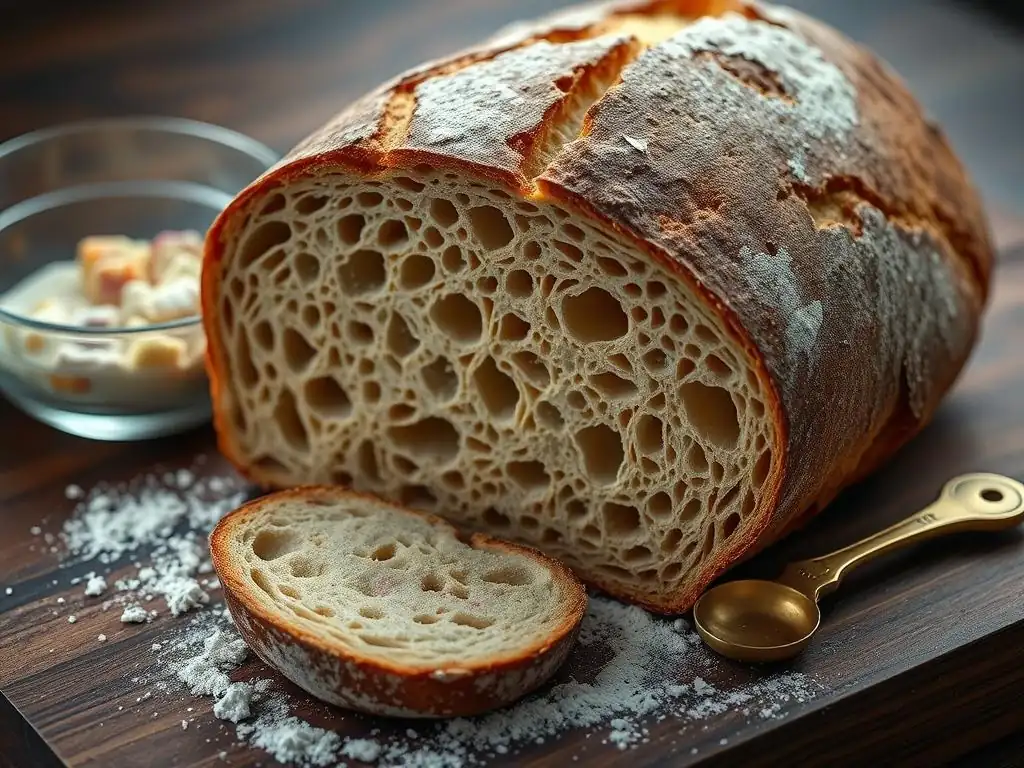
Fermentation in bread making is a biological process driven primarily by yeast, although certain bacteria also play a significant role, especially in sourdough. Yeast are single-celled microorganisms that consume sugars present in the flour (such as glucose, fructose, and maltose) and convert them into carbon dioxide gas and ethanol (alcohol) through a process called anaerobic respiration. This production of carbon dioxide is the engine of leavening; the gas gets trapped within the developing gluten network, causing the dough to expand and rise.
Beyond leavening, fermentation is also responsible for developing much of the flavor and aroma in bread. The yeast and bacteria produce a variety of metabolic byproducts, including organic acids (like lactic and acetic acid in sourdough), esters, and aldehydes. These compounds contribute complex notes that transform simple flour and water into a flavorful loaf. The duration and conditions of fermentation significantly impact the balance of gas production, acid development, and flavor creation, directly influencing the final texture and taste of the bread.
What is Fermentation and How Does it Work?
At its core, fermentation is a metabolic process where microorganisms convert carbohydrates into other products, typically acids, gases, or alcohol, in the absence of oxygen. In bread dough, baker's yeast (Saccharomyces cerevisiae) is the most common leavening agent. When yeast is mixed into dough, it becomes active as it hydrates and encounters sugars. It begins to consume these sugars, initially through aerobic respiration if oxygen is present (producing CO2, water, and energy), but quickly switches to anaerobic respiration as oxygen is depleted within the dense dough mass.
The anaerobic respiration pathway is key for leavening: Sugar → Ethanol + Carbon Dioxide + Energy. The carbon dioxide gas is what inflates the dough. The rate of fermentation is influenced by several factors, most notably temperature. Yeast is most active within a temperature range of roughly 75-85°F (24-30°C). Warmer temperatures accelerate fermentation, while colder temperatures slow it down. This is why recipes often specify fermentation times and temperatures; for example, a bulk fermentation might take 1-2 hours at room temperature (around 75°F) but 12-18 hours in the refrigerator (around 38-40°F).
The Role of Yeast and Bacteria in Fermentation
Yeast, particularly Saccharomyces cerevisiae, is the primary leavening agent in most commercial and home baking. Its main job is to produce carbon dioxide gas to make the dough rise. Different strains of yeast exist, but baker's yeast is selected for its efficiency in sugar metabolism and gas production within a bread dough environment. Yeast also contributes some flavor compounds, but its role in flavor is often secondary to that of bacteria, especially in certain types of bread.
Bacteria, particularly lactic acid bacteria (LAB), are crucial partners with yeast, especially in sourdough fermentation. While yeast provides the leavening, LAB produce organic acids, primarily lactic acid and acetic acid. Lactic acid provides a milder tang, while acetic acid contributes a sharper, vinegary note.
The balance of these acids is influenced by temperature and hydration; warmer temperatures and higher hydration favor lactic acid production, while cooler temperatures favor acetic acid. These acids not only contribute to the characteristic sour flavor of sourdough but also play a significant role in modifying the gluten structure, contributing to the fermentation gluten structure benefits.
The Interplay: How Fermentation Affects Gluten Structure
Fermentation has a profound and multifaceted impact on the gluten network. It's not just about inflating the dough with gas; the biological and chemical processes occurring during fermentation actively modify the gluten proteins themselves. This interaction is key to developing the desirable texture and structure in baked goods. The primary ways fermentation influences gluten structure are through the action of enzymes, the production of acids, and the physical stretching caused by gas production.
Understanding this interplay is essential for controlling dough development. Too little fermentation leaves the gluten network underdeveloped and tight, resulting in a dense crumb. Too much fermentation can lead to the breakdown of the gluten network, causing the dough to become weak and unable to hold gas, resulting in a collapsed structure. Achieving the optimal balance is the art of fermentation, allowing the full fermentation gluten structure benefits to be realized.
Proteolytic Enzymes: Breaking Down Gluten Proteins During Fermentation
Flour naturally contains enzymes called proteases, which are capable of breaking down proteins, including gluten. While baking at high temperatures eventually deactivates these enzymes, they are active during the fermentation process. Yeast and bacteria also contribute some enzymatic activity. These proteolytic enzymes work by breaking the peptide bonds that link amino acids within the gluten proteins (glutenin and gliadin).
A controlled amount of protease activity during fermentation can be beneficial. It slightly weakens the strongest gluten bonds, making the dough more extensible and less elastic, which can make shaping easier and contribute to a more tender crumb. However, excessive protease activity, often occurring during prolonged or warm fermentation, can severely degrade the gluten network. This leads to a dough that becomes slack, sticky, and loses its ability to hold gas, resulting in poor volume and a gummy texture. This is why managing fermentation time and temperature is critical to control enzymatic activity.
Acid Production: Strengthening Gluten Bonds through Fermentation
One of the significant fermentation gluten structure benefits, particularly in sourdough or doughs with long fermentation, comes from the production of organic acids by lactic acid bacteria. Acids, such as lactic acid and acetic acid, lower the pH of the dough. This lower pH environment has several positive effects on the gluten network. Firstly, it can help to increase the activity of certain enzymes (like amylase, which breaks down starch for yeast) while potentially modulating the activity of proteases, preventing excessive gluten breakdown.
Secondly, and perhaps more importantly for structure, acids can influence the protein bonds within the gluten network. The lower pH can increase the formation of disulfide bonds and ionic interactions between gluten proteins, effectively strengthening the network. This increased strength allows the dough to hold more gas and develop better volume. The acidity also contributes to a more resilient dough structure, capable of withstanding longer fermentation times without collapsing. The subtle tang of sourdough is a direct result of these acids, which simultaneously enhance flavor and bolster gluten structure.
Gas Production: Stretching and Developing the Gluten Network
The most visible effect of fermentation is the production of carbon dioxide gas, which causes the dough to rise. As the yeast consumes sugars and produces gas, this gas gets trapped within the elastic gluten network. The pressure from the expanding gas bubbles stretches the gluten strands. This physical stretching is a crucial part of gluten development, much like kneading. It helps to align the protein molecules and further strengthen the network, increasing its capacity to hold even more gas.
Imagine the gluten network as a balloon. As gas is pumped in, the balloon stretches and becomes thinner but also stronger and more capable of expanding further. Similarly, the expanding gas bubbles during fermentation stretch the gluten, creating thin, strong films that surround the pockets of gas.
This process of stretching and strengthening is what gives fermented dough its characteristic airy structure and contributes significantly to the final crumb texture of the baked product. The rate of gas production needs to be balanced with the rate of gluten development; if gas is produced too quickly before the gluten is strong enough, the bubbles will merge and escape, leading to a dense loaf.
Fermentation Time and Gluten Development: Finding the Perfect Balance
The duration of fermentation is one of the most critical factors influencing gluten structure and, consequently, the final quality of your baked goods. There isn't a single perfect fermentation time; it depends on factors like temperature, hydration, yeast quantity, and desired outcome. However, understanding the general effects of under- and over-fermentation on gluten is key to achieving optimal results and maximizing the fermentation gluten structure benefits.
Finding the "sweet spot" requires observation and practice. Dough development is a dynamic process; the gluten network is constantly being modified by enzymatic action, acid production, and physical stretching throughout fermentation. Learning to read the signs of properly fermented dough – its texture, elasticity, and how it responds to touch – is a skill that develops with experience. This optimal window results in a dough that is strong yet extensible, capable of producing a well-risen loaf with a desirable crumb structure.
Under-Fermented Dough: Weak Gluten and Poor Texture
Under-fermented dough, also known as young dough, has not been allowed sufficient time for the yeast and bacteria to work their magic on both leavening and gluten modification. In this state, the gluten network is often still tight and underdeveloped. While mixing may have initiated gluten formation, the stretching effect from gas production hasn't had enough time to fully expand and strengthen the network. The enzymatic and acidic effects that improve extensibility and strength also haven't fully occurred.
Characteristics of under-fermented dough include:
- It feels dense and tight, resisting stretching.
- It doesn't show significant signs of gas bubbles.
- It may spring back excessively when poked (the "poke test").
Baked goods made from under-fermented dough often result in a dense, heavy texture with a tight, compact crumb. The loaf may have poor volume because the gluten network wasn't sufficiently developed or stretched to hold the gas produced during baking (oven spring). The flavor development will also be minimal, resulting in a bland taste.
Over-Fermented Dough: Gluten Degradation and Off-Flavors
Over-fermented dough, also known as old dough or proofed out dough, has been allowed to ferment for too long or at too high a temperature. In this scenario, the beneficial processes of fermentation eventually turn detrimental. While gas production may initially be vigorous, it eventually slows as the yeast runs out of readily available sugars or becomes inhibited by the accumulation of alcohol and acids. More importantly, the prolonged activity of proteolytic enzymes can begin to break down the gluten network excessively.
Characteristics of over-fermented dough include:
- It feels slack, wet, and often sticky.
- It may have a strong, sometimes unpleasant, alcoholic or overly sour smell.
- It may collapse or deflate easily when handled.
- It may not pass the "poke test," leaving a permanent indentation.
Baked goods from over-fermented dough often have poor volume because the weakened gluten network cannot hold the gas. The texture can be gummy or crumbly, and the flavor may be overly sour or alcoholic. While some level of enzymatic breakdown is desirable, excessive breakdown destroys the structural integrity provided by gluten.
Optimal Fermentation Time: Achieving a Strong and Elastic Gluten Structure
Optimal fermentation occurs when the dough has developed sufficient gas for leavening, and the gluten network has been adequately stretched and modified by enzymatic and acidic activity without significant degradation. This is the point where the fermentation gluten structure benefits are fully realized. The dough is strong enough to hold gas and support a good rise, yet extensible enough to expand readily in the oven.
Signs of optimally fermented dough include:
- It has noticeably increased in volume (often doubled or nearly doubled for bulk fermentation).
- It feels airy and slightly rounded.
- It passes the "poke test" – when gently poked, the indentation slowly springs back, but not completely.
- It smells pleasantly fermented, not overly alcoholic or aggressively sour (unless making a very sour sourdough).
Achieving optimal fermentation time requires practice and paying attention to the dough, not just the clock. Temperature is a major factor; fermentation happens much faster in a warm kitchen (e.g., 78°F) than in a cool one (e.g., 68°F). Recipe times serve as a guide, but observing the dough's appearance and feel is paramount.
Fermentation Techniques to Enhance Gluten Structure
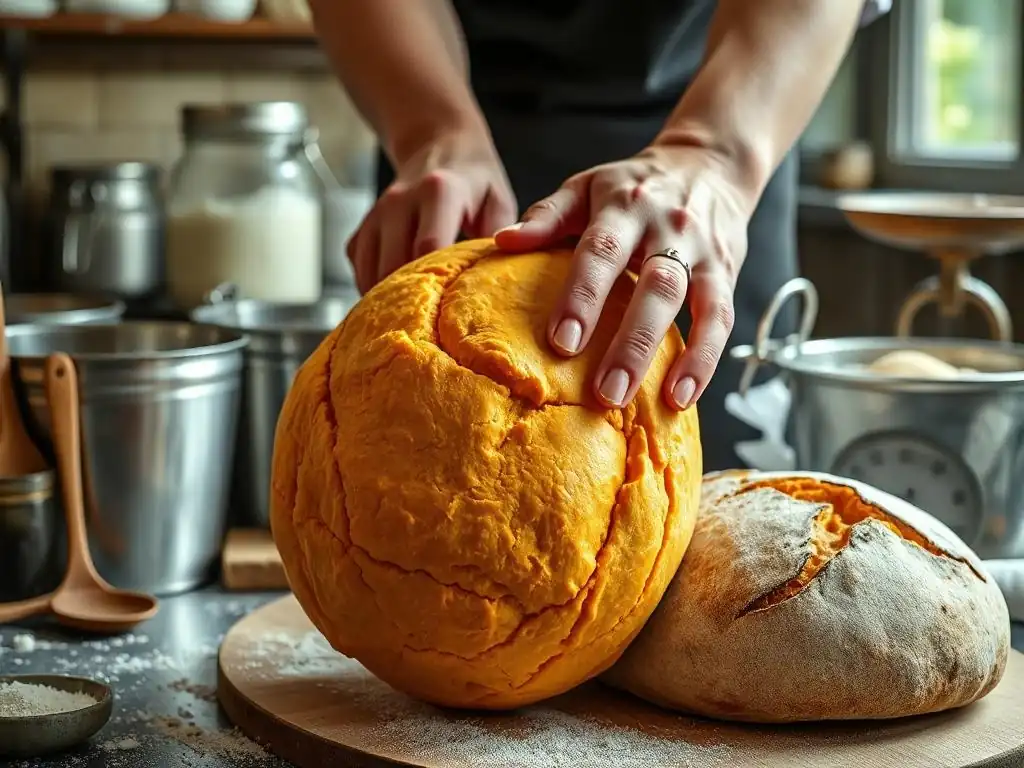
Bakers employ various techniques to manage and optimize the fermentation process, directly influencing the gluten structure and the final characteristics of the baked goods. These techniques leverage the science of fermentation to achieve specific results, from improving extensibility to boosting strength and flavor. Incorporating these methods can significantly enhance the fermentation gluten structure benefits you achieve in your baking.
These techniques often involve manipulating hydration levels, incorporating periods of rest, or using pre-fermented doughs. Each method offers unique advantages in developing the gluten network, leading to improved handling properties and superior texture and flavor in the finished product. Experimenting with these different approaches can be a rewarding way to deepen your understanding of dough dynamics.
Autolyse: Pre-Fermentation for Improved Gluten Hydration
Autolyse (pronounced auto-leez) is a simple technique where flour and water are mixed together and allowed to rest for a period, typically 20 minutes to an hour, before adding salt and yeast/starter. During this rest period, the flour fully hydrates, and enzymatic activity begins. Protease enzymes start working on the gluten proteins, and amylase enzymes start breaking down starch into sugars for the yeast.
The primary benefit of autolyse is improved gluten development with less effort. The rest allows the gluten proteins to hydrate and align themselves without mechanical mixing, reducing the need for intensive kneading later. The enzymatic activity also makes the dough more extensible and easier to handle. For example, a dough mixed with autolyse might require only 5-7 minutes of kneading compared to 10-12 minutes without it. This technique can significantly enhance the fermentation gluten structure benefits by promoting a more relaxed yet strong network.
Sourdough Fermentation: A Natural Approach to Gluten Development
Sourdough fermentation relies on a symbiotic culture of wild yeast and lactic acid bacteria (LAB) rather than commercial yeast. This mixed culture provides a slower, longer fermentation process that has unique benefits for gluten structure and flavor. The LAB produce organic acids (lactic and acetic acid) which, as discussed earlier, lower the dough's pH. This acidic environment strengthens the gluten network, making it more resilient and capable of holding gas over extended fermentation periods.
Compared to commercial yeast dough, sourdough fermentation often results in a more robust and elastic gluten structure. The longer fermentation also allows for more extensive enzyme activity, which can contribute to a more complex flavor profile and potentially improve digestibility. A typical bulk fermentation for sourdough might range from 4-12 hours at room temperature, followed by a cold proofing period of 8-48 hours in the refrigerator, allowing ample time for both acidic strengthening and flavor development.
Poolish and Biga: Using Pre-Fements to Boost Gluten Strength
Poolish and Biga are types of pre-ferments, which involve mixing a portion of the flour and water with a small amount of yeast (or starter) and letting it ferment for several hours or overnight before incorporating it into the final dough. A poolish is typically a liquid pre-ferment with equal parts flour and water (100% hydration), while a biga is a stiffer pre-ferment with less water (around 50-60% hydration).
Using a pre-ferment offers several advantages. The long fermentation of the pre-ferment develops significant flavor and aroma compounds. When incorporated into the final dough, the pre-fermented flour is already hydrated and partially fermented, which can accelerate the overall fermentation process. More importantly for gluten structure, the acids produced in the pre-ferment contribute to strengthening the gluten in the final dough, similar to sourdough. This leads to a more stable and extensible dough, improving oven spring and crumb structure. For instance, adding a poolish fermented for 12-16 hours can result in a lighter, airier crumb in a baguette dough.
Fermentation's Impact on Gluten Structure in Different Baked Goods
The influence of fermentation on gluten structure varies depending on the type of baked good and the desired outcome. While the fundamental science remains the same – gas production stretching the network, enzymes modifying it, and acids strengthening it – the specific fermentation protocols are tailored to achieve different textures and characteristics in bread, pizza, and pastries. Understanding these nuances is key to mastering each category and appreciating the diverse fermentation gluten structure benefits.
From the open, airy crumb of a rustic loaf to the delicate flakiness of a croissant, fermentation plays a distinct role in shaping the gluten matrix. The duration, temperature, and type of leavening agent used are all adjusted to optimize the gluten structure for the specific requirements of the recipe. This section explores how fermentation is managed differently to achieve the unique textural profiles of various popular baked goods.
Bread: Enhanced Flavor and Improved Texture Through Fermentation
In bread making, fermentation is paramount for both leavening and developing a desirable gluten structure. The goal is typically to create a strong, elastic gluten network capable of trapping large volumes of gas, resulting in a significant rise and an open, airy crumb. Long, slow fermentation, whether at room temperature or in the refrigerator (cold fermentation), is often employed to maximize fermentation gluten structure benefits.
For example, a standard lean bread dough might undergo a bulk fermentation of 2-4 hours at room temperature, during which it doubles in size and the gluten network is stretched and strengthened by the expanding gas bubbles. This is often followed by shaping and a final proofing period. Sourdough breads take this further, with bulk ferments lasting 4-12 hours and cold proofs up to 48 hours.
This extended time allows acids to significantly strengthen the gluten, leading to better oven spring and a more structured crumb, while also deepening flavor complexity. The stretching and folding techniques used during bulk fermentation also physically reinforce the gluten network, working in tandem with the biochemical effects of fermentation.
Pizza Dough: Achieving a Chewy and Elastic Crust
For pizza dough, a chewy and elastic crust is often the desired outcome, and fermentation plays a crucial role in achieving this. The gluten network needs to be strong enough to allow the dough to be stretched very thin without tearing, yet elastic enough to contribute to that characteristic chew after baking. A common technique for pizza dough is a long, cold fermentation, often in the refrigerator for 24-72 hours.
This extended cold fermentation allows for slower gas production and significant development of flavor compounds. Crucially, the cold environment favors the production of acetic acid by any present lactic acid bacteria (even commercial yeast can have some LAB cohabitants or the flour itself). This acid production strengthens the gluten network, making the dough more extensible and easier to stretch thinly.
The slow fermentation also allows enzymes more time to break down starches into sugars, contributing to better browning during the rapid, high-temperature bake typical of pizza. The resulting fermentation gluten structure benefits include a dough that handles beautifully and bakes up into a crust with the perfect balance of crispness and chew.
Pastries: Delicate Gluten Development for a Tender Crumb
In pastries like croissants, brioche, or soft rolls, the goal is often a tender, soft crumb rather than a chewy one. This requires a less developed and more delicate gluten network compared to bread or pizza dough. While fermentation is still used for leavening and flavor, the process is managed differently to limit extensive gluten development and modification. Hydration levels in pastry doughs are often lower, and mixing might be less intensive.
Fermentation times for pastries are typically shorter than for bread, or conducted at cooler temperatures to slow down enzymatic activity that could toughen the gluten. For example, a brioche dough might have a relatively short bulk fermentation followed by a long cold proof to develop flavor without overworking the gluten.
Croissant dough relies heavily on the layers of butter for flakiness, and the fermentation is managed to provide just enough leavening without creating a strong, bread-like gluten structure that would interfere with the layers separating during baking. The aim here is controlled, gentle fermentation to achieve leavening and flavor while preserving a delicate gluten structure for a tender final product.
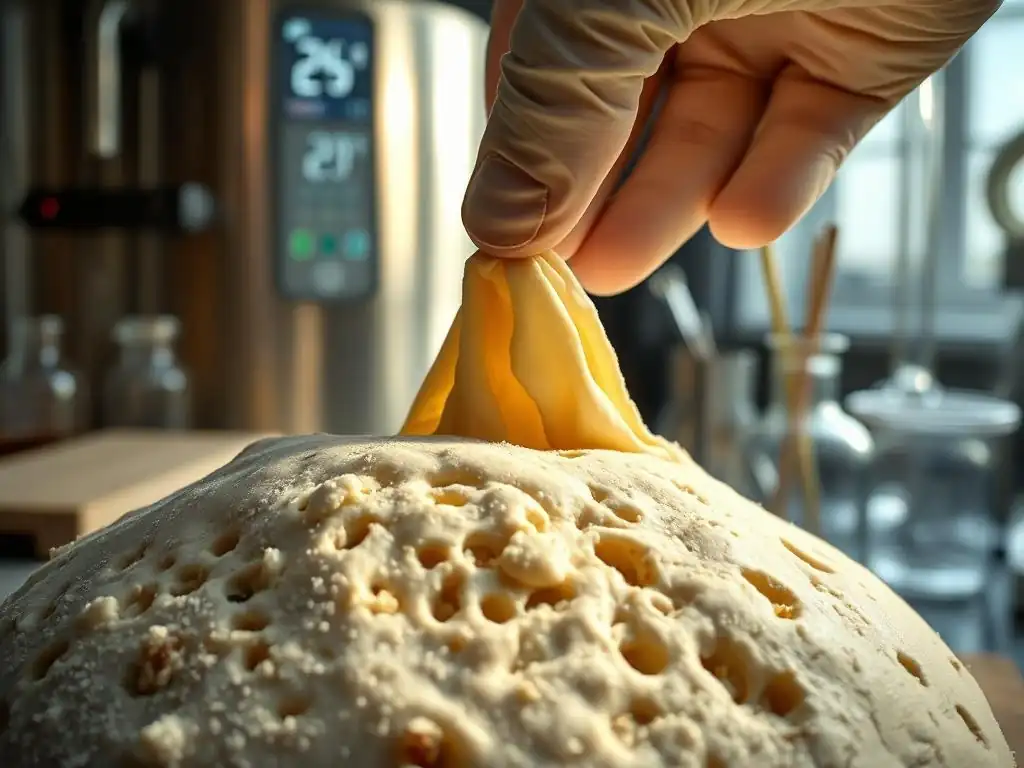
Even with a good understanding of the relationship between fermentation and gluten, issues can arise. Sometimes dough doesn't behave as expected – it might be too sticky, too dense, or fail to rise properly. Many of these problems are directly linked to how fermentation has impacted the gluten structure. Learning to diagnose these issues based on the dough's feel and appearance is a crucial step in improving your baking skills and ensuring you get the desired fermentation gluten structure benefits.
Common problems like sticky dough, dense bread, or flat loaves can often be traced back to missteps in the fermentation process, affecting the gluten network's strength, extensibility, or ability to hold gas. By understanding the typical causes and solutions, you can adjust your technique and avoid these pitfalls, leading to more consistent and successful baking outcomes.
Sticky Dough: Identifying and Correcting Over-Hydration or Under-Fermentation
Sticky dough is a common frustration for bakers. While high hydration doughs (like ciabatta, often 75-85% hydration) are naturally sticky and require specific handling techniques, unexpected stickiness can indicate a problem with gluten development or fermentation. One cause is simply over-hydration – too much water relative to the flour's protein content. If the flour can't absorb the amount of water added, the dough will remain excessively wet and sticky, and the gluten network won't be able to form properly.
Another frequent cause of abnormal stickiness is under-fermentation. If the dough hasn't fermented long enough, the gluten network hasn't had sufficient time to fully develop and tighten through the combined effects of mixing, gas production, and enzymatic/acidic modification. The dough structure remains loose and sticky.
To correct this, you might need to extend the bulk fermentation time or increase the temperature slightly to encourage yeast activity. Alternatively, if the dough is overly wet, you might need to knead in a small amount of additional flour (a tablespoon at a time) to achieve a manageable consistency, keeping in mind this will slightly alter the hydration percentage.
Dense Bread: Addressing Insufficient Gluten Development or Over-Proofing
Dense bread, characterized by a tight, heavy crumb and poor volume, is often a sign that the gluten structure was not adequate to support the rise. This can happen for two main reasons related to fermentation: insufficient gluten development or over-proofing. Insufficient gluten development means the mixing or kneading wasn't enough to form a strong, elastic network capable of trapping gas. This results in limited expansion during fermentation and poor oven spring.
Over-proofing, on the other hand, means the dough was allowed to ferment for too long. In this case, the gluten network may have initially developed well and expanded with gas, but prolonged enzymatic activity has started to degrade it. The structure weakens, and the dough loses its ability to hold the gas bubbles. When baked, the weakened network collapses, resulting in a dense loaf. To avoid this, pay close attention to fermentation indicators like volume increase and the poke test. If under-development is the issue, ensure adequate kneading or try techniques like autolyse or stretch-and-folds during bulk fermentation.
Flatbreads: Understanding the Role of Fermentation in Gluten Relaxation
While some flatbreads (like tortillas or chapatis) are unleavened, many popular ones (like focaccia, pizza, or naan) rely on fermentation for some degree of leavening and flavor. However, the desired outcome for flatbreads is, by definition, a flatter shape than a traditional loaf. This requires managing fermentation to achieve a gluten structure that is strong enough to provide some chew and hold some gas, but also relaxed enough to be stretched thin and not spring back excessively.
In flatbreads, fermentation time might be adjusted to allow for sufficient gas production for slight leavening and flavor development, but the emphasis is also on allowing the gluten network to relax. Techniques like longer, slow fermentation (especially cold fermentation) or incorporating a rest period after shaping (like the final proof for focaccia) help the gluten relax, making the dough easier to stretch and preventing it from becoming too elastic and springy. The controlled fermentation gluten structure benefits here are focused on achieving extensibility and a pleasant chew without excessive volume.
Optimizing Your Fermentation Process for Superior Gluten Structure
Achieving optimal fermentation and unlocking the full fermentation gluten structure benefits requires attention to detail and control over several variables. While recipes provide a starting point, becoming adept at observing your dough and making adjustments based on environmental conditions is key to consistent success. By mastering the factors that influence yeast and bacterial activity and their impact on gluten, you can significantly improve the quality of your baked goods.
Focusing on ingredient quality, managing temperature and humidity, and actively monitoring dough development are fundamental practices for optimizing fermentation. These steps allow you to create the ideal environment for the microorganisms to thrive while simultaneously ensuring the gluten network develops perfectly, leading to superior texture, volume, and flavor in your bread and other fermented baked goods.
Controlling Temperature and Humidity During Fermentation
Temperature is arguably the most critical factor influencing the rate of fermentation. Yeast activity increases significantly with warmth, roughly doubling its activity for every 15°F (8°C) increase within its optimal range (75-85°F or 24-30°C). This means fermentation that takes 2 hours at 78°F might take 4 hours at 68°F. Controlling temperature allows you to control the speed of fermentation and, consequently, the rate at which gas is produced and acids are formed, directly impacting how the gluten network is stretched and modified.
Humidity also plays a role, primarily in preventing the surface of the dough from drying out. A dry surface forms a skin that restricts the dough's ability to expand evenly and can inhibit optimal gluten development and stretching. Keeping the dough covered during fermentation – in a covered container, under plastic wrap, or in a proofing box – helps maintain a humid environment around the dough. Many home bakers use their oven with the light on (creating a slightly warm environment) or a proofer setting if available to maintain a consistent temperature and humidity.
Using High-Quality Ingredients for Optimal Fermentation
The quality of your ingredients directly impacts the success of fermentation and the resulting gluten structure. High-quality bread flour with a sufficient protein content (12-14%) provides the necessary glutenin and gliadin for forming a strong network. Using fresh, active yeast (or a healthy, vigorous sourdough starter) ensures efficient gas production. Stale yeast will result in sluggish or no fermentation, leading to poor leavening and underdeveloped gluten.
Water quality can also play a minor role; heavily chlorinated water can sometimes inhibit yeast activity, although this is less common with modern water treatment. Using filtered or bottled water can be an option if you suspect your tap water is affecting fermentation. Ultimately, starting with vibrant, active microorganisms and flour with good protein quality provides the best foundation for a successful fermentation process that yields maximum fermentation gluten structure benefits.
Monitoring Dough Development and Adjusting Fermentation Time
Relying solely on the clock for fermentation is a common mistake. Dough development is a biological process influenced by many variables, including the exact temperature of your kitchen, the activity of your yeast, and the temperature of your ingredients. Learning to monitor the dough itself is crucial for knowing when fermentation is proceeding correctly and when it's complete.
Key indicators to watch for include:
- Volume Increase: How much has the dough expanded? Recipes often specify doubling or nearly doubling during bulk fermentation.
- Texture and Feel: Does the dough feel airy and lighter? Is it smooth and elastic?
- The Poke Test: Gently poke the dough with a floured finger. If the indentation springs back quickly, it needs more time (under-fermented). If it stays completely, it's likely over-fermented. If it slowly springs back partway, it's likely ready (optimally fermented).
By observing these signs, you can adjust fermentation time as needed. If fermentation is too slow, find a warmer spot. If it's too fast, move the dough to a cooler location or the refrigerator. This ability to read the dough is key to consistently achieving superior gluten structure and baking results.
Conclusion: Mastering Fermentation for Enhanced Gluten Structure and Baking Success
Understanding the intricate relationship between fermentation and gluten structure is fundamental to becoming a skilled baker. It's the dynamic interplay of yeast and bacteria producing gas and acids, combined with the physical stretching of the gluten network, that transforms simple dough into a complex, flavorful, and beautifully textured baked good. The fermentation gluten structure benefits are numerous, ranging from improved volume and crumb structure to enhanced flavor and keeping quality.
By controlling the variables of fermentation – time, temperature, hydration, and the quality of your ingredients – you gain the power to influence the gluten network precisely as needed for different types of doughs. Whether you're aiming for the open crumb of a rustic loaf, the chewiness of a pizza crust, or the tenderness of a pastry, a mindful approach to fermentation is your most valuable tool.
The Importance of Understanding Fermentation for Bakers of all Levels
For beginners, grasping the basics of how fermentation works provides a roadmap for success beyond simply following a recipe. It explains why your dough rises, why kneading is important, and why sometimes your bread turns out dense. For experienced bakers, a deeper understanding allows for greater control, enabling experimentation with different techniques, longer fermentation times for complex flavors, and troubleshooting when things don't go as planned.
Embracing the science behind fermentation makes you a more intuitive baker. You learn to feel the dough, understand its needs, and anticipate how it will behave. This knowledge empowers you to adapt recipes, create your own, and consistently produce baked goods that are not only visually appealing but also possess exceptional texture and flavor, fully realizing the fermentation gluten structure benefits.
BakeWithEase: Resources for Perfecting Your Fermentation Techniques
At BakeWithEase, we are committed to providing you with the knowledge and resources to master essential baking techniques like fermentation. Our site offers a wealth of information, from beginner-friendly guides on working with commercial yeast to in-depth tutorials on nurturing a sourdough starter and implementing advanced techniques like autolyse and cold fermentation.
We provide step-by-step instructions, detailed explanations of the science, and tips for troubleshooting common issues. Our goal is to demystify the process and empower you to confidently manage fermentation, ensuring your gluten structure develops optimally every time. Explore our articles, recipes, and guides to take your baking skills to the next level and unlock the incredible fermentation gluten structure benefits in all your baked creations.
Frequently Asked Questions
What is the role of fermentation in baking, especially in relation to gluten structure?
Fermentation is a crucial process in baking, especially for bread. It allows yeast to produce gases, which cause the dough to rise and also impact the development of the gluten structure, making it more extensible and digestible.
How does fermentation affect the gluten in bread dough?
During fermentation, enzymes break down the complex gluten proteins, creating a more relaxed and pliable dough. This results in a bread with a softer texture and improved flavor, as well as enhanced digestibility.
What are the benefits of a well-fermented dough for the final baked product?
Well-fermented dough yields bread with a superior flavor profile, improved texture, and increased volume. It also contributes to better crust color and overall digestibility, enhancing the baking experience.
Can fermentation improve the nutritional value of baked goods?
Yes, fermentation can enhance the nutritional value by increasing the bioavailability of certain nutrients and by breaking down complex carbohydrates. This process can also lead to the formation of beneficial compounds like prebiotics.
How does fermentation contribute to the development of flavor in baked goods?
Fermentation generates a wide range of aromatic compounds and acids that contribute to the unique flavor of baked goods. The length and conditions of fermentation directly influence the flavor complexity and intensity.
Final Reflection: Unlocking the Power of Fermentation in Gluten's Embrace
The intricate dance between fermentation and gluten structure holds the key to unlocking a healthier and more flavorful future in food production. Understanding this relationship isn't just a scientific pursuit; it's a vital step towards creating more accessible and nutritious food for everyone. The implications for dietary needs and culinary innovation are profound and far-reaching.
The impact of fermentation on gluten's structure is far more significant than simply improving digestibility. It's a transformative process that alters the very nature of gluten, influencing texture, taste, and even the nutritional profile of the final product. This understanding has already begun to reshape the landscape of baking and brewing, offering alternatives for those with gluten sensitivities and enhancing the sensory experience for everyone. Fermentation is not just a process; it's a partnership between humans and microbes, a collaboration that has shaped our food and culture for millennia.
This partnership, when applied to gluten, unlocks a world of possibilities.
Consider the implications of this knowledge for your own culinary explorations. Are you ready to experiment with sourdough starters, explore the nuances of kombucha brewing, or delve into the science behind naturally leavened breads? The power to create healthier, more flavorful foods, informed by the intricate relationship between fermentation and gluten, rests within your hands. Embrace the possibilities, and let the transformative power of fermentation guide your next culinary adventure.
Unlock the Secrets of Gluten-Free Baking!
Thanks for diving deep into the fascinating world of fermentation and gluten structure! We hope you gained valuable insights into how these processes impact your baking. Now, it's time to put your newfound knowledge into practice!
- Experiment with sourdough starters: Try incorporating a sourdough starter into your next gluten-free loaf. You might be surprised at the texture and flavor improvements! This is the perfect way to apply what you learned today.
- Share your baking adventures: Show us your gluten-free creations on social media using #BakeWithEaseGlutenFree! We love seeing your results.
- Explore our recipe section: Discover more gluten-free recipes designed to help you master the art of baking.
Ready to elevate your gluten-free baking game? What unique flavor combination will you try first?