
Minerals, Water, and Yeast: A Trio for Better Fermentation

Welcome to BakeWithEase, your haven for baking brilliance! Are you ready to unlock the secrets to truly exceptional sourdough? Minerals, water, and yeast - these seemingly simple ingredients hold the key to vibrant fermentation. Dive into our latest Baking Science Deep Dive and discover how mastering this trio will elevate your sourdough starter from ordinary to extraordinary. Curious how water hardness affects your bake, or which minerals your yeast craves? Let's explore together!
- Understanding Sourdough Starter Fermentation for Optimal Baking
- The Crucial Role of Minerals in Yeast Fermentation
- Water Quality: The Foundation of Successful Yeast Fermentation
- Yeast Strains and Their Mineral & Water Needs
- Sourdough Starter Fermentation Tips: Combining Minerals, Water, and Yeast for Success
- Advanced Techniques: Enhancing Sourdough Fermentation with Specific Water Treatments
- The Science Behind It: Mineral Transport and Yeast Metabolism
- Achieving Consistent Results: Monitoring and Adjusting Your Sourdough Starter's Mineral and Water Intake
-
Frequently Asked Questions
- What role do minerals play in sourdough starter fermentation?
- How does the type of water used affect sourdough starter fermentation?
- Why is yeast so important for sourdough starter fermentation?
- Can I use tap water for my sourdough starter?
- What are some key indicators of successful sourdough starter fermentation?
- Final Reflection: The Living Alchemy of Sourdough
- Unleash the Power of Fermentation Today!
Understanding Sourdough Starter Fermentation for Optimal Baking
Sourdough starter fermentation is a complex biological process driven primarily by wild yeasts and lactic acid bacteria. These microorganisms consume sugars in the flour and produce carbon dioxide, which leavens the bread, and various organic acids, which give sourdough its distinctive flavor and texture. Understanding the factors that influence this process is key to achieving consistent, vigorous fermentation and, ultimately, delicious bread. While flour and temperature are often discussed, the often-overlooked elements of minerals, water quality, and the specific yeast strains present play equally vital roles in optimizing your sourdough starter's performance.
Optimizing sourdough starter fermentation requires a holistic approach. Think of your starter as a mini-ecosystem where the inhabitants (yeast and bacteria) need the right environment to thrive. This includes not just the food source (flour) but also the medium it's mixed in (water) and the essential nutrients available (minerals).
By paying close attention to these elements, you can significantly improve the health and activity of your starter, leading to better rise, more predictable timings, and a richer flavor profile in your final bake. This guide dives deep into how minerals and water quality specifically impact your sourdough fermentation and provides practical sourdough starter fermentation tips.
The Crucial Role of Minerals in Yeast Fermentation
Why Minerals Matter for Sourdough Starter Activity
Minerals are not just inert substances; they are essential micronutrients that act as cofactors for many enzymatic reactions within yeast cells. These enzymes are crucial for breaking down sugars and converting them into energy, alcohol, and carbon dioxide during fermentation. Without an adequate supply of specific minerals, these enzymatic pathways can slow down or become inefficient, leading to sluggish sourdough starter activity. For instance, magnesium is vital for enzymes involved in glycolysis, the initial stage of sugar metabolism, while zinc is important for overall cell growth and enzyme function.
Furthermore, minerals contribute to the overall osmotic balance within the yeast cell, helping it maintain its structure and function. A starter fed with mineral-deficient water or flour might show weak rise, poor bubble structure, and a lack of vigor because the yeast cells are struggling to perform basic metabolic tasks efficiently. While flour provides some minerals, the water used for feeding is often a significant source, and variations in its mineral content can drastically affect sourdough starter fermentation. Understanding which minerals are beneficial and how they interact can help you troubleshoot common fermentation issues and enhance your starter's health.
Key Minerals That Boost Sourdough Fermentation
Several minerals found in water and flour are particularly beneficial for yeast activity. These include potassium, phosphorus, and iron, among others. Each plays a distinct role in the complex biochemical processes that constitute sourdough starter fermentation. Ensuring your starter has access to these key minerals can lead to more robust and predictable activity.
Potassium and Sourdough Starter: Benefits and Sources
Potassium is a crucial electrolyte for yeast cells, playing a significant role in maintaining cellular turgor pressure and regulating enzyme activity. It is particularly important for the transport of nutrients across the cell membrane and for activating enzymes involved in energy production. A sufficient level of potassium helps yeast cells remain healthy and active, contributing to a more vigorous fermentation process and better sourdough starter fermentation tips related to activity.
Sources of potassium for your sourdough starter primarily come from the flour and the water you use. Whole grain flours, like whole wheat and rye, generally contain higher levels of potassium compared to refined white flour. For example, 100g of whole wheat flour can contain around 350-400mg of potassium, while refined white flour might have less than 100mg. Mineral-rich water sources, like some spring waters, can also contribute to the potassium content, though the exact amount varies widely depending on the source.
Phosphorus and Sourdough Starter: Benefits and Sources
Phosphorus is another vital element, primarily found in the form of phosphates, which are essential components of ATP (adenosine triphosphate), the main energy currency of the cell. It's also a building block for DNA, RNA, and cell membranes. Yeast cells require phosphorus to grow, reproduce, and carry out metabolic processes like fermentation. Adequate phosphorus ensures the yeast has the energy needed to convert sugars into the desired end products.
Flour is a primary source of phosphorus, especially whole grain varieties. For instance, 100g of whole wheat flour contains roughly 350-400mg of phosphorus, while refined flour has considerably less, perhaps around 100mg. Some water sources may also contain phosphates, though levels are typically lower than in flour. Using a feeding regimen that includes whole grain flours can naturally boost the phosphorus availability for your sourdough starter, supporting strong fermentation.
Iron and Sourdough Starter: Benefits and Sources
Iron is a key component of several enzymes involved in cellular respiration and energy metabolism within yeast. Although yeast fermentation is primarily anaerobic (without oxygen), iron-containing enzymes still play roles in related metabolic pathways and overall cell health. While required in smaller quantities than potassium or phosphorus, iron deficiency can still impact yeast vitality and fermentation efficiency.
Sources of iron for your starter include flour, particularly whole grains. For example, 100g of whole wheat flour might contain around 3-4mg of iron, whereas white flour, depending on enrichment, could have a similar amount or less if unenriched. Some well water sources can also be rich in iron, which might be visible as a reddish tint or metallic taste, though excessive iron can sometimes be detrimental. Ensuring a balanced diet for your starter through varied flours helps provide necessary iron.
Mineral Imbalances: Identifying and Correcting Issues in Your Sourdough Starter
Just as a lack of minerals can cause problems, an excess of certain minerals or an imbalance between them can also negatively impact sourdough starter fermentation. High concentrations of minerals, particularly salts, can create an osmotic shock for yeast cells, drawing water out and inhibiting their activity. Conversely, very soft water with extremely low mineral content might not provide the necessary micronutrients for optimal health and fermentation.
Identifying mineral imbalances often requires observation. Signs might include sluggish or inconsistent rise despite ideal temperature and feeding ratios, unusual odors (beyond the typical tangy sourdough smell), or a starter that quickly becomes overly acidic and less active.
If you suspect a mineral issue, especially if you use water with known high or low mineral content, consider experimenting with a different water source, such as filtered water or a specific type of bottled spring water known for moderate mineral levels. For mineral deficiencies possibly linked to flour, incorporating a small percentage of a mineral-rich flour like rye or whole wheat into your regular feed can be a simple correction, offering useful sourdough starter fermentation tips.
Water Quality: The Foundation of Successful Yeast Fermentation
The Impact of Water pH on Sourdough Starter Fermentation
Water pH, a measure of its acidity or alkalinity, significantly affects the microbial activity in your sourdough starter. Wild yeasts and lactic acid bacteria generally thrive in a slightly acidic environment, typically with a pH range between 4.0 and 5.0, which is the natural pH range of a healthy, active sourdough starter. The pH of the water you use for feeding can influence how quickly the starter reaches this optimal range and how stable its environment remains.
Using water with a very high pH (alkaline, e.g., pH 8+) can slow down the initial acidification process led by the lactic acid bacteria, potentially giving undesirable microorganisms a chance to establish themselves. Conversely, extremely low pH water (acidic, e.g., pH 5-) is less common from taps but could shock the microbes. Ideally, water with a neutral pH (around 7) or slightly acidic pH (6-7) is generally suitable, as the fermentation process itself will naturally lower the pH to the optimal range. Consistent water pH helps maintain a stable environment, crucial for predictable sourdough starter fermentation.
Best Types of Water for Sourdough Starters
Choosing the right water can make a noticeable difference in your sourdough starter's health and activity. Different water types vary in their mineral content, pH, and presence of additives like chlorine. Understanding these differences helps you make informed choices for your starter's well-being.
Spring Water: A Natural Option for Sourdough Fermentation
Natural spring water is often considered a good choice for sourdough starters because it typically contains a moderate level of dissolved minerals, which are beneficial for yeast and bacterial activity. The mineral composition varies depending on the source, but it generally provides a balanced profile without excessive levels of any single mineral. This natural mineral content can contribute positively to the flavor development and fermentation vigor of your starter, providing excellent sourdough starter fermentation tips through its inherent properties.
However, not all spring water is the same. Some brands or sources might have very low mineral content (closer to distilled), while others might be exceptionally hard. It's helpful to check the mineral analysis on the bottle label if available or stick to a reputable brand known for consistent quality. Using a consistent source of natural spring water can help eliminate water variability as a factor when troubleshooting sourdough starter fermentation issues.
Reverse Osmosis Water: Considerations for Sourdough
Reverse osmosis (RO) water is purified water that has had most minerals and impurities removed. While this process effectively eliminates chlorine and other contaminants, it also removes beneficial minerals that yeast and bacteria need. Using pure RO water for feeding can sometimes lead to a sluggish starter due to a lack of essential nutrients, despite being free of harmful chemicals.
If you choose to use RO water, perhaps because your tap water is unsuitable, you might need to compensate for the lack of minerals. Some bakers add a tiny pinch of non-iodized salt or a small amount of mineral-rich flour (like rye) to the feed to provide necessary micronutrients. Alternatively, you could try mixing RO water with a small percentage of mineral water or filtered tap water (after dechlorination) to achieve a better balance for your sourdough starter fermentation.
Well Water: Assessing its Suitability for Sourdough
Well water can be an excellent source for sourdough starters, often rich in natural minerals that support fermentation. However, its quality is highly variable depending on the local geology. Well water can contain varying levels of dissolved minerals, iron, sulfur, and occasionally bacteria or other contaminants. High mineral content (hard water) is generally fine, but excessive levels of specific minerals like iron or sulfur can impart off-flavors or inhibit yeast activity.
Before using well water consistently for your sourdough starter, it's advisable to have it tested. Local health departments often offer affordable testing services for common contaminants and mineral levels. If the well water is deemed safe and free from excessive levels of problematic minerals or bacteria, its natural mineral content can provide a robust environment for sourdough starter fermentation. If testing reveals issues, filtration or using an alternative water source might be necessary.
Improving Water Quality for Enhanced Fermentation: Practical Tips
Even if your water isn't perfect, there are simple steps you can take to improve its suitability for sourdough starter fermentation. The most common issue with municipal tap water is the presence of chlorine or chloramine, added as disinfectants. These chemicals are harmful to the microorganisms in your starter and can significantly slow down or kill them.
One of the easiest and most effective sourdough starter fermentation tips regarding water is to remove chlorine. Chlorine is volatile and will dissipate from water if left exposed to the air. Simply pour your tap water into an open container (like a jug or bowl) and let it sit uncovered for 24 hours before using it.
For chloramine, which is more stable, boiling the water for a few minutes and then letting it cool completely is a more effective method, or using a quality carbon filter specifically designed to remove chloramines. Using consistent, properly treated water is fundamental for reliable sourdough starter fermentation.
Yeast Strains and Their Mineral & Water Needs
Different Yeast Strains, Different Fermentation Requirements
Sourdough starters are home to a diverse community of wild yeasts and lactic acid bacteria. While Saccharomyces cerevisiae is a common wild yeast found, other species like Candida milleri or Kazachstania exigua can also be dominant depending on the environment. Different yeast strains have varying metabolic needs and preferences regarding temperature, food sources, and yes, mineral and water conditions. Some strains might thrive in slightly harder water, while others prefer softer water with specific mineral profiles.
The dominant yeast strain(s) in your starter are influenced by factors like the type of flour you use, the ambient temperature, and the specific water you provide. Over time, your starter will cultivate a microbial community best suited to the conditions you provide. Understanding that not all starters behave identically is key; a starter thriving on one type of water might struggle if suddenly switched to another. Consistent feeding practices, including water type, help select for a stable and vigorous microbial population tailored to your environment, offering valuable sourdough starter fermentation tips.
Identifying Dominant Yeast Species Through Observation
While you can't identify specific yeast species without laboratory testing, you can infer information about the microbial activity by observing your starter's behavior. Different dominant yeast strains can influence characteristics like the rate of rise, the type and size of bubbles, the aroma produced, and the texture of the starter. For instance, some starters might produce very large, irregular bubbles and have a strong, almost alcoholic smell, potentially indicating a different dominant yeast than a starter that produces a fine, even crumb structure and a milder aroma.
Observing the peak activity time can also provide clues. Some starters peak quickly (4-6 hours), while others are slower (8-12 hours or more) at the same temperature and feeding ratio. The consistency of the "hooch" (the liquid that separates on top) and its smell can also vary. Keeping a log of these observations alongside the water and flour types used can help you correlate specific conditions with certain starter behaviors, allowing you to identify what works best for the unique community in your jar and refine your sourdough starter fermentation tips.
Optimizing Your Sourdough Starter's Environment for Healthy Yeast Growth
Creating the optimal environment for your sourdough starter's yeast and bacteria means providing consistent conditions regarding temperature, food (flour type and feeding ratio), and hydration (water quality and quantity). Once you've established a healthy, active starter, maintaining consistency in your feeding routine is perhaps the most important factor for long-term success. Sudden changes in water source, flour type, or temperature can stress the microbial community and lead to unpredictable results.
Think of your starter's environment as a cozy home for microbes. They need a steady supply of food, a comfortable temperature, and clean, suitable water. If you find your starter is thriving with a particular type of filtered water and a specific flour blend, stick with it. If you need to make a change, do so gradually, perhaps by mixing the new water or flour type with the old over several feedings. This allows the microbial community to adapt, promoting healthy and consistent sourdough starter fermentation.
Sourdough Starter Fermentation Tips: Combining Minerals, Water, and Yeast for Success
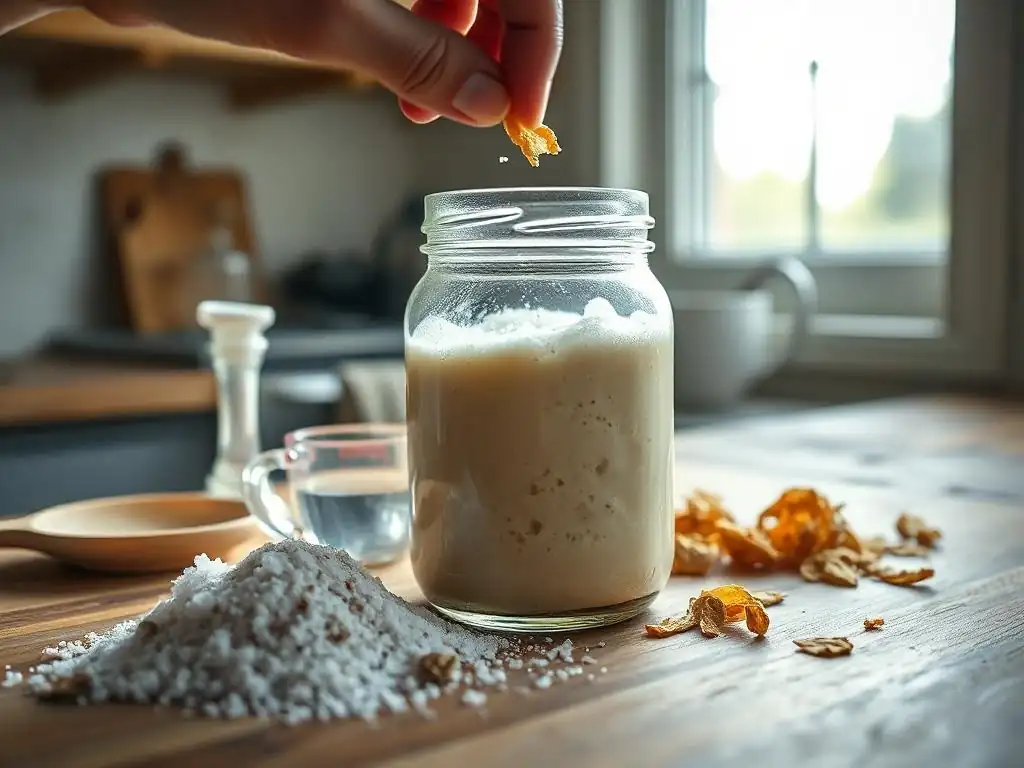
Step-by-Step Guide to Mineral-Rich Sourdough Starter Feeding
Feeding your sourdough starter with mineral-rich ingredients can significantly boost its activity and resilience. This doesn't necessarily mean adding supplements, but rather making conscious choices about your flour and water.
- Choose Mineral-Rich Flours: Incorporate whole grain flours like organic whole wheat, rye, or spelt into your feeding routine. These flours contain significantly more minerals than refined white flour. A common practice is to feed with a blend, for example, 80% bread flour and 20% rye flour, to balance mineral supply with desired starter texture.
- Select Appropriate Water: Use dechlorinated tap water (left out for 24 hours) or a good quality bottled spring water with a moderate mineral content. Avoid distilled or reverse osmosis water unless you plan to remineralize it slightly.
- Maintain Consistency: Once you find a flour and water combination that works well for your starter, stick to it. Consistency in feeding is key to developing a stable and vigorous microbial population.
- Consider Hydration: The hydration level (ratio of water to flour) also impacts mineral concentration in the starter environment. A wetter starter might dilute minerals slightly compared to a stiffer one, though the overall impact of water quality remains significant.
By following these steps, you provide your starter with the essential minerals it needs for robust activity. For example, switching from purely white flour and distilled water to a blend including rye and using filtered tap water can often visibly increase starter vigor within just a few feedings, illustrating practical sourdough starter fermentation tips in action.
Troubleshooting Common Fermentation Problems with Mineral and Water Adjustments
Many common sourdough starter issues can be linked back to water quality or mineral availability. Understanding these connections can help you diagnose and fix problems effectively.
Slow Fermentation: Possible Mineral Deficiencies and Solutions
If your sourdough starter is consistently sluggish, taking much longer than expected to double or show significant activity despite warm temperatures and proper feeding ratios, mineral deficiency could be a culprit. Yeast requires minerals like potassium, phosphorus, and magnesium as cofactors for metabolic enzymes. If these are lacking in the water or flour, fermentation will be slow.
- Solution: Try switching to a different water source, such as bottled spring water with a 'moderate' mineral content listed on the label, or ensure your tap water is properly dechlorinated. Incorporate a higher percentage of mineral-rich flour like rye or whole wheat (even 10-20% of the total flour weight) into your regular feed. Observe if activity improves over a few feedings. For instance, many bakers report a significant boost in activity when adding just 10g of rye flour to a 50g white flour feed.
Mold Growth: Addressing Water Quality Issues
Mold growth on a sourdough starter is often a sign of an imbalance in the microbial community, where mold spores (which are ubiquitous) have managed to establish themselves before the beneficial bacteria and yeast can create a sufficiently acidic environment to inhibit them. While many factors contribute, poor water quality, especially non-dechlorinated water, can weaken the beneficial microbes, making the starter more susceptible.
- Solution: Ensure you are always using properly dechlorinated water. Chlorine and chloramine kill beneficial microbes. If using tap water, let it sit uncovered for 24 hours to off-gas chlorine, or use a carbon filter. If using well water, consider having it tested for bacterial contamination. A healthy, active starter fed with clean water quickly acidifies, creating an environment where mold struggles to grow. If mold appears, it's generally recommended to discard the starter as some molds can produce toxins. Prevention through good water practice is key, a crucial aspect of sourdough starter fermentation tips.
Inconsistent Results: Maintaining a Stable Mineral Balance
A starter that behaves erratically – sometimes doubling quickly, sometimes slowly, even under seemingly identical conditions – can be frustrating. Inconsistent mineral content in your water or flour can be a contributing factor, as it leads to unpredictable variations in the microbial environment from one feeding to the next.
- Solution: Identify and stick to a consistent source of water and flour. If you switch between different brands of bottled water or different types of flour frequently, this can introduce variability. Using the same type of filtered tap water (properly dechlorinated each time) or consistently buying the same brand of suitable bottled water can help. Similarly, using the same flour blend for feeding provides a stable nutrient base. Tracking your feeding regimen, including water type and flour blend, in a fermentation log (as discussed later) can help pinpoint if inconsistencies correlate with changes in your inputs, providing valuable sourdough starter fermentation tips for stability.
Advanced Techniques: Enhancing Sourdough Fermentation with Specific Water Treatments
Chlorine Removal Techniques for Sourdough Starters
As previously mentioned, chlorine and chloramine in tap water are detrimental to sourdough starter fermentation. While letting water sit out is effective for chlorine, chloramine requires more robust methods. Boiling tap water for 10-15 minutes and then allowing it to cool completely will effectively remove chloramine. This is a reliable method for ensuring your water is free of disinfectants before feeding your starter.
Another effective method is using a water filter specifically designed to remove chlorine and chloramines. Activated carbon filters are commonly used for this purpose. Ensure the filter you use is rated for chloramine removal if that is present in your municipal water supply (check your local water report). Using filtered water directly from the tap saves time compared to boiling or waiting 24 hours and ensures consistent removal of harmful chemicals, contributing to more reliable sourdough starter fermentation.
[Cautionary Notes on Using Water Treatments: Dos and Don'ts]
While treating your water can be beneficial, it's important to approach it cautiously.
- Do remove chlorine and chloramine using proven methods like letting water sit out, boiling, or using a quality carbon filter.
- Do consider using bottled spring water with a balanced mineral profile if your tap water is particularly problematic (e.g., very high in sulfur, iron, or excessive hardness).
- Don't use distilled or reverse osmosis water unless you plan to supplement with minerals, as these waters lack essential nutrients for the microbes.
- Don't use chemically softened water, as the high sodium content can inhibit fermentation.
- Don't add random mineral supplements or large amounts of salt to your starter without understanding the potential impact; small adjustments are key.
- Don't assume all bottled waters are equally good; check the labels for mineral content and source information.
Using inappropriate water treatments or additives can do more harm than good, disrupting the delicate microbial balance you've cultivated. Prioritizing clean, moderately mineralized, and disinfectant-free water is a fundamental principle among sourdough starter fermentation tips.
The Science Behind It: Mineral Transport and Yeast Metabolism
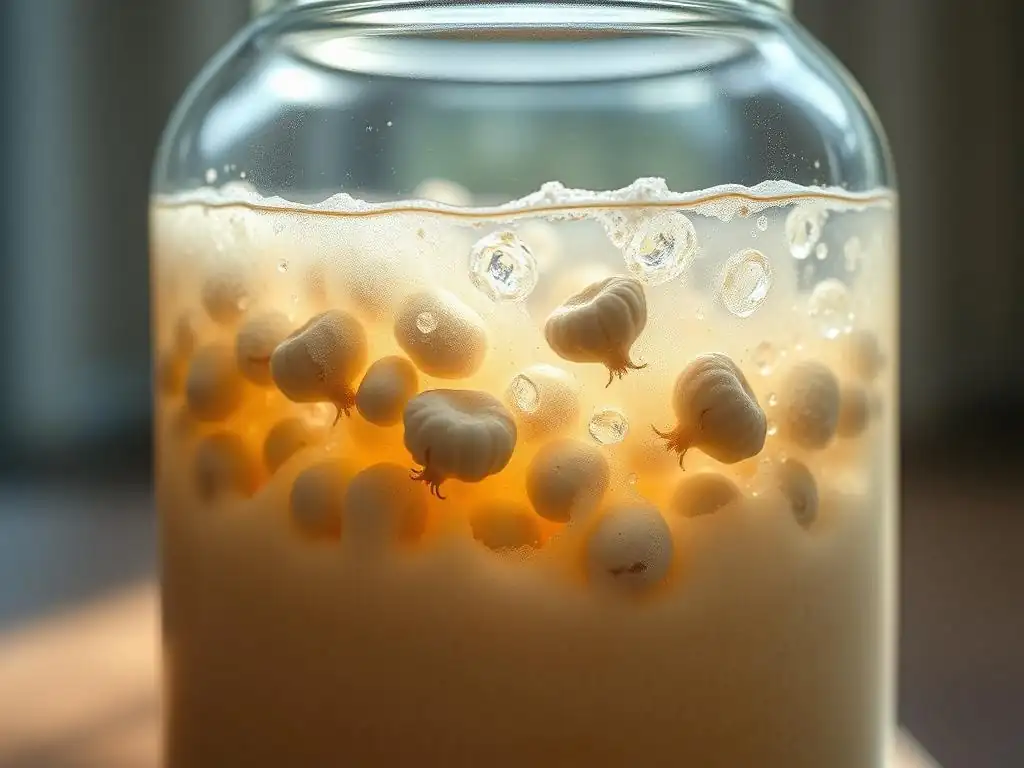
[Detailed Explanation of the Biochemical Processes Involved]
At a biochemical level, yeast cells actively transport minerals across their cell membranes using specific protein channels and pumps. For example, potassium ions are often transported via specific channels that help maintain the cell's electrical potential and regulate water balance. Phosphate is taken up and immediately incorporated into vital molecules like ATP and phospholipids. Iron is typically transported in its ferrous (Fe2+) or ferric (Fe3+) form and is essential for enzymes like cytochromes, which are involved in electron transport chains, even in the limited respiration that occurs in sourdough.
Once inside the cell, these minerals act as cofactors, binding to enzymes and enabling them to catalyze metabolic reactions. Magnesium, for instance, is required for the activity of hexokinase and phosphofructokinase, key enzymes in the glycolysis pathway that breaks down glucose into pyruvate, the first step in fermentation. Without sufficient magnesium, this process slows down.
Similarly, zinc is a cofactor for alcohol dehydrogenase, the enzyme that converts acetaldehyde to ethanol, one of the end products of fermentation. The availability and balance of these minerals directly influence the efficiency and rate of these critical metabolic processes, impacting the overall sourdough starter fermentation.
Achieving Consistent Results: Monitoring and Adjusting Your Sourdough Starter's Mineral and Water Intake
Maintaining a Fermentation Log: Tracking Key Variables
To truly master sourdough starter fermentation and achieve consistent results, keeping a fermentation log is invaluable. This isn't just about tracking rise times; it's about recording the variables that influence your starter's behavior, including details about your water and flour.
Your log should include:
- Date and time of feeding
- Temperature of the feeding environment
- Ratio of starter:flour:water (e.g., 1:1:1)
- Type of flour used (brand, type like bread, whole wheat, rye, blend)
- Type of water used (tap, filtered, spring water brand, boiled tap)
- Observations before feeding (smell, texture, hooch)
- Observations after feeding (time to peak, height achieved, bubble structure, aroma change, texture)
By diligently recording these details, especially the water and flour types, you can start to see patterns. For example, you might notice that your starter is consistently more active when fed with a specific brand of spring water compared to filtered tap water, or that incorporating rye flour alongside your usual bread flour leads to a faster peak. This data-driven approach allows you to make informed adjustments to your feeding routine, optimizing the mineral and water intake for your unique starter culture and leading to more predictable and successful sourdough starter fermentation.
Frequently Asked Questions
What role do minerals play in sourdough starter fermentation?
Minerals are essential nutrients for yeast and bacteria. They support healthy microbial activity and contribute to the overall fermentation process leading to a more flavorful sourdough.
How does the type of water used affect sourdough starter fermentation?
The type of water you use significantly impacts the starter's health. Chlorinated water can inhibit microbial activity, while spring or filtered water provides a better environment for fermentation.
Why is yeast so important for sourdough starter fermentation?
Yeast is the primary agent responsible for fermentation. It consumes sugars and produces carbon dioxide and other compounds that give sourdough bread its characteristic rise and flavor.
Can I use tap water for my sourdough starter?
It's generally not recommended to use tap water directly. You should let tap water sit out for 24 hours to allow chlorine to evaporate, or use filtered water to ensure optimal yeast activity and avoid hindering fermentation.
What are some key indicators of successful sourdough starter fermentation?
Signs of success include increased volume, the presence of bubbles, and a pleasantly sour aroma. These indicate that the yeast and bacteria are thriving and producing the desired fermentation byproducts.
Final Reflection: The Living Alchemy of Sourdough
The intricate dance of minerals, water, and yeast in sourdough fermentation remains as relevant today as it was centuries ago, a testament to the enduring power of natural processes in crafting exceptional food. Understanding these fundamental elements isn't just about baking a better loaf; it's about connecting with a tradition that transcends time and fosters a deeper appreciation for the living world within our kitchens.
The journey of cultivating a sourdough starter is a microcosm of life itself – a delicate ecosystem requiring patience, observation, and a willingness to adapt. It's a process that demands respect for the subtle interplay of nature's forces, reminding us of the interconnectedness of all things. The art of baking is the art of patience.
– This simple quote encapsulates the essence of sourdough fermentation, highlighting the need for careful nurturing and a deep understanding of the process. The subtle shifts in the starter's activity, the variations in its aroma and texture, all contribute to a unique and deeply rewarding experience.
Consider the implications of this knowledge. You now hold the key to unlocking the full potential of your sourdough starter, to crafting bread that is not only delicious but also reflects a deeper understanding of the natural world. Don't just bake a loaf; cultivate a relationship with the living organism that makes it possible.
Experiment with different water sources, explore the mineral content of your flour, and observe the subtle changes in your starter's behavior. The journey of sourdough fermentation is a lifelong learning experience, and each loaf you bake is a testament to your growing mastery of this ancient art.
Unleash the Power of Fermentation Today!
Thank you for diving into the fascinating world of fermentation with us! You've explored how minerals, water, and yeast collaborate to create delicious baked goods. Now, let’s put that knowledge into action and elevate your baking game!
Here are some simple yet impactful steps you can take right now:
- Experiment with your water: Try using mineral-rich water in your next recipe and notice the difference it makes in flavor and texture.
- Join our community: Share your fermentation journey and tips with fellow bakers! Join us on social media to connect with others hungry for knowledge.
- Discover new recipes: Challenge yourself by selecting a new bread or pastry recipe that emphasizes fermentation. Embrace the adventure and revel in the results!
What unique ingredients or techniques will you explore next to enhance your fermentation process?