
The Unsung Hero of Your Kitchen: Mastering Emulsification for Better Bakes

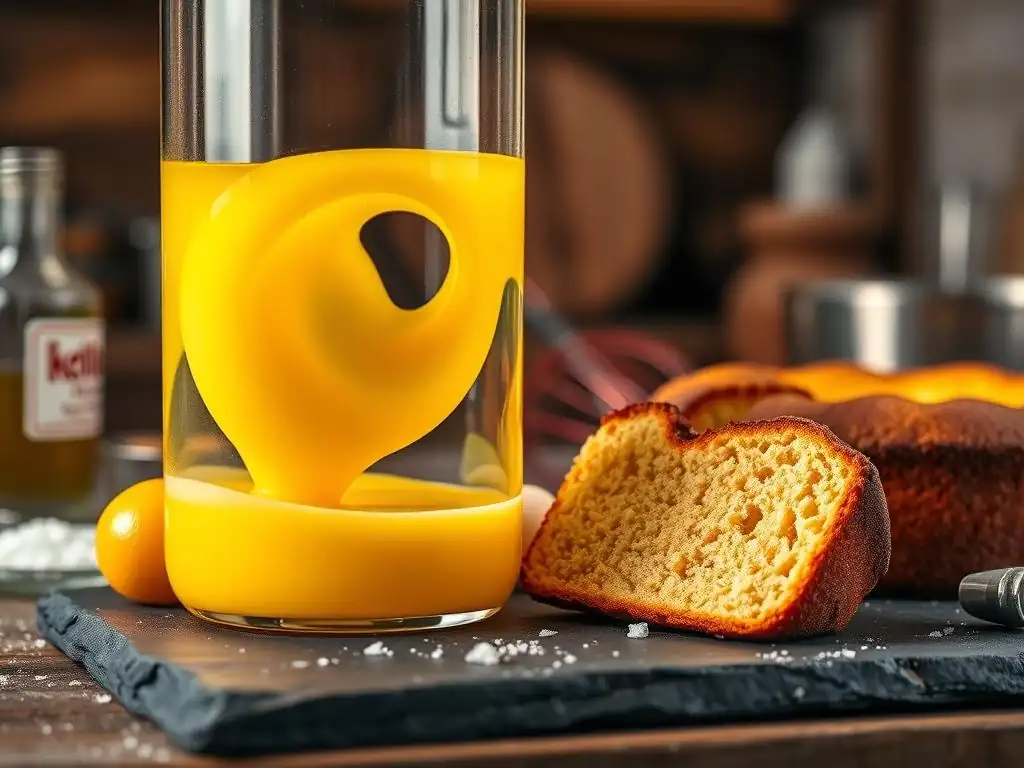
Welcome to BakeWithEase, where we unlock the secrets to baking brilliance! Ever wondered why some cakes are impossibly light and others fall flat? The answer might lie in a process you’ve likely heard of, but perhaps haven't fully mastered: emulsification. Dive in and discover how mastering emulsification baking techniques can transform your recipes from good to extraordinary. Prepare to unlock a new level of flavor and texture – your baking journey is about to get a whole lot easier (and tastier! ).
- Mastering Emulsification for Baking: Achieving Perfect Texture and Stability
- Understanding Emulsification in Baking: The Foundation for Success
- Essential Emulsification Techniques for Home Bakers
- Ingredients and Their Role in Emulsification
- Troubleshooting Emulsification Problems
- Recipes That Showcase Emulsification
- Tips and Tricks for Mastering Emulsification
- Advanced Emulsification Techniques
- Conclusion: Elevate Your Baking with Emulsification
-
Frequently Asked Questions
- What is emulsification in baking, and why is it so important?
- How does emulsification affect the texture of baked goods?
- What are some common emulsification baking techniques recipes use?
- Can you give an example of a recipe where emulsification is particularly important?
- What happens if emulsification fails in a baking recipe?
- Final Reflection: The Transformative Power of Emulsification in Baking
- Unlock Your Baking Potential: Master the Art of Emulsification!
Mastering Emulsification for Baking: Achieving Perfect Texture and Stability
Understanding Emulsification in Baking: The Foundation for Success
What is Emulsification and Why is it Crucial for Baking?
Emulsification is a fundamental process in baking where two immiscible liquids, typically oil and water, are combined to form a stable mixture. Think of it as forcing tiny droplets of one liquid to suspend evenly within another. In baking, this often involves dispersing fat (like butter or oil) throughout a water-based liquid (like milk, eggs, or water).
Without effective emulsification, ingredients would separate, leading to greasy, dense, or unevenly textured baked goods. Mastering emulsification baking techniques recipes is key to achieving the desired light, airy, and consistent results that bakers strive for. It ensures that moisture and fat are distributed uniformly throughout the batter or dough, contributing significantly to tenderness, flavor, and shelf life.
Consider a simple cake batter. It contains fat (butter/oil), water (milk/eggs/water), sugar, flour, and leavening. For a fluffy cake, the fat needs to be evenly dispersed within the liquid components.
This dispersion creates tiny pockets that trap air during mixing and expand during baking, contributing to the cake's structure and volume. If the emulsification fails, the fat might separate, resulting in a heavy, greasy layer at the bottom of the cake or an unpleasantly oily texture. Proper emulsification baking techniques recipes, therefore, are not just about mixing ingredients; they are about creating a stable, integrated structure that yields superior texture and consistency in the final product.
The Science Behind Emulsification: How it Impacts Baked Goods' Structure
At a microscopic level, emulsification in baking involves creating micelles or droplets of one liquid suspended in another. This is often facilitated by emulsifiers, which are molecules that have both hydrophilic (water-attracting) and lipophilic (fat-attracting) parts. These molecules position themselves at the interface between the oil and water phases, lowering the surface tension and preventing the droplets from coalescing and separating. In baked goods, this stable dispersion of fat and water influences gluten development, starch gelatinization, and protein coagulation during baking.
For example, fat droplets dispersed throughout a batter can coat gluten strands, inhibiting their development. This is desirable in cakes and pastries where a tender, crumbly texture is preferred over the chewy texture of bread. Without good emulsification, large pockets of fat could interfere unevenly, leading to inconsistent texture.
Furthermore, the distribution of moisture, facilitated by emulsification, affects starch gelatinization, which is crucial for setting the structure of baked goods. Understanding the science behind emulsification baking techniques recipes helps bakers troubleshoot issues and predict how ingredient ratios and mixing methods will affect the final outcome, from the height of a soufflé to the tenderness of a scone.
Oil and Water: Overcoming Incompatibility in Baking Recipes
The classic challenge in emulsification is combining oil and water, which naturally repel each other. In baking, this challenge is met through mechanical action (like whisking or beating) and the use of emulsifying agents present in ingredients. Think about mayonnaise, a classic example of an oil-in-water emulsion stabilized by egg yolks. Similarly, in baking, ingredients like eggs, milk, and even flour contain natural emulsifiers that help bridge the gap between fat and water.
Overcoming the incompatibility of oil and water requires careful consideration of ingredient temperatures, mixing speed, and the order of ingredient addition. For instance, adding liquids gradually to creamed butter and sugar allows the emulsifiers in the butter (lecithin, diglycerides) and eggs (lecithin, lipoproteins) to form a stable bond with both the fat and the liquid, preventing separation.
If liquids are added too quickly, the emulsifiers can become overwhelmed, leading to a broken emulsion where the fat separates out. Mastering these aspects of emulsification baking techniques recipes is vital for achieving smooth batters and doughs that bake up consistently and beautifully.
Essential Emulsification Techniques for Home Bakers
Creaming Method: Achieving Light and Airy Cakes
The creaming method is a cornerstone of cake baking, and it's fundamentally an emulsification process combined with aeration. It begins by beating softened butter (fat) with sugar until the mixture is lightened in color and fluffy in texture. This step not only dissolves some sugar but, more importantly, incorporates tiny air bubbles into the fat. These air bubbles are crucial for leavening. Eggs are then added gradually, and this is where significant emulsification occurs. The lecithin in the egg yolks helps to emulsify the fat with the liquid from the eggs and eventually the milk or buttermilk added later.
A well-executed creaming method results in a stable emulsion capable of holding a significant amount of liquid and dry ingredients without separating. For example, a standard 8-inch yellow cake recipe using the creaming method might start with creaming 1 cup (227g) of butter with 1.5 cups (300g) of sugar for 5-7 minutes until visibly lighter. Then, 3 large eggs (about 150-180g) are added one at a time, beating well after each addition.
This gradual addition allows the egg's emulsifiers to work effectively, creating a stable base before alternating the addition of dry ingredients (flour, baking powder, salt) and wet ingredients (milk, vanilla). This careful process is key to achieving the characteristic fine crumb and tender texture of cakes made with this emulsification baking technique.
Reverse Creaming Method: For Tender and Moist Cakes
The reverse creaming method flips the traditional order, starting by mixing the dry ingredients (flour, sugar, leavening, salt) with softened butter until the mixture resembles coarse sand or fine crumbs. In this technique, the fat coats the flour particles before any liquid is added. This coating inhibits gluten development, resulting in a more tender cake texture. Liquids, usually containing eggs and dairy, are then added in one or two additions, mixed just until combined.
This method relies on the fat surrounding the flour particles to facilitate emulsification when the liquids are introduced. The fat helps disperse the liquid throughout the dry ingredients, creating a stable batter with minimal mixing, thus further limiting gluten formation. Reverse creaming is often favored for cakes where tenderness is paramount, such as those made with cake flour.
While it might not incorporate as much air initially as the traditional creaming method, the emulsification is highly effective at distributing moisture and fat evenly, leading to a moist and velvety crumb. For instance, a reverse creamed vanilla cake might mix 2.5 cups (313g) cake flour, 1.5 cups (300g) sugar, 1 tsp baking powder, and 0.5 tsp salt with 1 cup (227g) softened butter until crumbly, before adding a mixture of 4 large eggs (approx.
200-240g) and 1 cup (240ml) milk. This sequence highlights how the emulsification process differs, prioritizing fat distribution over initial aeration.
Blending Method: Emulsifying Fats for Quick Breads
The blending method, often used for muffins, loaves, and some cookies, is the simplest approach to emulsification in baking. It involves mixing all the dry ingredients in one bowl and all the wet ingredients (including melted fat or oil) in another. The wet ingredients are then added to the dry ingredients and mixed just until combined. Emulsification happens rapidly as the liquid and melted fat are incorporated into the flour mixture.
In this method, the emulsifiers present in eggs and milk, along with the mechanical action of mixing, are responsible for creating the emulsion. Since melted fats or oils are used, they are already in a liquid state, making them easier to disperse throughout the batter. However, overmixing is a common pitfall as it can lead to excessive gluten development.
The key is to mix just enough to hydrate the flour and distribute the fat and moisture evenly, creating a stable, albeit less aerated, emulsion compared to the creaming method. A typical muffin recipe using the blending method might combine 1.5 cups (188g) flour, 0.5 cup (100g) sugar, 2 tsp baking powder, and 0.25 tsp salt. In a separate bowl, whisk together 1 large egg (approx.
50-60g), 1 cup (240ml) milk, and 0.25 cup (60ml) melted butter or oil. The wet are then added to the dry and mixed briefly. This demonstrates the rapid emulsification and minimal mixing characteristic of this efficient emulsification baking technique.
Ingredients and Their Role in Emulsification
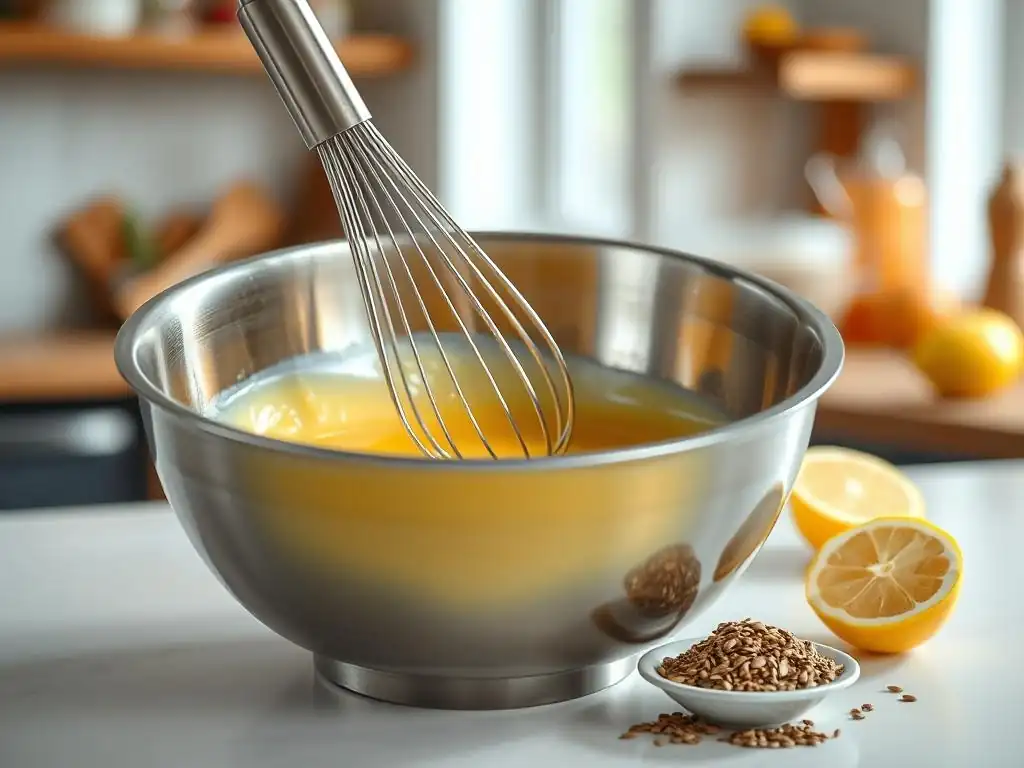
The Power of Eggs: Natural Emulsifiers in Baking
Eggs are one of nature's most potent emulsifiers, particularly the yolks. Egg yolks contain lecithin, a phospholipid that is highly effective at stabilizing emulsions. Lecithin has a unique structure with a hydrophilic head and a hydrophobic tail, allowing it to surround fat droplets and keep them suspended in water-based liquids. This makes eggs invaluable in recipes requiring stable emulsions, from custards and sauces to cakes and enriched breads.
Beyond lecithin, egg yolks also contain lipoproteins, which further contribute to their emulsifying capabilities. When eggs are incorporated into batters or doughs, their emulsifying action helps distribute fat evenly, contributes to a smoother texture, prevents separation, and aids in trapping air, which is essential for leavening. The quantity and temperature of eggs used can significantly impact emulsification. Using eggs at room temperature, for instance, helps them incorporate more easily and form a stronger emulsion than cold eggs. This natural power makes eggs a key ingredient in many emulsification baking techniques recipes, providing both structure and stability.
Fats and Oils: Impacting Flavor and Emulsion Stability
Fats and oils are primary components of the disperse phase (the droplets) in most baking emulsions. The type of fat used—be it butter, oil, shortening, or margarine—affects not only the flavor and texture of the final product but also the stability of the emulsion. Solid fats like butter and shortening contain naturally occurring emulsifiers (like diglycerides and monoglycerides) that help stabilize emulsions, especially when creamed with sugar. Butter, with its water content (typically around 16-18%), is itself an emulsion, which further influences how it interacts with other ingredients.
Liquid oils, while easier to incorporate initially, contain fewer natural emulsifiers than solid fats and rely more heavily on other ingredients like eggs or added emulsifiers for stability. The melting point of the fat also plays a role; fats that are solid at room temperature contribute to structure and flakiness (as in pastries), while liquid fats tend to produce a more tender and moist crumb (as in muffins).
Understanding the properties of different fats is crucial for selecting the right one for a specific emulsification baking technique recipe to achieve the desired outcome in terms of texture, moisture, and stability.
Dairy Products: Contributing to Emulsion and Moisture
Dairy products like milk, buttermilk, yogurt, and cream play a dual role in baking emulsions. They provide the continuous water-based phase in many batters and doughs, and they also contain proteins and phospholipids that act as emulsifiers. Caseins and whey proteins in milk, for example, can help stabilize fat dispersions. The fat content in dairy also contributes to the richness and tenderness of baked goods.
Buttermilk and yogurt, with their higher acidity, can further enhance emulsification and contribute to a finer crumb by reacting with leavening agents. The phospholipids found in the milk fat globule membrane also possess emulsifying properties. When dairy is incorporated correctly into a batter, it helps to create a smooth, homogenous mixture, ensuring even distribution of moisture and fat. This even distribution, facilitated by the emulsifying properties of dairy, is essential for achieving consistent texture and preventing dryness in the final product. Incorporating dairy correctly is an important step in many emulsification baking techniques recipes.
Lecithin and Other Emulsifiers: Enhancing Stability
While eggs and dairy provide natural emulsification, bakers sometimes use added emulsifiers to enhance stability, improve texture, and extend shelf life. Lecithin, often derived from soybeans or sunflowers, is a common commercial emulsifier widely used in baking mixes and products like chocolate. It's a powerful phospholipid that helps create and stabilize oil-in-water emulsions.
Other common emulsifiers include monoglycerides and diglycerides, often added to commercial baked goods to improve crumb structure, softness, and volume. Polysorbates are another class of emulsifiers used to stabilize whipped toppings and icings.
While home bakers primarily rely on the emulsifying power of natural ingredients like eggs and butter, understanding the role of these isolated emulsifiers provides insight into how industrial baking achieves certain textures and stabilities. For instance, the smooth texture of commercially produced cake mixes or the stability of store-bought frosting often owes a debt to the inclusion of these specific emulsifying agents, complementing the natural emulsification baking techniques recipes used.
Troubleshooting Emulsification Problems
Identifying Common Emulsification Issues: Curdling and Separation
One of the most frustrating issues in baking is a broken emulsion, often appearing as curdling or separation. This happens when the fat and water phases, which were initially mixed together, begin to separate. In a cake batter made using the creaming method, this might look like the mixture becoming lumpy or greasy, with visible pockets of liquid separating from the fat. This often occurs when adding eggs or liquid ingredients to the creamed butter and sugar.
Common causes include adding ingredients that are too cold, adding liquids too quickly, or overmixing (or undermixing) at critical stages. If the batter curdles, it means the emulsifiers (primarily from the eggs and butter) have been overwhelmed and can no longer keep the fat and water dispersed. A curdled batter will likely result in a dense, greasy, and unevenly textured baked good because the fat is not evenly distributed to tenderize the crumb or trap air efficiently. Recognizing these signs early is the first step in applying corrective emulsification baking techniques recipes.
Fixing Broken Emulsions: Rescue Techniques
While preventing separation is ideal, it's often possible to rescue a broken emulsion. If a batter curdles during the addition of eggs or liquid, try adding a small amount of dry ingredient, such as a tablespoon or two of the flour from the recipe. Whisk gently but firmly. The starch in the flour can help absorb some of the excess liquid and provide structure for the emulsion to re-form. Ensure all ingredients are at room temperature before you start adding them.
Another technique is to warm the mixture very gently over a double boiler while whisking continuously. The gentle heat can help the fat re-melt slightly and allow the emulsifiers to re-engage with both phases. Be extremely cautious not to overheat, as this can cook the eggs. Alternatively, sometimes simply continuing to mix at a moderate speed will allow the emulsion to come back together, especially if the separation was minor. Practice with these rescue emulsification baking techniques recipes can save a seemingly ruined batter.
Preventing Emulsification Failures: Tips for Consistency
Consistency in emulsification baking techniques recipes starts with careful preparation and attention to detail. The most crucial tip is ensuring all ingredients, especially fats, eggs, and dairy, are at room temperature unless the recipe specifically states otherwise. Room temperature ingredients emulsify much more readily than cold ones. For example, butter should be soft enough to indent easily with your finger, but not melted. Eggs should feel neutral to the touch, not cold from the refrigerator.
Adding liquids gradually is another key preventative measure. When adding eggs to creamed butter and sugar, add them one at a time, beating well after each addition until fully incorporated before adding the next. Similarly, when alternating dry and wet ingredients, add them in small increments. Avoid overmixing once the dry ingredients are added, as this can develop gluten unnecessarily and disrupt the delicate emulsion structure built earlier. By following these simple rules, you significantly increase your chances of achieving stable and successful emulsions in your baking.
Recipes That Showcase Emulsification
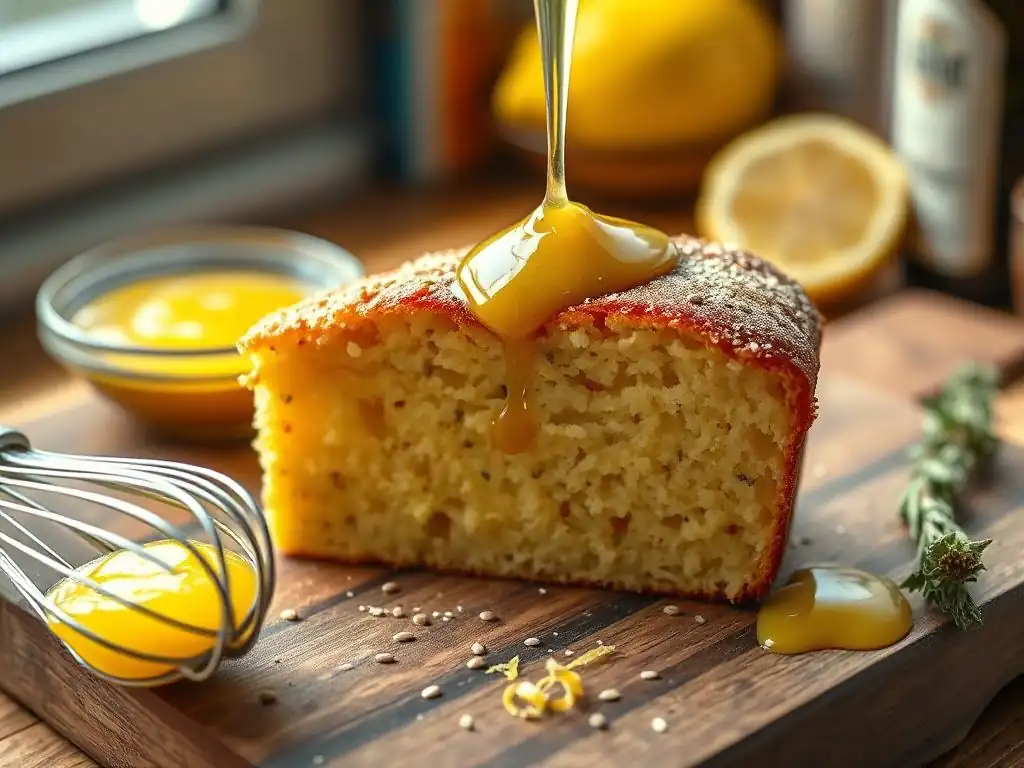
Classic Vanilla Cake: Demonstrating the Creaming Method
A classic vanilla cake is a perfect example of the creaming method showcasing effective emulsification. The recipe typically calls for creaming softened butter and sugar until light and fluffy. This step incorporates air and begins the emulsification process, aided by the natural emulsifiers in butter. Eggs are then added gradually, their lecithin powerfully binding the fat and liquid. Finally, alternating additions of dry and wet ingredients (like flour and milk) are carefully folded in.
The success of the vanilla cake's fine, tender crumb and even texture relies heavily on the stability of the emulsion created during the creaming and ingredient incorporation stages. A well-emulsified batter will be smooth and homogenous, holding its structure as it bakes. For instance, a recipe using 1 cup (227g) butter, 1.5 cups (300g) sugar, 3 large eggs (approx.
150-180g), 1 cup (240ml) milk, and 2 cups (250g) flour demonstrates the balanced ratios needed for a stable emulsion using the creaming method. Following the specific mixing times and temperatures outlined in such emulsification baking techniques recipes is crucial for success.
Chocolate Chip Muffins: Utilizing the Blending Method
Chocolate chip muffins are a prime example of the blending method, where emulsification occurs quickly with melted fat. The recipe involves mixing dry ingredients (flour, sugar, baking powder, salt, chocolate chips) and wet ingredients (egg, milk, melted butter or oil, vanilla) separately before combining them just until blended. The melted fat or oil is easily dispersed throughout the liquid mixture and then into the dry ingredients.
Although less air is incorporated compared to the creaming method, the emulsification ensures that the fat and moisture are evenly distributed, resulting in a tender and moist muffin. Overmixing is the main risk, leading to tough muffins. A typical recipe might use 1 large egg (approx. 50-60g), 1 cup (240ml) milk, and 0.5 cup (120ml) melted butter or oil whisked together before adding to the dry mix containing 2 cups (250g) flour. The melted fat's liquid state facilitates quick emulsification with the egg and milk, making this one of the simpler emulsification baking techniques recipes.
Crème brûlée: Highlighting Egg Yolk Emulsification
Crème brûlée, a rich custard, beautifully illustrates the emulsifying power of egg yolks. The base is a simple mixture of heavy cream, sugar, and egg yolks, often flavored with vanilla. When the cream is heated and slowly whisked into the egg yolks (tempering), the heat gently cooks the yolks while their lecithin works to emulsify the fat from the cream with the liquid from the yolks.
This process creates a smooth, stable emulsion that thickens into a delicate custard when baked. The high proportion of egg yolks (often 6-8 yolks for 2 cups/480ml of cream) provides ample lecithin for robust emulsification. Without proper tempering and gentle heating, the emulsion could break, resulting in a curdled texture rather than a smooth custard. Crème brûlée is a classic example of how precise temperature control and the emulsifying properties of egg yolks are critical in certain emulsification baking techniques recipes.
Tips and Tricks for Mastering Emulsification
Temperature Control for Successful Emulsification
Controlling ingredient temperatures is perhaps the single most important factor in achieving stable emulsions in baking. As mentioned, room temperature ingredients emulsify much more effectively than cold ones. Cold fats are hard and don't disperse well, while cold liquids can shock a creamed mixture, causing it to curdle. Aim for ingredients to be around 68-72°F (20-22°C).
For instance, if a recipe calls for softened butter, take it out of the refrigerator 1-2 hours beforehand. Eggs can be brought to room temperature quickly by placing them in a bowl of warm water for 5-10 minutes. Milk and other dairy products should also sit out for about 30-60 minutes. This simple step dramatically improves the chances of successful emulsification across a wide range of emulsification baking techniques recipes, leading to smoother batters and better-textured baked goods.
Proper Mixing Techniques: Speed and Incorporation
The way you mix ingredients is just as important as their temperature. For methods like creaming, start at a low speed to incorporate ingredients and then increase to medium speed to build the emulsion and incorporate air. Over-beating after adding liquids can sometimes break a fragile emulsion, while under-beating might not allow the emulsifiers enough time to work.
When adding liquids to fats, add them slowly and gradually, allowing each addition to be fully incorporated before adding more. This gives the emulsifiers time to stabilize the mixture. For blending methods, mix just until the dry ingredients are moistened; lumps are acceptable. Vigorous or prolonged mixing in quick breads develops gluten and can disrupt the emulsion, leading to toughness. Learning the appropriate mixing speed and duration for different emulsification baking techniques recipes is key to mastering them.
Storage and Handling: Maintaining Emulsion Stability
Even after baking, the emulsion structure within a baked good continues to influence its quality and shelf life. A well-emulsified cake, for instance, will retain moisture better and stay fresh longer because the fat is evenly distributed, preventing moisture loss. Storing baked goods properly, such as in airtight containers at room temperature (unless they contain perishable fillings), helps maintain their internal structure and prevents them from drying out.
Handling baked goods gently, especially delicate cakes and muffins, also helps preserve their tender crumb, which is a result of successful emulsification and proper structure development during baking. While the emulsion is set by the heat of the oven, its integrity contributes to the overall quality and stability of the final product over time. Understanding how initial emulsification baking techniques recipes impact the finished item's keeping qualities is part of becoming a skilled baker.
Advanced Emulsification Techniques
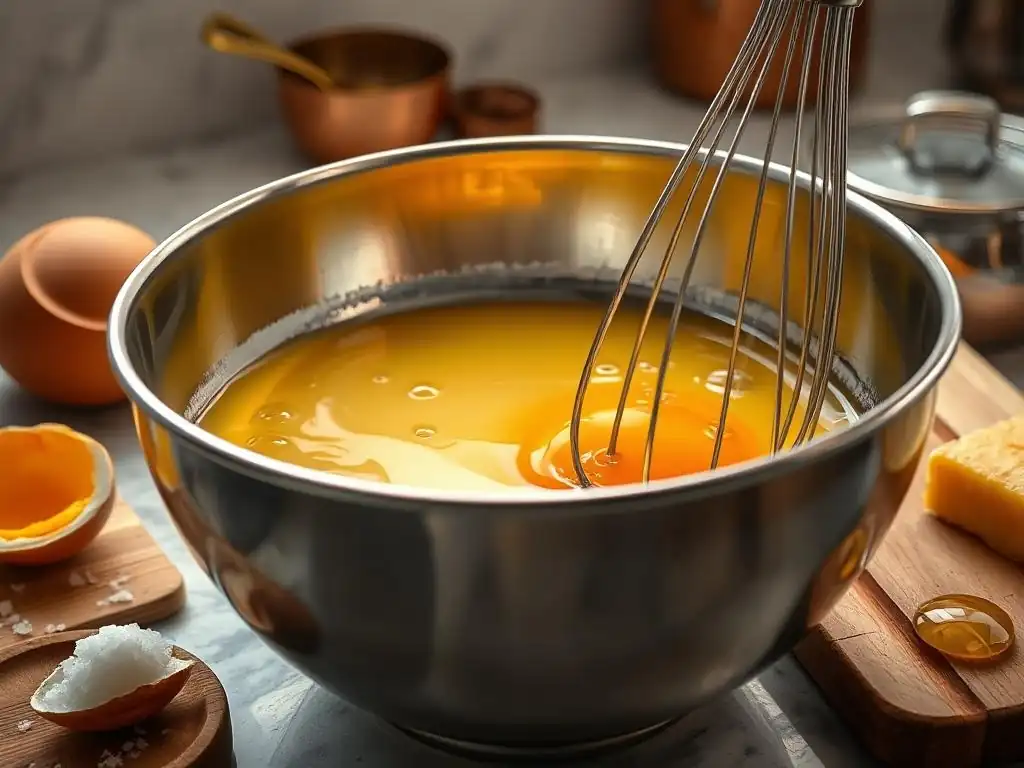
Incorporating Hydrocolloids for Enhanced Stability
Hydrocolloids, such as xanthan gum, guar gum, and agar-agar, are ingredients that can significantly enhance the stability of emulsions, particularly in gluten-free baking or recipes with a high liquid content. These substances are hydrophilic (water-loving) and form viscous gels when hydrated, which helps to thicken the continuous phase (water) of an emulsion. This increased viscosity makes it harder for the dispersed fat droplets to move around, collide, and coalesce, thus preventing separation.
In gluten-free baking, where the structural network of gluten is absent, hydrocolloids often play a vital role in binding ingredients and stabilizing emulsions. For example, adding just 0.25 to 0.5% xanthan gum by weight of flour in a gluten-free cake recipe can dramatically improve the batter's structure, moisture distribution, and the final cake's crumb texture and stability by enhancing the emulsification. While not traditionally part of classic emulsification baking techniques recipes, hydrocolloids offer powerful tools for modern bakers tackling specific challenges or seeking maximum stability.
Emulsifying Chocolate Ganache
Chocolate ganache is a classic example of a fat-in-water emulsion, typically made from chocolate and heavy cream. When hot cream is poured over chopped chocolate and whisked, the cocoa butter (fat) from the chocolate is dispersed into the water-based cream. Lecithin, naturally present in chocolate (especially if soy lecithin is added as an ingredient), acts as the primary emulsifier, stabilizing the mixture.
Achieving a smooth, stable ganache requires the right ratio of chocolate to cream and careful mixing. If the ganache breaks (becomes greasy or separates), it means the emulsion has failed, often due to incorrect temperatures (too hot or too cold) or overmixing. Rescuing a broken ganache often involves gently reheating it and whisking in a small amount of hot milk or cream to re-establish the emulsion. Mastering ganache is a practical application of emulsification baking techniques recipes focused on fats and liquids.
Using Immersion Blenders for Smooth Emulsions
For certain applications, particularly sauces, custards, or smooth batters where maximum emulsification and smoothness are desired, an immersion blender can be a highly effective tool. The high-speed blades create intense shear forces that break down fat droplets into very fine particles, dispersing them uniformly throughout the liquid phase and creating a highly stable emulsion.
While not typically used for creaming butter and sugar for cakes, an immersion blender can be excellent for making smooth chocolate ganache, blending a custard base before baking, or creating stable vinaigrettes used in savory baking applications like bread salads or marinades for focaccia toppings. The key is to use the blender correctly, often tilting it slightly to avoid incorporating too much air and moving it up and down to ensure all ingredients are processed. Using an immersion blender is an advanced technique for achieving superior smoothness and stability in specific emulsification baking techniques recipes.
Conclusion: Elevate Your Baking with Emulsification
Frequently Asked Questions
What is emulsification in baking, and why is it so important?
Emulsification is the process of combining two liquids that don't normally mix well, like oil and water. It's crucial in baking for creating a smooth and stable mixture, leading to a better texture and overall quality in your baked goods.
How does emulsification affect the texture of baked goods?
Proper emulsification results in a finer crumb and a more tender, moist texture. When ingredients are properly combined, it prevents the formation of large air pockets, which can lead to a tough or uneven bake.
What are some common emulsification baking techniques recipes use?
Recipes often use techniques like creaming butter and sugar together or gradually adding liquid ingredients to dry ingredients while mixing continuously. These methods help to create a stable emulsion.
Can you give an example of a recipe where emulsification is particularly important?
Emulsification is vital in recipes like cakes, especially those with a high fat content. A well-emulsified cake batter results in a lighter, more evenly textured cake that rises properly.
What happens if emulsification fails in a baking recipe?
If emulsification fails, the mixture may separate, resulting in a greasy or oily texture, and the baked good may not rise properly. The final product could also be dense, uneven, or have a poor flavor.
Final Reflection: The Transformative Power of Emulsification in Baking
Understanding emulsification isn't just about achieving a smooth batter; it's the key to unlocking the full potential of your baking. A seemingly simple process, mastering this technique elevates your baking from good to extraordinary, resulting in textures and flavors that are simply unmatched. This understanding translates directly to consistently delicious results, every single time you bake.
The impact of emulsification extends far beyond the individual kitchen. It's a fundamental principle that underpins countless baking techniques, influencing the very texture and taste of the foods we enjoy. From the airy lightness of a perfect soufflé to the rich, creamy mouthfeel of a decadent chocolate cake, emulsification is the silent architect of culinary delight. The art of baking is a science, and understanding the science is the key to mastering the art.
– This quote, while not directly about emulsification, perfectly encapsulates the importance of understanding the underlying principles of baking, of which emulsification is a crucial part.
Now, consider your own baking journey. What recipes have you struggled with? Where might a deeper understanding of emulsification improve your results? I encourage you to experiment, to explore the subtle nuances of oil and water, and to witness firsthand the transformative power of this often-overlooked technique. Don't just follow recipes; understand them. Embrace the science, and unlock the artistry within your own kitchen. The rewards – delicious, consistently perfect bakes – are well worth the effort.
Unlock Your Baking Potential: Master the Art of Emulsification!
Thanks for diving into the world of emulsification – we hope you now feel empowered to create richer, smoother, and more delicious baked goods! Ready to put your new knowledge into practice?
- Whip up your favorite recipe, paying close attention to the emulsification process. Notice the difference! This is your chance to see the theory in action.
- Share your baking triumph (or even your baking mishaps!) with fellow baking enthusiasts on our BakeWithEase community forum. We'd love to see what you create!
- Experiment with a new recipe that specifically highlights emulsification, like aioli or hollandaise sauce (unexpected, right?). Challenge yourself!
What incredible creation will you emulsify your way to today?