
Beyond the Rise: Aromatic Compounds from Fermentation

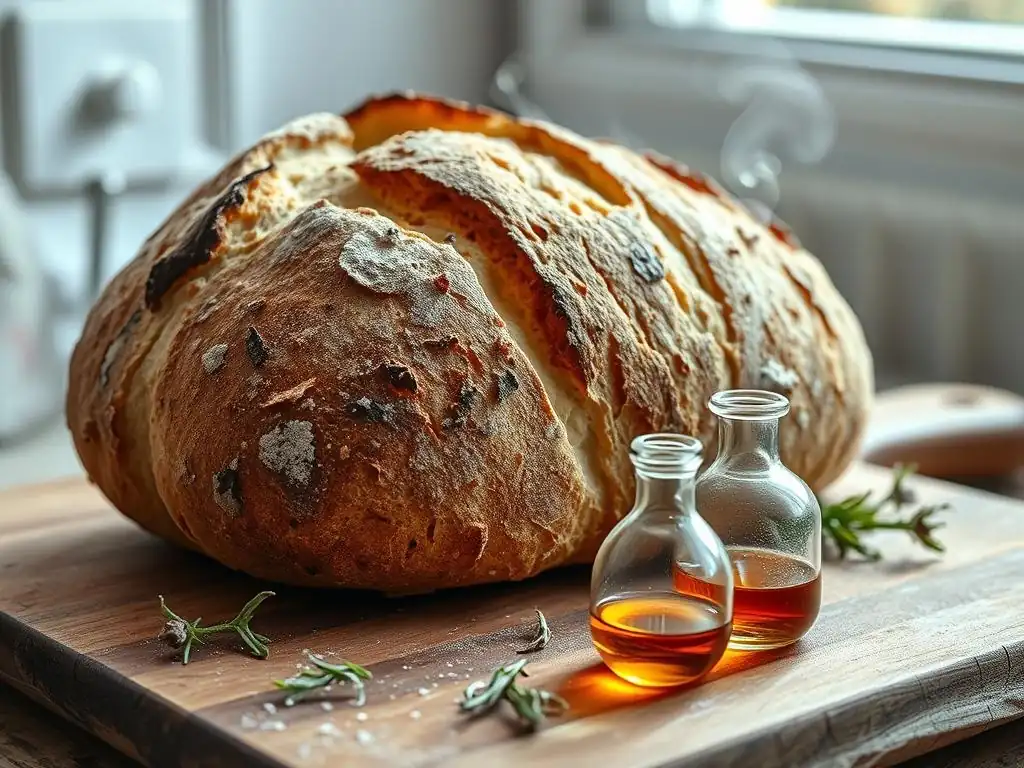
Welcome to BakeWithEase, your kitchen companion for all things baking! Ever wondered what creates that intoxicating scent of freshly baked bread? Dive deep with us as we explore the fascinating world of sourdough fermentation aroma development. Prepare to unlock the secrets behind those captivating flavors and learn how to coax the most delicious smells from your starter. What transformative processes are at play? Let's find out!
- Beyond the Rise: Aromatic Compounds from Fermentation in Sourdough Baking
- Understanding Sourdough Fermentation Aroma Development
- The Science Behind Sourdough Aroma Compounds
- Optimizing Sourdough Fermentation for Enhanced Aroma
- Sourdough Baking and Aroma Perception
- The Future of Sourdough Aroma Research
- Conclusion: Elevating Your Baking with Sourdough Aroma Mastery
-
Frequently Asked Questions
- What role does fermentation play in sourdough's aroma?
- Which microorganisms are responsible for aroma development in sourdough?
- How does fermentation time affect the aroma of sourdough?
- What factors influence the rate of fermentation and, consequently, the aroma?
- Can I control the aroma of my sourdough during fermentation?
- Final Reflection: The Enduring Allure of Sourdough's Aromatic Symphony
- Unlock the Flavor: Elevate Your Baking with Fermentation
Beyond the Rise: Aromatic Compounds from Fermentation in Sourdough Baking
Understanding Sourdough Fermentation Aroma Development
The Crucial Role of Fermentation in Flavor Creation
Fermentation is the heart and soul of sourdough baking, going far beyond merely leavening the dough. It's a complex biochemical process driven by wild yeasts and lactic acid bacteria (LAB) present in the sourdough starter. These microorganisms consume sugars in the flour and produce a myriad of metabolic byproducts, including gases like carbon dioxide (which causes the dough to rise), organic acids, alcohol, and various volatile organic compounds. It is this intricate interplay of microbial activity and the resulting byproducts that lays the foundation for the unique and coveted sourdough fermentation aroma development.
Think of fermentation as the flavor factory in your kitchen. While commercial yeast primarily produces carbon dioxide and ethanol, the diverse community in a sourdough starter, particularly the LAB, generates a much wider spectrum of compounds. This microbial symphony results in a richer, more nuanced flavor profile and contributes significantly to the distinctive tang, complexity, and depth that differentiate sourdough bread from loaves made with commercial yeast. The specific blend of aromas is a direct result of the starter's health, the ingredients used, and the environmental conditions during fermentation.
Linking Sourdough Starter Activity to Aromatic Complexity
The vitality and microbial balance within your sourdough starter directly influence the resulting aroma complexity of your bread. A healthy, active starter, typically maintained through regular feeding, harbors a thriving population of both wild yeasts (primarily Saccharomyces cerevisiae) and various strains of lactic acid bacteria (such as Lactobacillus and Pediococcus species). The ratio and specific types of these microorganisms fluctuate based on feeding frequency, temperature, and flour type, leading to variations in the types and quantities of aromatic compounds produced during bulk fermentation and proofing.
For instance, a starter kept at warmer temperatures (around 28-30°C) tends to favor lactic acid bacteria, potentially leading to a more pronounced sourness and specific aroma profiles associated with their metabolism. Conversely, cooler temperatures (around 20-24°C) often allow yeasts to be more active relative to some LAB strains, potentially resulting in higher ethanol production and different ester profiles, impacting the overall sourdough fermentation aroma development. The state of your starter – whether it's peaking, just fed, or a bit sluggish – provides clues about its microbial activity and, consequently, the potential aroma profile it will impart to your dough.
The Science Behind Sourdough Aroma Compounds
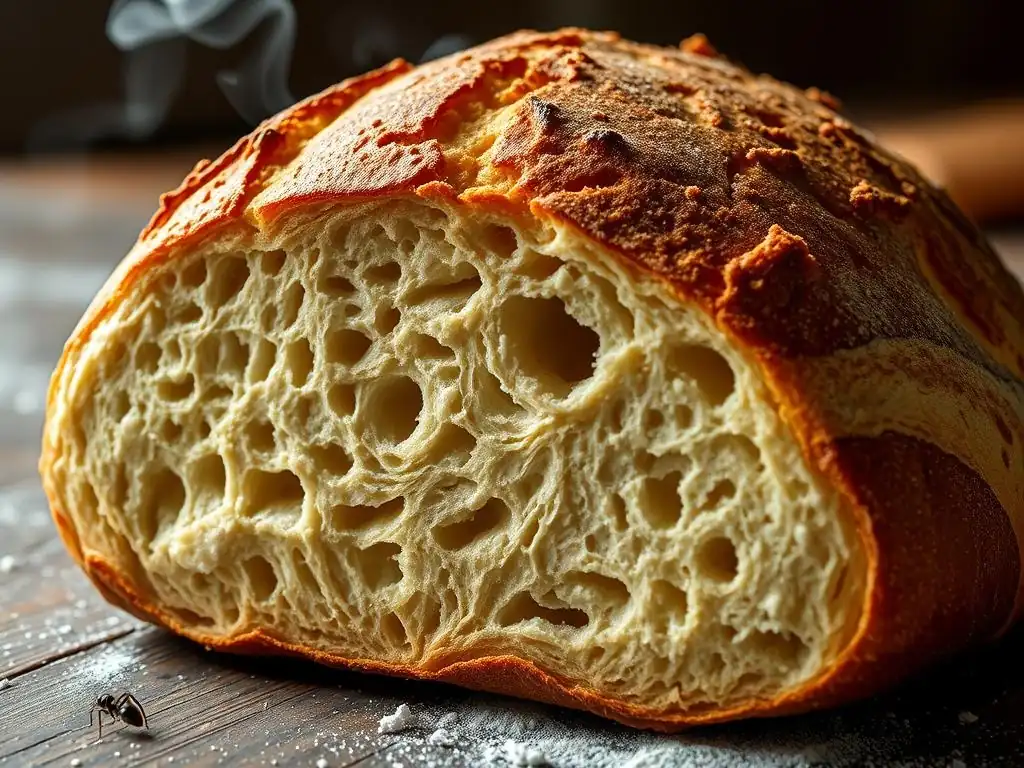
Key Aromatic Compounds Produced During Sourdough Fermentation
The delightful aroma of freshly baked sourdough is the result of a complex cocktail of volatile organic compounds produced during fermentation. While hundreds of compounds have been identified, a few key players dominate the sensory experience. Understanding these helps bakers better control and predict the final outcome of their sourdough fermentation aroma development.
Let's delve into some of the primary contributors:
Acetic Acid: Contributing Sharpness and Tang
Acetic acid, the same compound found in vinegar, is a major contributor to the characteristic tang and pungent aroma of sourdough. It is primarily produced by heterofermentative lactic acid bacteria, which produce lactic acid, acetic acid, and carbon dioxide from sugars. The amount of acetic acid produced is significantly influenced by temperature and fermentation time; cooler temperatures and longer fermentation periods tend to favor higher acetic acid levels compared to lactic acid.
While lactic acid contributes a milder, creamy sourness, acetic acid provides a sharper, more volatile tang that is easily perceived by smell. A sourdough with a prominent vinegary note often indicates a higher concentration of acetic acid relative to lactic acid. Achieving the right balance between these two acids is crucial for a pleasing sourdough flavor profile, as excessive acetic acid can make the bread taste overly sharp or vinegary.
Lactic Acid: The Source of Creamy Notes
Lactic acid is the most abundant organic acid in sourdough and is produced by both homofermentative and heterofermentative lactic acid bacteria. Homofermentative LAB primarily produce lactic acid from sugars, while heterofermentative LAB produce lactic acid along with acetic acid and CO2. Lactic acid contributes a clean, mellow, and often described as "creamy" sourness to the sourdough flavor profile.
Unlike acetic acid, lactic acid is less volatile and contributes more to the taste than the aroma perceived before slicing. The ratio of lactic acid to acetic acid (the L:A ratio) is a key determinant of the sourdough's overall sourness character. A higher L:A ratio (more lactic acid) results in a milder, less sharp sourness, often preferred in many sourdough styles, while a lower L:A ratio (more acetic acid) leads to a sharper, more pungent tang, characteristic of some traditional rye sourdoughs.
Ethanol: A Balancing Act in Aroma Profile
Ethanol, or ethyl alcohol, is primarily produced by the wild yeasts in the sourdough starter as they consume sugars. While a significant portion of ethanol evaporates during baking, it plays a role in sourdough fermentation aroma development during the process itself. Ethanol can contribute subtle sweet or even fruity notes, and it also acts as a solvent, helping to carry other volatile aromatic compounds within the dough matrix.
High levels of ethanol production, often associated with strong yeast activity, can sometimes contribute a slight alcoholic or yeasty note to the raw or proofed dough. However, its primary impact on the final baked product's aroma is indirect, by influencing the production and perception of other compounds. For instance, yeasts can also produce higher alcohols, which are precursors to esters, contributing to fruity notes.
Esters: Fruity and Floral Nuances in Sourdough
Esters are volatile compounds that contribute delightful fruity and floral aromas to sourdough. They are formed through the reaction of alcohols (like ethanol and higher alcohols) with organic acids (like acetic acid and lactic acid), a process often catalyzed by yeast enzymes. Common esters found in sourdough include ethyl acetate (fruity, solvent-like), isoamyl acetate (banana-like), and ethyl lactate (fruity, creamy).
The production of esters is highly dependent on yeast activity, available alcohols, and the presence of acids. Longer fermentation times and specific yeast strains can lead to a greater diversity and concentration of esters, adding layers of complexity to the sourdough fermentation aroma development. These compounds are often responsible for the pleasant, sometimes unexpected, fruity undertones found in well-developed sourdough loaves.
Diacetyl: Contributing Buttery Notes
Diacetyl is a volatile compound known for its intense buttery aroma and flavor. It is produced by some strains of lactic acid bacteria, particularly Lactobacillus species, as a byproduct of citrate metabolism. While often associated with butter, diacetyl can contribute a subtle richness and complexity to the sourdough aroma profile.
The concentration of diacetyl in sourdough is usually relatively low compared to acids, but its potent aroma means even small amounts can be noticeable. Its production can be influenced by the specific LAB strains present and the availability of citrate in the flour. While desirable in moderation for adding richness, excessive diacetyl can result in an overpowering artificial butter flavor, highlighting the delicate balance in sourdough fermentation aroma development.
Factors Influencing Aroma Compound Production
The specific environment and ingredients used significantly impact which aromatic compounds are produced and in what quantities. Bakers can manipulate these factors to steer the sourdough fermentation aroma development towards desired outcomes.
Let's explore the key influences:
Flour Type and its Impact on Sourdough Aroma
The type of flour used is perhaps the most fundamental factor influencing sourdough aroma. Different flours contain varying levels of sugars, proteins, minerals, and enzymes, all of which serve as substrates and nutrients for the microbial community. Whole grain flours, like whole wheat and rye, typically contain more fermentable sugars, minerals, and bran, which can support a more diverse and active microbial population, particularly certain types of LAB.
For example, rye flour is known to promote the growth of heterofermentative LAB and contains high levels of pentosans, which can influence dough rheology and fermentation kinetics. This often leads to higher acetic acid production and a more pronounced tang compared to white wheat flour sourdoughs. The specific composition of amino acids and peptides derived from protein breakdown (proteolysis) during fermentation also contributes to aroma precursors, varying significantly between flour types like high-extraction wheat versus a lower-protein pastry flour.
Hydration Levels and Aromatic Development
The hydration level of the dough affects the mobility of microorganisms, enzymes, and substrates, thereby influencing fermentation speed and the balance of microbial activity, which in turn impacts sourdough fermentation aroma development. Higher hydration doughs (e.g., 80% hydration or more) generally facilitate faster diffusion of nutrients and waste products, potentially leading to quicker fermentation and different metabolic pathways being favored compared to lower hydration doughs (e.g., 65% hydration).
In higher hydration doughs, the environment is more favorable for yeast activity and potentially different LAB strains. This can influence the production ratio of lactic acid to acetic acid and the synthesis of esters. A very stiff starter or dough, on the other hand, might slow down diffusion and metabolic rates, potentially leading to different aroma profiles over extended fermentation times compared to a very liquid starter or dough.
Temperature's Influence on Fermentation and Aroma
Temperature is a critical control parameter that profoundly affects the rate of fermentation and the specific metabolic activities of yeasts and LAB, directly shaping the sourdough fermentation aroma development. Wild yeasts are generally more active in a slightly cooler range (e.g., 20-24°C), while many LAB strains thrive at warmer temperatures (e.g., 28-30°C).
Fermenting dough at cooler temperatures (e.g., overnight in a refrigerator at 4-7°C) significantly slows down microbial activity but allows for enzymatic processes (like protease and amylase activity) to continue, potentially releasing more complex sugars and amino acids that can be fermented later. This long, slow, cool fermentation generally favors the production of acetic acid relative to lactic acid and can lead to the development of complex, subtle aromas. Conversely, warmer bulk fermentation (e.g., 26-28°C) accelerates activity, often favoring lactic acid production and potentially different ester profiles, resulting in a different aroma balance.
Salt Concentration: Modulating Fermentation and Flavor
Salt (sodium chloride) is a standard ingredient in bread making, typically added at concentrations ranging from 1.8% to 2.2% of the total flour weight. While primarily added for flavor enhancement, gluten strengthening, and crust development, salt also acts as a fermentation inhibitor. It slows down both yeast and bacterial activity by drawing water out of the microbial cells.
The presence and concentration of salt modulate the rate of sourdough fermentation aroma development. Doughs with higher salt concentrations will ferment more slowly, potentially leading to different metabolic outcomes over time compared to low-salt or salt-free doughs. While salt doesn't directly create aroma compounds, its effect on the fermentation speed and the balance between yeast and LAB can indirectly influence the final aroma profile. It's important to note that completely omitting salt can lead to overly rapid fermentation and a less controlled development of flavor and aroma.
Optimizing Sourdough Fermentation for Enhanced Aroma
Achieving a desirable and complex sourdough aroma profile isn't just about letting the dough sit; it involves strategic choices throughout the fermentation process. Bakers can actively work to enhance specific aroma characteristics.
Here are some approaches:
Controlling Acidity for a Balanced Flavor Profile
Managing the balance between lactic and acetic acid is key to controlling the tang and sharpness of your sourdough's aroma and flavor. As mentioned, temperature is a primary lever. Fermenting at warmer temperatures (26-28°C) tends to favor lactic acid production, resulting in a milder sourness. Cooler, longer fermentation (cold proofing in the refrigerator at 4-7°C for 12-48 hours) promotes acetic acid production, leading to a sharper tang.
Another factor is the hydration of your starter and dough. Stiffer starters (lower hydration) tend to produce more acetic acid, while more liquid starters (higher hydration) favor lactic acid. By adjusting the hydration of your starter and your dough, as well as the fermentation temperature and duration, you can significantly influence the L:A ratio and thus the balance of sharpness and creaminess in your sourdough fermentation aroma development. Experimenting with different combinations allows you to dial in your preferred level of tang.
Techniques for Encouraging Ester Production
To promote those lovely fruity and floral notes from esters, focus on conditions that support yeast activity and the subsequent esterification process. Using a healthy, active starter with robust yeast populations is the first step. Providing sufficient fermentable sugars through the flour type (e.g., using some white flour alongside whole grains) can fuel yeast activity.
Longer fermentation times, particularly during bulk fermentation and proofing, allow more time for yeasts to produce alcohols and for ester synthesis to occur. Some bakers also find that incorporating a period of warmer fermentation followed by a cooler proof can encourage different facets of sourdough fermentation aroma development, including ester production. Ensuring the dough isn't under-fermented is crucial, as ester production often picks up in the later stages of fermentation as alcohols and acids accumulate.
Mastering Long Fermentation for Complex Aromas
Extended fermentation, especially cold fermentation in the refrigerator, is a powerful technique for developing complex sourdough aromas. While fermentation slows significantly at cold temperatures (4-7°C), it doesn't stop. This prolonged period allows enzymes in the flour to break down starches and proteins into simpler compounds, providing a slow, steady food source for the microorganisms.
This slow, enzymatic breakdown and microbial activity over 12, 24, or even 48 hours in the cold allows for the gradual accumulation of a wider range of aromatic compounds, including more acetic acid, higher alcohols, and esters. The result is a depth of flavor and aroma that is difficult to achieve with a quick, warm fermentation. Long, cold fermentation is a hallmark technique used by many artisan bakers to maximize sourdough fermentation aroma development and achieve truly complex bread.
The Importance of Starter Health for Consistent Aroma

A healthy, vigorous sourdough starter is the foundation for predictable and desirable sourdough fermentation aroma development. An unhealthy or inconsistent starter can lead to off-flavors and weak aromas. A healthy starter should double or triple in volume within a predictable timeframe after feeding (e.g., 4-8 hours at room temperature, depending on hydration and temperature), have a pleasant, slightly tangy aroma (not overly vinegary or acetone-like), and show good bubbling activity.
Regular feeding with good quality flour and filtered water helps maintain a balanced microbial ecosystem. Storing your starter appropriately (either at room temperature with daily feeding or in the refrigerator with less frequent feeding) is also key. A neglected starter can see shifts in its microbial population, potentially favoring less desirable bacteria or yeasts, leading to inconsistent or unpleasant aromas in your bread. Nurturing your starter is nurturing your bread's flavor potential.
Troubleshooting Common Aroma Issues in Sourdough
Even experienced bakers encounter aroma issues from time to time. Identifying the cause is the first step to correction.
Here are some common problems and potential solutions related to sourdough fermentation aroma development:
Addressing Overly Sour Sourdough
If your sourdough is excessively sour, particularly with a strong vinegary note, it likely indicates high acetic acid production. This is often caused by cooler, longer fermentation times or a starter/dough hydration that favors acetic acid.
- Checklist:
- [ ] Is my fermentation temperature too low?
- [ ] Am I cold proofing for too long?
- [ ] Is my starter hydration too low (stiff)?
- [ ] Am I using a high percentage of rye or whole wheat flour?
- Solutions: Try fermenting at a slightly warmer temperature (25-27°C) to encourage lactic acid. Shorten cold proofing time or reduce the percentage of pre-fermented flour (levain) in your dough. Increase your starter hydration slightly. Blend strong flours with more white flour.
Dealing with Lack of Aroma in Sourdough
A bland or weak sourdough aroma suggests insufficient microbial activity or fermentation time to develop volatile compounds.
- Checklist:
- [ ] Is my starter active and vigorous?
- [ ] Is my fermentation temperature too low?
- [ ] Is my fermentation time too short?
- [ ] Is there enough fermentable sugar in the dough (e.g., using only whole grain)?
- Solutions: Ensure your starter is active; feed it more frequently or adjust feeding ratios. Increase fermentation temperature slightly. Extend bulk fermentation and/or proofing time. Consider adding a small percentage of malt powder (diastatic malt) to provide more enzymatic activity and fermentable sugars, which can boost yeast activity and ester production, enhancing sourdough fermentation aroma development.
Identifying and Correcting Off-Flavors
Unpleasant off-flavors (e.g., cheesy, nail polish remover, moldy) can arise from various issues, often related to undesirable microbial activity or contamination.
- Checklist:
- [ ] Does my starter smell bad (beyond normal tang)?
- [ ] Is there mold or unusual discoloration in the starter or dough?
- [ ] Have I used chlorinated water?
- [ ] Was my equipment clean?
- Solutions: If the starter smells truly foul or shows mold, it's best to discard it and start fresh or revive a backup. Ensure you are using non-chlorinated water for feeding. Always use clean jars and equipment. "Nail polish remover" smell (acetone) sometimes indicates the starter is starving; try feeding it more frequently or with a higher ratio of flour.
Sourdough Baking and Aroma Perception
The journey of sourdough fermentation aroma development doesn't end with proofing; the baking process itself transforms and sets the final aromatic profile. High temperatures during baking cause chemical reactions, such as the Maillard reaction and caramelization, which create new aroma compounds and alter the volatility of those produced during fermentation.
How Different Baking Methods Affect Aroma Retention
The baking method significantly impacts how fermentation aromas are retained and perceived. Baking in a Dutch oven or with steam injection creates a moist environment during the initial phase of baking. This allows the dough to expand fully before the crust sets, and importantly, it helps retain volatile aromatic compounds within the bread structure for longer before they evaporate. The resulting loaf often has a stronger, more complex aroma upon slicing.
Baking directly on a stone or sheet pan in a dry oven leads to faster crust formation. While still developing Maillard reaction aromas, more volatile compounds produced during fermentation may escape earlier in the bake. The crust aromas (Maillard and caramelization) become more dominant. The internal temperature reached and the overall bake time also influence the evaporation and transformation of fermentation byproducts. A well-baked crust is essential for a complete sourdough aroma experience, complementing the fermentation-derived notes.
Matching Sourdough Aroma to Specific Breads and Dishes
The ideal sourdough aroma profile can vary depending on the type of bread and how it will be used. A mild, lactic-dominant sourdough with subtle fruity notes might be perfect for a sandwich loaf or served with delicate flavors. A sharper, acetic-dominant sourdough with a robust tang might be preferred for pairing with rich cheeses or used in applications where the sourness cuts through richness, like bruschetta or panzanella.
Consider the flour composition as well. A 100% rye sourdough will naturally have a different aroma profile than a white flour country loaf, largely due to the inherent characteristics of the flour and how it influences fermentation. Bakers can tailor their starter maintenance, flour blends, and fermentation schedules to achieve specific aroma characteristics that best suit the intended final product, demonstrating true mastery of sourdough fermentation aroma development.
The Baker's Role in Shaping the Final Aroma Profile
Ultimately, the baker is the conductor of the microbial orchestra, guiding the sourdough fermentation aroma development through their choices at every step. From establishing and maintaining a healthy starter to selecting flours, determining hydration, controlling temperature, and deciding on fermentation times, each decision influences the metabolic activity of the yeasts and bacteria and, consequently, the final aroma.
By understanding the science behind aroma compounds and the factors that influence their production, bakers gain control. They can troubleshoot issues, experiment with different techniques (like autolyse, bulk fermentation duration, cold proofing length), and refine their process to consistently produce loaves with their desired aroma profile. This active engagement with the fermentation process is what elevates baking from following a recipe to a skilled craft.
The Future of Sourdough Aroma Research
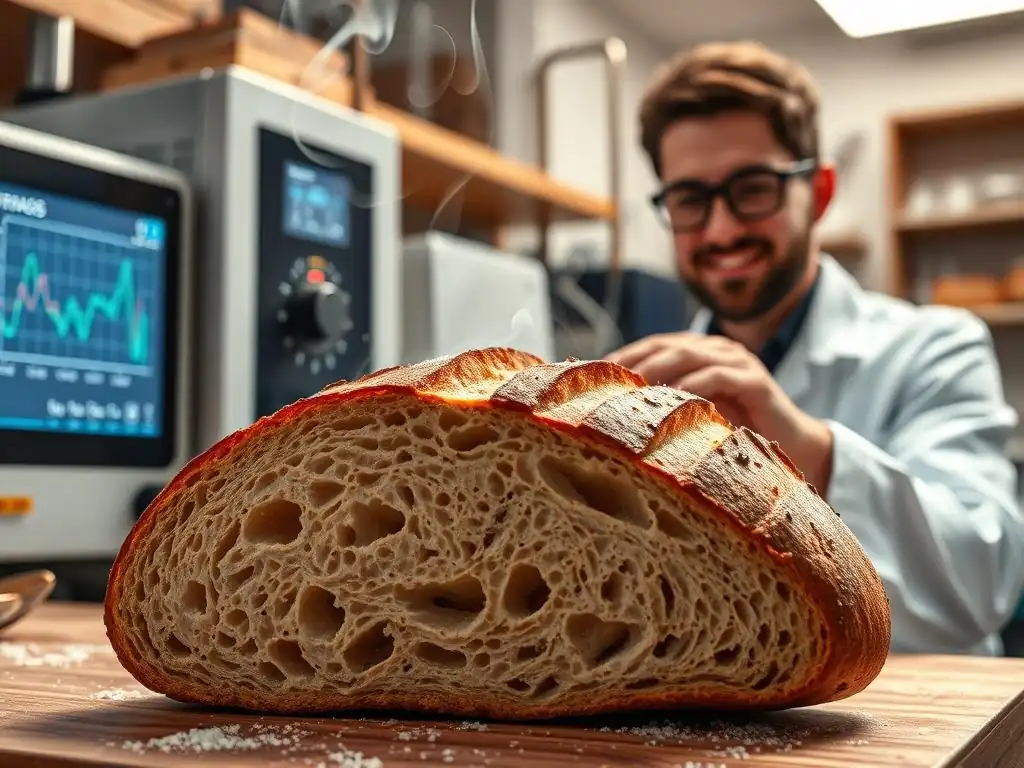
The fascinating complexity of sourdough aroma continues to be an active area of scientific research. As analytical techniques become more sophisticated, we gain deeper insights into the microbial world and the chemistry behind the scents we love.
Exploring New Strains of Yeast and Bacteria for Unique Aromas
Current research is exploring the vast diversity of wild yeasts and lactic acid bacteria beyond the commonly studied strains. Different environments (e.g., different types of grain, different geographical locations) harbor unique microbial communities. Scientists and bakers are experimenting with isolating and cultivating novel strains to see how they impact sourdough fermentation aroma development.
For example, studies have identified non-conventional yeasts or less common LAB species that produce unusually high levels of specific esters or other volatile compounds, potentially offering new avenues for creating sourdoughs with novel fruit, floral, or spicy notes. This exploration promises to expand the palette of flavors and aromas available to bakers.
Advanced Techniques for Aroma Analysis in Sourdough
Modern analytical chemistry employs sophisticated techniques like Gas Chromatography-Mass Spectrometry (GC-MS) and Solid Phase Microextraction (SPME) coupled with GC-MS to identify and quantify volatile aroma compounds in dough and baked bread. These techniques allow researchers to build detailed chemical profiles of sourdough aromas, linking specific compounds to sensory perception.
Sensory panels, where trained individuals evaluate sourdough samples based on aroma descriptors, are often used in conjunction with chemical analysis. This allows researchers to correlate the presence and concentration of specific compounds with perceived aroma qualities (e.g., buttery, fruity, vinegary). Such detailed analysis provides bakers and researchers with objective data to understand and manipulate sourdough fermentation aroma development more precisely.
Case Study: The Impact of Einkorn Flour on Sourdough Aroma Profile
A specific example illustrating the impact of flour type is the study of ancient grains like Einkorn. Research using GC-MS has shown that sourdough made with Einkorn flour can exhibit a unique aroma profile compared to modern wheat. Einkorn sourdoughs have been found to contain different ratios and types of volatile compounds, including higher levels of certain aldehydes and alcohols, which contribute distinct nutty, grassy, or malty notes.
This difference is attributed to the unique biochemical composition of Einkorn flour and how its specific starches, proteins, and lipids are metabolized by the sourdough microflora. Such studies provide concrete evidence of how ingredient choices fundamentally shape sourdough fermentation aroma development and highlight the potential for exploring diverse grains to create new sensory experiences in baking.
Conclusion: Elevating Your Baking with Sourdough Aroma Mastery
Mastering sourdough baking is an ongoing journey, and understanding the science behind sourdough fermentation aroma development is a crucial step in elevating your craft. The complex interplay of wild yeasts, lactic acid bacteria, flour type, hydration, temperature, and time creates the signature flavors and aromas that make sourdough so beloved.
By paying attention to these factors and actively managing your fermentation process, you gain the ability to influence the balance of acids, the production of esters, and the overall complexity of your loaf's aroma profile. It's a blend of science and art, where knowledge empowers intuition. So, the next time you bake, take a moment to appreciate the incredible transformation happening in your dough – the silent, invisible work of microorganisms creating the captivating aroma that is the true hallmark of a great sourdough. Your nose knows!
Frequently Asked Questions
What role does fermentation play in sourdough's aroma?
Fermentation is crucial as it's the process where microorganisms like yeast and bacteria produce aromatic compounds. These compounds contribute significantly to the unique and complex flavor of sourdough.
Which microorganisms are responsible for aroma development in sourdough?
Primarily, Lactobacilli (lactic acid bacteria) and wild yeasts are responsible. They produce various organic acids, alcohols, and esters during fermentation, which are the building blocks of sourdough aroma.
How does fermentation time affect the aroma of sourdough?
Longer fermentation times generally lead to a more complex and intense aroma. This is because the microorganisms have more time to produce a wider range of aromatic compounds, leading to a deeper flavor profile.
What factors influence the rate of fermentation and, consequently, the aroma?
Temperature is a key factor; warmer temperatures accelerate fermentation. Other factors include hydration level, flour type, and the starter's activity. All these contribute to the speed and extent of aroma development.
Can I control the aroma of my sourdough during fermentation?
Yes, by adjusting fermentation time and temperature, you can influence the aroma. Experimenting with different flour types and starter feeding schedules can also significantly impact the final aroma profile of your sourdough.
Final Reflection: The Enduring Allure of Sourdough's Aromatic Symphony
The intricate dance of microorganisms in sourdough fermentation isn't just a culinary process; it's a testament to the power of nature's alchemy, shaping our sensory experiences and influencing food culture in profound ways. Understanding the complex interplay of aromatic compounds generated during this process is crucial not only for bakers striving for perfection but also for appreciating the rich history and evolving future of this ancient craft.
The captivating aromas emanating from a sourdough starter, a blend of yeasts and bacteria working in harmonious chaos, have captivated humans for millennia. This isn't simply about the pleasant smell; it's a sensory marker of tradition, community, and the enduring connection between humans and their food. Bread is the staff of life,
a simple phrase that belies the depth of cultural and social significance baked into every loaf. The unique aromatic profile of sourdough, a direct result of its fermentation process, speaks volumes about this enduring relationship.
Consider the implications of this knowledge. Are you ready to delve deeper into the science behind your sourdough, to experiment with different flours and techniques, to cultivate a deeper appreciation for the living ecosystem within your starter? You hold the power to unlock the full aromatic potential of your sourdough, crafting loaves that are not only delicious but also tell a story of mindful creation and connection to the natural world. Embrace the journey, experiment with your techniques, and savor the unique symphony of aromas that your sourdough starter will create.
Unlock the Flavor: Elevate Your Baking with Fermentation
Thanks for exploring the fascinating world of aromatic compounds in fermentation! We hope you've gained a new appreciation for the depth of flavor you can achieve in your baking. Ready to put this knowledge into practice?
- Experiment with a sourdough starter: This is your gateway to unlocking incredible flavor profiles and creating unique breads and pastries. Start small, be patient, and enjoy the journey!
- Share your fermented baking adventures: Tag us on social media – we'd love to see your creations!
- Learn more about specific fermentation techniques: Research different fermentation methods to see how you can add unique flavors and textures to your next baking project.
What exciting fermented flavor will you create next?