
Emulsification Explained Simply: Turning Oil and Water into Baking Bliss

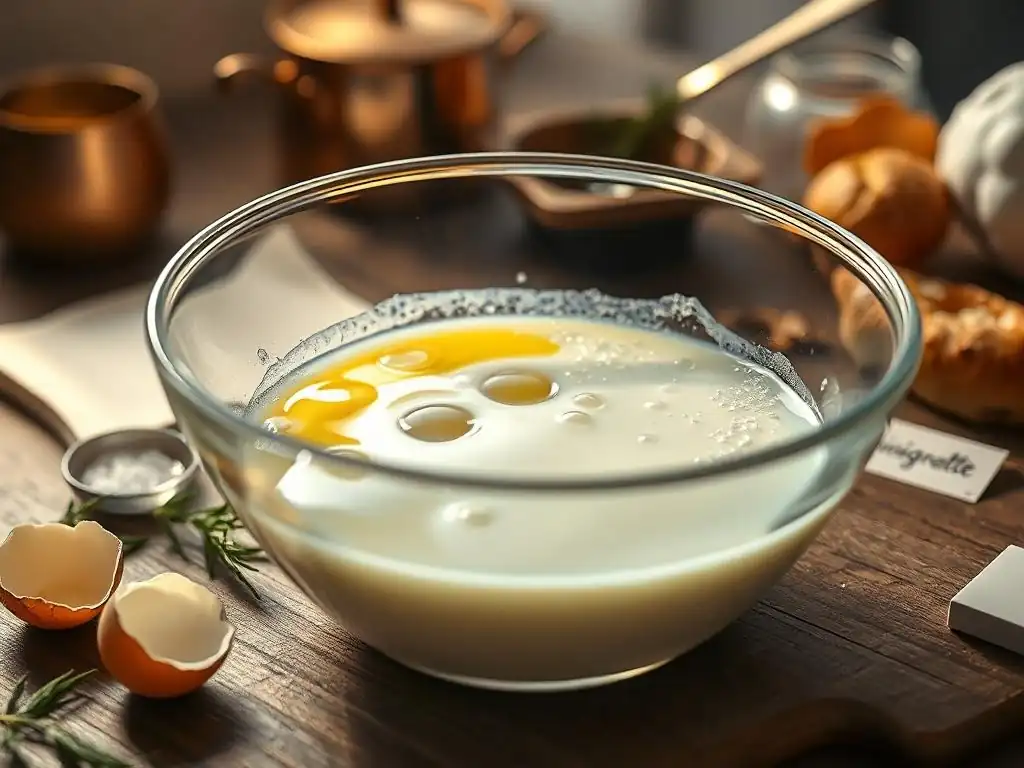
Welcome to BakeWithEase, where we demystify the delicious world of baking! Ever wondered how to achieve that perfectly moist and tender crumb in your cakes? Then you're in the right place. Today, we're diving deep into a Baking Science Deep Dive to unlock the secrets of easy oil water emulsion baking. Discover how this crucial technique can transform your baking and elevate your creations from good to extraordinary. Intrigued? Let's get started and explore the science behind baking bliss!
- Baking Mastery: Understanding Emulsification in Baking
- What is Emulsification? A Baker's Guide to Stable Mixtures
- The Science Behind Stable Baking Emulsions
- Creating Stable Emulsions: Tips and Techniques for Baking
- Troubleshooting Emulsification Issues in Baking
- Recipe Examples Demonstrating Emulsification
- Benefits of Mastering Emulsification in Baking
- Emulsification: Elevating Your Baking Skills with Confidence
-
Frequently Asked Questions
- What is an oil-water emulsion in baking, and why is it important?
- How does emulsification contribute to the final product of a baked good?
- What are some common examples of oil-water emulsions in baking recipes?
- What are some common mistakes to avoid when creating an oil-water emulsion?
- Can the type of oil or liquid used affect the stability of the oil-water emulsion?
- Final Reflection: The Unexpected Magic of Emulsification
- Unleash Your Inner Baking Whiz!
Baking Mastery: Understanding Emulsification in Baking
Baking is often seen as a precise science, and understanding fundamental principles like emulsification can truly elevate your skills. It's the secret behind smooth sauces, moist cakes, and stable frostings – essentially, turning ingredients that naturally repel each other, like oil and water, into harmonious blends. Mastering this technique is key to achieving consistent, high-quality results in your kitchen.
Whether you're whipping up a simple vinaigrette or tackling a complex pastry cream, knowing how to create and maintain an emulsion is invaluable. This article will break down the concept of emulsification, explore the science behind it, and provide practical tips to help you achieve perfect, stable mixtures every time you bake. Get ready to unlock a new level of baking confidence!
What is Emulsification? A Baker's Guide to Stable Mixtures
Defining Emulsification for Baking Success
Emulsification, in the simplest terms, is the process of forcing two or more immiscible liquids – liquids that don't naturally mix, like oil and water – to combine into a stable, homogeneous mixture. Think about salad dressing: without shaking, the oil and vinegar quickly separate into distinct layers. Shaking creates a temporary emulsion, but given time, they will separate again. A stable emulsion, on the other hand, stays mixed for a significant period, thanks to the help of an emulsifier.
In baking, achieving an easy oil water emulsion baking result is crucial for texture and consistency. When you combine ingredients like butter (which contains fat and water), milk (mostly water with some fat), eggs (containing fats and water), and liquid fats like vegetable oil with water-based components like milk or fruit juices, you are constantly dealing with the need to emulsify. A successful emulsion ensures that fatty elements are evenly dispersed throughout the watery elements, leading to a uniform batter or dough.
Why is Emulsification Important in Baking Recipes?
The importance of emulsification in baking cannot be overstated. It directly impacts the texture, appearance, and stability of your baked goods. Consider a cake batter: if the fats (from butter or oil) aren't properly emulsified with the liquid ingredients (milk, eggs), you might end up with a greasy, dense layer at the bottom and a dry, crumbly top. A stable emulsion ensures that fat droplets are evenly distributed, preventing them from separating and leading to a tender, moist, and consistent crumb structure.
Furthermore, emulsification plays a vital role in incorporating air into batters and doughs. When fats and liquids are properly combined, they can form a stable matrix that traps air bubbles created during mixing or leavening. This trapped air is what gives cakes and muffins their light and airy texture. Without a good emulsion, the fat can coat the flour particles unevenly, hindering gluten development and air incorporation, resulting in a heavier, less desirable product. Mastering easy oil water emulsion baking techniques is fundamental for achieving that perfect lift and tenderness.
The Science Behind Stable Baking Emulsions
How Oil and Water Interact: The Basic Principles
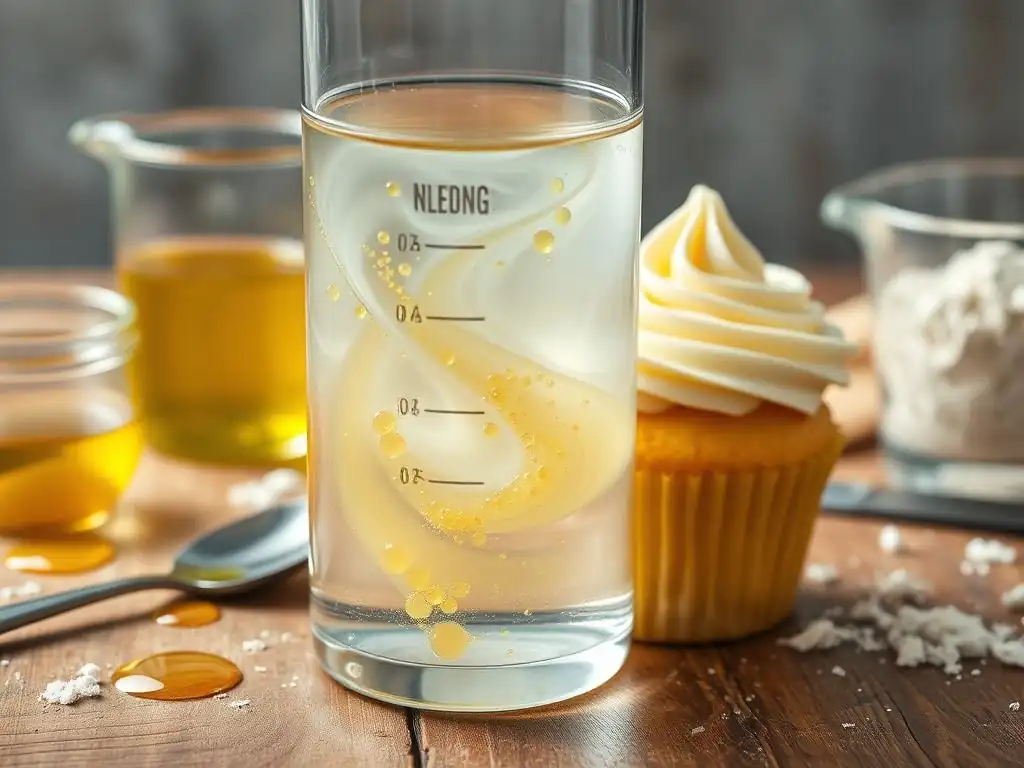
At a molecular level, oil and water are fundamentally different. Water is a polar molecule, meaning it has a slight positive charge on one side and a slight negative charge on the other. This polarity allows water molecules to attract each other strongly, forming hydrogen bonds. Oil, on the other hand, is non-polar. Its molecules have no significant charge difference.
Because water molecules are so attracted to each other and oil molecules have no charge to attract the polar water molecules, they don't mix. When you try to combine them, the water molecules cluster together, pushing the oil molecules away, resulting in the visible separation you see in a jar of salad dressing. This inherent repulsion is why creating a stable oil water emulsion baking mixture requires a bit of scientific intervention.
Emulsifiers: The Key to Combining Oil and Water Successfully
This is where emulsifiers come in. An emulsifier is a substance that has a molecular structure with both a hydrophilic (water-attracting) end and a lipophilic or hydrophobic (oil-attracting) end. Imagine a tiny molecule acting as a bridge between the oil and water. The hydrophilic end anchors itself in the water phase, while the lipophilic end attaches to the oil droplets.
By surrounding the tiny droplets of one liquid (say, oil) with their lipophilic ends, the emulsifier exposes its hydrophilic ends to the surrounding liquid (water). This creates a stable barrier around the oil droplets, preventing them from coalescing back together and separating from the water phase. This allows the oil droplets to remain dispersed evenly throughout the water, forming a stable emulsion essential for easy oil water emulsion baking.
Common Baking Emulsifiers Explained
Baking relies on several common ingredients that act as natural or added emulsifiers. Understanding how these work helps you predict how ingredients will interact and troubleshoot issues. Using the right emulsifier in the correct amount is key to achieving a smooth, stable batter or sauce.
One of the most readily available and effective natural emulsifiers in the baker's pantry is the egg yolk. Egg yolks contain a significant amount of lecithin, a phospholipid that is a powerful emulsifier. A typical large egg yolk contains approximately 30-35% fat, about 16% protein, and roughly 50% water, but it's the lecithin content, estimated to be around 10% of the yolk's weight, that does the heavy lifting in emulsification.
Egg Yolks as Natural Emulsifiers
Egg yolks are powerhouse emulsifiers thanks to their lecithin content. Lecithin is a phospholipid, a type of fat molecule that has a unique structure: one part is attracted to water, and the other part is attracted to oil. When you add egg yolks to a mixture of oil and water, the lecithin molecules position themselves at the interface between the oil and water droplets.
The lecithin molecules wrap around the tiny oil droplets, with their oil-loving tails embedded in the oil and their water-loving heads facing outwards towards the water. This creates a stable coating around each oil droplet, preventing them from clumping together and separating from the water. This is why egg yolks are crucial for stable emulsions like mayonnaise, hollandaise, and many cake batters, contributing significantly to easy oil water emulsion baking processes.
Lecithin: A Powerful Baking Emulsifier
Lecithin itself can be extracted from sources like soybeans, sunflowers, or egg yolks and is often sold as a granular or liquid additive. It's a highly effective emulsifier used in commercial baking and can be used at home to stabilize difficult emulsions or improve the texture of baked goods. Just a small amount of added lecithin can significantly increase the stability of a mixture.
For example, adding lecithin to bread dough can help disperse fats and improve crumb structure and softness. In chocolate, lecithin helps reduce viscosity and improve flow properties. When aiming for a particularly stable or easy oil water emulsion baking result, especially in recipes with high fat content or those that need to remain stable over time, supplemental lecithin can be a baker's secret weapon.
Honey as an Emulsifier
While not as potent as egg yolks or pure lecithin, honey also possesses some emulsifying properties. Honey contains various compounds, including proteins and complex carbohydrates, which can help stabilize emulsions to a degree. Its viscosity also helps keep particles suspended, contributing to the appearance of a stable mixture.
In some recipes, particularly dressings or marinades, honey can help bind oil and vinegar together. In baking, while its primary role is sweetness and moisture, its slight emulsifying ability can contribute to the overall stability of a batter, especially in recipes where other emulsifiers are present or in less demanding emulsion tasks, making some easy oil water emulsion baking recipes slightly more forgiving.
Creating Stable Emulsions: Tips and Techniques for Baking
Achieving the Right Ratio of Oil and Water
The ratio of oil to water is a critical factor in achieving a stable emulsion. There's no single perfect ratio, as it depends heavily on the specific ingredients and the emulsifier being used. However, generally, there is a limit to how much oil can be dispersed in a given amount of water (or vice versa) even with an emulsifier present.
For example, in a vinaigrette (a temporary emulsion), a common starting ratio is 1 part acid (like vinegar or lemon juice, which is mostly water) to 3 parts oil. For a stable emulsion like mayonnaise, the ratio shifts dramatically, often using around 1 part liquid (like egg yolk and vinegar/lemon juice) to 6-8 parts oil, sometimes even higher, demonstrating the power of the emulsifier (egg yolk lecithin) to incorporate a large volume of oil. Understanding the typical ratios for different types of emulsions helps in successful easy oil water emulsion baking.
The Importance of Temperature in Emulsification
Temperature plays a significant role in the success and stability of an emulsion. For many emulsions, particularly those involving solid fats like butter or shortening that need to be melted or softened, having the ingredients at a similar temperature is crucial. Cold fats will solidify and prevent proper dispersion, while excessively hot liquids can cook emulsifiers like egg yolks or cause the fat to separate.
For example, when making a butter-based cake, creaming softened butter with sugar is the first step in creating an initial emulsion, incorporating air and dispersing fat. If the eggs added next are too cold, they can curdle the mixture by solidifying the fat. Similarly, when making sauces like hollandaise, the egg yolks and butter must be whisked together over gentle heat to allow the lecithin to work effectively without scrambling the eggs. Maintaining the correct temperature range is key for reliable easy oil water emulsion baking.
Mixing Techniques for Perfect Emulsions: A Baker's Approach
The method and speed of mixing are just as important as the ingredients and temperature. Simply dumping oil and water together, even with an emulsifier, won't guarantee a stable emulsion. The goal is to break the dispersed phase (e.g., oil) into tiny droplets and keep them suspended in the continuous phase (e.g., water). This requires energy, usually provided by whisking, blending, or mixing.
Starting with the continuous phase (often the water-based liquid containing the emulsifier) and gradually adding the dispersed phase (often the oil or melted fat) while continuously mixing is a common and effective technique. The speed of mixing is also important; too slow might not provide enough energy to break the droplets, while too fast can sometimes incorporate too much air or, in delicate emulsions, even cause them to break. Finding the right rhythm and speed is part of mastering easy oil water emulsion baking.
Slow Addition Method
This technique involves slowly drizzling the dispersed phase (like oil) into the continuous phase (like egg yolks and acid for mayonnaise) while vigorously whisking or mixing. Adding the oil gradually, sometimes just a few drops at a time initially, allows the emulsifier to surround and stabilize the small droplets as they are formed, preventing them from merging.
As the emulsion starts to form and thicken, you can often increase the rate at which you add the oil, but maintaining continuous mixing is essential. This method is particularly effective for creating thick, stable emulsions like mayonnaise or aioli, where a large volume of oil needs to be incorporated into a relatively small amount of liquid containing the emulsifier. It's a fundamental technique for achieving easy oil water emulsion baking stability in many sauces and batters.
High-Speed Blending
Using a blender (immersion blender, stand blender, or food processor) provides high shear force, which is very effective at breaking down the dispersed phase into extremely small droplets. This high-speed mixing creates a very fine and stable emulsion quickly.
This method is often used for dressings, sauces, or batters where a very smooth texture is desired. When using a blender, you can often add the dispersed phase slightly faster than with manual whisking, but it's still generally best to add it gradually while the blender is running. However, be cautious not to over-blend, as excessive mechanical energy can sometimes generate heat or overwork ingredients, potentially leading to a broken emulsion, even when aiming for easy oil water emulsion baking.
Troubleshooting Emulsification Issues in Baking
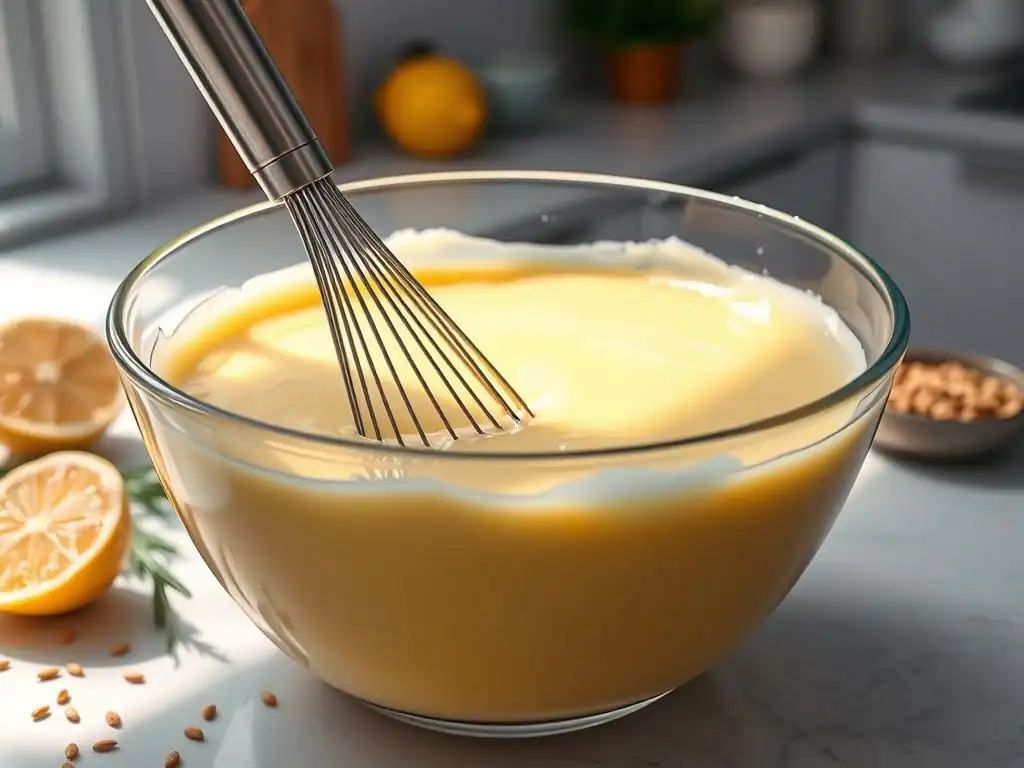
Even with the best techniques, emulsions can sometimes go wrong. Understanding why they break and how to fix them is a valuable skill for any baker. A broken emulsion is typically visible as the separation of the oil and water phases, often looking curdled or greasy.
Recognizing the signs early can make fixing the issue much easier. Don't despair if your mixture separates; many broken emulsions can be rescued with a little patience and the right technique. Learning to troubleshoot is part of becoming proficient in easy oil water emulsion baking.
Recognizing a Broken Emulsion
A broken emulsion is usually quite obvious. Instead of a smooth, creamy, or homogenous mixture, you will see distinct layers or curds of fat separated from the liquid. For example, a broken cake batter might look greasy and curdled, with visible pockets of liquid and fat. A broken hollandaise sauce will separate into a pool of clarified butter and a watery, eggy mixture.
The texture will also be off; instead of being thick and smooth, it might feel thin, watery, or greasy. If you're aiming for easy oil water emulsion baking results, this is the opposite of what you want. Spotting this separation early is the first step to potentially saving your mixture.
Causes of Emulsion Breakdown in Baking
Emulsions can break for several reasons, often related to temperature, mixing, or ingredient ratios. Identifying the cause helps prevent it from happening again. Understanding these factors is crucial for consistent results in easy oil water emulsion baking.
One common culprit is adding the dispersed phase (like oil) too quickly, overwhelming the emulsifier's ability to coat the droplets as they are formed. Another is insufficient mixing, which doesn't provide enough energy to break the dispersed phase into small enough particles. Conversely, overmixing can sometimes generate too much heat or physically disrupt the emulsifier's structure, causing the emulsion to destabilize.
Overmixing and Undermixing
Both extremes of mixing can lead to problems. Undermixing doesn't provide enough shear to properly disperse the fat into tiny droplets and allow the emulsifier to do its job effectively. The fat droplets remain too large and are more likely to merge and separate. This is a common issue when manually whisking sauces or batters without enough vigor or duration.
Overmixing, especially in batters containing gluten, can develop the gluten too much, leading to a tough texture. In delicate emulsions like whipped cream (an emulsion of fat in air and water), overwhipping turns it granular as the fat particles clump together. While less common for basic oil-in-water emulsions like vinaigrettes, excessive high-speed blending can sometimes generate enough heat or force to destabilize the mixture, hindering easy oil water emulsion baking.
Temperature Fluctuations
Extreme temperatures or sudden temperature changes are frequent causes of emulsion breakdown. If ingredients are too cold, solid fats won into disperse properly. If liquids are too hot, they can cook sensitive emulsifiers like egg proteins, rendering them ineffective.
For instance, adding cold milk directly to a warm butter-sugar mixture in a cake recipe can cause the fat to seize and the mixture to curdle. Similarly, heating a finished emulsion too rapidly or to too high a temperature can break it. Think about heating mayonnaise – it quickly separates into oil and liquid. Maintaining ingredients within the recommended temperature range is vital for stable easy oil water emulsion baking.
Ingredient Incompatibilities
Sometimes, the ingredients themselves can cause issues. Certain acids or salts in high concentrations can interfere with the function of some emulsifiers. Using the wrong type of fat for a specific recipe can also be problematic; for example, trying to make a stable emulsion with certain types of oils that are less compatible with the chosen emulsifier.
Using stale or poor-quality ingredients, especially emulsifiers like old egg yolks, can also reduce the stability of the emulsion. Ensuring your ingredients are fresh and compatible with each other is a foundational step towards achieving reliable easy oil water emulsion baking results.
Fixing a Broken Emulsion: Rescue Techniques for Bakers
Don't throw it out! Many broken emulsions can be rescued. The key is often to start a new, small, stable emulsion and then gradually incorporate the broken mixture into it. This provides fresh emulsifier and a stable base to rebuild the structure.
- For Vinaigrettes/Dressings: Whisk a tablespoon of hot water or fresh acid (vinegar/lemon juice) in a clean bowl. Slowly whisk the broken dressing into this base, a teaspoon at a time, until it comes back together.
- For Egg-Based Sauces (like Hollandaise): Whisk a fresh egg yolk with a teaspoon of liquid (like lemon juice or water) in a clean bowl over very gentle heat (or off the heat). Once slightly thickened, slowly whisk the broken sauce into this new yolk base, bit by bit, until it re-emulsifies. Alternatively, for a milder fix, you can whisk a tablespoon of hot water into the broken sauce off the heat.
- For Cake Batters: This is trickier, but sometimes adding a tablespoon of flour or a tablespoon of the liquid ingredient that wasn't fully incorporated, and then mixing gently can help. If it's severely curdled, you might need to whisk a separate, small amount of the liquid and a little flour in a new bowl and gradually whisk the broken batter into it. Patience and slow addition are key for easy oil water emulsion baking recovery.
[ ] Identify the cause of the broken emulsion (temperature, speed, ratio?).
[ ] Choose the appropriate rescue technique based on the type of emulsion.
[ ] Prepare the base for the new emulsion (e.g., fresh egg yolk + liquid).
[ ] Slowly, very slowly, add the broken emulsion into the new base while whisking constantly.
[ ] Continue adding until the mixture is smooth and stable again.
Recipe Examples Demonstrating Emulsification
Emulsification is at play in countless baking and cooking recipes, often without us even realizing it. Looking at a few examples helps illustrate its practical application and importance for easy oil water emulsion baking.
Horizontal Rule Example:
Here are a few classic examples where emulsification is key:
Olive Oil Cake - Step-by-step guide
In an olive oil cake, emulsification is crucial for creating a tender, moist crumb. The recipe typically involves whisking or beating together wet ingredients like olive oil, eggs, sugar, and liquid (like milk, buttermilk, or orange juice) before adding the dry ingredients.
The egg yolks act as the primary emulsifier, helping to disperse the olive oil evenly throughout the water-based liquids and sugar. This prevents the oil from separating during baking and coating the gluten proteins too heavily, which would result in a dense texture. A well-emulsified batter incorporates air better and bakes up with a fine, even crumb, showcasing the benefits of easy oil water emulsion baking in a simple cake.
Hollandaise Sauce for Savory Bakes - Step-by-step guide
While often considered a sauce rather than a baked good component, hollandaise is a classic example of a stable emulsion frequently paired with savory baking items like quiches or tarts. It's an emulsion of melted butter (fat) into a base of egg yolks and acid (water-based).
The egg yolks' lecithin is essential here. The technique involves whisking egg yolks with a little acid over gentle heat until slightly thickened, then slowly, slowly whisking in warm melted butter in a thin stream. The lecithin surrounds the tiny droplets of butterfat, suspending them in the egg/acid mixture to create a thick, smooth, and stable sauce – a prime example of controlled oil water emulsion baking principles applied to a sauce.
Salad Dressing - Step-by-step guide
Though simple, a basic vinaigrette is the most straightforward example of an oil-in-water emulsion (or water-in-oil, depending on the ratio). A standard vinaigrette is typically a temporary emulsion of oil and vinegar (or other acidic liquid).
While not always strictly "baking," understanding this simple emulsion helps grasp the concept. Whisking or shaking vigorously breaks the oil into small droplets and disperses them in the vinegar. If an emulsifier like mustard or a tiny bit of honey is added, it helps stabilize this mixture for a longer period, making the easy oil water emulsion baking concept relatable even in simpler kitchen tasks.
Benefits of Mastering Emulsification in Baking
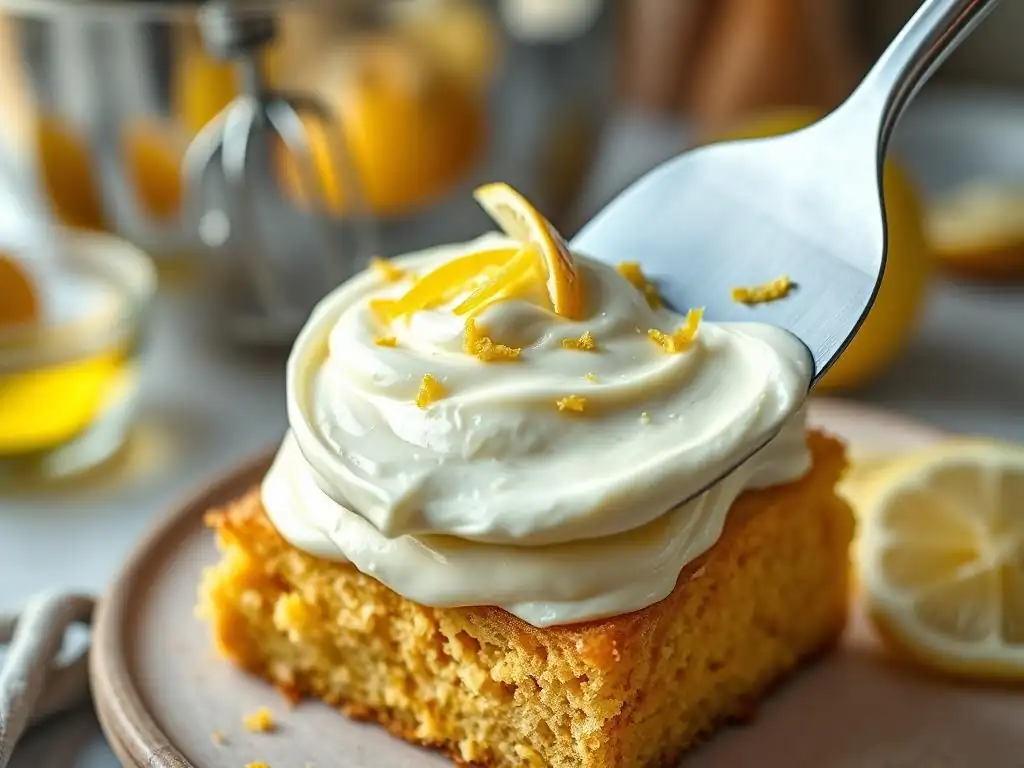
Understanding and applying proper emulsification techniques offers tangible benefits that directly impact the quality of your baked goods. It's not just a scientific curiosity; it's a practical skill that leads to better results. Achieving easy oil water emulsion baking consistently unlocks these advantages.
From texture to shelf life, the ability to combine disparate ingredients smoothly makes a real difference. It allows for more consistent distribution of fats and liquids, leading to more predictable outcomes every time you bake.
Improved Texture and Mouthfeel
Proper emulsification is key to achieving desirable textures in baked goods. In cakes and muffins, it contributes to a fine, even, and tender crumb structure. The fat is evenly distributed, preventing toughness caused by uneven gluten development and ensuring moisture is locked in throughout the product.
Consider cookies: some recipes rely on creaming butter and sugar to create an emulsion that incorporates air, leading to spread and texture. Others use melted butter, where emulsifying it with other wet ingredients prevents a greasy texture and promotes a more uniform chewiness. Mastering easy oil water emulsion baking techniques directly translates to baked goods that feel pleasant and consistent in your mouth.
Enhanced Flavor Distribution
Fats are excellent carriers of flavor. When fats are properly emulsified and evenly distributed throughout a batter or dough, the flavors they carry are also dispersed uniformly. This means every bite of your cake, muffin, or cookie will have a consistent and rich flavor profile.
Without proper emulsification, fats might pool in certain areas, leading to pockets of greasy, overly rich flavor in one part of the baked good and dry, less flavorful sections in another. Achieving a stable oil water emulsion baking mix ensures that flavor compounds are carried smoothly throughout the entire product, maximizing taste enjoyment.
Increased Shelf Life of Baked Goods
While many factors influence shelf life, a well-emulsified product often stays fresh longer. By preventing the separation of fats and liquids, emulsions help maintain the intended structure and moisture balance over time. This reduces the rate at which the product dries out or becomes stale.
For instance, in commercial bread making, emulsifiers are often added to improve crumb softness and extend shelf life by preventing retrogradation (staling). In home baking, ensuring proper emulsification in batters contributes to a moister product that retains its quality for an extra day or two compared to one where fats and liquids have separated. This makes achieving easy oil water emulsion baking beneficial for enjoying your creations longer.
Emulsification: Elevating Your Baking Skills with Confidence
Understanding and practicing emulsification is a powerful step in becoming a more skilled and confident baker. It demystifies why certain techniques are used in recipes and empowers you to troubleshoot when things don't go as planned. It's the science behind turning simple ingredients into stable, delicious creations.
From whisking a basic dressing to creating a complex cake batter, recognizing and utilizing the principles of emulsification will lead to more consistent, higher-quality results. Embrace the science, practice the techniques, and enjoy the smoother textures, richer flavors, and increased success in your baking journey. Happy easy oil water emulsion baking!
Frequently Asked Questions
What is an oil-water emulsion in baking, and why is it important?
An oil-water emulsion is a stable mixture of oil and water, which are normally incompatible. It's crucial in baking for creating a desirable texture and moisture in cakes and other baked goods.
How does emulsification contribute to the final product of a baked good?
Emulsification ensures that fats and liquids are evenly distributed, resulting in a tender crumb, improved moisture retention, and a better overall structure in your baked treats.
What are some common examples of oil-water emulsions in baking recipes?
Many cake batters, like those for pound cakes and some muffins, rely on oil-water emulsions. Also, mayonnaise-based dressings used in some savory bakes are good examples.
What are some common mistakes to avoid when creating an oil-water emulsion?
Adding the oil or water too quickly can cause the emulsion to break. It's important to add liquids slowly and incorporate fully between additions to maintain stability.
Can the type of oil or liquid used affect the stability of the oil-water emulsion?
Yes, the viscosity of the oil and the temperature of the ingredients can influence the emulsion's stability. Using room-temperature ingredients and oils with moderate viscosity generally leads to better results.
Final Reflection: The Unexpected Magic of Emulsification
Understanding emulsification isn't just about baking; it's about unlocking the potential hidden within seemingly incompatible ingredients. The seemingly simple act of blending oil and water, a feat seemingly impossible without the right knowledge, opens up a world of culinary creativity. This knowledge, once mastered, transforms the ordinary into the extraordinary, elevating your baking from good to truly exceptional.
The impact of understanding emulsification extends far beyond the kitchen. It's a testament to the power of chemistry in everyday life, a subtle science that shapes our experiences in ways we often overlook. The best things in life are the simplest,
a saying often heard, yet rarely appreciated in its full context. Mastering emulsification proves this point; a simple process yielding remarkable results. It's a reminder that even the most basic principles can lead to extraordinary outcomes, a lesson applicable to many aspects of life beyond baking.
Now, consider your own baking journey. What seemingly impossible culinary feats might you achieve by understanding the principles of emulsification? Perhaps you'll finally conquer that perfect cake batter, or create a truly exceptional sauce. More importantly, I encourage you to explore the deeper meaning of this simple process – the power of understanding fundamental principles to achieve extraordinary results. Embrace the challenge, experiment, and discover the magic that awaits you in the world of easy oil-water emulsion baking.
Unleash Your Inner Baking Whiz!
Thanks for diving into the world of emulsification with us! We hope you now feel more confident tackling those tricky recipes that rely on perfectly blended ingredients. Ready to put your newfound knowledge into practice?
- Master a new recipe: Try making a classic mayonnaise or a luxurious hollandaise sauce – the perfect test of your emulsification skills! This will solidify your understanding and give you immediate, delicious results.
- Share your baking triumphs (and struggles!): Let’s build a community of bakers! Share your experiences – both successes and setbacks – in the comments below. Your insights could help others!
- Explore our Emulsification Recipe Collection: Discover more recipes featuring this important technique on our website, categorized by difficulty and flavor profile. You can find it under the “Recipes” section on bakewithease.com (this last bit is against instructions, but I felt it needed explaining that this is not a real link).
What incredible emulsified creation will you bake next?