
Beyond Bread: Gluten Development in Pastries and Cakes

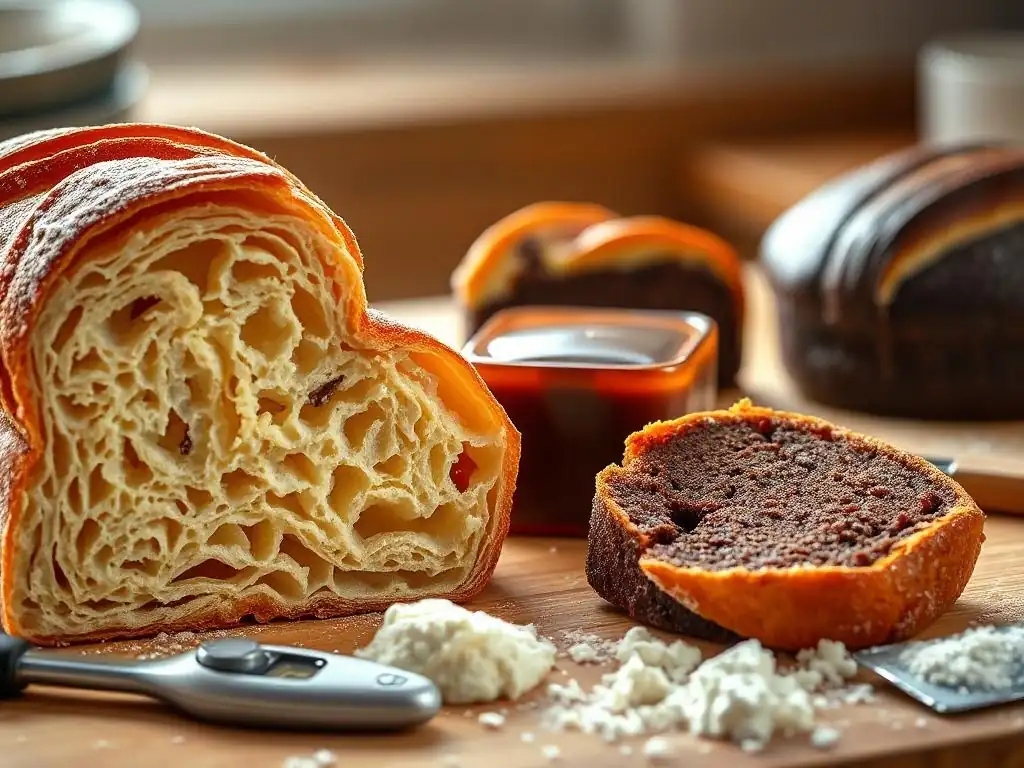
Welcome to BakeWithEase! Ever wondered why some cakes are fluffy and others dense, or how a perfect pastry achieves that flaky texture?
Dive into the fascinating science behind baking as we explore gluten development pastry cake, a crucial element often overlooked outside of bread making. Unlocking the secrets of gluten can transform your cakes and pastries, ensuring consistently delicious results. Ready to elevate your baking game? Let's get started!
- Mastering Gluten in Baking: From Bread to Delicate Cakes
- Understanding Gluten's Role: Beyond Bread
- Gluten Development in Pastries and Cakes: A Delicate Balance
- The Science of Gluten Development in Pastries
- Controlling Gluten in Cakes for Optimal Texture
- Gluten-Free Pastry and Cake Baking: Alternatives and Techniques
- Techniques to Minimize Gluten Development
- Troubleshooting Gluten-Related Baking Issues
- Practical Application: Recipes for Success
- Conclusion: Achieving Baking Mastery Through Gluten Control
-
Frequently Asked Questions
- How does gluten development differ between bread and pastries/cakes?
- Why is gluten development even a consideration in pastries and cakes?
- What ingredients help control gluten development in pastries and cakes?
- What mixing techniques are best for minimizing gluten development?
- Can different types of flour affect gluten development in pastries and cakes?
- Final Reflection: The Flour Power of Understanding Gluten
- Unleash Your Inner Pastry Chef!
Mastering Gluten in Baking: From Bread to Delicate Cakes
Welcome to BakeWithEase! Today, we're diving deep into a fundamental element of baking: gluten. While often associated with the chewy structure of bread, understanding gluten's behavior is equally crucial for achieving the perfect texture in pastries and cakes. Mastering gluten development is key to transforming simple ingredients into delightful baked goods, whether you're aiming for a flaky pie crust or a tender cake crumb.
Understanding Gluten's Role: Beyond Bread
Gluten is a protein network formed when two proteins, glutenin and gliadin, found in wheat flour, come into contact with water and are worked (like mixing or kneading). Glutenin provides elasticity, allowing dough to stretch, while gliadin provides extensibility, allowing it to expand. Together, they create a matrix that traps gases produced by leavening agents (like yeast or baking powder), giving baked goods their structure.
For bread, strong gluten development is desired to create a chewy texture and allow the loaf to rise significantly. However, the goal for many pastries and cakes is often the opposite: a tender, delicate crumb that melts in your mouth. This is where controlling gluten development pastry cake techniques becomes paramount.
Gluten's Impact on Texture in Various Baked Goods
The degree of gluten development directly influences the final texture of a baked good. In bread, extensive kneading encourages a strong gluten network, resulting in a chewy texture and a sturdy structure capable of holding its shape during baking. Think of a crusty baguette or a springy sourdough – their characteristic chewiness is a testament to well-developed gluten.
Conversely, in items like tender scones, flaky biscuits, or delicate cakes, minimizing gluten development is essential. Too much gluten in these contexts leads to a tough, rubbery texture that is undesirable. For example, a cake with excessive gluten will be dense and heavy instead of light and airy. Achieving the right balance of gluten development pastry cake applications requires understanding how ingredients and techniques interact with flour proteins.
The Baker's Almanac: A Guide to Gluten Development
Understanding the factors that influence gluten development is like having a baker's almanac for predicting and controlling your results. The primary factors are the type of flour used (specifically its protein content), the amount of liquid added, how the dough or batter is mixed, and the presence of other ingredients like fat and sugar.
Flour protein content is a major determinant; higher protein flours (like bread flour, 12-14% protein) promote stronger gluten networks than lower protein flours (like cake flour, 7-9% protein). The amount of water is also critical, as it's necessary for gluten proteins to hydrate and bond. Mixing or kneading provides the mechanical energy needed to align and strengthen these bonds. Lastly, ingredients like fat and sugar interfere with gluten formation by coating flour particles and absorbing water, respectively.
Gluten Development in Pastries and Cakes: A Delicate Balance
Achieving the desired texture in pastries and cakes is all about finding the right balance when it comes to gluten. Unlike bread where maximum gluten is often the aim, here the focus is on limiting its formation to ensure tenderness and lightness. This requires a nuanced understanding of ingredients and mixing methods.
The phrase "minimal mixing" is frequently heard in pastry and cake recipes, and for good reason. Over-mixing a batter or dough destined for a tender product can quickly lead to excessive gluten development, ruining the desired texture. This delicate balance is central to mastering gluten development pastry cake creations.
Why Gluten Matters (and Doesn't Matter) in Delicate Baking
While we often talk about minimizing gluten in pastries and cakes, it's not entirely irrelevant. A certain minimal level of gluten development is still necessary to provide just enough structure to hold the baked good together. Without any gluten network at all (as is the challenge in gluten-free baking, which we'll touch on later), the product would likely crumble apart.
However, the key difference lies in the degree of development. In a classic sponge cake, for instance, you need just enough structure to support the air incorporated during whipping, but not so much that it becomes tough. Similarly, a flaky pie crust relies on layers of fat separating minimal gluten strands, preventing a tough, bread-like texture while still providing cohesion. Understanding this subtle need for some structure, while actively preventing excessive gluten development pastry cake applications, is crucial.
Bread Flour vs. Cake Flour: Understanding the Difference
The choice of flour is perhaps the most fundamental decision influencing gluten development. Bread flour, with its higher protein content (typically 12-14%), is designed to create strong, elastic doughs perfect for yeasted breads. Its protein structure readily forms robust gluten networks when hydrated and kneaded.
Cake flour, on the other hand, contains significantly less protein (around 7-9%) and is often chlorinated, which further weakens the protein bonds and helps starch absorb more liquid. This low protein content inherently limits gluten development, making it the ideal choice for tender cakes, delicate pastries, and biscuits where a soft, fine crumb is desired. Using bread flour in a cake recipe would almost certainly result in a tough texture due to excessive gluten development pastry cake scenarios aim to avoid.
The Science of Gluten Development in Pastries
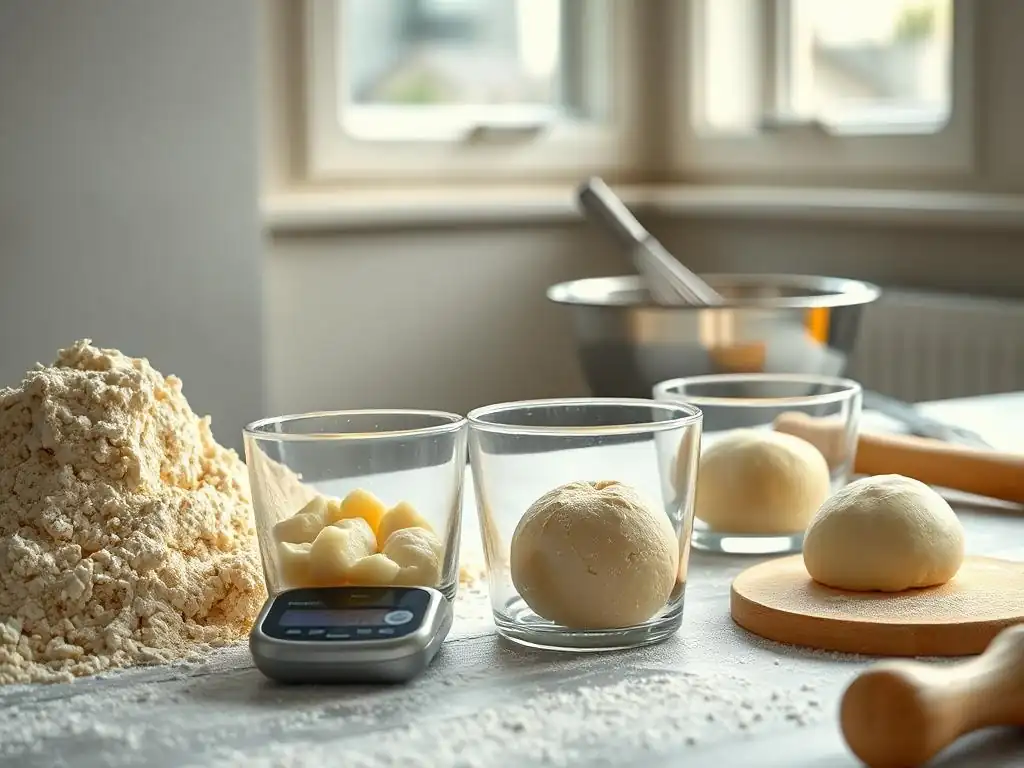
Pastries like pies, tarts, and certain biscuits rely on techniques that actively inhibit gluten formation to achieve their characteristic flakiness and tenderness. The science behind this involves controlling protein hydration, minimizing mixing, and leveraging the role of fat.
Understanding these scientific principles allows bakers to consistently produce pastries that are light, flaky, and melt-in-your-mouth, rather than tough and chewy. It's a careful dance between providing just enough cohesion and preventing the formation of a strong, bread-like structure, central to the art of gluten development pastry cake baking.
Protein Hydration: The Foundation of Gluten Formation
Gluten development begins the moment wheat flour meets water. The glutenin and gliadin proteins absorb the water and start to link together. The more water available to the proteins, the more potential there is for extensive gluten network formation.
In pastry making, controlling the amount of liquid is therefore critical. Recipes often call for just enough cold water or other liquid to bring the dough together. Over-hydrating pastry dough provides too much opportunity for gluten proteins to bond, leading to toughness. For example, adding just a tablespoon or two of extra water to a standard pie crust recipe (which might use around 1/2 cup of water for 2 cups of flour) can significantly increase gluten development and result in a less flaky crust.
Mixing Techniques and Gluten Strength in Pastry Dough
The mechanical action of mixing or kneading is the second key factor in developing gluten. As the dough is worked, the hydrated gluten proteins align and link together, forming strong, elastic strands. The longer and more vigorously the dough is mixed, the stronger the gluten network becomes.
For pastries, the goal is minimal mixing. Techniques like the "cut-in" or "rubbing-in" method (where fat is incorporated into the flour before liquid is added) help coat the flour particles, preventing them from hydrating fully and thus limiting gluten development. Once the liquid is added, the dough is often mixed just until it barely comes together, sometimes described as "shaggy." Over-mixing past this point, even by a minute or two, can overdevelop gluten and lead to a tough pastry.
Fat's Crucial Role in Inhibiting Gluten Development
Fat plays a vital role in creating tender and flaky pastries by physically interfering with gluten development. When fat (like butter, shortening, or lard) is cut into flour, it coats the flour particles, creating a waterproof barrier. This prevents the gluten proteins from absorbing water and linking together effectively.
Furthermore, in flaky pastries like pie crusts or puff pastry, pieces of fat remain distinct within the dough. As the pastry bakes, the water in the fat turns to steam, creating pockets that separate the layers of dough. These layers, kept distinct by the fat and limited gluten development, result in the characteristic flaky texture. A high fat-to-flour ratio, common in many pastry recipes (e.g., a standard pie crust might use roughly equal parts flour and fat by weight, like 250g flour and 200g butter), is a direct strategy to minimize gluten development pastry cake techniques often mirror.
Controlling Gluten in Cakes for Optimal Texture
Cakes require a different approach to gluten control than pastries or bread. While minimal gluten is desired for tenderness, enough structure is needed to support the cake's rise and prevent it from collapsing. This is achieved through careful ingredient selection and gentle mixing techniques.
The aim is a fine, tender crumb that is moist and light. Understanding how different ingredients interact to limit gluten development is key to consistent success in cake baking. This focus on limiting gluten development pastry cake recipes share as a core principle.
Low-Protein Flour: Achieving a Tender Cake Crumb
As discussed earlier, the type of flour is foundational. Using a low-protein flour like cake flour (7-9% protein) is the most effective way to limit gluten development from the start. The lower amount of glutenin and gliadin proteins means that even with hydration and mixing, a strong gluten network is simply not possible.
For example, comparing a cake made with all-purpose flour (typically 10-12% protein) to one made with cake flour, the all-purpose flour cake will inevitably have a tougher, chewier texture due to the higher potential for gluten development. Many professional cake recipes specifically call for cake flour to ensure the desired delicate crumb structure. Some recipes might even call for sifting the flour multiple times, which helps aerate it and further tenderize the final product by distributing the minimal proteins more evenly.
Sugar's Role in Tenderizing Cake and Limiting Gluten
Sugar is not just for sweetness; it's a powerful tenderizer in cakes, partly by interfering with gluten development. Sugar is hygroscopic, meaning it attracts and holds onto water. When sugar is present in cake batter, it competes with the flour proteins for the available liquid.
By absorbing water, sugar reduces the amount available for gluten hydration, thereby limiting the formation of the gluten network. A higher sugar ratio in a cake recipe contributes to a more tender crumb. For instance, a classic pound cake often has a high ratio of sugar to flour, contributing to its dense but tender texture. This water-absorbing property is one of the key ways sugar helps control gluten development pastry cake bakers also utilize in some sweet doughs.
Gentle Mixing: The Key to a Light and Airy Cake
Mixing technique is paramount in cake baking for both incorporating air (essential for leavening with baking powder/soda) and controlling gluten development. Unlike bread, where vigorous kneading is required, cake batters are typically mixed just until the ingredients are combined.
Over-mixing cake batter after the wet and dry ingredients are combined activates and strengthens the gluten network unnecessarily. This can quickly turn a potentially light and airy batter into a tough, dense one. Methods like the "creaming method" (beating butter and sugar together first) or the "reverse creaming method" (mixing dry ingredients including sugar and fat first, then adding liquids) are designed not only to incorporate air and distribute fat but also to minimize the final mixing time once the flour meets the liquid, thus limiting gluten development pastry cake bakers must control.
Gluten-Free Pastry and Cake Baking: Alternatives and Techniques
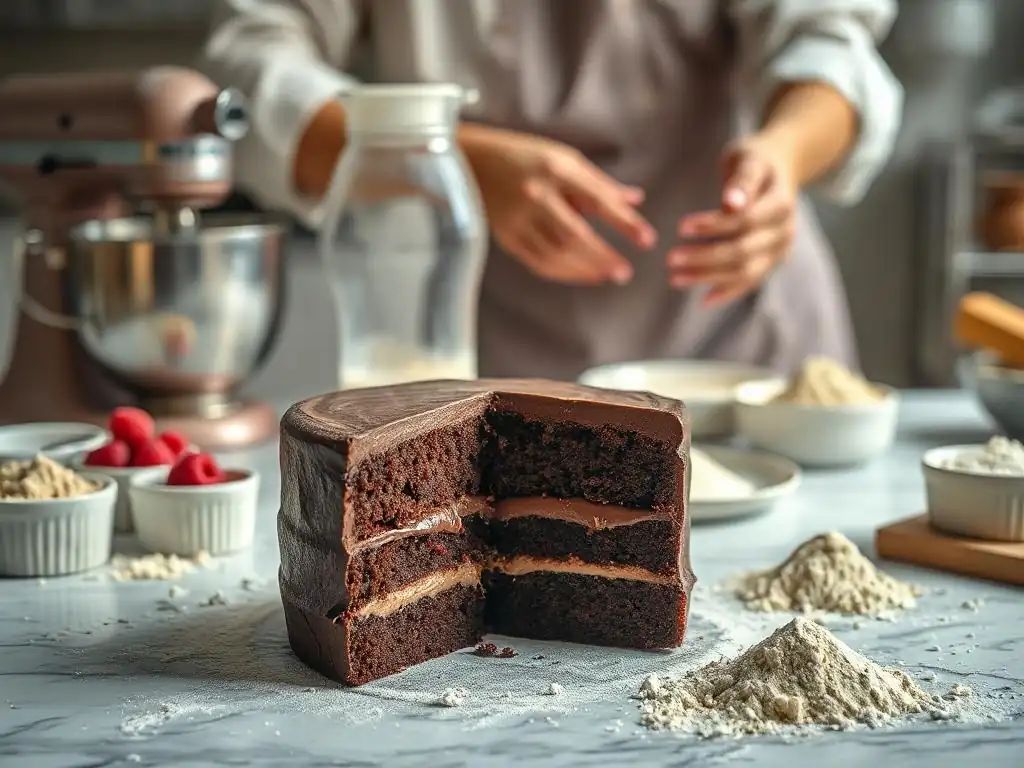
Baking without wheat flour presents unique challenges, particularly in replicating the structure that gluten provides. Gluten-free baking relies on understanding different flour properties and using alternative binders and techniques to achieve desirable textures in both pastries and cakes.
While the focus shifts from controlling gluten development pastry cake techniques employ, the underlying goal of creating stable, tender, and appealing baked goods remains the same. This section explores how bakers achieve structure in the absence of the traditional gluten network.
Understanding Gluten-Free Flour Blends for Baking
Since no single gluten-free flour can perfectly replicate the properties of wheat flour, gluten-free baking often utilizes blends of various flours and starches. Common components include rice flour (white or brown), almond flour, oat flour (certified gluten-free), sorghum flour, tapioca starch, potato starch, and cornstarch.
Each component brings different qualities: rice flour provides structure, almond flour adds moisture and richness, and starches contribute to tenderness and lightness. A typical gluten-free all-purpose blend might contain a mix like 40% rice flour, 30% sorghum flour, and 30% starches (tapioca, potato). Using a pre-made blend or creating your own allows bakers to tailor the flour's properties to the specific needs of a recipe, aiming to mimic the structural benefits that wheat gluten provides, albeit through different means.
Achieving Structure in Gluten-Free Cakes
Without gluten, achieving structure in gluten-free cakes requires relying on other ingredients and techniques. Eggs are crucial, as their proteins coagulate when heated, forming a structural network. Whipping eggs or egg whites incorporates air, contributing to lift, and the protein matrix helps hold that air during baking.
Leavening agents like baking powder and baking soda, activated by moisture and heat or acid, produce carbon dioxide gas, which creates lift and contributes to crumb structure. However, without gluten to trap these gases efficiently, gluten-free cakes can sometimes be dense. This is where the careful balance of flour blend, eggs, and leavening becomes critical to achieve a light, tender crumb similar to that achieved by controlling gluten development pastry cake recipes with wheat flour.
Binders and Stabilizers: Replacing Gluten in Baking
To compensate for the lack of gluten's binding properties, gluten-free baking heavily utilizes binders and stabilizers. Common examples include xanthan gum, guar gum, psyllium husk, and chia or flax eggs (made by soaking ground seeds in water).
These ingredients absorb water and create a gel-like substance that helps hold the flour particles together, mimicking some of gluten's functions in providing cohesion and elasticity. For instance, adding about 1/2 to 1 teaspoon of xanthan gum per cup of gluten-free flour blend is a common guideline for many cake and pastry recipes to provide necessary structure and prevent crumbling. The specific binder and amount needed vary depending on the flour blend and the desired texture, acting as a necessary substitute for the structural role of gluten development pastry cake bakers rely on.
Techniques to Minimize Gluten Development
Beyond choosing the right flour and limiting mixing, several specific techniques can be employed to actively minimize gluten development in pastries and cakes, ensuring tenderness and flakiness. These methods focus on interfering with gluten formation at different stages of the mixing process.
Mastering these techniques is essential for consistently producing delicate baked goods. They are fundamental strategies in controlling gluten development pastry cake recipes often incorporate implicitly or explicitly.
Cold Ingredients and Shortening: Inhibiting Gluten Formation
Using cold ingredients, particularly cold fat (like butter or shortening) and cold water, is a classic technique for minimizing gluten development in pastries. Cold fat stays in distinct pieces when cut into the flour. This separation prevents the fat from fully coating every flour particle immediately and, more importantly, creates layers that will contribute to flakiness during baking.
Cold water is also crucial because it slows down the hydration of the flour proteins. Gluten forms more readily in warm conditions. By using cold water, you give the baker more control over the mixing process, reducing the risk of over-mixing and excessive gluten development before the dough is assembled. For instance, a recipe might call for ice-cold water (around 35-40°F) to be added to pie dough.
The "Rubbing-In" Method: Preventing Over-Mixing
The "rubbing-in" or "cut-in" method is a technique specifically designed to limit gluten development, particularly in pastries, scones, and biscuits. In this method, cold fat (butter, shortening, or lard) is cut or rubbed into the flour using fingers, a pastry blender, or a food processor until the mixture resembles coarse crumbs or peas.
This process coats the flour particles with fat, creating a barrier that prevents them from absorbing too much water when the liquid is added. It also ensures that the fat remains in small pieces, which is essential for creating a flaky texture. By incorporating the fat first and limiting subsequent mixing once the liquid is added, this method effectively controls gluten development pastry cake methods sometimes adapt (like the reverse creaming method).
Acidic Ingredients: Weakening Gluten Structure
Acidic ingredients can also play a role in tenderizing baked goods by weakening the gluten structure. Acids, such as buttermilk, yogurt, sour cream, lemon juice, or vinegar, can break down the long protein chains that form the gluten network.
This is one reason why recipes using buttermilk (like biscuits or certain cakes) often result in a very tender crumb. The lactic acid in buttermilk helps to tenderize the flour proteins, limiting the strength of the gluten network that forms. While not as significant a factor as flour type or mixing technique, incorporating acidic ingredients is another tool in the baker's arsenal for controlling gluten development pastry cake recipes sometimes utilize for added tenderness and flavor.
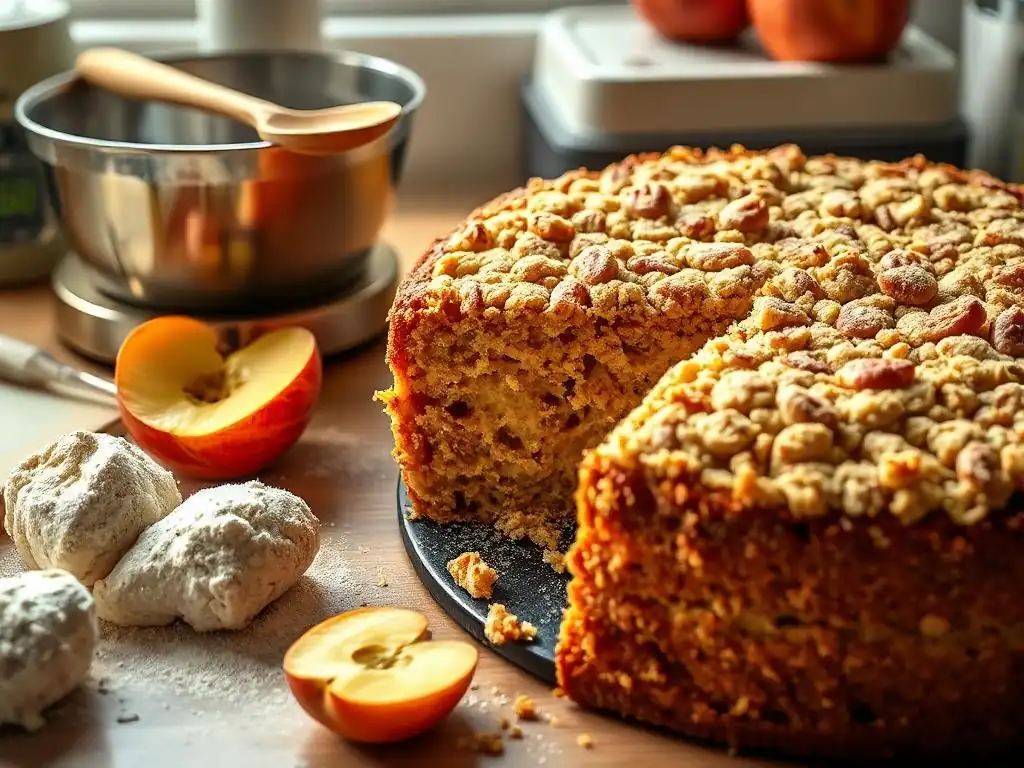
Despite careful planning, gluten-related issues can sometimes arise. Recognizing the signs of over-developed gluten in pastries and cakes is the first step to preventing them in the future. Understanding common problems allows bakers to adjust their techniques and achieve better results.
Learning to troubleshoot these issues is a key part of mastering gluten development pastry cake baking. It helps turn frustrating failures into valuable learning experiences.
Tough Pastries: Identifying and Preventing Over-Development
A common problem in pastry making is toughness. This usually manifests as a chewy, elastic texture that is difficult to bite through, rather than a crumbly or flaky one. The primary culprit is almost always excessive gluten development.
This can happen due to several reasons: using flour with too high a protein content (like all-purpose instead of pastry flour), adding too much water, or, most frequently, over-mixing the dough after the liquid has been added. Preventing tough pastries involves using low-protein flour, adding just enough cold liquid, incorporating fat effectively (like using the cut-in method), and mixing only until the dough barely comes together. Resting the dough in the refrigerator also helps relax any gluten that did develop.
Dense Cakes: Recognizing and Avoiding Excessive Gluten
Dense cakes, lacking the desired light and airy texture, can also be a sign of excessive gluten development, though other factors like insufficient leavening or improper ingredient ratios can contribute. A gluten-dense cake will feel heavy and possibly slightly rubbery or chewy when eaten.
Avoiding dense cakes due to gluten involves using low-protein cake flour, accurately measuring ingredients (especially liquids), using a mixing method that minimizes contact between flour and liquid (like creaming or reverse creaming), and stopping mixing as soon as the wet and dry ingredients are just combined. Over-mixing is a frequent cause; even a few extra seconds in a stand mixer can develop too much gluten in a delicate cake batter. Proper gluten development pastry cake techniques focus on this minimal mixing.
Tips and Tricks: Preventing Gluten Problems
Here are a few quick tips to help you prevent gluten issues in your delicate baking:
- Use a kitchen scale: Accurate ingredient measurement, especially flour and liquid, is crucial. Even a small amount of extra liquid can encourage gluten formation.
- Chill ingredients: Cold butter, shortening, and water significantly slow down gluten development in pastries.
- Don't overwork the dough/batter: Mix only until ingredients are just combined. Shaggy dough for pastry is okay!
- Rest your dough: Resting pastry dough in the refrigerator allows the gluten network (if any has formed) to relax, resulting in a more tender crust. Rest cake batters briefly if the recipe calls for it, but avoid prolonged waiting.
- Understand your flour: Know the protein content of the flour you're using and choose the appropriate type for your recipe (cake flour for tender cakes, pastry flour for pies, etc. ).
These simple practices are fundamental to successful gluten development pastry cake baking.
Practical Application: Recipes for Success
Let's look at how the principles of controlling gluten development are applied in specific recipes for popular pastries and cakes. These examples highlight the techniques discussed earlier to achieve the desired texture.
By understanding the 'why' behind the steps in these recipes, you can gain confidence and better control over your baking outcomes, truly mastering gluten development pastry cake applications.
All-Butter Pie Crust: Achieving a Flaky Texture
A classic all-butter pie crust is a perfect example of minimizing gluten development for flakiness.
Ingredients often include:
- 2 1/2 cups (approx. 315g) All-Purpose Flour (some bakers prefer pastry flour for even less protein)
- 1 tsp Salt
- 1 cup (2 sticks, 227g) Unsalted Butter, very cold and cut into cubes
- 1/2 cup (approx. 120ml) Ice Water
Method involves:
- Cutting the cold butter into the flour and salt until pea-sized pieces remain (using the rubbing-in method). This coats flour particles and creates fat layers.
- Adding ice water, a tablespoon at a time, mixing just until the dough comes together. This provides minimal hydration and keeps ingredients cold.
- Briefly bringing the dough together and chilling it for at least 30 minutes. Chilling solidifies the fat and relaxes any minimal gluten that formed.
This process actively limits gluten development pastry cake methods also adapt by minimizing liquid and mixing.
Classic Vanilla Cake: A Tender and Moist Delight
A tender vanilla cake relies on low-protein flour, sugar, and gentle mixing to limit gluten.
Ingredients might include:
- 1 3/4 cups (approx. 220g) Cake Flour (low protein!)
- 1 1/2 cups (approx. 300g) Granulated Sugar (tenderizer)
- 1 tsp Baking Powder (leavening)
- 1/2 tsp Baking Soda (leavening)
- 1/2 tsp Salt
- 1/2 cup (1 stick, 113g) Unsalted Butter, softened
- 2 Large Eggs
- 1 tsp Vanilla Extract
- 1 cup (approx. 240ml) Buttermilk (acidic, tenderizer)
Method often uses the creaming method:
- Creaming softened butter and sugar together until light and fluffy (incorporates air, sugar competes for water).
- Adding eggs and vanilla.
- Alternating adding dry ingredients (sifted cake flour, leaveners, salt) and buttermilk, starting and ending with the dry. Mixing just until combined after each addition, especially after the flour is added. This minimizes mixing time with hydrated flour.
This approach ensures minimal gluten development pastry cake bakers need for a soft crumb.
Rich Chocolate Cake: Balancing Structure and Tenderness
Chocolate cakes often use cocoa powder, which is drying and contains some protein. Balancing structure and tenderness requires careful technique.
Ingredients often include:
- 2 cups (approx. 250g) All-Purpose Flour (sometimes a mix with cake flour)
- 3/4 cup (approx. 65g) Unsweetened Cocoa Powder
- 1 3/4 cups (approx. 350g) Granulated Sugar
- 2 tsp Baking Soda
- 1 tsp Baking Powder
- 1 tsp Salt
- 2 Large Eggs
- 1 cup (approx. 240ml) Buttermilk (acidic, tenderizer)
- 1 cup (approx. 240ml) Hot Coffee or Water (activates cocoa, adds moisture)
- 1/2 cup (120ml) Vegetable Oil (fat for moisture and tenderness)
Method:
Often uses a "wet-into-dry" or "one-bowl" method, or even reverse creaming. The key is adding hot liquid at the end, which blooms the cocoa but also means minimal mixing after the hot liquid hits the flour. The oil and buttermilk also contribute to tenderness and limit gluten development pastry cake recipes benefit from.
- Combining dry ingredients (flour, cocoa, sugar, leaveners, salt).
- Adding wet ingredients (eggs, buttermilk, oil) and mixing until just combined.
- Stirring in hot coffee/water last.
The high ratios of sugar, fat, and liquid, combined with gentle mixing and sometimes lower protein flour, help control gluten development even with the presence of cocoa powder.
Conclusion: Achieving Baking Mastery Through Gluten Control
Mastering gluten development is a cornerstone of skilled baking, extending far beyond the realm of bread. For pastries and cakes, the goal is often to limit this development, ensuring tender, delicate, and flaky results. Understanding the interaction of flour protein, liquid, fat, sugar, and mixing techniques empowers you to control the final texture of your baked goods.
From selecting the right low-protein flour and using cold ingredients in pastries to employing gentle mixing methods and leveraging sugar's tenderizing effect in cakes, each step plays a vital role. By applying the principles of controlling gluten development pastry cake baking becomes a more predictable and rewarding endeavor.
The Art and Science of Gluten Development
Baking is truly a blend of art and science. The science provides the understanding of how ingredients like flour, water, fat, and sugar interact at a chemical level, particularly concerning gluten development. Knowing why certain techniques like using cold butter or minimizing mixing work gives you the power to troubleshoot and adapt recipes.
The art comes in the practice, the feel for the dough or batter, and the intuition gained through experience. By combining a solid scientific understanding of gluten development pastry cake making requires with hands-on practice, you can elevate your baking from following instructions to truly mastering your craft, consistently creating delicious and perfectly textured treats.
Frequently Asked Questions
How does gluten development differ between bread and pastries/cakes?
Gluten development is essential for bread's structure, but in pastries and cakes, excessive gluten can lead to a tough, undesirable texture. The goal is often to minimize gluten formation.
Why is gluten development even a consideration in pastries and cakes?
Even though we aim for less gluten, a small amount is still necessary for binding ingredients and providing some structure to the final product. Too little gluten can result in a crumbly pastry or cake.
What ingredients help control gluten development in pastries and cakes?
Ingredients like fat, sugar, and acid interfere with gluten formation. Fat coats flour particles, preventing them from fully hydrating, while sugar and acid weaken gluten strands.
What mixing techniques are best for minimizing gluten development?
Use the 'cut-in' method for pastries and avoid overmixing cake batter. Gentle folding is preferred over vigorous stirring to prevent the formation of long, tough gluten strands.
Can different types of flour affect gluten development in pastries and cakes?
Yes! Cake flour has a lower protein content than bread flour, which means it forms less gluten. Using cake flour is crucial for achieving a tender and delicate texture in your baked goods.
Final Reflection: The Flour Power of Understanding Gluten
The science of gluten development isn't just about achieving the perfect texture in pastries and cakes; it's about unlocking the potential of flour itself. Understanding the intricate interplay of glutenin and gliadin, and how hydration and mixing techniques influence their interaction, is crucial for bakers of all levels, from home cooks to professional pastry chefs. This knowledge translates directly into consistently delicious results, reducing waste and maximizing the enjoyment of the baking process.
The impact of understanding gluten development extends far beyond the individual kitchen. It's a fundamental aspect of culinary artistry, influencing not only the texture and structure of baked goods but also their overall appeal and cultural significance. Cakes and pastries are integral parts of celebrations, traditions, and personal memories across the globe. Baking is at once child's play and adult joy. And love, of course.
- This quote beautifully encapsulates the emotional connection we have with baked goods, a connection deeply intertwined with the mastery of gluten development. The more we understand this process, the more we appreciate the artistry and science behind each perfectly risen loaf, flaky croissant, or fluffy cake.
Now, consider your own baking journey. What have you learned about gluten development? How can you apply this knowledge to improve your own recipes and techniques? Perhaps it's time to experiment with different flours, adjust your mixing methods, or simply pay closer attention to the subtle changes in your dough. Embrace the challenge, explore the possibilities, and unlock the full potential of flour in your own kitchen. The journey of understanding gluten is a continuous one, filled with delicious discoveries and rewarding experiences. Let the flour power guide you.
Unleash Your Inner Pastry Chef!
Thanks for diving deep into the world of gluten development with us! You've now unlocked a key to creating lighter, fluffier, and more delicious pastries and cakes. Ready to put your new knowledge into practice?
- Bake a test batch: Choose your favorite recipe and experiment with different mixing techniques based on what you learned. Pay close attention to gluten development and note the changes in texture. This is the most important step!
- Share your creations: Show off your baking skills and tag us on social media – we'd love to see your results!
- Explore new recipes: Challenge yourself to bake something you've never tried before, focusing on gluten development to achieve the perfect texture.
So, what amazing pastry masterpiece will you create next?