
How to Dissolve Sugar Completely: The Crucial First Step

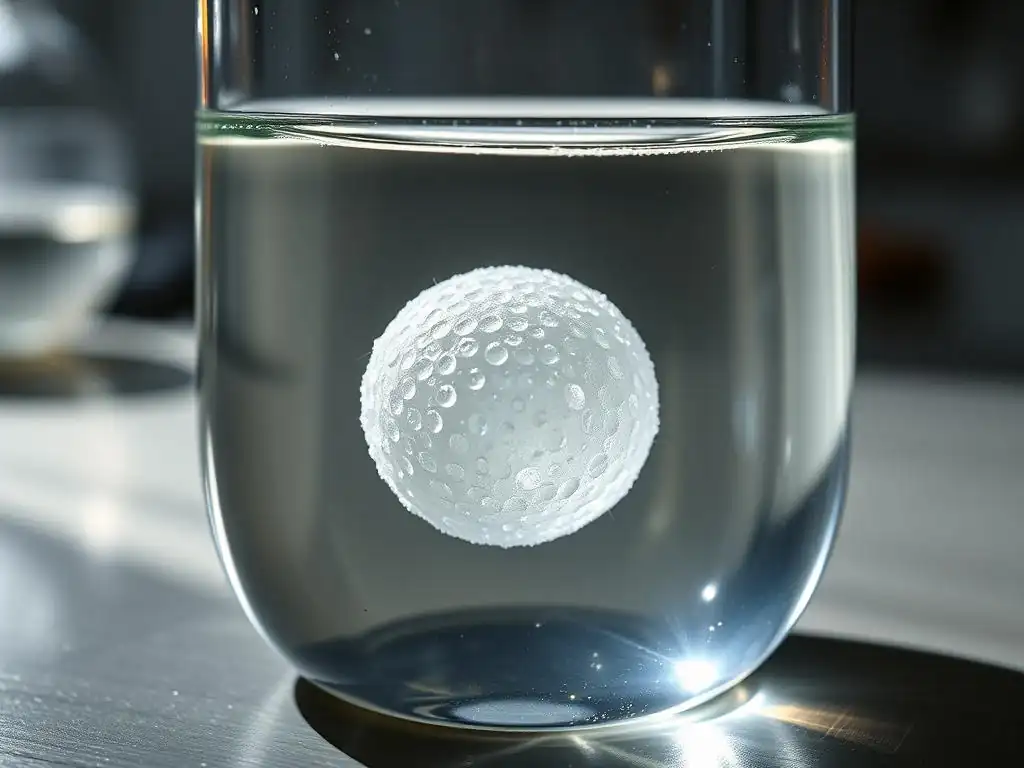
Welcome to BakeWithEase, your guide to unlocking baking perfection! Ever wondered why your recipes sometimes fall flat? It often starts with a seemingly simple step: dissolving sugar. In this Baking Science Deep Dive, we'll reveal the secrets of how to dissolve sugar completely – ensuring a smooth, lump-free start to your most delicious creations. Prepare to elevate your baking game with this crucial technique; the difference it makes might just surprise you!
- How to Dissolve Sugar Completely: The Crucial First Step for Baking Success
- Understanding Sugar Dissolution: The Foundation of Baking Excellence
- Step-by-Step Guide: Dissolving Sugar Perfectly for Smooth Baking
- Troubleshooting Common Sugar Dissolving Problems
- Advanced Techniques for Achieving Perfect Sugar Dissolution
- Mastering Sugar Dissolution: Key Takeaways for Baking with Ease
-
Frequently Asked Questions
- How important is it to completely dissolve sugar in baking?
- What are some common reasons why sugar doesn't dissolve properly?
- What types of liquids are best for dissolving sugar?
- Are there any specific techniques to help sugar dissolve faster and without lumps?
- Can I substitute different types of sugar if I'm having trouble dissolving the original type?
- Final Reflection: The Sweetness of Understanding Dissolution
- Unlock Your Baking Potential: Master Sugar Dissolution!
How to Dissolve Sugar Completely: The Crucial First Step for Baking Success
Understanding Sugar Dissolution: The Foundation of Baking Excellence
Why Complete Sugar Dissolution Matters in Baking
Achieving completely dissolved sugar is not just a minor detail; it's a fundamental step that significantly impacts the final texture, appearance, and stability of your baked goods and confections. When sugar granules remain undissolved, they create gritty spots in everything from delicate custards and smooth sauces to glossy meringues and tender cakes. These undissolved crystals can also act as nucleation points, triggering unwanted crystallization in syrups, fudges, and caramels, leading to a grainy texture instead of the desired smooth consistency. Mastering how to dissolve sugar without lumps is therefore essential for achieving professional-level results in your home baking.
Furthermore, the presence of undissolved sugar can affect the hydration of other ingredients and the overall structure of batters and doughs. Sugar attracts moisture, and if it hasn't fully dispersed into the liquid, it can create uneven distribution of moisture, potentially leading to dense spots or inconsistent leavening.
For instance, in meringue, undissolved sugar can prevent the egg whites from whipping to their full volume and stability, resulting in a weeping or collapsed foam. Ensuring your sugar is fully dissolved provides a stable, homogeneous base for countless recipes, allowing other ingredients to interact correctly and promoting a smooth, desirable outcome every time you bake.
The Science Behind Dissolving Sugar: Temperature and Solubility
Sugar dissolution is a process where sugar molecules (solute) break away from the crystal structure and disperse evenly throughout a liquid (solvent), typically water or milk in baking. This happens because the polar water molecules are attracted to the polar sugar molecules, pulling them into solution. The rate and extent of this process are primarily governed by temperature.
As temperature increases, the solubility of sugar in water increases dramatically. For example, at 0°C (32°F), about 180 grams of sugar can dissolve in 100 grams of water, while at 100°C (212°F), that number jumps to over 480 grams. This means warmer liquids can hold significantly more dissolved sugar.
Understanding this relationship is key to learning how to dissolve sugar without lumps. While cold liquids can dissolve sugar, it happens much slower and requires more stirring. Using warm or hot liquids speeds up the process, allowing sugar to dissolve more readily and reducing the chance of undissolved granules settling at the bottom. However, applying too much heat too quickly without adequate stirring can lead to localized super-saturation and potential crystallization issues later on. The goal is to use temperature strategically to facilitate dissolution without causing other problems, creating a perfectly smooth sugar solution ready for your recipe.
Step-by-Step Guide: Dissolving Sugar Perfectly for Smooth Baking
Preparing for Success: Essential Tools and Ingredients
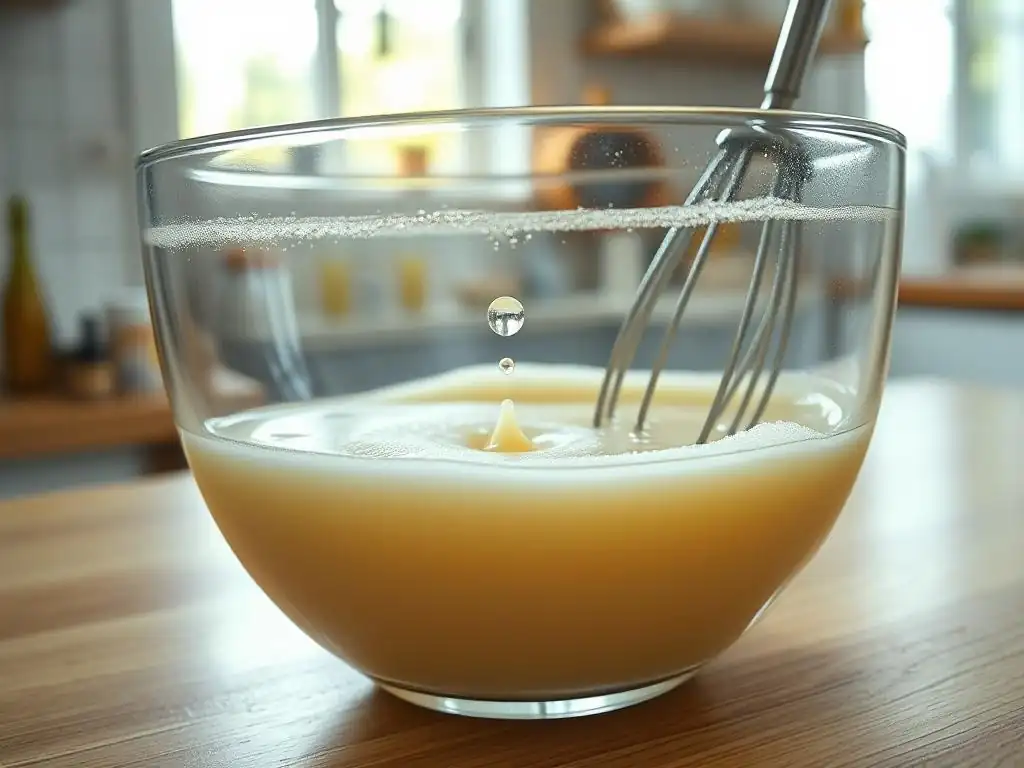
Before you begin dissolving sugar, gather your necessary tools and ingredients to ensure a smooth process. You will need a clean, appropriately sized saucepan or pot, preferably one with a heavy bottom for even heat distribution if heat is being used. A sturdy whisk or spoon is essential for stirring. Precision in measurement is also crucial; use dry measuring cups for granulated sugar and liquid measuring cups for water or other liquids. For best results when dissolving sugar, use fine or extra-fine granulated sugar, as smaller crystals dissolve faster than larger ones like decorating sugar.
The quality and temperature of your liquid also play a significant role. Use clean, fresh water. While tap water is usually fine, heavily mineralized water can potentially contribute to crystallization in sensitive applications like candy making, although this is less common in standard baking where other ingredients are present. Having your liquid at the appropriate temperature, as discussed in the science section, is also a key preparation step. Starting with warm or hot liquid will significantly help you dissolve sugar without lumps compared to starting cold.
The Gradual Addition Method: Preventing Sugar Clumps
One of the most effective techniques to dissolve sugar without lumps is to add the sugar gradually to the liquid rather than dumping it all in at once. When a large amount of sugar is added simultaneously, especially to a cooler liquid, the outer layers of sugar crystals dissolve, forming a concentrated syrup that can prevent the liquid from reaching the sugar in the center of the clump. This creates stubborn lumps that are difficult to break down.
Instead, add the sugar a tablespoon or two at a time while stirring continuously. This allows each batch of sugar crystals to be fully exposed to the liquid and dissolve before more sugar is added. While this method takes slightly longer, it is incredibly effective at preventing the formation of lumps from the start. For large quantities of sugar, you might add it in fourths or thirds, ensuring each addition is mostly dissolved before proceeding. This patient, incremental approach is a cornerstone of achieving a lump-free sugar solution.
Optimizing Water Temperature for Sugar Dissolution
As we know, temperature dramatically affects sugar solubility. For most baking applications requiring dissolved sugar, using warm or hot water is highly recommended. If your recipe involves heating the mixture anyway (like for simple syrups, custards, or sauces), adding the sugar while the liquid is warming or already warm is ideal. This leverages the increased solubility at higher temperatures. For instance, when making a simple syrup, heating the water to a simmer (around 90-95°C) before adding the sugar will cause it to dissolve almost instantly with minimal stirring.
Even when the final mixture isn't heated to high temperatures, starting with lukewarm or warm water (around 40-60°C) can significantly speed up the initial dissolution process compared to using cold water straight from the tap. This is particularly helpful when making glazes or icings where excessive heat isn't desired. The warmer temperature helps the sugar molecules break down their crystal structure and disperse more easily, making it much simpler to dissolve sugar without lumps forming initially. Always check your recipe's instructions, but generally, warmer liquid is your friend in the sugar dissolution process.
Stirring Techniques for Even Sugar Dispersion
Proper stirring is crucial in conjunction with temperature and gradual addition to ensure you dissolve sugar without lumps. The primary purpose of stirring is to bring fresh liquid into contact with the undissolved sugar crystals and to distribute the dissolved sugar evenly throughout the solution. Gentle, continuous stirring is usually more effective than vigorous, sporadic stirring, especially when heat is involved, as excessive agitation can sometimes encourage crystallization later.
When dissolving sugar, stir until you no longer hear or feel the gritty sound of sugar crystals scraping against the bottom or sides of your pot or bowl. You can also visually check by lifting your spoon or whisk; if you see any undissolved granules clinging to it or settling at the bottom, keep stirring.
For hot syrups, stirring should generally stop once the sugar is fully dissolved to prevent potential crystallization issues, but for cooler solutions or batters, gentle stirring until smooth is key. Consistent, even stirring ensures that all sugar particles get the chance to dissolve completely, leading to a perfectly smooth mixture.
Troubleshooting Common Sugar Dissolving Problems
Addressing Undissolved Sugar: Identifying and Rectifying Issues
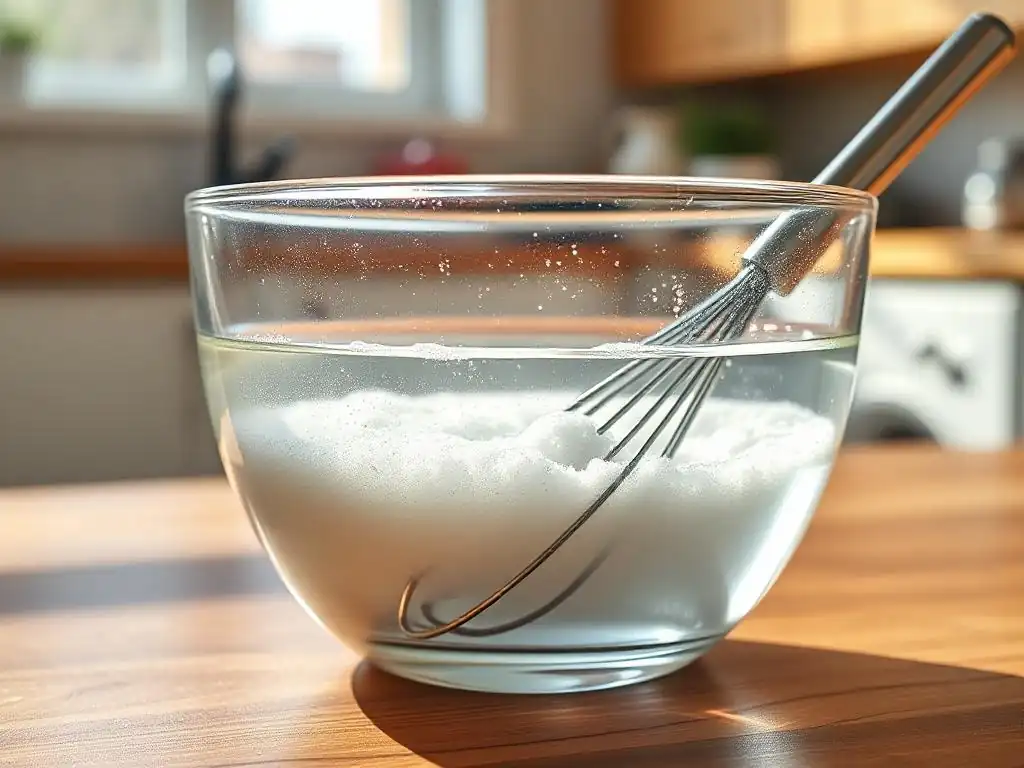
Encountering undissolved sugar after following the steps can be frustrating, but it's often rectifiable. The most common sign is feeling grittiness when you rub a small amount of the liquid between your fingers, or seeing sugar crystals settled at the bottom of your container. The primary reasons are usually insufficient stirring, not enough liquid relative to the amount of sugar, or the liquid not being warm enough.
To fix this, if the mixture can be heated according to your recipe, gently warm it while stirring continuously. This will increase the solubility and help the remaining crystals dissolve. If heating isn't an option (e.g., in a cold glaze), you may need to add a tiny amount more liquid (if the recipe allows) and stir patiently for a longer period.
For stubborn lumps, sometimes pressing them gently against the side of the pot with the back of a spoon while stirring can help break them up and expose the sugar to the liquid. Patience and gentle heat (where appropriate) are your best tools for correcting undissolved sugar and ensuring you dissolve sugar without lumps.
Avoiding Sugar Crystallization During Dissolution
While undissolved sugar is one problem, unwanted crystallization is another, often related to the dissolution process itself. Crystallization occurs when dissolved sugar molecules start linking back together, forming solid crystals again. This can happen if even a single undissolved sugar crystal or a speck of foreign matter (like dust or leftover residue on your spoon) acts as a seed crystal in a super-saturated sugar solution, particularly at high concentrations and temperatures.
To avoid this when dissolving sugar, especially for syrups or candy, ensure your equipment is scrupulously clean. Wipe down the sides of the pot with a wet pastry brush during heating to wash down any sugar crystals that might splash onto the sides above the liquid line, as these can dry and fall back in as seed crystals.
Avoid stirring after the sugar is fully dissolved and the solution is simmering or boiling, as this can introduce air bubbles or bring potential seed crystals from the sides back into the mixture. Using a small amount of acid, like lemon juice or cream of tartar (as little as 1/4 teaspoon per cup of sugar), can also help prevent crystallization by breaking down sugar molecules into simpler forms that are less likely to re-crystallize.
Dissolving Different Types of Sugar: Granulated, Powdered, and Brown
While the basic principles of temperature and stirring apply, different types of sugar behave slightly differently when dissolving. Granulated sugar is the standard and dissolves predictably. Powdered sugar (confectioners' sugar), which contains a small amount of cornstarch to prevent clumping, technically dissolves very quickly due to its fine particle size. However, the added starch can sometimes make achieving a completely clear solution difficult and may require more vigorous whisking to fully disperse the sugar and starch without lumps, especially in cold liquids for glazes or icings.
Brown sugar, which is granulated sugar with added molasses, dissolves similarly to white granulated sugar. The molasses content adds moisture and flavor but doesn't fundamentally change the dissolution process in terms of temperature and stirring needs. However, brown sugar can sometimes have more inherent clumps due to its moisture content; breaking these up before adding the sugar to the liquid will help ensure you dissolve sugar without lumps forming from these initial clusters. Regardless of the type, patience and proper technique remain key to successful dissolution.
Advanced Techniques for Achieving Perfect Sugar Dissolution
Using Heat Strategically to Dissolve Sugar Quickly
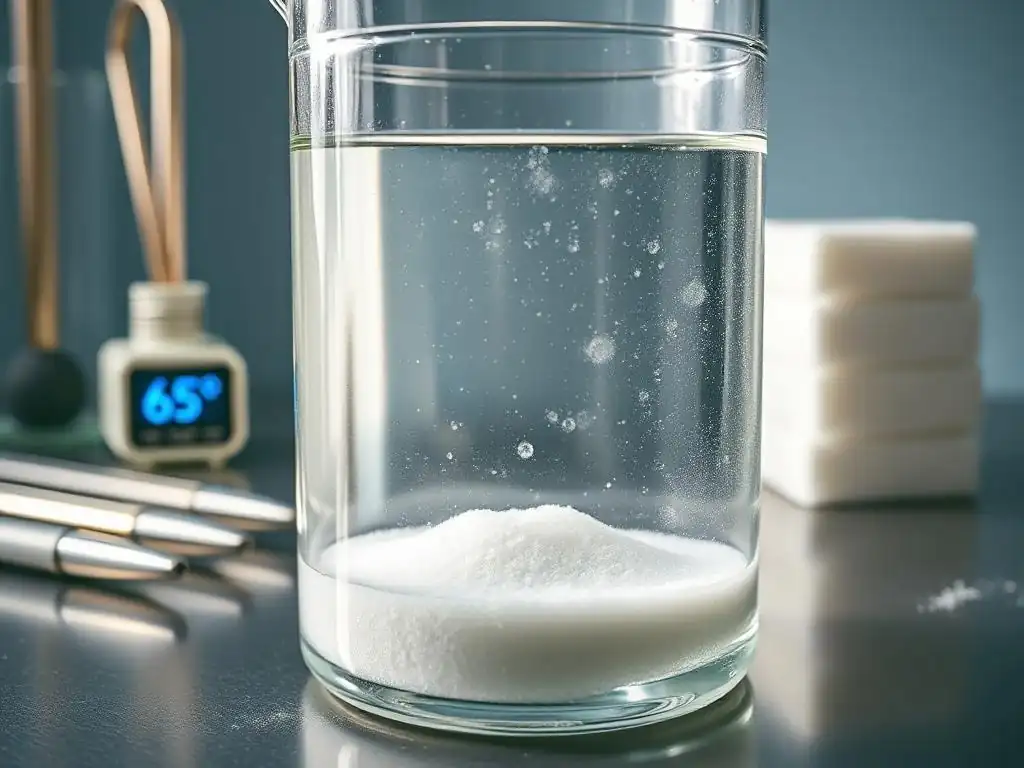
Leveraging heat is the most efficient way to dissolve sugar quickly, especially when dealing with larger quantities or creating concentrated syrups. By increasing the temperature of the liquid, you dramatically increase its capacity to hold dissolved sugar. For instance, bringing water to a boil (100°C) allows it to dissolve over twice as much sugar as it can at room temperature. This is why simple syrups (equal parts sugar and water by weight or volume) are typically made by heating the mixture until the sugar dissolves.
To use heat strategically, combine your sugar and liquid in a saucepan before applying heat. Stir initially to moisten all the sugar crystals. Then, place the pan over medium heat, stirring gently but continuously until the mixture comes to a gentle simmer. As the temperature rises, you will notice the sugar dissolving more and more readily.
Once the liquid is hot and clear, stop stirring for syrups to prevent crystallization. For other applications, like heating milk for custard, adding sugar while the milk warms allows it to dissolve smoothly by the time the desired temperature is reached. Using heat wisely is a powerful tool to dissolve sugar without lumps efficiently.
Utilizing Blenders and Food Processors for Sugar Dissolution
While less common for standard syrups or batters, blenders and food processors can be useful tools for dissolving sugar, particularly in cold applications or when working with powdered sugar for smooth icings and glazes. The high-speed blades create intense mechanical action that helps break up sugar crystals and disperse them rapidly throughout the liquid.
For making very smooth cold glazes or incorporating powdered sugar into liquids without manual whisking, adding the liquid and powdered sugar to a blender or food processor and processing for 30-60 seconds can achieve a perfectly lump-free consistency. This method is particularly effective for ensuring there are no hidden lumps of powdered sugar or unincorporated cornstarch. While you wouldn't typically use this for granulated sugar in hot syrups, it's an excellent technique for specific cold preparations where achieving a completely smooth, dissolved sugar state is paramount.
Incorporating Sugar into Cold Liquids: Tips and Tricks
Dissolving sugar in cold liquids, such as making cold brew simple syrup or sweetening iced beverages directly, is the slowest method due to the lower solubility at cool temperatures. However, it is achievable with the right approach. The key here is patience and maximum surface area exposure.
Use the finest granulated sugar available, or even castor sugar (superfine sugar), as the smaller crystals dissolve faster. Add the sugar gradually, as discussed earlier, and stir very frequently. Unlike hot solutions where you might stop stirring, continuous or very frequent stirring is necessary in cold liquids to keep bringing the undissolved sugar into contact with fresh solvent.
Allowing the mixture to sit for periods and then stirring again can also help, as the liquid slowly works on the sugar crystals. For cold syrups, using a higher ratio of water to sugar (a thinner syrup) can also help facilitate dissolution compared to trying to make a very concentrated cold syrup. While more time-consuming, dissolving sugar in cold liquids is possible by maximizing stirring and using fine sugar.
Mastering Sugar Dissolution: Key Takeaways for Baking with Ease
The Importance of Patience and Observation
Successfully dissolving sugar completely boils down to patience and careful observation. Rushing the process is the most common reason for encountering undissolved sugar or triggering unwanted crystallization. Take the time to add sugar gradually, stir until you genuinely feel or see no more crystals, and allow temperature to work its magic.
Pay attention to the texture and clarity of your sugar solution. Is it perfectly smooth? Can you still feel grit? Observing these details helps you know when the sugar is truly dissolved. This mindful approach, rather than just following steps mechanically, is what elevates your baking and ensures you can consistently dissolve sugar without lumps, setting a solid foundation for delicious results.
The Impact of Water Quality on Sugar Dissolving
While often overlooked in everyday baking, the quality of your water can have a subtle impact, especially in sensitive sugar work like candy making where crystallization is a major concern. Heavily mineralized or "hard" water contains dissolved salts that can sometimes interfere with sugar's ability to dissolve cleanly and can potentially act as nucleation points for crystallization in highly concentrated solutions.
For most standard baking recipes where sugar concentration is lower and other ingredients are present, using regular tap water is usually perfectly fine and won't cause issues with dissolving sugar without lumps. However, if you are consistently struggling with crystallization in delicate sugar confections despite following all other best practices, experimenting with filtered or distilled water might be a worthwhile step to eliminate water quality as a potential factor.
Achieving a Smooth, Lump-Free Sugar Solution Every Time
Mastering how to dissolve sugar without lumps is a fundamental skill that significantly improves the quality of countless baked goods and confections. It requires understanding the science of solubility, utilizing proper techniques like gradual addition and strategic heating, and practicing patience and observation.
By consistently applying these principles – using appropriate temperatures, stirring effectively until no grit remains, adding sugar incrementally, and troubleshooting common issues – you can ensure your sugar is always completely dissolved. This crucial first step guarantees a smooth foundation, preventing grainy textures and promoting the desired consistency, appearance, and stability in all your baking adventures, making baking truly a process of ease and success.
Frequently Asked Questions
How important is it to completely dissolve sugar in baking?
Completely dissolving sugar is crucial because undissolved sugar can cause lumpy textures and affect the final product's consistency and evenness. It ensures even distribution of sweetness and proper activation of other ingredients.
What are some common reasons why sugar doesn't dissolve properly?
Common reasons include using cold liquids, not stirring enough, or using too much sugar relative to the liquid. Also, using the wrong type of sugar for the recipe can be a factor.
What types of liquids are best for dissolving sugar?
Warm or hot liquids are generally best for dissolving sugar quickly and thoroughly. Water, milk, and melted butter are commonly used, depending on the recipe's requirements.
Are there any specific techniques to help sugar dissolve faster and without lumps?
Yes! Try gently heating the liquid with the sugar while stirring constantly until it's completely dissolved. Also, using finely granulated sugar can help.
Can I substitute different types of sugar if I'm having trouble dissolving the original type?
While you can substitute, it's important to consider the recipe. Powdered sugar dissolves very easily but might affect the texture. Brown sugar contains molasses which can also impact the final product.
Final Reflection: The Sweetness of Understanding Dissolution
The seemingly simple act of dissolving sugar without lumps holds a surprising depth, impacting everything from baking perfection to the larger scientific understanding of solubility. Mastering this fundamental process unlocks a world of culinary possibilities and reveals the intricate dance between molecules and their environment. It's more than just avoiding a grainy texture; it's about understanding the principles that govern the interaction of substances.
The journey from lumpy sugar to a perfectly smooth solution mirrors our own journeys of understanding. We often face challenges that seem insurmountable at first, but with patience, the right techniques, and a deeper understanding of the underlying principles, we can achieve remarkable results. The greatest discoveries are often made by those who dare to look beyond the obvious.
This holds true not only in the kitchen but in all aspects of life. The seemingly insignificant act of dissolving sugar teaches us the importance of attention to detail and the power of understanding fundamental principles.
Now, consider your own "lumps" – those obstacles and challenges that seem to stand in the way of your goals. What if you approached them with the same meticulous attention to detail and understanding that you would apply to dissolving sugar? I invite you to reflect on this analogy and apply the principles of patience, precision, and understanding to your own life's "recipes" for success. The sweetness of achievement awaits those who dare to dissolve their challenges, one careful step at a time.
Unlock Your Baking Potential: Master Sugar Dissolution!
Thanks for diving into the world of perfectly dissolved sugar! We hope you now understand its crucial role in achieving amazing baked goods. Ready to put your newfound knowledge into practice?
- Try our foolproof sugar dissolving method: Remember those tips and tricks? Put them to the test in your next baking project!
- Share your baking triumphs (or challenges!): Let's connect and learn from each other in the comments below. Show us your perfectly smooth batters and tell us about your experience.
- Explore our recipe section for delicious recipes that highlight the importance of properly dissolved sugar.
What exciting new dessert will you create with your newly mastered sugar-dissolving skills?