
The Science of Smooth: How Emulsification Creates Perfect Frostings and Sauces

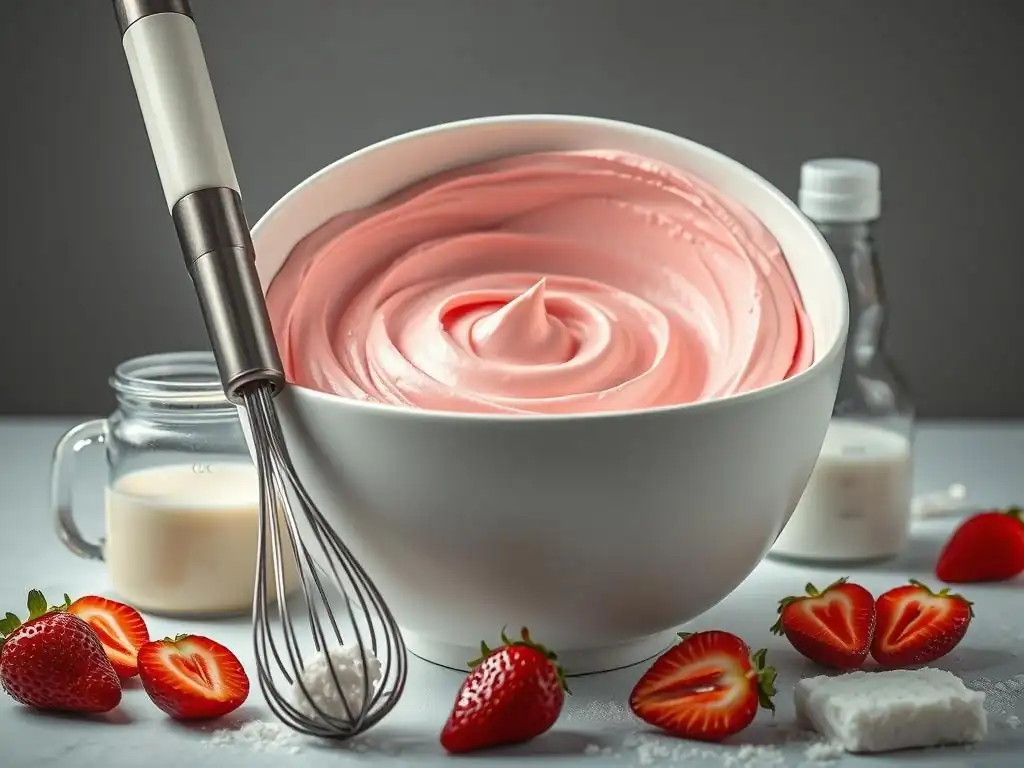
Welcome to BakeWithEase, where baking dreams become delicious realities! Ever wondered how seemingly simple ingredients transform into flawlessly smooth frostings and sauces? Prepare to unlock the secrets behind emulsification – the key to achieving bakery-quality results at home. Discover our expert tips and fail-proof emulsification frosting recipes tips within, and embark on a journey to elevate your baking game from good to unforgettable. Intrigued? Let's dive in!
- Understanding Emulsification in Baking: A BakeWithEase Deep Dive
- Emulsification in Frosting: Achieving the Perfect Texture
- Emulsification in Sauces: From Hollandaise to Chocolate Ganache
- Troubleshooting Emulsification in Baking: Expert Tips from BakeWithEase
- Advanced Emulsification Techniques for Baking Perfection
- Mastering Emulsification: Your Key to Baking Excellence
-
Frequently Asked Questions
- How does emulsification work in frostings?
- What are some common emulsifiers used in frosting recipes?
- Why is emulsification important for a smooth frosting texture?
- What are some tips for achieving successful emulsification in frostings?
- Where can I find easy-to-follow emulsification frosting recipes?
- Final Reflection: The Enduring Allure of the Emulsified Bite
- Unlock Your Inner Pastry Chef: Mastering Emulsification
Understanding Emulsification in Baking: A BakeWithEase Deep Dive
What is Emulsification and Why is it Crucial for Baking Success?
Emulsification is a fundamental process in baking and cooking where two liquids that normally don't mix, like oil and water, are combined evenly. Think of it like coaxing reluctant dance partners onto the floor and getting them to move together smoothly. In technical terms, it involves dispersing tiny droplets of one liquid throughout another. This creates a stable, homogeneous mixture that won't easily separate back into its original components. Without successful emulsification, many beloved baked goods and their accompaniments, such as smooth frostings, rich sauces, and even tender cakes, would have undesirable textures – potentially oily, watery, or grainy.
For bakers, mastering emulsification is key to achieving professional-quality results. It directly impacts the texture, consistency, and stability of many recipes. A well-emulsified frosting, for instance, will be light, smooth, and hold its shape beautifully for piping, while a poorly emulsified one might be greasy or separate over time.
Understanding how to create and maintain these delicate mixtures is a superpower in the kitchen, ensuring your creations are not only delicious but also visually appealing and structurally sound. It's the difference between a runny chocolate sauce and a glossy, pourable ganache, or a split buttercream versus one that's perfectly spreadable.
Exploring the Role of Emulsifiers in Baking
While it's possible to temporarily combine oil and water through vigorous mixing, the mixture will eventually separate. This is where emulsifiers come in. Emulsifiers are compounds that have a unique molecular structure, possessing both a water-attracting (hydrophilic) end and an oil-attracting (lipophilic or hydrophobic) end. This dual nature allows them to act as a bridge between the two immiscible liquids, surrounding the droplets of one liquid and preventing them from coalescing back together. They essentially stabilize the emulsion by reducing the surface tension between the phases.
In baking, common natural emulsifiers include lecithin, found abundantly in egg yolks, and proteins like those found in milk and butter. Commercial bakers often use ingredients like monoglycerides and diglycerides, or polysorbates, which are highly effective at stabilizing complex systems like cake batters or whipped toppings. Even finely ground dry ingredients like flour or cocoa powder can act as physical emulsifiers by coating fat droplets. Understanding which ingredients in your recipe are acting as emulsifiers helps you control the process and achieve the desired outcome, whether you're working on delicate Emulsification frosting recipes tips or a robust bread dough.
Emulsification in Frosting: Achieving the Perfect Texture
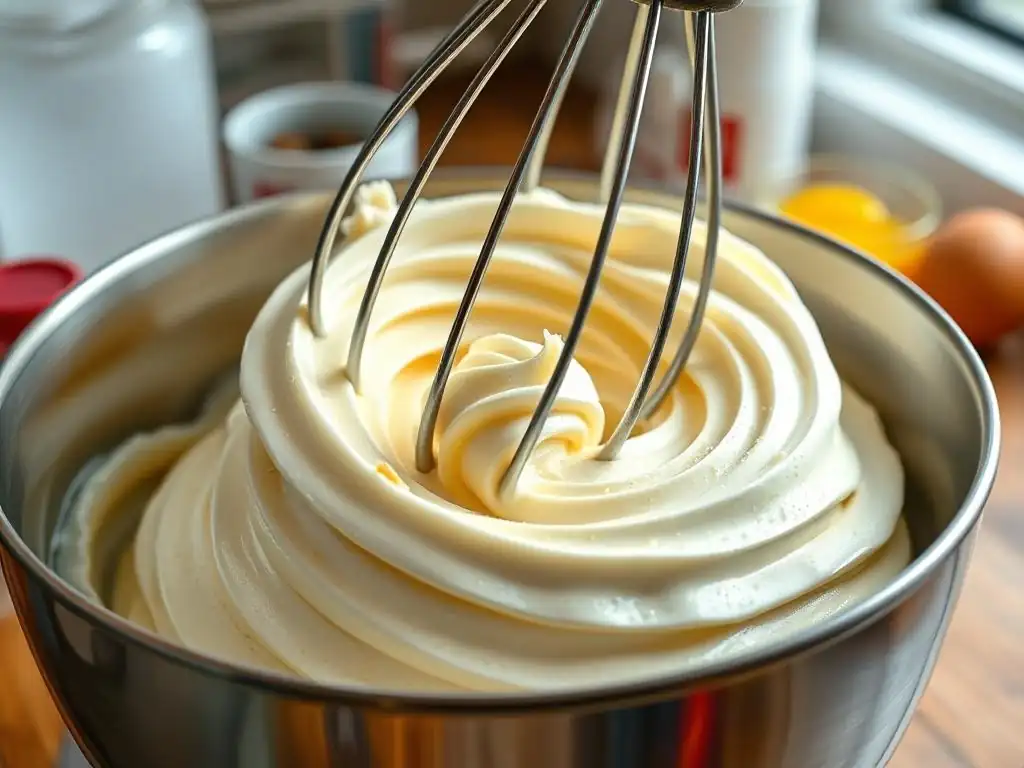
Emulsification Frosting Recipes: A Baker's Guide
Creating smooth, stable frosting hinges on successful emulsification, often involving fats and liquids. Buttercreams, for example, rely on emulsifying butter (fat and water) with sugar and often egg whites or yolks (containing proteins and lecithin). A classic American buttercream emulsifies softened butter with powdered sugar and a splash of milk or cream. The key is to gradually incorporate ingredients and mix thoroughly to create a stable matrix where tiny fat particles are suspended within the sugar-liquid phase, or vice versa, preventing separation. Mastering these techniques is fundamental to many Emulsification frosting recipes tips.
Italian or Swiss meringue buttercreams involve emulsifying softened butter into a cooked sugar syrup and meringue base. The egg proteins in the meringue act as powerful emulsifiers, helping the butter integrate smoothly. Achieving the right temperature for the butter and meringue is critical; if the butter is too cold, it won't emulsify properly, resulting in a curdled appearance. If it's too warm, the emulsion might break. Following precise ratios and mixing instructions in Emulsification frosting recipes tips tailored for these types is essential for that signature light and airy, yet stable, texture.
Key Ingredients for Stable Frosting Emulsions
Fat Content and Its Impact on Emulsification
The type and amount of fat used significantly impact frosting emulsification. Butter, being about 80-82% fat and 16-18% water, is itself a complex emulsion. Its solid fat crystals and liquid fat need to be incorporated smoothly into the other frosting ingredients. Using too much liquid relative to fat can make emulsification difficult, leading to a thin or separated frosting.
Conversely, insufficient liquid might result in a stiff, crumbly texture. The state of the fat (softened, melted, cold) is also crucial. For most buttercreams, softened butter is ideal as it incorporates more easily than cold or fully melted butter, facilitating a stable emulsion.
Shortening, which is 100% fat and solid at room temperature, behaves differently than butter. It provides excellent structure and heat stability, making it popular for frostings that need to hold up in warm environments. However, shortening lacks the natural emulsifiers found in butter's water phase. Frostings made purely with shortening often require additional liquid and potentially a commercial emulsifier or a technique that relies on sugar or other ingredients to aid stability. Finding the right balance between fat type, amount, and temperature is key in any Emulsification frosting recipes tips guide.
The Role of Liquids in Frosting Emulsions
Liquids in frosting, such as milk, cream, water, or even fruit juice, play a vital role in dissolving sugar and creating a continuous phase for the fat droplets to disperse within. The amount of liquid directly affects the consistency and stability of the emulsion. Too little liquid can result in a stiff, dry frosting that's hard to emulsify, while too much can lead to a thin, runny mixture that's prone to separation. The temperature of the liquid can also matter; sometimes using slightly warm liquid helps dissolve sugar and integrate fat more smoothly, especially in cooked frostings.
Beyond just providing a medium for dispersion, certain liquids like milk or cream contain proteins (like casein and whey) that act as natural emulsifiers. These proteins can surround fat globules, helping to keep them suspended. Evaporated milk or condensed milk, with their higher concentration of milk solids and proteins, can provide even greater emulsifying power. Understanding how different liquids contribute to the emulsification process is a crucial aspect of developing reliable Emulsification frosting recipes tips.
Sugar's Contribution to Frosting Stability
Sugar, particularly powdered sugar (confectioners' sugar), is a critical component in many frostings and significantly impacts emulsification and stability. Powdered sugar contains a small amount of cornstarch (typically 3-5%) which acts as a stabilizer and anti-caking agent. While not a classic emulsifier in the same way as lecithin, the sheer volume of fine sugar particles helps to physically separate fat droplets and absorb liquid, contributing to the overall structure and preventing the emulsion from breaking. The process of creaming butter with powdered sugar creates an initial emulsion where air is also incorporated.
Granulated sugar, used in cooked frostings like Italian or Swiss meringue buttercreams, contributes differently. It dissolves in the liquid (water or egg whites) to form a syrup. The concentration and temperature of this sugar syrup are vital. A hot, concentrated syrup added to egg whites helps create a stable meringue, which then acts as the base for emulsifying the butter. The dissolved sugar itself helps to thicken the liquid phase, further stabilizing the final fat-in-liquid emulsion. The type and state of sugar are important considerations in Emulsification frosting recipes tips for different frosting styles.
Common Frosting Problems and Emulsification Solutions
Preventing Frosting Separation: Emulsification Techniques
Frosting separation, often appearing as a greasy or watery layer on top, is a common issue stemming from a broken or unstable emulsion. This can happen if ingredients are added too quickly, if temperatures are off (butter too cold or too warm), or if the ratio of fat to liquid is incorrect. To prevent separation, ensure all ingredients, especially butter, are at the correct temperature specified in the recipe – usually softened room temperature for buttercreams.
Add liquids or fats gradually while mixing, allowing each addition to fully incorporate before adding more. High-speed mixing helps create smaller droplets, leading to a more stable emulsion.
Using an ingredient known for its emulsifying properties can also help. For example, adding a small amount of melted and slightly cooled chocolate (which contains cocoa solids acting as emulsifiers) or a tablespoon of corn syrup can sometimes improve stability. For buttercreams, ensuring the initial creaming of butter and sugar is thorough lays a strong foundation for the emulsion. Following detailed Emulsification frosting recipes tips that emphasize gradual additions and temperature control is your best defense against separation.
Fixing Broken Frosting: Rescue Emulsification Methods
If your frosting looks curdled, greasy, or separated, don't panic! It's often possible to rescue a broken emulsion. For buttercreams, the most common fix involves adjusting the temperature and re-mixing. If it looks curdled and cold, gently warm a small portion over a double boiler or microwave, then gradually whisk it back into the rest of the frosting while mixing on high speed. This helps the fat re-melt and emulsify. If it looks greasy and warm, chilling it slightly in the refrigerator until it firms up a bit, then re-whipping on high speed, can sometimes bring it back together.
Another rescue technique, particularly effective for buttercreams that have separated due to temperature issues, is to add a small amount of the missing phase while mixing vigorously. If it looks greasy and separated, adding a tablespoon or two of warm milk or water while whipping can sometimes help re-emulsify. If it looks too liquidy or separated, adding a tablespoon of softened butter or even a bit more powdered sugar can help. Experiment gently, adding small amounts and mixing well. Many online resources and Emulsification frosting recipes tips guides offer detailed troubleshooting steps for specific frosting types.
Emulsification in Sauces: From Hollandaise to Chocolate Ganache
Understanding Sauce Emulsification: A Culinary Perspective
Emulsification isn't just for sweet frostings; it's a cornerstone of many savory and sweet sauces in the culinary world. Sauces like mayonnaise, vinaigrettes, hollandaise, and even smooth gravies rely on creating stable emulsions. The principles are the same as in frosting: dispersing fat droplets evenly throughout a liquid phase, often with the help of an emulsifier. The key difference is often the primary ingredients and the temperatures involved. Mayonnaise emulsifies oil into an egg yolk and acid base, while hollandaise emulsifies melted butter into an egg yolk and acid base using heat.
Achieving a stable sauce emulsion often requires a specific technique, such as slow, steady whisking while gradually adding the fat. The goal is to break the fat into tiny droplets as it's added, allowing the emulsifier (like lecithin in egg yolks or mustard in vinaigrettes) to surround them before they can coalesce. Temperature control is frequently more critical in hot sauces like hollandaise, where overheating can break the emulsion by denaturing the proteins. Understanding these dynamics is key to successful sauce making, which can often accompany baked goods or be used as a component within them.
Emulsified Sauce Recipes: Elevating Your Baking Creations
While some sauces are purely savory, many emulsified sauces are used in baking to add moisture, flavor, and richness. Think of a glossy chocolate ganache poured over a cake, a smooth caramel sauce drizzled on a tart, or even a rich pastry cream (which involves emulsifying fat from milk/eggs with starches). These sauces, when properly emulsified, have a luxurious texture that elevates the final baked product. Mastering the emulsification process for these sauces is a valuable skill for any baker looking to enhance their repertoire beyond simple frostings.
Incorporating emulsified sauces into your baking involves understanding how their consistency will interact with the baked good. A ganache for filling needs to be firmer than one for pouring. A caramel sauce needs to be thick enough to cling but pourable. Emulsification allows you to control this consistency. Many Emulsification frosting recipes tips can even be adapted for sauce making, emphasizing gradual additions, temperature control, and vigorous mixing to achieve that perfect, smooth texture.
Hollandaise Sauce: A Classic Emulsification Example
Hollandaise sauce is perhaps one of the most famous examples of a hot, emulsified sauce. It's made by whisking melted butter (the fat) into egg yolks (containing lecithin, the emulsifier) and a small amount of acid like lemon juice or vinegar (the liquid phase), usually over gentle heat. The heat helps the egg yolks thicken slightly and encourages the lecithin to bind with the fat droplets. The process requires careful temperature control; if the sauce gets too hot, the egg proteins will coagulate too much, breaking the emulsion and resulting in scrambled eggs and separated fat.
The technique involves whisking the egg yolks and acid until slightly thickened and foamy, then slowly, very slowly, drizzling in the melted butter while whisking constantly. The fat must be added gradually to allow the egg yolks time to emulsify each tiny droplet. If butter is added too quickly, the egg yolks become overwhelmed and can't effectively surround all the fat, leading to separation. Mastering the slow drizzle and constant whisking is the secret to a velvety smooth hollandaise.
Chocolate Ganache: Achieving Silky Smoothness Through Emulsification
Chocolate ganache, a simple yet elegant sauce or filling, is a classic example of an emulsion in baking. It's typically made by pouring hot cream (the liquid phase, also containing some fat and protein) over chopped chocolate (containing cocoa butter, the fat phase, and cocoa solids which act as emulsifiers). As the chocolate melts, the cocoa butter disperses into the cream.
Stirring or whisking helps to combine the two phases and create a stable emulsion. The resulting consistency depends on the ratio of chocolate to cream; a 1:1 ratio yields a pourable sauce, while a 2:1 or 3:1 ratio creates a firmer ganache suitable for truffles or fillings.
The key to a smooth ganache is allowing the hot cream to melt the chocolate sufficiently before stirring. Initially, the mixture might look separated or oily. Gentle, continuous stirring from the center outwards helps the cocoa solids and milk proteins emulsify the cocoa butter and cream. Over-mixing can sometimes incorporate too much air, resulting in a duller finish, but sufficient initial mixing is crucial for the emulsion. Adding a small amount of butter or corn syrup at the end can enhance glossiness and further stabilize the emulsion.
Tips and Tricks for Successful Sauce Emulsification
Temperature Control for Optimal Emulsification
Temperature plays a vital role in successful sauce emulsification, especially in hot sauces. For hollandaise, maintaining a gentle heat (often using a double boiler) is crucial to warm the egg yolks enough to emulsify the butter without cooking them. The melted butter should be warm, but not scorching hot, as this can also break the emulsion. For ganache, the cream needs to be hot enough to fully melt the chocolate, but not boiling violently, which could scald the cream.
In cold emulsions like mayonnaise or vinaigrettes, temperature is less about cooking and more about viscosity. Ingredients at room temperature tend to emulsify more easily than cold ones. Cold liquids or fats can be harder to break into small droplets and disperse. Ensuring your egg yolks and oil for mayonnaise, or oil and vinegar for vinaigrette, are not straight from the refrigerator will greatly improve your chances of a stable emulsion.
The Importance of Gradual Addition in Sauce Making
Just as with frosting, adding the fat component gradually is perhaps the single most important technique for achieving a stable sauce emulsion. Whether it's oil into egg yolks for mayonnaise, melted butter into egg yolks for hollandaise, or even oil into vinegar for vinaigrette, the fat must be added in a slow, thin stream or in very small increments. This allows the emulsifier (egg yolk, mustard, etc.) time to encapsulate the tiny fat droplets as they are introduced.
Adding the fat too quickly overwhelms the emulsifying agent, resulting in large fat globules that won't disperse properly, leading to a broken or separated sauce. Constant, vigorous mixing (whisking or blending) while adding the fat is equally important to physically break down the fat into those small droplets. This gradual addition technique is a universal principle in Emulsification frosting recipes tips and sauce-making guides alike.
Using a Blender or Whisk for Effective Emulsification
The tool you use for mixing can significantly impact the success of your emulsion. For sauces like mayonnaise or hollandaise, a balloon whisk is traditional and effective, allowing you to incorporate air and vigorously combine ingredients by hand. The constant motion helps break down fat droplets. However, an immersion blender or a regular blender can make the process faster and more foolproof, especially for beginners.
Blenders are particularly effective because their high-speed blades create very small, uniform fat droplets, making the emulsion more stable. For mayonnaise, placing all ingredients except the oil in the blender cup, then slowly drizzling in the oil from the top while blending, almost guarantees a successful emulsion. For ganache, a whisk or spatula works well as the chocolate solids aid emulsification, but a brief use of an immersion blender after the chocolate is melted can ensure ultimate smoothness. Choose the tool that matches the sauce type and your comfort level.
Troubleshooting Emulsification in Baking: Expert Tips from BakeWithEase
Common Emulsification Mistakes and How to Avoid Them
Several common errors can lead to emulsification failure in baking and sauce making. One of the most frequent is incorrect ingredient temperature. Using cold butter in a buttercream or cold oil in a vinaigrette makes it harder to create a stable emulsion. Another mistake is adding the fat phase too quickly; this overwhelms the emulsifier and prevents proper dispersion. Insufficient mixing is also a culprit; without enough vigorous whisking or blending, the fat droplets remain too large and won't stay suspended.
Avoiding these pitfalls starts with preparation. Ensure all ingredients are at the recommended temperature before you begin. Read the recipe carefully and understand when and how quickly to add ingredients. For challenging emulsions, using a high-speed blender or food processor can help create smaller, more stable droplets. Don't rush the process, especially when adding fat. Patience and technique are your best allies in achieving stable emulsions, whether you're following Emulsification frosting recipes tips or making a delicate sauce.
Recognizing Signs of Emulsification Failure
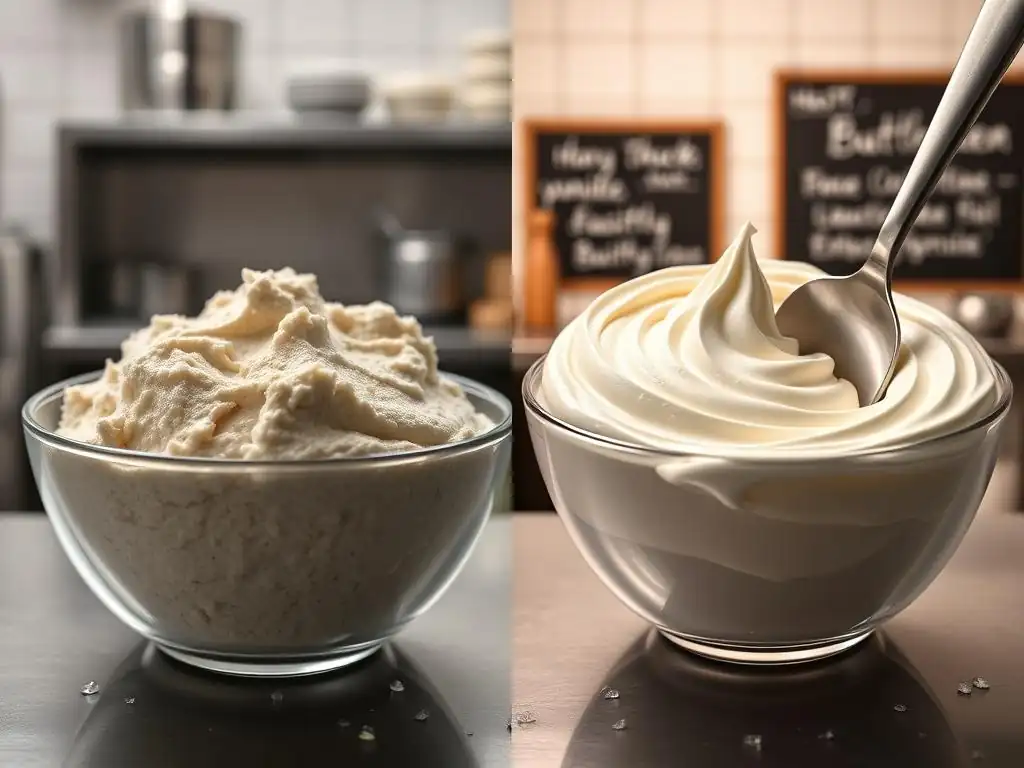
Identifying when an emulsion has failed is the first step to fixing it. In frostings, signs of failure often include a greasy or oily layer separating from the rest of the mixture, a curdled or lumpy appearance where solid bits seem suspended in liquid, or a watery texture lacking creaminess. For sauces like hollandaise or mayonnaise, a broken emulsion typically looks like a separated mess of liquid fat and watery or curdled solids. Vinaigrettes will quickly separate back into distinct oil and vinegar layers if not properly emulsified or if left standing too long.
Recognizing these visual cues early allows you to attempt a rescue before the ingredients are wasted. A slightly grainy texture might indicate sugar hasn't fully dissolved or fat isn't perfectly dispersed, while obvious liquid separation points to a complete breakdown of the emulsion structure. Familiarizing yourself with what a perfectly emulsified product should look like – smooth, uniform, and stable – helps you spot problems quickly.
Achieving Perfect Emulsification Every Time: A Checklist for Bakers
Achieving consistent emulsification comes down to a few key principles. Use this checklist from BakeWithEase to guide you:
- Check Ingredient Temperatures: Are all ingredients at the temperature specified in the recipe (room temperature, melted, warm, etc. )?
- Measure Accurately: Are your fat and liquid ratios correct according to the recipe? Minor deviations can sometimes impact stability.
- Add Fat Gradually: Are you adding the fat (melted butter, oil, etc.) in a slow, steady stream or in very small increments?
- Mix Vigorously: Are you whisking or blending continuously and powerfully while adding the fat?
- Use an Emulsifier: Does your recipe include a natural emulsifier (like egg yolk, mustard, or milk proteins), or have you considered adding one if the recipe is prone to separation?
- Avoid Extreme Temperatures: Are you preventing the mixture from getting too hot (which can cook proteins and break emulsions) or too cold (which can solidify fats)?
- Be Patient: Are you allowing enough time for each addition of fat to be fully emulsified before adding more?
Following these steps diligently dramatically increases your success rate, whether you're tackling complex Emulsification frosting recipes tips or simple pan sauces.
Advanced Emulsification Techniques for Baking Perfection
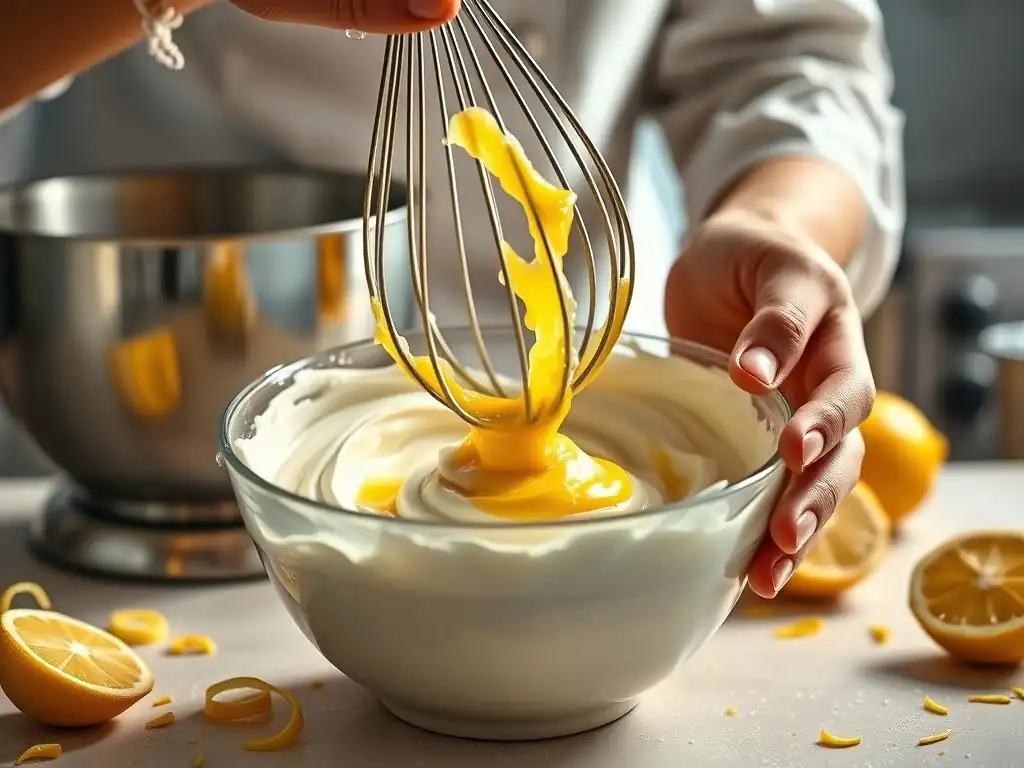
Exploring Different Types of Emulsifiers in Baking
Beyond the common emulsifiers like egg yolks and milk proteins, bakers can explore other options. Lecithin, available commercially in liquid or granular form, is a powerful phospholipid often derived from soy or sunflower. A small amount can significantly improve the stability of batters, doughs, and frostings, helping to create a finer crumb structure and prevent oil separation. Mono- and diglycerides are common in commercial baked goods and shortenings, improving aeration, texture, and shelf life by stabilizing fat emulsions and interfering with starch retrogradation.
Polysorbates, another class of synthetic emulsifiers, are highly effective at stabilizing complex systems and are often used in whipped toppings and non-dairy creams. Even ingredients like honey or molasses, while primarily sweeteners, contain compounds that can offer some mild emulsifying properties. Understanding the properties of these different emulsifiers allows bakers to troubleshoot specific issues or develop recipes with enhanced stability and texture, going beyond basic Emulsification frosting recipes tips.
Using Natural Emulsifiers for Healthier Baking Options
For bakers seeking more natural ingredients, several options serve as effective emulsifiers. As mentioned, egg yolks are powerhouses due to their lecithin content. Whole eggs also contain proteins that contribute to emulsification. Milk and dairy products provide casein and whey proteins. Even plant-based ingredients like soy milk, almond milk, or coconut milk contain proteins that can aid in emulsification, although often to a lesser degree than dairy or eggs.
Mustard, commonly used in vinaigrettes, contains mucilage that acts as an emulsifier. While less common in sweet baking, it's a great natural option for savory applications. Psyllium husk and chia seeds, when hydrated, form a gel that can help stabilize emulsions by increasing viscosity and physically suspending fat droplets. Using these natural alternatives aligns with a focus on wholesome ingredients while still leveraging the science of emulsification for desirable textures in baked goods and accompanying elements.
The Future of Emulsification in Baking: Innovations and Trends
The field of food science, including emulsification, is constantly evolving. Current research explores plant-based emulsifiers derived from sources like legumes, potatoes, or even microbial fermentation, offering new options for vegan and allergen-friendly baking. Innovations in processing techniques, such as high-pressure homogenization, are being used to create more stable and finely dispersed emulsions in commercial products.
There's also a growing interest in understanding the interplay between emulsifiers and other ingredients, like fibers and starches, to create novel textures and improve nutritional profiles. For home bakers, this might translate into new ingredients becoming available or a deeper understanding of how existing ingredients interact. Staying curious about these developments can inspire new Emulsification frosting recipes tips and techniques, pushing the boundaries of what's possible in your kitchen.
Mastering Emulsification: Your Key to Baking Excellence
Practice Makes Perfect: Experimenting with Emulsification Techniques
Like any skill in baking, mastering emulsification requires practice. Don't be discouraged if your first attempt at hollandaise breaks or your buttercream looks a little greasy. Each attempt is a learning opportunity. Try varying temperatures slightly, experimenting with the speed of adding fat, or using different tools (whisk vs. blender). Pay close attention to the visual cues of a successful emulsion forming.
Start with simpler emulsions, like a basic vinaigrette or a simple ganache, before moving on to more complex ones like Italian meringue buttercream or hollandaise. Keep notes on what worked and what didn't. Experimenting with different Emulsification frosting recipes tips and comparing the results will build your intuition and confidence, helping you understand the subtle nuances of the process.
Resources for Further Learning About Emulsification
For those who want to delve deeper into the science behind emulsification, many resources are available. Cookbooks focused on culinary science or pastry often have detailed explanations. Websites dedicated to food science or baking chemistry provide accessible information. Online courses or workshops on baking techniques frequently cover emulsification in detail.
Libraries and academic databases offer more in-depth scientific literature if you're curious about the molecular level. Understanding the 'why' behind the techniques makes you a more adaptable and successful baker, allowing you to troubleshoot issues and even invent your own Emulsification frosting recipes tips with confidence.
BakeWithEase: Your Partner in Emulsification Mastery
At BakeWithEase, we're passionate about demystifying baking science to help you achieve perfect results. We provide step-by-step guides, reliable recipes, and helpful tips, including specific Emulsification frosting recipes tips, to support your baking journey. From understanding the basics of ingredients to mastering complex techniques like emulsification, we're here to help you learn, grow, and bake with confidence.
Explore our library of recipes, read our science deep dives, and join our community of bakers. With the right knowledge and practice, you'll be creating beautifully smooth frostings, rich sauces, and perfectly structured baked goods every time. Happy baking!
Frequently Asked Questions
How does emulsification work in frostings?
Emulsification in frostings involves combining two unmixable liquids, like fat and water-based ingredients, into a stable mixture. This is achieved by using an emulsifier that helps to bind them together.
What are some common emulsifiers used in frosting recipes?
Common emulsifiers include egg yolks, lecithin (often found in soy), and sometimes even cornstarch. These ingredients help keep the frosting smooth and prevent separation.
Why is emulsification important for a smooth frosting texture?
Without proper emulsification, the fat and water components in a frosting will separate, resulting in a grainy or oily texture. Emulsification ensures a smooth, stable, and visually appealing result.
What are some tips for achieving successful emulsification in frostings?
Some tips include adding ingredients slowly and gradually, ensuring they are at the correct temperature (often room temperature), and using a high-speed mixer to help disperse the ingredients.
Where can I find easy-to-follow emulsification frosting recipes?
BakeWithEase.com offers a variety of simple recipes, techniques, and tips for bakers of all levels, including step-by-step guides for creating perfectly emulsified frostings.
Final Reflection: The Enduring Allure of the Emulsified Bite
The science of emulsification isn't just about perfectly smooth frostings and sauces; it's about unlocking the potential for culinary creativity and understanding the fundamental principles that govern texture and taste. Understanding the delicate dance between oil and water, and how emulsifiers bridge the gap, allows us to move beyond simple recipes and truly master the art of food creation.
The impact of emulsification extends far beyond the kitchen; it's a fundamental principle in food science that influences countless products we consume daily. From creamy salad dressings to luxurious lotions, the ability to create stable emulsions is crucial. This understanding allows for innovation and the creation of new textures and experiences. The most beautiful thing we can experience is the mysterious. It is the source of all true art and science.
- Albert Einstein. This quote resonates deeply, as the seemingly simple act of emulsifying reveals a complex world of scientific principles that underpin culinary artistry.
Now, consider your own culinary adventures. Think about the times you've struggled with a separated sauce or a grainy frosting. Remember the frustration, and then the triumph of achieving that perfect, smooth consistency.
I invite you to experiment, to explore the world of emulsifiers, and to embrace the science behind the smooth. Don't be afraid to try new techniques, to tweak recipes, and to discover the joy of creating truly exceptional food through the power of emulsification. The journey of mastering this fundamental culinary skill is a rewarding one, filled with delicious discoveries and a deeper appreciation for the science behind the art of cooking.
Unlock Your Inner Pastry Chef: Mastering Emulsification
Thanks for diving into the science of smooth! You've now unlocked the secrets to creating flawlessly creamy frostings and sauces. Ready to put your newfound knowledge into practice?
- Whizz up your own emulsified masterpiece! Try the recipe variations mentioned in the article—experiment with different fats and liquids to see what delicious combinations you can create. This is your chance to get creative!
- Share your emulsification success (or hilarious fails!) on social media using #BakeWithEaseEmulsion. Let’s build a community of baking enthusiasts who are mastering this essential technique!
- Explore our other articles on advanced baking techniques to further elevate your skills. We've got tons of tips and tricks to help you become a true baking pro.
What unexpected flavor combinations will you emulsify next? Let us know in the comments below!