
From Gritty to Glossy: Mastering Sugar Without Crystallization

Welcome to BakeWithEase, your trusted companion on the baking journey! Ever wondered why your caramel turns gritty or your candies lose their shimmer? Dive into our Baking Science Deep Dive as we unravel the mystery of sugar crystallization. Discover essential sugar crystallization tips for beginners and unlock the secrets to achieving perfectly smooth and glossy results, every time. Ready to transform your baking from frustrating to flawless? Let's get started!
- Mastering Sugar: Preventing Crystallization in Confectionery
- Understanding Sugar Crystallization: The Basics
- Common Causes and Prevention Strategies
- Practical Techniques for Preventing Crystallization
- Troubleshooting Crystallization Issues
- Advanced Techniques
- Recipes: Applying Crystallization Prevention
- Beyond Prevention: Advanced Sugar Techniques
- Continuing Your Sugar Journey
-
Frequently Asked Questions
- What exactly is sugar crystallization, and why is it a problem in baking?
- What are some common causes of sugar crystallization during baking?
- What are some effective beginner-friendly tips to prevent sugar crystallization?
- How does using different types of sugar affect the likelihood of crystallization?
- What should I do if sugar crystallization does occur during baking?
- Final Reflection: The Sweet Science of Sugar Mastery
- Unleash Your Baking Potential!
Mastering Sugar: Preventing Crystallization in Confectionery
Understanding Sugar Crystallization: The Basics
What is Sugar Crystallization?
Sugar crystallization occurs when dissolved sugar molecules, specifically sucrose, begin to bond together in an ordered structure, forming solid crystals. This process is most commonly observed when a sugar syrup cools down. Imagine sugar dissolved in water; as the water evaporates and the solution cools, the sugar concentration increases.
If the solution becomes "supersaturated" – meaning it holds more dissolved sugar than it normally could at that temperature – the sugar molecules are eager to link up. Any slight disturbance or the presence of a tiny solid particle can trigger this linking, initiating the formation of crystals. For beginners tackling sugar work, understanding this fundamental process is the first step toward achieving smooth, glossy results instead of a gritty texture.
This phenomenon is essentially the reverse of dissolving sugar. While dissolving involves breaking down the crystal lattice into individual molecules dispersed in liquid, crystallization is the reassembly of those molecules back into a solid, ordered structure. In confectionery, uncontrolled crystallization is usually undesirable because it ruins the smooth texture of items like fudge, caramel, or hard candies. The goal in many sugar-based recipes is to create a stable, non-crystalline or micro-crystalline structure, which is why mastering techniques to prevent sugar crystallization is crucial for beginners venturing into this area of baking science.
Factors Influencing Crystal Formation
Several factors significantly influence whether dissolved sugar will crystallize and how quickly. The concentration of sugar in the liquid is paramount; highly concentrated, supersaturated solutions are more prone to crystallization. Temperature also plays a critical role; as a supersaturated solution cools, its stability decreases, making crystallization more likely. Agitation or movement during the cooling phase can also encourage crystal formation by helping the sugar molecules align and bond. Think of stirring a cooling syrup – this movement can provide the necessary nudge for crystallization to begin, especially if the syrup is already supersaturated and contains potential seed crystals.
Furthermore, the presence of impurities or "seed crystals" is a major trigger for crystallization. These can be tiny undissolved sugar grains, dust particles, or even crystals clinging to the sides of the pan. Once a few molecules start to crystallize around a seed, the process can rapidly spread throughout the entire batch, turning a smooth syrup into a grainy mass.
Controlling these factors – concentration, temperature, agitation, and the presence of seeds – is key to preventing sugar crystallization and achieving the desired outcome in your confectionery projects. These are fundamental sugar crystallization tips beginners need to grasp early on.
Common Causes and Prevention Strategies
Insufficient Sugar Dissolution
One of the most frequent causes of premature sugar crystallization, particularly for beginners, is not ensuring that all the sugar is fully dissolved before the syrup comes to a boil. If even a few grains of sugar remain undissolved, they act as perfect "seed crystals" once the solution becomes supersaturated during boiling and cooling. These tiny solid particles provide a surface for other sugar molecules to latch onto, initiating a chain reaction of crystallization throughout the syrup. This can happen even if you've followed the rest of the recipe steps perfectly.
To prevent this, it's essential to dissolve the sugar completely in the liquid over low heat before bringing the mixture to a rolling boil. Stir the mixture gently until you can no longer see any sugar granules clinging to the bottom or sides of the pan.
A common technique is to heat the sugar and liquid slowly, stirring continuously until the solution appears clear and no sediment is visible when you lift the spoon. Using a wet pastry brush to wash down any sugar crystals that splash onto the sides of the pan is also a critical step to avoid introducing seed crystals from above.
Uncontrolled Cooling
The way a hot sugar syrup cools down significantly impacts its tendency to crystallize. Rapid cooling, especially if combined with agitation, provides the perfect environment for sugar molecules in a supersaturated solution to quickly find each other and form crystals. When the syrup cools too fast, the molecules don't have time to remain dispersed; instead, they quickly aggregate. Stirring or moving the syrup while it is cooling can also introduce air bubbles or cause friction that encourages crystal formation, effectively "seeding" the solution.
To avoid this common pitfall, practice controlled cooling. Once your sugar syrup has reached the desired temperature, remove it from the heat and place the pan on a heatproof surface, like a cooling rack or trivet. Resist the urge to stir or move the syrup while it cools. Allow it to cool undisturbed to the temperature specified in the recipe, or until it reaches the appropriate stage (like soft ball or firm ball). This slow, gentle cooling without agitation gives the supersaturated solution a chance to remain stable and non-crystalline, a vital sugar crystallization tip beginners should always remember.
Presence of Seed Crystals
As mentioned earlier, seed crystals are tiny particles that initiate the crystallization process. These aren't just undissolved sugar grains; they can be microscopic pieces of dust, lint, or even dried sugar residue on utensils or the pan itself. Even a single tiny crystal can trigger a rapid chain reaction, turning a smooth syrup into a gritty texture in minutes. Think of it like a domino effect – one tiny seed can knock over the entire structure of your perfect sugar work.
Preventing the introduction of seed crystals requires meticulous cleanliness and careful handling. Always start with a spotlessly clean pan and utensils. When dissolving sugar, use a wet pastry brush to wipe down the sides of the pan above the liquid line; this dissolves any sugar crystals that may have splashed up, preventing them from drying and falling back into the syrup as seeds.
Avoid dipping spoons that have touched crystallized sugar (like from a previous batch or even sticky fingers) back into the cooling syrup. By being vigilant about cleanliness and technique, you can drastically reduce the risk of introducing these unwanted crystal starters, making your sugar crystallization tips beginners efforts much more successful.
Practical Techniques for Preventing Crystallization
Complete Dissolution: Stirring and Temperature
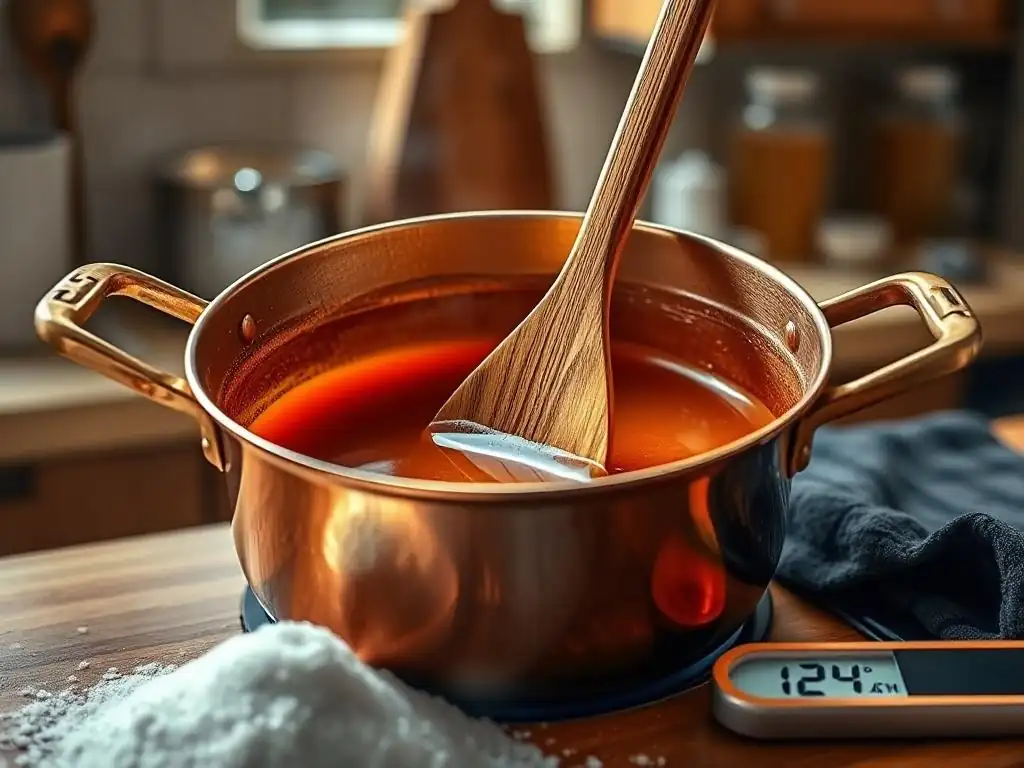
Achieving complete dissolution of sugar before boiling is non-negotiable for preventing crystallization. Start by combining your sugar and liquid (usually water or milk) in a clean saucepan over low to medium heat. Stir the mixture continuously until you can no longer see any sugar granules settling at the bottom or clinging to the sides of the pan. The solution should look perfectly clear. This process is aided by heat; warming the liquid increases its capacity to dissolve sugar. Aim for a temperature where the sugar readily dissolves but the mixture is not yet boiling vigorously.
Once all the sugar appears dissolved, you can increase the heat to bring the mixture to a boil. At this point, stop stirring. Stirring a boiling, supersaturated sugar solution is one of the quickest ways to induce crystallization by introducing air bubbles and friction, which help sugar molecules align into crystals. You can use a wet pastry brush to wash down the sides of the pan during the boiling process if needed, but avoid stirring the liquid itself. Ensuring complete dissolution initially sets the stage for a smooth, non-crystalline product.
Invert Sugar: Usage and Benefits
Invert sugar is a powerful tool in preventing sugar crystallization. It's a mixture of glucose and fructose, formed by breaking down sucrose (table sugar) into its two component sugars. Unlike sucrose, glucose and fructose molecules don't readily bond together to form large crystals. When added to a sucrose syrup, these smaller, irregular molecules get in the way, physically interfering with the ability of sucrose molecules to align and crystallize. Common examples of ingredients containing invert sugar are honey and corn syrup (which is primarily glucose, a component of invert sugar).
Adding a small amount of invert sugar, such as a tablespoon or two of corn syrup per cup of granulated sugar in a recipe, significantly increases the stability of the sugar solution. This is why corn syrup is a staple ingredient in many fudge, caramel, and candy recipes. It acts as an "interfering agent," helping to maintain a smooth, non-crystalline texture even as the syrup cools and becomes highly concentrated. Using these interfering agents is a key sugar crystallization tip beginners can easily implement.
Glucose Syrup: Application and Effects
Glucose syrup, often used interchangeably with corn syrup in recipes, is another effective interfering agent derived from starch. Like invert sugar, it contains glucose molecules which, when present in a sucrose solution, disrupt the formation of large sucrose crystals. Glucose syrup is less sweet than sucrose and has a thick, viscous texture. Its primary function in confectionery is to provide body and, crucially, to control crystallization.
Adding glucose syrup to a sugar syrup prevents the sucrose molecules from bonding together into a rigid crystalline structure. This results in a smoother, more pliable texture in candies, fudges, and caramels. The amount used varies by recipe, but even small additions can make a significant difference. For example, adding just 1/4 cup of glucose syrup to a recipe using 2 cups of granulated sugar can be enough to inhibit crystallization effectively, producing a glossy, smooth finish rather than a gritty one.
Fat Incorporation: Impact on Texture
While not a direct method of preventing sucrose molecules from bonding, the incorporation of fat plays a significant role in controlling the overall texture and preventing the perception of grittiness caused by crystallization in certain confections like fudge or ganache. Fat molecules, such as those from butter, cream, or chocolate, disperse throughout the sugar matrix. These fat globules create barriers that physically separate the sugar crystals as they attempt to form.
In recipes like fudge, where some level of micro-crystallization is often desired for a creamy texture (as opposed to hard candy where no crystallization is wanted), fat helps keep these crystals small and separated. This prevents them from clumping together into large, gritty masses. In ganache, the high fat content from chocolate and cream naturally inhibits extensive crystallization, contributing to its smooth, luxurious texture. The fat essentially coats the sugar molecules and crystals, preventing them from growing large enough to be detected as grittiness on the tongue.
Controlled Cooling: Best Practices
Controlled cooling is a crucial step after the sugar syrup has reached its target temperature. As the syrup cools, it becomes supersaturated, making it highly susceptible to crystallization. The best practice is to remove the pan from the heat and place it on a stable, heatproof surface where it can cool undisturbed. Avoid moving the pan, bumping it, or stirring the contents during this critical phase. Any agitation can trigger the formation of seed crystals and lead to rapid crystallization.
For some recipes, like fudge, the syrup is allowed to cool significantly (often down to around 110°F or 43°C) before any stirring begins. Cooling undisturbed ensures that the supersaturated solution remains stable. Once cooled to the appropriate temperature, controlled stirring (or beating, in the case of fudge) at a specific point can then be used to encourage the formation of many tiny crystals, resulting in a smooth, creamy texture, rather than a few large, gritty ones. Understanding when not to stir is as important as knowing when to start.
Troubleshooting Crystallization Issues
Reheating Crystallized Syrup
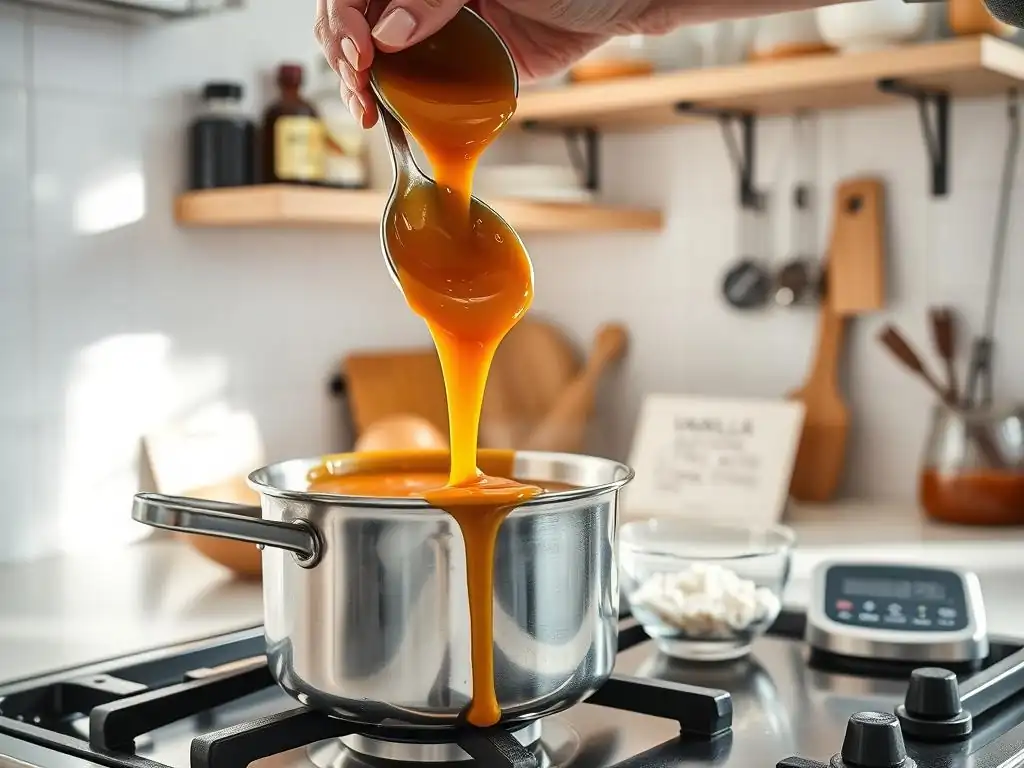
If your sugar syrup has crystallized in the pan, don't despair – it can often be salvaged. The most common method for fixing a crystallized syrup is to gently reheat it with the addition of a small amount of liquid. Add a tablespoon or two of water or the original liquid used in the recipe (e.g., milk for caramel) to the pan containing the hardened sugar. Place the pan over low heat and stir continuously.
The added liquid helps to dissolve the sugar crystals again. As you heat and stir, the crystals will gradually break down and go back into solution. Once everything is fully dissolved and the syrup is clear again, you can carefully proceed with your recipe, paying extra attention to the prevention techniques discussed earlier, such as washing down the sides of the pan and using an interfering agent if appropriate for the recipe. It's a chance to apply your sugar crystallization tips beginners knowledge to fix a mistake.
Salvaging Crystallized Fudge
Fudge is notorious for crystallizing, often resulting in a grainy texture. If your fudge has turned grainy, it's usually due to uncontrolled crystallization (either too many large crystals or crystals forming too early). To salvage it, you can try to remelt it. Return the fudge to a saucepan, add a small amount of liquid (such as 1/4 cup of milk or cream per batch, depending on the recipe size), and heat gently over low heat, stirring constantly.
Heat the mixture until it is completely smooth and no longer feels gritty when rubbed between your fingers. Once melted and smooth, you can attempt to recook it, following the recipe instructions carefully, paying close attention to cooking temperature and, crucially, the cooling and beating stages. Allowing the mixture to cool properly before beating is key to encouraging the formation of many tiny crystals for a smooth texture, rather than large, gritty ones.
Addressing Crystallized Caramel
Crystallized caramel can be frustrating, but it's often fixable using similar methods to syrup. If your caramel sauce or mixture has become grainy or solidifies with large crystals, return it to the saucepan. Add a splash of liquid – water, cream, or butter, depending on the recipe. Start with just a tablespoon or two. Heat the mixture very gently over low heat, stirring constantly.
The goal is to dissolve the sugar crystals back into the liquid. Be patient, as this may take a few minutes. Once the mixture is smooth and homogeneous again, you can continue with your recipe. To prevent it from crystallizing again, ensure all sugar is dissolved initially if you're making it from scratch, consider adding a small amount of corn syrup, and avoid stirring once the sugar begins to caramelize unless the recipe specifically instructs otherwise (like stirring butter in at the end).
Advanced Techniques
Acidity's Role: Lemon Juice and Cream of Tartar
Acidity plays a fascinating role in preventing sugar crystallization. When sucrose is heated in the presence of an acid, it undergoes a process called hydrolysis. This breaks the sucrose molecule down into its two component sugars: glucose and fructose. This resulting mixture is essentially invert sugar, which, as we know, acts as an excellent interfering agent. Glucose and fructose molecules are less likely to form the ordered crystalline structure that sucrose does.
Adding a tiny amount of acid to your sugar syrup can therefore help prevent crystallization. Common acids used in confectionery include a few drops of lemon juice or a pinch of cream of tartar (potassium bitartrate). For example, adding just 1/4 teaspoon of cream of tartar or a few drops of lemon juice to a recipe using 2 cups of sugar can significantly reduce the risk of crystallization. This is a simple yet effective sugar crystallization tip beginners can incorporate.
Sugar Concentration: Optimal Ratios
The concentration of sugar in the liquid is a primary driver of crystallization. As water evaporates during boiling, the sugar concentration increases, leading to a supersaturated solution. While supersaturation is necessary to achieve the desired textures of candies and fudges (which are essentially solid or semi-solid sugar solutions), too high a concentration relative to interfering agents or insufficient control over cooling makes crystallization almost inevitable.
Recipes are typically formulated with specific sugar-to-liquid ratios and cooking temperatures designed to reach a precise concentration and texture stage (like soft ball at around 240°F or 115°C, or hard crack at around 300°F or 149°C). Deviating from these ratios or temperatures can lead to problems. Using too little liquid initially means the syrup reaches critical concentration levels faster, increasing the risk of crystallization before the desired temperature is even reached. Using too much liquid requires longer boiling, which can also sometimes encourage crystallization over time if not managed carefully.
Seed Crystals: Formation and Avoidance
Understanding how seed crystals form allows for more effective avoidance. Seed crystals can originate from various sources: undissolved sugar grains, sugar syrup splashed and dried on the pan sides, dust particles, or even crystals stuck to stirring utensils. These microscopic crystals provide the nucleation sites – the starting points – for rapid crystal growth in a supersaturated solution. Avoiding them is paramount for smooth results.
Prevention involves meticulous steps: start with a perfectly clean pan and utensils. Dissolve sugar completely over low heat before boiling. Use a wet pastry brush to periodically wash down the inside sides of the pan above the liquid line while the syrup boils; this dissolves any sugar that has splashed up. Avoid stirring the syrup once it's boiling unless the recipe specifically calls for it and you're past the initial dissolving stage. Never scrape the sides or bottom of the pan once the syrup is cooking at high temperatures, as this can dislodge tiny crystals.
Recipes: Applying Crystallization Prevention
Smooth Chocolate Ganache
Achieving a smooth, glossy chocolate ganache relies heavily on controlling texture, and while not a pure sugar syrup, the principles of interfering agents apply. Ganache is primarily made from chocolate and cream. The high fat content from both ingredients acts as a significant barrier to sugar crystallization. The sugar present comes from the chocolate itself.
When making ganache, heating the cream and pouring it over finely chopped chocolate helps to dissolve the sugar and cocoa solids thoroughly. The subsequent emulsification of the fat from the cream and chocolate with the liquid creates a stable mixture where sugar molecules are dispersed and surrounded by fat globules. This makes it very difficult for them to align and form large crystals, resulting in the characteristic smooth, luxurious texture of ganache. This is an excellent example for beginners of how fat prevents sugar crystallization effects.
Creamy Peanut Butter Fudge
Creamy peanut butter fudge, unlike some traditional fudges that rely on specific cooling and beating techniques, often incorporates ingredients specifically to prevent large crystal formation, ensuring a smooth texture without extensive work. Recipes frequently include peanut butter (high in fat), marshmallows or marshmallow cream (which contain gelatin and corn syrup, an interfering agent), and sometimes additional corn syrup.
The combination of fat from the peanut butter and the interfering agents (glucose syrup from corn syrup, and the disruptive nature of gelatin/marshmallows) works together to inhibit the growth of large sugar crystals. When these ingredients are melted together with sugar and butter, the interfering agents and fat prevent the sucrose molecules from forming a rigid crystalline structure as the fudge cools and sets. This results in a soft, pliable, and non-grainy texture, making it a forgiving recipe for beginners learning about sugar crystallization tips.
Clear Salted Caramel Sauce
Making a perfectly clear, smooth salted caramel sauce without it turning grainy requires careful application of crystallization prevention techniques. The process often starts with dissolving sugar in water, sometimes with the addition of glucose or corn syrup. Heating this mixture without stirring once it boils is crucial to prevent seed crystals from forming. The sugar is heated until it caramelizes, reaching temperatures often exceeding 320°F (160°C).
Adding an interfering agent like glucose syrup from the start is highly effective in preventing crystallization during the high-temperature cooking phase. When cream and butter are added later, their fat content further contributes to maintaining a smooth emulsion and preventing the sugar from crystallizing as the sauce cools. The key steps for a clear caramel are dissolving sugar completely initially, avoiding stirring during the boil and caramelization, and often using an interfering agent, making it a good demonstration of advanced sugar crystallization tips beginners can master.
Beyond Prevention: Advanced Sugar Techniques
Achieving Different Sugar Textures
Working with sugar is about more than just preventing crystallization; it's also about understanding how temperature dictates texture. As a sugar syrup boils and water evaporates, the sugar concentration increases, and so does the boiling point. Different temperatures correspond to different "stages" of sugar, each yielding a unique texture upon cooling. These stages range from Thread (around 230-233°F or 110-111°C), used for making syrups, to Hard Crack (around 300-310°F or 149-154°C), used for hard candies and brittles.
Understanding these temperature stages is fundamental to confectionery. For example, fudge requires reaching the Soft Ball stage (around 240-244°F or 115-118°C), where a drop of syrup forms a soft, pliable ball in cold water. Caramel typically reaches the Firm Ball (245-250°F or 118-121°C) or Hard Ball (250-266°F or 121-130°C) stages before cream/butter are added. Using a reliable candy thermometer is essential for accurately hitting these temperatures and achieving the desired texture, moving beyond just sugar crystallization tips beginners need.
Sugar Types: Properties and Applications
Different types of sugar have varying properties that affect their use in baking and confectionery. Granulated sugar (sucrose) is the standard for most recipes. Caster sugar, a finer granulated sugar, dissolves more quickly, which can be beneficial in preventing initial undissolved seed crystals. Powdered sugar (confectioners' sugar) contains a small amount of cornstarch to prevent clumping; this cornstarch can also act as a mild interfering agent, which is why powdered sugar frostings are typically smooth.
Brown sugar contains molasses, which adds moisture, flavor, and color. The presence of molasses also slightly inhibits crystallization compared to pure granulated sugar due to its non-sucrose components. Understanding these differences helps bakers choose the right sugar for the desired outcome, whether it's the structure in a cake, the chewiness in a cookie, or the texture in a candy, complementing basic sugar crystallization tips beginners learn with ingredient knowledge.
Safe Handling of Hot Sugar
Working with hot sugar syrup requires extreme caution due to the risk of severe burns. Boiled sugar reaches temperatures far exceeding the boiling point of water, often upwards of 300°F (150°C). Contact with skin can cause deep, painful burns that are difficult to treat because the sticky syrup adheres to the skin. Always treat hot sugar with the utmost respect and maintain focus when working with it.
Wear long sleeves and closed-toe shoes to protect your skin. Keep children and pets away from the kitchen area. Use sturdy, long-handled pots and utensils. Never touch hot sugar with your bare hands. If you do get hot sugar on your skin, immediately immerse the affected area in cold water and seek medical attention if the burn is severe. Having a bowl of ice water nearby for immediate, emergency cooling is a good practice. Safety is paramount when applying any sugar crystallization tips beginners or experienced bakers use.
Continuing Your Sugar Journey
Mastering sugar work, especially preventing unwanted crystallization, is a fundamental skill that opens up a world of confectionery possibilities. By understanding the science behind crystallization and diligently applying techniques like ensuring complete dissolution, using interfering agents, and controlling cooling, beginners can confidently tackle recipes for smooth fudges, glossy caramels, and clear candies. Practice is key, and even when things don't go perfectly, troubleshooting techniques can often salvage your creations. Keep experimenting, keep learning, and enjoy the sweet rewards of your efforts in the kitchen.
Frequently Asked Questions
What exactly is sugar crystallization, and why is it a problem in baking?
Sugar crystallization is the process where sugar molecules reform into solid crystals, creating a gritty or grainy texture in your baked goods. This is undesirable because it impacts the smoothness and texture of items like caramels and sauces.
What are some common causes of sugar crystallization during baking?
Common causes include undissolved sugar granules, impurities in the sugar, and excessive agitation or movement of the sugar solution while it's cooling or cooking.
What are some effective beginner-friendly tips to prevent sugar crystallization?
Start by ensuring the sugar is completely dissolved in the liquid before boiling. Adding a small amount of acid, like lemon juice or cream of tartar, can also help prevent crystallization.
How does using different types of sugar affect the likelihood of crystallization?
Different sugars have varying levels of impurities. Using refined white sugar typically reduces the risk of crystallization compared to raw or brown sugars due to its lower impurity content.
What should I do if sugar crystallization does occur during baking?
If crystallization happens, try adding a small amount of water or acid (lemon juice) and gently heating the mixture. Avoid stirring vigorously and allow the sugar to re-dissolve slowly.
Final Reflection: The Sweet Science of Sugar Mastery
The battle against sugar crystallization is far from over, but armed with the right knowledge, even beginner bakers can achieve consistently smooth and glossy results. This isn't just about aesthetics; it's about unlocking the potential of your recipes and creating truly exceptional desserts. The techniques discussed – from precise temperature control to understanding the role of inhibitors – are fundamental to baking success, impacting everything from candy making to frostings.
The journey from grainy disappointment to perfectly smooth confectionery is a deeply satisfying one. It's a testament to the power of understanding the science behind seemingly simple processes. The best things in life are worth fighting for,
and mastering sugar crystallization is no exception. This pursuit reflects a broader appreciation for the precision and artistry involved in baking, reminding us that even the smallest details can make a world of difference.
Now, it's your turn. Don't let the fear of crystallization hold you back. Experiment with the techniques outlined in this article, embrace the learning process, and most importantly, enjoy the sweet rewards of your newfound sugar mastery. The next time you face a recipe that calls for perfectly smooth sugar work, you'll be ready to confidently tackle the challenge and create something truly delicious.
Unleash Your Baking Potential!
Thank you for joining us on this sweet journey to mastering sugar handling in your baking! We hope you now feel empowered to elevate your treats from gritty to glossy.
Now, it’s time to take action and transform your baking skills! Here are some powerful steps you can take:
- Experiment with new techniques: Try incorporating the methods you learned today in your next baking project—don’t be afraid to go bold!
- Share your sweet success: Post photos of your glossy creations on social media and tag us at BakeWithEase.
- Join our baking community: Connect with fellow bakers in our forums and share your tips or seek advice for even greater baking adventures.
What glossy treat will you create next? Let’s inspire each other—share your thoughts below!