
Maillard Magic: The Chemistry That Makes Baking Irresistible

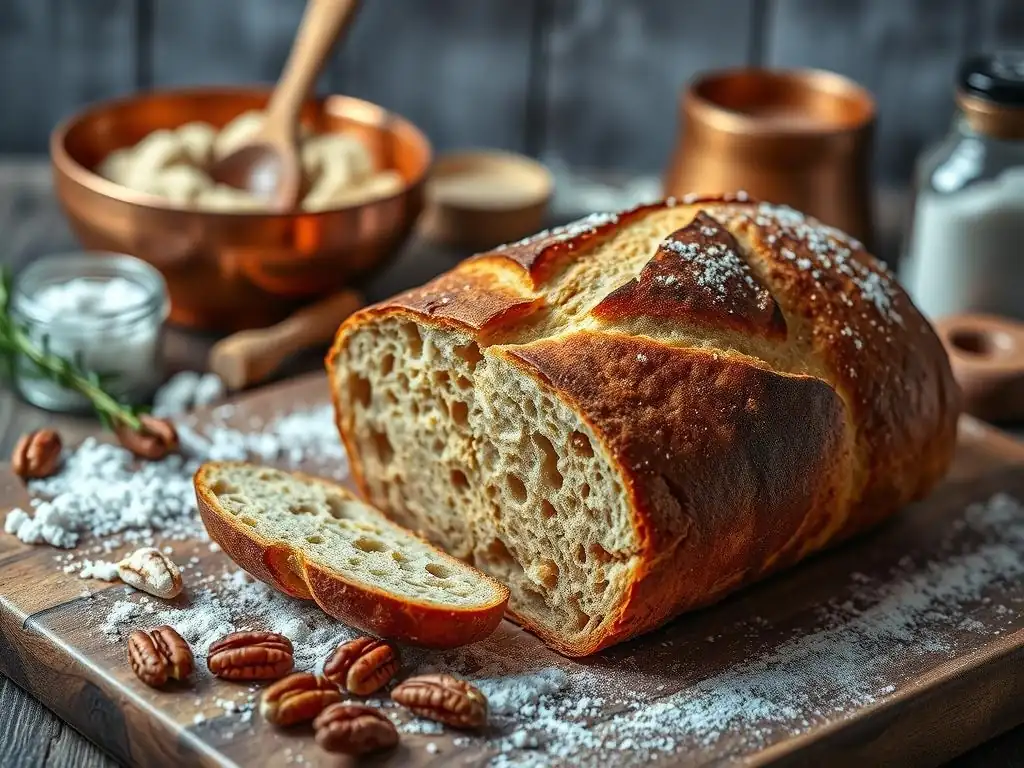
Welcome to BakeWithEase, your guide to unlocking the delicious secrets of baking! Ever wondered what really makes your baked goods so irresistibly golden and flavorful? We're diving deep into the fascinating science behind it all, starting with the Maillard reaction – the key to transforming simple ingredients into culinary masterpieces. Prepare to be amazed as we reveal how to harness this chemical magic to elevate your baking to a whole new level. Intrigued? Keep reading to discover exciting Maillard reaction baking recipes and techniques!
- Mastering the Maillard Reaction: A Baker's Guide to Flavor and Color
- Understanding the Maillard Reaction in Baking
- Key Factors Influencing the Maillard Reaction in Baking
- Mastering Maillard Reaction Baking: Techniques and Tips
- Maillard Reaction Baking Recipes: Examples and Applications
- Advanced Maillard Reaction Techniques for Bakers
- Conclusion: Unleashing the Power of the Maillard Reaction in Your Baking
-
Frequently Asked Questions
- What is the Maillard reaction and why is it important in baking?
- How does the Maillard reaction affect the taste of my baked goods?
- What are some factors that influence the Maillard reaction in baking recipes?
- Can I control the Maillard reaction to achieve different results in my baking?
- Where can I find Maillard reaction baking recipes that utilize this chemistry effectively?
- Final Reflection: The Enduring Allure of Maillard Magic
- Unlock Baking Mastery: Master the Maillard Reaction!
Mastering the Maillard Reaction: A Baker's Guide to Flavor and Color
Understanding the Maillard Reaction in Baking
What is the Maillard Reaction? A Baker's Explanation
At its heart, the Maillard reaction is a complex chemical dance between amino acids (the building blocks of proteins) and reducing sugars when heat is applied. It's not just one reaction, but a cascade of many, leading to the formation of hundreds of new compounds. These compounds are responsible for the rich brown colors we see on baked goods and the irresistible aromas and deep, complex flavors we associate with perfectly baked items like bread crusts, cookies, and roasted meats. Think of it as the flavor factory kicking into high gear in your oven.
This reaction is distinct from caramelization, which involves only the heating of sugars and occurs at slightly higher temperatures. The Maillard reaction typically begins at temperatures around 140°C (284°F) and accelerates as the temperature increases. It's fundamentally different because it requires both a protein component (even a small amount from flour or eggs) and sugar to take place. This intricate process is what gives a loaf of sourdough its signature crust or a chocolate chip cookie its characteristic chewiness and depth of flavor, making it crucial for mastering many Maillard reaction baking recipes.
The Science Behind Browning and Flavor Development in Baked Goods
The scientific pathway of the Maillard reaction is incredibly intricate. It starts with the sugar and amino acid joining, followed by a rearrangement of the molecule (the Amadori rearrangement), and then breaks down into smaller, highly reactive molecules. These smaller molecules then undergo further reactions, including dehydration, cyclization, and polymerization. This complex series of steps ultimately results in the formation of two main types of compounds relevant to baking: melanoidins and volatile flavor compounds.
Melanoidins are large, brown, nitrogen-containing polymers that are responsible for the characteristic brown color of baked goods. The extent of melanoidin formation dictates the depth of the crust's color, from a light golden hue to a deep mahogany. Simultaneously, volatile flavor compounds are produced. These are smaller molecules that easily become airborne, carrying the delicious scents of baking bread, roasting coffee, or searing steak. Hundreds of different volatile compounds can be formed depending on the specific amino acids and sugars present, contributing to the vast array of flavors achievable through controlled Maillard reaction baking.
Why the Maillard Reaction Matters for Baking
For any baker aiming to elevate their craft, understanding the Maillard reaction is non-negotiable. It's the primary driver behind the desirable crust development on breads and pastries, providing not just color but also structural integrity and a satisfying crunch. Beyond aesthetics and texture, it's the engine of flavor creation. The Maillard reaction transforms relatively bland doughs and batters into complex, aromatic delights. Without it, your bread crust would be pale and soft, your cookies would lack depth, and many classic baked goods wouldn't have their signature taste profiles.
Furthermore, controlling the Maillard reaction allows bakers to fine-tune the outcome of their Maillard reaction baking recipes. By adjusting temperature, time, moisture levels, and ingredient ratios, you can influence how much browning occurs and the specific types of flavor compounds that develop. This control is essential whether you're aiming for a light, delicate browning on a brioche or a deep, robust crust on a rustic loaf. It's the difference between a good bake and a truly exceptional one, turning simple ingredients into culinary masterpieces through controlled chemistry.
Key Factors Influencing the Maillard Reaction in Baking
Temperature's Role in Browning
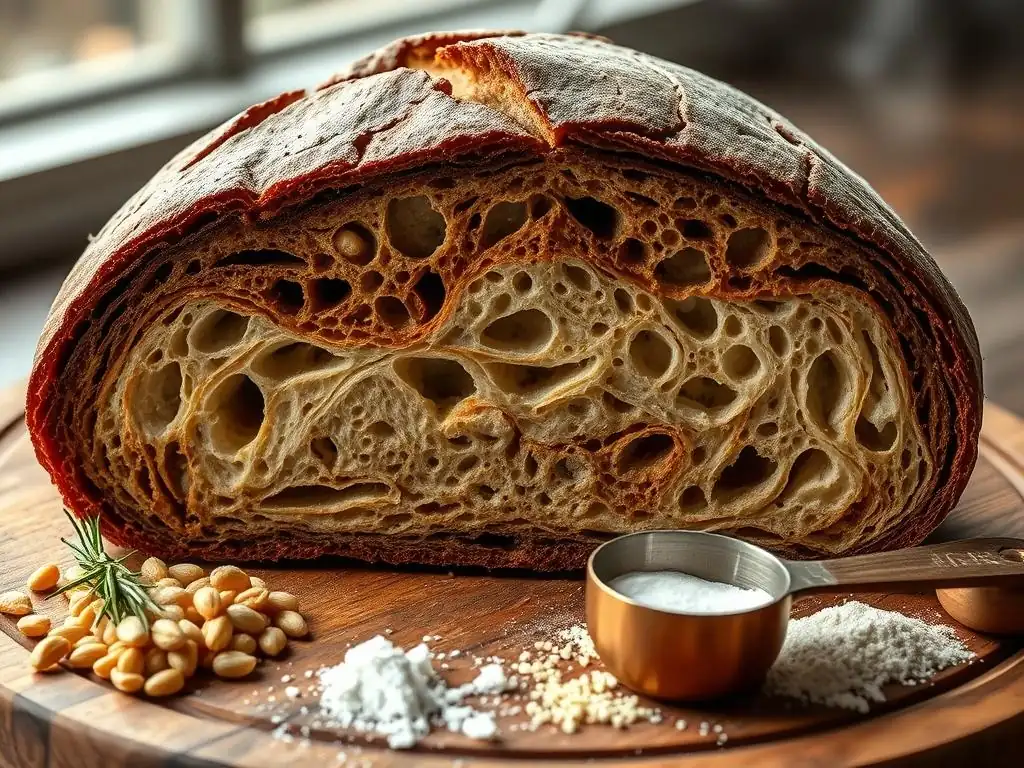
Temperature is arguably the most critical factor influencing the rate and extent of the Maillard reaction in baking. While the reaction can technically start at lower temperatures, it becomes significantly noticeable and accelerates rapidly above 140°C (284°F). Baking at higher temperatures (e.g., 200-230°C or 390-450°F for bread crusts) pushes the reaction into overdrive, resulting in rapid browning and intense flavor development on the surface of the baked good. Conversely, baking at lower temperatures for longer periods will produce less browning but can still develop subtle flavors throughout the crumb, especially if moisture is low enough on the surface.
Consider baking a standard loaf of white bread. Baking it at 180°C (350°F) might yield a moderately browned crust in 30-40 minutes. Baking a similar loaf at 220°C (425°F) will likely achieve a much darker, crisper crust in a shorter time, perhaps 20-25 minutes, due to the accelerated Maillard reaction at the higher temperature. This demonstrates how adjusting oven temperature is a powerful lever for bakers to control the color and flavor intensity of the crust, directly impacting the success of Maillard reaction baking recipes focused on crust development.
The Importance of Amino Acids and Reducing Sugars
The Maillard reaction requires both amino acids and reducing sugars to occur. Amino acids are present in proteins, found in ingredients like flour (especially whole wheat), eggs, milk, and butter. Reducing sugars are sugars that have a free aldehyde or ketone group, which allows them to participate in the reaction.
Common reducing sugars in baking include glucose (dextrose), fructose, lactose (found in milk), and maltose (found in malt extract or formed during starch breakdown). Sucrose (table sugar) is not a reducing sugar, but it can break down into glucose and fructose under acidic or high-temperature conditions, thus contributing to the reaction indirectly.
The types and amounts of amino acids and reducing sugars available significantly influence the specific flavor compounds produced. For instance, baking with milk (containing lactose) will yield different Maillard flavors than baking with egg whites (rich in specific amino acids) and added glucose. Recipes with higher protein content or more reducing sugars will generally exhibit more pronounced Maillard browning and flavor development, provided other conditions like temperature and moisture are favorable. This interplay of ingredients is key to understanding the complex flavor profiles in different Maillard reaction baking recipes.
pH Levels and Their Impact on the Maillard Reaction
The acidity or alkalinity of the baking environment also plays a significant role in the Maillard reaction. The reaction proceeds much faster in alkaline (higher pH) conditions and is inhibited by acidic (lower pH) conditions. This is why adding a pinch of baking soda (an alkaline ingredient) to cookie dough or pretzel dough can lead to more rapid and intense browning compared to doughs with a neutral or slightly acidic pH.
For example, traditional pretzels are dipped in an alkaline solution (like lye or baking soda solution) before baking. This high pH environment dramatically accelerates the Maillard reaction on the surface in the hot oven, resulting in their characteristic deep brown color and unique crust flavor, even at relatively low temperatures compared to bread baking. Conversely, very acidic doughs, like some sourdoughs with a low pH, may brown less readily, requiring higher temperatures or longer bake times to achieve desired crust color, unless other factors heavily favor the reaction.
Moisture Content and its Effect on Baking Outcomes
Moisture is another critical factor. The Maillard reaction occurs most efficiently in a relatively dry environment. While some moisture is necessary for the initial stages of the reaction (it occurs in an aqueous phase), too much water inhibits it because the temperature of the surface cannot rise significantly above the boiling point of water (100°C or 212°F) until the water evaporates. As a result, browning primarily happens on the surface of baked goods after sufficient surface moisture has evaporated.
Consider a loaf of bread baking in a steamy oven. The steam keeps the surface cool and moist initially, delaying crust formation and allowing the dough to expand fully before the crust sets. Once the steam is removed or the surface dries out, the temperature of the surface can rise rapidly, initiating and accelerating the Maillard reaction, leading to browning and crust development. This explains why injecting steam or using a Dutch oven is a common technique in bread baking – it controls moisture to optimize oven spring before the Maillard reaction creates the crust.
Mastering Maillard Reaction Baking: Techniques and Tips
Controlling Browning: Achieving the Perfect Color
Achieving the perfect color in your baked goods means controlling the Maillard reaction. The primary levers are temperature and time. Baking at higher temperatures for shorter periods encourages rapid surface browning, while lower temperatures over longer times result in more gradual browning and potentially deeper flavor penetration beyond just the surface. Monitoring your bake visually is key; a golden brown is often the target, but this varies by recipe.
- Use an oven thermometer to ensure accurate temperature.
- Cover delicate areas (like pie edges or cake tops) with foil if they are browning too quickly.
- Rotate baking sheets or pans in the oven for even heat exposure.
- Understand that different sugars brown at different rates (fructose browns faster than glucose, which browns faster than lactose).
Enhancing Flavor: Optimizing the Maillard Reaction for Delicious Results
Optimizing flavor through the Maillard reaction involves more than just achieving a dark color. It's about managing the conditions to produce the most desirable flavor compounds. This often means finding the sweet spot between browning intensity and avoiding burnt flavors, which can occur if the reaction goes too far or if sugars caramelize excessively.
One technique is to pre-brown ingredients where possible. Roasting nuts or toasting flour before adding them to a recipe can introduce Maillard flavors from the start. Using ingredients naturally rich in reducing sugars or specific amino acids, like brown butter, milk powder, or malt extract, can significantly boost Maillard flavor development in your Maillard reaction baking recipes. Slow, low-temperature cooking stages before a final hot bake can also help develop complex flavors throughout the product, not just on the surface.
Adapting Recipes for Deeper Flavors
Want to enhance the Maillard flavors in your favorite recipes? Consider small tweaks. Swapping some white sugar for brown sugar (which contains molasses, a source of reducing sugars and amino acids) or honey (rich in fructose and glucose) can promote more browning and complex flavors. Adding a small amount of milk powder (lactose and protein) or malt powder (maltose and amino acids) is another effective strategy.
You can also adjust technique. For cakes or muffins, baking at a slightly lower temperature initially and then increasing it for the last part of the bake can help develop a better crust. For cookies, letting the dough rest in the refrigerator for 24-72 hours allows enzymes to break down some sucrose into glucose and fructose, leading to enhanced browning and chewiness when baked. These simple adaptations harness the power of the Maillard reaction.
Troubleshooting Common Issues: Uneven Browning, Lack of Color
Uneven browning is often a result of uneven oven temperature or inconsistent heat distribution. Using an oven thermometer to verify your oven's temperature and rotating your baked goods can help. Overcrowding the oven can also impede air circulation, leading to uneven browning.
Lack of browning can stem from several issues:
- Too low temperature: Ensure your oven is hot enough.
- Too much moisture: The surface needs to dry out to get hot enough for the reaction.
- Insufficient reaction components: The recipe might be low in protein or reducing sugars. Consider adding a small amount of milk powder or replacing some sucrose with glucose or fructose (like from honey or brown sugar).
- Too acidic pH: If the dough or batter is very acidic, the reaction is slowed. This is less common but can be a factor in some sourdoughs or recipes with lots of acidic ingredients.
Maillard Reaction Baking Recipes: Examples and Applications
Maillard Reaction in Bread Baking: Crust Development and Flavor
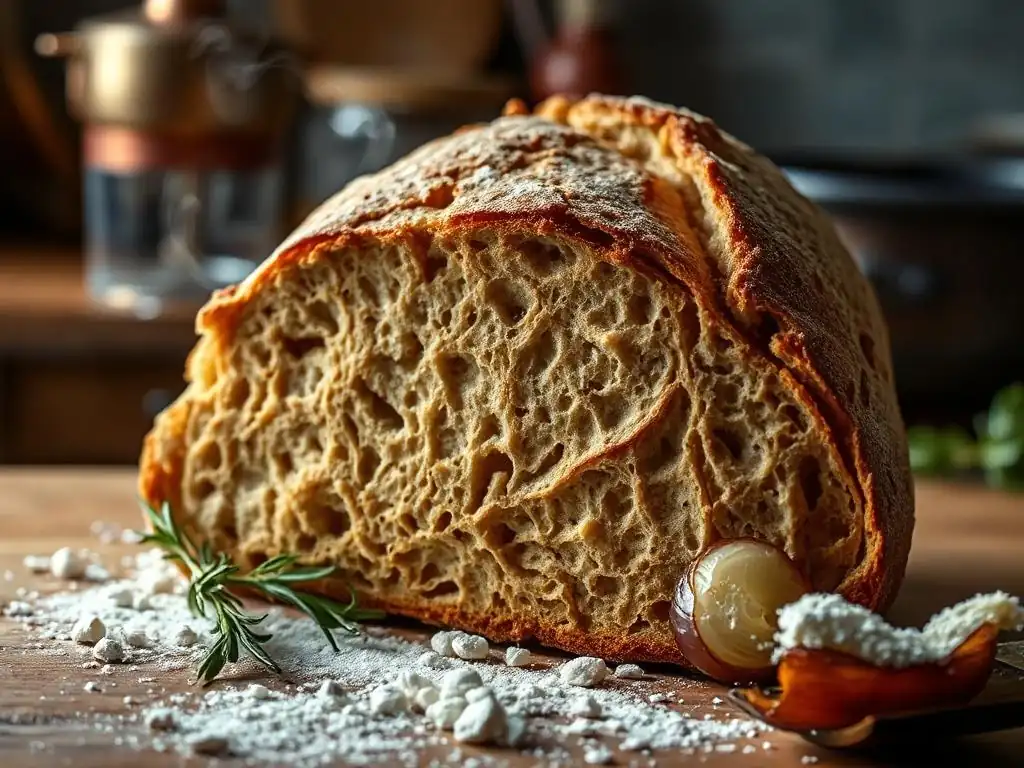
In bread baking, the Maillard reaction is fundamental to the development of the crust. As the loaf bakes, surface moisture evaporates, allowing the crust temperature to rise well above 100°C (212°F). The amino acids from the flour (especially whole wheat flour) and yeast, combined with reducing sugars produced from starch breakdown during fermentation and baking, react intensely. This creates the myriad of flavor compounds that give bread its signature aroma – often described as roasted, nutty, or malty – and the melanoidins responsible for the deep brown color.
The type of flour used greatly impacts the potential for the Maillard reaction. Whole wheat flour, with its higher protein content compared to refined white flour, offers more amino acids, contributing to more pronounced browning and flavor. The baking temperature is also critical; high temperatures (above 200°C or 390°F) are typical for achieving a robust, well-developed crust in many artisan bread Maillard reaction baking recipes. The interaction of heat, available sugars, and amino acids on the drying surface is what transforms a pale dough into a flavorful, crusty loaf.
Maillard Reaction in Cake Baking: Achieving a Golden-Brown Surface
While the interior of a cake primarily relies on caramelization for subtle color and flavor from sugar, the Maillard reaction is responsible for the desirable golden-brown crust on the top and sides. Proteins from eggs and milk, combined with sugars (both added sucrose, which partially inverts, and any reducing sugars present), react as the cake bakes. This browning contributes important flavor notes that complement the sweetness of the cake.
The moisture content of the batter and the baking temperature influence how much browning occurs. A very moist batter will brown less on the surface because the temperature is kept lower by evaporation. Baking at moderate temperatures, typical for cakes (around 160-180°C or 325-350°F), allows for gradual browning that develops flavor without drying out the cake interior. The Maillard reaction here adds a pleasant depth and slightly different flavor profile compared to the crumb, enhancing the overall eating experience of many cake Maillard reaction baking recipes.
The Maillard reaction is absolutely essential for the characteristic texture and complex flavor of many types of cookies, particularly those like chocolate chip cookies. As the cookie spreads and thins on the baking sheet, moisture evaporates quickly from the edges, allowing the temperature to rise rapidly. This triggers an intense Maillard reaction between amino acids from flour, eggs, and milk solids (if using butter or milk) and reducing sugars (from brown sugar, granulated sugar inversion, or ingredients like chocolate chips).
This rapid reaction on the edges and bottom is what creates the crisp texture and the signature caramelized-nutty-chocolatey flavor profile. The degree of spread and the baking temperature directly impact the extent of the Maillard reaction, influencing how crispy or chewy the final cookie is. Understanding this interaction is key to perfecting cookie Maillard reaction baking recipes, allowing bakers to manipulate temperature and ingredient ratios to achieve their desired texture and flavor balance.
Exploring Maillard Reaction in Pastry Baking: Laminating Doughs and Fillings
In pastry baking, the Maillard reaction contributes significantly to the golden, flaky crusts of items like croissants, puff pastry, and danishes. The layers of butter and dough provide both fat (which conducts heat) and the necessary proteins (from flour, milk, eggs) and sugars. As the pastry bakes at high temperatures, moisture evaporates from the surface and between layers, allowing the Maillard reaction to create the beautiful brown color and delicate, savory-sweet flavors on the exterior.
Even fillings can undergo the Maillard reaction, especially if they contain protein and sugar and are exposed to sufficient heat. Think of the slightly browned, flavorful edges of a fruit tart filling or the rich color of baked frangipane. The interaction between the browning pastry layers and the potentially browning filling highlights the versatility of the Maillard reaction across different components within complex pastry Maillard reaction baking recipes.
Advanced Maillard Reaction Techniques for Bakers
Using Different Sugars to Influence Flavor Profiles
Not all sugars are created equal when it comes to the Maillard reaction. Reducing sugars like fructose and glucose are highly reactive and participate readily. Fructose, found in honey and high-fructose corn syrup, is the most reactive reducing sugar and browns faster than glucose. Lactose, found in milk, is less reactive than glucose and fructose but contributes unique dairy-related Maillard flavors. Maltose, found in malt extract, also participates and contributes malty notes.
Sucrose (table sugar) is non-reducing but can break down into glucose and fructose, especially in acidic conditions or at high heat, thus contributing indirectly. Using a blend of sugars, such as combining sucrose with brown sugar (containing molasses, which has reducing sugars) or honey, can significantly alter the rate of browning and the specific flavor compounds formed, allowing for fine-tuned flavor control in advanced Maillard reaction baking recipes.
Incorporating Alkaline Ingredients to Promote Browning
As mentioned earlier, alkaline conditions speed up the Maillard reaction. Bakers can strategically use alkaline ingredients to enhance browning, especially on the surface of baked goods. A common example is the use of baking soda (sodium bicarbonate) in recipes where a darker crust is desired quickly, such as in certain types of cookies or pretzels.
Using a dilute alkaline wash (like a weak baking soda solution or lye solution for pretzels) on the surface before baking is a more direct way to raise the surface pH and promote intense browning. Even hard water (which is slightly alkaline) compared to soft water can subtly influence browning in doughs. However, caution is advised, as too much alkalinity can introduce soapy flavors or negatively impact texture, so use this technique judiciously in your Maillard reaction baking.
Maillard Reaction and Caramelization: Understanding the Differences
While both the Maillard reaction and caramelization contribute to browning and flavor development in baking, they are distinct processes. Caramelization is the thermal decomposition of sugars alone, occurring at higher temperatures than the Maillard reaction (sucrose caramelizes around 160-180°C or 320-350°F). It produces nutty, buttery, and slightly bitter flavors, distinct from the roasted, savory-sweet notes of the Maillard reaction.
In many baked goods, both reactions occur simultaneously or sequentially on the surface as the temperature rises. Sugars near the surface will caramelize once they reach sufficient temperature after surface moisture has evaporated, often alongside the ongoing Maillard reaction. Understanding that you're often getting a blend of flavors from both processes helps in appreciating the complexity of baked goods and refining Maillard reaction baking recipes for optimal results.
Experimenting with Umami-Rich Ingredients for Unique Flavors
While less common in traditional sweet baking, incorporating ingredients that are naturally rich in amino acids or precursors to umami compounds can enhance the savory depth achieved through the Maillard reaction, particularly in savory baked goods. Ingredients like cheese, nutritional yeast, or even roasted vegetables (which have undergone their own Maillard reactions) can contribute amino acids that participate in the reaction during baking.
Even in some sweet applications, ingredients like browned butter (which contains browned milk solids from the Maillard reaction) or miso (a fermented soybean paste rich in amino acids) are being explored by adventurous bakers to add layers of complex, savory-sweet flavor that are a direct result of leveraging the Maillard reaction in new ways within Maillard reaction baking recipes.
Conclusion: Unleashing the Power of the Maillard Reaction in Your Baking
Elevate Your Baking with Maillard Chemistry
The Maillard reaction is far more than just a chemical process; it's the key to unlocking incredible flavors, aromas, and textures in your baked goods. From the perfect crust on a loaf of bread to the chewy edge of a cookie and the golden surface of a cake, this complex reaction is constantly at work, transforming simple ingredients into delicious creations. By understanding the factors that influence the Maillard reaction – temperature, time, ingredients (amino acids and sugars), pH, and moisture – you gain the power to control its outcome.
Applying this knowledge allows you to move beyond simply following instructions in Maillard reaction baking recipes and start truly mastering them. You can troubleshoot issues like uneven browning, deliberately enhance flavor by adjusting ingredients, or experiment with techniques to achieve specific results. Embracing the science behind the Maillard reaction empowers you to become a more intuitive and successful baker, consistently producing results that are visually appealing, texturally satisfying, and bursting with complex, irresistible flavors. Dive in, experiment, and enjoy the magic that happens when chemistry meets the oven!
Frequently Asked Questions
What is the Maillard reaction and why is it important in baking?
The Maillard reaction is a chemical reaction between amino acids and reducing sugars that occurs when heat is applied. It's crucial in baking because it's responsible for the browning and flavor development in many baked goods.
How does the Maillard reaction affect the taste of my baked goods?
The Maillard reaction creates hundreds of different flavor compounds that contribute to the rich, complex, and desirable taste of baked goods. Think of the difference between raw dough and a perfectly browned crust.
What are some factors that influence the Maillard reaction in baking recipes?
Several factors influence the Maillard reaction, including temperature, pH level, and the presence of sugars and proteins. Higher temperatures generally lead to a more intense reaction.
Can I control the Maillard reaction to achieve different results in my baking?
Yes, you can! By adjusting factors like oven temperature and adding ingredients such as milk or eggs (which contain proteins), you can influence the extent of browning and flavor development.
Where can I find Maillard reaction baking recipes that utilize this chemistry effectively?
BakeWithEase.com offers a variety of recipes specifically designed to maximize the Maillard reaction, focusing on achieving optimal browning and flavor. Look for recipes featuring caramelization or crust formation.
Final Reflection: The Enduring Allure of Maillard Magic
The Maillard reaction isn't just a chemical process; it's the heart and soul of irresistible baked goods. Understanding its intricacies allows us to move beyond simply following recipes and into a realm of culinary creativity where we can truly master the art of baking. From the golden-brown crust of a perfectly risen loaf to the deeply caramelized edges of a delicate cookie, the Maillard reaction is the key to unlocking unparalleled flavor and texture.
The impact of this reaction extends far beyond the kitchen; it's woven into the fabric of our culinary heritage and cultural experiences. The comforting aroma of freshly baked bread, the satisfying crunch of a perfectly browned pastry – these sensory delights are all a testament to the Maillard reaction's power. It's a fundamental element in countless recipes across diverse cultures, connecting us through shared experiences of taste and tradition. The pleasure of eating is one of the simplest and most fundamental of human pleasures.
- Julia Child. This quote resonates deeply, as the Maillard reaction is a key player in amplifying those simple pleasures.
Now, consider your own baking journey. What new possibilities does a deeper understanding of the Maillard reaction unlock for you? Experiment with different sugars, temperatures, and ingredients to explore the full spectrum of its magic. Don't be afraid to push boundaries and discover your own unique variations on classic recipes. Embrace the science, but never lose sight of the artistry. The world of baking awaits your creative touch, infused with the irresistible allure of the Maillard reaction.
Unlock Baking Mastery: Master the Maillard Reaction!
Thanks for diving deep into the delicious world of the Maillard reaction! You've now unlocked the secret to truly irresistible baked goods. Ready to put your new knowledge to the test?
- Try a Maillard-focused recipe: Experiment with a recipe that highlights caramelization, like a perfectly browned crust on a loaf of bread or deeply colored roasted vegetables. This is the time to put your new knowledge into practice!
- Share your baking triumphs (and challenges!): Let's connect! Share your Maillard-enhanced creations on social media using #BakeWithEaseMaillard.
- Explore our baking community: Join other baking enthusiasts on our forum to discuss your results, share tips, and ask questions.
What amazing Maillard-magic creations will you bake next?