
Eggs, Butter, and Lecithin: Your Baking's Emulsifier Dream Team Explained

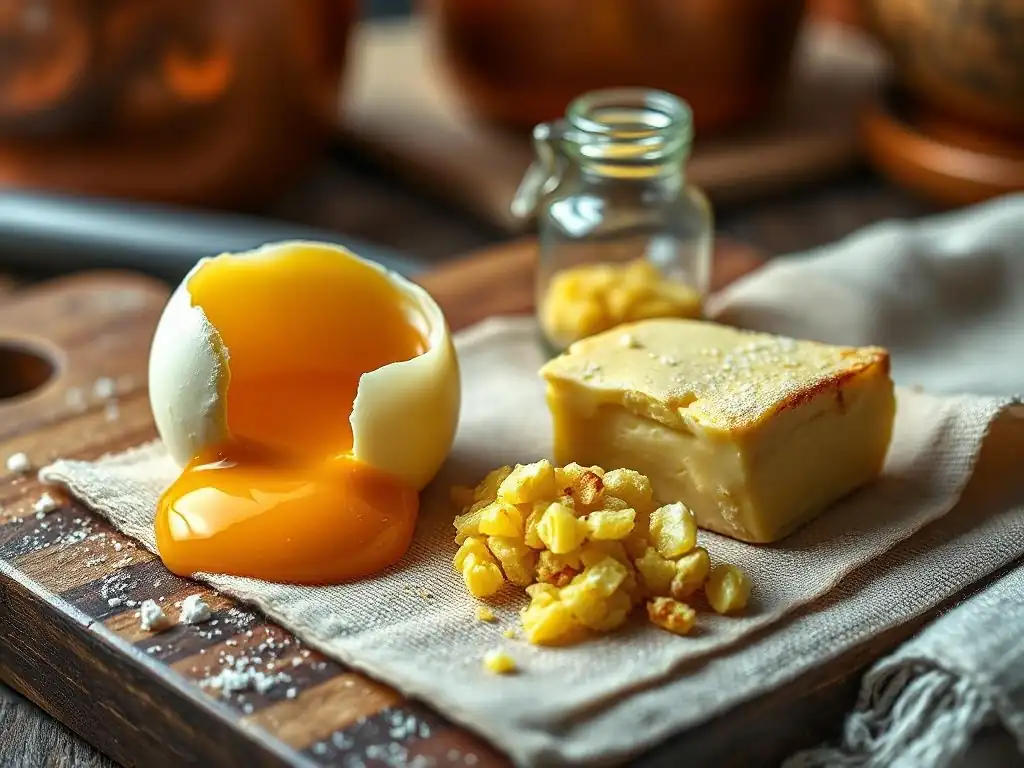
Welcome to BakeWithEase, your haven for all things baking! Ever wondered how to achieve that perfect, airy texture in your cakes and pastries? Get ready for a Baking Science Deep Dive as we unravel the secrets of emulsifiers and their pivotal role in your favorite recipes. Discover the baking emulsifier benefits explained and how ingredients like eggs, butter, and even lecithin can be your secret weapon to baking perfection. Intrigued? Let's get started and unlock the science behind truly exceptional baked goods!
- Understanding Emulsifiers in Baking: Eggs, Butter, and Soy Lecithin
- The Importance of Emulsification in Baking
- Eggs: A Natural Emulsifier
- Butter: Flavor and Emulsification
- Soy Lecithin: Enhancing Emulsification
- Synergistic Effects: Eggs, Butter, and Soy Lecithin
- Achieving Professional Results with Emulsifiers
- Tips for Home Bakers
-
Frequently Asked Questions
- What exactly is an emulsifier in baking, and why is it important?
- What are some common emulsifiers used in baking, as mentioned in the article?
- How do eggs act as emulsifiers in baking?
- What role does butter play as an emulsifier in baking?
- Where can I find lecithin to use as an emulsifier, and what are its benefits?
- Final Reflection: The Unsung Heroes of Baking Success
- Unleash Your Inner Baking Whiz!
Understanding Emulsifiers in Baking: Eggs, Butter, and Soy Lecithin
The Importance of Emulsification in Baking
What is Emulsification?
At its core, emulsification is the process of combining two liquids that don't naturally mix, like oil and water. Think about salad dressing – if you let it sit, the oil separates from the vinegar. In baking, we often work with ingredients that are primarily fat (like butter or oil) and ingredients that are primarily water (like milk, eggs, or water itself). Getting these disparate elements to stay together in a harmonious mix is where emulsification comes in. It's about creating a stable dispersion, where tiny droplets of one liquid are suspended throughout the other, preventing separation.
This stability is achieved by using an emulsifier, a substance that has a chemical structure allowing it to interact with both fat and water molecules. One end of the emulsifier molecule is attracted to fat (lipophilic), while the other end is attracted to water (hydrophilic). By positioning themselves at the interface between the fat and water droplets, emulsifiers act like tiny bridges, holding the mixture together and preventing it from breaking apart over time. Without effective emulsification, batters and doughs would be unstable, leading to poor texture and appearance in the final baked good.
Why is Emulsification Crucial?
Emulsification is absolutely fundamental to successful baking, contributing significantly to the structure, texture, moisture, and even shelf life of baked goods. A well-emulsified batter or dough ensures that fat is evenly distributed throughout the mixture. This even distribution prevents greasy pockets and promotes a tender, consistent crumb structure. For instance, in cakes, proper emulsification helps incorporate air during mixing, contributing to volume and a light texture. This is a key aspect of understanding baking emulsifier benefits explained.
Furthermore, stable emulsions prevent the separation of fat and liquid during baking, which can lead to tough or dry results. By binding water and fat together, emulsifiers help maintain moisture within the product. This leads to a more pleasant mouthfeel and helps keep baked goods fresher for longer. Exploring the baking emulsifier benefits explained reveals how these substances are not just additives but essential components for achieving professional-quality results at home.
Eggs: A Natural Emulsifier
The Role of Egg Yolks
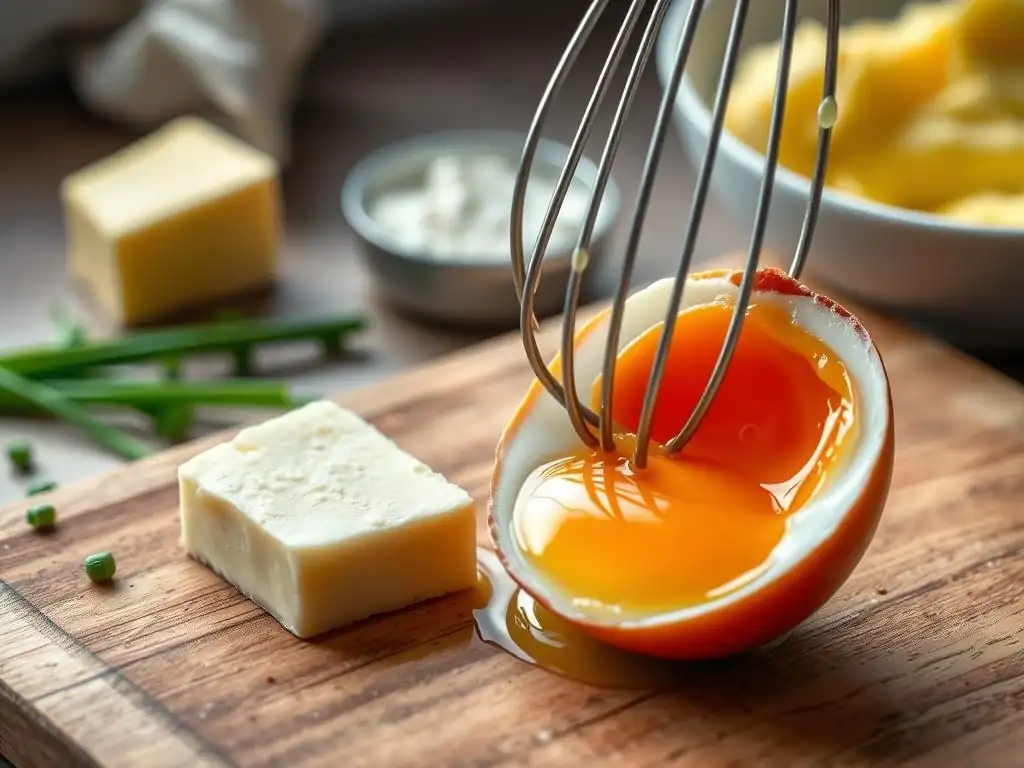
Egg yolks are a powerhouse of natural emulsifiers, primarily due to their high concentration of lecithin. While a whole egg contains about 10-12% fat, roughly one-third of that fat is actually lecithin, a type of phospholipid. This lecithin molecule has a unique structure: one end is soluble in fat, and the other is soluble in water. This dual nature allows lecithin to effectively bridge the gap between fatty and watery ingredients in a baking mixture.
Beyond lecithin, egg yolks also contain proteins, like livetin and phosvitin, which contribute to emulsification by forming a protective layer around fat droplets. These proteins help stabilize the emulsion created by lecithin, preventing the fat and water from re-separating. The combination of phospholipids and proteins in egg yolks makes them one of nature's most effective emulsifiers, essential for many classic baking recipes like custards, brioche, and rich cake batters.
How Eggs Create Stable Emulsions
When you add eggs, particularly the yolks, to a batter containing both fat (like butter or oil) and liquid (like milk or water), the lecithin and proteins in the yolk get to work. As you mix, the fat is broken down into tiny droplets. The hydrophilic (water-attracting) ends of the lecithin molecules attach to the water phase, while the lipophilic (fat-attracting) ends embed themselves in the fat droplets. This creates a stable interface around each fat droplet, preventing them from coalescing back together.
Simultaneously, egg proteins denature and unfold during mixing and heating, forming a network that further traps fat and water droplets. This combined action of lecithin and proteins results in a smooth, homogeneous mixture. Consider a rich pound cake batter: creaming butter and sugar, then adding eggs one by one, relies heavily on the emulsifying power of the yolks to create a stable mixture that won't curdle as subsequent liquid ingredients are added. This stability is fundamental to the cake's fine texture and even rise.
Tips for Maximizing Egg's Emulsifying Properties
To get the most out of eggs as emulsifiers in your baking, temperature matters. Using eggs at room temperature is highly recommended. Cold eggs are more viscous, making it harder for the lecithin and proteins to disperse properly and form stable connections between fat and water molecules. Room temperature eggs integrate much more smoothly into batters, promoting better emulsification.
Another crucial tip is proper mixing technique, especially when creaming butter and sugar and adding eggs. Add eggs one at a time, mixing well after each addition until fully incorporated before adding the next. This allows the emulsifiers in the egg yolk sufficient time and mechanical action to bind with the fat and sugar mixture, creating a strong, stable base for the batter. Over-mixing after adding flour should generally be avoided, but ensuring a solid emulsion foundation before adding flour is key for texture and stability.
Butter: Flavor and Emulsification
Butter's Fat Content and Emulsification
Butter is a delightful paradox in the world of baking emulsifiers: it's actually an emulsion itself, typically containing around 80-82% fat, 16-18% water, and about 1-2% milk solids. While its primary role is to provide fat for richness, tenderness, and flakiness, the small percentage of milk solids contains proteins (like casein and whey) and phospholipids that possess some emulsifying capabilities. These compounds help keep the water dispersed within the fat in the butter itself.
When butter is incorporated into a baking mixture, these minor emulsifiers contribute to the overall stability of the batter or dough, albeit less powerfully than dedicated emulsifiers like egg yolks or lecithin. The physical state of the butter also plays a role; creaming softened butter with sugar helps to physically trap air and create a more stable structure before other ingredients are added, which complements the chemical emulsification process.
Butter's Contribution to Texture and Moisture
Butter's impact on texture and moisture is profound and goes beyond simple emulsification. Its high fat content coats flour particles, inhibiting gluten development and resulting in tender baked goods. In pastries and pie crusts, solid pieces of cold butter melt during baking, creating steam pockets that push layers of dough apart, resulting in that coveted flaky texture. The water content in butter also contributes to moisture in the final product.
Furthermore, butter's melting point contributes to mouthfeel. As a baked good cools, the fat solidifies, providing structure. When eaten, the butter melts at body temperature, releasing flavor and contributing to a smooth, rich sensation on the palate. This interplay of fat, water, and minor emulsifiers makes butter indispensable for achieving specific textures, from the crumbly tenderness of shortbread to the airy richness of a well-made cake.
Choosing the Right Butter
The choice of butter can subtly influence both the emulsification process and the final outcome of your baked goods. Most standard butter in the US contains around 80% fat, while European-style butter often boasts a higher fat content, typically 82% or more, and sometimes less water. This higher fat percentage means less water and more milk solids (including those minor emulsifiers) per gram of butter, potentially leading to slightly richer results and perhaps a marginal difference in emulsion stability depending on the recipe.
Salted vs. unsalted butter is another consideration. Unsalted butter is generally preferred in baking because it gives the baker control over the total salt content in the recipe. While salt itself isn't an emulsifier, controlling its level allows for precise flavor balancing without interfering with the chemical reactions happening in the batter. For consistent baking, stick to the type of butter specified in the recipe, but understanding the differences can help you troubleshoot or adapt recipes.
Soy Lecithin: Enhancing Emulsification
What is Soy Lecithin?
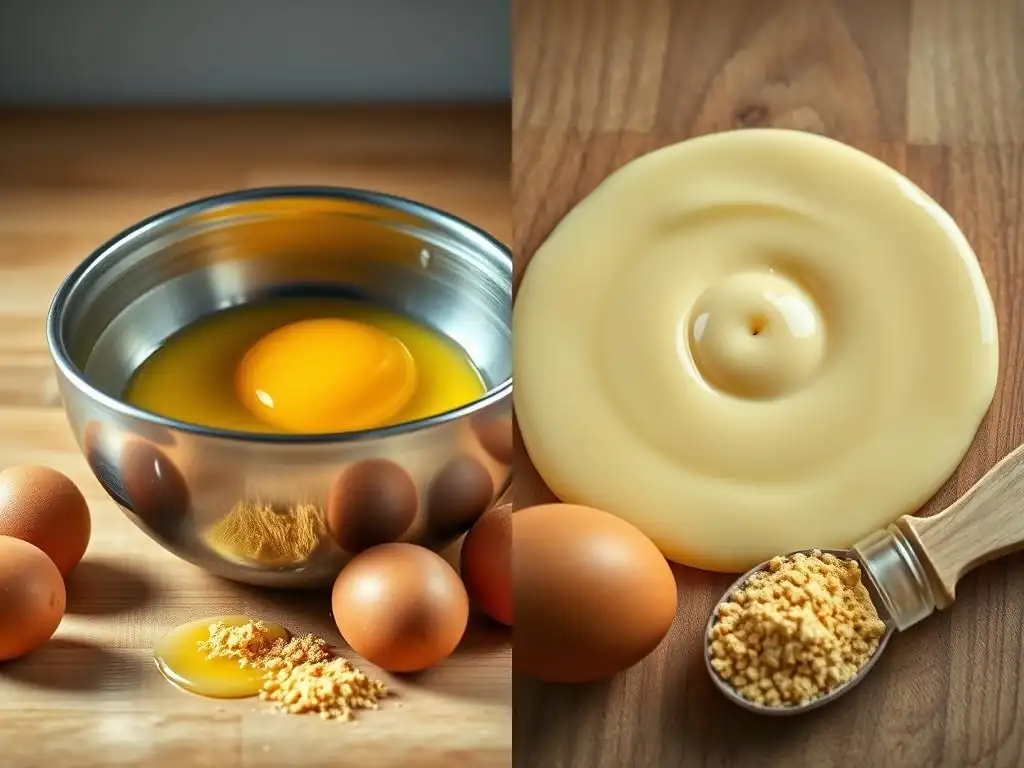
Soy lecithin is a natural emulsifier extracted from soybeans. It's a mixture of phospholipids, with phosphatidylcholine being the most abundant. Like the lecithin found in egg yolks, soy lecithin molecules have both hydrophilic (water-attracting) and lipophilic (fat-attracting) ends, allowing them to effectively stabilize mixtures of oil and water. It's often used in commercial baking but is also available for home bakers.
Soy lecithin is typically available in liquid, granule, or powder form. It's a powerful emulsifier, often used in relatively small quantities compared to the main ingredients in a recipe. Its ability to bridge the gap between fats and liquids makes it incredibly versatile, improving the consistency and quality of a wide range of baked goods, from breads and cakes to cookies and pastries.
Benefits of Soy Lecithin in Baking
The benefits of using soy lecithin in baking are numerous, contributing significantly to what makes baking emulsifier benefits explained so valuable. It's a highly effective emulsifier, helping to create very stable fat-in-water or water-in-fat emulsions. This stability results in batters that are less likely to curdle or separate, even under stress.
Beyond basic emulsification, soy lecithin can improve dough handling properties in yeasted breads, making the dough more extensible and less sticky. It helps create a finer, more uniform crumb structure in cakes and breads by promoting a stable network of air cells. It also helps to distribute fat and moisture more evenly, which can lead to increased volume, improved texture, and importantly, extended shelf life by reducing staling. These tangible improvements highlight the significant baking emulsifier benefits explained by adding lecithin.
Using Soy Lecithin: Powder vs. Liquid
Soy lecithin is commonly available to home bakers in liquid and powder (or granule) forms. The choice between them often comes down to convenience and how it needs to be incorporated into a specific recipe. Liquid lecithin is a viscous, syrupy substance that can be easily stirred into liquid ingredients or melted fats. It's often used in recipes where a small amount of liquid won't disrupt the overall balance.
Powdered or granulated lecithin is easier to measure accurately in small amounts and can be directly mixed with dry ingredients, like flour. This makes it convenient for recipes where you want to distribute the emulsifier evenly throughout the dry components before adding liquids. The effective concentration needed is typically quite low, often ranging from 0.25% to 2% based on the flour weight in a recipe, depending on the desired effect and the other emulsifiers present. Always follow recipe-specific instructions or start with a small amount when experimenting.
Synergistic Effects: Eggs, Butter, and Soy Lecithin
Combining Emulsifiers for Superior Results
While eggs and butter provide natural emulsification, combining them with a supplemental emulsifier like soy lecithin can create powerful synergistic effects, leading to even more stable and high-quality baked goods. Eggs provide lecithin and proteins, butter contributes its own minor emulsifiers and fat structure, and added lecithin boosts the overall emulsifying capacity significantly.
This combination allows for the creation of extremely fine and stable emulsions, capable of holding more fat and liquid together without breaking. The added lecithin can enhance the effectiveness of the natural emulsifiers in eggs and butter, resulting in batters that are remarkably smooth and homogeneous. This leads to baked goods with superior volume, a finer, more consistent crumb structure, and a richer, more tender texture. The combined baking emulsifier benefits explained through this synergy are often evident in professional baking.
Recipes that Benefit from This Combination
Several types of recipes particularly benefit from the powerful emulsifying team of eggs, butter, and potentially added lecithin. Rich, butter-based cakes like pound cake or butter cake rely heavily on the emulsification provided by eggs and butter to prevent curdling when liquids are added to the creamed fat and sugar. Adding a small amount of soy lecithin can further stabilize these batters, ensuring a perfectly smooth mixture and a fine, even crumb.
Brioche and other enriched breads, which contain significant amounts of butter and eggs, also see improvements from enhanced emulsification. Lecithin helps distribute the fat evenly throughout the dough, leading to a softer crumb and improved volume. Cookies and brownies, where a balance of chewiness and tenderness is desired, can also benefit from the stable structure provided by this emulsifier team, leading to consistent texture batch after batch.
Troubleshooting Emulsification Issues
Even with the best ingredients, emulsification can sometimes go wrong in baking. A common issue is curdling, often seen when adding cold liquid to a warm, creamed mixture of butter and sugar with eggs. This happens because the fat solidifies too quickly and separates from the liquid. Using room temperature ingredients helps prevent this.
Another issue is separation in batters with high fat or liquid content. If a batter looks broken or greasy, it indicates the emulsion has failed. This is where understanding the baking emulsifier benefits explained really helps; ensuring sufficient emulsifiers (eggs, or potentially a touch of added lecithin) are present and properly incorporated during the mixing process is key. Gentle, thorough mixing that allows the emulsifiers to do their job without overworking the gluten (especially once flour is added) is crucial for maintaining a stable emulsion.
Achieving Professional Results with Emulsifiers
Preventing Curdling and Separation
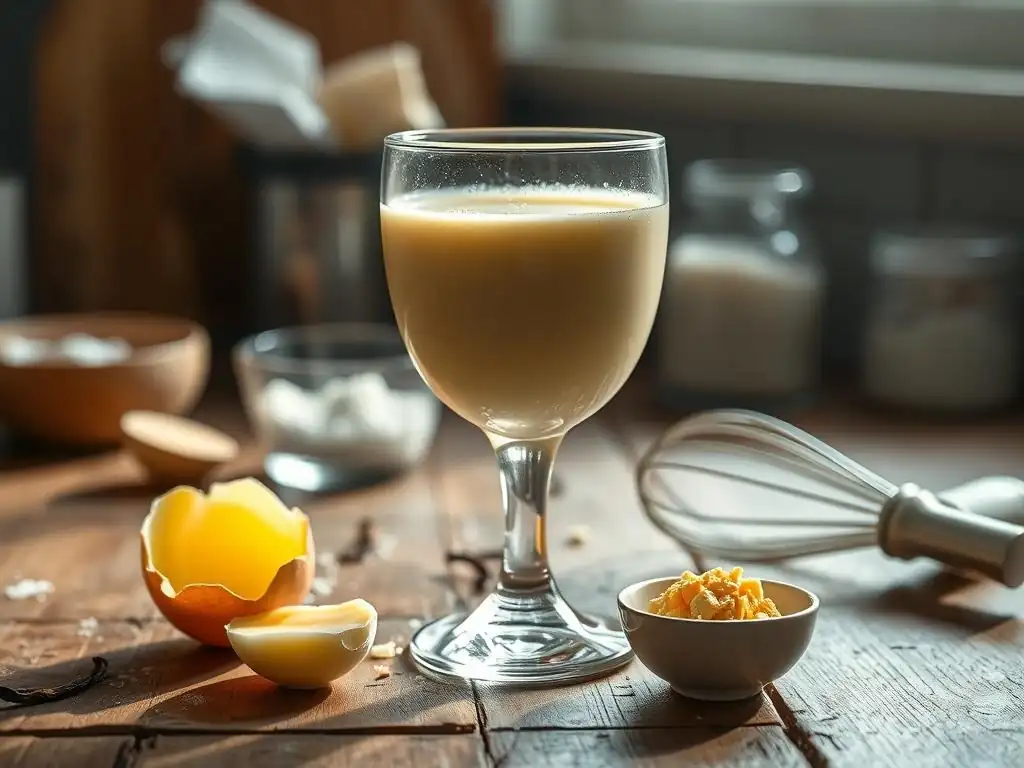
One of the most significant baking emulsifier benefits explained is their role in preventing common issues like curdling and separation. In batters that contain a high ratio of fat to liquid, or when ingredients are added at different temperatures, the mixture can easily break. Emulsifiers, particularly the lecithin and proteins in eggs and added soy lecithin, create a stable bridge between the fat and water molecules.
By forming a protective layer around fat droplets and helping them disperse evenly throughout the liquid phase, emulsifiers significantly increase the stability of the mixture. This means you can add liquids to fat/sugar/egg mixtures without the fat clumping up and separating from the watery components. This stability is crucial for achieving a smooth, uniform batter that will bake into a consistent product. Think of how smooth a well-made cake batter looks compared to a broken one; that smoothness is the direct result of successful emulsification.
Improving Texture and Mouthfeel
The impact of emulsifiers on the final texture and mouthfeel of baked goods is undeniable. A well-emulsified batter leads to a finer, more regular crumb structure because the fat is evenly distributed, preventing large air pockets and promoting small, uniform ones. This even distribution of fat also contributes to tenderness and a moist texture, as the fat coats flour particles and prevents excessive gluten development.
For example, in a sponge cake, the emulsifying power of egg yolks helps create a stable foam structure that traps air, leading to a light and airy texture. In contrast, a poorly emulsified cake might have a coarse or uneven crumb. The smooth, melt-in-your-mouth quality of rich cookies or brownies is also enhanced by effective emulsification, ensuring the fat integrates seamlessly rather than feeling greasy. These textural improvements are prime examples of baking emulsifier benefits explained.
Extending Shelf Life
Emulsifiers can play a role in extending the shelf life of baked goods, primarily by influencing moisture distribution and preventing staling. Staling is largely a process where starch molecules recrystallize, causing the bread or cake to become hard and dry. Emulsifiers, particularly lecithin, can interact with starch molecules, interfering with this recrystallization process.
By helping to keep moisture evenly distributed throughout the crumb, emulsifiers prevent localized drying and maintain a softer texture for a longer period. This means your homemade bread stays fresh and soft for an extra day or two, and cakes retain their moistness. While proper storage is still essential, the use of emulsifiers provides an internal mechanism that combats the natural staling process, offering another valuable aspect of baking emulsifier benefits explained.
Tips for Home Bakers
Choosing the Right Emulsifier
For most everyday baking, the natural emulsifiers present in eggs and butter are perfectly sufficient and provide wonderful results. Recipes like simple cookies, muffins, and standard cakes rely on these ingredients for their structure and texture. Eggs, especially the yolks, are potent emulsifiers and are fundamental in many classic recipes.
Consider supplementing with soy lecithin when you are working with recipes that are particularly challenging to emulsify, such as very rich batters with high fat content, or when you want to achieve a specific texture or extended shelf life, particularly in enriched breads or certain commercial-style baked goods. Start by understanding the role of the natural emulsifiers you're already using, then consider if an added emulsifier might solve a specific problem or enhance a desired outcome.
Incorporating Emulsifiers into Recipes
Proper incorporation is key to harnessing the power of emulsifiers. When using eggs, ensure they are at room temperature and add them one at a time to creamed butter and sugar, mixing thoroughly after each addition until fully incorporated and the mixture looks smooth and homogenous. This process builds a strong initial emulsion.
If adding supplemental lecithin, follow the recipe's instructions. Powdered lecithin can often be whisked into the dry ingredients (like flour) to ensure even distribution. Liquid lecithin can be added with other liquid ingredients or sometimes mixed with the fat. Remember that lecithin is potent, so small amounts are usually sufficient – often just a teaspoon or two for a standard cake recipe, or a percentage based on flour weight in bread.
Experimenting with Emulsifiers
Don't be afraid to experiment cautiously with emulsifiers in your own baking! Once you understand the basic baking emulsifier benefits explained, try slightly modifying a familiar recipe. For instance, if you often struggle with a cake batter looking slightly curdled, try adding your eggs more slowly and ensuring they are room temperature, or consider adding a small amount of liquid soy lecithin with your wet ingredients next time.
Keep notes on your experiments: what did you add, how much, and what was the result? Did the batter look smoother? Was the crumb finer? Did the baked good stay fresh longer? By observing the changes, you'll gain a deeper understanding of how these powerful ingredients work together to transform simple components into delicious, perfectly textured baked goods. Happy experimenting!
Frequently Asked Questions
What exactly is an emulsifier in baking, and why is it important?
An emulsifier helps to stabilize mixtures of ingredients that don't naturally mix well, like oil and water. This creates a smooth batter and prevents separation, resulting in a better texture in your baked goods.
What are some common emulsifiers used in baking, as mentioned in the article?
The article highlights eggs, butter, and lecithin as key emulsifiers. These ingredients have properties that allow them to bind both water-based and fat-based components together effectively.
How do eggs act as emulsifiers in baking?
Eggs, especially the yolks, contain lecithin, a naturally occurring emulsifier. This allows them to create a stable emulsion between fat and liquids in cake batters and other recipes.
What role does butter play as an emulsifier in baking?
While primarily a fat, butter contains milk solids and water, which allow it to contribute to emulsification. The fat content helps to incorporate air, leading to a tender crumb structure.
Where can I find lecithin to use as an emulsifier, and what are its benefits?
Lecithin can be found in egg yolks or purchased in powdered or liquid form, often derived from soy or sunflower. It helps to create exceptionally smooth and stable batters, improving the texture and shelf life of baked goods.
Final Reflection: The Unsung Heroes of Baking Success
Understanding the power of emulsification is key to unlocking truly exceptional baking. Without the magic of emulsifiers like eggs, butter, and lecithin, our baked goods would lack the texture, volume, and overall mouthfeel we crave. This isn't just about technical baking skills; it's about understanding the fundamental chemistry that transforms simple ingredients into culinary masterpieces.
The subtle interplay of fats and liquids, facilitated by these emulsifiers, has profoundly shaped the history of baking, influencing everything from the airy lightness of a soufflé to the rich, creamy texture of a perfect chocolate cake. The proof of the pudding is in the eating,
and the proof of a great bake lies in the careful balance of its ingredients, particularly the often-overlooked emulsifiers. This exploration has highlighted not only the what but also the why behind successful baking, deepening my own appreciation for the science behind the art.
Now, consider your own baking journey. Think about the times your creations fell flat, or lacked that certain something. Perhaps a deeper understanding of emulsification, and the specific roles of eggs, butter, and lecithin, can help you troubleshoot and elevate your baking to new heights. Experiment with different ratios, explore alternative emulsifiers, and most importantly, embrace the science to unlock your full baking potential. The journey of culinary mastery is a continuous process of learning and refinement – and it all starts with understanding the fundamental building blocks.
Unleash Your Inner Baking Whiz!
Thanks for diving deep into the world of emulsifiers with us! You've now unlocked the secrets to creating flawlessly smooth and delicious baked goods. Ready to put your new knowledge into practice?
- Experiment with lecithin: Try adding a teaspoon of lecithin to your next batch of cookies – you'll be amazed by the difference in texture!
- Share your baking triumphs (and challenges!): Let's build a community of bakers! Post a picture of your creations on social media and tag us – we'd love to see them.
- Explore advanced techniques: Research other emulsifiers and discover how they affect different recipes. What's the next baking frontier you want to conquer?
What unexpected baking adventure will you embark on next?