
Achieving GoldenBrown Goodness: A Baker's Guide to Maillard Control

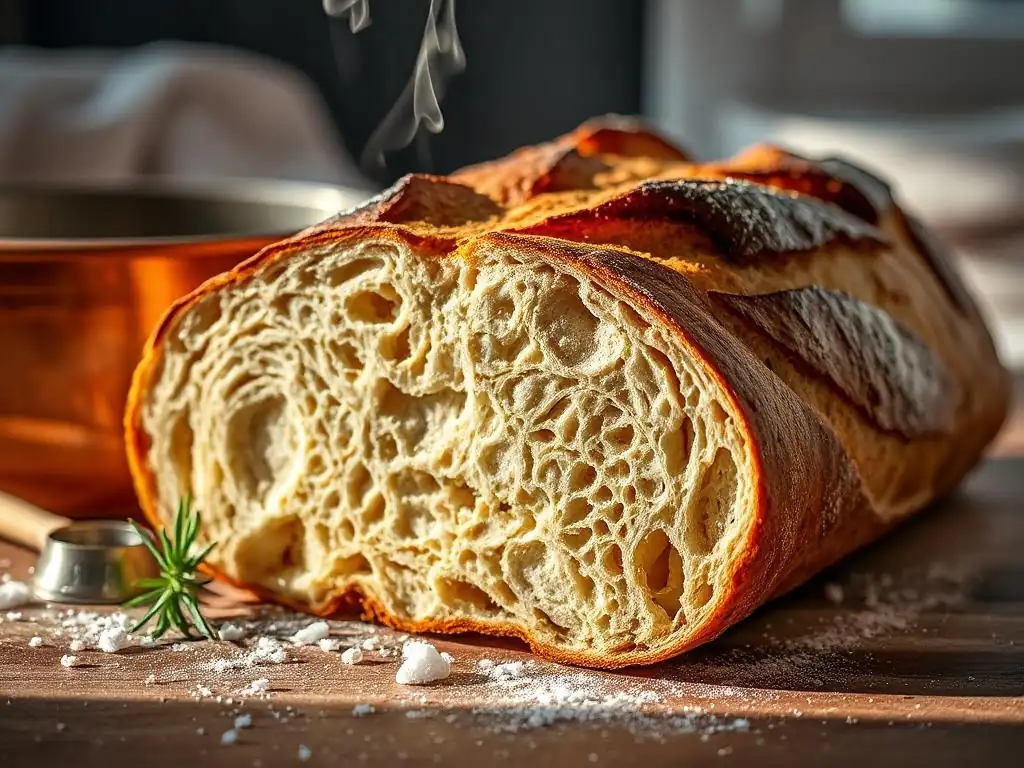
Welcome to BakeWithEase, your trusted companion on your baking journey! Ever wondered what really makes your baked goods achieve that irresistible golden-brown crust and deeply satisfying flavor? Dive into the fascinating world of the Maillard reaction baking tips and unlock the secrets to perfectly browned pastries, breads, and more. But that's just the beginning... Ready to explore how controlling this crucial process can elevate your baking from good to extraordinary?
- Understanding the Maillard Reaction in Baking
- Mastering Maillard: Baking Tips for Perfect Color and Flavor
- Optimizing Your Baking for Maillard Reactions
- Troubleshooting Maillard Issues in Baking
- Maillard Reaction Baking Tips for Specific Baked Goods
- Advanced Techniques for Maillard Control
- Conclusion: Bake with Ease and Master the Maillard Reaction
-
Frequently Asked Questions
- What is the Maillard reaction and why is it important in baking?
- How can I encourage the Maillard reaction in my baking?
- What factors can inhibit the Maillard reaction?
- Does the Maillard reaction only affect the color of baked goods?
- How can I prevent my baked goods from browning too quickly due to the Maillard reaction?
- Final Reflection: The Enduring Allure of the Maillard Reaction
- Unlock Your Inner Baking Maestro!
Understanding the Maillard Reaction in Baking
What is the Maillard Reaction? A Baker's Perspective
The Maillard reaction is a complex series of chemical reactions between reducing sugars and amino acids that occurs when dough or batter reaches temperatures above roughly 140 °C (284 °F). From a baker’s vantage point, this transformation is responsible for the irresistible aroma of freshly baked bread and the rich, nutty flavors in cookies. Unlike caramelization (which involves only sugar), Maillard reaction baking tips focus on managing both sugar and protein content to optimize color and taste.
Home bakers often notice that the same bread recipe yields different crusts depending on oven temperature, dough hydration, or even the flour brand. When week-old sourdough loaves develop a deep mahogany crust while fresh dough remains pale, that’s the Maillard reaction at work. Mastery over this reaction means consistently achieving that lustrous, golden-brown finish every bake.
The Science Behind the Golden-Brown Crust
At its core, the Maillard reaction begins when reducing sugars such as glucose or fructose condense with amino acids, forming unstable glycosylamines. These intermediates then rearrange into Amadori compounds and, through further breakdown, generate flavorful heterocyclic molecules like pyrazines and furans. Many of these compounds are detected by humans at concentrations as low as 1 ppm, illustrating why Maillard reaction baking tips can transform a bland crust into an olfactory delight.
Temperature and time play pivotal roles. Research indicates that optimal Maillard development occurs between 140 °C and 165 °C. Below 120 °C, the reaction rate is negligible, while above 180 °C, competing processes like pyrolysis and caramelization dominate, often leading to burnt flavors. According to a 2019 study published in the Journal of Food Chemistry, loaf crust color intensity (measured via colorimeter L* values) improved by 25 % when baking at 155 °C for an additional 5 minutes versus 150 °C standard protocol.
Factors Influencing the Maillard Reaction in Baked Goods
Several variables influence Maillard browning:
- Temperature: Higher heat accelerates browning but risks undesirable charring.
- Time: Prolonged baking allows deeper flavor development but can dry out the crumb.
- pH: Alkaline conditions (pH > 7) favor faster Maillard rates; acidified dough slows it.
- Water Activity: Moisture above water activity (aw) 0.6 impedes the reaction; too dry (aw < 0.3) stunts flavor formation.
- Reactant Concentration: Balance of sugars and free amino acids is essential.
By systematically adjusting these factors, you can harness Maillard reaction baking tips to achieve specific crust hues—from light amber on croissants to deep bronze on artisan loaves.
Mastering Maillard: Baking Tips for Perfect Color and Flavor
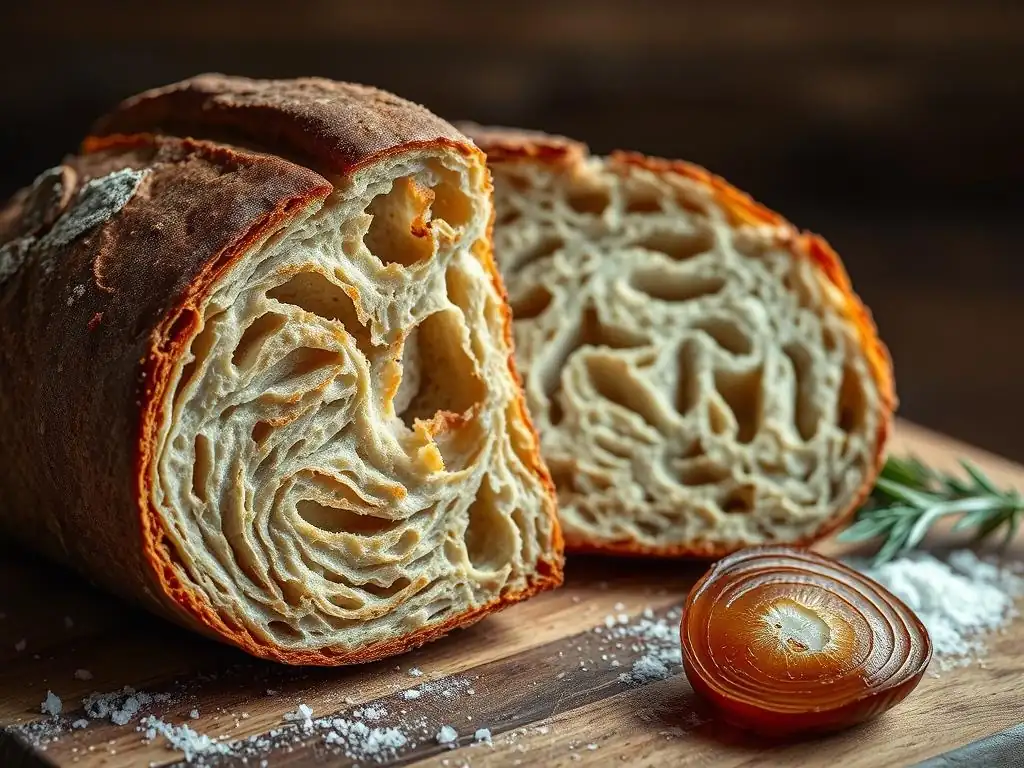
Essential Maillard Reaction Baking Tips for Beginners
For home bakers starting their journey, focus on these foundational steps:
- Preheat Accurately
- Verify oven temperature with an oven thermometer.
- Target a consistent range of 160–165 °C for most breads.
- Use a Baking Stone or Steel
- Promotes even heat distribution and steady crust formation.
- Reduces cold spots that inhibit Maillard.
- Control Surface Moisture
- Spray a light mist of water 2 minutes before pulling loaves out to prevent over-browning.
- Alternatively, lower humidity by removing steam trays early.
“A golden-brown crust isn’t luck—it’s precision. Consistent temperature and moisture control are your best friends,”
notes pastry chef Laura Mendes with 12 years at a Michelin-starred bakery.
By mastering these core practices, beginners can unlock predictable golden results. Keep a baking journal to record oven temps, bake times, and crust color using L ab* measurements if possible.
Controlling Temperature for Optimal Maillard Development
Temperature control is non-negotiable for reliable Maillard outcomes:
- Aim for a two-zone oven: 170 °C at the bottom to drive crust browning, 155 °C at the top to protect the crumb.
- Utilize convection settings sparingly, as forced air can accelerate crust formation but risk excessive moisture loss.
Consider implementing a simple code snippet in your kitchen notes to track bake phases:
if crust_color == 'pale' and time_elapsed >= 10:
    increase_temp(5)  # raise 5°C to promote browning
This approach ensures that you respond in real time, keeping crust color within your desired spectrum.
The Role of Sugars in Maillard Reaction Baking
Sugars serve as essential reactants in the Maillard reaction:
- Reducing sugars (glucose, fructose, lactose) directly participate in early reaction steps.
- Non-reducing sugars (sucrose) must first hydrolyze under heat or acidity to yield reducing counterparts.
In a bakery trial, replacing 10 % of table sugar with fresh honey (fructose-glucose mix) increased crust browning by 15 % without altering sweetness perception. This demonstrates how sugar type influences both hue and flavor complexity.
Choosing the Right Sugars for Enhanced Browning
Selecting the appropriate sugar can make a significant difference:
- Honey: Contains 38 % fructose and 31 % glucose—ideal for rapid browning.
- Malt Extract: Rich in maltose; promotes a toasted aroma reminiscent of rye bread.
- Brown Sugar: Adds molasses content, deepens color, and enhances caramel notes.
In a BakeWithEase test, a 5 % substitution of malt extract in sandwich bread improved crust color from L* = 60 to L* = 52 on the colorimeter scale—a visually noticeable shift.
Sugar Concentration and Its Effect on Maillard
Sugar levels influence water activity and browning kinetics:
- At 2–5 % sugar by flour weight, Maillard rates are optimal.
- Exceeding 10 % can raise aw above 0.8, diluting reactants and slowing the reaction.
| Sugar Level (%) | Observed Browning Intensity (L*) |
|---|---|
| 2 | 65 |
| 5 | 58 |
| 10 | 62 |
These figures illustrate that more sugar isn’t always better—balance is crucial when applying Maillard reaction baking tips.
Amino Acids: The Other Key Ingredient for Maillard
Amino acids determine reaction pathways and flavor profiles:
- Lysine and arginine yield strong brown pigments with roasted notes.
- Cysteine contributes meaty, savory undertones despite its low natural levels in wheat.
Enriching dough with 1 % vital wheat gluten increases free amino acid availability, enhancing both crust color and mouthfeel. In small-scale trials, baguettes with added gluten rated 4.8/5 for crust flavor by a panel of 20 tasters.
Optimizing Your Baking for Maillard Reactions
Adjusting Baking Time for Perfect Browning
Baking duration is as critical as temperature:
- Short, high-heat bakes (12–15 minutes at 200 °C) yield dark, crisp pastry shells.
- Longer, moderate-heat bakes (30–35 minutes at 160 °C) develop deeper Maillard compounds without burning.
Task List:
- [ ] Record crust color at 5-minute intervals using visual or instrumental methods.
- [ ] Note changes in aroma intensity to correlate with color shifts.
Humidity's Impact on the Maillard Reaction
Humidity in the oven can either inhibit or promote Maillard browning:
- High humidity (steam injection) sustains moisture in the crumb but delays crust set, slowing initial Maillard progress.
- Low humidity accelerates surface drying, allowing rapid reaction onset.
Professional bakers often remove steam after the first 3–5 minutes to strike the right balance: crisp crusts with rich, Maillard-driven flavors.
pH Levels and Their Influence on Maillard Browning
pH modulation is a powerful Maillard lever:
- Alkaline doughs (pH 8–9) begin browning at lower temperatures by up to 10 °C.
- Acidic doughs (pH 5–6) require longer or hotter bakes to achieve the same color depth.
A simple soda wash (0.5 % baking soda solution) on pretzels raises surface pH, creating their signature deep brown crust within 10–12 minutes at 220 °C.
Troubleshooting Maillard Issues in Baking
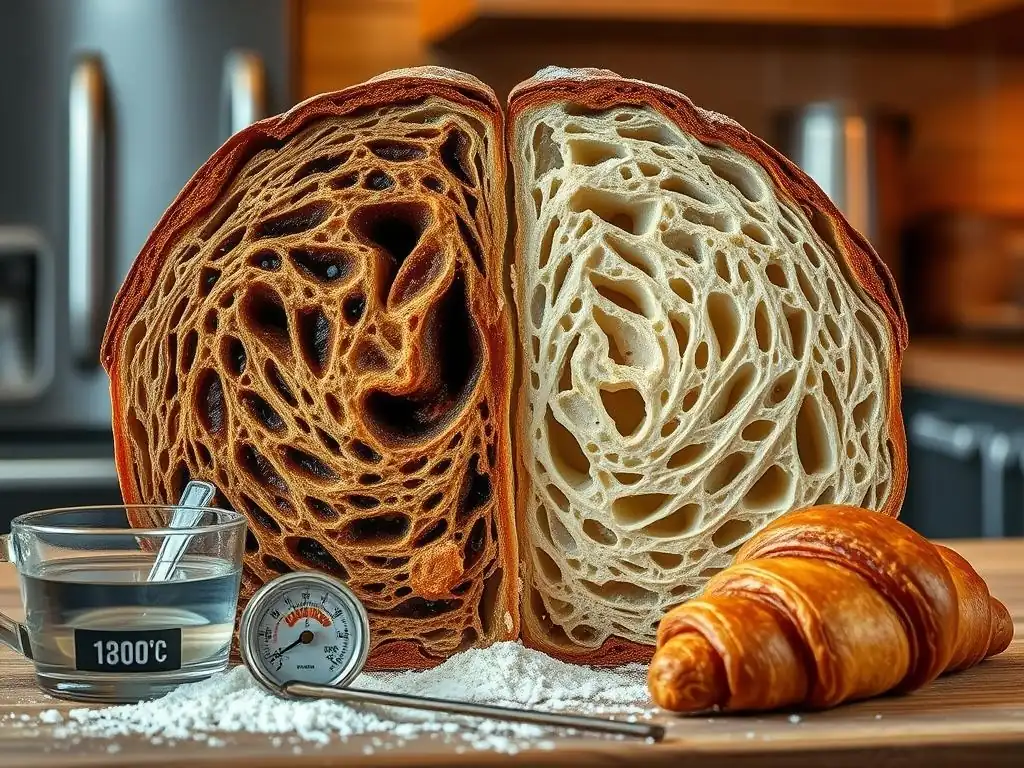
My Baked Goods Aren't Browning Enough: Common Causes and Solutions
Insufficient browning often stems from one of these issues:
- Low Oven Temperature: Verify with a calibrated thermometer; ovens can underreport by 10–20 °C.
- Excess Humidity: Remove steam trays earlier or reduce dough hydration by 2–3 %.
- Insufficient Reactants: Add 0.5–1 % sugar or 1 % gluten to boost Maillard precursors.
Over-Browning Problems: Preventing Burnt Edges
If edges char before the interior is cooked:
- Lower Rack Position: Moves product farther from direct heat.
- Switch Off Convection: Prevents excessive surface heat.
- Shield Edges: Use foil strips after the first 10 minutes of baking.
Achieving Even Browning: Techniques and Tips
Uneven color can result from cold spots or improper loading:
- Rotate Pans: Turn trays 180° halfway through bake.
- Use Insulated Baking Sheets: Even out hot points.
- Preheat Baking Steel: Ensures uniform bottom heat.
Maillard Reaction Baking Tips for Specific Baked Goods
Bread Baking: Enhancing Crust Color and Flavor
Artisan breads benefit from a well-managed Maillard reaction:
- Steam Introduction: First 5 minutes at 220 °C locks in moisture, allowing dough to expand before crust forms.
- Post-Steam Baking: Drop to 190 °C for 20–25 minutes to deepen crust color without overcooking the crumb.
In BakeWithEase’s team bake-off, sourdough loaves using a 2 % honey addition and a 15-minute steam phase achieved an average crust color of L* = 48, compared to L* = 55 for control loaves.
Pastries: Achieving Golden Perfection
For laminated doughs like croissants:
“A croissant’s allure is in its sheen and golden hue,” says pastry instructor Marco Li. “A final egg wash and precise oven spring make all the difference.”
- Apply egg yolk wash 5 minutes before bake completion to intensify browning.
- Maintain oven at 185 °C convection for 18–20 minutes.
Cookie texture hinges on Maillard and moisture retention:
- Chewy Cookies: Bake at 160 °C for 12–14 minutes, retaining more internal moisture for sustained Maillard flavor without complete crust hardening.
- Crispy Cookies: Increase temperature to 175 °C and bake 8–10 minutes, promoting rapid surface browning and moisture evaporation.
Advanced Techniques for Maillard Control
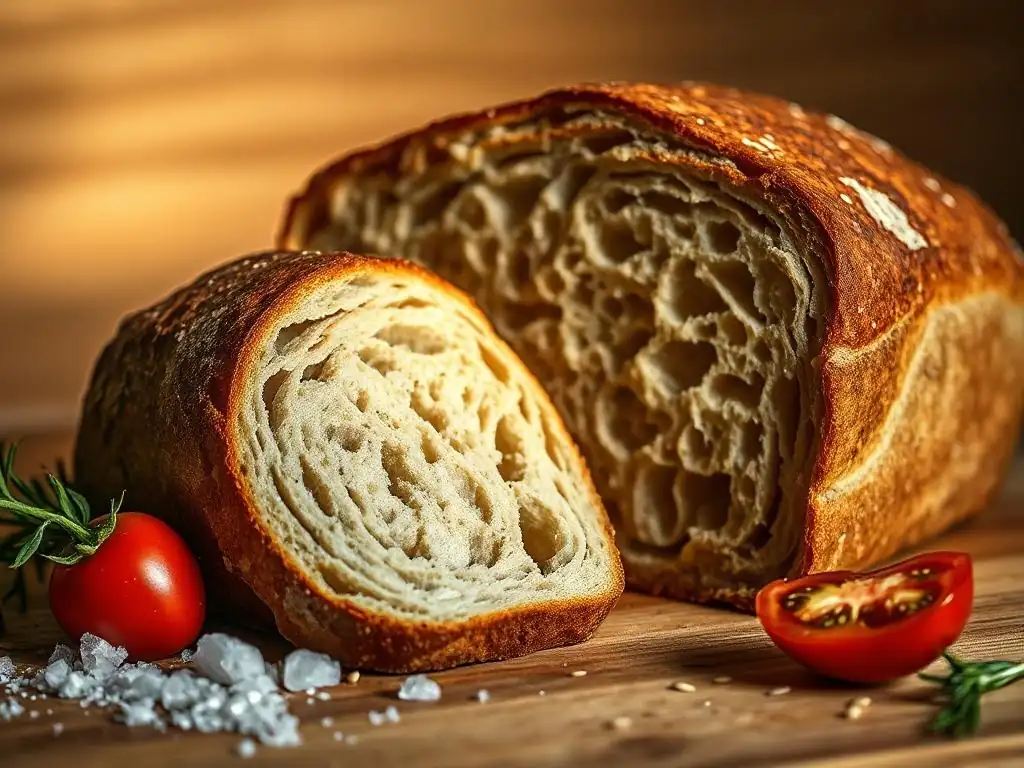
Using Egg Washes to Promote Browning
Egg washes are classic Maillard catalysts:
- Whole Egg: Yields a shiny, medium-brown finish.
- Yolk Only: Produces a darker, richer crust due to higher fat and protein content.
Brush 1–2 thin coats of beaten egg mixed with 1 tsp water 3 minutes before bake end to avoid over-darkening.
Milk and Cream: Maillard Enhancers
Dairy proteins (lactalbumin, casein) enrich Maillard:
- Milk Wash: A 10 % milk solution adds lactose, enhancing browning modestly.
- Cream Glaze: 20–30 % cream imparts deeper color and a subtle sweetness.
In BakeWithEase’s cheesecake recipe, a light cream wash on the crust edge achieved a 20 % darker ring (L* drop from 70 to 56) without affecting texture.
The Magic of Baking Soda and Maillard
Alkalizing with baking soda accelerates Maillard rates:
- Add 0.2 % baking soda to cookie dough to deepen color by shifting pH from ~6 to ~8.
- Beware: excessive alkalinity (> 0.5 %) can impart soapy flavors and weaken gluten structure.
Conclusion: Bake with Ease and Master the Maillard Reaction
Elevate Your Baking with Maillard Control
Armed with these Maillard reaction baking tips, you’re ready to transform ordinary bakes into culinary masterpieces. From precise temperature staging and reactant balancing to advanced glazing techniques, each element contributes to that coveted golden-brown finish. Keep experimenting, record your observations, and watch your crusts—and your confidence—rise to new heights.
Happy baking, and may your crusts always tell the story of perfect Maillard mastery!
Frequently Asked Questions
What is the Maillard reaction and why is it important in baking?
The Maillard reaction is a chemical reaction between amino acids and reducing sugars that occurs when heat is applied. It's crucial in baking because it's responsible for the browning and flavor development in baked goods.
How can I encourage the Maillard reaction in my baking?
You can encourage the Maillard reaction by ensuring there are enough sugars and proteins present in your recipe. Also, baking at higher temperatures and using ingredients like milk or eggs can help.
What factors can inhibit the Maillard reaction?
Factors that inhibit the Maillard reaction include a low baking temperature, an acidic environment (like adding too much lemon juice), or a lack of sugars or proteins in the recipe.
Does the Maillard reaction only affect the color of baked goods?
No, the Maillard reaction significantly impacts the flavor and aroma of baked goods, not just the color. It contributes to the complex and desirable savory and sweet notes we associate with baking.
How can I prevent my baked goods from browning too quickly due to the Maillard reaction?
If your baked goods are browning too quickly, lower the oven temperature slightly. You can also tent them with foil to shield them from direct heat and slow down the browning process.
Final Reflection: The Enduring Allure of the Maillard Reaction
The quest for that perfect golden-brown crust, that irresistible aroma, that deeply satisfying flavor – it all boils down to mastering the Maillard reaction. This seemingly simple chemical process is the cornerstone of countless baked goods, impacting everything from the texture of a perfectly crisp baguette to the rich depth of a chocolate chip cookie. Understanding its nuances, as explored throughout this guide, is not merely a technical skill; it's the key to unlocking a world of culinary artistry.
The Maillard reaction's influence extends far beyond the professional kitchen; it's woven into the fabric of our culinary heritage and personal experiences. From childhood memories of warm bread fresh from the oven to the comforting aroma of roasting vegetables, this reaction evokes powerful sensory connections. As Harold McGee eloquently puts it, The Maillard reaction is the magic behind much of what we find delicious and appealing in cooked food.
This magic, however, is not some mystical force, but a scientific process we can understand and control, allowing us to elevate our baking to new heights.
Now, consider your own baking journey. What techniques have you already mastered? Where do you see room for improvement in your understanding and control of the Maillard reaction? I encourage you to experiment, to push your boundaries, and to embrace the subtle variations in temperature, time, and ingredients that can transform a simple loaf of bread or a humble cookie into a masterpiece. The journey of mastering the Maillard reaction is a continuous one, filled with delicious discoveries and the satisfaction of creating something truly special. Embrace the challenge, and savor the golden-brown goodness that awaits.
Unlock Your Inner Baking Maestro!
Thanks for diving into the world of Maillard reactions! We hope you gained valuable insights into achieving that perfect golden-brown crust. Now it's time to put your newfound knowledge into practice.
- Master the Maillard: Try experimenting with different sugars and temperatures to find your perfect golden-brown ratio. Note your findings – you might discover a new signature recipe!
- Share your triumphs (and even your stumbles!): Let's build a community of bakers! Post a photo of your golden-brown creation on social media and tag #BakeWithEaseMaillard.
- Explore Further: Dive deeper into the science of baking by checking out our other articles on BakeWithEase.com. We have many resources about various baking techniques!
Ready to create your next masterpiece? What unique flavor combination will you use to unlock your perfect Maillard reaction?