
Beyond Browning: How the Maillard Reaction Creates Amazing Flavor

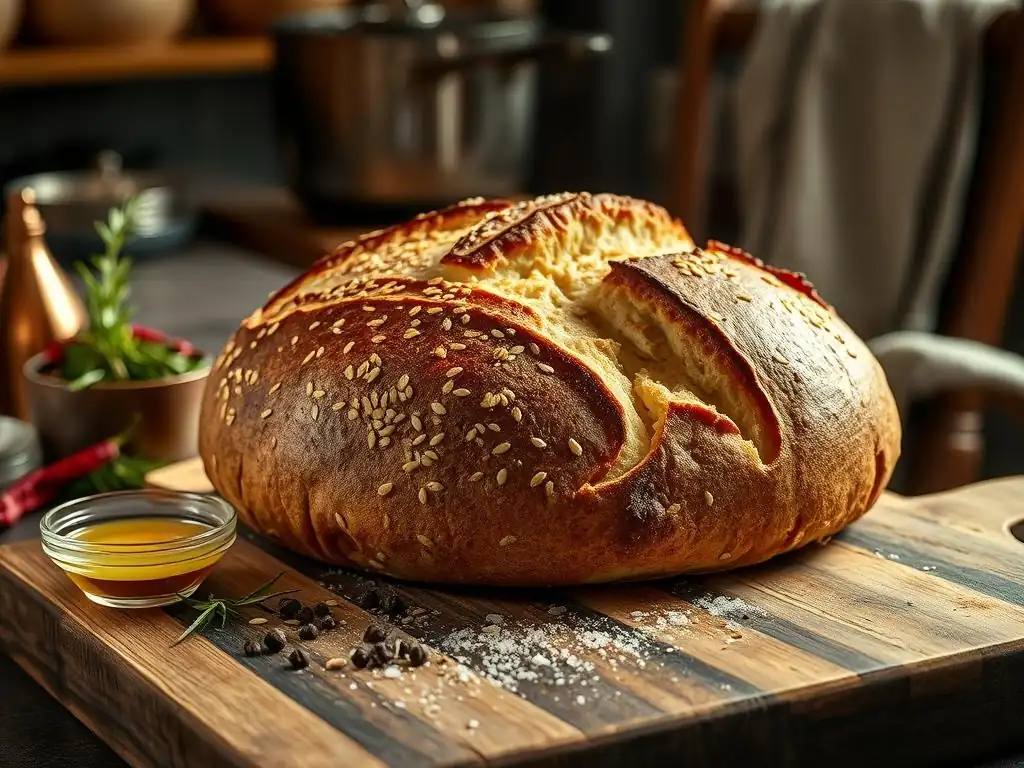
Welcome to BakeWithEase, your trusted companion on the journey to baking brilliance! Ever wondered how a simple loaf transforms into a golden masterpiece? Today, we're diving deep into the science behind irresistible flavor, exploring the secrets of the Maillard reaction baking tips. Unlock the magic and discover how to harness this fundamental process to elevate your baking from ordinary to extraordinary. Ready to bake better? Let's get started!
- Understanding the Maillard Reaction in Baking
- The Maillard Reaction: Baking Tips for Flavor Enhancement
- Maximizing Maillard Reaction Flavors in Your Baked Goods
- Ingredients that Boost the Maillard Reaction in Baking
- Troubleshooting the Maillard Reaction in Baking
- Applying Maillard Reaction Baking Tips to Specific Recipes
- Ingredients that Boost the Maillard Reaction in Baking
- Troubleshooting the Maillard Reaction in Baking
- Applying Maillard Reaction Baking Tips to Specific Recipes
- The Future of Flavor: Exploring New Maillard Reaction Techniques
- Frequently Asked Questions
- Final Reflection: The Sweet Science of Flavor
- Unlock Your Inner Baking Genius: Master the Maillard Reaction!
Understanding the Maillard Reaction in Baking
What is the Maillard Reaction? A Baker's Guide
The Maillard reaction is a complex series of chemical reactions that occur when amino acids and reducing sugars are heated together. This isn't just about making food look good with a golden-brown crust; it's the powerhouse responsible for developing hundreds of unique flavor compounds and aromas in baked goods.
Think of the rich, nutty, toasted notes in a perfectly baked loaf of bread, the caramel-like undertones in a cookie, or the savory depth in roasted meats – that's the Maillard reaction at work. It typically begins to occur rapidly at temperatures above 140°C (284°F), though it can happen slower at lower temperatures over extended periods, especially in the presence of low moisture.
For bakers, understanding the Maillard reaction is fundamental to controlling the sensory experience of their creations. It's not just about following a recipe; it's about manipulating temperature, time, and ingredients to achieve specific flavors and textures. This reaction is distinct from caramelization, which involves only sugars breaking down under heat. The interaction between proteins (amino acids) and sugars is what creates such a vast and complex array of flavors that simple sugar browning alone cannot replicate. Mastering these Maillard reaction baking tips can truly elevate your results.
The Science Behind Flavor: Amino Acids and Reducing Sugars
At its core, the Maillard reaction requires two main participants: amino acids and reducing sugars. Amino acids are the building blocks of proteins, found abundantly in ingredients like flour, eggs, milk, and butter. Reducing sugars are simple sugars that have a free aldehyde or ketone group, allowing them to react with amino acids. Common reducing sugars in baking include glucose (dextrose), fructose, lactose (found in milk), and maltose. Sucrose (table sugar) is not a reducing sugar itself but can break down into glucose and fructose under heat and acidic conditions, thus participating indirectly.
When these components are heated together, a cascade of chemical transformations begins. An initial reaction forms unstable intermediate compounds, which then undergo further complex reactions, including rearrangements, dehydrations, and fragmentations. These subsequent steps generate a vast number of volatile and non-volatile compounds. Volatile compounds contribute to the aroma, while non-volatile compounds contribute to the taste and color. This intricate process is why the Maillard reaction baking tips often focus on ingredient composition and thermal management.
Maillard Reaction vs. Caramelization: Key Differences for Bakers
While both the Maillard reaction and caramelization result in browning and flavor development under heat, they are distinct chemical processes. Caramelization involves the thermal decomposition of sugars alone, typically occurring at higher temperatures than the Maillard reaction (around 160°C / 320°F for sucrose, lower for other sugars like fructose). This process produces flavors often described as nutty, buttery, and burnt sugar, along with brown pigments. Think of making caramel sauce or the browning of sugar on crème brûlée.
The Maillard reaction, as discussed, requires both amino acids and reducing sugars. It starts at lower temperatures and produces a much wider range of flavor compounds – hundreds compared to the dozens from caramelization. These flavors are often more complex, encompassing roasted, savory, meaty, malty, and chocolatey notes, in addition to some caramel-like flavors. Most baked goods experience both reactions simultaneously in their crusts once sufficient moisture has evaporated and temperatures rise. Understanding these differences is crucial for bakers applying Maillard reaction baking tips to achieve specific flavor profiles.
The Maillard Reaction: Baking Tips for Flavor Enhancement
Controlling the Maillard Reaction: Temperature is Key
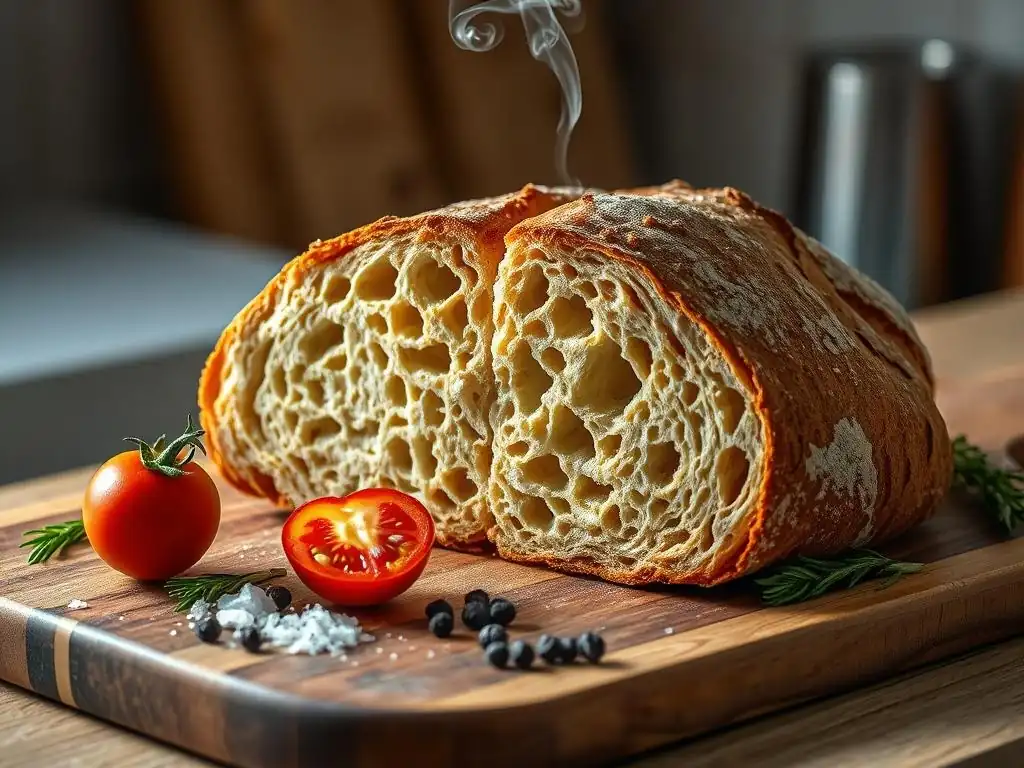
Temperature is arguably the most critical factor in controlling the Maillard reaction in baking. The reaction accelerates significantly with increasing temperature. While it can begin slowly around 100°C (212°F) in some conditions, it becomes rapid and noticeable above 140°C (284°F). Baking at higher temperatures, like 200-220°C (390-425°F) for bread crusts, ensures quick browning and robust flavor development on the exterior. However, too high a temperature can lead to the surface browning or burning before the interior is cooked, resulting in bitter flavors.
Conversely, baking at lower temperatures, such as 160-180°C (320-350°F) for cakes or delicate pastries, slows the Maillard reaction. This allows the interior to cook through evenly without the exterior becoming too dark. For achieving specific flavor profiles, bakers often use a combination of temperatures – starting high for initial browning and oven spring, then lowering the temperature to finish baking without burning. This precise temperature control is a core element of effective Maillard reaction baking tips.
Moisture Levels and the Maillard Reaction: Achieving the Perfect Balance
Moisture plays a significant role in the Maillard reaction, primarily as an inhibitor. The reaction occurs most readily in a relatively dry environment. While moisture is necessary for dough or batter structure, it prevents the surface temperature from rising above the boiling point of water (100°C / 212°F) as long as it's present. This is below the typical rapid reaction temperature for Maillard. Only after the surface moisture evaporates can the temperature of the crust rise sufficiently for the Maillard reaction to proceed rapidly.
For items like bread, initially high moisture on the surface (sometimes enhanced by steam in the oven) delays crust formation, allowing the dough to expand fully (oven spring). As the surface dries out, its temperature increases, and the Maillard reaction kicks in, creating the golden-brown crust. In contrast, a very wet batter might take longer to brown on the surface due to the extended time required for water evaporation. Managing the balance between internal moisture and surface drying is a key skill when applying Maillard reaction baking tips.
pH Influence: How Acidity Affects Browning and Flavor Development
The pH level of your dough or batter has a notable impact on the rate of the Maillard reaction. The reaction proceeds much more quickly in alkaline (higher pH) conditions and is significantly slowed down by acidic (lower pH) conditions. This is why adding a pinch of baking soda (alkaline) to some cookie recipes can result in faster, more pronounced browning and a distinct flavor profile compared to using only baking powder (which contains acidic components). A classic example is the dark, glossy crust of pretzels, which are often dipped in an alkaline lye solution before baking.
Conversely, acidic ingredients like buttermilk, yogurt, lemon juice, or vinegar will inhibit the Maillard reaction, leading to lighter-colored baked goods. Sourdough bread, for instance, is naturally acidic due to the fermentation process, which can sometimes result in a less intensely colored crust compared to a straight-dough loaf baked under similar conditions, although other factors like fermentation time also play a role. Understanding this pH sensitivity provides another lever for bakers employing Maillard reaction baking tips to fine-tune their results.
Maximizing Maillard Reaction Flavors in Your Baked Goods
Maillard Reaction Baking Tips: Enhancing Crust Development in Bread
Achieving a beautiful, flavorful crust on bread is a prime example of applying Maillard reaction baking tips effectively. The key is ensuring the surface reaches a sufficiently high temperature and remains there long enough after the moisture has evaporated. Baking bread in a very hot oven, often 220-250°C (425-480°F), is essential. Many bakers use a Dutch oven or baking stone to help achieve and maintain these high temperatures.
Additionally, creating a humid environment at the start of the bake (using steam injection, a pan of water, or baking in a covered pot) is beneficial. This keeps the surface moist and flexible initially, allowing for maximum oven spring. Once the dough has expanded, the steam dissipates (or the lid is removed), the surface dries, and the Maillard reaction kicks in rapidly on the now-hot surface, developing that signature deep color and complex flavor. Proper cooling on a wire rack then allows moisture to redistribute, setting the crust structure.
Cookies offer a fantastic canvas for exploring Maillard reaction baking tips. The balance of sugar, protein (from flour and eggs), and fat influences how the reaction proceeds. Using brown sugar instead of granulated sugar is a common technique. Brown sugar contains molasses, which provides not only moisture but also invert sugar (glucose and fructose) and some amino acids, all of which significantly boost the Maillard reaction compared to pure sucrose. This results in cookies that are chewier, spread more, and have richer, more caramel-like flavors and darker edges.
Baking time and temperature are also crucial. Longer bake times at moderate temperatures (around 170-180°C / 340-350°F) allow the reaction to develop more slowly and evenly throughout the cookie. Using ingredients like milk powder can also enhance Maillard browning and add creamy, toffee notes. Experimenting with different sugar ratios, protein sources (like using egg yolks), and bake parameters allows bakers to fine-tune the Maillard reaction for their desired cookie texture and flavor.
Maillard Reaction in Cakes: Controlling Color and Taste
Cakes present a different challenge for the Maillard reaction compared to bread or cookies. Cakes typically have higher moisture content, higher sugar-to-protein ratios, and are often baked at lower temperatures (around 160-175°C / 320-350°F) to ensure a tender crumb and prevent the top from burning before the center is done. This means the Maillard reaction primarily occurs on the outer crust surfaces – the top, bottom, and sides.
To enhance Maillard flavors and browning in cakes, bakers can employ a few strategies. Using ingredients like buttermilk (though acidic, it provides both lactose and protein) or adding a small amount of milk powder can contribute reactants. Baking in darker pans absorbs more heat and can promote browning. While a deeply browned crust isn't always desired in cakes, controlling the Maillard reaction ensures pleasant, complex flavors on the exterior that complement the soft interior. These specific considerations are part of advanced Maillard reaction baking tips for cakes.
Ingredients that Boost the Maillard Reaction in Baking
Sugar Selection and the Maillard Reaction: Choosing the Right Sweetener
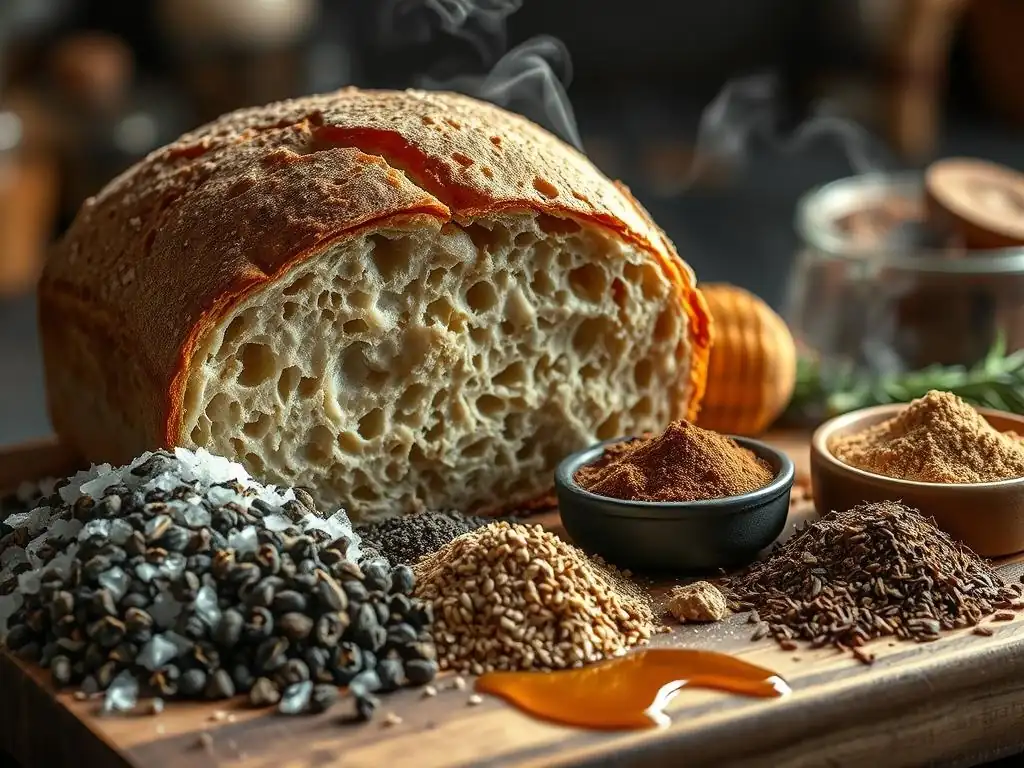
The type of sugar used in a recipe significantly impacts the Maillard reaction because the reaction requires reducing sugars. Sucrose (common granulated sugar) is a disaccharide made of glucose and fructose linked together. While it can participate indirectly if broken down, using sugars that are already reducing sugars will promote the reaction more readily. Glucose and fructose are the most reactive, followed by lactose and maltose.
Ingredients containing significant amounts of glucose and fructose include honey, maple syrup, corn syrup (high-fructose corn syrup is particularly effective), and brown sugar (which contains molasses with invert sugar). Using a portion of brown sugar in a recipe instead of all granulated sugar is one of the most common Maillard reaction baking tips for enhancing browning and flavor. Lactose, found in milk and milk powder, is also a reducing sugar and contributes to browning, particularly in dairy-rich recipes.
Protein-Rich Ingredients: Fueling the Maillard Reaction
Amino acids are the other essential component for the Maillard reaction, and these come from the protein content in your ingredients. Flour contains proteins (like gluten), eggs are rich in various proteins, milk and dairy products contain whey and casein proteins, and even butter contains a small amount of protein solids (which are responsible for the browning of clarified butter).
The amount and type of protein available will influence the extent of the Maillard reaction. For instance, using a higher protein flour or incorporating eggs or milk can provide more amino acids to react with sugars, leading to more pronounced browning and complex flavors compared to a recipe with limited protein sources. These ingredients provide the necessary building blocks for the vast array of flavor compounds generated by the reaction, making them key considerations in Maillard reaction baking tips.
Additives to Enhance the Maillard Reaction: Malt Extract, Baking Soda, and Milk Powder
Certain additives are specifically used by bakers to promote the Maillard reaction. Diastatic malt extract, for example, contains enzymes (amylase) that break down starches in flour into maltose (a reducing sugar) and glucose, providing more fuel for the reaction. It also contains some amino acids. Used in small quantities, it promotes browning and adds a characteristic malty flavor, often seen in bagels and certain bread types.
Baking soda (sodium bicarbonate) is alkaline and significantly speeds up the Maillard reaction by increasing the pH. As mentioned earlier, this is used to achieve rapid surface browning, like in pretzels or some darker cookies. However, overuse can lead to soapy flavors. Dried milk powder is another excellent enhancer; it contains both lactose (a reducing sugar) and protein, making it highly effective at increasing browning and contributing rich, often toffee-like, flavors. These are potent Maillard reaction baking tips ingredient additions.
Troubleshooting the Maillard Reaction in Baking
My Baked Goods Aren't Browning: Common Maillard Reaction Problems
Lack of browning is a frustrating issue for bakers and often points to conditions that are inhibiting the Maillard reaction. One of the most common causes is insufficient temperature or bake time. The surface simply hasn't reached the necessary 140°C+ (284°F+) temperature for long enough after drying. Check your oven calibration; it might be running cooler than the setting indicates.
Other factors include excessive moisture in the dough or oven environment, which delays the surface drying process. An overly acidic recipe (too much buttermilk, yogurt, or sourdough starter) can also slow the reaction considerably. Using only non-reducing sugars like pure granulated sugar without sufficient protein or other reactive sugars can also limit browning. Reviewing these potential culprits is the first step in applying Maillard reaction baking tips for better results.
Over-Browning and Burnt Flavors: Avoiding Pitfalls of the Maillard Reaction
While browning is desirable, too much leads to burnt flavors and a bitter taste. This usually happens when the Maillard reaction proceeds too quickly or for too long, often at excessively high temperatures. If the oven is too hot, the surface can burn before the interior is cooked. Ingredients that accelerate the reaction, like baking soda or certain types of sugar, can also contribute to over-browning if not balanced correctly with bake time and temperature.
To avoid burning, monitor your baked goods closely towards the end of the bake time. If the exterior is browning too fast, you can loosely tent the item with foil to shield it from direct radiant heat while the interior finishes cooking. Lowering the oven temperature slightly for the latter part of the bake is another effective strategy. Understanding how temperature, time, and ingredients interact is key to mastering these Maillard reaction baking tips and preventing burning.
Achieving Consistent Results: Mastering Maillard Reaction Control
Consistency in baking, especially concerning browning and flavor development from the Maillard reaction, comes down to control. This involves precise temperature management, understanding your oven's hot spots, and consistent timing. Using an oven thermometer is highly recommended to verify your oven's actual temperature. Rotating baking sheets or pans halfway through the bake can help ensure even browning across all items.
Furthermore, carefully measuring ingredients, particularly those that influence pH or provide reactive sugars and proteins, is crucial. Small variations can significantly impact the reaction rate. Keeping a baking log where you note temperatures, times, ingredient variations, and the resulting browning and flavor can help you identify what works best for your specific oven and recipes, solidifying your understanding of Maillard reaction baking tips.
Applying Maillard Reaction Baking Tips to Specific Recipes
Sourdough Bread: Enhancing Flavor Through Maillard Reaction Techniques
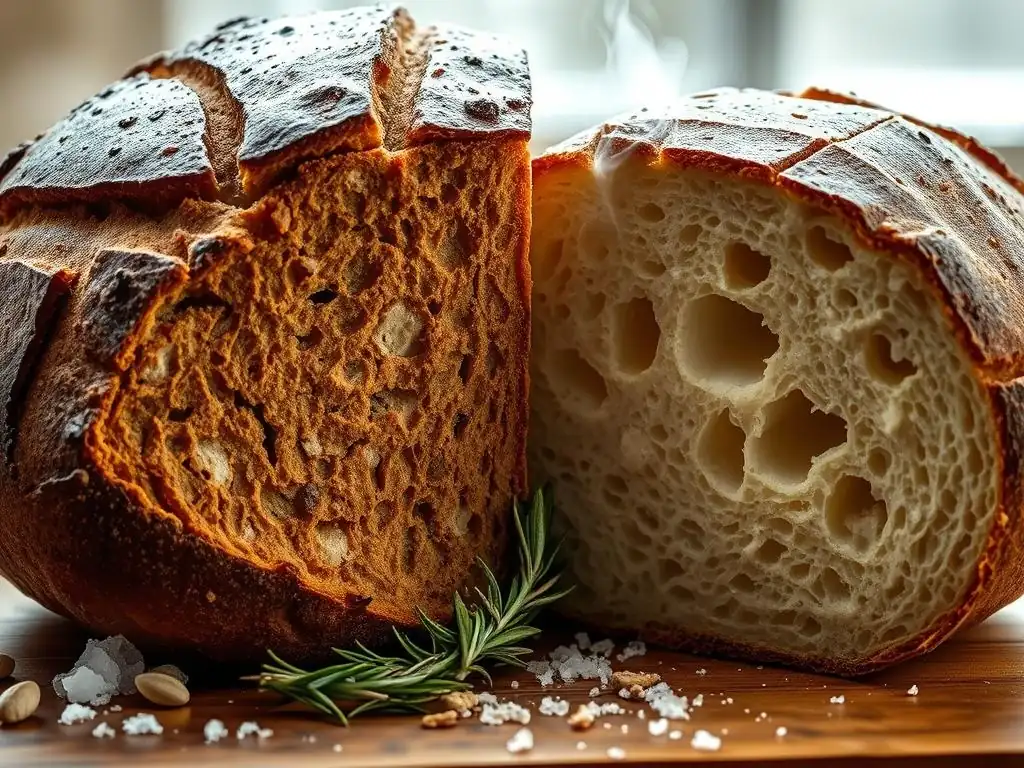
Sourdough bread presents an interesting case for the Maillard reaction. The natural acidity of the dough, a result of lactic and acetic acid produced during fermentation, tends to slow down the Maillard reaction. However, long fermentation times can also increase the availability of free amino acids, which can fuel the reaction. Achieving a deep, flavorful crust on sourdough relies heavily on oven technique.
Baking at high temperatures, often starting around 230-250°C (450-480°F), is critical. Using a Dutch oven or baking stone with steam creates the necessary environment for initial oven spring and then intense heat for crust development. Many sourdough bakers bake covered for the first 20-30 minutes to trap steam and then uncover to allow the surface temperature to climb and the Maillard reaction to create that signature dark, crackly, flavorful crust. These are essential Maillard reaction baking tips for sourdough enthusiasts.
Let's apply Maillard reaction baking tips to a classic: chocolate chip cookies.
- Choose your sugar: Using a mix of granulated and brown sugar is standard. The brown sugar (with its molasses/invert sugar) significantly boosts the Maillard reaction compared to using only granulated sugar. A ratio of 50/50 or more brown sugar often yields richer flavor and chewier texture.
- Consider your fat: Butter contains some protein solids. Using melted butter can promote slightly more spread and potentially more interaction between ingredients before baking, enhancing Maillard.
- Additives: A pinch of baking soda (alkaline) will increase spread and speed up browning, contributing to those desirable crispy, dark edges.
- Bake Temperature: Baking at around 175°C (350°F) is common. Slightly lower temperatures for longer times can develop more complex flavors throughout the cookie, while higher temperatures yield faster edge browning.
- Bake Time: Bake until the edges are golden brown and the centers look slightly underbaked. The carryover heat will finish them. The extent of browning directly correlates to the Maillard reaction's progress and the depth of flavor.
Angel Food Cake: Exploring Advanced Maillard Reaction Applications
Angel food cake is primarily made of egg whites (protein) and sugar, with very little fat. It's also typically baked in an ungreased aluminum pan to help the cake climb and requires a specific baking approach. The Maillard reaction occurs in angel food cake, but it's more subtle than in items with higher fat and different sugar profiles. The browning is usually light golden on the exterior.
Because the batter is low in fat and high in moisture, and often baked at moderate temperatures (160-175°C / 320-350°F), the Maillard reaction is less intense. However, some bakers use a brief blast of higher heat at the very end of baking, or start at a slightly higher temperature before reducing it, to encourage a bit more surface browning and develop those delicate Maillard flavors on the crust. This demonstrates how even in seemingly less reactive baked goods, applying targeted Maillard reaction baking tips can make a difference.
Ingredients that Boost the Maillard Reaction in Baking
Sugar Selection and the Maillard Reaction: Choosing the Right Sweetener
The type of sugar used in a recipe significantly impacts the Maillard reaction because the reaction requires reducing sugars. Sucrose (common granulated sugar) is a disaccharide made of glucose and fructose linked together. While it can participate indirectly if broken down, using sugars that are already reducing sugars will promote the reaction more readily. Glucose and fructose are the most reactive, followed by lactose and maltose.
Ingredients containing significant amounts of glucose and fructose include honey, maple syrup, corn syrup (high-fructose corn syrup is particularly effective), and brown sugar (which contains molasses with invert sugar). Using a portion of brown sugar in a recipe instead of all granulated sugar is one of the most common Maillard reaction baking tips for enhancing browning and flavor. Lactose, found in milk and milk powder, is also a reducing sugar and contributes to browning, particularly in dairy-rich recipes.
Protein-Rich Ingredients: Fueling the Maillard Reaction
Amino acids are the other essential component for the Maillard reaction, and these come from the protein content in your ingredients. Flour contains proteins (like gluten), eggs are rich in various proteins, milk and dairy products contain whey and casein proteins, and even butter contains a small amount of protein solids (which are responsible for the browning of clarified butter).
The amount and type of protein available will influence the extent of the Maillard reaction. For instance, using a higher protein flour or incorporating eggs or milk can provide more amino acids to react with sugars, leading to more pronounced browning and complex flavors compared to a recipe with limited protein sources. These ingredients provide the necessary building blocks for the vast array of flavor compounds generated by the reaction, making them key considerations in Maillard reaction baking tips.
Additives to Enhance the Maillard Reaction: Malt Extract, Baking Soda, and Milk Powder
Certain additives are specifically used by bakers to promote the Maillard reaction. Diastatic malt extract, for example, contains enzymes (amylase) that break down starches in flour into maltose (a reducing sugar) and glucose, providing more fuel for the reaction. It also contains some amino acids. Used in small quantities, it promotes browning and adds a characteristic malty flavor, often seen in bagels and certain bread types.
Baking soda (sodium bicarbonate) is alkaline and significantly speeds up the Maillard reaction by increasing the pH. As mentioned earlier, this is used to achieve rapid surface browning, like in pretzels or some darker cookies. However, overuse can lead to soapy flavors. Dried milk powder is another excellent enhancer; it contains both lactose (a reducing sugar) and protein, making it highly effective at increasing browning and contributing rich, often toffee-like, flavors. These are potent Maillard reaction baking tips ingredient additions.
Troubleshooting the Maillard Reaction in Baking
My Baked Goods Aren't Browning: Common Maillard Reaction Problems
Lack of browning is a frustrating issue for bakers and often points to conditions that are inhibiting the Maillard reaction. One of the most common causes is insufficient temperature or bake time. The surface simply hasn't reached the necessary 140°C+ (284°F+) temperature for long enough after drying. Check your oven calibration; it might be running cooler than the setting indicates.
Other factors include excessive moisture in the dough or oven environment, which delays the surface drying process. An overly acidic recipe (too much buttermilk, yogurt, or sourdough starter) can also slow the reaction considerably. Using only non-reducing sugars like pure granulated sugar without sufficient protein or other reactive sugars can also limit browning. Reviewing these potential culprits is the first step in applying Maillard reaction baking tips for better results.
Over-Browning and Burnt Flavors: Avoiding Pitfalls of the Maillard Reaction
While browning is desirable, too much leads to burnt flavors and a bitter taste. This usually happens when the Maillard reaction proceeds too quickly or for too long, often at excessively high temperatures. If the oven is too hot, the surface can burn before the interior is cooked. Ingredients that accelerate the reaction, like baking soda or certain types of sugar, can also contribute to over-browning if not balanced correctly with bake time and temperature.
To avoid burning, monitor your baked goods closely towards the end of the bake time. If the exterior is browning too fast, you can loosely tent the item with foil to shield it from direct radiant heat while the interior finishes cooking. Lowering the oven temperature slightly for the latter part of the bake is another effective strategy. Understanding how temperature, time, and ingredients interact is key to mastering these Maillard reaction baking tips and preventing burning.
Achieving Consistent Results: Mastering Maillard Reaction Control
Consistency in baking, especially concerning browning and flavor development from the Maillard reaction, comes down to control. This involves precise temperature management, understanding your oven's hot spots, and consistent timing. Using an oven thermometer is highly recommended to verify your oven's actual temperature. Rotating baking sheets or pans halfway through the bake can help ensure even browning across all items.
Furthermore, carefully measuring ingredients, particularly those that influence pH or provide reactive sugars and proteins, is crucial. Small variations can significantly impact the reaction rate. Keeping a baking log where you note temperatures, times, ingredient variations, and the resulting browning and flavor can help you identify what works best for your specific oven and recipes, solidifying your understanding of Maillard reaction baking tips.
Applying Maillard Reaction Baking Tips to Specific Recipes
Sourdough Bread: Enhancing Flavor Through Maillard Reaction Techniques
Sourdough bread presents an interesting case for the Maillard reaction. The natural acidity of the dough, a result of lactic and acetic acid produced during fermentation, tends to slow down the Maillard reaction. However, long fermentation times can also increase the availability of free amino acids, which can fuel the reaction. Achieving a deep, flavorful crust on sourdough relies heavily on oven technique.
Baking at high temperatures, often starting around 230-250°C (450-480°F), is critical. Using a Dutch oven or baking stone with steam creates the necessary environment for initial oven spring and then intense heat for crust development. Many sourdough bakers bake covered for the first 20-30 minutes to trap steam and then uncover to allow the surface temperature to climb and the Maillard reaction to create that signature dark, crackly, flavorful crust. These are essential Maillard reaction baking tips for sourdough enthusiasts.
Let's apply Maillard reaction baking tips to a classic: chocolate chip cookies.
- Choose your sugar: Using a mix of granulated and brown sugar is standard. The brown sugar (with its molasses/invert sugar) significantly boosts the Maillard reaction compared to using only granulated sugar. A ratio of 50/50 or more brown sugar often yields richer flavor and chewier texture.
- Consider your fat: Butter contains some protein solids. Using melted butter can promote slightly more spread and potentially more interaction between ingredients before baking, enhancing Maillard.
- Additives: A pinch of baking soda (alkaline) will increase spread and speed up browning, contributing to those desirable crispy, dark edges.
- Bake Temperature: Baking at around 175°C (350°F) is common. Slightly lower temperatures for longer times can develop more complex flavors throughout the cookie, while higher temperatures yield faster edge browning.
- Bake Time: Bake until the edges are golden brown and the centers look slightly underbaked. The carryover heat will finish them. The extent of browning directly correlates to the Maillard reaction's progress and the depth of flavor.
Angel Food Cake: Exploring Advanced Maillard Reaction Applications
Angel food cake is primarily made of egg whites (protein) and sugar, with very little fat. It's also typically baked in an ungreased aluminum pan to help the cake climb and requires a specific baking approach. The Maillard reaction occurs in angel food cake, but it's more subtle than in items with higher fat and different sugar profiles. The browning is usually light golden on the exterior.
Because the batter is low in fat and high in moisture, and often baked at moderate temperatures (160-175°C / 320-350°F), the Maillard reaction is less intense. However, some bakers use a brief blast of higher heat at the very end of baking, or start at a slightly higher temperature before reducing it, to encourage a bit more surface browning and develop those delicate Maillard flavors on the crust. This demonstrates how even in seemingly less reactive baked goods, applying targeted Maillard reaction baking tips can make a difference.
The Future of Flavor: Exploring New Maillard Reaction Techniques
Innovations in Maillard Reaction Baking: What's on the Horizon?
Research into the Maillard reaction is ongoing, particularly in the food industry, to understand and control flavor development more precisely. While home baking relies on established techniques, commercial baking is exploring new ways to optimize the reaction. This includes using specific enzyme preparations to increase the availability of reducing sugars or amino acids, or developing ingredients that are engineered for enhanced Maillard reactivity at desired temperatures and times.
For the home baker, future innovations might translate into new ingredient blends available in stores or more refined guidance on manipulating common ingredients. Imagine flour blends or sugar products designed to give predictable Maillard results. While these are still developing areas, the core principles of heat, time, moisture, pH, and ingredient composition will remain the foundation of Maillard reaction baking tips.
Experimenting with Maillard Reaction: Unleashing Your Creativity
The Maillard reaction isn't just a scientific process; it's a tool for culinary creativity. Once you understand the basic principles, you can start experimenting with your own recipes. Try varying sugar types and ratios – use honey or maple syrup instead of some granulated sugar and observe the difference in browning and flavor. Experiment with adding a small amount of milk powder or a pinch of baking soda to a cookie recipe and see how it impacts the result.
Adjusting bake temperatures and times is another fertile ground for experimentation. Try baking cookies at a slightly lower temperature for longer, or bread at a higher initial temperature. Note the changes in crust color, texture, and flavor. Keeping careful notes on your experiments will help you correlate changes in technique with specific outcomes, allowing you to develop your own personal Maillard reaction baking tips and tricks.
Elevate Your Baking with Advanced Maillard Reaction Strategies
Moving beyond basic recipes means consciously considering the Maillard reaction in your planning. When developing a new recipe or modifying an existing one, think about:
- What level of browning and flavor complexity do you want?
- Which ingredients will provide the necessary amino acids and reducing sugars?
- How will your chosen temperature and time profile influence the reaction?
- Does the moisture content or pH need adjustment to achieve the desired browning rate?
By asking these questions and applying the Maillard reaction baking tips discussed, you move from simply following instructions to truly understanding and controlling the magical transformation that creates incredible flavor in your baked goods. This deeper knowledge allows you to troubleshoot problems effectively and consistently produce delicious, perfectly browned creations.
Frequently Asked Questions
What exactly is the Maillard reaction in baking?
The Maillard reaction is a chemical reaction between amino acids and reducing sugars that occurs when heat is applied. It is responsible for the browning and development of complex flavors in baked goods.
Why is the Maillard reaction important for the flavor of my baked goods?
The Maillard reaction creates hundreds of different flavor compounds, resulting in a richer, more complex, and more appealing taste. Without it, many baked goods would taste bland and lack depth.
What factors affect the Maillard reaction in baking?
Several factors influence the Maillard reaction, including temperature, pH levels, sugar content, and moisture levels. Controlling these elements can help you achieve the desired level of browning and flavor.
How can I encourage the Maillard reaction for better browning?
To encourage browning, ensure your oven is at the correct temperature, use ingredients with higher sugar content, and consider using milk or egg washes on the surface of your baked goods.
Are there any downsides to overdoing the Maillard reaction?
Yes, excessive Maillard reaction can lead to over-browning and the formation of bitter flavors. It's important to find the right balance to achieve optimal color and taste in your baking.
Final Reflection: The Sweet Science of Flavor
The Maillard reaction isn't just a scientific process; it's the secret weapon behind countless culinary delights, impacting everything from the perfectly browned crust of a loaf of bread to the rich depth of a seared steak. Understanding its nuances allows us to elevate our baking—and cooking—to a whole new level, transforming simple ingredients into extraordinary experiences. This knowledge empowers us to move beyond simply following recipes and instead, to truly understand the magic happening in our ovens and pans.
The Maillard reaction's influence extends far beyond the kitchen; it's a fundamental part of our culinary heritage, shaping our tastes and traditions across cultures. It's the reason why we crave that golden-brown crust on our pastries, that satisfying char on grilled vegetables, and that irresistible aroma that fills our kitchens during baking. As Harold McGee eloquently puts it, The Maillard reaction is the most important chemical reaction in cooking.
This simple statement encapsulates the profound impact this seemingly small process has on our sensory experiences and our connection to food.
Now, consider your own baking. Think about your favorite recipes and the specific elements that make them truly special. What role does the Maillard reaction play in creating those unique flavors and textures? Experiment! Try adjusting your baking times or temperatures slightly to see how it affects the browning and flavor development. Embrace the science, understand the process, and unlock the full potential of your culinary creativity. The journey of mastering the Maillard reaction is a continuous one, filled with delicious discoveries and the satisfaction of creating truly exceptional food.
Unlock Your Inner Baking Genius: Master the Maillard Reaction!
Thanks for diving into the delicious world of the Maillard reaction! You've now unlocked a secret weapon for creating incredibly flavorful baked goods. Ready to put your new knowledge to the test?
- Experiment with different sugars and proteins: Try substituting brown sugar for white sugar in your favorite recipe or exploring new protein sources like different types of flour. Note the changes in flavor and texture! This is your primary action – hands-on application of the knowledge.
- Share your Maillard masterpieces: Post a picture of your creation on social media and tag #BakeWithEaseMaillard – let's see those browned beauties!
- Dive deeper: Explore more advanced baking techniques by browsing our other articles on BakeWithEase.com.
What unexpected flavor combinations will you create using your newfound Maillard mastery?