
Identifying Sugar Crystallization: What to Look For

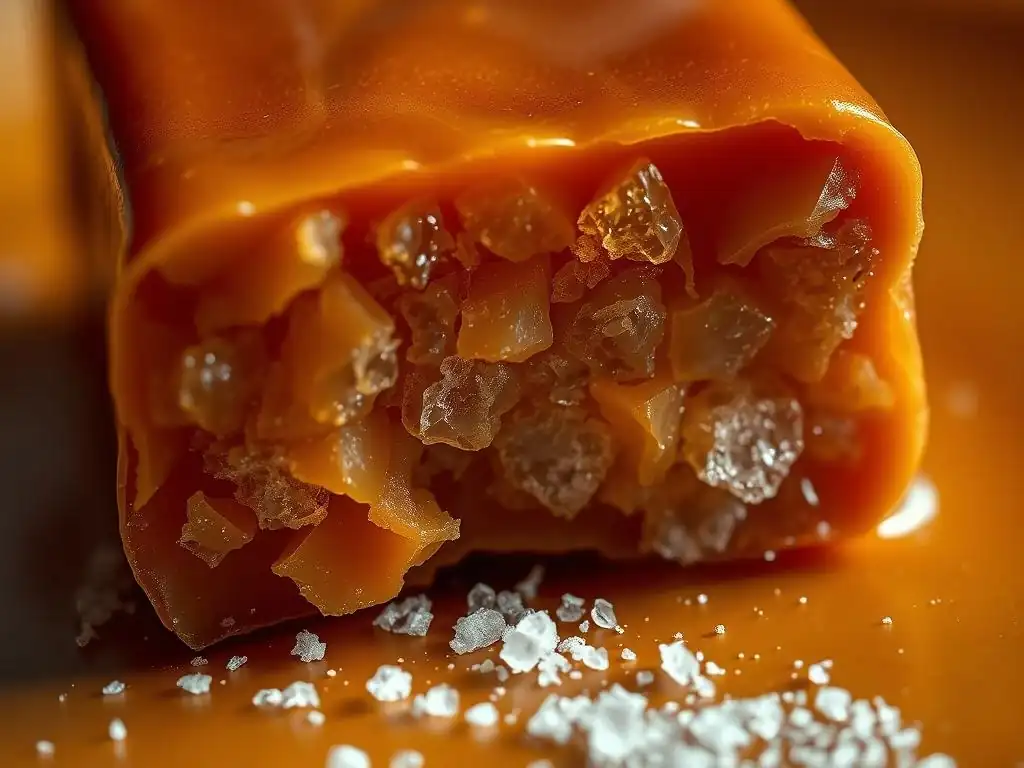
Welcome to BakeWithEase, where mastering the sweet science of baking becomes a delightful journey! Ever wondered why your perfect caramel turned gritty or your smooth frosting suddenly became grainy? This deep dive explores the often-overlooked culprit: sugar crystallization. Unlock the secrets to identifying and combating this common baking issue, and discover our essential sugar crystallization troubleshooting tips to ensure your next creation is flawlessly smooth. Curious to learn more? Let's get started!
- Understanding Sugar Crystallization in Baking: An Introduction
- Key Indicators of Sugar Crystallization: Visual Cues
- Identifying Sugar Crystallization: Troubleshooting Tips and Techniques
- Sugar Crystallization Troubleshooting: Solutions and Prevention
- Advanced Sugar Crystallization Troubleshooting: Specific Scenarios
- Mastering Sugar Work: Avoiding Common Crystallization Mistakes
-
Frequently Asked Questions
- What exactly is sugar crystallization in baking?
- Why does sugar crystallization happen in the first place?
- How can I prevent sugar crystallization from happening?
- What are some common signs that my baked goods have sugar crystallization?
- Is there any way to fix a baked good that already has sugar crystallization?
- Final Reflection: The Sweet Science of Sugar Crystallization
- Unlock Your Baking Potential: Master Sugar Crystallization!
Understanding Sugar Crystallization in Baking: An Introduction
Why Sugar Crystallization Happens in Baking
Sugar crystallization in baking occurs when dissolved sugar molecules, typically sucrose, come out of solution and form solid crystals. This happens when a sugar solution becomes supersaturated, meaning it holds more dissolved sugar than it normally could at a given temperature. As the solution cools or is agitated, these excess sugar molecules look for a surface or particle to latch onto, initiating the formation of crystals.
Think of it like stacking too many items in a box; eventually, they start to tumble out and pile up. Factors like the presence of existing sugar crystals (even microscopic ones), dust, or other impurities can act as nucleation points, accelerating this process dramatically.
Another common reason for this phenomenon is excessive evaporation of water during cooking. As the water boils away, the concentration of sugar in the remaining liquid increases. If the cooking continues past the point where all the sugar can remain dissolved in the remaining water, the solution becomes supersaturated.
Once this supersaturated state is achieved and the solution cools, the sugar molecules become less soluble and are eager to return to their crystalline form. This is particularly common in recipes like simple syrups, caramels, and candies where sugar is cooked to high temperatures and concentrations. Understanding these triggers is the first step in effective sugar crystallization troubleshooting tips.
The Impact of Crystallization on Your Baked Goods
The impact of unwanted sugar crystallization on baked goods and confections can range from slightly annoying to completely ruining a batch. In simple syrups or glazes, crystallization results in a gritty, less smooth texture. Instead of a clear, flowing liquid, you might end up with a cloudy, semi-solid mass. For instance, a beautiful glaze on a cake can turn into a dull, sugary paste if crystallization occurs prematurely.
In more complex sugar work, such as making caramel or hard candy, crystallization is a major problem. A smooth, glossy caramel will become grainy and opaque, losing its desirable chewiness and developing an unpleasant texture. Hard candies can turn cloudy and brittle rather than being clear and glass-like. Even seemingly unrelated items like fudge can suffer; the ideal smooth texture of fudge relies on controlling crystal size, and unwanted crystallization leads to a grainy, crumbly result. Identifying these textural changes is crucial for successful sugar crystallization troubleshooting tips.
Key Indicators of Sugar Crystallization: Visual Cues
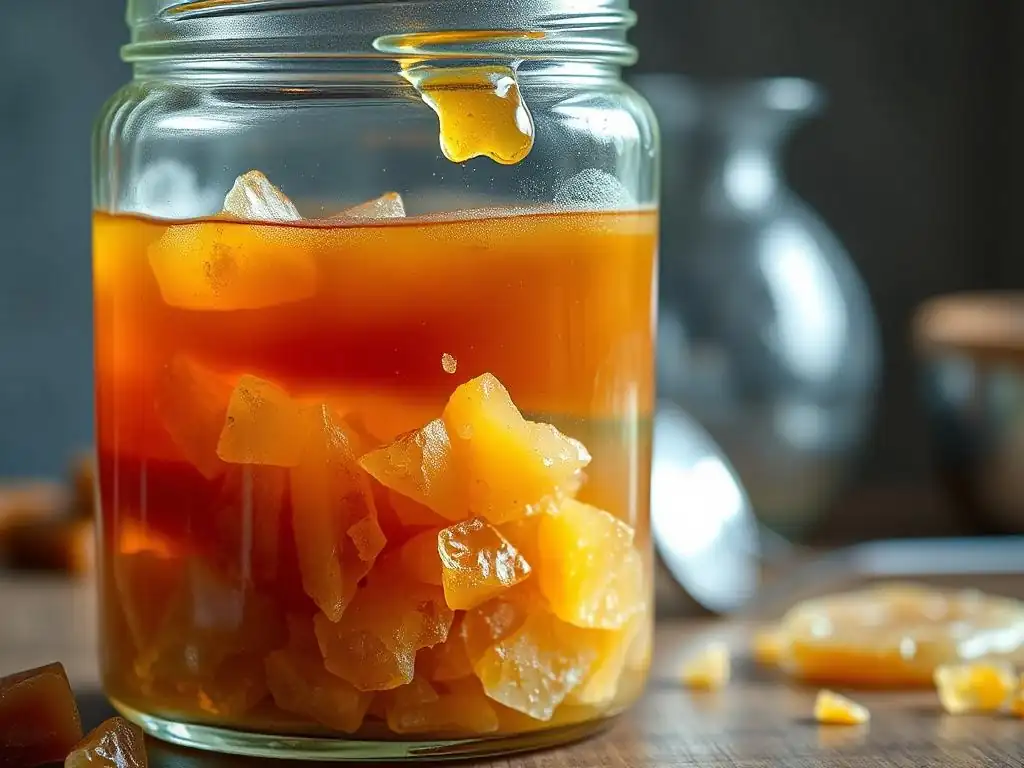
Recognizing Sugar Crystals: Texture and Appearance
The most direct way to identify sugar crystallization is by its texture and appearance. Instead of a smooth, glassy, or liquid state, you will feel and see distinct granular particles. In a syrup, you might notice tiny, sparkling points forming, often starting around the edges of the pan or container. As crystallization progresses, these tiny points multiply and link together, potentially turning the entire solution into a solid, sugary mass. The size of the crystals can vary; rapid crystallization often produces smaller, finer grains, while slower processes can result in larger, more noticeable crystals.
Visually, crystallized sugar often appears cloudy or opaque, contrasting sharply with the clear or translucent appearance of a properly dissolved sugar solution or a smooth caramel. For example, a freshly made sugar syrup for cocktails should be perfectly clear. If it starts to look milky or develops visible particles settling at the bottom, it's a clear sign of crystallization.
Similarly, a perfectly cooked caramel is typically smooth and glossy; if it loses its shine and looks dull or grainy, crystallization is likely the culprit. Learning to spot these visual and textural cues is vital for effective sugar crystallization troubleshooting tips.
Spotting Graininess: A Sign of Sugar Re-Crystallization
Graininess is a primary indicator of sugar re-crystallization, especially in confections meant to be smooth, like fudge, caramels, or even some types of frosting. This texture occurs when dissolved sugar molecules form larger, uncontrolled crystals. Instead of a melt-in-your-mouth feel, the product will have a distinct gritty sensation on the tongue. For instance, properly made fudge should be incredibly smooth, almost creamy, due to the presence of very fine sugar crystals. If your fudge turns out gritty, it's a classic case of uncontrolled crystallization.
This graininess is often a sign that the sugar solution was agitated too much while it was cooling after reaching a high temperature, or that seed crystals were present during the cooling process. The cooling allows the solution to become supersaturated, and any disturbance or existing crystal provides a surface for rapid, large crystal growth. Recognizing this gritty texture is a key part of troubleshooting sugar crystallization issues in various baking applications.
Changes in Color and Clarity Due to Sugar Crystals
Sugar crystallization can significantly alter the color and clarity of sugar-based preparations. Properly dissolved sugar solutions are typically clear, and when heated to form caramel, they develop a beautiful amber to deep brown color while remaining translucent. However, when crystallization occurs, the product often loses its transparency and becomes cloudy or opaque. This is because the structured arrangement of solid crystals scatters light differently than a clear liquid or smooth amorphous solid.
In the case of caramel, crystallization turns the glossy, transparent liquid or solid into a dull, opaque, grainy mass. The rich amber color might still be present, but the lack of clarity is a dead giveaway. For simple syrups or glazes, crystallization makes them cloudy or milky instead of clear. This change in visual appearance serves as a strong indicator that sugar crystallization has taken place, helping bakers identify the issue quickly for effective sugar crystallization troubleshooting tips.
Identifying Sugar Crystallization: Troubleshooting Tips and Techniques
Temperature Control: Avoiding Over-Saturation
Precise temperature control is paramount in preventing sugar crystallization. Sugar solubility increases significantly with temperature. When you heat a sugar-water solution, you can dissolve a much larger amount of sugar than you could at room temperature. For instance, at 20°C (68°F), about 200g of sugar dissolves in 100ml of water, while at 100°C (212°F), over 400g can dissolve. The issue arises as the solution cools; the amount of sugar that can remain dissolved decreases, leading to supersaturation.
To avoid crystallization, it's crucial to heat the sugar solution just enough to dissolve all the sugar, but avoid excessive boiling that evaporates too much water too quickly, especially in simple syrups. When making candies or caramels, you intentionally create a supersaturated solution by boiling to high temperatures (e.g., 120°C for soft ball candy, 160°C for hard crack). The key then becomes managing the cooling process carefully to prevent uncontrolled crystal growth. Understanding the relationship between temperature, solubility, and supersaturation is fundamental for sugar crystallization troubleshooting tips.
Agitation and Stirring: How They Affect Sugar Solutions
Agitation and stirring can be a double-edged sword in sugar work. Initially, stirring is necessary to help the sugar dissolve evenly in the water over heat. However, once the sugar is fully dissolved and the solution begins to boil, stirring should generally be avoided. Any disturbance, such as stirring or even bumping the pan, can introduce seed crystals (microscopic sugar particles, dust, or other impurities) or provide a surface for the supersaturated sugar molecules to latch onto, triggering rapid and uncontrolled crystallization.
Consider making a hard candy. You heat the sugar syrup to a high temperature (around 150-160°C or 300-320°F) without stirring once it boils. After removing it from the heat, allowing it to cool undisturbed is crucial. Even scraping down the sides of the pan after boiling can introduce crystals and cause the entire batch to seize up and turn grainy. Therefore, knowing when not to stir is just as important as knowing when to stir when tackling sugar crystallization troubleshooting tips.
The Role of Impurities in Sugar Crystal Formation
Impurities, even tiny ones, play a significant role in initiating sugar crystallization. These impurities can include dust particles, leftover sugar crystals clinging to the sides of the pan or stirring utensil, or even minerals present in tap water. Each of these can act as a nucleation site – a point where the dissolved sugar molecules can begin to aggregate and form solid crystals. It's like adding a single grain of sand to a supersaturated solution; it can cause a chain reaction of crystallization.
To minimize the risk posed by impurities, using clean equipment is essential. Washing down the sides of the pan with a wet pastry brush during the initial heating phase can help dissolve any sugar crystals that might have splashed onto the sides above the liquid level, preventing them from falling back in later as seed crystals. Using distilled or filtered water can also help reduce the chance of mineral impurities causing issues. Being meticulous about cleanliness is a simple yet effective sugar crystallization troubleshooting tip.
Sugar Crystallization Troubleshooting: Solutions and Prevention
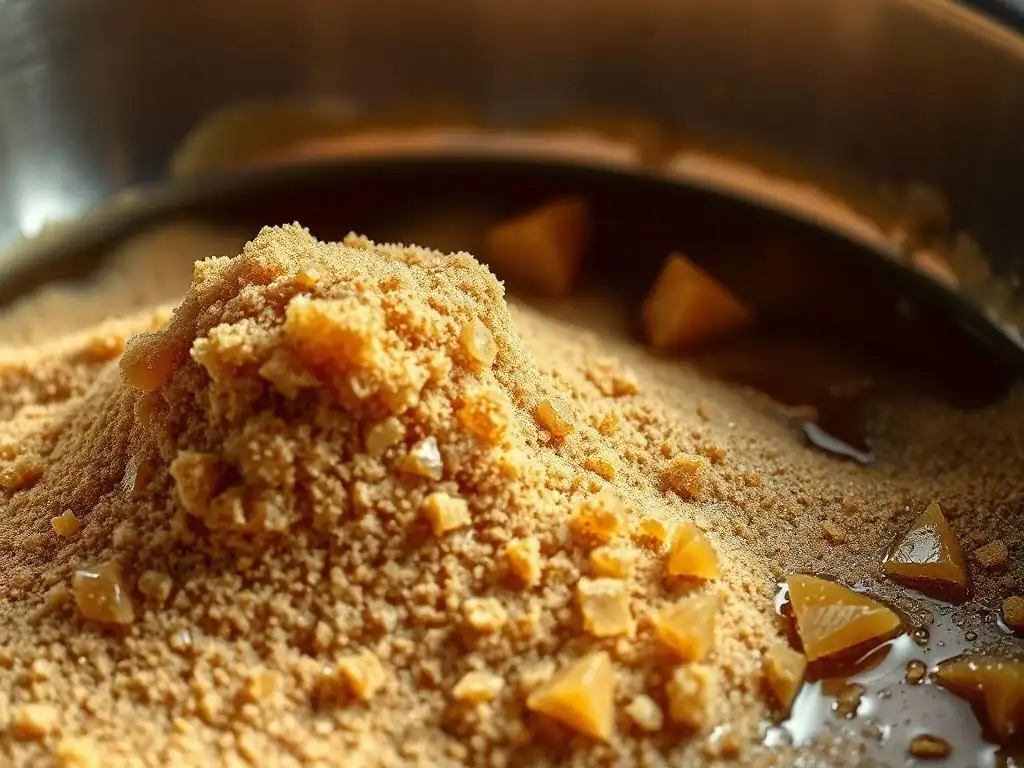
Preventing Sugar Crystallization: Best Practices
Preventing sugar crystallization is often easier than fixing it. Several best practices can significantly reduce the risk. Firstly, ensure all sugar is fully dissolved before the solution comes to a rolling boil. You can gently stir until no granules are visible. Secondly, once boiling begins, stop stirring. Avoid agitating the pan unnecessarily during cooking and cooling. Thirdly, keep the sides of the pan clean; use a wet pastry brush to wash down any sugar crystals that splash onto the sides above the liquid line.
Another effective prevention method is the addition of a small amount of an interfering agent. These are substances that prevent sugar molecules from aligning properly to form crystals. Common interfering agents include acids (like lemon juice or cream of tartar) and invert sugars (like corn syrup or glucose). For example, adding just ¼ teaspoon of cream of tartar per cup of sugar, or a tablespoon or two of corn syrup to a sugar syrup recipe, can dramatically inhibit crystallization. Implementing these steps is key for successful sugar crystallization troubleshooting tips.
Fixing Crystallized Sugar: Rescue Techniques for Bakers
While prevention is ideal, sometimes crystallization happens. Fortunately, it's often possible to rescue a batch of crystallized sugar syrup or caramel. The most common technique is to add more liquid (usually water) to the crystallized mass and gently reheat it. Add just enough water to cover the crystals, then heat slowly and gently, stirring only until the crystals begin to dissolve. Once dissolved, you can increase the heat and cook it again, this time being extra careful to follow prevention steps like avoiding stirring and keeping the sides of the pan clean.
For severely crystallized caramel or candy that has hardened, you may need to break it up, add a significant amount of water, and essentially start the cooking process over from scratch. This method works because adding water reduces the sugar concentration, taking it out of the supersaturated state and allowing the crystals to re-dissolve upon heating. While it requires re-cooking, it's a valuable sugar crystallization troubleshooting tip that can save ingredients and effort.
Using Invert Sugar to Control Crystallization in Baking
Using invert sugar is one of the most reliable methods to control or prevent sugar crystallization in baking and confectionery. Invert sugar is made by breaking down sucrose (table sugar) into its component parts: glucose and fructose. These smaller molecules interfere with the ability of sucrose molecules to bond together and form large crystals. Substances like corn syrup, glucose syrup, honey, and maple syrup naturally contain invert sugars, or you can create it by boiling sucrose with an acid (like inverting simple syrup with lemon juice).
Adding a small percentage of invert sugar to a recipe, typically around 10-20% of the total sugar weight, is highly effective. For example, adding 1-2 tablespoons of light corn syrup per cup of granulated sugar in a candy or caramel recipe significantly reduces the likelihood of graininess. This strategy is particularly useful in recipes like fudge, caramels, and hard candies where a smooth texture is paramount. Understanding and utilizing invert sugars is a powerful tool in your sugar crystallization troubleshooting tips arsenal.
Advanced Sugar Crystallization Troubleshooting: Specific Scenarios
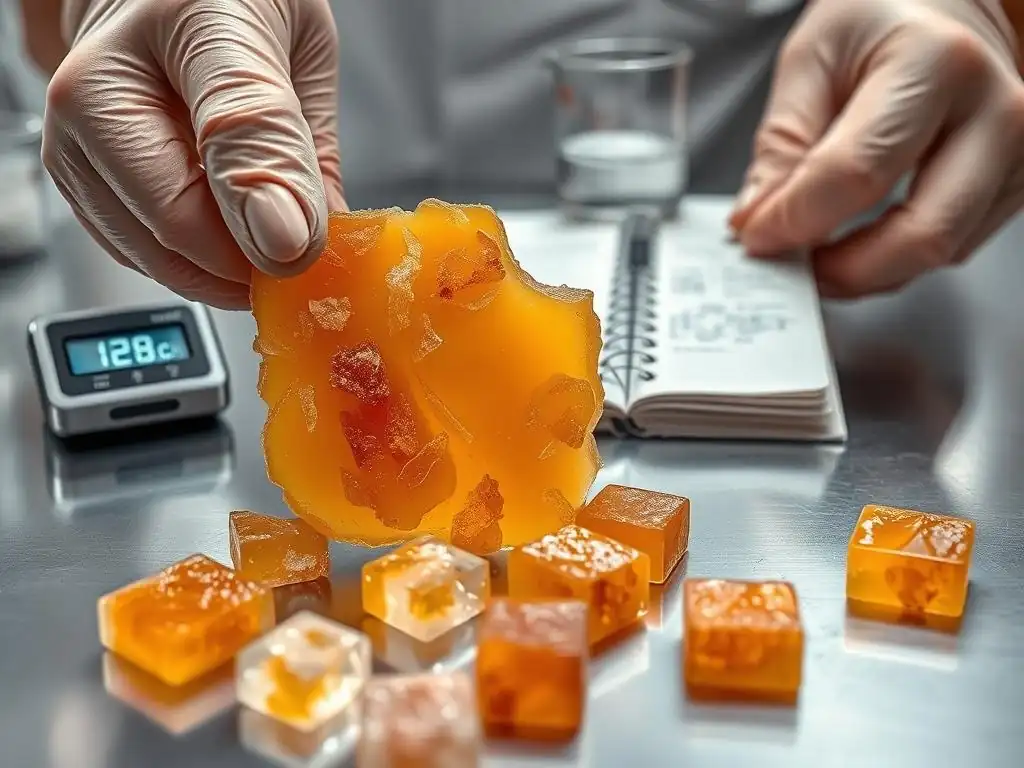
Crystallization in Caramel: Identifying and Preventing Issues
Crystallization in caramel is a common and frustrating issue for bakers. It typically manifests as a sudden transformation from a smooth, bubbling liquid into a grainy, dull mass. This often occurs during the cooling phase or if seed crystals are introduced while the sugar is cooking. The high sugar concentration and temperature required for caramel make it particularly susceptible to this problem. You'll see the glossy surface disappear, replaced by a rough, gritty texture, often starting from the edges of the pan.
Preventing caramel crystallization involves strict adherence to basic principles: start with a clean pan, ensure all sugar is dissolved before boiling, and do not stir once the syrup is boiling. Using a wet pastry brush to clean down the sides is highly recommended. Adding a small amount of corn syrup (about 1 tablespoon per cup of sugar) or a squeeze of lemon juice to the initial sugar-water mixture can also act as an interfering agent, helping to prevent the sugar molecules from forming large crystals. These specific sugar crystallization troubleshooting tips are vital for achieving smooth, glossy caramel.
Troubleshooting Sugar Crystallization in Candies and Confections
Candies and confections, by their nature, involve heating sugar to very high temperatures to create specific textures, making them highly prone to crystallization. Hard candies, toffees, and brittles require heating sugar past the hard ball stage (around 120-130°C) up to the hard crack stage (150-160°C). At these concentrations, the sugar solution is extremely supersaturated upon cooling. Signs of crystallization include the candy turning cloudy instead of remaining clear, or developing a grainy, brittle texture rather than being smooth and hard.
Troubleshooting sugar crystallization in these scenarios relies heavily on prevention. Absolute cleanliness of equipment is critical. Adding an interfering agent like corn syrup is almost universally recommended in candy making to ensure a smooth texture. Avoiding any disturbance during the cooling process is also key; for instance, pouring hard candy onto a clean, ungreased surface (like a silicone mat) and letting it cool without scraping the pan or stirring the poured candy. Mastering these techniques is central to successful sugar crystallization troubleshooting tips for candy making.
Preventing Crystallization in Sugar Syrups and Glazes
Sugar syrups and glazes are perhaps the most common places home bakers encounter crystallization, often resulting in a cloudy or grainy texture. Simple syrup, a 1:1 or 2:1 ratio of sugar to water, is usually straightforward, but higher concentrations or improper cooling can lead to issues. Glazes made primarily from powdered sugar and liquid can also become gritty if the sugar isn't fully dissolved or if the balance of ingredients is off. You'll notice visible sugar particles or a lack of smooth flow in the liquid.
To prevent crystallization in syrups, ensure all sugar is completely dissolved over heat before bringing it to a boil. Once boiling, boil only for the necessary time without excessive agitation. For glazes, sifting powdered sugar can help remove any clumps that might act as seed crystals.
Adding a small amount of acid (like lemon juice) or a touch of corn syrup to simple syrups can also stabilize them and prevent crystallization, especially if they are stored for a while. For powdered sugar glazes, ensuring adequate liquid and thorough whisking to dissolve the sugar prevents graininess. These targeted sugar crystallization troubleshooting tips keep your syrups and glazes smooth and clear.
Mastering Sugar Work: Avoiding Common Crystallization Mistakes
Common Baking Mistakes that Lead to Crystallization
Several common mistakes in baking and confectionery lead directly to sugar crystallization. One of the most frequent is not ensuring that all sugar crystals are fully dissolved before the solution boils; any undissolved granules act as seed crystals. Another major error is stirring the sugar solution after it has started boiling or while it is cooling down from a high temperature. Agitation at these stages introduces seed crystals or promotes uncontrolled growth.
Poor hygiene is also a significant factor. Using pans or utensils that have residual sugar crystals, or allowing dust or other particles to fall into the cooking sugar solution, provides nucleation points for crystallization. Finally, boiling the sugar solution too vigorously or for too long can evaporate too much water, leading to a highly supersaturated solution that is much more prone to crystallize upon cooling. Recognizing and avoiding these pitfalls is essential for effective sugar crystallization troubleshooting tips.
Fudge: Troubleshooting Crystallization
Fudge is a classic example of a confection where controlling sugar crystallization is paramount to achieving the desired texture. The ideal fudge should be smooth and creamy, which is achieved by managing the formation of very fine sugar crystals. However, if the process goes wrong, the result is disappointingly grainy or crumbly fudge. This graininess is caused by the formation of large, uncontrolled sugar crystals.
Troubleshooting sugar crystallization in fudge often involves revisiting the cooling and beating stages. Fudge is typically cooked to the soft ball stage (around 112-115°C or 234-240°F), then cooled significantly without stirring until it reaches a specific temperature (often around 43-50°C or 110-120°F). If you stir or move the fudge during this critical cooling phase, large crystals can form.
Beating the fudge after it has cooled helps to break up crystals and encourages the formation of smaller ones, but beating too early or too late can still result in graininess. Adding an interfering agent like corn syrup or marshmallow creme to the recipe is also a very effective preventive measure for achieving smooth fudge. These specific sugar crystallization troubleshooting tips are key to creamy fudge success.
The Importance of Accurate Measurements in Sugar Work
Accuracy in measurements is fundamental to preventing issues like sugar crystallization, particularly in recipes involving syrups, candies, and glazes. The ratio of sugar to water determines the concentration of the solution, which directly impacts the boiling temperature and the degree of supersaturation achieved upon cooling. Using too much sugar for the amount of liquid can lead to a solution that becomes supersaturated too quickly or at too low a temperature, increasing the risk of crystallization.
For instance, a simple syrup recipe calls for a specific ratio (e.g., 1:1 or 2:1 sugar to water by weight or volume). Deviating significantly from this ratio can alter the syrup's stability. In candy making, precise measurements are even more critical as they affect the final texture, which is dictated by the sugar concentration at specific temperatures. Using a scale for accuracy, especially for the sugar, is highly recommended in sugar-intensive recipes. Accurate measurements are a foundational step in successful sugar crystallization troubleshooting tips.
Frequently Asked Questions
What exactly is sugar crystallization in baking?
Sugar crystallization occurs when sugar molecules in a baked product reform into solid crystals, resulting in a grainy or gritty texture. This often happens due to improper sugar dissolution or changes in temperature.
Why does sugar crystallization happen in the first place?
It's primarily caused by excess undissolved sugar in a solution. This can be exacerbated by factors like over-stirring, insufficient liquid, or temperature fluctuations during baking.
How can I prevent sugar crystallization from happening?
Ensure sugar is completely dissolved before baking. Using a fine sugar, monitoring the temperature, and avoiding over-stirring can all help prevent crystallization.
What are some common signs that my baked goods have sugar crystallization?
You'll notice a grainy or sandy texture rather than a smooth one. Sometimes, you might even see visible sugar crystals on the surface of your baked goods.
Is there any way to fix a baked good that already has sugar crystallization?
Unfortunately, reversing crystallization is often difficult or impossible after baking. Prevention is key, although sometimes remelting and re-baking can help in specific cases, but it's not guaranteed and may affect the final outcome.
Final Reflection: The Sweet Science of Sugar Crystallization
Understanding sugar crystallization isn't just about avoiding grainy candies; it's about mastering a fundamental process with far-reaching implications in food science and beyond. The seemingly simple act of dissolving and recrystallizing sugar reveals intricate chemical interactions and highlights the importance of precise control over variables like temperature, humidity, and purity. This knowledge, once grasped, unlocks a world of possibilities for culinary creativity and scientific understanding.
The impact of understanding sugar crystallization extends far beyond the kitchen. From the production of pharmaceuticals to the growth of crystals in geological formations, the principles discussed here resonate across diverse fields. The beauty of science lies in its ability to connect seemingly disparate phenomena.
This quote perfectly encapsulates the elegant simplicity and profound implications of understanding the crystallization process. My own journey in exploring this topic has been one of continuous learning, revealing the interconnectedness of seemingly simple processes and the power of observation in unraveling complex systems.
Now, it's your turn. Consider the next time you encounter a seemingly simple process – whether it's baking a cake, growing a plant, or even observing the formation of frost on a windowpane. Take a moment to appreciate the underlying principles at play, and remember the power of observation and understanding in unlocking the secrets of the natural world. By applying the troubleshooting tips discussed in this article, you can not only improve your culinary creations but also cultivate a deeper appreciation for the intricate beauty of science in everyday life.
Unlock Your Baking Potential: Master Sugar Crystallization!
Thanks for taking the time to learn about sugar crystallization – a crucial skill for any baker! We hope this article equipped you with the knowledge to avoid those frustrating grainy textures. Now it's time to put your newfound expertise to the test!
- Practice your technique: Try making a batch of your favorite candy or syrup, paying close attention to the stages of crystallization. Notice how the consistency changes and identify any early warning signs!
- Share your baking triumph (or challenge!): Let us know in the comments how your latest baking experiment went. Did you successfully avoid crystallization? What did you learn?
- Explore advanced techniques: Dive deeper into temperature control and sugar manipulation by searching for "advanced candy making techniques" online. You might discover some surprising methods you've never encountered before!
What unique strategy will you implement next time to ensure perfectly smooth and delicious results?