
Baking Science Deep Dive: The Maillard Reaction Explained for Home Bakers

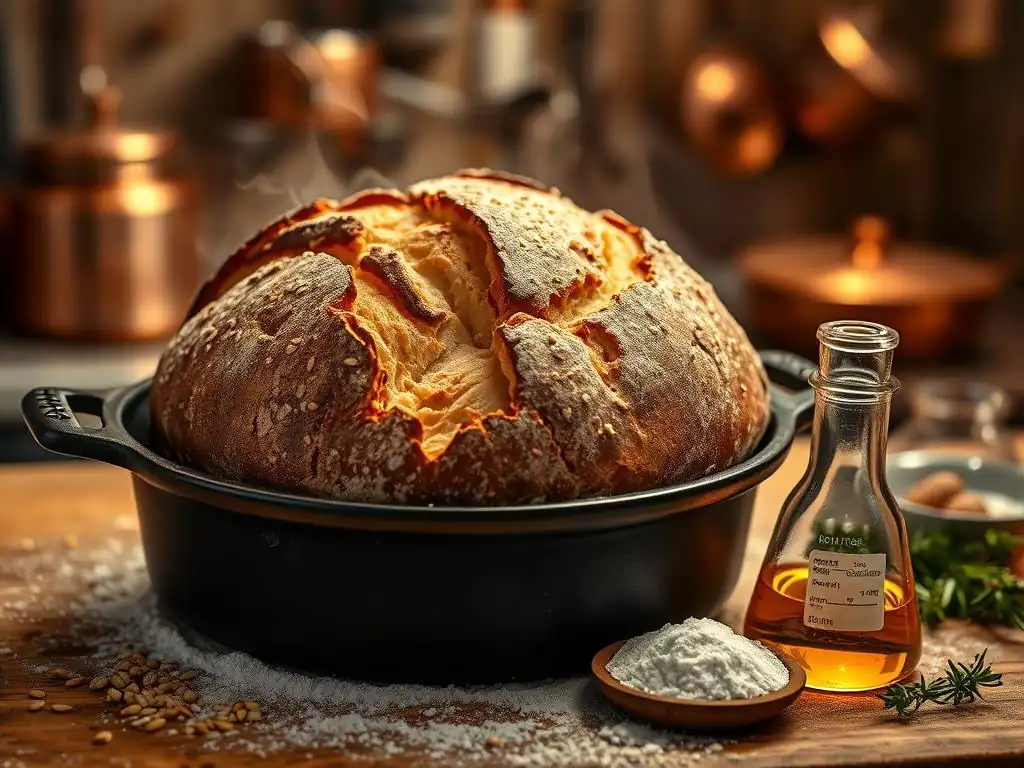
Welcome to BakeWithEase, your trusted guide to baking bliss! Ever wondered what really gives your baked goods that irresistible golden crust and complex aroma? Get ready to unlock the secrets of the Maillard reaction baking explained. This process is more than just browning; it's the key to flavor and texture perfection. Curious to learn how you can harness its power in your own kitchen? Let's dive in!
- Understanding the Maillard Reaction in Baking
- Key Factors Influencing the Maillard Reaction in Baked Goods
- Maillard Reaction in Different Baking Applications
- Mastering the Maillard Reaction: Tips for Home Bakers
- Troubleshooting Maillard Reaction Issues in Baking
- The Maillard Reaction vs. Caramelization: What's the Difference?
- Advanced Techniques for Harnessing the Maillard Reaction
- Conclusion: The Maillard Reaction - Your Baking Secret Weapon
-
Frequently Asked Questions
- What is the Maillard reaction and why is it important in baking?
- At what temperature does the Maillard reaction typically begin in baking?
- What factors influence the Maillard reaction in baking?
- How can I encourage the Maillard reaction in my baking?
- Can the Maillard reaction be undesirable in certain baking scenarios?
- Final Reflection: The Sweet Science of Transformation
- Unlock Your Baking Potential: Master the Maillard Reaction Today!
Understanding the Maillard Reaction in Baking
What is the Maillard Reaction? A Baker's Definition
For home bakers, the Maillard reaction is a fascinating chemical process that happens when heat is applied to food containing both amino acids and reducing sugars. Think of it as the magical transformation that turns pale dough into a beautiful golden-brown crust on your bread or gives your cookies those wonderfully complex, toasted flavors. It's not just about color; this reaction creates hundreds of new flavor and aroma compounds, making baked goods smell and taste incredibly delicious.
This complex series of reactions is named after Louis-Camille Maillard, a French chemist who first described it in 1912. Unlike caramelization, which only involves sugars breaking down under heat, the Maillard reaction requires the interaction between proteins (specifically, the amino acids they contain) and certain types of sugars (reducing sugars like glucose, fructose, and lactose).
When these components are heated together, they undergo a cascade of chemical changes, resulting in the characteristic browning and the development of rich, savory, nutty, and roasted notes we associate with perfectly baked goods. Explaining the Maillard reaction in baking helps demystify why certain techniques lead to better results.
The Science Behind Browning: Maillard Reaction Fundamentals
At a fundamental level, the Maillard reaction begins with a reducing sugar and an amino acid linking together. This initial, relatively slow step is followed by a rapid series of complex rearrangements and reactions, often referred to as the Amadori rearrangement. These intermediate compounds then break down or react further, leading to the formation of various molecules. Some of these molecules are responsible for the brown pigments (melanoidins), while others are volatile compounds that contribute significantly to the aroma and flavor profile of the baked item.
The reaction typically starts becoming noticeable at temperatures above approximately 280°F (140°C), though it proceeds much faster at higher temperatures. The exact temperature threshold depends on factors like pH and moisture. The complexity of the process means that even slight variations in ingredients or baking conditions can lead to different flavor and color outcomes. Understanding how the Maillard reaction works in baking provides a deeper appreciation for the art and science behind your favorite recipes.
Why the Maillard Reaction Matters in Baking
The Maillard reaction is paramount to achieving desirable qualities in most baked goods, contributing significantly to both their visual appeal and their sensory experience. Without this reaction, your bread crust would remain pale and soft, your cookies wouldn't have those irresistible chewy edges, and cakes wouldn't develop that lovely golden exterior. It's the source of the complex flavors that go beyond mere sweetness – think of the difference between plain steamed dough and a beautifully crusted baguette.
Furthermore, the aroma produced by the Maillard reaction is a huge part of the appeal of freshly baked goods. Those warm, inviting smells that fill your kitchen while baking are largely due to the volatile compounds generated during this process. For home bakers aiming for professional-level results, mastering the science of Maillard browning in baked goods is essential for developing depth of flavor, enhancing aroma, and perfecting crust texture.
Key Factors Influencing the Maillard Reaction in Baked Goods
Temperature's Role in Maillard Browning
Temperature is arguably the most critical factor driving the Maillard reaction. The reaction requires sufficient heat to initiate and proceed at a noticeable pace. While it can begin at lower temperatures over very long periods (like aging cheese or curing meats), in baking, we typically rely on oven temperatures to kickstart the process quickly. The reaction accelerates significantly as temperature increases. For instance, baking bread at 450°F (232°C) will produce a much darker crust much faster than baking at 350°F (175°C), assuming other factors are equal.
However, there's a balance to strike. While higher temperatures speed up browning and flavor development, excessively high temperatures can lead to burning before the interior of the baked good is fully cooked. Most Maillard browning in baking occurs once the surface temperature of the item rises above the boiling point of water (212°F or 100°C) and reaches the 280-330°F (140-165°C) range. Controlling oven temperature precisely is key to managing the rate and intensity of the Maillard reaction, ensuring your baked goods are perfectly browned, not burnt.
The Importance of pH for Maillard Reaction Intensity
The acidity or alkalinity (pH level) of your dough or batter significantly impacts the speed and intensity of the Maillard reaction. The reaction proceeds much more readily in alkaline (higher pH) environments and is inhibited by acidic (lower pH) conditions. This is why adding a pinch of baking soda (an alkaline ingredient) to certain recipes can dramatically enhance browning, as seen in the dark crust of pretzels which are often dipped in an alkaline solution before baking.
Conversely, highly acidic doughs or batters, such as those containing buttermilk, yogurt, or a large amount of citrus juice, will brown less intensely and more slowly than neutral or slightly alkaline ones. Understanding this relationship between pH and the Maillard reaction helps explain why different recipes call for specific leavening agents or acidic ingredients and how they influence the final appearance and flavor profile of your baked goods.
Moisture Levels and Their Impact on Maillard Reaction
Moisture plays a dual role in the Maillard reaction during baking. Initially, a certain amount of moisture is necessary for the reactants (sugars and amino acids) to dissolve and interact. However, the reaction itself does not occur significantly in the presence of abundant water because the temperature of the surface cannot rise above 212°F (100°C) until most of the surface moisture has evaporated.
As the surface of the baked good dries out and its temperature increases above 212°F (100°C), the Maillard reaction accelerates rapidly. This is why you often see intense browning on the crust of bread or the edges of cookies – these areas dry out and heat up faster than the interior. Controlling moisture, perhaps through steaming the oven or applying washes, can influence when and how intensely the Maillard reaction occurs, affecting crust development and overall browning.
Sugar and Amino Acids: The Building Blocks of Flavor and Color
The fundamental reactants for the Maillard reaction are reducing sugars and amino acids. Different types and amounts of these building blocks will influence the speed and specific flavor compounds produced by the reaction. Reducing sugars include glucose (dextrose), fructose, lactose (found in milk), and maltose. Sucrose (table sugar) is not a reducing sugar, but it breaks down into glucose and fructose when heated, especially in the presence of moisture and acid, allowing it to participate indirectly in the Maillard reaction.
Amino acids come from proteins present in ingredients like flour, milk, and eggs. Different amino acids react differently, contributing to a wide array of flavor compounds. For example, proline is known to contribute to malty flavors, while leucine can contribute to nutty notes. The combination of specific sugars and amino acids, along with baking conditions, dictates the complex symphony of flavors developed through the Maillard reaction baking explained processes.
Maillard Reaction in Different Baking Applications
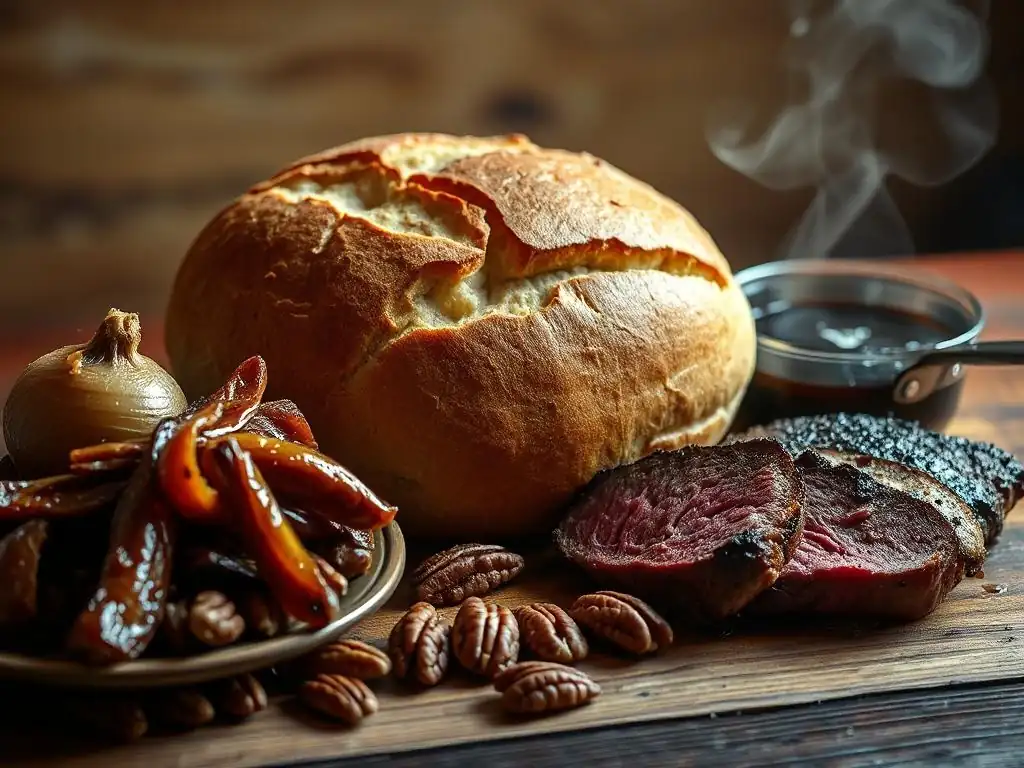
Maillard Reaction in Bread Baking: Crust Development
In bread baking, the Maillard reaction is crucial for developing the characteristic golden to dark brown color, crisp texture, and complex flavors of the crust. As the bread bakes, the surface temperature rises, moisture evaporates, and the proteins and sugars in the flour and any added milk or sugar interact. This is where the magic happens, transforming a pale, soft surface into a flavorful, aromatic crust. The longer and hotter the bake (within limits), the more intense the Maillard reaction and the deeper the crust color and flavor.
Consider a standard loaf of sourdough baked at 450°F (232°C). The initial steaming phase helps keep the crust pliable, allowing for oven spring. Once the steam dissipates and the surface dries, the temperature quickly rises, initiating vigorous Maillard browning. The result is a deeply colored, crackly crust with notes of roasted grain and nuts, a testament to the powerful Maillard reaction baking explained in practice. Without sufficient Maillard development, the crust would be thin, pale, and lack flavor depth.
Maximizing Flavor in Cakes and Pastries Through Maillard Reaction
While cakes and pastries often contain more sugar and fat than bread, the Maillard reaction still plays a vital role, particularly in developing the flavor of the crust or edges. The golden-brown exterior of a pound cake, the caramelized edges of a brownie, or the bronzed layers of a puff pastry all benefit from this reaction. The higher sugar and fat content can influence how the reaction occurs, sometimes favoring caramelization alongside Maillard browning.
For example, when baking a rich butter cake, the proteins from the eggs and milk, along with sugars (both added and naturally present), react at the surface as it heats up. This creates a flavorful crust that complements the soft interior. In pastries like croissants, the Maillard reaction contributes to the beautiful brown color and the complex, slightly savory notes that balance the buttery richness. Harnessing the Maillard reaction baking explained techniques helps elevate the flavor profile of these sweet treats.
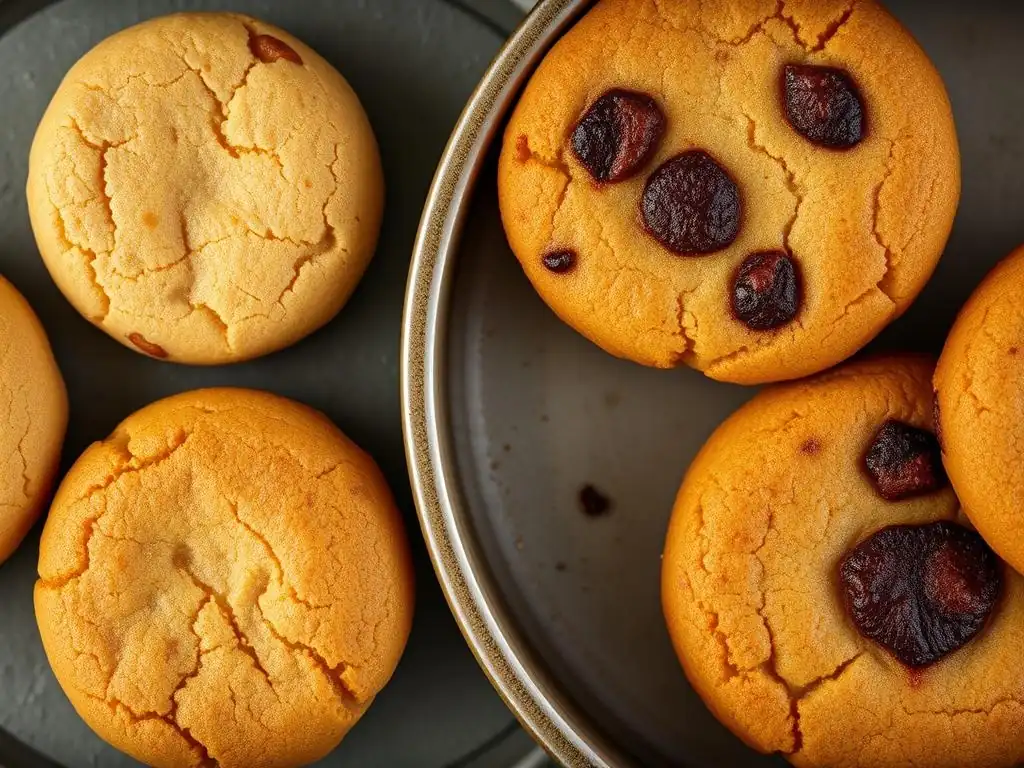
Cookies are a prime example where the Maillard reaction is essential for both texture and flavor. As a cookie bakes, the edges and bottom, which are in direct contact with the hot baking sheet and exposed to hot air, heat up and dry out quickly. This allows the Maillard reaction to proceed rapidly, creating the characteristic brown edges and bottom that contribute to the cookie's chewiness and deep, often nutty or caramelized flavors.
The type of sugar used significantly impacts cookie browning. Cookies made with brown sugar (which contains molasses, providing both reducing sugars and a slightly acidic environment that can influence the reaction) often brown more intensely and have a chewier texture than those made solely with white granulated sugar. The science of Maillard browning in baked goods like cookies shows how ingredient choices directly affect the final product.
Mastering the Maillard Reaction: Tips for Home Bakers
Controlling Oven Temperature for Optimal Maillard Results
Precise oven temperature control is paramount for managing the Maillard reaction. Ensure your oven is accurately calibrated – an oven thermometer can be an inexpensive tool to check this. Preheating your oven thoroughly is also crucial; placing dough or batter in a properly heated oven ensures the surface begins to dry and heat up quickly, allowing the Maillard reaction to start promptly. Baking at the recommended temperature range (typically 300-450°F or 150-230°C depending on the item) is key.
If your baked goods are browning too quickly, you may need to slightly lower the oven temperature or tent the item loosely with foil partway through baking. Conversely, if they are not browning enough, increasing the temperature slightly towards the end of the baking time can help. Understanding how different temperatures affect the speed of the Maillard reaction baking explained in your oven is a skill developed through practice.
Adjusting Baking Time to Enhance Maillard Browning
Baking time directly correlates with the extent of the Maillard reaction. A longer baking time allows more time for the surface to heat up and the reaction to proceed, resulting in deeper color and more developed flavors. However, extending baking time too much can lead to dryness or burning. It's a delicate balance between achieving desired browning and ensuring the interior is cooked through and not dry.
Monitoring the color of your baked goods is the best way to judge the progress of the Maillard reaction. Don't rely solely on the timer; different ovens and even slight variations in ingredients can affect baking time. For items like bread or cookies, slightly extending the baking time after the interior is cooked can enhance crust development and flavor intensity through increased Maillard browning.
Using Dairy and Egg Washes to Promote Maillard Reaction
Applying washes to the surface of baked goods before baking is a classic technique to enhance the Maillard reaction. Egg washes (a mixture of beaten egg with water or milk) and milk washes contain both proteins (amino acids) and sugars (lactose), providing the necessary reactants for intense browning. The proteins contribute amino acids, and the lactose contributes reducing sugar.
For instance, brushing an egg wash on a loaf of challah or brioche before baking results in a glossy, deeply golden-brown crust. A milk wash on rolls can create a softer, less intensely colored but still beautifully browned surface. These washes effectively provide a concentrated source of Maillard reactants right on the surface, ensuring vibrant color and contributing subtle flavors. This is a simple yet effective way to boost the Maillard reaction baking explained in action.
Sugar Selection and its Impact on Maillard Flavors
The type of sugar used in a recipe influences the Maillard reaction because different sugars participate at different rates and can yield slightly different flavor compounds. As mentioned, reducing sugars like fructose and glucose participate directly and readily. Fructose, found in honey and fruits, is particularly reactive in the Maillard process and browns faster than glucose.
Sucrose (table sugar) must first break down into glucose and fructose to participate. This breakdown is accelerated by heat and acidity. Using sugars like brown sugar (which contains molasses, a source of fructose and glucose) or adding a touch of honey can promote faster and more intense Maillard browning compared to using pure granulated sugar alone. Experimenting with different sugar types allows you to explore the subtle flavor nuances created by the Maillard reaction.
Using Honey and Maple Syrup to Boost Maillard Reaction
Honey and maple syrup are excellent ingredients for promoting the Maillard reaction due to their high content of reducing sugars, particularly fructose and glucose. Fructose, as noted, is highly reactive in the Maillard process. Including these liquid sweeteners in doughs, batters, or glazes can lead to more rapid and pronounced browning at lower temperatures compared to using only sucrose.
A glaze made with honey or maple syrup brushed onto a baked good partway through baking can create a beautifully bronzed, flavorful surface. Incorporating a small amount of honey into a bread dough can contribute to a richer crust color and subtle flavor notes. These natural sweeteners are powerful tools for enhancing the Maillard reaction baking explained properties of your creations.
Troubleshooting Maillard Reaction Issues in Baking
When Your Baked Goods Don't Brown: Identifying Potential Problems
If your baked goods are consistently coming out pale and lacking that desirable Maillard color, several factors could be at play. Common culprits include insufficient oven temperature (check with a thermometer), baking time that is too short, or placing too many items in the oven at once, which lowers the temperature and increases moisture. High moisture levels in the dough or oven environment can also inhibit the reaction by keeping the surface temperature low.
Another reason could be the composition of your dough or batter. Recipes with very low sugar or protein content will exhibit less Maillard browning. Highly acidic doughs (e.g., those with lots of buttermilk or sourdough starter) will also brown more slowly. Task list:
- [ ] Verify oven temperature accuracy.
- [ ] Increase baking time slightly.
- [ ] Reduce batch size if oven is crowded.
- [ ] Consider reducing initial steaming if using.
- [ ] Check recipe for adequate sugar/protein content.
- [ ] Be aware that acidic recipes brown less.
Avoiding Over-Browning: Preventing Burnt Flavors
While we seek out the Maillard reaction for flavor, pushing it too far results in bitter, burnt flavors. Over-browning occurs when the temperature is too high, the baking time is too long, or there's an excessive amount of reactive ingredients (like simple sugars) on the surface. Thin items like cookies or pastries are particularly susceptible to burning because they cook through quickly.
If you notice the crust or edges browning too fast while the interior is still raw, you can try reducing the oven temperature slightly or covering the item loosely with aluminum foil to shield the browning areas. For cookies, using parchment paper can help prevent the bottoms from burning. Understanding the delicate balance of the Maillard reaction baking explained limits is key to preventing burnt disasters.
Achieving Even Browning: Tips and Tricks for Consistent Results
Uneven browning can be frustrating. It's often caused by hot spots in the oven, placing items too close together, or inconsistent dough/batter thickness. To promote even Maillard browning, ensure your oven rack is in the correct position (usually the center). Rotate your baking sheets or pans halfway through the baking time to expose all sides to the same amount of heat.
Distribute dough or batter evenly on baking sheets or in pans. Avoid overcrowding the oven, as this restricts airflow and can lead to uneven temperatures and moisture distribution. For items like cakes or quick breads, using a baking strip wrapped around the pan can help regulate the temperature of the edges, promoting more even baking and browning.
The Maillard Reaction vs. Caramelization: What's the Difference?
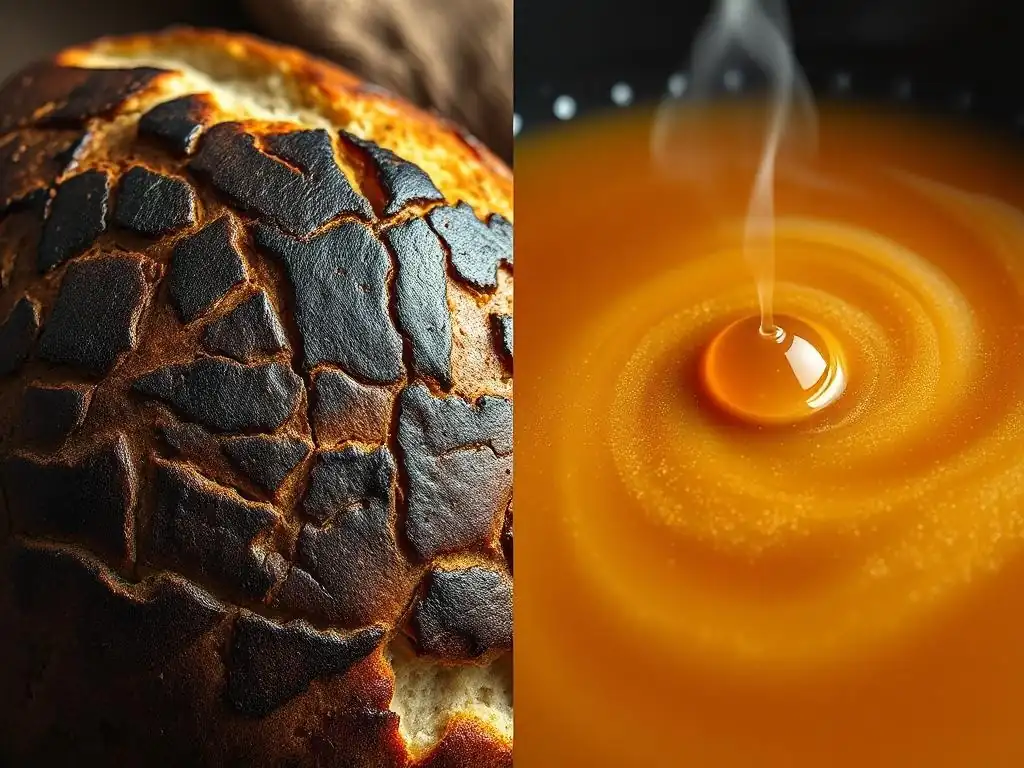
Distinguishing Between Maillard Reaction and Caramelization
It's common for home bakers to confuse the Maillard reaction with caramelization, as both processes result in browning and develop complex flavors under heat. However, they are distinct chemical reactions. The Maillard reaction involves the interaction between amino acids (from proteins) and reducing sugars, typically occurring at temperatures around 280-330°F (140-165°C). It produces flavors that can be described as roasted, nutty, savory, or malty, and hundreds of different flavor compounds.
Caramelization, on the other hand, involves only sugars breaking down under heat. It starts at higher temperatures than the Maillard reaction, typically around 320°F (160°C) for sucrose. Caramelization produces a distinct set of flavors often described as sweet, nutty, buttery, or slightly bitter (at higher temperatures), and the color ranges from golden to dark brown. A simple way to differentiate: Maillard needs protein + sugar; Caramelization only needs sugar.
How Both Reactions Contribute to Baking Flavors
In many baked goods, both the Maillard reaction and caramelization occur simultaneously or in conjunction, contributing layers of complex flavor. For example, the crust of a rich sweet bread like brioche contains both proteins (from milk and eggs) and sugars (added sucrose and lactose). As it bakes, the Maillard reaction develops roasted and savory notes from the protein-sugar interaction, while caramelization of the sugars adds sweet, buttery, and slightly bitter notes.
Consider the bottom crust of a pie made with a sugar-rich filling. The heat causes sugars to caramelize, while the proteins in the flour crust undergo the Maillard reaction. The combination creates a more complex and appealing flavor profile than either reaction could achieve alone. Understanding how the Maillard reaction baking explained alongside caramelization contributes to the final taste is a key aspect of baking science.
Advanced Techniques for Harnessing the Maillard Reaction
Using Baking Soda to Enhance Browning
As previously mentioned, increasing the pH of dough or batter can accelerate the Maillard reaction. A simple way to do this is by adding a small amount of baking soda (sodium bicarbonate), which is alkaline. This technique is famously used in pretzels, where a brief dip in a solution of baking soda and water before baking creates a highly alkaline surface that browns intensely and quickly, resulting in the characteristic dark crust.
Even a small addition of baking soda to a cookie recipe can increase the pH slightly, leading to faster and more pronounced browning and a slightly different texture compared to using only baking powder. However, use this technique judiciously, as too much baking soda can impart an unpleasant soapy flavor.
Exploring the Effects of Pre-Baking Steaming on Crust Development
Introducing steam into your oven at the beginning of baking, particularly for bread, is a technique that indirectly enhances the Maillard reaction later in the bake. Steam keeps the surface of the dough moist for a longer period, preventing a crust from forming too early. This allows the dough to expand fully (oven spring) before the crust sets.
Once the steam dissipates, the now-expanded, moist surface can reach higher temperatures more quickly and evenly, allowing the Maillard reaction to proceed vigorously and uniformly. This results in a thinner, crispier, and more beautifully colored crust compared to baking without steam, where a premature crust can inhibit expansion and lead to uneven browning.
Experimenting with Different Sugars for Unique Flavor Profiles
Varying the types of sugars in your recipes is a great way to explore the different flavor compounds produced by the Maillard reaction. As noted, fructose-rich sugars like honey and maple syrup brown faster and contribute distinct flavors. Using brown sugar instead of white sugar adds molasses, which contains reducing sugars and other compounds that influence flavor and browning.
Even using lactose, found in milk and whey powder, can contribute unique savory notes through the Maillard reaction. Experimenting with substituting small amounts of different sugars (like adding a tablespoon of honey to your usual bread dough or swapping some white sugar for brown sugar in a cookie recipe) allows you to see how these variations impact the rate of browning and the complexity of the final flavor profile, providing practical insight into the Maillard reaction baking explained principles.
Conclusion: The Maillard Reaction - Your Baking Secret Weapon
Unleashing the Power of the Maillard Reaction for Delicious Baked Goods
The Maillard reaction is far more than just surface browning; it's a powerful chemical process that unlocks a world of flavor and aroma in your baked goods. From the satisfying crunch and complex taste of a well-baked bread crust to the chewy edges and nutty notes of a perfect cookie, the Maillard reaction is working behind the scenes to make your baking delicious. By understanding the key factors that influence it – temperature, pH, moisture, and the availability of sugars and amino acids – you gain greater control over the outcome of your recipes.
Embracing the principles of the Maillard reaction baking explained here empowers you to troubleshoot issues like pale crusts or burning, and to intentionally manipulate conditions to achieve desired results. Whether you're adjusting oven temperature, experimenting with egg washes, or swapping out sugar types, you are actively harnessing this fundamental chemical process. With this knowledge, you can move beyond simply following recipes and truly master the art and science of baking, turning every batch into a testament to the incredible power of the Maillard reaction.
Frequently Asked Questions
What is the Maillard reaction and why is it important in baking?
The Maillard reaction is a chemical reaction between amino acids and reducing sugars that occurs upon heating. It's crucial in baking because it creates complex flavors and browning.
At what temperature does the Maillard reaction typically begin in baking?
The Maillard reaction generally starts around 285°F (140°C). This temperature is important for developing the desired browning and flavor in baked goods.
What factors influence the Maillard reaction in baking?
Several factors affect it, including temperature, pH level, and moisture. The presence of proteins and sugars is also essential for the reaction to occur.
How can I encourage the Maillard reaction in my baking?
You can encourage it by using ingredients like milk, eggs, and honey, which contain reducing sugars and amino acids. Also, ensuring sufficient baking time at the appropriate temperature is key.
Can the Maillard reaction be undesirable in certain baking scenarios?
Yes, if the baking temperature is too high or the baking time is too long, the Maillard reaction can lead to excessive browning and burnt flavors. Careful control is necessary.
Final Reflection: The Sweet Science of Transformation
Understanding the Maillard reaction isn't just about achieving perfectly browned cookies; it's about unlocking the very essence of flavor and texture in baking. This seemingly simple chemical process holds the key to transforming ordinary ingredients into culinary masterpieces, a fact that resonates deeply with both professional chefs and passionate home bakers alike. The power of controlled browning, as we've explored, allows for a level of customization and precision that elevates baking from a simple act to a true art form.
The Maillard reaction's influence extends far beyond the confines of our kitchens; it's woven into the very fabric of our culinary heritage. From the rich crust of a perfectly baked loaf of bread to the irresistible aroma of roasting coffee beans, this reaction is a silent yet powerful force shaping our sensory experiences. It's a testament to the intricate beauty of chemistry and its profound impact on our daily lives. The Maillard reaction is not just a chemical process; it's a symphony of flavors and aromas, a testament to the magic of transformation.
– (This could be a quote you create or find a relevant one).
Now, consider your own baking journey. What new possibilities does a deeper understanding of the Maillard reaction unlock for you? Will you experiment with different sugars, adjust your oven temperatures, or explore new techniques to optimize browning and flavor development? Embrace the science, experiment with confidence, and discover the transformative power of the Maillard reaction in your own kitchen. The journey of mastering this fundamental process is a rewarding one, filled with delicious discoveries and a newfound appreciation for the art and science of baking.
Unlock Your Baking Potential: Master the Maillard Reaction Today!
Thanks for taking the time to explore the fascinating world of the Maillard reaction! You've now got the knowledge to elevate your baking to the next level. Ready to put your newfound expertise into practice?
- Experiment with different sugars and amino acids: Try substituting different types of sugars (brown sugar, honey, maple syrup) in your favorite recipes to see how it affects the browning and flavor development. This is the most impactful way to directly apply what you've learned!
- Share your Maillard masterpieces: Show off your improved baking skills on social media – use #BakeWithEaseMaillard and tag us! We'd love to see your creations.
- Dive deeper: Explore our other articles on baking science for even more tips and tricks to become a true baking pro!
What surprising flavor combinations will you create now that you understand the Maillard reaction?