
Cookie Dough Science: Why Emulsification Matters for Perfect Chewiness

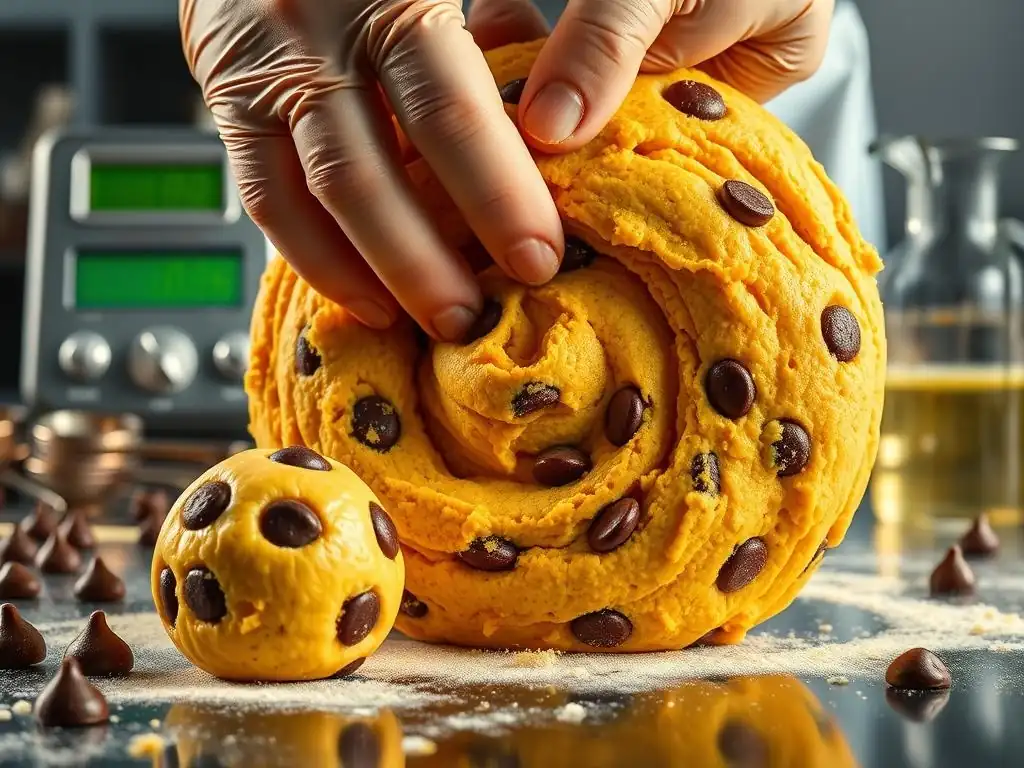
Welcome to BakeWithEase, where we unlock the secrets to baking brilliance!
Ever wondered what truly sets apart a good cookie from a perfect cookie? It all comes down to the science behind the dough. Prepare to delve deep into the fascinating world of emulsification and discover how it's the key to achieving that coveted, perfect chewy cookie dough. Intrigued? We're just getting started...
- Cookie Dough Science: Why Fat Distribution Matters for Perfect Texture
- Understanding Fat Distribution in Cookie Dough for Desired Texture
- Key Ingredients and Their Impact on Cookie Dough Fat Distribution
- The Science Behind a Desired Cookie Texture: Fat Distribution in Action
- Troubleshooting Cookie Dough Fat Distribution Problems
- Recipes and Experiments: Mastering Cookie Dough Through Fat Distribution
- Tips and Tricks for Consistently Perfect Cookies
- Beyond Texture: The Impact of Fat Distribution on Cookie Flavor and Appearance
- Conclusion: Embracing Fat Distribution for Baking Success and Perfectly Textured Cookies
-
Frequently Asked Questions
- What is emulsification and why is it important for chewy cookies?
- How does the type of fat used affect cookie chewiness?
- What role does sugar play in achieving a chewy cookie?
- Can overmixing the dough affect the chewiness of the cookies?
- What is the optimal baking temperature and time for chewy cookies?
- Final Reflection: The Science of the Perfect Bite
- Unlock the Secrets to Perfectly Chewy Cookies!
Understanding how fat behaves in your cookie dough is a fundamental step towards baking success. It's not just about having fat in the recipe; it's about where that fat ends up and how it interacts with the other ingredients. This distribution is a key player in determining the final texture of your cookies, whether you're aiming for crisp, tender, or that coveted perfect chewy cookie dough.
Different fats, like butter, shortening, or oil, behave differently, and even the same fat will act uniquely depending on its temperature and how it's incorporated. Mastering this aspect of baking science allows you to predict and control the outcome, ensuring your cookies turn out exactly as you envision them every single time.
Fat distribution refers to how the fat is dispersed throughout the cookie dough matrix. Is it in large clumps, tiny droplets, or spread thinly coating other ingredients? This physical arrangement isn't static; it changes during mixing, chilling, and baking, profoundly impacting the dough's structure and how it reacts to heat.
Consider two extremes: using melted butter versus cold, cubed butter. Melted butter integrates more fully and coats flour particles more readily, leading to a different kind of dough structure than cold butter, which remains in discrete pieces. This initial difference in distribution sets the stage for how the cookie will spread, how much gluten will develop, and ultimately, whether you achieve a tender crumb or a perfect chewy cookie dough.
Fat distribution is the process by which fat molecules and particles are spread throughout the dough's mixture of flour, sugar, liquid, and other ingredients. Imagine the dough as a miniature ecosystem where fat interacts directly with starch and protein (from flour), sugar crystals, and water. When fat is distributed unevenly, you might get pockets of intense richness alongside drier, more structural areas. When it's distributed finely, it can create a more uniform texture.
This distribution is crucial because fat acts as a tenderizer. It works by coating the flour particles, particularly the gluten-forming proteins gliadin and glutenin. By creating a barrier, the fat prevents water from fully hydrating these proteins, inhibiting the development of a strong gluten network.
Less gluten development results in a more tender, less tough cookie. Achieving a perfect chewy cookie dough requires a specific balance – enough fat distributed in a way that limits excessive gluten but still allows for some structure and spread. For example, in a typical chocolate chip cookie recipe with around 1 cup (227g) of butter to 2 cups (240g) of flour, the way that butter is incorporated dictates much of the final texture.
Moreover, fat distribution influences how the cookie spreads during baking. Solid fat, like cold butter, holds its shape longer in the oven. As it melts, it lubricates the dough, causing it to spread. The size and distribution of these solid fat pieces directly affect how and when this spread occurs.
If the fat is in large chunks, the spread might be uneven. If it's finely dispersed and melts gradually, you get a more controlled spread. This controlled spread is vital for achieving the desired thinness and edge crispness often associated with a perfect chewy cookie dough, contrasting with a thick, cakey cookie that might result from less spread or different fat incorporation methods.
The Role of Fat Distribution in Achieving a Tender or Chewy Texture
The way fat is distributed fundamentally alters the dough's structure and its interaction with heat. For a tender cookie, you often want fat to create distinct layers or pockets, effectively "shortening" the gluten strands by physically separating them.
Think of shortbread, which is high in fat (often 50% or more of the flour weight) and mixed minimally; the fat coats the flour extensively and prevents significant gluten development, resulting in a crumbly, tender texture. Creaming butter and sugar for extended periods can also lead to tender cookies by incorporating air and creating small, dispersed fat pockets that limit gluten formation.
Conversely, achieving a perfect chewy cookie dough relies on a different approach to fat distribution. While fat still tenderizes, you often want enough moisture and some gluten development to create that signature bend and chew. Using melted butter, for example, coats the flour more uniformly than creaming solid butter.
This uniform coating still limits gluten development compared to a lean dough like bread, but it allows for a more continuous fat phase that contributes to spread and a slightly denser, chewier texture. Recipes targeting a perfect chewy cookie dough often balance the type and temperature of fat with the mixing method and the ratio of ingredients like brown sugar (which adds moisture) to white sugar. The goal is to distribute fat in a way that encourages spread without making the cookie greasy, and limits gluten just enough to prevent toughness while allowing for that desirable chew.
The ingredients you choose and their state (temperature, type) play critical roles in how fat is distributed within your cookie dough. Butter, sugar, and flour are the primary players in this interaction, each influencing the fat's behavior in unique ways. Understanding how these ingredients affect fat distribution is essential for controlling your cookie's texture and achieving that sought-after perfect chewy cookie dough.
The ratio of these ingredients also matters. A higher fat-to-flour ratio generally leads to more tender cookies because there's more fat available to coat flour particles. A higher sugar ratio can increase spread and chewiness due to sugar's interaction with moisture and fat. Balancing these components, alongside carefully managing fat distribution, is the art and science of perfect cookie baking.
Butter: The Primary Source of Fat and its Impact
Butter is the most common fat in many cookie recipes and its state is perhaps the single biggest factor influencing fat distribution. Butter is not 100% fat; it typically contains about 80-82% fat, 16-18% water, and 1-2% milk solids. The temperature of the butter dictates whether the fat is solid, pliable, or liquid, which in turn dictates how it integrates with other ingredients.
- Cold Butter: When cold butter is cut into flour, it remains in discrete, solid pieces. As the cookie bakes, these pieces melt slowly, creating steam from the water content. This process can create small pockets and contributes to flakiness or a more structured, less spread-out cookie. The limited initial coating of flour leads to more potential for gluten development compared to using softer butter. For some recipes aiming for a specific crispness or structure alongside chewiness, cold butter pieces might be used strategically.
- Room Temperature (Softened) Butter: Creaming softened butter with sugar incorporates air and creates a fine emulsion of fat, water, and air bubbles. The fat coats the flour particles more effectively than cold butter, limiting gluten development and resulting in a tender crumb. This creaming process is fundamental to many cookie recipes aiming for a balanced texture, often contributing to a perfect chewy cookie dough by providing a good balance of tenderness and spread. The fat is distributed as tiny droplets, which melt relatively evenly during baking.
- Melted Butter: Using melted butter results in the most uniform initial fat distribution, coating flour particles extensively from the start. This significantly inhibits gluten development, often leading to a denser, fudgier, or chewier cookie with more spread. The water in melted butter is more readily available to interact with other ingredients. Many recipes designed for a perfect chewy cookie dough specifically call for melted butter because it promotes chewiness and contributes to a slightly denser texture compared to cookies made with creamed butter.
Sugar: Influencing Fat Distribution Through Moisture Content
Sugar plays a dual role in cookie dough: it sweetens and tenderizes, but it also significantly impacts fat distribution and texture through its interaction with moisture and fat. Different types of sugar have varying moisture levels and crystal sizes, affecting the dough's hydration and how fat is incorporated.
Granulated white sugar is dry and has relatively large crystals. When creamed with butter, these sharp crystals cut into the fat, helping to create air pockets and further dispersing the fat. It draws moisture away from the flour, which limits gluten development but also affects the dough's overall hydration and the availability of water for fat to interact with.
Brown sugar, on the other hand, contains molasses, which adds moisture (typically 6-8% moisture for light brown sugar compared to <0.5% for white sugar). This added moisture influences the dough's consistency, promotes chewiness, and affects how the fat and water phases interact.
A higher ratio of brown sugar to white sugar is often a characteristic of recipes designed for a perfect chewy cookie dough because the moisture and slight acidity from molasses contribute directly to that texture. The sugar also melts during baking, and its interaction with melting fat influences the final spread and crispness of the cookie edges.
Flour: Controlling Fat Absorption and Structure
Flour provides the structure in cookies, primarily through its protein content (which forms gluten when hydrated) and starch. How fat interacts with the flour particles dictates how strong that structure becomes and how tender the cookie is. Fat essentially acts as a barrier, preventing water from reaching the gluten-forming proteins (gliadin and glutenin) in the flour.
Different types of flour have varying protein levels. All-purpose flour typically has 10-12% protein, while cake flour has less (around 7-9%) and bread flour has more (12-14%). Using a lower protein flour will naturally result in less gluten development and a more tender cookie, regardless of fat distribution.
However, fat distribution still plays a crucial role. When fat is well-distributed and coats the flour particles effectively, it further inhibits gluten formation, even with higher protein flours. The starch granules in flour also absorb some fat, and the extent of this absorption is influenced by how finely the fat is dispersed.
For a perfect chewy cookie dough, a medium-protein flour like all-purpose is common, and the fat distribution is managed to allow some gluten development for chewiness while still providing enough tenderness from the fat. The interaction between fat coating the flour and the limited water available (often due to sugar competing for it) creates the specific structure needed for chewiness.
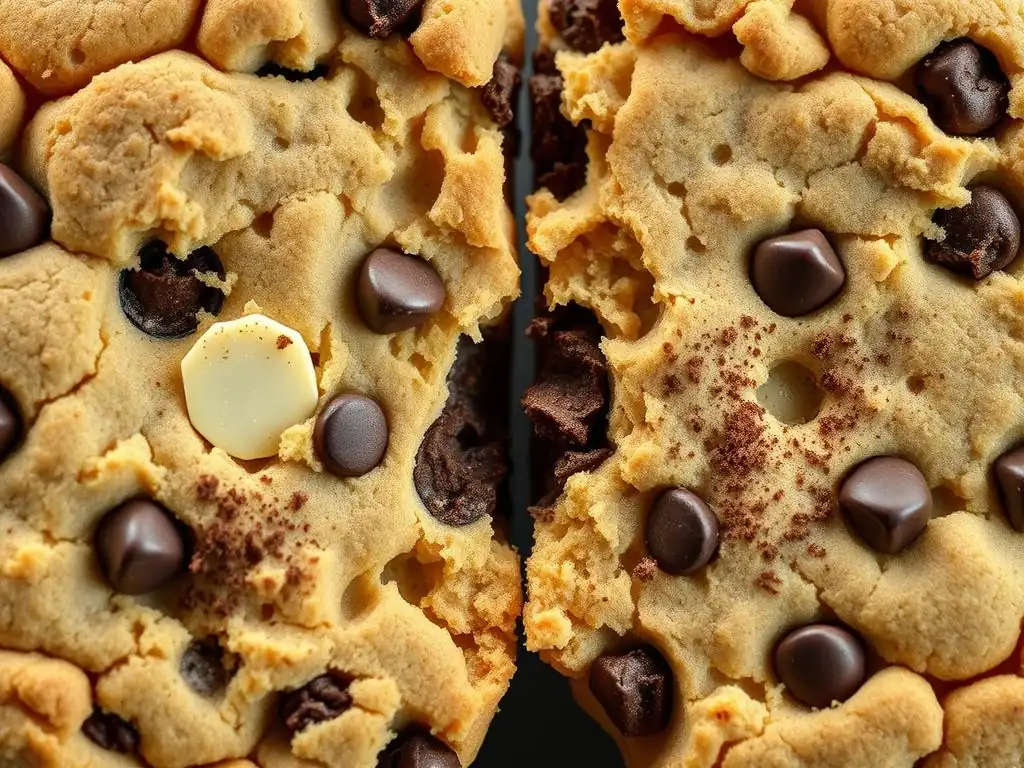
Bringing together the ingredients and techniques reveals the fascinating science of how fat distribution translates into the final cookie texture. From inhibiting gluten to influencing spread and promoting browning, fat's role is complex and multi-faceted. Understanding these processes empowers you to manipulate your dough for predictable results, whether you're aiming for crisp edges, soft centers, or a perfect chewy cookie dough.
The journey from raw dough to baked cookie involves numerous chemical and physical transformations. Fat distribution is a key modulator of many of these changes, affecting everything from the initial dough viscosity to the final crumb structure and color.
How Fat Coats Flour and Affects Gluten Development
At a microscopic level, fat works its tenderizing magic by surrounding the individual flour particles. Flour contains starch granules and protein bodies. When water is added, the proteins, specifically gliadin and glutenin, begin to hydrate and, with mechanical action (mixing), form the elastic network known as gluten. Fat, being hydrophobic (water-repelling), creates a physical barrier between the water and these proteins.
Imagine each flour particle being wrapped in a thin film of fat. This coating prevents the water from fully accessing the gliadin and glutenin, significantly hindering their ability to link up and form strong gluten strands. The more complete and fine the fat coating, the less gluten develops, leading to a more tender, crumbly texture.
Conversely, if fat distribution is uneven or limited, water has freer access to the proteins, allowing more gluten to form, resulting in a tougher texture. For a perfect chewy cookie dough, you want fat distributed well enough to prevent excessive toughness, but perhaps not so completely that it eliminates all gluten structure, as some structure contributes to the chewiness. Recipes often achieve this balance by using melted or softened butter which coats flour effectively but still allows some protein interaction.
Temperature's Influence on Fat Solidification and Spread
Temperature is a critical factor governing the state of the fat and, consequently, its distribution and behavior during baking. Most common baking fats, like butter and shortening, are solid at room temperature but melt within the typical cookie baking range (around 90-100°F for butterfat).
When cookie dough enters a hot oven, the solid fat begins to melt. While the fat is solid, it helps the cookie maintain its shape, limiting initial spread. As the fat melts, it lubricates the dough matrix, allowing the cookie to relax and spread outwards.
The size and distribution of the solid fat pieces directly influence the rate and pattern of this spread. Large, cold chunks of butter will melt slower than finely dispersed fat from creamed butter or fully melted butter. This slower melting provides more structure during the initial phase of baking, resulting in less spread and a thicker cookie.
Using melted butter or having finely dispersed fat (from thorough creaming) leads to quicker melting and more immediate spread, resulting in thinner, often chewier cookies. Chilling the dough before baking solidifies the fat, regardless of how it was incorporated, further delaying spread and allowing flavors to meld, contributing to a better texture, including for a perfect chewy cookie dough.
Mixing Techniques for Optimal Fat Distribution: Achieving the Perfect Bite
The method used to combine ingredients significantly impacts fat distribution and, therefore, the final texture. Different mixing techniques are employed to achieve specific outcomes.
The "creaming method" involves beating softened butter with sugar. This process incorporates air into the butter and disperses the fat as tiny droplets within the sugary matrix. The sharp sugar crystals help cut into the fat, aiding in this dispersion. The incorporated air creates pockets that contribute to leavening and a lighter, more tender crumb.
This method is widely used and can contribute to a perfect chewy cookie dough when balanced with other factors like ingredient ratios and chilling. The "melted butter method" involves simply stirring melted butter into the dry ingredients. This results in a more uniform coating of flour particles from the start, leading to less air incorporation but often more spread and chewiness.
The "cut-in method," often used for biscuits or pie crusts but sometimes for certain types of cookies, involves cutting cold, solid fat into the flour until coarse crumbs form. This leaves discrete pieces of fat that melt slowly during baking, creating layers or pockets and contributing to flakiness or tenderness rather than a dense chew. Choosing the right mixing technique is paramount for controlling fat distribution and achieving the desired cookie texture.
Even with the best intentions, things can go wrong in the kitchen. Many common cookie woes, like cookies that spread too much or too little, or those that are tough instead of tender, can be traced back to issues with fat distribution. Recognizing these problems and understanding their root causes allows you to adjust your technique or ingredients for better results and consistently bake a perfect chewy cookie dough.
Learning to troubleshoot involves observing the dough's consistency, how it behaves during chilling, and how it spreads and bakes in the oven. Small adjustments can make a significant difference.
One of the most frequent frustrations in cookie baking is ending up with cookies that spread into thin, flat discs instead of holding a pleasant shape. This excessive spread is often directly related to how the fat melts and lubricates the dough too quickly or too much.
Common culprits include using melted butter when the recipe intends for softened or cold butter, creaming butter and sugar for too long (incorporating too much air, which then collapses), using too much sugar or leavening, or the dough being too warm when it goes into the oven. For instance, if you use melted butter in a recipe designed for creamed butter, the fat is already liquid and coats the flour more uniformly, leading to immediate and significant spread as soon as the dough hits the hot baking sheet.
To fix or prevent flat cookies, ensure your butter is at the correct temperature (softened for creaming, or cold if specified), avoid over-creaming, measure ingredients accurately (especially sugar and leavening), and always chill your dough for at least 30-60 minutes before baking.
Chilling solidifies the fat, delaying its melting in the oven and controlling the spread, helping you get closer to a perfect chewy cookie dough with defined edges.
Preventing Excessive Spread: Tips for Controlled Fat Melting
Controlling spread is essential for achieving the desired thickness and texture of your cookies. Excessive spread leads to thin, sometimes brittle, cookies, while insufficient spread can result in cakey or dense ones. The key lies in managing how and when the fat melts.
Beyond using the correct butter temperature and chilling the dough, there are other factors. The ratio of ingredients matters: a higher proportion of flour to fat or sugar will result in less spread. Using a fat with a higher melting point, like shortening (which melts around 115-120°F), can also limit spread compared to butter.
Baking on a cooler baking sheet (not hot from a previous batch) prevents the fat from melting too quickly upon contact. Even the type of baking sheet can influence spread; dark sheets absorb more heat and can lead to faster spread than lighter, reflective sheets.
Ensuring your oven temperature is accurate is also vital; an oven that is too cool will allow the fat to melt before the dough structure sets, leading to excessive spread. By controlling these variables, you manipulate the fat's melting rate, giving the dough's structure time to set before it spreads too much, crucial for a perfect chewy cookie dough that holds its shape.
Achieving the Right Consistency: Finding the Balance
The overall consistency of your cookie dough directly impacts how fat is distributed and how the cookies will bake. Dough that is too dry won't allow fat to disperse properly, potentially leaving large fat clumps or resulting in a crumbly texture. Dough that is too wet can lead to excessive spread as the excess moisture interferes with the fat's ability to maintain structure.
Finding the right balance is achieved through accurate ingredient measurements and understanding how factors like flour absorption and sugar type affect hydration. For example, using too much flour (a common mistake when measuring by volume) results in a dry dough where fat struggles to coat particles evenly. This can lead to less spread and a tougher cookie.
Conversely, too little flour or too much liquid (like extra extract or an extra egg) creates a wet dough where the fat is overwhelmed, leading to excessive spread and a thin, potentially greasy cookie. The ideal dough for a perfect chewy cookie dough is pliable but not sticky, holding its shape when rolled or dropped, indicating that the fat, flour, sugar, and liquids are in a balanced state, allowing for controlled spread and even baking. Adjusting ingredients slightly based on environmental factors (like humidity) can also be necessary.
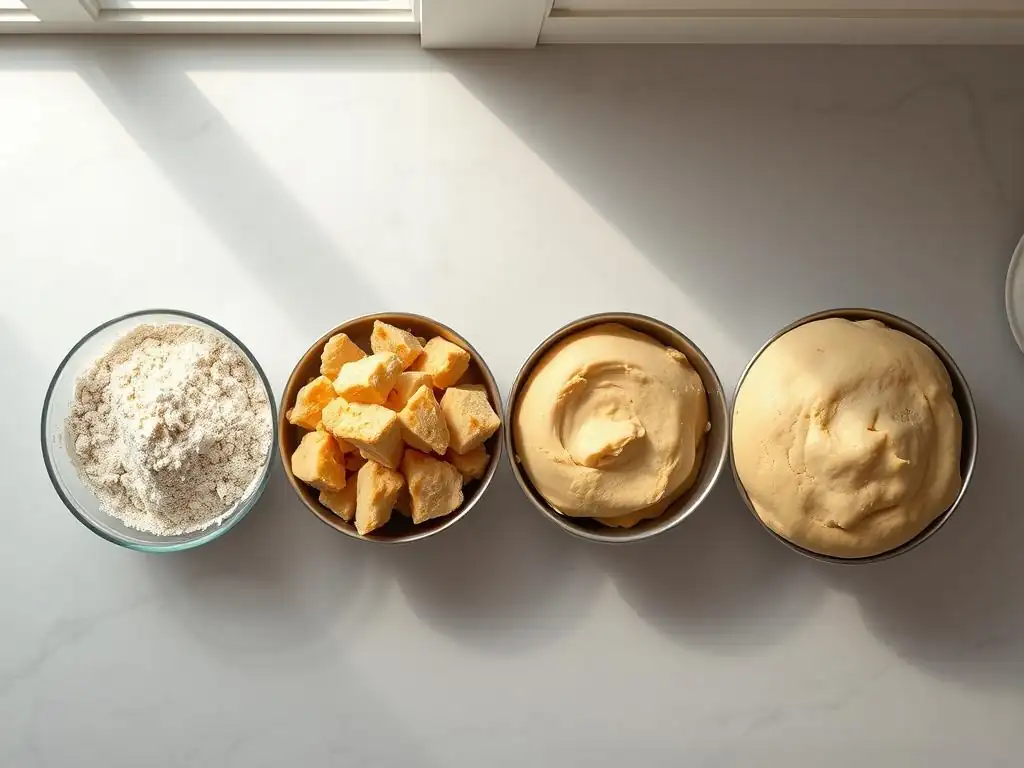
The best way to truly understand the impact of fat distribution is through hands-on experience. Trying different recipes that employ various fat incorporation methods or conducting simple experiments can illuminate the principles discussed. These practical applications demonstrate how manipulating fat directly influences the final cookie's texture and appearance, helping you bake a perfect chewy cookie dough consistently.
Experimenting allows you to see the science in action. By changing just one variable – like the butter temperature or mixing method – you can observe dramatic differences in the baked cookies, reinforcing the importance of fat distribution.
Brown butter chocolate chip cookies are a fantastic example of how using melted, slightly emulsified fat impacts texture and flavor. Browning butter involves melting butter and cooking it gently until the milk solids toast and turn nutty brown. This process evaporates some of the water and creates a flavorful liquid fat base.
When this warm, melted brown butter is incorporated into the dough (often simply stirred in with the sugar and other wet ingredients), it coats the flour particles very effectively from the start. This uniform coating significantly limits gluten development, contributing to a tender crumb. Furthermore, because the fat is liquid, it promotes more immediate spread in the oven compared to dough made with creamed solid butter.
The result is typically a thinner, chewier cookie with a wonderful depth of flavor from the browned milk solids. The fat is distributed throughout the dough as a continuous phase rather than discrete droplets, which is key to achieving the characteristic dense, perfect chewy cookie dough texture of this popular variation. Comparing this recipe to one using the traditional creaming method highlights the dramatic textural difference caused by the initial state and distribution of the fat.
Experiment 1: Comparing Different Flour Types for Fat Absorption
Conducting a simple experiment using different flour types can visually demonstrate how flour interacts with fat and affects dough consistency. Prepare three small batches of a basic cookie dough, keeping all ingredients and the fat incorporation method (e.g., using softened butter creamed with sugar) constant, but using different flours for each batch: one with cake flour, one with all-purpose flour, and one with bread flour.
Observe the dough consistency immediately after mixing. The dough made with cake flour (lower protein) might feel slightly softer or require slightly less liquid than the others, as it absorbs less water and potentially interacts differently with the fat. The dough made with bread flour (higher protein) will likely feel stiffer and more elastic, as more gluten is formed despite the presence of fat. Bake a few cookies from each batch, using the same size scoops and baking time/temperature.
You will likely notice differences in spread, thickness, and chewiness. The cake flour cookies might be more delicate and spread slightly more (less structure), while the bread flour cookies might be thicker and potentially tougher (more structure/gluten). The all-purpose flour batch should yield a texture closer to a standard perfect chewy cookie dough, demonstrating how the flour's protein content interacts with the fat distribution to create structure and tenderness.
Sugar cookie recipes often showcase how using cold butter can influence texture, creating cookies that are crisp yet tender. In many roll-and-cut sugar cookie recipes, cold, cubed butter is cut into the dry ingredients (flour, sugar, etc.) until the mixture resembles coarse crumbs or small peas.
This method ensures the fat remains in discrete, solid pieces throughout the dough. When baked, these cold fat pieces melt slowly. As the fat melts, it creates tiny pockets and also coats the surrounding flour, limiting gluten development.
The slow melting process also restricts spread, helping the cookies maintain sharp edges and a relatively thick profile. The result is a cookie that is often less chewy and more tender or crumbly than one made with softened or melted butter, demonstrating how keeping fat in solid pieces through the initial mixing and chilling phases leads to a different distribution and a distinctly different texture. While not typically aiming for a perfect chewy cookie dough, this technique is ideal for cookies where shape retention and tenderness are paramount, highlighting the versatility of fat distribution control.
Beyond understanding the science, applying practical techniques in your daily baking routine can make a significant difference in achieving consistently perfect results, including that elusive perfect chewy cookie dough. These tips focus on precision and process, ensuring your carefully planned fat distribution behaves as intended.
Small details in ingredient handling, dough preparation, and even baking setup can dramatically impact the final cookie texture, spread, and appearance.
Measuring Ingredients Accurately for Successful Fat Distribution
Accurate measurement is arguably the most critical step in baking, especially when it comes to achieving the desired fat distribution and texture. Baking is a science, and the ratios of ingredients matter immensely. Using too much or too little of any ingredient can throw off the delicate balance required for a perfect chewy cookie dough.
Measuring flour by volume (scooping with a cup) is notoriously inaccurate and can result in up to 25% more flour than intended compared to weighing. Excess flour leads to a drier dough where fat struggles to distribute evenly, resulting in tougher cookies with less spread. Measuring sugar accurately is also vital; too much sugar can cause excessive spread as it melts and interacts with the fat.
For butter, using the markings on the wrapper is generally accurate for volume, but weighing provides the highest precision. Using a digital kitchen scale to weigh ingredients, especially flour, sugar, and fat, ensures you have the correct proportions specified in the recipe, leading to predictable dough consistency and reliable fat distribution.
For example, 1 cup of all-purpose flour should weigh approximately 120-125 grams, while 1 cup of granulated sugar is about 200 grams, and 1 cup (2 sticks) of butter is 227 grams. Adhering to these weights removes the variability of volume measurement.
The Importance of Chilling the Dough
Chilling cookie dough is not just about making it easier to handle; it's a crucial step for texture development and controlling fat distribution during baking. Refrigerating the dough allows the fat (like butter) to re-solidify.
When chilled, the solid fat melts slower in the hot oven. This delay in melting prevents the cookie from spreading too quickly before the dough's structure (set by proteins and starches) has a chance to firm up. Slower, more controlled spread results in thicker cookies with a more concentrated flavor and a better texture, often contributing significantly to achieving a perfect chewy cookie dough with slightly crisp edges and a soft center.
Chilling also allows time for the liquids in the dough to fully hydrate the flour and other dry ingredients, and for flavors to meld, leading to a more uniform texture and enhanced taste. Most recipes calling for chilling recommend at least 30-60 minutes, but longer chilling periods (24-72 hours) can further improve texture and flavor due to continued hydration and enzymatic activity in the flour.
Baking Sheet Preparation: Influencing Spread and Texture
How you prepare your baking sheet also affects how the fat behaves and consequently, the cookie's spread and texture. Using parchment paper or silicone baking mats is highly recommended over simply greasing the pan.
Greasing a baking sheet, especially with butter or cooking spray, adds a layer of liquid fat to the surface. When the cookie dough is placed on this greased surface, the added fat acts as a lubricant, causing the cookies to spread more aggressively and potentially thinner than desired. Parchment paper or a silicone mat provides a non-stick surface without adding extra fat.
This allows the cookie's own fat distribution and melting rate to primarily dictate the spread, leading to more predictable results. Furthermore, the material and color of the baking sheet matter.
Dark metal sheets absorb and transfer heat more quickly than lighter, reflective sheets, which can lead to faster spread and more browning on the bottom of the cookie. Using a standard light-colored metal baking sheet lined with parchment paper is a reliable method for promoting even baking and controlled spread, helping you achieve a consistent perfect chewy cookie dough.
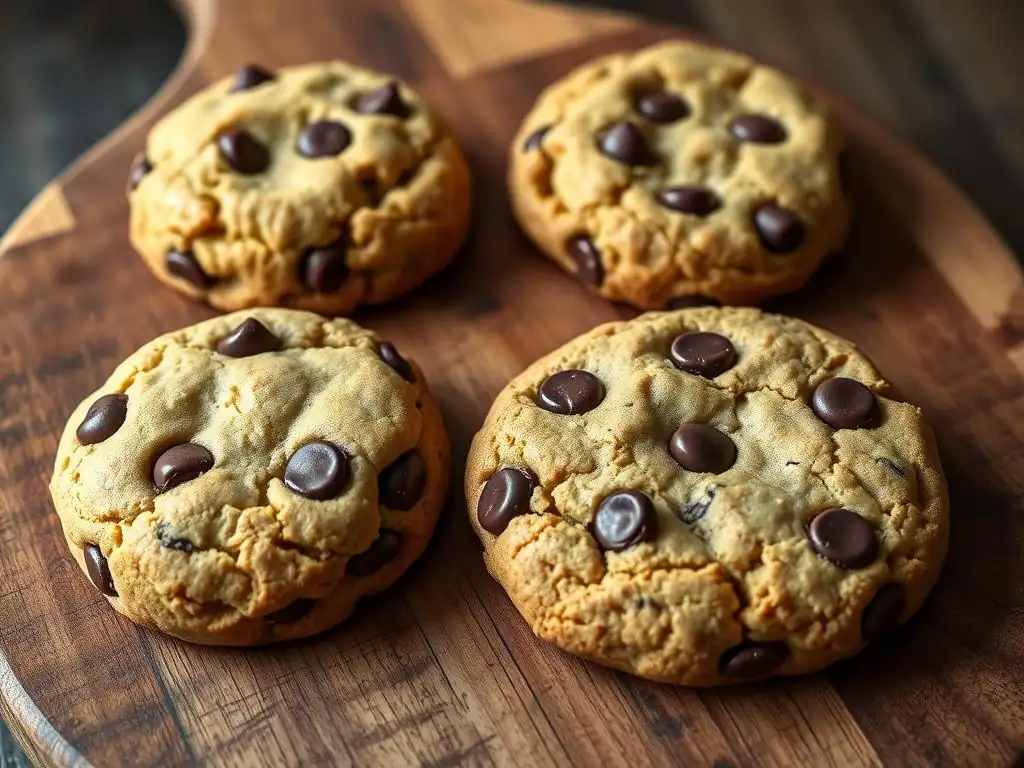
While texture is a primary concern when discussing fat distribution, its influence extends to the cookie's flavor and visual appeal. Fat acts as a medium for flavor, helps with even browning, and contributes to the overall richness that makes cookies so appealing. The way fat is distributed affects how heat is conducted through the dough, which in turn impacts chemical reactions responsible for flavor and color.
A cookie's final look – its golden-brown edges, crackled surface, or uniform color – is intricately linked to how the fat melts and spreads during baking. Understanding these connections adds another layer to your baking expertise.
Enhancing Flavor Through Maillard Reaction and Browning
Fat distribution plays a crucial role in the Maillard reaction and caramelization, key processes that develop complex flavors and browning during baking. The Maillard reaction occurs between amino acids (from protein, like in flour and milk solids) and reducing sugars at temperatures typically above 300°F (150°C). Caramelization is the browning of sugars themselves, occurring at even higher temperatures (around 320°F or 160°C for sucrose).
Fat helps distribute heat evenly throughout the cookie dough. As the fat melts and spreads, it acts as a heat conductor, ensuring that different parts of the cookie reach the necessary temperatures for these reactions to occur uniformly. If fat distribution is uneven, you might get spots that brown too quickly while others remain pale.
Furthermore, the milk solids present in butter are rich in proteins that participate in the Maillard reaction. When butter is used, especially if it's browned before being added to the dough (as in Recipe 1), these milk solids contribute significantly to the nutty, caramelized flavors and golden-brown color. A perfect chewy cookie dough often has edges that are beautifully browned and slightly crisp due to controlled spread and even heat distribution facilitated by the fat.
Achieving Uniform Baking and Appearance
Uniform baking is essential for consistent cookie quality, and fat distribution is a major factor in achieving it. As mentioned, fat facilitates heat transfer throughout the dough.
When fat is evenly distributed, heat is conducted relatively uniformly, allowing the cookie to bake through at a consistent rate from the edges to the center. This leads to an even rise (if leavening is present), uniform browning, and a consistent texture throughout the cookie. Uneven fat distribution can lead to hot spots or areas where the dough remains wetter or denser, resulting in patches that are overcooked or undercooked.
For instance, large, unmelted fat chunks might create areas that bake slower initially. A well-distributed fat matrix, particularly when using melted butter or finely creamed butter, promotes even heat penetration, which is critical for developing the desired structure and color of a perfect chewy cookie dough. Combined with even oven temperature and proper baking sheet preparation, optimal fat distribution ensures each cookie in the batch looks and bakes the same.
The appealing golden-brown color of a perfectly baked cookie is a visual cue of deliciousness, and fat is instrumental in achieving it. This color comes from the Maillard reaction and caramelization occurring on the surface and edges of the cookie.
Fat contributes in several ways. Firstly, as a heat conductor, it ensures the surface and edges reach the temperatures required for browning reactions. As the fat melts and spreads, it can also carry sugars to the surface, where they are exposed to higher temperatures and undergo caramelization.
The presence of fat on the surface also contributes to the appealing slightly glossy or rich appearance. The amount and type of sugar also influence the degree of browning (brown sugar browns more readily due to molasses), but fat distribution ensures that this browning is even and controlled. A perfect chewy cookie dough typically features edges that are beautifully golden-brown and slightly caramelized, a testament to the fat's role in promoting even heat distribution and surface browning.
Mastering the science of fat distribution is a game-changer for any cookie baker. It's not just about following a recipe; it's about understanding why certain steps are taken and how they influence the final product. From the temperature of your butter to the way you mix your dough, every decision impacts how fat interacts with other ingredients, dictating everything from spread and tenderness to flavor and appearance.
By paying attention to fat distribution, you gain control over your cookie outcomes. You can troubleshoot common problems like excessive spread or toughness, and confidently adapt recipes to achieve your desired texture, whether it's a tender shortbread or that coveted perfect chewy cookie dough. Baking becomes less about luck and more about informed choices, leading to consistently delicious results that impress every time. Embrace the science, experiment in your kitchen, and unlock the secret to truly exceptional cookies.
Frequently Asked Questions
Emulsification is the process of combining ingredients that don't naturally mix, like fats and liquids. It's crucial for chewy cookies because it creates a stable structure that traps moisture during baking, leading to a soft, chewy texture.
Using melted butter or oil promotes chewiness as it incorporates more easily into the dough, contributing to a denser, more uniform texture. Solid fats, like cold butter, create a flakier cookie.
Brown sugar, with its molasses content, contributes significantly to chewiness. Molasses is hygroscopic, meaning it attracts and retains moisture, resulting in a softer, chewier texture compared to using only granulated sugar.
Yes, overmixing develops too much gluten, leading to a tougher cookie. Mix until just combined to maintain a tender, chewy crumb.
Baking at a slightly lower temperature (e.g., 350°F) and slightly underbaking them ensures they remain soft and chewy in the center. Monitor closely to prevent over-browning.
Final Reflection: The Science of the Perfect Bite
The quest for the perfect chewy cookie dough isn't just about satisfying a sweet tooth; it's a testament to the power of understanding fundamental scientific principles. Mastering the art of emulsification, as explored throughout this article, unlocks a world of texture possibilities, transforming a simple mixture of ingredients into a culinary masterpiece. This isn't just about baking; it's about appreciating the intricate dance of science and creativity in the kitchen.
The impact of understanding emulsion on food science extends far beyond cookie dough. It's a fundamental concept that influences the texture of countless foods, from creamy sauces to fluffy mousses. The most beautiful thing we can experience is the mysterious. It is the source of all true art and science.
- Albert Einstein. This quote perfectly encapsulates the wonder of discovering how seemingly simple interactions between ingredients can lead to such dramatically different results. The journey of understanding emulsification has deepened my appreciation for the precision and artistry involved in even the simplest recipes.
Now, it's your turn. Consider the next time you bake – or even just eat – a cookie. Think about the texture, the subtle nuances of chewiness, and the science that makes it all possible. Don't just follow a recipe; understand it. By embracing the principles of emulsification and other scientific concepts in cooking, you'll not only achieve perfect chewy cookie dough but also unlock a deeper appreciation for the culinary arts and the fascinating world of food science. Experiment, explore, and discover the joy of truly understanding what you're creating.
Thanks for diving deep into the science of cookie dough with us! You've now got the knowledge to bake cookies that are truly exceptional. Ready to put your newfound expertise to the test?
- Bake a batch of cookies using your new emulsification knowledge! Experiment with different fats and see how it changes the texture. Don't be afraid to get creative!
- Share your cookie creations and baking experiences with our BakeWithEase community on social media! Use #BakeWithEaseEmulsion and tag us!
- Challenge yourself to try a new, more complex cookie recipe this week. Use this newfound understanding of emulsification to master it!
So, what exciting flavor combinations will you be experimenting with today?