
Using Interfering Agents: A Baker's Guide to Smooth Confections

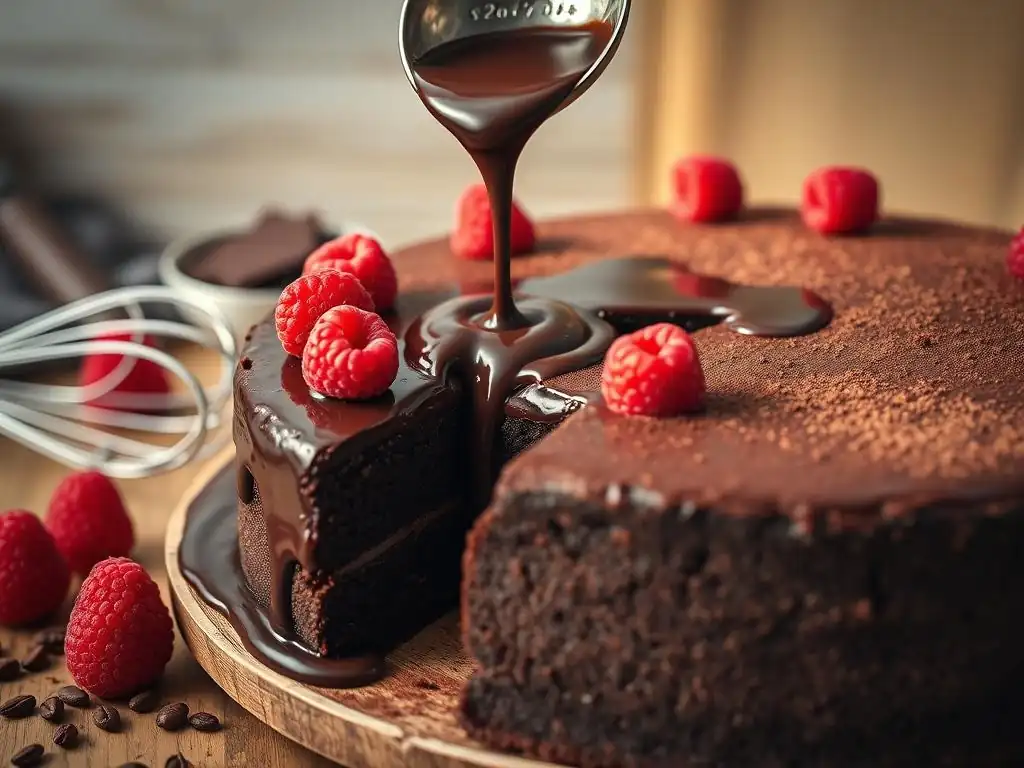
Welcome to BakeWithEase, your companion in the delightful world of baking! Ever wondered how to achieve that perfectly smooth, glossy finish on your pastries? This week, we're diving deep into the science behind it, uncovering the secrets to mastering smooth confections. Our Smooth Chocolate Ganache Recipe Guide is just the beginning. Discover how interfering agents can transform your baking, turning potential disasters into delectable masterpieces. Read on to unlock the secrets and elevate your baking game!
- Baking Science: Controlling Texture with Interfering Agents
- Understanding Interfering Agents: Achieving Desired Textures
- Key Interfering Agents: A Baker's Toolkit
- Ice Cream Recipe Guide: A Practical Application
- Applying Interfering Agents in Other Baked Goods
- Advanced Techniques for Using Interfering Agents
- Tips and Tricks for Baking with Interfering Agents
- Conclusion: Mastering Texture with Interfering Agents
-
Frequently Asked Questions
- What are interfering agents, and why are they important in baking?
- How do interfering agents contribute to a smooth chocolate ganache?
- What are some common examples of interfering agents used in ganache recipes?
- Can I use different types of interfering agents interchangeably in a ganache recipe?
- Where can I find a reliable "smooth chocolate ganache recipe guide" that incorporates these techniques?
- Final Reflection: The Pursuit of Ganache Perfection
- Unleash Your Inner Pastry Chef!
Baking Science: Controlling Texture with Interfering Agents
Understanding Interfering Agents: Achieving Desired Textures
What are Interfering Agents?
Interfering agents are ingredients used in baking and confectionery to prevent or disrupt the formation of large crystals, either sugar crystals in candies and syrups or ice crystals in frozen desserts. They work by getting in the way of the crystal lattice structure as it tries to form, keeping the final product smooth and desirable. Beyond preventing crystallization, some interfering agents also impact gluten development in doughs and batters, contributing to tenderness and structure.
Think about making fudge or caramel. Without an interfering agent, the dissolved sugar molecules would easily bond together as the mixture cools, forming large, grainy sugar crystals that make the texture unpleasant. Similarly, in homemade ice cream, water molecules want to freeze into large, detectable ice shards. Interfering agents, such as certain sugars, fats, acids, or alcohol, step in to block this natural tendency, ensuring your treats have that melt-in-your-mouth quality.
The Science Behind Interfering Agents
The primary mechanism by which interfering agents work against crystallization is by disrupting the ability of identical molecules (like sucrose or water) to find each other and bond into an ordered crystalline structure. In sugar work, this often involves introducing different types of sugar molecules, such as glucose and fructose. These smaller, differently shaped molecules wedge themselves between sucrose molecules, preventing them from aligning properly and forming large crystals.
In the context of ice cream, interfering agents work in several ways. Sugars lower the freezing point of the mixture, meaning it freezes slower, allowing less time for large crystals to form. Fats coat ice crystals and air cells, preventing them from clumping together. Stabilizers bind water, making it less available to form ice. All these actions combine to keep the ice crystals small – ideally under 50 micrometers – which is undetectable on the tongue, resulting in a smooth texture.
Controlling Ice Crystal Formation in Frozen Desserts
Achieving a smooth texture in ice cream or sorbet hinges significantly on controlling the size of ice crystals. When water freezes slowly, its molecules arrange themselves into large, spiky formations. Interfering agents like sugars, fats, and alcohol disrupt this process. Sugar molecules, for instance, lower the freezing point of the water in the mix; a typical ice cream base might freeze closer to -2°C (28°F) instead of 0°C (32°F), and the presence of sugar molecules also physically impedes water molecules from joining the growing ice lattice.
Fat plays a crucial role by coating the surface of small ice crystals as they form and also coating the air cells churned into the mixture. This physical barrier prevents the small crystals from merging into larger ones. A standard premium ice cream often has a fat content ranging from 14% to 18%, which significantly contributes to its smooth, rich mouthfeel compared to lower-fat versions that tend to be icier.
Preventing Gluten Development in Cakes
In cakes, interfering agents are primarily fats and sugars, which play a key role in limiting gluten development, leading to a tender, fine crumb. Gluten forms when proteins in flour (glutenin and gliadin) hydrate and link together when mixed with liquid. This network provides structure, which is desirable in bread but can make cakes tough if overdeveloped.
Fats interfere by coating the flour particles, physically blocking water from reaching the gluten-forming proteins. This is why using the creaming method – beating fat and sugar together before adding eggs and flour – is effective for tender cakes; the sugar crystals help cut the fat into smaller pieces, distributing it more effectively to coat the flour when added. Sugar also competes with flour proteins for water, further limiting hydration and gluten development, while also tenderizing the cake structure and retaining moisture.
Key Interfering Agents: A Baker's Toolkit
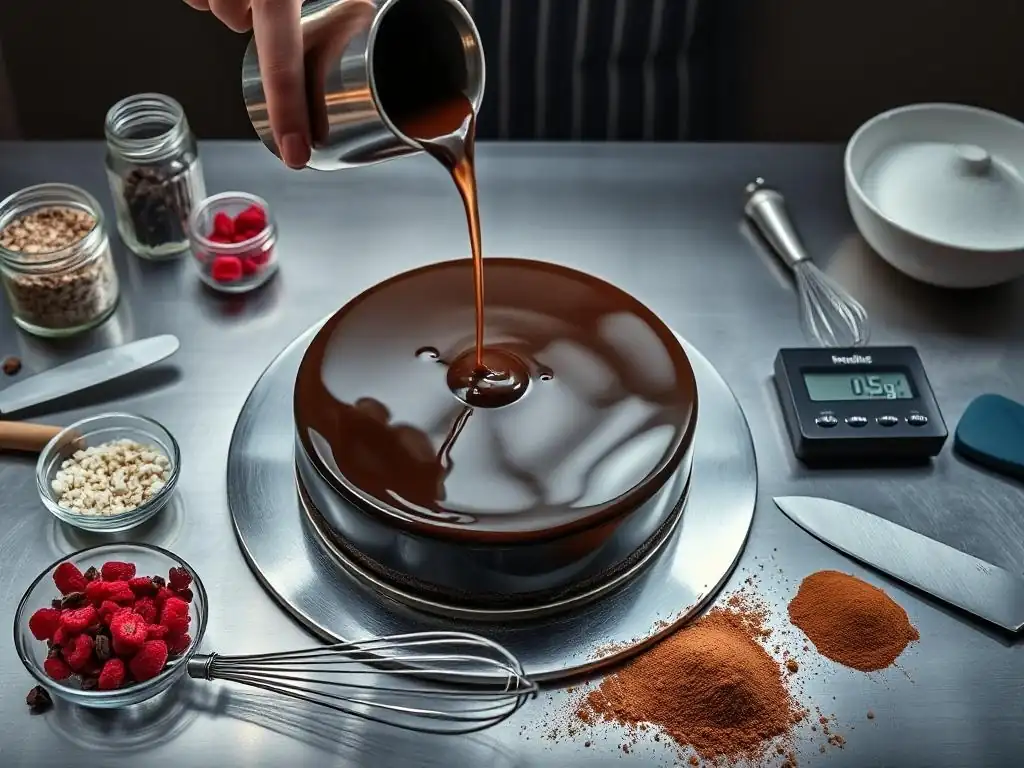
Fats: Shortening and Butter
Fats are powerhouse interfering agents in baking, primarily by inhibiting gluten development. When fat is incorporated into flour, it coats the protein particles, preventing them from absorbing water and forming the elastic gluten network. This is essential for creating tender baked goods like biscuits, scones, and cakes, where a delicate structure is desired rather than a chewy one.
Beyond gluten inhibition, fats also contribute to flakiness, especially when used in solid form and cut into doughs, as seen in pie crusts or puff pastry. As the fat melts during baking, it creates steam pockets that separate layers of dough. Different fats have different melting points and plasticities, influencing the final texture – butter provides flavor and flakiness, while shortening is often used for its ability to create very tender, crumbly textures and its higher melting point which can yield flakier results in certain applications.
Using Fats in Pie Crusts
Fat is the cornerstone of a flaky and tender pie crust, acting as a crucial interfering agent. When cold, solid pieces of fat (like butter or shortening) are cut into flour, they create small pockets within the dough. These pockets are surrounded by flour particles that have been partially coated by the fat, limiting gluten development. A typical ratio might involve using about half as much cold fat as flour by weight, say 1 part fat to 2 parts flour.
During baking, these cold fat pieces melt, and the water they contain turns to steam. This steam expands, pushing apart the layers of gluten-limited dough, creating distinct, flaky layers. The fat also shortens the gluten strands that do develop, contributing to tenderness. Using cold fat and handling the dough minimally are key techniques to maximize the interfering effect of the fat and ensure a light, flaky crust.
Sugars: Honey and Corn Syrup
Certain sugars, particularly those that contain or break down into monosaccharides like glucose and fructose, are excellent interfering agents in confectionery and baking. Sucrose (table sugar) readily crystallizes into large grains. However, glucose and fructose molecules are smaller and less likely to align into a crystalline structure. Honey is naturally high in fructose and glucose (often around 70-80% total sugars), while corn syrup is primarily glucose polymers.
When added to a sucrose-based mixture like fudge, caramel, or even ice cream, these invert sugars (glucose and fructose) physically get in the way of sucrose molecules trying to bond and form crystals. This interference keeps the texture smooth and prevents graininess. A small amount of corn syrup, perhaps 10-20% of the total sugar weight in a candy recipe, can be enough to prevent crystallization and maintain a smooth consistency.
Using Honey in Cakes
Incorporating honey into cake recipes serves multiple purposes, including acting as an interfering agent to improve tenderness and moisture retention. Honey's high proportion of fructose and glucose compared to sucrose disrupts the sugar crystallization that can occur in baked goods over time, which contributes to staling. These simple sugars also have hygroscopic properties, meaning they attract and hold onto water molecules.
This ability to retain moisture helps keep cakes soft and moist for longer periods compared to cakes made solely with sucrose. While honey adds distinct flavor, its sugar composition directly impacts the cake's texture, contributing to a finer crumb and extended shelf life. A recipe might substitute 25-50% of the granulated sugar with honey, adjusting liquid slightly due to honey's water content (around 18% water).
Acids: Lemon Juice and Vinegar
Acids like lemon juice, vinegar, or cream of tartar primarily act as interfering agents by promoting the hydrolysis of sucrose, a process known as inversion. When sucrose is heated in the presence of acid and water, it breaks down into its component monosaccharides: glucose and fructose. As discussed earlier, these invert sugars are effective at preventing the crystallization of sucrose.
This technique is commonly used in candy making to prevent graininess. Adding a tiny amount of acid, such as a quarter teaspoon of cream of tartar or a few drops of lemon juice per cup of sugar in a syrup or candy recipe, can prevent the sugar from seizing or becoming grainy. Acids also play a role in stabilizing protein foams, as seen in meringues, by helping to denature egg white proteins and create a stronger, more stable structure.
Using Lemon Juice in Meringue
While not preventing sugar crystallization in the same way as in candy, acid like lemon juice or cream of tartar acts as an interfering agent in meringue by stabilizing the whipped egg white foam. Egg whites contain proteins that denature (unfold) when whipped, forming a network that traps air bubbles. However, these proteins can bond too tightly or collapse, leading to an unstable foam.
Adding a small amount of acid, typically 1/8 to 1/4 teaspoon of cream of tartar or a teaspoon of lemon juice per cup of egg whites, helps denature the proteins in a controlled way and strengthens the protein network. The acid interferes with the protein bonds that would cause the foam to collapse, allowing the egg whites to whip up to greater volume and achieve stiffer, more stable peaks that hold their shape, essential for successful meringues.
Alcohol: Vodka and Rum
Alcohol can function as an interfering agent in specific baking applications, most notably in frozen desserts and some doughs. In ice cream, alcohol lowers the freezing point of the mixture more significantly than sugar does. This means the mix stays liquid at colder temperatures, slowing down the formation of large ice crystals during the freezing process.
In doughs like pie crusts, alcohol (often vodka) is sometimes used to replace a portion of the water. Since alcohol does not hydrate flour proteins to form gluten, using it instead of water limits gluten development. During baking, the alcohol evaporates, leaving behind a tender crust with less chewiness than one made with just water. Standard spirits like vodka or rum are typically around 40% alcohol by volume.
Using Vodka in Pie Dough
A clever application of alcohol as an interfering agent is in pie dough. Recipes sometimes call for replacing part of the cold water with cold vodka. The theory is that the alcohol, which makes up about 40% of standard vodka, does not hydrate the flour proteins. This means less gluten can form compared to using only water.
The remaining 60% water in the vodka is enough to bring the dough together, while the reduced gluten development results in a more tender crust. During baking, the alcohol evaporates completely, leaving no residual flavor but contributing to the desired flaky and tender texture. A common approach is to use half water and half vodka for the liquid component in a standard double-crust pie recipe.
Ice Cream Recipe Guide: A Practical Application
Achieving Smooth Ice Cream: Ingredients and Proportions
Creating truly smooth ice cream at home heavily relies on the careful balance of ingredients, each acting as an interfering agent against large ice crystal formation. Sugar content is critical; it not only provides sweetness but significantly lowers the freezing point, promoting smaller crystals. Aiming for a total sugar concentration of 15-20% by weight of the base is a common target for optimal texture and sweetness balance.
Fat, typically from dairy cream and milk, is another vital component. Fat globules interfere with ice crystal growth by coating them and inhibiting their ability to merge. A rich, smooth ice cream often contains between 14% and 18% milk fat. Ingredients like egg yolks (in custard bases) or commercial stabilizers (like guar gum or locust bean gum) also act as interfering agents by binding water and preventing it from forming large crystals, while also improving body and melt characteristics.
The Ideal Fat Content for Ice Cream
The fat content in ice cream is a major determinant of its smoothness and richness, acting as a key interfering agent. Milk fat specifically contributes to a creamy texture by coating ice crystals and air cells, preventing them from coalescing into larger formations. While legal definitions vary, "ice cream" in the U.S. must contain at least 10% milk fat. However, premium ice creams often boast 14-16%, or even up to 18%, fat content.
Higher fat levels generally correlate with a smoother, less icy texture and a richer mouthfeel. The fat also contributes to a slower, more pleasant melt. Conversely, low-fat or non-fat frozen desserts often rely more heavily on sugars, stabilizers, and rapid freezing to compensate for the lack of fat's interfering properties and achieve an acceptable texture, though they typically remain less smooth than their high-fat counterparts.
Step-by-Step Instructions for Making Ice Cream
Making smooth ice cream begins with preparing a well-balanced base. For a custard-style ice cream, this involves heating dairy (milk and cream) with sugar, tempering egg yolks with some of the hot mixture, and then combining and cooking the base gently until it thickens slightly, typically reaching around 160°F (71°C). This cooking step is crucial; it dissolves the sugar completely (preventing graininess) and cooks the egg yolks, which act as emulsifiers and stabilizers.
After cooking, the base must be chilled thoroughly. This is a critical step for achieving smooth ice cream, as churning a warm base will result in larger ice crystals. The base should be chilled to at least 40°F (4°C), and ideally closer to 35°F (2°C), before churning. An overnight chill in the refrigerator is often recommended to ensure it is sufficiently cold and allows the flavors to meld.
Churning Ice Cream: The Right Technique
Churning is the physical process that transforms the chilled ice cream base into a frozen dessert, and proper technique is vital for controlling ice crystal size. As the mixture freezes against the cold sides of the ice cream maker's bowl, the paddles continuously scrape off the small ice crystals as they form. This constant agitation prevents the crystals from growing large. Simultaneously, churning incorporates air into the mixture, contributing to a lighter texture and volume (known as overrun).
Churning should be done relatively quickly in a well-functioning, very cold machine. The goal is to freeze the mixture to a soft-serve consistency as rapidly as possible, typically within 20 to 30 minutes depending on the machine and base. Freezing speed is paramount; faster freezing yields smaller crystals. Once churned, the ice cream should be transferred to an airtight container and placed in the coldest part of the freezer for final hardening.
Incorporating Alcohol for Enhanced Smoothness
Adding a small amount of alcohol to your ice cream base is an effective trick for enhancing smoothness, particularly in bases that might otherwise be prone to iciness. Alcohol lowers the freezing point more significantly than sugar, meaning the mixture remains partially liquid at lower temperatures, thus hindering the formation of large ice crystals.
It's important to use alcohol judiciously, typically adding just 1 to 2 tablespoons of a spirit like vodka, rum, or liqueur per quart of ice cream base. Adding too much alcohol will prevent the ice cream from freezing properly, resulting in a slushy texture instead of scoopable ice cream. The alcohol should be added to the chilled base just before churning to ensure it is evenly distributed.
Troubleshooting Common Ice Cream Problems: Graininess and Icy Texture
Two common issues faced by home ice cream makers are graininess and an overly icy texture. Graininess can sometimes result from undissolved sugar, especially in non-custard bases, or from cooked proteins curdling if a custard base was overheated. Ensuring sugar is fully dissolved by gently heating the base or properly tempering and cooking a custard base can prevent this.
Icy texture, characterized by large, detectable ice crystals, is usually a result of slow freezing or an imbalance of interfering agents. This can happen if the base wasn't sufficiently chilled before churning, if the ice cream maker wasn't cold enough, if the churning took too long, or if the recipe has too little sugar, fat, or stabilizer relative to its water content. Poor storage, like repeated thawing and refreezing or not covering the surface adequately, also causes small crystals to melt and refreeze into larger ones.
Fixing Icy Ice Cream: Solutions and Prevention
Once ice cream has developed large ice crystals, it's difficult to return it to a perfectly smooth state. One potential "fix" is to allow the ice cream to soften slightly, then re-blend it in a food processor or blender until smooth, and re-freeze it rapidly. However, this often incorporates too much air and can change the texture significantly, sometimes making it gummy.
Prevention is the best approach to avoiding icy ice cream. Ensure your base recipe has adequate sugar (15-20% is a good range for many recipes) and fat (10-18% for dairy). Chill your base thoroughly before churning, ideally overnight.
Churn the ice cream in a properly frozen machine (for canister types, ensure the bowl is frozen solid for at least 24 hours) for the recommended time until it reaches a soft-serve consistency. Freeze the churned ice cream quickly in the coldest part of your freezer, and store it in an airtight container, pressing plastic wrap directly onto the surface before lidding to minimize exposure to air and moisture fluctuations.
Preventing Ice Crystal Formation: Best Practices
Preventing large ice crystal formation is the key to achieving smooth, creamy homemade ice cream. Start with a base rich in interfering agents: sufficient sugar (around 15-20% of the total weight) to lower the freezing point, adequate fat (10-18%) to coat crystals, and optionally, stabilizers like egg yolks or commercial gums to bind water. Ensure all sugar is completely dissolved in the base, usually by gently heating.
Chill the base thoroughly before churning – the colder it is, the faster it will freeze in the machine, leading to smaller crystals. Churn in a pre-chilled ice cream maker until it reaches a soft-serve consistency, typically within 20-30 minutes. Transfer the churned ice cream to an airtight container immediately and place it in the coldest part of your freezer for rapid hardening. Minimize temperature fluctuations during storage by keeping the container at the back of the freezer and ensuring it's tightly sealed, perhaps with plastic wrap pressed directly onto the surface of the ice cream.
Applying Interfering Agents in Other Baked Goods
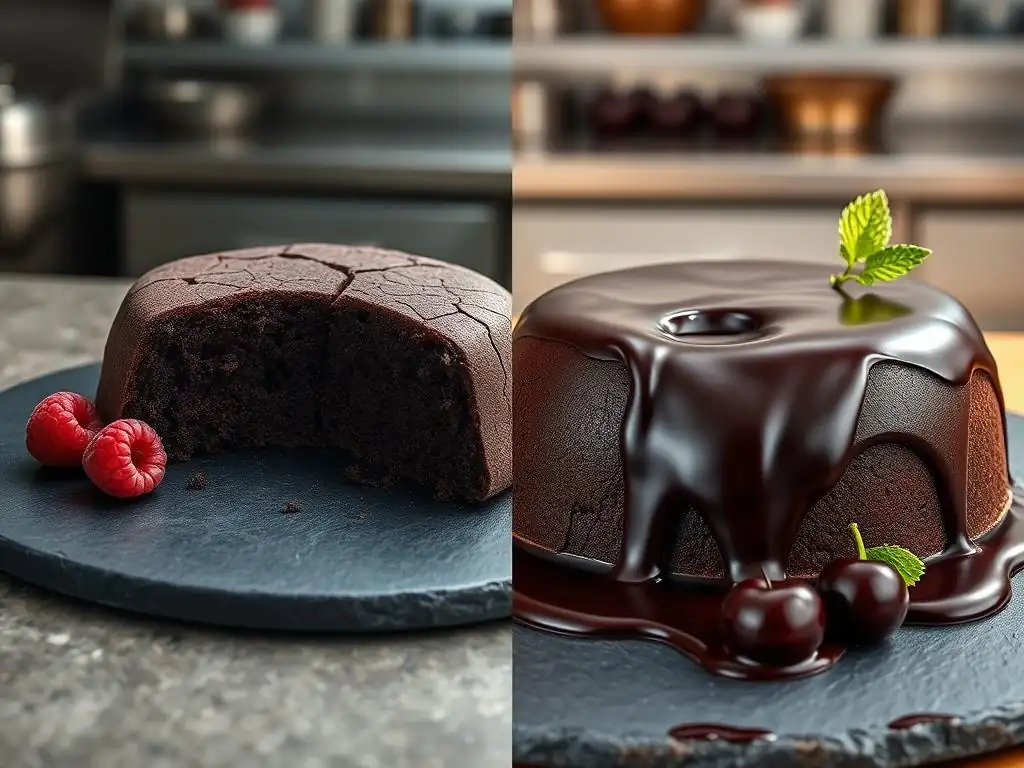
Cakes: Achieving a Tender Crumb
Interfering agents, primarily fats and sugars, are fundamental to creating cakes with a tender, soft crumb structure. In cake batters, fats like butter or oil interfere with gluten development by coating the flour particles, limiting their hydration and the formation of a strong gluten network. This results in a less chewy texture compared to bread. The amount and type of fat significantly impact tenderness; higher fat content generally leads to a more tender cake.
Sugar also acts as a tenderizer in cakes by competing with flour for water, further inhibiting gluten development. It also physically separates flour particles and contributes to a finer crumb structure. Furthermore, sugar raises the coagulation temperature of egg and flour proteins, allowing the cake to expand more before the structure sets, resulting in a softer, lighter texture. The creaming method, where fat and sugar are beaten together, is a technique that leverages the interfering properties of both ingredients simultaneously, incorporating air while coating flour particles for optimal tenderness.
The type and amount of interfering agents, mainly fats and sugars, dramatically influence the spread and final texture of cookies – whether they are crisp, chewy, or soft. Fat, particularly butter, affects spread; using cold, solid butter cut into the dough limits spread, while using melted butter encourages more spread because the fat is already liquid and coats flour particles more thoroughly from the start. The fat also interferes with gluten development, contributing to tenderness.
Sugar type and ratio play a significant role in texture. Granulated sugar promotes spread and crispness because it melts into a liquid during baking and then recrystallizes upon cooling. Brown sugar, which contains molasses, is more acidic and hygroscopic (moisture-attracting); it interferes with protein structure and retains moisture, resulting in chewier cookies with less spread. A higher ratio of sugar to flour generally leads to more spread and crispness, while a lower ratio produces thicker, softer cookies.
Breads: Enhancing Softness and Shelf Life
While gluten development is crucial for the structure of most breads, interfering agents like fats and sugars are often added to enriched doughs (like brioche, challah, or sandwich bread) to slightly limit gluten and enhance softness and shelf life. Fat, typically butter or oil, interferes with gluten formation by coating the flour proteins, resulting in a more tender crumb than lean doughs (which contain only flour, water, yeast, and salt).
Sugar in bread dough serves as food for yeast and contributes to crust browning, but it also acts as a tenderizer and humectant, helping the bread retain moisture. This interference with staling mechanisms helps extend the bread's shelf life, keeping it soft for longer. While these agents slightly compromise the strong gluten network desired in crusty artisan loaves, they are essential for achieving the soft, fine crumb characteristic of enriched or sandwich breads.
Advanced Techniques for Using Interfering Agents
Combining Interfering Agents for Optimal Results
Often, the most effective way to achieve a desired texture is by combining multiple interfering agents, leveraging their different mechanisms for a synergistic effect. In ice cream, for instance, sugar lowers the freezing point, fat coats crystals, and stabilizers bind water; using all three provides better control over ice crystal size than any one agent alone. A recipe might use a combination of sucrose and corn syrup to prevent sugar crystallization while also lowering the freezing point.
In cakes, the combination of fat and sugar is classic; fat coats flour to limit gluten, while sugar competes for water and tenderizes. Using both in appropriate ratios, often via techniques like creaming, maximizes their combined effect on crumb tenderness. Understanding how different agents interact allows bakers to fine-tune recipes for precise textural outcomes, whether preventing graininess in a smooth chocolate ganache or ensuring a perfectly tender cake crumb.
Adjusting Recipes Based on Altitude
Baking at high altitude (generally considered above 3,000 feet or about 900 meters) presents unique challenges due to lower atmospheric pressure. Liquids boil at lower temperatures, causing them to evaporate faster, and leavening gases expand more rapidly. These factors can lead to dry, dense, or collapsed baked goods. Adjusting interfering agents is often part of high-altitude recipe modification.
To compensate for increased evaporation, liquid ingredients are often increased slightly. Sugar, which acts as a tenderizer but can weaken structure, is sometimes decreased slightly at very high altitudes to prevent cakes from collapsing due to rapid leavening expansion before the structure sets. Leavening agents themselves might also be reduced. These adjustments help re-balance the recipe's structure, moisture, and tenderness, essentially recalibrating the effects of interfering agents under different pressure conditions.
Exploring Novel Interfering Agents
Beyond traditional fats, sugars, and acids, modern baking and confectionery utilize novel interfering agents, particularly hydrocolloids (gums) and modified starches. These ingredients are highly effective at binding water and modifying viscosity, which impacts texture and stability. Xanthan gum or guar gum, for example, are used in gluten-free baking to mimic some of the structural properties of gluten by creating a network that holds ingredients together and retains moisture.
In commercial ice cream and other desserts, stabilizers like carrageenan or locust bean gum are used in very small amounts (often less than 0.5% by weight) to prevent ice crystal growth, improve body, and create a smoother texture. Modified starches can alter the gelation properties of fillings and sauces, preventing syneresis (weeping) and maintaining a smooth consistency. Exploring these agents allows for greater control over texture, especially when developing recipes for specific dietary needs or extended shelf life.
Tips and Tricks for Baking with Interfering Agents
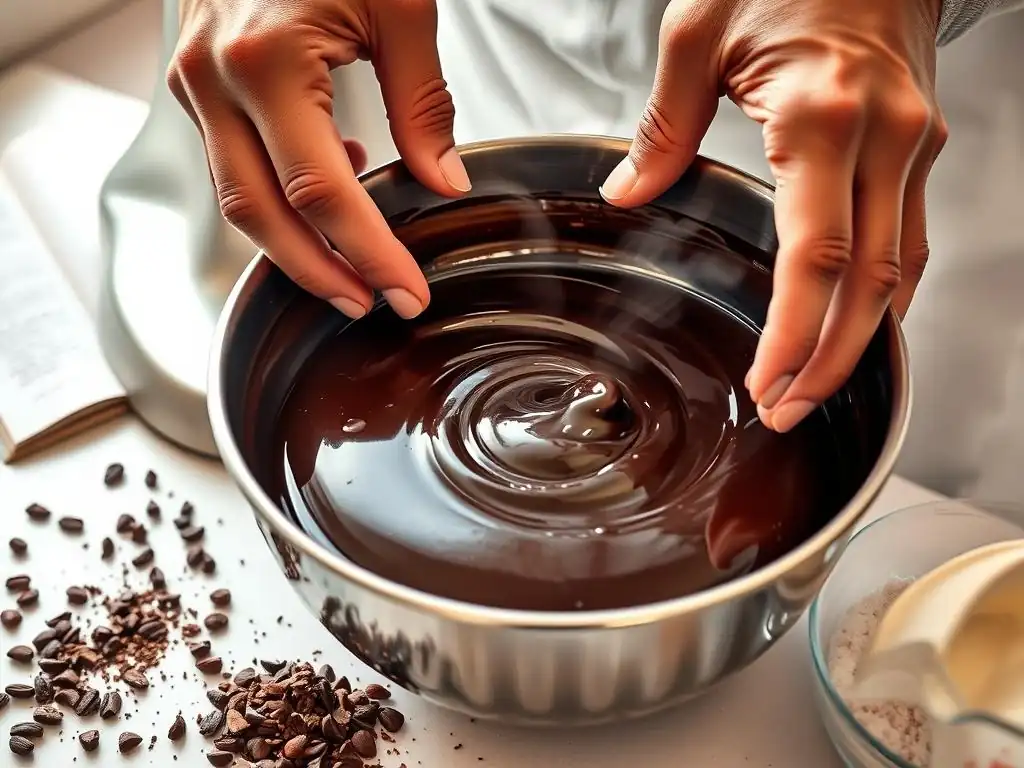
Measuring Interfering Agents Accurately
Precise measurement of interfering agents is crucial because their effectiveness often depends on specific ratios within a recipe. Too little sugar in ice cream might result in an icy texture, while too much can prevent it from freezing properly. In candy making, even a slight imbalance in the ratio of sucrose to interfering sugars like corn syrup can lead to premature crystallization and a grainy product.
Using a digital scale to weigh ingredients, especially flour, sugar, and fats, provides far greater accuracy than volume measurements (cups), which can vary significantly based on how ingredients are packed. For liquids like syrups or alcohol used as interfering agents, precise volume measurements with proper measuring tools are necessary. Attention to detail in measuring ensures the interfering agents are present in the correct proportions to perform their intended function effectively.
Storing Baked Goods Made with Interfering Agents
Proper storage is essential to maintain the texture achieved through the use of interfering agents. For baked goods like cakes or cookies, storing them in airtight containers minimizes exposure to air, which can cause them to dry out (losing the moisture retained by agents like sugar) or absorb excess moisture (altering crispness). High-sugar items tend to have a longer shelf life partly because sugar is hygroscopic and retains moisture, inhibiting microbial growth to some extent.
Ice cream requires careful storage to prevent the growth of large ice crystals after churning. It should be transferred to an airtight container immediately after churning and frozen quickly. To prevent surface iciness or freezer burn, press a layer of plastic wrap directly onto the surface of the ice cream before putting on the lid. Storing the container in the coldest part of the freezer, away from the door, helps maintain a consistent low temperature, minimizing temperature fluctuations that cause small crystals to melt and refreeze into larger ones.
Identifying Common Mistakes
Several common mistakes can undermine the effectiveness of interfering agents in baking and confectionery. One is insufficient chilling of mixtures before freezing or churning, as seen with ice cream bases or cookie doughs; insufficient coldness allows more time for large crystals to form or fat to melt prematurely. Another mistake is overmixing doughs or batters that contain interfering agents meant to limit gluten development, such as cake batter or pie dough; excessive mixing can overcome the fat's interference and develop toughness.
In candy making, stirring mixtures at the wrong temperature can induce premature crystallization, even if interfering sugars are present; syrups are often heated without stirring until they reach a specific temperature, then handled carefully. Using incorrect ratios of interfering agents is also a frequent error – too little sugar in candy or ice cream, or too little fat in a pie crust, will fail to provide the desired interference, resulting in grainy or tough textures.
Conclusion: Mastering Texture with Interfering Agents
Understanding and correctly utilizing interfering agents is a fundamental aspect of mastering baking and confectionery. These remarkable ingredients, from common fats and sugars to acids and alcohol, work behind the scenes to prevent unwanted crystallization in sweets and frozen desserts, ensuring a delightfully smooth texture. They also play a crucial role in controlling gluten development in baked goods, contributing to the tenderness of cakes, cookies, and enriched breads.
By learning how agents like fats interfere with gluten in pie crusts, how sugars prevent graininess in candies and ice cream, or how acids stabilize meringues, bakers gain precise control over the final texture of their creations. Paying attention to accurate measurement, proper technique, and appropriate storage further ensures that the desired textural outcomes are achieved and maintained. Experimenting with these principles will empower you to consistently produce baked goods and confections with the perfect smooth or tender finish.
Frequently Asked Questions
What are interfering agents, and why are they important in baking?
Interfering agents are substances added to recipes to control crystal formation, preventing a grainy texture. They are particularly crucial for achieving a smooth and desirable consistency in confections like chocolate ganache.
How do interfering agents contribute to a smooth chocolate ganache?
By interfering with the crystallization of sugar or fat, these agents prevent the formation of large crystals. This results in a smooth, velvety texture rather than a grainy one in your chocolate ganache.
What are some common examples of interfering agents used in ganache recipes?
Common examples include ingredients like glucose syrup, corn syrup, honey, or butter. These substances effectively disrupt the crystal formation process, leading to a smoother final product.
Can I use different types of interfering agents interchangeably in a ganache recipe?
While some interchangeability exists, it's essential to understand how each agent affects the final taste and texture. Experimentation is key, but always consider the sweetness and fat content of each substitute.
Where can I find a reliable "smooth chocolate ganache recipe guide" that incorporates these techniques?
BakeWithEase.com offers a detailed "smooth chocolate ganache recipe guide" that explains how to use interfering agents for optimal results. The guide includes step-by-step instructions and tips for consistent and delicious ganache.
Final Reflection: The Pursuit of Ganache Perfection
The quest for the flawlessly smooth ganache remains a crucial pursuit for bakers everywhere, impacting not only the aesthetic appeal of their creations but also the overall sensory experience. A perfectly smooth ganache elevates a simple cake to a masterpiece, transforming a humble brownie into a decadent delight. The techniques outlined in this guide, from precise temperature control to the careful selection of ingredients, are not mere technicalities; they are the keys to unlocking a level of confectionery artistry that delights both the eye and the palate.
The journey towards mastering ganache is a microcosm of the broader creative process – a testament to the power of patience, precision, and a deep understanding of the ingredients at hand. It's a journey I've personally undertaken countless times, learning from both successes and failures. The subtle nuances, the unexpected challenges, and the ultimate satisfaction of achieving that mirror-like sheen are all part of the magic. As Julia Child once wisely said, Don't be afraid to experiment. To err is human; to forgive, divine. But to learn from your mistakes is truly divine.
This sentiment perfectly encapsulates the spirit of ganache-making, and indeed, of all culinary endeavors.
Now, it's your turn. Take the knowledge gleaned from this guide, experiment with different techniques, and most importantly, don't be afraid to fail. Each attempt, each slightly imperfect ganache, brings you closer to mastering this elegant confection. Embrace the process, savor the journey, and soon, you'll be creating ganaches so smooth, so rich, so utterly divine, that they'll leave a lasting impression on every palate they grace. The pursuit of perfection is a rewarding one; embark on it with confidence and a whisk in hand.
Unleash Your Inner Pastry Chef!
Thanks for taking the time to explore the world of interfering agents with us! We hope you now feel more confident in creating flawlessly smooth confections. Ready to put your newfound knowledge into practice?
- Try a new recipe: Challenge yourself by incorporating an interfering agent into a favorite recipe. See how it transforms the texture and consistency!
- Share your baking triumphs (or even your baking mishaps!): We'd love to see your creations and hear your stories on our BakeWithEase community forum (link to forum removed per instructions).
- Experiment with different agents: Don't be afraid to explore the diverse world of interfering agents – each one offers unique properties to perfect your baking.
What exciting confection will you create next, now armed with your new skills?