
The pH Factor: How Acidity and Alkalinity Affect Maillard Browning

Welcome to BakeWithEase, your haven for unlocking baking brilliance! Ever wondered how seemingly minor adjustments can dramatically impact your baked goods? Get ready to delve into the fascinating world of pH and its crucial role in the Maillard reaction. Discover how understanding acidity and alkalinity can revolutionize your recipes and achieve that perfect, golden-brown crust. Prepare to elevate your baking game with this essential deep dive!
- Understanding Caramelization and the Maillard Reaction in Baking
- The Science of Browning in Baked Goods
- pH's Influence on Browning Reactions
- Impact of pH on Caramelization
- Impact of pH on the Maillard Reaction
- Acids in Baking: Enhancing Flavor and Affecting Browning
- Alkalines in Baking: Promoting Browning and Texture
- Optimizing pH for Desired Browning and Flavor
- Troubleshooting Browning Problems Related to pH
- The Role of Buffers in Baking
- Further Exploration of Browning Reactions
-
Frequently Asked Questions
- What is the Maillard reaction, and why is it important in baking?
- How does pH affect the Maillard reaction?
- What ingredients can I use to adjust the pH of my baking recipes?
- How does adjusting the pH impact the final product besides browning?
- Can I manipulate the pH of my dough or batter to control the extent of browning in my recipe?
- Final Reflection: The Sweet Science of pH and Baking
- Unlock the Secrets of Golden-Brown Perfection!
Understanding Caramelization and the Maillard Reaction in Baking
The Science of Browning in Baked Goods
Caramelization: Sugars Breaking Down Under Heat
Caramelization is a complex process involving the thermal decomposition of sugars. It occurs when sugars are heated to high temperatures, typically above 160°C (320°F), without the presence of proteins. This non-enzymatic browning reaction involves various chemical transformations, including dehydration, fragmentation, and polymerization of sugar molecules.
As these reactions proceed, hundreds of new compounds are formed, which are responsible for the characteristic brown color and the complex nutty, sweet, and slightly bitter flavors associated with caramel. The specific temperature at which caramelization begins varies depending on the type of sugar; for instance, fructose caramelizes around 110°C (230°F), while sucrose (table sugar) requires about 160°C (320°F), and maltose needs roughly 180°C (356°F).
The process of caramelization is distinct from the Maillard reaction primarily because it involves only sugars and requires higher temperatures. As sugars are heated, they first melt and then begin to brown. This browning is a cascade of reactions starting with the inversion of sucrose into glucose and fructose (if sucrose is present), followed by the breakdown of these monosaccharides.
Intermediate products like hydroxymethylfurfural (HMF) are formed, which then polymerize to create the brown melanoidin pigments. Controlling the temperature and time is crucial, as exceeding the optimal point can lead to excessive bitterness or burning. For example, making caramel sauce involves carefully heating sugar and sometimes water to a specific temperature range, typically between 160°C and 175°C (320°F and 347°F), to achieve the desired color and flavor profile before halting the reaction, often by adding cream or butter.
The Maillard Reaction: Amino Acids and Reducing Sugars Interacting
The Maillard reaction, often called the "browning reaction," is a complex series of chemical reactions that occur between amino acids (the building blocks of proteins) and reducing sugars when heated. Unlike caramelization, it typically begins at lower temperatures, starting noticeably around 140°C (284°F), though it can occur slowly at room temperature over time (think of how onions sweeten and brown slowly when sautéed over low heat).
This reaction is responsible for the desirable flavors, aromas, and colors found in a vast array of cooked and baked foods, such as the crust of bread, seared meat, roasted coffee beans, and toasted marshmallows. It is significantly more complex than caramelization, producing thousands of different flavor compounds, including pyrazines (nutty, roasted), furans (sweet, caramel-like), and thiophenes (meaty).
The initial step of the Maillard reaction involves the carbonyl group of a reducing sugar reacting with the amino group of an amino acid or protein, forming a glycosylamine. This unstable compound quickly rearranges into an Amadori product (or Heyns product with ketoses). These intermediate products then undergo further complex transformations, including dehydration, fragmentation, and polymerization, leading to the formation of volatile aroma compounds and brown pigments called melanoidins.
The type of amino acid and reducing sugar involved significantly influences the specific flavor and aroma compounds produced. For instance, proline and hydroxyproline contribute to the characteristic crust color of bread, while cysteine contributes sulfurous notes. Understanding the Maillard reaction pH baking principles is crucial for controlling these outcomes.
Key Differences Between Caramelization and the Maillard Reaction
While both caramelization and the Maillard reaction are non-enzymatic browning processes that contribute significantly to the color and flavor of baked goods, they are fundamentally different chemical events. The most critical distinction lies in the reactants involved: caramelization involves only sugars heated to high temperatures (typically 160°C+), whereas the Maillard reaction involves amino acids and reducing sugars reacting at generally lower temperatures (starting around 140°C). This means that while both reactions can occur simultaneously in many baked goods (like bread crust, which contains both sugars and proteins), they are separate processes.
Another significant difference is the range of flavor compounds produced. Caramelization primarily yields sweet, nutty, and sometimes bitter notes derived solely from sugar breakdown. The Maillard reaction, however, generates a much wider and more complex spectrum of flavors and aromas, including meaty, roasted, malty, and bready notes, due to the vast number of possible combinations between different amino acids and reducing sugars.
Furthermore, the conditions under which these reactions proceed differ, particularly regarding pH and water activity. The Maillard reaction is highly sensitive to pH and proceeds much faster in alkaline conditions, while caramelization is less affected by pH within the typical range found in baked goods but is inhibited by the presence of water. Understanding these key differences helps bakers manipulate ingredients and conditions to achieve desired browning and flavor profiles in their recipes.
pH's Influence on Browning Reactions
Defining pH in Baking: Acidity and Alkalinity
pH is a scale used to measure the acidity or alkalinity of a substance. It ranges from 0 to 14, with 7 being neutral. Substances with a pH below 7 are acidic, meaning they have a higher concentration of hydrogen ions (H+).
Examples in baking include lemon juice (pH ~2-2.5), vinegar (pH ~2.4-3.4), yogurt (pH ~4.4-4.8), and buttermilk (pH ~4.5-4.8). Substances with a pH above 7 are alkaline (or basic), meaning they have a lower concentration of hydrogen ions and a higher concentration of hydroxide ions (OH-). Common alkaline ingredients in baking are baking soda (sodium bicarbonate), which in solution has a pH of about 8-9, and baking powder, which contains baking soda and acids.
In the context of baking, the pH of dough or batter significantly impacts various aspects, including leavening, gluten development, flavor, color, and crucially, the rate and outcome of browning reactions like the Maillard reaction and, to a lesser extent, caramelization. The overall pH of a recipe is determined by the combination of its ingredients.
For example, adding acidic ingredients like sourdough starter (pH ~4-4.5) or buttermilk will lower the pH of the final mix, while adding baking soda without sufficient acid to neutralize it will raise the pH. Understanding and controlling the pH baking environment is a powerful tool for bakers seeking to optimize their results.
How pH Affects Chemical Reactions in Dough and Batter
The pH level of a baking mixture acts as a critical environmental factor that influences the speed and pathways of many chemical reactions, including the non-enzymatic browning reactions. Chemical reactions often involve the transfer or sharing of ions, and the concentration of hydrogen and hydroxide ions (which pH measures) directly affects the availability of reactive sites on molecules like sugars and amino acids.
For instance, in the Maillard reaction, the reactivity of amino groups on amino acids is significantly enhanced in slightly alkaline conditions because the amino group is more likely to be in its deprotonated, highly reactive form (-NH2) rather than its protonated form (-NH3+) which is less reactive.
Conversely, in acidic conditions (low pH), amino groups tend to be protonated (-NH3+), making them less available to react with the carbonyl groups of reducing sugars. This slows down or even inhibits the initial steps of the Maillard reaction. While caramelization is less directly affected by pH in the typical baking range, extremely acidic or alkaline conditions can influence the rate of sugar breakdown.
Very low pH can promote the hydrolysis of sucrose into glucose and fructose, which caramelize at lower temperatures, potentially initiating browning sooner. Very high pH can lead to undesirable bitter flavors during caramelization. Therefore, managing the pH baking Maillard browning process is essential for controlling both the speed of browning and the specific flavor compounds that develop.
Measuring pH in Baking: Methods and Tools
For home bakers, precisely measuring pH in a dough or batter can be challenging, but understanding the principle helps predict ingredient interactions. The most accurate method involves using a pH meter, which uses an electrode to measure the voltage difference in the solution, converting it to a pH reading. These meters require calibration and careful handling, especially when dealing with thick, semi-solid mixtures like dough.
A simpler, though less precise, method is using pH indicator strips or papers, which change color when dipped into a liquid or moist sample, indicating a pH range. However, these can be difficult to read accurately in colored or opaque mixtures.
While professional bakeries might use pH meters for quality control, most home bakers rely on recipe formulation and understanding the inherent pH of their ingredients. Knowing that adding lemon juice makes a batter more acidic or that adding baking soda makes it more alkaline allows bakers to manipulate the pH indirectly. For example, a recipe calling for buttermilk knows its acidity will interact with baking soda for leavening and influence browning.
Similarly, a sourdough bread recipe will have a lower pH than a commercial yeast bread, impacting its Maillard browning characteristics. Practical pH baking knowledge comes from understanding ingredient properties and observing their effects in recipes.
Impact of pH on Caramelization
How Acidity and Alkalinity Influence Caramelization Rate
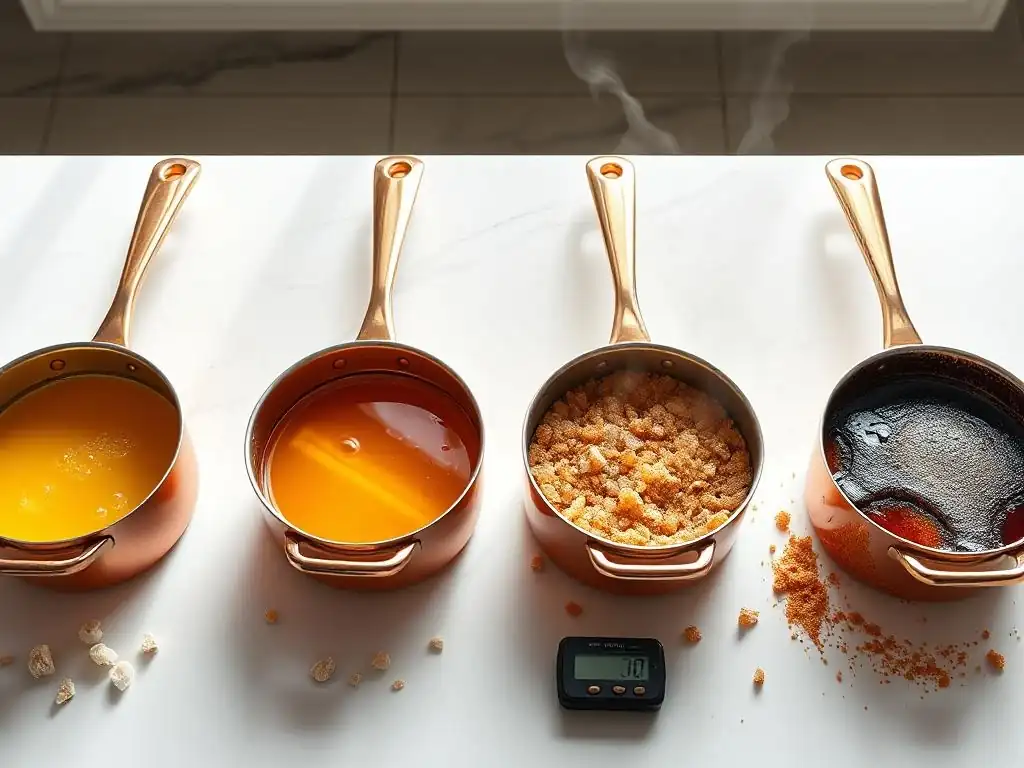
Caramelization, the browning of sugars, is primarily driven by heat and the type of sugar present, but pH does have some influence, particularly at the extreme ends of the scale or when sucrose is the primary sugar. In highly acidic conditions (pH below 3), the hydrolysis of sucrose into glucose and fructose is accelerated.
Since glucose and fructose caramelize at slightly lower temperatures than sucrose, this can potentially initiate the browning process at a marginally lower overall temperature or speed it up once the caramelization temperature is reached. For example, adding a tiny amount of lemon juice to a pure sugar syrup being heated can help prevent recrystallization and might slightly influence the rate at which browning begins due to sucrose inversion.
Conversely, in highly alkaline conditions (pH above 9), caramelization can also be affected, though often negatively in terms of flavor. While alkalinity doesn't necessarily speed up the initial browning of monosaccharides as dramatically as acid affects sucrose, it can promote the formation of bitter compounds and lead to darker colors very quickly once temperatures are high enough for caramelization.
Within the typical pH range of most baked goods (around pH 5 to 8), the influence of pH on the rate of caramelization is generally less significant compared to its profound effect on the Maillard reaction. The primary driver remains the temperature and the presence of sugars.
The Effect of pH on Caramel Flavor Development
Beyond the rate, pH can also subtly influence the flavor profile developed during caramelization. As mentioned, acidic conditions can lead to the breakdown of sucrose into its constituent monosaccharides before significant heating occurs, which might slightly alter the balance of flavor compounds produced compared to caramelizing pure sucrose. However, the most noticeable impact of pH on caramel flavor occurs at higher pH levels.
Caramel produced in alkaline conditions tends to develop more intense, sometimes harsher, and potentially bitter flavors more rapidly. This is because alkalinity can favor certain degradation pathways of sugars that lead to compounds associated with bitterness. While some slight bitterness is desirable in dark caramel, excessive alkalinity can make the caramel unpleasantly sharp or acrid.
For most applications requiring a smooth, balanced caramel flavor, a neutral to slightly acidic environment is preferred, allowing the complex sweet and nutty flavors to develop without being overshadowed by bitterness. The subtle nuances of caramel flavor are highly dependent on precise temperature control and, to a lesser extent, the pH baking environment during the process.
Examples of Caramelized Products Affected by pH
While the Maillard reaction is far more sensitive to pH, we can see the subtle effects of pH on caramelization in specific contexts. One example is traditional caramel making. Recipes sometimes include a small amount of acid (like cream of tartar or lemon juice) when caramelizing sucrose to help prevent crystallization, and this acidity might also slightly influence the initial stages of sugar breakdown, contributing to a smoother flavor profile. However, the effect is often secondary to temperature control.
A more indirect example in baking might be seen when comparing the browning of a pastry dough with minimal protein but significant sugar (like a very sweet shortcrust or certain cookie doughs) baked at high temperatures. While the primary browning might be caramelization, if the dough contains ingredients that significantly alter the pH (e.g., a large amount of baking soda without acid, leading to a high pH), the resulting caramelized notes might lean towards increased bitterness or a darker color than expected for the temperature and time, even if the Maillard reaction is minimal due to low protein content.
However, it's critical to remember that in most baked goods containing both sugar and protein, the Maillard reaction dominates the browning process, and its sensitivity to pH is much more pronounced than that of caramelization.
Impact of pH on the Maillard Reaction
How Acidity and Alkalinity Influence Maillard Reaction Rate
The Maillard reaction is profoundly sensitive to pH, making it a critical factor in controlling browning and flavor development in baking. The reaction proceeds much more rapidly in alkaline conditions (higher pH) than in acidic conditions (lower pH). This is primarily because the availability of the reactive amino groups on amino acids is significantly higher at alkaline pH levels. At pH levels above neutral (pH 7+), amino groups are largely deprotonated (-NH2), making them free to attack the carbonyl groups of reducing sugars and initiate the reaction cascade.
As the pH decreases into the acidic range (below pH 6), more and more amino groups become protonated (-NH3+). This positive charge prevents or hinders their reaction with the sugar molecules, effectively slowing down or even inhibiting the initial steps of the Maillard reaction. For instance, at a pH of around 5-6, the reaction proceeds at a moderate pace, contributing to the golden-brown crust of standard bread.
However, at a pH below 4, the Maillard reaction is significantly inhibited. This is why acidic foods like fruit tarts or lemon cakes tend to brown less readily than neutral or slightly alkaline baked goods unless high temperatures are used to encourage some caramelization or the Maillard reaction over extended periods. Understanding the relationship between pH baking and Maillard browning rate is key to achieving desired crust color and flavor.
The Effect of pH on Maillard Reaction Flavor Development
Beyond just the rate of browning, pH also steers the Maillard reaction down different pathways, leading to the formation of distinct flavor and aroma compounds. Alkaline conditions (higher pH) tend to favor the formation of more intense, often more "roasted," "savory," or even slightly "soapy" flavors and darker pigments (melanoidins). This is because different intermediate compounds and subsequent reactions are favored at higher pH levels, leading to a different profile of volatile flavor molecules.
Conversely, acidic conditions (lower pH) tend to slow the reaction but also favor pathways that produce different types of flavor compounds, often described as more "bready," "malty," or "caramel-like" (confusingly, some Maillard compounds can mimic caramel flavors). While strong acidity inhibits the reaction overall, mild acidity can still allow it to proceed, albeit slower, resulting in a different balance of flavor compounds.
This is why a sourdough bread (acidic) develops a different crust flavor profile compared to a standard white loaf (closer to neutral pH). Controlling the pH baking Maillard browning reaction is thus a powerful lever for manipulating the flavor complexity of baked goods.
Examples of Baked Goods Where the Maillard Reaction is Affected by pH
Numerous baked goods illustrate the impact of pH on the Maillard reaction. One classic example is pretzels. To achieve their characteristic deep brown color and unique flavor, pretzels are traditionally dipped in an alkaline solution, often lye (sodium hydroxide) or baking soda solution, before baking. This high surface pH (around 8-11 depending on the solution) dramatically accelerates the Maillard reaction during baking, resulting in a much darker crust and a distinct, intense flavor compared to a bread baked without this alkaline treatment.
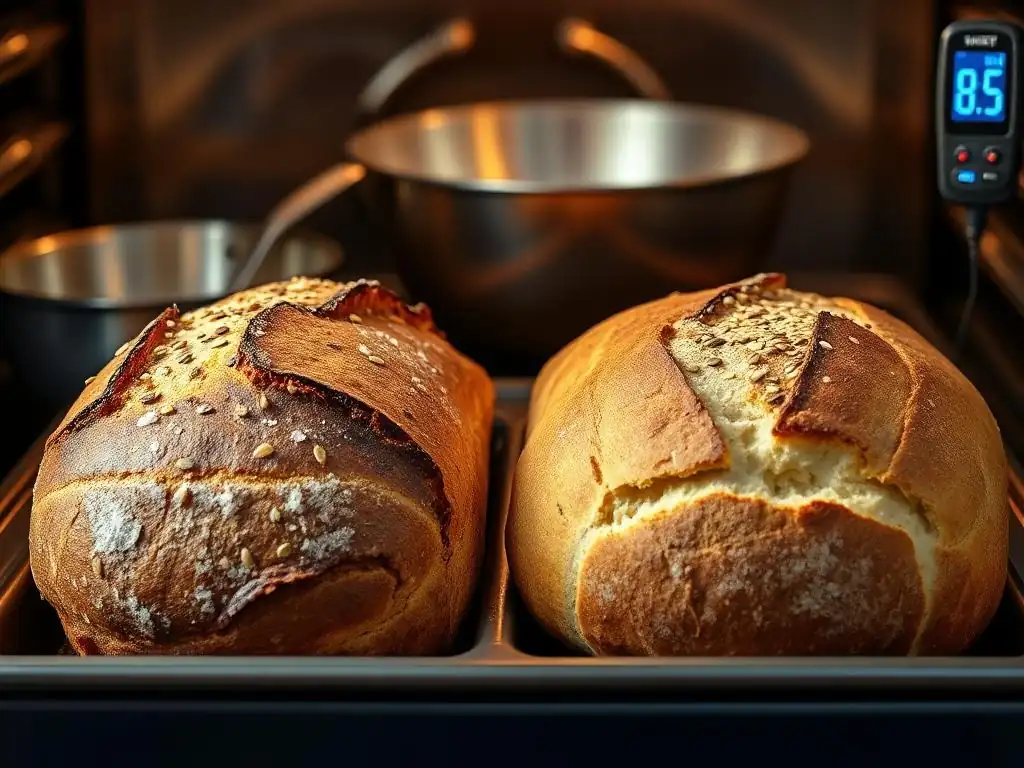
Another clear example is the difference in crust browning between standard yeast bread and sourdough bread. Standard yeast bread dough typically has a pH between 5 and 6. Sourdough bread, due to the lactic and acetic acids produced by the starter, has a lower pH, often between 4 and 4.5.
This lower pH slows down the Maillard reaction considerably. Consequently, sourdough bread crusts tend to be lighter in color than standard loaves baked at the same temperature and time, and they develop a different, less intensely "roasted" Maillard flavor profile, complementing their characteristic tang. These examples highlight how manipulating pH in baking significantly impacts Maillard browning and the final product's sensory qualities.
Acids in Baking: Enhancing Flavor and Affecting Browning
Using Acidic Ingredients: Yogurt, Buttermilk, and Sourdough
Acidic ingredients are commonly used in baking for various purposes, including leavening when combined with baking soda, tenderizing gluten, and adding distinct flavors. Examples include cultured dairy products like yogurt and buttermilk, citrus juices like lemon juice, vinegar, brown sugar (which is slightly acidic), and perhaps most notably, sourdough starter. Yogurt and buttermilk, with pH levels typically between 4.4 and 4.8, provide acidity that reacts with baking soda to produce carbon dioxide, contributing to rise. They also add moisture and a pleasant tang.
Lemon juice and vinegar (pH ~2.4-3.4) are stronger acids often used in smaller quantities to provide leavening with baking soda, prevent oxidation (like browning of cut fruit), or add a sharp note. Sourdough starter, a fermented mixture of flour and water, contains lactic and acetic acids, giving it a pH usually between 4 and 4.5.
This acidity is crucial for its role in leavening and flavor development in sourdough bread. The presence of these acidic ingredients inherently lowers the overall pH of the dough or batter, which, as discussed, has a direct impact on the rate of the Maillard reaction, slowing it down and influencing the types of flavor compounds that form during baking.
How Acids Impact Gluten Development and Texture
Beyond their role in leavening and flavor, acids in baking also significantly affect gluten development, which in turn influences the texture of baked goods. Gluten, the protein network formed when gliadin and glutenin in flour are hydrated and mixed, provides structure and elasticity to dough. Gluten development is optimal in a slightly acidic to neutral environment (around pH 5-6).
Highly acidic conditions (pH below 4) can weaken the gluten network. The positive charges from excess hydrogen ions interfere with the proper formation and cross-linking of gluten strands, leading to a less elastic and weaker dough. This can result in a finer, more tender crumb structure in cakes and muffins, which is often desirable.
However, in bread baking, excessive acidity can hinder the development of a strong gluten network necessary for good volume and structure, though the controlled acidity of sourdough is key to its unique texture and crust. The interaction between pH baking and gluten is a delicate balance that bakers manipulate to achieve specific textural outcomes.
Recipes Utilizing Acidity: Sourdough Bread
Sourdough bread is a prime example of a recipe where acidity is not just present but is a fundamental component influencing flavor, texture, and browning. The sourdough starter, a living culture of wild yeasts and lactic acid bacteria, ferments flour and water, producing lactic and acetic acids. These acids lower the dough's pH, typically into the 4.0-4.5 range. This lower pH environment shapes the final loaf in several ways.
Firstly, the acidity contributes the characteristic tangy flavor of sourdough. Secondly, it impacts the gluten network, resulting in a different crumb structure – often more open and irregular compared to commercial yeast breads. Thirdly, and relevant to our topic, the low pH significantly slows down the Maillard reaction during baking.
This means a sourdough crust, while still undergoing browning, will likely be lighter in color than a standard white bread baked at the same temperature and time. The Maillard flavors that do develop will also be different, contributing to the overall complex aroma profile unique to sourdough. Mastering a sourdough pH baking process involves understanding how the starter's acidity affects every stage, including the final crust color and flavor.
Alkalines in Baking: Promoting Browning and Texture
Using Alkaline Ingredients: Baking Soda and its Role
Alkaline ingredients are essential in many baked goods, primarily for leavening and their significant impact on browning and texture. The most common alkaline ingredient is baking soda (sodium bicarbonate, NaHCO3), a pure alkaline chemical compound. Baking soda requires an acid to produce carbon dioxide gas for leavening; the reaction occurs immediately when wet ingredients are combined. Recipes using baking soda often contain acidic components like buttermilk, yogurt, brown sugar, honey, molasses, or vinegar.
When baking soda is used without sufficient acid to neutralize it, the remaining unreacted baking soda raises the pH of the batter or dough. This is often done intentionally to influence color and flavor. For example, adding a small amount of baking soda to chocolate cake batter, which is naturally acidic from cocoa powder, helps neutralize some acidity, allowing the cake to rise better and also promoting a darker, richer brown color through enhanced Maillard reactions. Understanding the role of baking soda and other alkalis in raising the pH baking environment is key to achieving specific results.
How Alkalines Impact Crumb Structure and Color
Alkaline conditions (higher pH) in baking have several effects on crumb structure and color. Regarding leavening, the reaction between baking soda and acid produces carbon dioxide, creating air pockets and contributing to the rise and openness of the crumb. If there is residual alkalinity (more baking soda than needed to react with the acid), it can lead to a slightly soapy or bitter flavor in the final product.
Crucially, alkaline conditions dramatically accelerate the Maillard reaction. This leads to faster and more intense browning of the crust and crumb (if visible). The higher pH favors the formation of darker melanoidin pigments, resulting in richer brown colors.
This is why baked goods made with excess baking soda or those intentionally treated with an alkaline solution brown so readily and deeply. The enhanced Maillard reaction at higher pH also influences the flavor profile, often contributing more robust, roasted, or savory notes compared to goods baked at a lower pH. The control of pH baking through alkaline ingredients is a direct method to manipulate color and flavor intensity.
Recipes Utilizing Alkalinity: Pretzels
Pretzels are a quintessential example of a baked good that leverages alkalinity to achieve its signature appearance and flavor. Traditional pretzel recipes involve dipping the formed dough briefly into a hot solution of food-grade lye (sodium hydroxide), which is highly alkaline (pH 10-11 or even higher depending on concentration). This creates a very high pH environment on the surface of the dough.
When the lye-dipped pretzels are baked at high temperatures (often around 200-230°C or 400-450°F), the extremely alkaline surface accelerates the Maillard reaction to an incredible degree. This results in the rapid formation of a deep, dark brown crust during the relatively short baking time. The high pH also favors the development of specific Maillard compounds that give pretzels their unique, slightly 'alkaline' or 'roasted' flavor profile, distinct from standard bread.
While home bakers often use a less hazardous baking soda solution (pH 8-9) for a similar, though less intense, effect, the principle remains the same: intentional alkalinity is used to promote intense Maillard browning. This highlights the power of pH baking to define a product's identity.
Optimizing pH for Desired Browning and Flavor
Adjusting pH Levels: Techniques and Considerations
Optimizing pH in baking involves intentionally manipulating the acidity or alkalinity of your dough or batter to achieve specific outcomes for browning, flavor, and texture. The primary way to adjust pH is by selecting and balancing ingredients. Adding acidic ingredients like lemon juice, vinegar, buttermilk, yogurt, or increasing the proportion of sourdough starter will lower the pH. Adding alkaline ingredients like baking soda (without sufficient acid to react with it) will raise the pH.
Considerations when adjusting pH include understanding the inherent pH of your core ingredients (flour, dairy, sweeteners) and how they interact. For instance, cocoa powder is acidic, while Dutch-processed cocoa powder is alkalized (treated to raise its pH). Using one over the other will significantly impact the batter's pH.
When using baking soda for leavening, ensure the correct balance of acid is present; excess baking soda creates residual alkalinity and a high pH. For targeted browning effects like pretzels, external alkaline washes are used. Adjusting pH requires careful recipe development and understanding the chemical properties of your ingredients to predict the outcome of the pH baking process.
Balancing Acidity and Alkalinity: Achieving the Perfect Result
Achieving the "perfect" result in baking often involves balancing acidity and alkalinity, whether for leavening, flavor, or browning. In many recipes, baking soda is paired with an acid for leavening. The goal is often to use just enough acid to react with the baking soda to produce carbon dioxide, leaving the final pH close to neutral or slightly acidic, depending on other ingredients. For example, a standard muffin recipe using baking soda and buttermilk aims for efficient rise without residual soapy flavor.
However, sometimes a specific pH is desired for its effect on flavor or browning. As we've seen, a lower pH is critical for the sourdough flavor and texture, while a higher surface pH is essential for pretzel browning. Balancing involves deciding if the primary goal is leavening (requiring acid+alkali balance), a specific flavor profile (which might lean acidic or alkaline), or intense browning (often requiring alkalinity). Understanding how different ingredients shift the pH baking scale allows bakers to make informed choices to achieve their desired balance.
The Interplay of pH, Temperature, and Time in Baking
Browning reactions, particularly the Maillard reaction, are not solely controlled by pH; they are a complex interplay of pH, temperature, and time. While pH dictates the rate at which the reaction can occur (faster at higher pH, slower at lower pH), temperature provides the energy for the reaction to happen at all. The Maillard reaction typically requires temperatures of at least 140°C (284°F) to proceed at a noticeable speed, regardless of pH.
Time is the third critical factor. Even at a favorable pH and temperature, the browning reactions take time to develop color and flavor compounds. A dough with a lower pH might need to be baked longer or at a slightly higher temperature (while being careful not to burn) to achieve a similar level of browning as a higher pH dough.
Conversely, a high pH dough will brown very quickly and may need shorter baking times or lower temperatures to prevent over-browning. Optimizing browning in any given pH baking Maillard browning recipe requires considering how these three factors work together: pH sets the potential speed, temperature provides the necessary energy, and time allows the reaction to proceed to the desired point.
Common Issues: Pale Crusts, Over-Browning, and Uneven Color
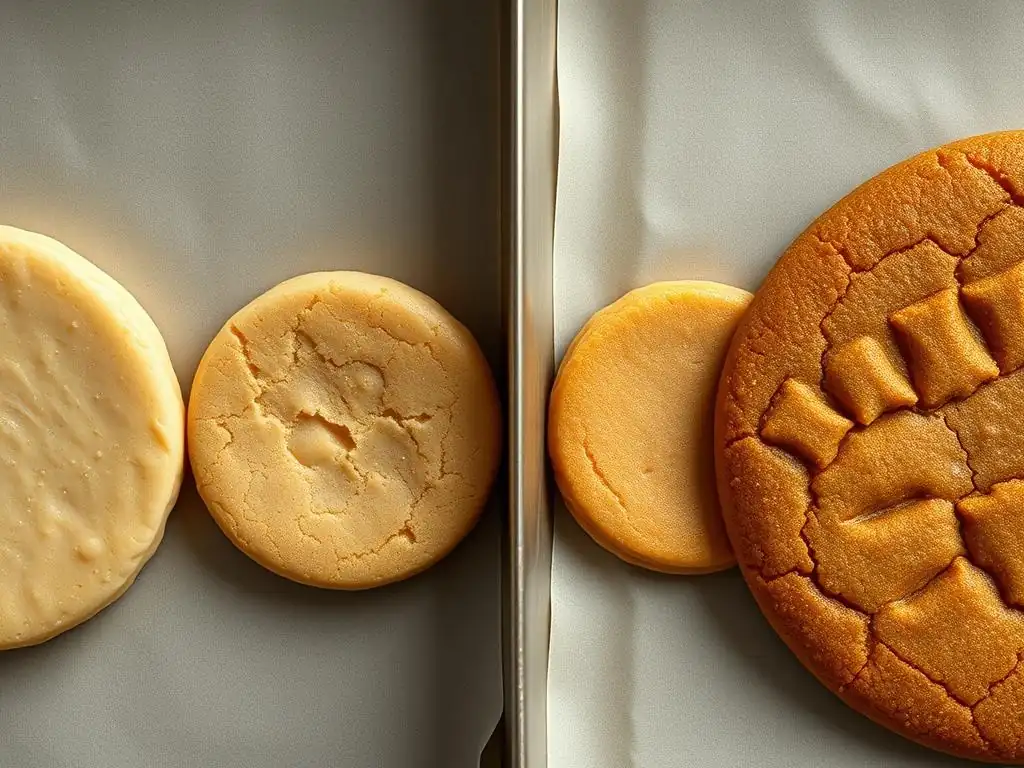
Browning problems in baking can often be linked back to an imbalance in pH, interacting with temperature and time. A common issue is a pale crust, where the baked good doesn't achieve the desired golden or brown color despite being baked for the correct time and temperature. This can happen if the dough or batter is too acidic, inhibiting the Maillard reaction.
For instance, a sourdough bread baked at too low a temperature or for too short a time might remain pale due to its inherent acidity slowing the Maillard reaction rate. Similarly, a cake batter that is overly acidic from ingredients like excessive fruit puree might not brown well on the surface.
Conversely, over-browning or burning, especially on the surface or edges, can occur if the dough or batter is too alkaline. The accelerated Maillard reaction in high pH conditions means browning happens very quickly, potentially before the interior is fully cooked. Uneven browning might occur if there are localized areas of different pH within the dough or if the heat distribution in the oven is uneven, but pH is a significant factor in the overall rate. Understanding the relationship between pH baking and these common issues is the first step to solving them.
Identifying pH Imbalances and Corrective Measures
Identifying a pH imbalance in a recipe usually involves observing the browning outcome and considering the ingredients used. If a baked good consistently bakes up pale despite adequate heat and time, consider if acidic ingredients are dominant. Are you using a lot of buttermilk, yogurt, or fruit?
Is your sourdough starter particularly active and acidic? The pH is likely too low, slowing the Maillard reaction. Corrective measures could include slightly increasing the baking temperature (within limits to avoid burning), extending the baking time, or in recipe development, slightly reducing acidic ingredients or adding a tiny pinch of baking soda (even if not needed for leavening) to raise the pH slightly.
If a baked good browns too quickly or burns easily, especially on the surface, investigate if the recipe contains excessive alkaline ingredients, particularly unneutralized baking soda. Did you accidentally add too much baking soda? Is there not enough acid to react with the baking soda used? The pH is likely too high, accelerating browning.
Corrective measures involve reducing the amount of baking soda or increasing acidic ingredients to achieve a better balance. For uneven browning potentially related to pH, ensure ingredients are thoroughly mixed to distribute leavening agents and acids evenly throughout the batter or dough. Troubleshooting pH baking issues requires observation, ingredient knowledge, and systematic adjustments.
Case Study: Adjusting pH in Chocolate Cake for Richer Color
A classic baking challenge is achieving a deep, rich brown color in chocolate cake. Cocoa powder is naturally acidic (pH around 5-6), which can lead to a reddish-brown crumb and slower browning. Dutch-processed cocoa powder, treated with an alkaline solution, has a higher pH (around 7-8), resulting in a darker color even before baking and promoting a darker, less reddish crumb and crust. However, many recipes use natural cocoa powder for flavor reasons.
To enhance the color when using natural cocoa, bakers often add a small amount of baking soda to the batter, even if baking powder is the primary leavener. For example, a recipe using natural cocoa and baking powder might add 1/4 teaspoon of baking soda. This small amount of alkali helps neutralize some of the cocoa's acidity, raising the batter's pH slightly (perhaps from 5.5 to 6 or 6.5).
This slightly higher pH accelerates the Maillard reaction during baking, leading to a richer, darker brown crumb and a more intensely browned crust, along with potentially enhancing chocolatey flavors. This demonstrates a practical pH baking application to achieve a desired aesthetic and flavor outcome.
The Role of Buffers in Baking
Understanding Buffering Systems
In chemistry, a buffer is a solution that can resist changes in pH when small amounts of an acid or base are added. Buffering systems are mixtures of a weak acid and its conjugate base or a weak base and its conjugate acid. They work by having these components available to react with added H+ or OH- ions, effectively neutralizing them and preventing large swings in pH.
In baking, ingredients naturally contain compounds that can act as buffers. Proteins, amino acids, and certain salts and organic acids found in flour, milk, eggs, and leavening agents can all contribute to the buffering capacity of a dough or batter. This buffering capacity is important because it helps stabilize the pH during mixing and baking, preventing drastic pH shifts that could negatively impact enzyme activity, gluten structure, leavening, and browning reactions. A well-buffered system ensures that the pH baking environment remains relatively stable despite the addition of potentially acidic or alkaline ingredients or the chemical changes occurring during baking.
Common Buffers in Baking: Phosphates and Citrates
Several common ingredients contribute buffering capacity to baked goods. Proteins from flour, milk, and eggs contain amino acid side chains that can accept or donate protons, acting as buffers across various pH ranges. Phosphates, often found naturally in flour and added to some baking powders (e.g., sodium acid pyrophosphate, monocalcium phosphate), are excellent buffering agents. They help control the rate of leavening and stabilize the pH.
Citrates, derived from citric acid (found naturally in fruits and sometimes added as an ingredient), also act as buffers, particularly in acidic ranges. Lactic and acetic acids in sourdough, while primarily contributing acidity, also exist in equilibrium with their conjugate bases (lactates and acetates), forming a buffering system that helps maintain the sourdough's characteristic low pH. These natural and added buffers help ensure that the pH baking process proceeds predictably, contributing to consistent results in terms of texture, rise, and browning, including the crucial Maillard reaction pH dynamics.
How Buffers Help Maintain Consistent pH
The presence of buffering systems in dough and batter is crucial for maintaining a relatively consistent pH throughout the mixing, proofing, and baking stages. Without buffers, the addition of even small amounts of acidic or alkaline ingredients, or the production of acids during fermentation (like in yeast dough or sourdough), could cause rapid and significant changes in pH.
For example, as yeast ferments sugars, it produces organic acids. In a dough without buffering capacity, this would quickly lower the pH, potentially inhibiting yeast activity and slowing the Maillard reaction prematurely. However, the natural buffers in flour and other ingredients resist this pH drop, allowing fermentation to proceed more smoothly and maintaining a pH that supports both leavening and subsequent browning during baking.
Similarly, buffers help manage the localized pH changes that occur as leavening acids and bases react. This stability provided by buffering systems is essential for reliable recipe outcomes and predictable pH baking results, especially concerning Maillard browning.
Further Exploration of Browning Reactions
Advanced Techniques for Controlling Browning
For advanced bakers, controlling browning goes beyond simply adjusting pH, temperature, and time. Techniques include using specific sugars or sugar blends; different sugars participate in the Maillard reaction and caramelization at different rates and produce different flavor profiles. For instance, using a higher proportion of fructose (found in honey or agave) can lead to faster browning at lower temperatures compared to using only sucrose.
Another technique involves manipulating water activity on the surface of the baked good. A dry surface promotes faster browning because water inhibits both Maillard and caramelization reactions.
Egg washes (which contain proteins and sugars) and milk washes (lactose and protein) are applied to surfaces to enhance browning and gloss, leveraging both the Maillard reaction ingredients and reducing surface moisture slightly during the initial stages of baking. Some bakers also experiment with adding small amounts of specific amino acids or using specialty ingredients like diastatic malt powder (rich in enzymes that break down starch into reducing sugars) to boost the availability of reactants for the Maillard reaction, further influencing the pH baking environment and browning outcome.
Resources for Learning More About Baking Chemistry
For those eager to delve deeper into the fascinating science behind baking, including the intricacies of pH, the Maillard reaction, and caramelization, there are excellent resources available. Books specifically dedicated to the chemistry of baking provide detailed explanations of these reactions, ingredient functions, and process dynamics. Online courses and university extension programs often offer workshops or materials covering baking science fundamentals.
Scientific journals and food science publications contain cutting-edge research on browning reactions and other chemical processes in food. While some of this material can be technical, articles aimed at culinary science or food technology professionals can be accessible and provide valuable insights. Exploring resources from reputable culinary schools or food science departments can also uncover useful information and practical applications. Understanding the science helps transform a recipe from a set of instructions into a controllable process, enabling bakers to troubleshoot effectively and innovate.
The Future of Baking: Innovation in Flavor and Texture Through Chemistry
The ongoing exploration of baking chemistry, including the detailed study of pH baking Maillard browning and caramelization, continues to drive innovation in the culinary world. As we gain a deeper understanding of how ingredients interact and transform under heat, bakers and food scientists can develop novel techniques and ingredients to create new flavors, textures, and appearances.
Future innovations might involve designer ingredients optimized for specific browning outcomes, advanced pH control methods that are easier for home bakers to implement, or new ways to initiate and control Maillard and caramelization reactions at lower temperatures or with less energy. Understanding the fundamental chemistry allows for precise control over the sensory qualities of baked goods, pushing the boundaries of traditional baking and opening up exciting possibilities for new types of breads, pastries, and desserts with tailored flavors, aromas, and colors.
The science of pH baking is not just academic; it's a pathway to better, more consistent, and more creative results in the kitchen.
Frequently Asked Questions
What is the Maillard reaction, and why is it important in baking?
The Maillard reaction is a chemical reaction between amino acids and reducing sugars that gives browned foods their distinctive flavor. It's important in baking because it contributes to the color and flavor of baked goods, creating that desirable toasty, caramelized taste.
How does pH affect the Maillard reaction?
pH influences the rate and extent of the Maillard reaction. A higher, alkaline pH generally accelerates browning, while a lower, acidic pH can slow it down.
What ingredients can I use to adjust the pH of my baking recipes?
Common ingredients to adjust pH include baking soda (alkaline) to increase pH and lemon juice or vinegar (acidic) to decrease pH. The goal is to balance the taste and texture while achieving the browning you want.
How does adjusting the pH impact the final product besides browning?
Besides browning, pH adjustments can affect the texture and flavor of baked goods. For example, too much baking soda can create a soapy taste, while too much acid can result in a tangy flavor.
Can I manipulate the pH of my dough or batter to control the extent of browning in my recipe?
Yes, you can strategically manipulate pH to control browning. Adding a touch of baking soda can enhance browning, while adding an acidic ingredient like buttermilk can inhibit it, leading to a lighter crust.
Final Reflection: The Sweet Science of pH and Baking
Understanding the pH factor in baking isn't just a scientific curiosity; it's the key to unlocking truly exceptional Maillard browning and unlocking the full potential of your recipes. Mastering this subtle yet powerful element transforms baking from a process into an art, allowing for precise control over flavor and color development. The impact of even slight pH adjustments is profound, demonstrating the intricate relationship between chemistry and culinary creativity.
The exploration of pH's influence on Maillard browning has profoundly shifted my own approach to baking. It's no longer simply about following a recipe; it's about understanding the why behind each ingredient and technique. This deeper understanding fosters a sense of empowerment and control in the kitchen. As Harold McGee eloquently states in On Food and Cooking: The Maillard reaction is a complex cascade of chemical changes, but its essence is the interaction of amino acids and reducing sugars at elevated temperatures.
This quote perfectly encapsulates the beauty and complexity of the process, highlighting the crucial role pH plays in facilitating this interaction.
Now, it's your turn to experiment! Don't be afraid to adjust the pH of your batters and doughs, even slightly, to observe the impact on browning and flavor. Consider the acidity of your ingredients – from the type of flour you use to the addition of citrus or vinegar – and how these choices influence the final product.
By embracing this scientific understanding, you'll elevate your baking to a new level, creating dishes that are not only delicious but also a testament to your mastery of the culinary arts. The journey of understanding pH in baking is a continuous one, full of exciting discoveries and delicious rewards.
Unlock the Secrets of Golden-Brown Perfection!
Thanks for diving into the fascinating world of Maillard browning! You now possess valuable insights into how pH impacts the deliciousness of your baked goods. Ready to put this knowledge into practice?
- Experiment with your favorite recipe: Try adjusting the acidity or alkalinity – perhaps adding a touch of lemon juice or baking soda – and observe the difference in color and flavor. Note the changes carefully!
- Share your results! Post your baking triumphs (and even your "oops" moments) on our BakeWithEase community forum – let's learn together!
- Explore our recipe archive for inspiration: We've curated a collection of recipes specifically designed to showcase the impact of pH on browning.
What delicious experiments will you bake up next to master the art of Maillard browning?