
Mastering Custards and Ganaches: Emulsification for Silky Smooth Results

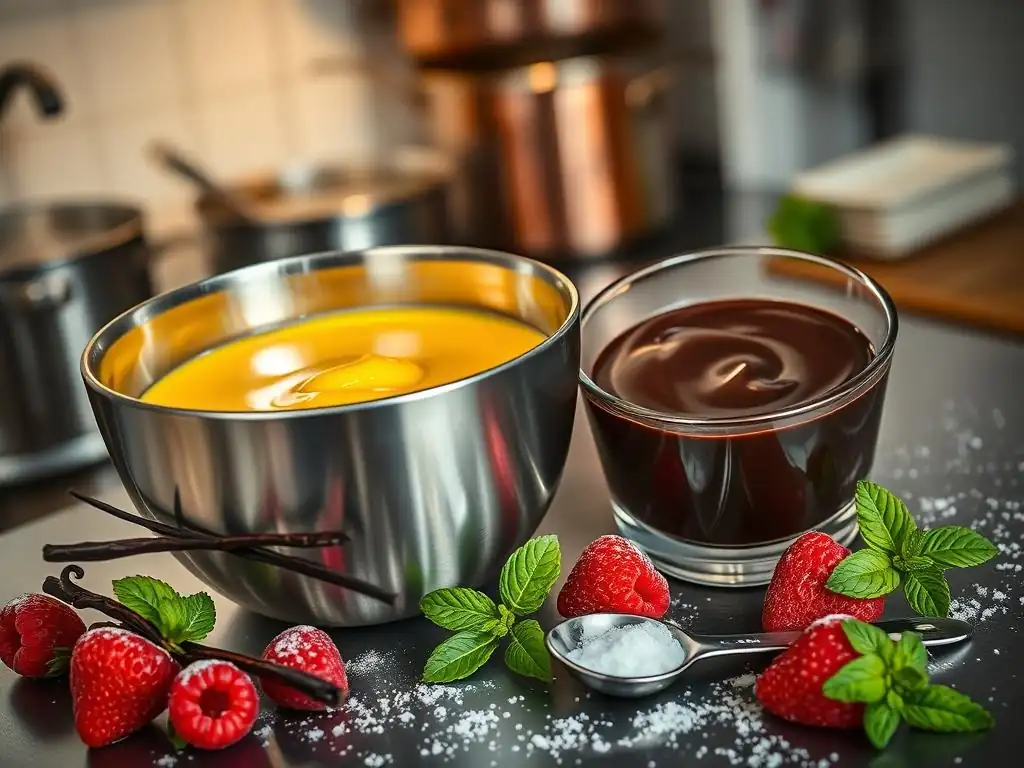
Welcome to BakeWithEase, where we unlock the secrets to baking brilliance! Are you ready to elevate your desserts from good to unforgettable? Dive into our latest deep dive into baking science and discover the key to achieving silky smooth custard recipes and ganaches. What's the secret ingredient that transforms textures and flavors? Let's explore the magic of emulsification and how it can revolutionize your baking. Prepare to be amazed!
- Understanding Emulsification in Baking: The Key to Perfect Texture
- Key Ingredients and Equipment for Emulsification Success
- Step-by-Step Guide to Silky Smooth Custard Recipes: Emulsification Techniques
- Step-by-Step Guide to Silky Smooth Ganache: Emulsification Techniques
- Advanced Emulsification Techniques for Baking Professionals
- Silky Smooth Custard and Ganache Recipe Showcase
- Tips and Tricks for Consistent Emulsification Results
- Common Mistakes to Avoid When Emulsifying Custards and Ganaches
- Conclusion: Elevate Your Baking with Perfect Emulsification.
-
Frequently Asked Questions
- What is emulsification, and why is it important for custards and ganaches?
- What are some common mistakes that lead to grainy or curdled custards?
- Can I use different types of chocolate for a ganache, and how does it affect the result?
- What ingredients are essential for creating a silky smooth custard?
- How can I prevent a skin from forming on top of my custard while it cools?
- Final Reflection: The Art and Science of Silky Smoothness
- Unlock Your Inner Pastry Chef: Creamy Confections Await!
Understanding Emulsification in Baking: The Key to Perfect Texture
What is Emulsification and Why is it Crucial for Custards and Ganaches?
Emulsification is a fundamental concept in baking science, referring to the process of combining two liquids that don't naturally mix, like oil and water. In baking, this often involves blending fats (like butterfat in cream or cocoa butter in chocolate) with water-based liquids (like milk, water, or egg whites) to create a stable, homogeneous mixture. Without emulsification, these components would separate, resulting in a greasy, curdled, or grainy texture rather than the desired smooth consistency. Think of vinaigrette dressing – without shaking, the oil and vinegar separate. Emulsification in baking uses emulsifying agents to keep these components happily together.
For custards and ganaches, proper emulsification is the difference between a luxurious, silky smooth result and a broken, unappealing mess. Custards, like a classic crème anglaise used in many silky smooth custard recipes, rely heavily on egg yolks to bind dairy fats and water.
Ganaches, typically a mixture of chocolate and cream, depend on the emulsifying properties of chocolate's lecithin and the mechanical action of mixing to create a stable, glossy finish. Achieving this stable blend ensures that the fat droplets are evenly dispersed within the water-based phase, leading to that desirable smooth mouthfeel we all crave in these desserts.
The Science Behind Silky Smooth Custards: Emulsifying Egg Yolks and Dairy
The secret weapon in many silky smooth custard recipes is the humble egg yolk. Egg yolks contain lecithin, a natural emulsifier. Lecithin molecules have a unique structure: one end is attracted to fat (lipophilic), and the other end is attracted to water (hydrophilic). When you whisk egg yolks into dairy (milk or cream), the lecithin molecules surround tiny droplets of fat, with their fat-attracted ends embedded in the fat and their water-attracted ends facing outwards into the surrounding liquid. This creates a protective barrier around the fat droplets, preventing them from clumping together and separating from the water phase.
As the custard base is gently heated and stirred, the lecithin works to keep the fat and water molecules evenly distributed throughout the mixture. This process is crucial but delicate. Heating the mixture to around 160-180°F (71-82°C) helps thicken the custard as egg proteins coagulate, but it's vital not to overheat, as excessive heat can break the emulsion, leading to curdling. The constant, gentle stirring or whisking during cooking aids the lecithin in keeping the fat droplets dispersed, contributing significantly to the silky smooth texture characteristic of well-made custards.
Achieving the Perfect Ganache Texture: The Role of Fat and Emulsifiers
Ganache relies on the emulsification of the fat from chocolate (cocoa butter) and the fat from cream (butterfat) with the water content in both ingredients. Chocolate itself contains natural emulsifiers, primarily lecithin, which is often added during commercial chocolate production. When hot cream is poured over chopped chocolate, the heat melts the cocoa butter and butterfat. The emulsifiers, both inherent in the chocolate and potentially from the cream's structure, then work to incorporate these fats into the water phase.
The mechanical action of stirring or whisking is paramount in ganache emulsification. It helps to break down the large fat globules into smaller droplets, allowing the emulsifiers to surround them and create a stable network. The ratio of chocolate to cream is also critical; a higher chocolate-to-cream ratio results in a firmer ganache with more cocoa butter, while a lower ratio yields a softer, more fluid ganache. Regardless of the ratio, proper technique ensures that the fat and liquid remain bound together, preventing a greasy, separated mixture and resulting in that beautifully glossy, silky smooth ganache finish.
Key Ingredients and Equipment for Emulsification Success
Choosing the Right Ingredients for Silky Smooth Custards
Selecting High-Quality Dairy for Custard: Milk, Cream, and More
The quality and fat content of your dairy significantly impact the final texture and richness of your custard. Using whole milk provides a good balance of fat and water, while incorporating heavy cream (around 36% fat) adds richness and contributes more fat molecules to be emulsified, resulting in a silky smooth and luxurious mouthfeel.
For instance, a classic crème anglaise often uses a mix of whole milk and heavy cream. Skim milk or low-fat dairy would contain less fat, making it harder to achieve a stable emulsion and potentially resulting in a thinner, less rich custard that is prone to separation.
Beyond fat content, the freshness of the dairy matters. Older dairy can sometimes have altered protein structures that might interfere with smooth emulsification. Using fresh, high-quality milk and cream ensures that the fats and proteins are in their optimal state to interact with the egg yolks' lecithin. Different types of dairy, like half-and-half (approximately 10-12% fat), can also be used, but adjusting the ratio of egg yolks might be necessary to ensure sufficient emulsifying power for a truly silky smooth outcome.
Understanding Egg Yolks: The Emulsifying Powerhouse in Custard Recipes
Egg yolks are indispensable for creating silky smooth custard recipes. Their high lecithin content is the primary reason they function as such effective emulsifiers. A typical large egg yolk contains about 2.7 grams of fat, and within that fat are significant amounts of phospholipids, including lecithin. The more yolks you use relative to the amount of dairy, the stronger your emulsification will be, leading to a richer, thicker, and more stable custard. For example, a standard crème anglaise recipe might call for 6-8 egg yolks per quart of milk/cream mixture to ensure a robust emulsion.
The freshness of the eggs also plays a role. Fresher egg yolks tend to have stronger membranes and potentially better emulsifying properties. Using large, fresh egg yolks provides a reliable source of lecithin. It's also important to separate the yolks cleanly from the whites, as egg whites contain different proteins that can interfere with the emulsification process and potentially lead to a less smooth or even slightly curdled texture if cooked improperly with the yolks.
Selecting the Right Chocolate for Luscious Ganaches
Different Types of Chocolate and Their Impact on Ganache Emulsification
The type of chocolate you choose directly affects the ratio needed and the final texture of your ganache, influencing its emulsification. Dark chocolate typically has a higher percentage of cocoa solids and cocoa butter (the fat), ranging from 50% to over 80%. This higher fat content requires a different cream ratio than milk or white chocolate. Milk chocolate contains added dairy solids and sugar, and usually less cocoa butter (often 30-40%), making it softer. White chocolate contains only cocoa butter, sugar, and dairy solids (no cocoa solids), with cocoa butter content often around 20-35%.
Because dark chocolate has more fat and often more inherent lecithin from the cocoa solids, it generally creates a more stable emulsion with less effort than milk or white chocolate. White chocolate, with its lower cocoa butter percentage and different composition, is notorious for being trickier to emulsify into a silky smooth ganache and often requires a slightly different technique or ratio. Using high-quality chocolate with a consistent fat content is crucial for predictable and successful ganache emulsification.
Essential Equipment for Successful Emulsification
Whisks, Immersion Blenders, and Other Helpful Tools
While simple whisking is often sufficient for achieving a silky smooth emulsion in both custards and ganaches, certain tools can make the process easier and more reliable. A good quality balloon whisk helps incorporate air and break up fat droplets when initially mixing ingredients. For ganache, a sturdy whisk is essential for the initial stirring after pouring hot cream over chocolate.
For extra insurance against graininess or for achieving an exceptionally smooth texture, an immersion blender (also known as a stick blender) is invaluable, particularly for ganache. After the initial mixing with a whisk, using an immersion blender directly in the pot or bowl helps to create a very fine, stable emulsion by mechanically reducing the size of the fat droplets even further.
This is especially helpful for white or milk chocolate ganaches which are more prone to breaking. A fine-mesh sieve is also useful for silky smooth custard recipes to strain out any potential small cooked egg bits, ensuring a perfectly smooth finish.
Step-by-Step Guide to Silky Smooth Custard Recipes: Emulsification Techniques
Preparing Your Custard Base: Ensuring Proper Emulsification from the Start
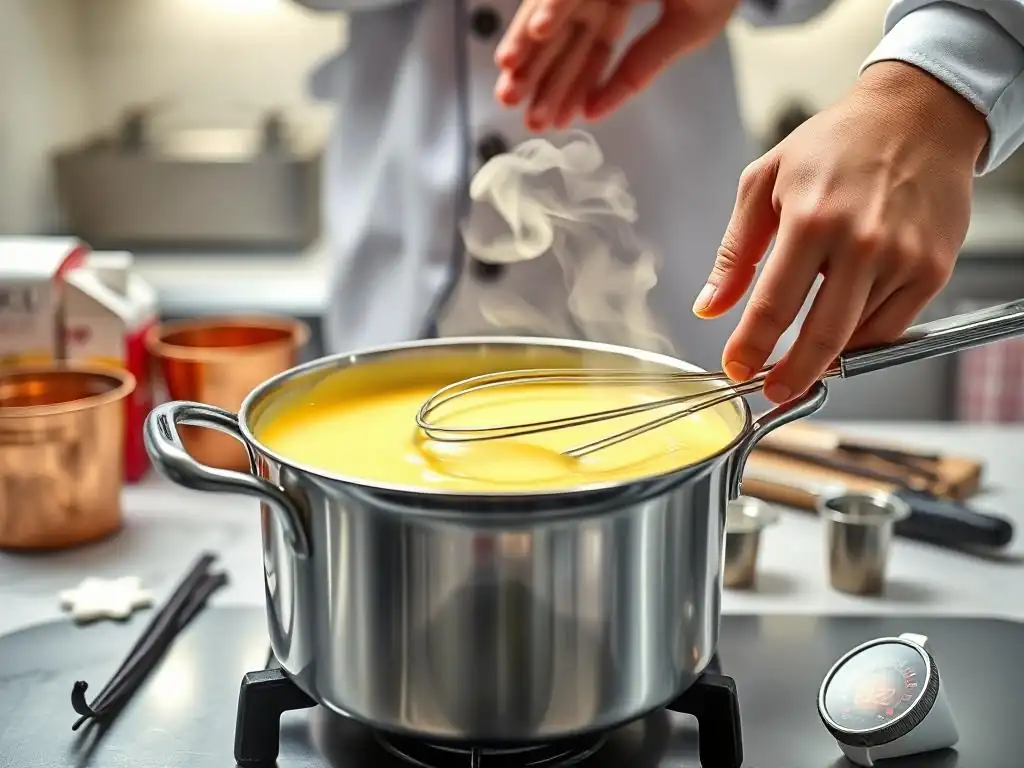
The journey to silky smooth custard recipes begins with careful preparation of the base. Start by gently warming your dairy in a saucepan over medium heat; avoid boiling, as this can negatively impact the proteins and emulsifying properties. While the dairy heats, whisk your egg yolks and sugar together in a separate bowl until they are pale and slightly thickened. This initial whisking helps distribute the lecithin within the yolks and incorporates the sugar, which also aids in smooth texture.
The next critical step is tempering the egg yolks. Once the dairy is hot (but not boiling, around 180°F or 82°C), slowly ladle a small amount of the hot liquid into the egg yolk mixture while whisking continuously. Start with just a tablespoon or two, then gradually add more, perhaps a quarter cup at a time.
This process slowly raises the temperature of the egg yolks, preventing them from scrambling when they are added to the hot saucepan. This gentle temperature increase is vital for the lecithin to effectively begin coating the fat droplets and initiating the emulsification process without denaturing the proteins too rapidly.
The Importance of Temperature Control During Emulsification
Precise temperature control is perhaps the most critical factor in achieving silky smooth custard recipes. Once the tempered egg mixture is returned to the saucepan with the remaining hot dairy, the entire mixture must be heated gently and evenly. The target temperature for most custards is typically between 160°F and 180°F (71°C to 82°C). Below this range, the egg proteins may not thicken sufficiently. Above this range, you risk overcooking the egg proteins, causing them to seize and curdle, which breaks the emulsion and results in a grainy or lumpy texture.
Continuously stirring or whisking the custard as it heats is essential. Use a wooden spoon or spatula to scrape the bottom and sides of the pan to prevent scorching and ensure even cooking. This constant movement also helps the lecithin molecules keep the fat and water phases dispersed. As the custard reaches the correct temperature, it will thicken enough to coat the back of a spoon. Removing it from the heat immediately at this point is crucial to halt the cooking process and preserve the silky smooth emulsion.
Troubleshooting Common Custard Emulsification Problems
Preventing and Fixing Curdled Custard
Curdled custard is the most common sign of a broken emulsion, typically caused by overheating. The egg proteins have tightened too much, squeezing out the liquid and fat. Prevention is key: always cook custard gently over medium-low heat, stir constantly, and use a thermometer to monitor the temperature, aiming for that 160-180°F range. Stop cooking the moment it coats the back of a spoon.
If your custard does curdle slightly (small flecks appear), there might be a way to salvage it, especially if it's not severely overcooked. Remove it from the heat immediately. You can try whisking it vigorously off the heat over an ice bath to rapidly cool it down and prevent further cooking.
For more stubborn cases, transferring the custard to a blender or using an immersion blender can sometimes smooth out small curds and help re-emulsify the mixture, potentially restoring some of that silky smooth texture, though it won't be as perfect as a custard that didn't curdle at all. Passing it through a fine-mesh sieve afterwards is also essential to catch any remaining solids.
Step-by-Step Guide to Silky Smooth Ganache: Emulsification Techniques
The Ganache Ratio: Finding the Perfect Balance for Emulsification
The ratio of chocolate to cream is the foundational element for achieving a silky smooth ganache with the desired consistency, which is intrinsically linked to its emulsification stability. A higher ratio of chocolate to cream (e.g., 2:1 or 3:1 chocolate to cream by weight for dark chocolate) results in a firmer ganache suitable for truffles or firm fillings. A lower ratio (e.g., 1:1 or 1:2 chocolate to cream) yields a softer, pourable ganache ideal for glazes or sauces.
Understanding that cream contains approximately 35-40% fat and chocolate contains varying percentages of cocoa butter is key. The chosen ratio dictates the overall balance of fat to liquid in the mixture. Too much liquid for the amount of fat and emulsifier can make the emulsion unstable and prone to breaking.
Conversely, too much fat without sufficient mechanical action or emulsifier can result in a greasy, separated mixture. Start with standard ratios for the type of chocolate you are using (e.g., 1:1 for dark chocolate, 2:1 for milk chocolate, 2.5:1 or 3:1 for white chocolate) and adjust based on desired consistency, always focusing on proper emulsification technique.
Mastering the Pouring Technique for Smooth Ganache Emulsification
The initial step of pouring hot cream over chopped chocolate is surprisingly important for starting the emulsification process correctly. Ensure your chocolate is finely chopped or in small pieces (like callets or chips) to allow it to melt evenly and quickly. Heat your cream just until it simmers around the edges – do not boil it vigorously, as this can cause some water evaporation and affect your ratio. Place the chopped chocolate in a heatproof bowl and pour the hot cream directly over it, ensuring all the chocolate is submerged.
Crucially, do not stir immediately. Let the hot cream sit over the chocolate for 5-10 minutes. This allows the heat from the cream to gently melt the chocolate from the outside in. After this resting period, begin stirring slowly from the center outwards.
As you stir, the melted chocolate and hot cream will gradually combine. Start with a gentle motion in the center, allowing the mixture to come together, then expand your stirring motion to incorporate all the chocolate. This gentle initial stirring helps the emulsifiers begin their work without introducing too much air or causing the mixture to seize. Continue stirring until the mixture is completely smooth and glossy – this indicates a successful emulsion.
Infusing Flavors into Ganache While Maintaining Emulsification
Adding Extracts, Spices, and Other Flavorings
Flavoring ganache is a wonderful way to add complexity, but it must be done carefully to avoid disrupting the emulsion. Liquid extracts like vanilla or almond should be added after the ganache has been emulsified into a smooth mixture. Adding them too early can sometimes interfere with the initial binding process. A small amount, typically a teaspoon or two per cup of cream used, is usually sufficient and won't significantly impact the overall fat/liquid balance.
Solid flavorings like spices (cinnamon, cardamom) or citrus zest can be infused into the cream before heating. Add the spice or zest to the cold cream, heat it gently, then let it steep off the heat for 10-15 minutes before straining out the solids and reheating the infused cream to pour over the chocolate. This method extracts the flavor without adding particles that could compromise the silky smooth texture.
Ingredients like liqueurs, which have both alcohol and water content, should also be added after the initial emulsion has formed, stirring them in gently. Be mindful that adding too much liquid flavoring can potentially destabilize a firm ganache emulsion.
Advanced Emulsification Techniques for Baking Professionals
Stabilizing Emulsions: Preventing Separation in Custards and Ganaches
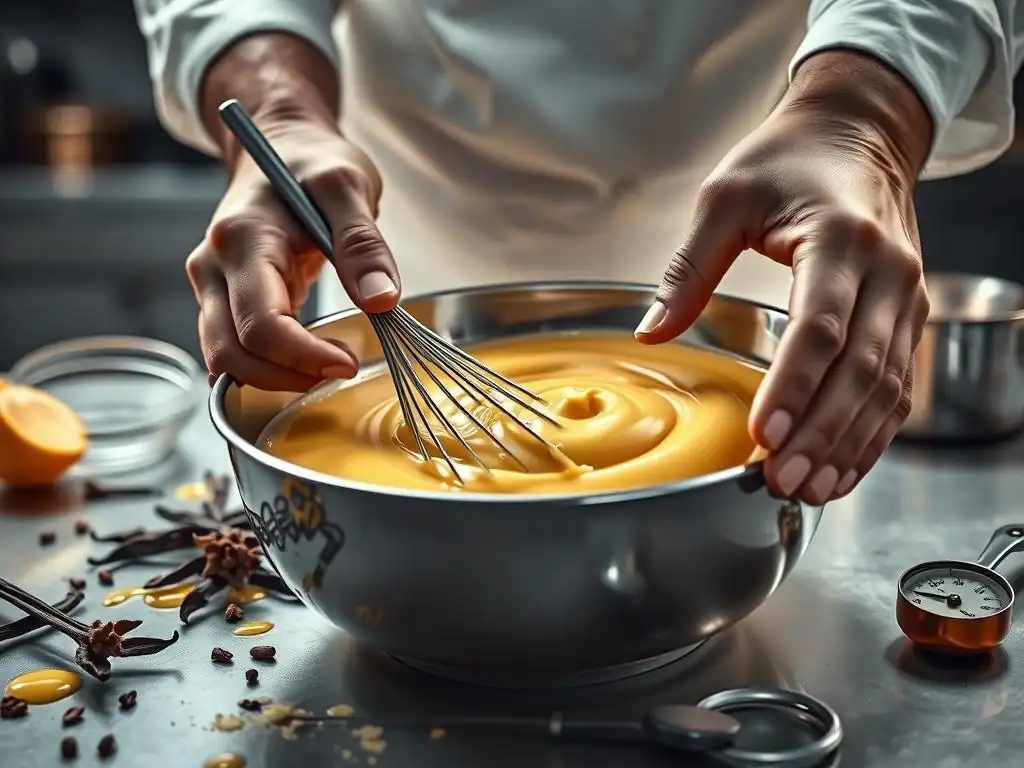
Even perfectly emulsified custards and ganaches can separate over time or under temperature stress. Professional bakers often employ techniques to enhance stability. For custards, ensuring the custard is cooked to the proper temperature and then cooled rapidly over an ice bath helps set the emulsion and prevent further protein coagulation that could lead to weeping or separation. For ganache, using high-quality chocolate with a stable fat structure is key.
Sometimes, a small amount of additional emulsifier or stabilizer is used, particularly in commercial applications or for products requiring a long shelf life or stability through temperature fluctuations. For example, adding a tiny amount of gelatin (hydrated and melted) to a ganache after it's emulsified can help stabilize its structure, preventing oil separation as it sets. Similarly, certain types of starches can be used in custards alongside egg yolks to provide additional thickening and stability, making them less prone to breaking.
Using Lecithin and Other Emulsifiers for Enhanced Smoothness
Beyond the natural lecithin in egg yolks and chocolate, isolated lecithin (often derived from soy or sunflower) can be added in small quantities to enhance and stabilize emulsions, leading to an even silky smooth texture. This is particularly useful in recipes where the fat content is high or the mixture is prone to separation. For instance, a small amount of soy lecithin powder could be incorporated into a challenging white chocolate ganache to improve its stability.
Other food-grade emulsifiers like polysorbates or mono- and diglycerides are sometimes used in industrial baking for maximum stability and texture consistency, but are less common in home baking. For most silky smooth custard recipes and ganaches made at home, relying on the natural emulsifying power of egg yolks and chocolate, combined with proper technique, is usually sufficient to achieve excellent results. However, understanding that additional emulsifiers exist provides insight into how maximum stability is achieved in professional settings.
Exploring Different Emulsification Methods: Hot vs. Cold
Emulsification can occur via hot or cold methods, impacting the final product's characteristics. Custards are typically made via a hot emulsification process: heating the dairy and egg mixture encourages the egg proteins to thicken and the lecithin to bind the fat as the temperature rises. This heat-induced thickening is integral to the custard's texture.
Ganache also primarily uses a hot emulsification method (hot cream over chocolate), but the final texture develops as it cools and the cocoa butter crystallizes within the stable emulsion. Some specialized techniques might involve cold emulsification, such as blending liquid fats with other ingredients at room temperature using powerful blenders, but for classic silky smooth custard recipes and ganaches, the hot method is standard and relies on the interplay of heat, ingredients, and mechanical action (stirring/whisking).
Silky Smooth Custard and Ganache Recipe Showcase
Classic Vanilla Custard Recipe: A Masterclass in Emulsification
A classic vanilla custard, like crème anglaise, is a perfect example of egg yolk emulsification at its finest. The process involves whisking egg yolks with sugar, tempering them with hot milk and cream, and then gently cooking the mixture while stirring until it thickens just enough to coat a spoon, typically around 170°F (77°C). The lecithin in the egg yolks binds the dairy fats and water, creating a beautifully silky smooth sauce. Adding vanilla extract after cooking preserves its delicate flavor and avoids potentially interfering with the initial emulsion formation.
Dark Chocolate Ganache Recipe: Achieving a Velvety Texture
Creating a dark chocolate ganache involves pouring hot heavy cream (around 1:1 ratio by weight for pouring consistency) over finely chopped dark chocolate (60-70% cocoa solids). After allowing the chocolate to melt for a few minutes, gentle stirring from the center outwards initiates the emulsification. The cocoa butter from the chocolate is dispersed within the cream's water phase, aided by the chocolate's natural lecithin.
Continued stirring results in a glossy, silky smooth emulsion that thickens into a velvety texture as it cools. The higher cocoa butter content in dark chocolate makes this one of the most stable ganaches to emulsify.
Crème brûlée and White Chocolate Ganache Recipe Examples
Crème brûlée is a baked custard, and while it thickens through baking, the initial silky smooth base is achieved through the same egg yolk emulsification as crème anglaise before it's poured into ramekins and baked. The rich combination of heavy cream, egg yolks, and sugar relies on the yolks' lecithin to create that smooth foundation.
White chocolate ganache, often using a higher chocolate-to-cream ratio (like 2.5:1 or 3:1 due to lower cocoa butter) and sometimes benefiting from an immersion blender, demonstrates the challenges and techniques required for emulsifying a fat-rich ingredient that is less naturally stable than dark chocolate, yet still capable of yielding a silky smooth result with careful handling.
Tips and Tricks for Consistent Emulsification Results
Preventing Overheating and Over-Mixing
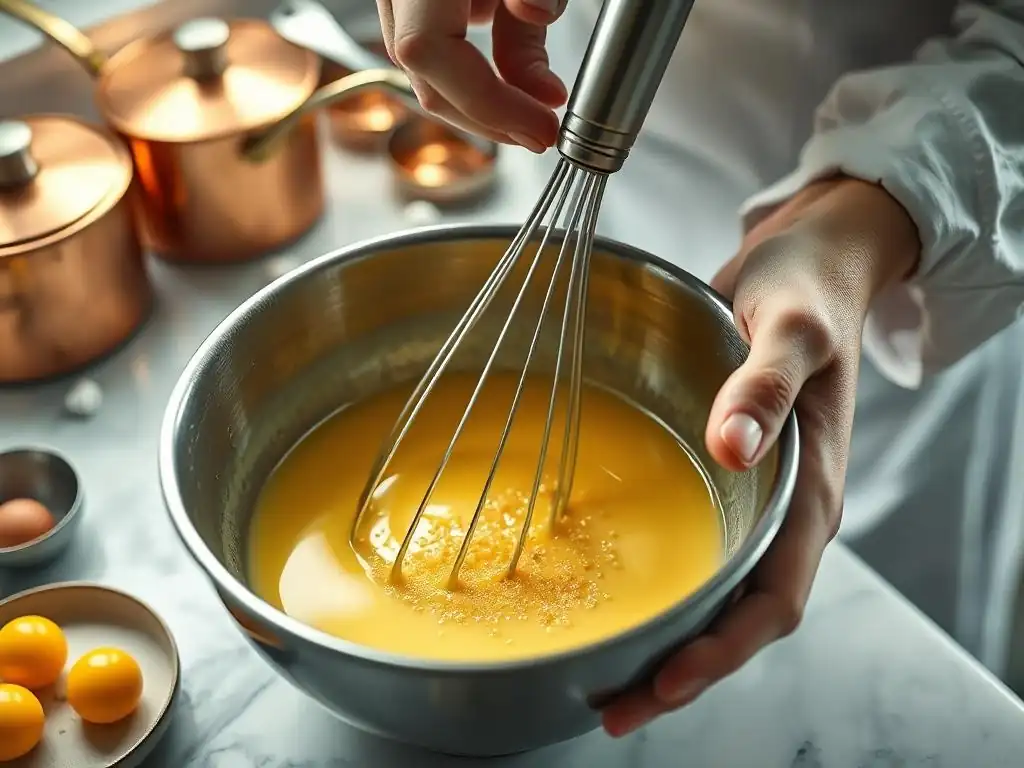
Two of the most common culprits for broken emulsions are overheating and over-mixing. For custards, cooking gently and using a thermometer is paramount to avoid scrambling the eggs and breaking the emulsion. For ganache, while initial stirring is necessary, excessive or aggressive whisking, especially incorporating too much air, can sometimes lead to a grainy texture or separation. Stir just until smooth and glossy. If using an immersion blender for ganache, keep the head submerged to minimize air incorporation.
Achieving a Uniform Texture Every Time
Consistency in ingredients and technique leads to consistent silky smooth results. Use the same type and brand of chocolate and dairy whenever possible, as variations in fat content can affect ratios and emulsification. Weighing ingredients is far more accurate than using volume measurements, especially for ganache ratios. Follow recipe temperatures closely for custards. For ganache, ensure the chocolate is finely and evenly chopped so it melts uniformly. Patience during the initial melting phase of ganache before stirring is also key to allowing the heat to work properly.
Storing and Handling Emulsified Products Properly
Proper storage is essential to maintain the silky smooth texture of custards and ganaches. Custards should be cooled rapidly after cooking by placing the container in an ice bath, then covered directly with plastic wrap to prevent a skin from forming, and refrigerated. This rapid cooling helps set the emulsion. Ganache should be left to set at room temperature or in the refrigerator, depending on the desired consistency.
Once set, store it in an airtight container. Extreme temperature fluctuations can cause emulsions to break, so avoid freezing unless the recipe specifically allows for it, and thaw gently if frozen. For custards, gentle reheating (if needed) is crucial to avoid curdling.
Common Mistakes to Avoid When Emulsifying Custards and Ganaches
Identifying and Correcting Broken Emulsions
A broken custard will look curdled or grainy. A broken ganache will look greasy and separated, with a pool of oil evident. Identifying this early is key. For slightly curdled custard, rapid cooling and blending might help.
For a slightly separated ganache, sometimes adding a tablespoon of hot cream or milk and stirring gently can bring it back together. If severely broken, especially ganache, you might need to reheat it gently over a double boiler, whisking constantly, or try blending it vigorously with a small amount of additional liquid (like milk or more cream, added a teaspoon at a time) using an immersion blender. However, a fully broken emulsion is often difficult to completely restore to its original silky smooth state.
Understanding the Role of Acidity and pH
While less critical than temperature or ratios, extreme pH levels can sometimes impact emulsion stability. Highly acidic ingredients added directly to a delicate emulsion can potentially cause proteins to curdle or fats to separate. For instance, adding lemon juice directly to a hot custard base could cause it to curdle.
Acidic flavorings are best added carefully, often after the main emulsion has formed and cooled slightly, or incorporated into one of the base components (like infusing citrus zest into cream) rather than added directly to the finished product. For silky smooth custard recipes and ganaches, maintaining a relatively neutral pH during the main emulsification phase is generally safest.
Troubleshooting Specific Emulsification Issues
Specific issues might arise depending on the recipe. If a custard feels thin even after reaching temperature, it might not have enough egg yolks, or it wasn't cooked quite long enough. If a ganache is grainy, it could be due to sugar not dissolving properly (if using sugar), chocolate not melting fully, or over-mixing/introducing too much air.
If a ganache is oily, the emulsion has broken, perhaps due to overheating the chocolate, adding liquid that was too cool, or an incorrect ratio of fat to liquid. Addressing these specific issues requires understanding the underlying cause related to temperature, ratio, or mechanical technique to restore or prevent the problem and achieve silky smooth results.
Conclusion: Elevate Your Baking with Perfect Emulsification.
Frequently Asked Questions
What is emulsification, and why is it important for custards and ganaches?
Emulsification is the process of combining two immiscible liquids, like fat and water. It's crucial for custards and ganaches because it creates a stable, smooth texture and prevents separation.
What are some common mistakes that lead to grainy or curdled custards?
Overheating the custard is a major culprit, causing the eggs to scramble. Also, insufficient stirring can lead to uneven cooking and a lumpy texture.
Can I use different types of chocolate for a ganache, and how does it affect the result?
Yes, you can! The type of chocolate impacts the ganache's flavor and texture. Dark chocolate results in a richer, less sweet ganache, while milk chocolate yields a sweeter, softer consistency.
What ingredients are essential for creating a silky smooth custard?
The key ingredients are eggs, dairy (cream or milk), and sugar. Using high-quality ingredients and precise measurements helps ensure a smooth and delicious custard.
How can I prevent a skin from forming on top of my custard while it cools?
To prevent a skin, press plastic wrap directly onto the surface of the custard while it cools. Alternatively, you can sprinkle a thin layer of sugar on top.
Final Reflection: The Art and Science of Silky Smoothness
The pursuit of the perfect custard or ganache—that unbelievably silky smooth texture—is more than just a culinary quest; it's a journey into the fascinating world of emulsification. Mastering this process unlocks a world of creamy delights, transforming simple ingredients into decadent masterpieces. The techniques detailed in this article are not just recipes, but keys to understanding the fundamental principles behind creating truly exceptional desserts.
The impact of understanding emulsification extends far beyond the kitchen. It's a testament to the power of precision and patience, mirroring the dedication required in many aspects of life. The subtle balance of ingredients, the careful control of temperature, and the gentle stirring all contribute to the final result. As the renowned chef Julia Child once said, A good cook is like a good musician. They both must have a good ear for what is good.
This applies equally to the creation of a perfect custard; it's about developing a sensitivity to the subtle changes in texture and consistency.
Now, it's your turn to experiment. Don't be afraid to try different recipes, adjust temperatures, and explore the nuances of emulsification. The journey to creating your own signature silky smooth custard or ganache is a rewarding one, filled with delicious discoveries and the satisfaction of mastering a culinary art. Embrace the process, celebrate the successes, and learn from any imperfections—for in the pursuit of perfection, lies the true joy of cooking.
Unlock Your Inner Pastry Chef: Creamy Confections Await!
Thanks for taking the time to explore the world of emulsification with us! We hope you now feel confident tackling those tricky custards and ganaches. Ready to put your newfound knowledge into practice?
- Whip up your dream custard: Try the recipe from the article – you'll be amazed at how easy it is to achieve that perfect, silky texture! Don't forget to share your results with us on social media!
- Experiment with different flavors: Let your creativity flow! Try adding extracts, spices, or even fruits to create your signature ganache or custard.
- Challenge a friend to a bake-off: This is a fun way to test your new skills and share the joy of baking.
Are you ready to unveil your culinary masterpiece? What exciting flavor combinations will you create first?