
The Magic Network: Understanding Gluten's Role in Your Dough

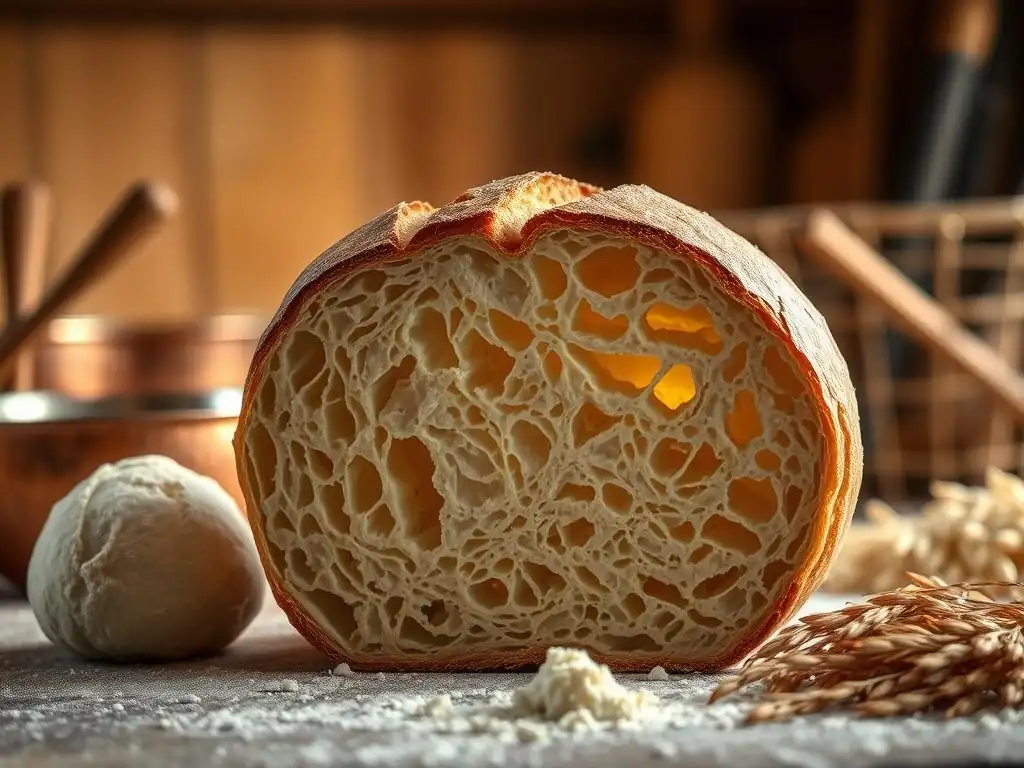
Welcome to BakeWithEase, where baking becomes a delightful journey! Ever wondered how gluten, that seemingly magical network, impacts your baked creations? Dive into our Baking Science Deep Dive and unravel the secrets of gluten's role in dough. But what happens when gluten is not an option? Explore our article below for Glutenfree baking troubleshooting tips to unlock a world of delicious possibilities, regardless of dietary restrictions. Intrigued? Let's get baking!
- Gluten-Free Baking Troubleshooting: Scenarios
-
Frequently Asked Questions
- What exactly is gluten and why is it so important in baking?
- Why is it important to understand the role of gluten when baking gluten-free?
- What are some common problems encountered when baking gluten-free, and how can I troubleshoot them?
- What are some alternative ingredients I can use to mimic gluten in gluten-free baking?
- How does the BakeWithEase website help with gluten-free baking troubleshooting?
- Final Reflection: The Ever-Evolving Alchemy of Gluten-Free Baking
- Unleash Your Inner Baker: Master Gluten's Magic!
Gluten-Free Baking Troubleshooting: Scenarios
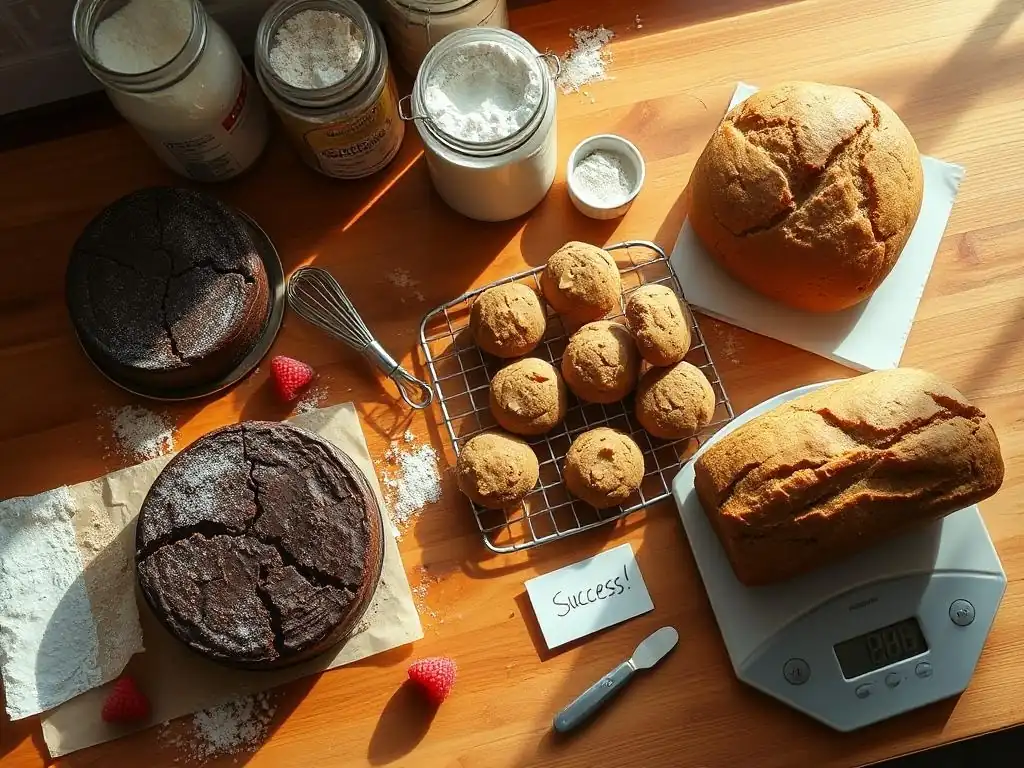
Understanding common pitfalls is key to successful gluten-free baking. While gluten provides structure and elasticity in traditional baking, its absence requires different approaches to achieve desirable textures. Mastering gluten-free baking troubleshooting tips can transform frustrating failures into delightful successes. Let's look at some specific scenarios you might encounter.
Troubleshooting Dense Gluten-Free Cakes
One of the most frequent complaints in gluten-free baking is a dense, heavy cake that lacks the airy crumb of its gluten-containing counterpart. This often stems from insufficient leavening, incorrect flour blend hydration, or improper mixing. Gluten-free flours absorb liquids differently, and some blends can be quite thirsty, leading to a batter that's too stiff and doesn't rise effectively. Over-mixing can also develop toughness, even without gluten, by negatively impacting the structure formed by alternative starches and gums.
To combat density when you're troubleshooting gluten-free baking issues with cakes, ensure you're using a reliable gluten-free flour blend designed for cakes, or a custom blend with a good balance of starches and grains. Increase chemical leaveners slightly if needed – sometimes an extra ½ teaspoon of baking powder per cup of flour blend can make a difference, though this requires careful testing. Ensure ingredients are at room temperature for better emulsification and aeration during mixing.
Gentle mixing after wet and dry ingredients are combined is crucial; mix just until combined, avoiding vigorous beating which can deflate air incorporated earlier. For example, if a standard vanilla cake recipe yields a dense result with your current gluten-free blend, try adding an extra egg white, whipped to soft peaks, or incorporating a small amount of applesauce or yogurt for added moisture and tenderness.
Fixing Crumbly Gluten-Free Breads
Gluten-free breads can often turn out dry and crumbly, lacking the cohesive structure that gluten provides. This is a common challenge in gluten-free baking troubleshooting, often related to insufficient binding agents, too little hydration, or over-baking. Without the gluten network to hold everything together, alternative binders like xanthan gum, psyllium husk, or chia seeds become essential. If the ratio of binder to flour is off, the bread won't hold together. Similarly, gluten-free flours often require more liquid than wheat flours to achieve the correct dough consistency and prevent a dry crumb.
To improve the texture and prevent crumbling in your gluten-free bread, review your recipe's binder amount. Many recipes recommend 1-2 teaspoons of xanthan gum or 1-2 tablespoons of psyllium husk per cup of gluten-free flour blend for yeast breads. Ensure you're measuring liquids accurately, and don't be afraid to add a little extra if the dough seems too stiff – it should typically be quite wet, more like a thick batter than a traditional wheat dough.
Consider adding ingredients known for retaining moisture and adding tenderness, such as a small amount of oil (1-2 tablespoons per loaf), yogurt, or even mashed potato. Baking for too long at too high a temperature can also dry out the bread, so check for doneness using an internal thermometer (around 200-210°F or 93-99°C) rather than relying solely on visual cues.
While density and crumbliness are common issues, sometimes gluten-free baked goods can become gummy or have an unpleasant, almost gluey texture. This frequently happens with cookies, often due to excessive use of starches or gums, or insufficient baking time. Starches like tapioca starch or potato starch, while useful for tenderness, can create a gummy texture if used in too high a proportion within a flour blend. Similarly, adding too much xanthan gum or other binders can result in a texture that feels slimy or overly chewy.
When you're doing gluten-free baking troubleshooting for gummy cookies, first examine your flour blend composition. Ensure it has a good balance of whole grain flours (like brown rice or oat) to offset the stickiness of pure starches. Reduce the amount of added gum; often, less is more, and a slight reduction (e.g., from ½ teaspoon to ¼ teaspoon per cup of flour) can make a significant difference. Ensure your oven temperature is accurate and you are baking the cookies fully.
Underbaked cookies, especially those relying on starches, are much more prone to developing a gummy texture as they cool. Baking them until the edges are lightly golden and the centers look set, even if they seem slightly soft, is usually sufficient. Allowing cookies to cool completely on the baking sheet for a few minutes before transferring them can also help them set properly and avoid gumminess.
Frequently Asked Questions
What exactly is gluten and why is it so important in baking?
Gluten is a protein complex formed when wheat flour is mixed with water. It provides structure and elasticity to dough, allowing it to trap gases and rise.
Why is it important to understand the role of gluten when baking gluten-free?
Understanding gluten's function helps you replicate its properties using alternative ingredients. This allows you to achieve a similar texture and rise in your gluten-free baked goods.
What are some common problems encountered when baking gluten-free, and how can I troubleshoot them?
Common issues include crumbly texture, lack of rise, and gummy results. Troubleshooting often involves adjusting flour blends, adding binding agents, or modifying baking times.
What are some alternative ingredients I can use to mimic gluten in gluten-free baking?
Common alternatives include xanthan gum, psyllium husk, and various gluten-free flour blends (rice flour, tapioca starch, potato starch). These ingredients help provide structure and binding.
How does the BakeWithEase website help with gluten-free baking troubleshooting?
BakeWithEase offers simple recipes and step-by-step guides specifically designed for gluten-free baking. They provide tips and techniques for using alternative ingredients effectively and avoiding common pitfalls.
Final Reflection: The Ever-Evolving Alchemy of Gluten-Free Baking
The quest for the perfect gluten-free loaf is far from over, but understanding the intricacies of gluten's absence is the crucial first step. The challenges faced by gluten-free bakers are not merely culinary inconveniences; they represent a complex interplay of science, technique, and personal experience. This article has explored some key troubleshooting tips, but the journey towards mastering gluten-free baking is a continuous process of learning and adaptation.
The impact of gluten-free baking extends far beyond the kitchen. It's a testament to human ingenuity and resilience, a response to dietary needs and a growing awareness of food sensitivities. It's a world where creativity flourishes in the face of limitations, pushing boundaries and redefining what's possible. The greatest glory in living lies not in never falling, but in rising every time we fall.
This quote, though not directly about baking, perfectly encapsulates the spirit of gluten-free baking – a constant cycle of experimentation, setbacks, and ultimately, rewarding successes.
Now, it's your turn. Take what you've learned here, experiment with different flours and techniques, and don't be afraid to embrace the imperfections. Each failed attempt is a step closer to your perfect gluten-free creation. Remember the joy of the process, the satisfaction of overcoming challenges, and the delicious rewards that await. Embrace the alchemy, and let your gluten-free baking journey begin!
Unleash Your Inner Baker: Master Gluten's Magic!
Thanks for taking the time to explore the fascinating world of gluten and its impact on your baking! You've now unlocked a key ingredient to creating truly amazing bread. Ready to put your newfound knowledge into action?
- Experiment with different flours: Try substituting a portion of your all-purpose flour with bread flour or whole wheat flour to see how it affects your dough's texture and rise. This is the perfect next step to truly understanding gluten's role.
- Share your baking triumphs (and challenges!): Let's build a community of bakers! Share your experiences and photos on our social media channels – we'd love to see what you create.
- Dive deeper into gluten-free baking (if you dare!): Ready for a challenge? Explore how to achieve a similar texture and rise without using any gluten at all.
What unique bread creation will you bake next, armed with this newfound knowledge?