
The Role of Time: How Baking Duration Affects the Maillard Reaction

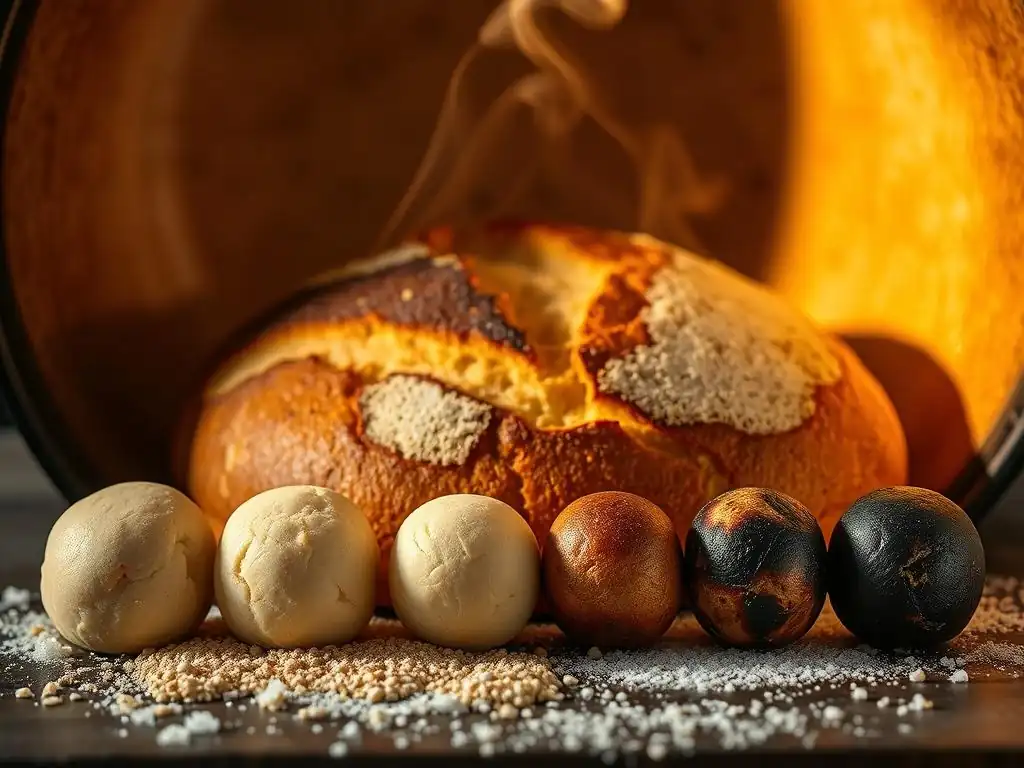
Welcome to BakeWithEase, your culinary companion for all things baking! Ever wondered how the length of time your dough spends in the oven influences that irresistible golden-brown crust and complex flavor? Get ready to unlock the secrets of the Maillard reaction! Dive into our latest Baking Science Deep Dive to discover precisely how baking duration affects the Maillard reaction, and learn to master the art of achieving baking perfection every time. Intrigued? Let's get baking!
- Introduction to the Maillard Reaction in Baking
- The Science Behind the Maillard Reaction and Baking Time
- How Baking Duration Affects Maillard Reaction in Different Baked Goods
- Identifying the Stages of the Maillard Reaction During Baking
- Factors Influencing the Maillard Reaction Beyond Baking Duration
- Troubleshooting Issues Related to Baking Duration and Maillard Reaction
- Practical Tips for Controlling the Maillard Reaction Through Baking Time
- Mastering Baking Duration for Optimal Maillard Reaction Results
- Conclusion: The Importance of Time in Achieving Baking Perfection through Maillard Reaction
-
Frequently Asked Questions
- How does baking duration specifically impact the Maillard reaction?
- What happens if baking duration is too short in relation to the Maillard reaction?
- Can baking at a high temperature compensate for a shorter baking duration in terms of the Maillard reaction?
- How does the type of ingredient affect the baking duration needed for the Maillard reaction?
- Besides baking duration, what other factors influence the Maillard reaction in baking?
- Final Reflection: The Sweet Science of Time and Taste
- Unlock Your Baking Potential: Master the Maillard Reaction!
Introduction to the Maillard Reaction in Baking
Understanding the Maillard Reaction: A Baker's Perspective
The Maillard reaction is a fundamental chemical process that transforms the flavor, aroma, and appearance of baked goods. It's not just simple browning; it's a complex series of reactions between amino acids (the building blocks of proteins) and reducing sugars under heat. Think of the delicious crust on a loaf of bread, the rich golden hue of a cookie, or the complex aroma wafting from a cake – much of that magic is thanks to the Maillard reaction.
This reaction doesn't happen instantly. It requires specific conditions, primarily sufficient heat and the presence of both amino acids and reducing sugars. As these components heat up, they begin a cascade of chemical changes that create hundreds of new flavor compounds and melanoidins, which are responsible for the brown color. For a baker, understanding this reaction is key to controlling the final outcome, from the crispness of a biscotti to the tender crumb of a muffin.
Why Baking Duration Matters for the Maillard Reaction
While temperature is often highlighted as the trigger for the Maillard reaction (it typically starts noticeably above 140°C or 284°F), baking duration affects Maillard reaction development profoundly. The reaction is not a single step but a progression through various stages, each contributing different flavors and colors. The amount of time a baked good spends at or above the necessary temperature dictates how far along this chemical pathway the reaction can travel.
Insufficient baking duration means the reaction hasn't had enough time to produce the desired depth of color and flavor. Too long, and the reaction can progress past the optimal point, leading to burnt, bitter, or undesirable flavors and textures. Therefore, mastering the timing in the oven is just as crucial as setting the correct temperature when it comes to harnessing the full potential of the Maillard reaction in your baking.
The Science Behind the Maillard Reaction and Baking Time
Key Components: Amino Acids, Reducing Sugars, and Heat
The Maillard reaction requires three main players: amino acids, reducing sugars, and heat. Amino acids are readily available in ingredients like flour (specifically the proteins like gluten), eggs, milk, and butter. Reducing sugars include glucose, fructose, lactose (found in milk), and maltose (found in malt syrup or produced during starch breakdown). Sucrose (table sugar) is not a reducing sugar itself, but it breaks down into glucose and fructose when heated in the presence of moisture and acid, allowing the reaction to proceed.
The magic happens when these components are brought together at elevated temperatures. The initial reaction involves the sugar's carbonyl group reacting with the amino acid's amino group. This forms an unstable intermediate that quickly rearranges (the Amadori rearrangement). This initial step is relatively slow, highlighting why adequate baking duration is essential for the reaction to gain momentum and move into later stages.
The Chemical Processes Influenced by Baking Duration
Following the initial Amadori rearrangement, the Maillard reaction enters a complex and branching network of chemical pathways. These include dehydration, fragmentation, and polymerization steps. Over time, these processes generate a vast array of volatile aroma compounds (like pyrazines, aldehydes, and furans) and non-volatile flavor compounds, contributing nutty, roasted, meaty, or malty notes depending on the ingredients and conditions.
Crucially, the longer the baking duration at sufficient heat, the further these subsequent reactions progress. This leads to a greater concentration and diversity of flavor compounds. Simultaneously, larger, brown-colored molecules called melanoidins are formed through polymerization. These melanoidins are responsible for the characteristic brown crust color and also contribute to flavor and antioxidant properties. Extended time allows for the formation of larger melanoidins, leading to darker colors.
Temperature's Interplay with Baking Time and Maillard Development
While temperature initiates the Maillard reaction, baking duration dictates its extent. The reaction rate increases significantly with temperature – roughly doubling for every 10°C increase above the threshold. However, simply cranking up the heat isn't always the answer. Very high temperatures for short periods might brown the surface quickly, but may not allow enough time for heat to penetrate and for the reaction to develop throughout the desired layer (like a thick bread crust) or for internal structure to set.
Conversely, lower temperatures require a much longer baking duration to achieve the same level of Maillard development. For example, baking cookies at 160°C (320°F) for 15 minutes might result in less browning than baking them at 190°C (375°F) for 10 minutes, even though the total heat exposure differs. The interplay between temperature and time is why recipes specify both; adjusting one often requires adjusting the other to achieve optimal Maillard reaction results.
How Baking Duration Affects Maillard Reaction in Different Baked Goods
Bread Baking: Optimizing Crust Color and Flavor Development with Time
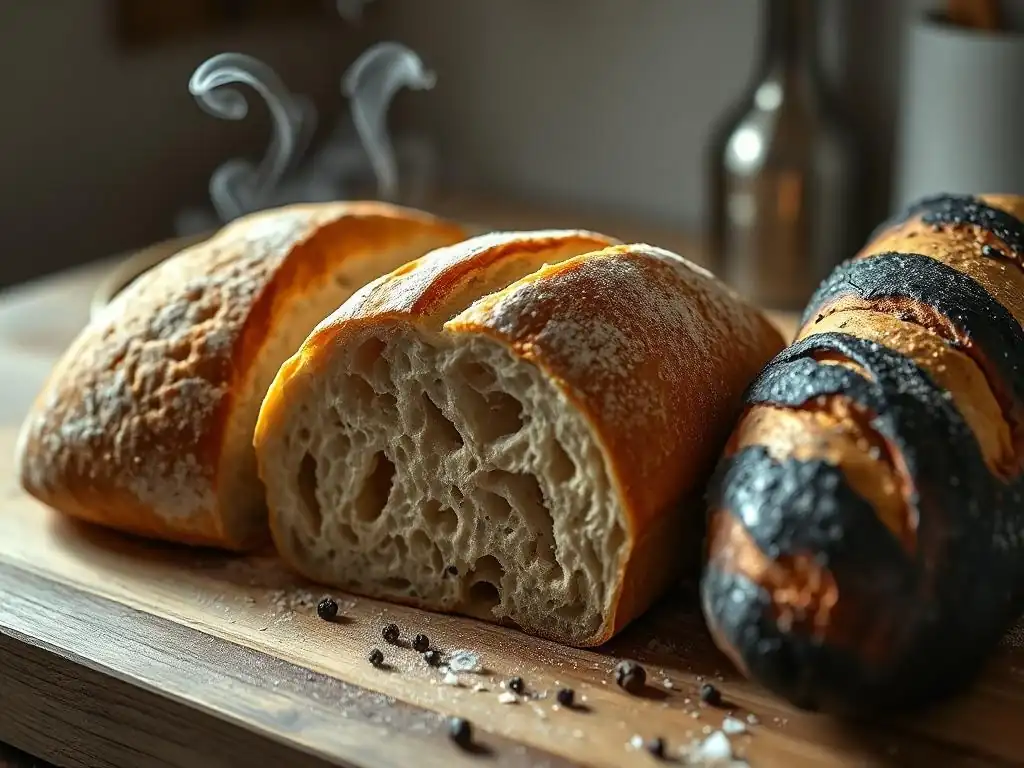
In bread baking, the Maillard reaction is primarily responsible for the development of the crust's color, flavor, and aroma. A typical lean dough bread baked at around 220-240°C (425-465°F) for 30-60 minutes relies heavily on sufficient baking duration for a robust crust. During the first phase of baking, steam allows the dough to expand (oven spring). As the surface dries out and reaches temperatures above 140°C, the Maillard reaction kicks in intensely on the crust.
A shorter baking duration will result in a pale, thin crust with minimal flavor development. Extending the time allows the reaction to penetrate deeper into the crust layer, creating a thicker, darker, and more complexly flavored crust with notes often described as roasted, nutty, or malty. For instance, a baguette baked for 20 minutes will have a thin, crackly, lightly browned crust, whereas a sourdough loaf baked for 45-50 minutes will develop a thick, deeply colored crust with significant Maillard flavors.
Cakes and Pastries: Balancing Moisture and Maillard Browning
Cakes and many pastries present a different challenge: achieving desirable surface browning without drying out the interior. Cakes often bake at lower temperatures (e.g., 160-180°C / 320-350°F) for moderate durations (e.g., 25-40 minutes for a standard layer cake). The high moisture and sugar content promote some surface Maillard browning, but the goal isn't usually a thick, deeply flavored crust like bread. Baking duration affects Maillard reaction on the surface, but too long can lead to a tough, dry cake.
Pastries like croissants or danishes, however, benefit greatly from Maillard browning on their flaky layers. Baked often at higher initial temperatures (e.g., 200-220°C / 400-425°F) for shorter durations (e.g., 20-30 minutes), the layers dry out and reach the Maillard threshold relatively quickly. Sufficient baking duration ensures the numerous surface areas of the laminated dough brown beautifully, contributing significantly to both visual appeal and buttery, slightly caramelized flavors.
Cookies are perhaps one of the most illustrative examples of how baking duration affects Maillard reaction and texture simultaneously. A typical drop cookie baked at 180-190°C (350-375°F) for 8-15 minutes undergoes significant changes. As the cookie bakes, it spreads, the edges dry out first, and the Maillard reaction begins on the surface and edges.
A shorter baking duration (e.g., 8-10 minutes) results in minimal spread, less browning, and a softer, chewier center because less moisture has evaporated and the Maillard reaction hasn't progressed far. Baking for a longer duration (e.g., 12-15 minutes) allows the cookie to spread more, dries out more moisture, promotes more extensive Maillard browning across the surface, and results in a crispier texture. The difference between a chewy and a crispy cookie is often just a couple of minutes of baking time, directly impacting the extent of the Maillard reaction and moisture loss.
Identifying the Stages of the Maillard Reaction During Baking
Early Stages: Initial Color Change and Aroma Development
In the initial stages of baking, as the surface of your dough or batter reaches temperatures typically above 140°C (284°F), the Maillard reaction begins its slow dance. Visually, you might notice a subtle change from pale white or yellow to a slightly more golden hue on the surface. This is the very beginning of melanoidin formation.
Simultaneously, the first volatile aroma compounds are being generated. You might start to smell faint, pleasant aromas – perhaps slightly sweet, bready, or nutty notes, depending on the ingredients. These early aromas are precursors to the deeper, richer smells that develop later. This stage often occurs within the first 5-10 minutes in a hot oven, depending on the thickness and moisture content of the item.
Mid Stages: Intensifying Flavor and Caramelization
As baking duration continues, the Maillard reaction moves into its mid-stages, which is where the most desirable flavors and colors typically develop. The golden hue intensifies to various shades of brown – from light gold to deep amber or reddish-brown. This is due to the increasing production and polymerization of melanoidins.
Flavor development accelerates significantly during this phase. The complex network of reactions yields a wider variety and higher concentration of flavor compounds, contributing roasted, toasted, nutty, coffee-like, or chocolatey notes. Caramelization, the browning of sugars through heat alone (starting around 160-180°C / 320-350°F), often overlaps with this stage, adding its own sweet, slightly bitter, or buttery notes, further enriching the overall flavor profile. This is often the target stage for perfectly baked goods.
Late Stages: Potential for Burning and Undesirable Flavors
Pushing the baking duration too far leads to the late stages of the Maillard reaction and often undesirable outcomes. The brown color darkens excessively, turning from deep brown to black. While some very dark crusts are traditional for certain breads, extreme darkening indicates that the reaction has progressed past the point of creating pleasant flavors.
In these late stages, the beneficial Maillard compounds can start to degrade. Bitter, acrid, and burnt flavors emerge as sugars and amino acids are over-processed. The texture can also become overly hard or brittle. Recognizing when to stop is crucial, as the transition from perfectly browned to burnt can happen relatively quickly, especially in thinner items like cookies or pastry edges.
Factors Influencing the Maillard Reaction Beyond Baking Duration
Ingredient Selection: Sugar Types and Protein Content
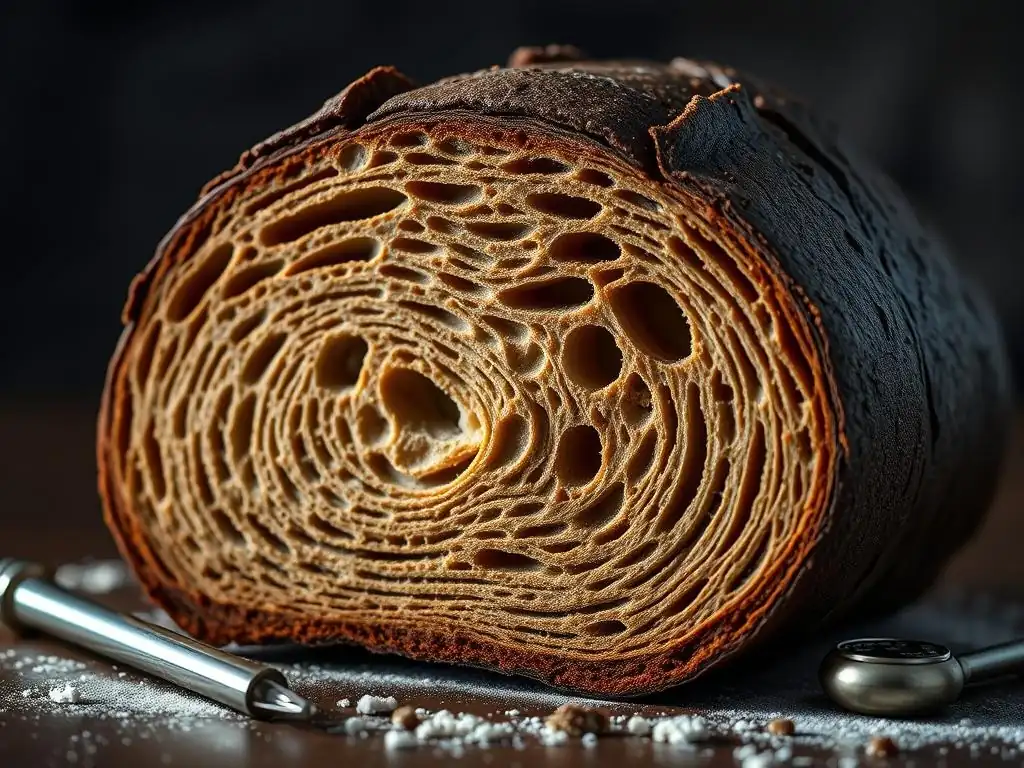
The specific ingredients used have a significant impact on how readily and extensively the Maillard reaction occurs. As mentioned, reducing sugars (glucose, fructose, lactose, maltose) are essential participants. Recipes using honey or corn syrup (high in fructose and glucose) will brown faster and more intensely than those using only sucrose (table sugar), provided sufficient moisture and heat are present to invert the sucrose.
Protein content also matters; more protein means more amino acids are available to react. Using bread flour (higher protein) versus cake flour (lower protein) will affect crust development in bread. The presence of milk or dairy products is particularly noteworthy because milk contains both lactose (a reducing sugar) and proteins, making it a potent promoter of the Maillard reaction, contributing to the golden-brown color of milk breads or pastries brushed with egg wash (which contains both protein and some sugars).
Oven Temperature and Humidity: Creating the Ideal Baking Environment
While baking duration affects Maillard reaction, the oven environment sets the stage. Temperature is the primary driver – the higher the temperature above the threshold, the faster the reaction proceeds. However, different items require different temperatures; a delicate cake would burn at bread-baking temperatures.
Humidity in the oven also plays a role. In the initial phase of baking bread, steam (either added intentionally or from the dough's moisture) keeps the surface cooler and moist, delaying crust formation and allowing for better oven spring. Once the steam dissipates, the surface dries rapidly, and the Maillard reaction accelerates intensely on the now-hot, dry surface. In contrast, a very dry oven might cause the surface to set and brown prematurely before the interior is cooked, leading to uneven results.
The Impact of pH Levels on Maillard Reaction Rate
The acidity or alkalinity (pH) of the dough or batter also influences the speed of the Maillard reaction. The reaction proceeds more quickly in slightly alkaline conditions (higher pH, above 7) and is slowed down in acidic conditions (lower pH, below 7). This is why adding a small amount of baking soda (sodium bicarbonate), which is alkaline, to cookie dough not only helps with leavening and spread but also promotes faster and more intense browning compared to using only baking powder (which often contains acidic components).
Conversely, recipes with acidic ingredients like buttermilk, yogurt, or lemon juice may exhibit slower or less intense Maillard browning unless counteracted by other factors like high sugar content or longer baking times. Understanding the pH of your dough can provide clues if your baked goods are browning too quickly or too slowly despite correct temperature and time.
Undercooked Baked Goods: Pale Color and Doughy Texture
A common issue resulting from insufficient baking duration is undercooked goods. Visually, they will appear pale, lacking the rich golden or brown colors expected from the Maillard reaction. The texture will often be doughy, gummy, or too soft in the center, and cakes might sink. This indicates that the item hasn't spent enough time at a sufficient temperature for the Maillard reaction to develop color and flavor, and for the internal structure to set properly through starch gelatinization and protein coagulation.
If your baked goods are consistently pale, the easiest fix is to increase the baking duration slightly in future attempts. Ensure your oven temperature is accurate (an oven thermometer is a great tool!). Sometimes, lowering the temperature slightly and extending the time can help cook the interior without burning the surface, allowing more overall time for Maillard development.
Overcooked Baked Goods: Burnt Edges and Bitter Flavors
On the opposite end of the spectrum, excessive baking duration leads to overcooked goods. This is characterized by excessively dark brown or black edges and surfaces. The pleasant Maillard flavors are replaced by bitter, acrid, and burnt notes. Texturally, the item might be excessively hard, dry, or brittle, especially around the edges.
This clearly indicates that the Maillard reaction has progressed too far, entering the degradation phase. To correct this, reduce the baking duration in subsequent batches. If the edges are burning while the center is still undercooked, the temperature might be too high, causing the surface to brown too quickly. Try lowering the oven temperature by 10-15°C (25-50°F) and potentially increasing the baking time slightly to allow for more even cooking and browning.
Uneven Browning: Identifying and Correcting Hot Spots in Your Oven
Uneven browning, where parts of a baked good are significantly darker or lighter than others, is often a sign of uneven heat distribution within your oven, creating "hot spots." This means different areas of your baked item are reaching the Maillard reaction temperatures at different times or are being subjected to higher temperatures for the same baking duration.
To combat this, rotating your baking sheet or pan halfway through the recommended baking duration is a simple but effective technique. For example, if a recipe calls for 20 minutes, rotate the pan 180 degrees after 10 minutes. This helps ensure that all sides of your baked goods are exposed to similar temperature conditions for a similar amount of time, promoting more uniform Maillard development and overall doneness. An oven thermometer can also help confirm if your oven heats accurately and identify if there are significant temperature variations within the cavity.
Practical Tips for Controlling the Maillard Reaction Through Baking Time
Using Visual Cues to Determine Doneness
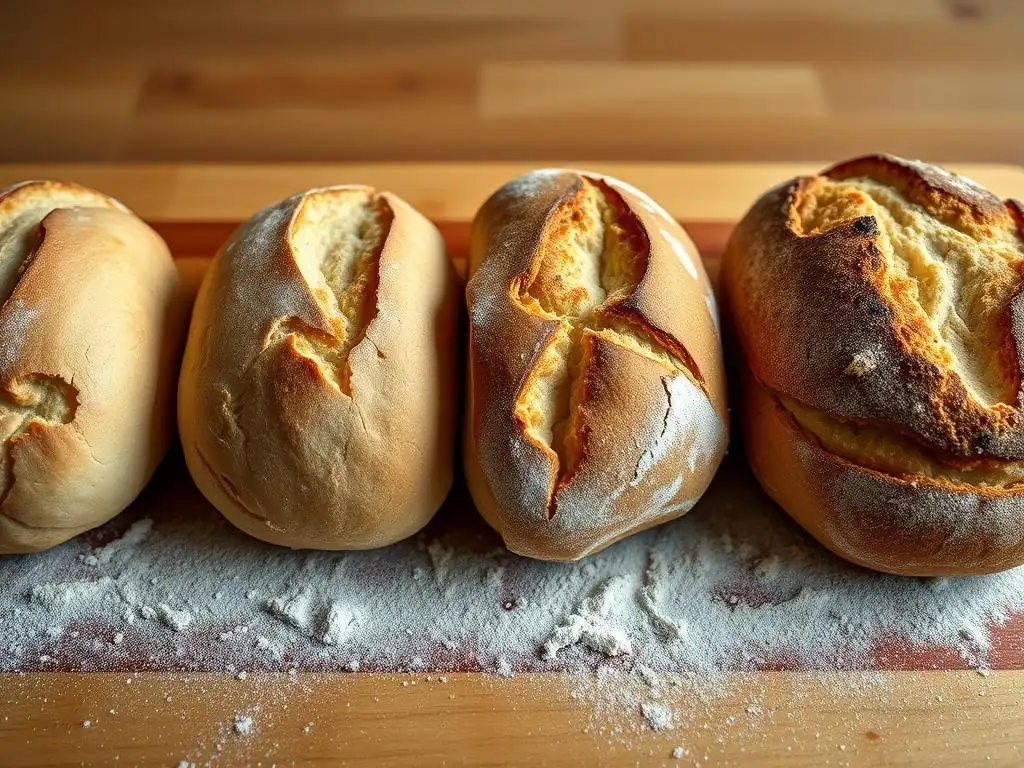
One of the most reliable ways to judge if your baked goods have achieved optimal Maillard reaction development is by using visual cues. Don't rely solely on the recipe's suggested baking duration. Look for the color specified in the recipe or desired for the item – usually a rich golden brown for cakes and pastries, or a deeper amber to reddish-brown for bread crusts.
Observe the edges; are they set and nicely browned? For cookies, are the edges golden while the center still looks slightly softer? For bread, does the crust have the desired depth of color and appear firm? Trust your eyes, as they are excellent indicators of how far the Maillard reaction has progressed on the surface.
Implementing the Toothpick Test for Cakes and Muffins
For items like cakes, muffins, and quick breads, where the interior needs to be cooked through, the toothpick test is a classic method that indirectly relates to sufficient baking duration for surface browning. Insert a toothpick or thin skewer into the center of the baked good. If it comes out clean or with only a few moist crumbs attached, the interior is likely done.
By the time the interior is fully cooked using this test, the surface has usually spent enough time at temperature to develop adequate Maillard browning. If the toothpick test is clean but the surface is still too pale, it might indicate your oven temperature is too low or the item is very moist, requiring a slightly longer duration to achieve the desired surface color after the interior is set.
Adjusting Baking Time Based on Recipe and Oven Performance
It's crucial to remember that recipe baking durations are guidelines. Factors like the actual temperature of your oven (which can vary by 10-25°C or more from the dial setting), the type of baking pan used (dark pans absorb more heat and brown faster), the altitude, and even the moisture content of your ingredients can affect the time needed.
Always start checking for doneness a few minutes before the minimum time specified in the recipe. If your baked good hasn't reached the desired color or doneness by the maximum time, continue baking, checking every minute or two. Conversely, if it looks done earlier, take it out. Over time, you'll learn how your specific oven and typical recipes interact with baking duration and the Maillard reaction.
Mastering Baking Duration for Optimal Maillard Reaction Results
Experimenting with Different Baking Times to Fine-Tune Flavor and Appearance
Becoming a master baker involves more than just following instructions; it involves understanding the science and experimenting. Once you're comfortable with a basic recipe, try baking it for slightly different durations (e.g., bake three cookies from the same batch for 8, 10, and 12 minutes). Observe and taste the difference in color, texture, and flavor resulting from the varied baking duration affects Maillard reaction outcomes.
For bread, try extending the bake time by 5-10 minutes to see how the crust changes. For cakes, note how an extra few minutes impacts the edge browning. These small experiments build intuition about how time controls the Maillard reaction and helps you dial in your preferences for different baked goods.
Keeping a Baking Journal to Track Results and Refine Techniques
A baking journal is an invaluable tool for refining your techniques, especially regarding baking duration and the Maillard reaction. For each recipe, record:
- The recipe source and any modifications.
- The actual oven temperature (if using an oven thermometer).
- The actual baking time used.
- Observations on the final product:
- Crust/surface color (e.g., "light golden," "dark brown," "uneven").
- Texture (e.g., "chewy center, crispy edge," "dry," "moist crumb").
- Flavor notes (e.g., "nutty crust," "slightly bitter," "perfectly balanced").
- Any issues encountered (e.g., "edges burned," "center pale").
Reviewing your journal entries helps identify patterns. If a recipe is consistently under-browned, you'll see that adding 2-3 minutes to the baking duration consistently improves the result. This systematic approach accelerates your learning and helps you master the role of time.
Advanced Techniques: Utilizing Steam and Convection for Enhanced Maillard Browning
More advanced techniques can further manipulate how baking duration affects Maillard reaction. Introducing steam at the beginning of baking (common for bread) delays the setting and browning of the crust. This allows the dough to expand more fully before the surface dries out and the Maillard reaction begins intensely. Once the steam dissipates, the moist, expanded surface rapidly browns, leading to a thinner, crispier crust with excellent color.
Convection ovens, which use a fan to circulate hot air, can also influence the Maillard reaction. The forced air movement transfers heat more efficiently and helps dry the surface faster, often resulting in quicker and more even browning. When using convection, you might need to reduce the temperature by about 15-25°C (25-50°F) and potentially reduce the baking duration compared to a conventional oven to prevent over-browning or drying out.
Conclusion: The Importance of Time in Achieving Baking Perfection through Maillard Reaction
Summarizing the Key Takeaways about Baking Duration and Maillard Reaction
Understanding how baking duration affects Maillard reaction is fundamental to achieving delicious and visually appealing baked goods. Time in the oven is not just about cooking the interior; it's a critical variable controlling the extent of the complex chemical reactions that develop color, aroma, and a vast array of flavor compounds on the surface and crust. From the initial subtle golden hue to the deep, rich brown of a perfectly baked crust, the progression of the Maillard reaction is directly tied to the amount of time your creation spends at temperature.
Balancing baking duration with temperature, ingredients, and oven conditions allows you to fine-tune the Maillard reaction, ensuring your bread has a robust crust, your cakes are moist with a pleasant surface color, and your cookies have the ideal texture and browning. Paying close attention to visual cues, using simple tests, and tracking your results through experimentation are all steps towards mastering this essential aspect of baking science.
BakeWithEase: Your Resource for Mastering the Maillard Reaction
Mastering the subtle yet powerful influence of baking duration on the Maillard reaction elevates your baking from good to truly great. It's a skill that comes with practice and understanding the science behind the magic. At BakeWithEase, we aim to provide you with the knowledge and resources to confidently control processes like the Maillard reaction in your kitchen. Explore our recipes and guides to put this understanding into practice and achieve baking perfection, one perfectly browned crust at a time.
Frequently Asked Questions
How does baking duration specifically impact the Maillard reaction?
Baking duration directly influences the extent of the Maillard reaction. Longer baking times generally lead to a more pronounced reaction. This results in deeper browning and more complex flavor development.
What happens if baking duration is too short in relation to the Maillard reaction?
If the baking duration is too short, the Maillard reaction may not fully develop. This can result in a pale, under-browned product with a less developed flavor profile. The desired aromatic compounds may also be lacking.
Can baking at a high temperature compensate for a shorter baking duration in terms of the Maillard reaction?
While higher temperatures can accelerate the Maillard reaction, they can't always perfectly compensate for a significantly shorter baking duration. You risk burning the exterior before the interior is fully cooked and the Maillard reaction is complete throughout.
How does the type of ingredient affect the baking duration needed for the Maillard reaction?
Different ingredients contain varying amounts of reducing sugars and amino acids, which are crucial for the Maillard reaction. Recipes with higher concentrations of these compounds might require shorter baking times to achieve the desired browning.
Besides baking duration, what other factors influence the Maillard reaction in baking?
Besides baking duration, other key factors include temperature, pH levels, and moisture content. The specific ingredients used (sugar types, protein sources) also play a significant role in the rate and intensity of the Maillard reaction.
Final Reflection: The Sweet Science of Time and Taste
The precise control of baking duration isn't merely a matter of following a recipe; it's the key to unlocking the full potential of the Maillard reaction and achieving culinary excellence. Understanding this intricate dance between time and temperature allows bakers to move beyond simply following instructions and to truly master their craft, creating baked goods that are not only visually appealing but also bursting with complex flavors and textures.
The Maillard reaction's influence extends far beyond the realm of professional kitchens; it's woven into the fabric of our culinary heritage and cultural experiences. From the comforting aroma of freshly baked bread to the satisfying crunch of a perfectly browned crust, the Maillard reaction shapes our sensory perceptions and connects us to traditions passed down through generations. The Maillard reaction is the magic behind so many of our favorite foods. It's a testament to the power of simple chemistry to create complex and delicious flavors.
This quote encapsulates the profound impact of this seemingly simple chemical process on our lives and our appreciation for food.
Consider the implications of this knowledge. You now hold the power to elevate your baking, to transform simple ingredients into extraordinary creations. Experiment with timing, observe the subtle shifts in color and aroma, and taste the difference that precise control can make. Don't just bake; understand the science behind the process, and unlock a deeper appreciation for the art of baking. The journey of mastering the Maillard reaction is a lifelong pursuit, filled with delicious discoveries and the satisfaction of creating something truly special.
Unlock Your Baking Potential: Master the Maillard Reaction!
Thanks for diving deep into the fascinating world of the Maillard reaction and baking times! You've now got the knowledge to create truly exceptional baked goods. Ready to put your new understanding into practice?
- Experiment with different baking times: Try adjusting your recipes by 5-10 minutes to see how it impacts the browning and flavor development of your favorite treats. Note the changes and share your discoveries!
- Share your baking triumphs (or challenges!): Join our community forum and tell us about your Maillard reaction experiments – we'd love to hear about your successes and learn from any unexpected results.
- Dive deeper into advanced baking techniques: Explore our recipe archives for more insightful articles on mastering browning and flavor development in various baked goods.
What unexpected flavor profiles will you unlock by mastering the Maillard reaction in your next baking project?