
The Essential Science Every Baker Needs: Demystifying the Maillard Reaction

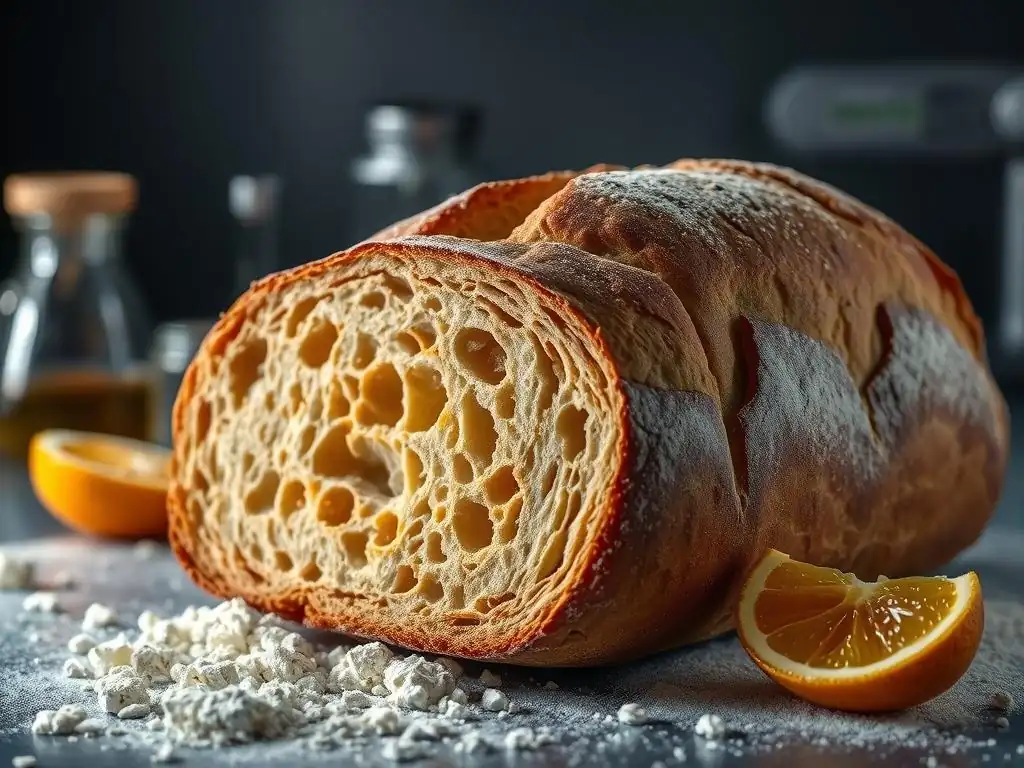
Welcome to BakeWithEase, where baking becomes an accessible and joyful experience! Ever wondered what really happens in your oven to create that perfect golden-brown crust and irresistible aroma? Dive into the fascinating world of the Maillard reaction baking science and unlock the secrets to transforming simple ingredients into culinary masterpieces. Curious to learn how this fundamental process influences flavor, texture, and appearance? Keep reading to discover the essential science that will elevate your baking from good to extraordinary!
- BakeWithEase: Understanding the Maillard Reaction in Baking Science
- What is the Maillard Reaction? A Baker's Introduction
- The Science Behind the Maillard Reaction: Key Components
- Maillard Reaction in Different Baking Applications
- Mastering the Maillard Reaction: Tips and Techniques for Bakers
- Troubleshooting the Maillard Reaction: Avoiding Common Baking Problems
- Advanced Maillard Reaction Techniques for Bakers
- The Future of Maillard Reaction Research in Baking
- BakeWithEase: Further Exploring Baking Science
- Frequently Asked Questions
- Final Reflection: The Sweet Science of Baking and Beyond
- Unlock Your Baking Potential: Master the Maillard Reaction!
BakeWithEase: Understanding the Maillard Reaction in Baking Science
Welcome to BakeWithEase, where we explore the fascinating world of baking, from simple cookie recipes to the complex science behind perfect bread. Today, we're diving deep into one of the most crucial chemical reactions that transforms raw ingredients into delicious baked goods: the Maillard reaction. Understanding this process is key to mastering flavor, color, and aroma in your baking.
The Maillard reaction baking science is fundamental for any baker looking to elevate their skills. It's not just about following a recipe; it's about understanding why things happen in the oven. By demystifying this essential science, you gain control over your results, allowing you to consistently produce baked goods that are not only visually appealing but also rich in complex flavors. Let's unlock the secrets of this incredible reaction together.
What is the Maillard Reaction? A Baker's Introduction
When you bake bread and see that beautiful brown crust form, or when you bite into a cookie with a rich, toasted flavor, you're experiencing the magic of the Maillard reaction. It's a complex series of chemical interactions that occur primarily between amino acids and reducing sugars under heat. This reaction is responsible for the characteristic browning and the development of hundreds of different flavor compounds in baked goods, as well as in many other cooked foods like seared steaks or roasted coffee beans.
Unlike caramelization, which involves only sugars breaking down under heat, the Maillard reaction requires both proteins (specifically, amino acids) and certain types of sugars to be present. It typically begins to occur at temperatures above 280°F (140°C), though it can happen at lower temperatures over longer periods. The results are transformative, changing the texture, aroma, and taste of your baked creations in profound ways.
Defining the Maillard Reaction: Chemical Reactions in the Oven
The Maillard reaction is not a single reaction but a complex cascade of chemical events initiated when amino acids and reducing sugars are heated together. The initial step involves the carbonyl group of a reducing sugar reacting with the amino group of an amino acid or protein. This forms an unstable intermediate called a Schiff base.
Following the initial reaction, a series of rearrangements, fragmentations, and polymerizations occur. These subsequent steps generate a vast array of compounds, including melanoidins (responsible for the brown color) and numerous volatile flavor and aroma compounds like pyrazines, furans, and aldehydes. The specific compounds produced depend heavily on the types of amino acids and sugars present, the temperature, pH, and moisture content of the baking environment. For example, the amino acid proline is often associated with malty flavors in baked goods.
Why the Maillard Reaction Matters for Baking: Flavor, Color, and Texture
The Maillard reaction is arguably the most important reaction for developing complex flavors in baked goods. Without it, bread crusts would be pale and bland, cookies would lack that characteristic toasted depth, and cakes would miss subtle caramel notes. The reaction creates a spectrum of flavors ranging from nutty, malty, and toasted to savory and even slightly bitter, depending on the ingredients and conditions.
Beyond flavor, the Maillard reaction is responsible for the appealing brown color of many baked goods, from golden-brown pastries to deep mahogany bread crusts. This browning, caused by the formation of melanoidins, also contributes to the texture, creating a crispier crust on bread and cookies. It's this multi-sensory impact – the rich color, enticing aroma, complex flavor, and satisfying texture – that makes the Maillard reaction so vital to the art and science of baking.
The Science Behind the Maillard Reaction: Key Components
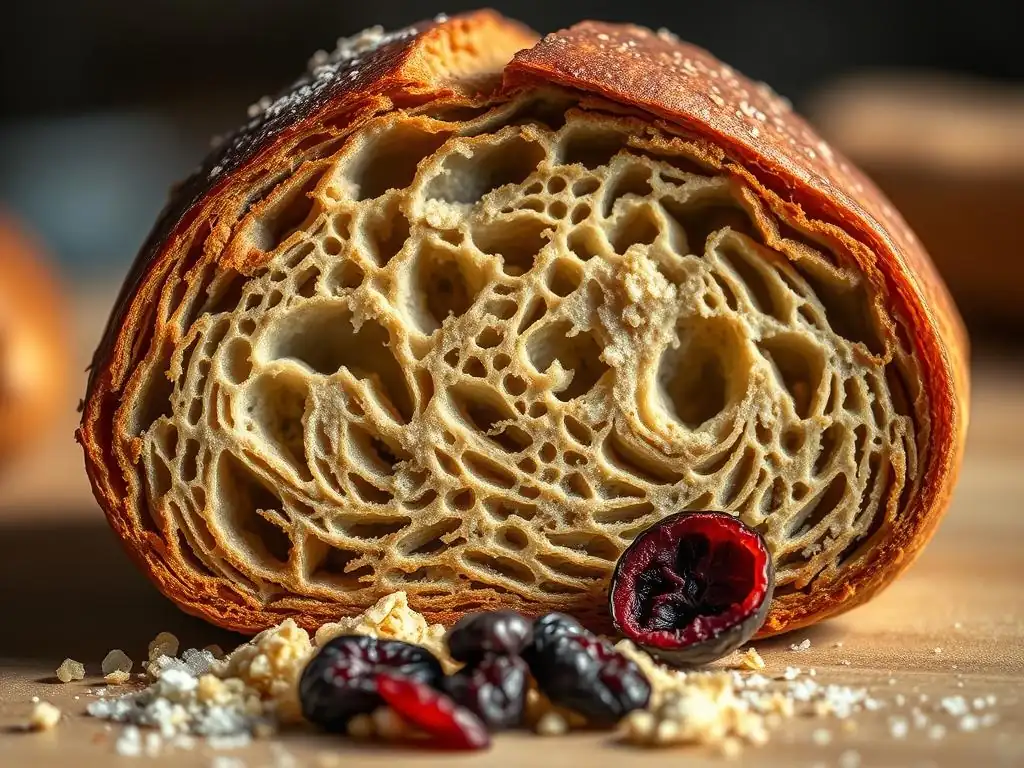
Understanding the components that drive the Maillard reaction allows bakers to predict and control its effects. The primary reactants are amino acids and reducing sugars, but environmental factors like heat, time, pH, and moisture also play critical roles in determining how the reaction proceeds and the final outcome in terms of flavor, color, and aroma.
By manipulating these factors, bakers can fine-tune the Maillard reaction to suit different recipes. For instance, increasing the sugar content in a cookie dough will generally lead to more pronounced browning and sweeter, more caramelized Maillard flavors compared to a lean bread dough. Similarly, baking at a higher temperature will accelerate the reaction, while adjusting the pH can either promote or inhibit it.
Amino Acids and Reducing Sugars: The Building Blocks of Flavor
The Maillard reaction hinges on the presence of both amino acids (the building blocks of proteins) and reducing sugars. Reducing sugars are sugars that have a free aldehyde or ketone group that can react with the amino group of an amino acid. Common reducing sugars include glucose (dextrose), fructose, lactose (found in milk), and maltose (found in malt extract). Sucrose (table sugar) is not a reducing sugar, but it can break down into glucose and fructose under acidic or heated conditions, allowing it to participate indirectly in the Maillard reaction.
Different amino acids react differently and produce distinct flavor compounds. For example, phenylalanine is associated with flowery or chocolatey notes, while leucine can contribute malty or bready flavors. The specific combination of amino acids from ingredients like flour, milk, and eggs, along with the types of reducing sugars present, creates the unique flavor profile of a baked good through the Maillard reaction baking science.
Heat and Time: Controlling the Maillard Reaction's Intensity
Heat is the primary catalyst for the Maillard reaction. The rate of the reaction increases significantly with temperature, typically becoming noticeable above 280°F (140°C). Higher temperatures accelerate the formation of melanoidins and volatile flavor compounds, leading to darker colors and more intense flavors. However, excessive heat can lead to burning, which is a different process involving the complete breakdown of sugars and other compounds into bitter, carbonized substances.
Time also plays a crucial role. Even at moderate temperatures, the Maillard reaction will proceed over time. A longer baking time at a lower temperature can sometimes produce similar results to a shorter time at a higher temperature, but the spectrum of flavor compounds produced might differ.
For instance, baking bread for a longer time at a slightly lower temperature might yield a thicker, more evenly browned crust with complex flavors, whereas a very hot, fast bake might produce a thinner, crispier crust with different flavor characteristics. This interplay of heat and time is fundamental to controlling the Maillard reaction in baking.
pH Levels and Moisture: Influencing the Maillard Reaction
The pH level of the dough or batter significantly impacts the rate of the Maillard reaction. The reaction proceeds much faster in alkaline (higher pH) conditions and is inhibited in acidic (lower pH) conditions. This is why adding baking soda (sodium bicarbonate), which is alkaline, to cookies promotes browning and a crispier texture compared to using baking powder alone, which is often acidic or neutral.
Moisture content is another critical factor. The Maillard reaction occurs in a non-enzymatic manner and requires a certain level of moisture to allow the reactants (amino acids and sugars) to move and interact. However, too much moisture, such as steam in an oven or high water content in a dough, can initially slow down the reaction because the temperature of the surface cannot exceed the boiling point of water (212°F or 100°C) until the surface dries out.
Once the surface dries and the temperature rises, the Maillard reaction accelerates rapidly. This is evident in bread baking, where steam is often used at the beginning to keep the crust soft and allow for oven spring before the surface dries and browns beautifully.
Maillard Reaction in Different Baking Applications
The Maillard reaction baking science manifests differently depending on the type of baked good due to variations in ingredients, moisture levels, baking temperatures, and times. Understanding these nuances helps bakers optimize the reaction for specific outcomes, whether it's a thick, flavorful bread crust or a delicate, golden cookie.
Each baking application presents unique challenges and opportunities for controlling the Maillard reaction. A lean dough like ciabatta will brown differently than a rich brioche dough due to differences in sugar, protein, and fat content. Similarly, a high-moisture cake batter behaves differently than a low-moisture cookie dough when exposed to heat.
Bread Baking: Achieving the Perfect Crust Color and Flavor
In bread baking, the Maillard reaction is primarily responsible for the development of the crust's color, aroma, and complex flavor profile. The lean nature of many bread doughs (flour, water, yeast, salt) means the reducing sugars mainly come from the enzymatic breakdown of starch by amylase during fermentation. Baking temperatures typically range from 350°F to 500°F (175°C to 260°C).
Achieving a desirable bread crust requires careful control of heat and moisture. Using steam in the oven during the initial phase of baking helps keep the crust pliable, allowing the loaf to expand fully (oven spring) before it sets.
Once the steam dissipates and the surface temperature rises above 280°F (140°C), the Maillard reaction kicks into high gear, producing the characteristic golden to dark brown color and the myriad of flavor compounds associated with a well-baked loaf. Baking duration also matters; a longer bake at a moderate temperature tends to yield a thicker, more robust crust than a quick, hot bake.
Cake Baking: Enhancing Caramelization and Aroma
While caramelization (browning of sugars alone) plays a significant role in cake baking, the Maillard reaction also contributes, particularly in cakes containing milk (lactose is a reducing sugar) or eggs (contain proteins/amino acids). The Maillard reaction in cakes contributes to the subtle browning of the crumb near the edges and bottom and adds depth to the overall flavor profile, complementing the sweetness from sugars.
Cakes are typically baked at lower temperatures, around 325°F to 375°F (160°C to 190°C), and have higher moisture content than bread or cookies. These conditions mean the Maillard reaction proceeds more slowly and less intensely than in bread crusts. However, it still contributes to the pleasing aroma of a baking cake and the slightly caramelized notes, especially in recipes with ingredients like buttermilk, brown sugar (which contains molasses, a source of reducing sugars), or whole eggs. The delicate balance is to achieve some Maillard browning without drying out the cake.
Cookies are excellent examples of the Maillard reaction at work, often showcasing pronounced browning and rich, toasted flavors. Cookie doughs typically contain high amounts of sugar, fat, and often eggs and milk products, providing ample reducing sugars and amino acids. Baking temperatures vary but are often in the 325°F to 400°F (160°C to 200°C) range.
The relatively low moisture content and small size of cookies allow their surface temperature to rise quickly, promoting vigorous Maillard browning. The type of sugar used significantly impacts the outcome; cookies made with brown sugar (containing fructose and glucose) will brown more intensely and have more developed Maillard flavors than those made solely with granulated sugar (sucrose), unless the sucrose is broken down.
The extent of spreading and thinness also affects browning; thinner cookies brown faster and become crispier due to increased surface area and lower moisture. Controlling the Maillard reaction baking science is key to achieving the desired crispness and chewiness in cookies.
Pastry Baking: Developing Rich Flavors in Croissants
In pastry baking, particularly with rich doughs like croissants, the Maillard reaction contributes to the beautiful golden-brown exterior and the complex, buttery flavor. Croissant dough contains flour, butter, milk, and sometimes eggs – all sources of amino acids and reducing sugars (lactose from milk, glucose/fructose from flour breakdown or added sugar). Baking temperatures are often moderate, around 350°F to 400°F (175°C to 200°C).
The high fat content from butter in laminated doughs like croissants affects heat transfer and moisture. As the butter melts and creates steam, it helps puff the layers. Once the surface dries, the Maillard reaction, along with caramelization of any added sugar, creates the flaky, crisp, and richly flavored outer layers. The interaction of milk proteins, sugars, and the fat contributes to a unique flavor profile distinct from lean bread, showcasing another facet of the Maillard reaction baking science.
Mastering the Maillard Reaction: Tips and Techniques for Bakers
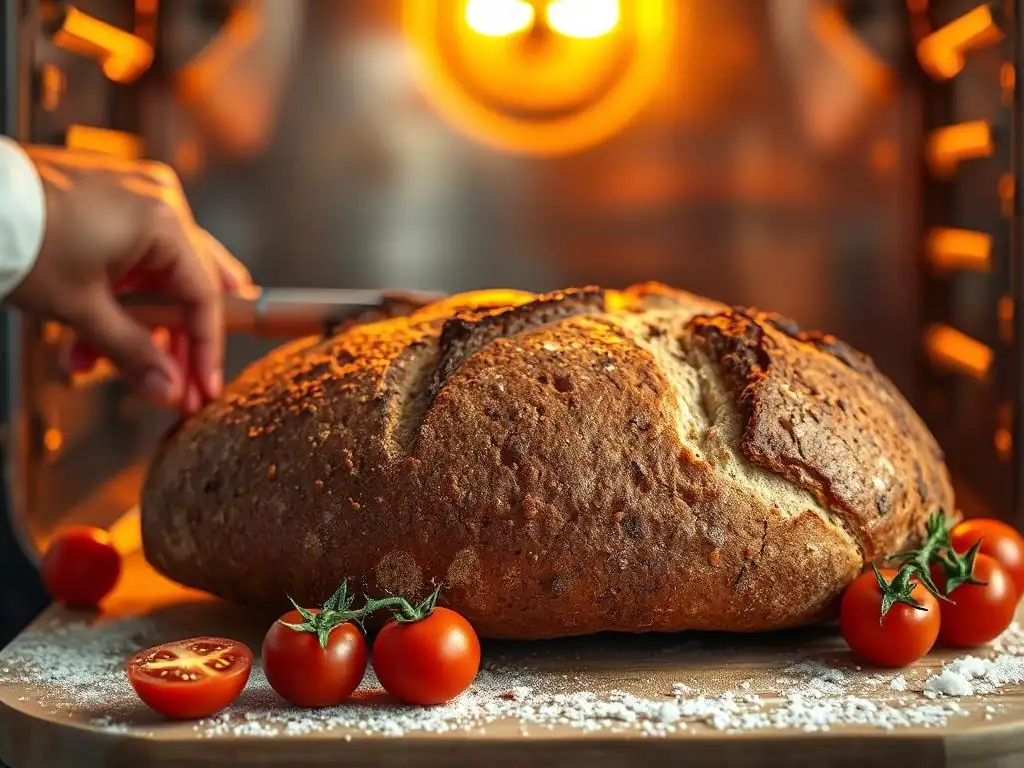
Controlling the Maillard reaction allows bakers to achieve consistent and desired results. By manipulating factors like temperature, time, sugar type, and pH, you can influence the degree of browning and the specific flavor compounds that develop in your baked goods.
Becoming proficient in managing the Maillard reaction is a significant step towards becoming a more skilled baker. It moves you from simply following instructions to understanding the science behind why those instructions work and how you can adapt them. Let's look at some practical techniques.
Controlling Oven Temperature for Optimal Browning
Oven temperature is perhaps the most direct way to control the rate of the Maillard reaction. Higher temperatures accelerate the reaction, leading to faster and darker browning. For instance, baking cookies at 375°F (190°C) instead of 325°F (160°C) will result in more rapid browning and potentially a crispier texture.
However, using too high a temperature can lead to the outside burning before the inside is fully cooked. Conversely, too low a temperature might result in pale, underdeveloped baked goods lacking complex flavors. Understanding the ideal temperature range for different items (e.g., higher for lean bread crusts, lower for delicate cakes) is crucial for optimizing the Maillard reaction baking science without compromising the bake. Using an oven thermometer can help ensure your oven is calibrated correctly, as many home ovens can be off by 25-50°F (15-30°C).
Adjusting Baking Time for Desired Color and Flavor
Along with temperature, baking time is a critical lever for controlling the Maillard reaction. Longer baking times allow the reaction to proceed further, resulting in darker colors and more intense flavors, even at moderate temperatures. For example, baking a loaf of bread for 40 minutes might yield a light golden crust, while baking it for 55-60 minutes at the same temperature could produce a deep brown, flavorful crust.
Monitoring color is often the best indicator of the Maillard reaction's progress. Don't just rely on the timer; visually inspect your baked goods. If they are browning too quickly, you might need to reduce the temperature or shield parts of the item (like the edges of a pie crust). If they are too pale, extending the baking time slightly might be necessary, provided the item doesn't become dry. Mastering this visual cue is key to achieving the perfect Maillard reaction in baking.
Using Sugar Types to Influence the Maillard Reaction: Sucrose vs. Fructose
The type of sugar used significantly impacts the Maillard reaction because only reducing sugars directly participate. Sucrose (table sugar) is a disaccharide made of glucose and fructose linked together. It doesn't have a free reactive group. However, glucose and fructose are monosaccharides and are reducing sugars. Fructose is particularly reactive in the Maillard reaction, browning faster than glucose.
Using sugars like brown sugar (which contains fructose and glucose in molasses) or adding a small amount of honey or corn syrup (which contain fructose and glucose) will lead to more pronounced Maillard browning than using only granulated sucrose. For example, swapping some granulated sugar for brown sugar in a cookie recipe will result in a darker, chewier cookie with richer, more developed Maillard flavors. This demonstrates how ingredient choice directly influences the Maillard reaction baking science.
The Role of Baking Soda and Baking Powder in Maillard Browning
Baking soda (sodium bicarbonate) is an alkaline substance that increases the pH of dough or batter. As the Maillard reaction proceeds faster in alkaline conditions, adding baking soda promotes browning. This is why cookies made with baking soda tend to spread more and brown more intensely than those leavened solely with baking powder.
Baking powder, on the other hand, is a mixture of an acid, an alkali (usually baking soda), and a starch. Many baking powders are double-acting, reacting once when wet and again when heated. The overall effect on pH is often neutral or slightly acidic, which doesn't promote the Maillard reaction as strongly as baking soda alone. Recipes that use both baking soda and baking powder often balance the leavening and spread with the desired level of Maillard browning and flavor development. Understanding this interaction helps in controlling the Maillard reaction baking science for specific textures and colors.
Troubleshooting the Maillard Reaction: Avoiding Common Baking Problems
Despite your best efforts, sometimes the Maillard reaction doesn't go as planned. You might end up with baked goods that are too pale or, conversely, burnt on the outside. Learning to troubleshoot these issues involves understanding what factors are out of balance and how to correct them.
Common problems related to the Maillard reaction often stem from issues with temperature, time, ingredient ratios, or oven inconsistencies. By systematically addressing these variables, you can improve your results and consistently achieve the desired level of browning and flavor.
Preventing Over-Browning: Techniques for Slowing Down the Reaction
If your baked goods are browning too quickly on the outside while the inside is still undercooked, the Maillard reaction is proceeding too fast. This is often due to the oven temperature being too high. Lowering the oven temperature by 25°F (15°C) or slightly increasing the baking time might help.
Another technique is to shield the parts that are browning too fast. For example, the edges of a pie crust can be covered with foil or silicone protectors. For bread, you can place a baking sheet on the rack above the loaf during the latter part of baking to shield the top crust. Increasing the moisture in the oven, perhaps by placing a tray of water on the bottom rack (for bread), can also slow surface browning initially. These methods help manage the Maillard reaction baking science to ensure even cooking and browning.
Addressing Under-Browning: Strategies for Enhancing Color Development
If your baked goods are too pale, the Maillard reaction isn't happening sufficiently. This could be due to the oven temperature being too low, insufficient baking time, or a lack of reducing sugars or alkaline conditions in the recipe.
Ensure your oven temperature is accurate using an oven thermometer. If the recipe allows, increasing the baking time slightly can help develop more color. Consider if your recipe could benefit from ingredients that promote the Maillard reaction, like adding a small amount of milk powder (lactose), brown sugar, or a touch of baking soda (if appropriate for the recipe's structure and flavor).
For items like bread, ensuring adequate steam in the initial phase helps delay crust setting, allowing for more oven spring, and then removing the steam allows the surface temperature to rise and brown. Adjusting these factors is key to enhancing the Maillard reaction baking science.
Achieving Consistent Results: Controlling Variables in Your Baking
Consistency in baking, especially concerning the Maillard reaction, comes from controlling variables. This includes using accurate measurements for ingredients, ensuring your oven temperature is correct and stable, and being mindful of the baking time.
Environmental factors like humidity can also play a minor role, affecting dough hydration and thus surface moisture during baking. Keeping detailed notes on successful and unsuccessful bakes can help you identify patterns and make adjustments. For instance, noting that a specific cookie recipe browns perfectly at 350°F (175°C) in your oven after 12 minutes provides a baseline for future bakes. This systematic approach to controlling variables is fundamental to mastering the Maillard reaction baking science.
Advanced Maillard Reaction Techniques for Bakers
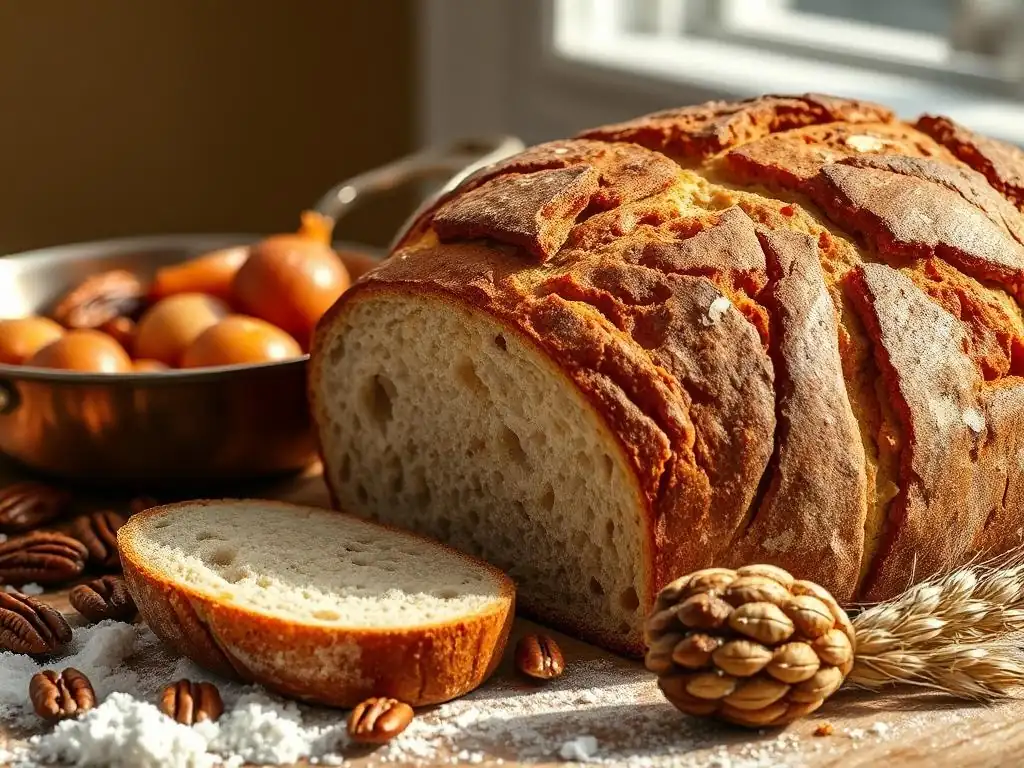
For bakers who want to push the boundaries and explore new flavors and textures, there are more advanced techniques that interact with or leverage the Maillard reaction in interesting ways. These methods often involve unconventional approaches or ingredients not typically found in standard recipes.
Exploring these advanced techniques can unlock new dimensions of flavor and texture in your baked goods. They require a deeper understanding of the underlying science and how different processes influence the complex chemical cascade of the Maillard reaction.
Sous Vide Baking and the Maillard Reaction: Exploring New Possibilities
Sous vide is a cooking method where food is vacuum-sealed and cooked in a temperature-controlled water bath. While primarily used for proteins, it can be applied to some baking components. For example, preparing a custard base or a lemon curd sous vide ensures precise cooking without scorching.
The Maillard reaction doesn't occur significantly in a sous vide bath because the temperature typically doesn't reach the required 280°F+ (140°C+) threshold. However, sous vide can be used as a preparation step before a final baking or searing process where the Maillard reaction will occur.
For instance, a sous vide cooked custard could be finished under a broiler to create a browned sugar crust (caramelization, but often with some Maillard from milk proteins) or used in a tart that is then baked to brown the pastry crust. This two-step process allows for precise internal cooking followed by controlled surface browning via the Maillard reaction.
Using Enzymes to Enhance Maillard Reaction Flavors: Amylase
Enzymes, particularly amylase, play a role in the Maillard reaction in baking, especially in bread. Amylase is naturally present in flour, and commercial baking enzymes (like diastatic malt powder, which is rich in amylase) are sometimes added to dough. Amylase breaks down starch into smaller sugars, including maltose (a reducing sugar) and glucose.
By increasing the amount of reducing sugars available in the dough through enzymatic activity, amylase promotes more vigorous Maillard browning during baking. This leads to a darker crust and contributes to richer, malty flavors. Controlling enzymatic activity through fermentation time and temperature is an indirect way to influence the Maillard reaction baking science in yeasted goods. Too much enzymatic activity, however, can lead to a sticky dough and excessive browning.
Exploring Different Protein Sources for Unique Maillard Profiles: Milk vs. Egg Proteins
The specific amino acids provided by different protein sources influence the types of flavor compounds produced during the Maillard reaction. Milk proteins (whey and casein) contain amino acids like lysine, which is highly reactive in the Maillard reaction and contributes to characteristic dairy-related flavors and browning in milk breads or pastries made with milk.
Egg proteins (albumen and yolk) offer a different profile of amino acids. The Maillard reaction involving egg proteins contributes to the flavor and color of things like brioche, challah (made with eggs), or even baked custards. Comparing the browning and flavor of a water-based bread dough versus a milk-based dough, or a rich egg-based bread, highlights how the protein source fundamentally alters the outcome of the Maillard reaction baking science. Each protein type contributes a unique set of building blocks for the complex flavor molecules formed.
The Future of Maillard Reaction Research in Baking
The Maillard reaction is a subject of ongoing scientific research, even after decades of study. Scientists and food technologists continue to explore its complexities, aiming to understand and control it better for enhanced food quality, safety, and nutritional value.
Future research promises exciting developments for bakers, from identifying novel flavor compounds to developing new ingredients or techniques that optimize the Maillard reaction. Staying informed about these advancements can provide insights into future baking trends and possibilities.
New Discoveries in Flavor Development
Researchers are continuously identifying new flavor compounds produced by the Maillard reaction and understanding how specific precursors (amino acids and sugars) and conditions lead to their formation. This detailed knowledge could lead to the development of ingredients or processes designed to enhance specific desirable flavors or minimize undesirable ones (like bitter notes that can develop with excessive browning).
Imagine tailor-made flavor enhancers derived from specific Maillard pathways, or flours optimized for certain Maillard reactions. This ongoing work in understanding the intricate chemistry of flavor formation through the Maillard reaction baking science holds potential for creating baked goods with even more nuanced and appealing tastes.
Innovations in Baking Techniques
Future innovations in baking techniques might focus on leveraging the Maillard reaction in novel ways. This could involve new oven technologies that offer more precise control over surface temperature and moisture, or ingredients engineered to react in specific ways during baking.
Techniques like applying specific enzyme blends or using novel sugar substitutes that interact differently with amino acids could also emerge. As our understanding of the Maillard reaction deepens, bakers will have more tools and knowledge to manipulate this powerful process, leading to improved quality, efficiency, and creativity in the kitchen. The future of Maillard reaction baking science is ripe with possibilities.
BakeWithEase: Further Exploring Baking Science
Understanding the Maillard reaction is just one piece of the puzzle in mastering baking science. There are other equally fascinating chemical and physical processes at play that influence the outcome of your baked goods.
At BakeWithEase, we believe that the more you understand the science, the better baker you will become. Exploring related topics like caramelization and gluten development provides a more complete picture of what happens when you combine ingredients and apply heat.
Caramelization: The Science of Sweetness and Browning
Caramelization is another non-enzymatic browning reaction in baking, but unlike the Maillard reaction, it involves only the thermal decomposition of sugars, typically occurring at higher temperatures, around 320°F (160°C) for sucrose. It produces distinct flavors, ranging from nutty and buttery to slightly bitter, and is responsible for the color of caramel sauce, the tops of crème brûlée, and contributes to the browning of high-sugar baked goods.
While the Maillard reaction requires amino acids and reducing sugars, caramelization only requires sugar and heat. Often, both reactions occur simultaneously in baked goods containing both proteins and sugars, like a cake or cookie. Understanding the interplay between caramelization and the Maillard reaction baking science helps explain the full spectrum of flavors and colors in these items.
Gluten Development: Understanding Protein Networks in Baking
Gluten development is a fundamental process in baking, particularly with wheat flour. Gluten is a protein network formed when two proteins, glutenin and gliadin (found in wheat, rye, and barley), combine with water and are manipulated (kneaded). This network provides structure, elasticity, and chewiness to baked goods like bread and many pastries.
While gluten development is a physical process rather than a chemical reaction like the Maillard reaction, it is intricately linked to the final outcome. The strength and structure of the gluten network influence how well a dough holds its shape, how it rises, and ultimately affects the texture of the crumb and crust, which in turn impacts how the Maillard reaction is perceived. Mastering gluten development is as crucial to successful baking as understanding the Maillard reaction baking science.
Frequently Asked Questions
What is the Maillard Reaction and why is it important in baking?
The Maillard reaction is a chemical reaction between amino acids and reducing sugars that occurs upon heating. It's crucial because it's responsible for the browning and flavor development in baked goods.
At what temperature does the Maillard reaction typically occur?
The Maillard reaction generally begins to occur at temperatures above 285°F (140°C). However, the exact temperature can vary depending on the specific ingredients and the moisture content of the baked good.
How does the moisture level affect the Maillard reaction?
A certain amount of moisture is necessary for the Maillard reaction to take place. However, excessive moisture can inhibit the reaction. Finding the right balance is key for achieving optimal browning and flavor.
What ingredients encourage the Maillard reaction?
Ingredients rich in reducing sugars, like glucose and fructose, and amino acids, such as those found in proteins, will promote the Maillard reaction. Adding ingredients like milk powder or honey can enhance browning.
Can I control the Maillard reaction in my baking?
Yes, you can control it by adjusting factors like oven temperature, baking time, and the ingredients used in your recipe. Understanding these factors allows you to fine-tune the browning and flavor of your baked goods.
Final Reflection: The Sweet Science of Baking and Beyond
Understanding the Maillard reaction isn't just about achieving perfectly browned crusts; it's about unlocking the fundamental chemistry that elevates baking from a simple process to a culinary art. This seemingly small reaction holds the key to unlocking a world of flavor and texture, impacting everything from the deep caramel notes of a perfectly seared steak to the rich aroma of freshly baked bread. Its influence is far-reaching and deserves a deeper understanding than many bakers initially realize.
The Maillard reaction's impact extends far beyond the confines of the kitchen. It's a testament to the power of scientific understanding in transforming everyday practices. It's a reminder that even the most seemingly simple acts, like baking a loaf of bread, are underpinned by complex chemical processes. This understanding allows for greater control and creativity, pushing the boundaries of what's possible in the culinary world. As Harold McGee eloquently puts it, The Maillard reaction is not just a chemical reaction; it's a gateway to understanding the intricate dance between chemistry and cuisine.
This quote encapsulates the beauty and complexity of this seemingly simple reaction.
Now, consider your own baking journey. What new possibilities does this deeper understanding of the Maillard reaction unlock for you? Perhaps you'll experiment with different sugars, explore novel combinations of ingredients, or simply appreciate the nuanced flavors in your creations with a newfound appreciation. Embrace the science, experiment fearlessly, and let the Maillard reaction guide you to new heights of baking excellence. The journey of discovery is just beginning.
Unlock Your Baking Potential: Master the Maillard Reaction!
Thanks for diving deep into the world of the Maillard reaction! You've now unlocked the secrets to creating richer, more flavorful baked goods. Ready to put your newfound knowledge into practice?
- Experiment with different sugars and amino acids: Try substituting different types of sugar in your favorite recipe to see how it affects the Maillard reaction and the final product's color and flavor. This is your chance to become a true baking alchemist!
- Share your Maillard magic: Post a picture of your latest baking creation on social media and tag #BakeWithEaseMaillard – let's inspire each other!
- Dive deeper into the science: Explore our upcoming webinar on advanced Maillard reaction techniques (details coming soon to bakewithease.com)!
So, what delicious creation will you be Maillard-ing next?