
Gluten Development in Enriched Doughs: A Delicate Balance

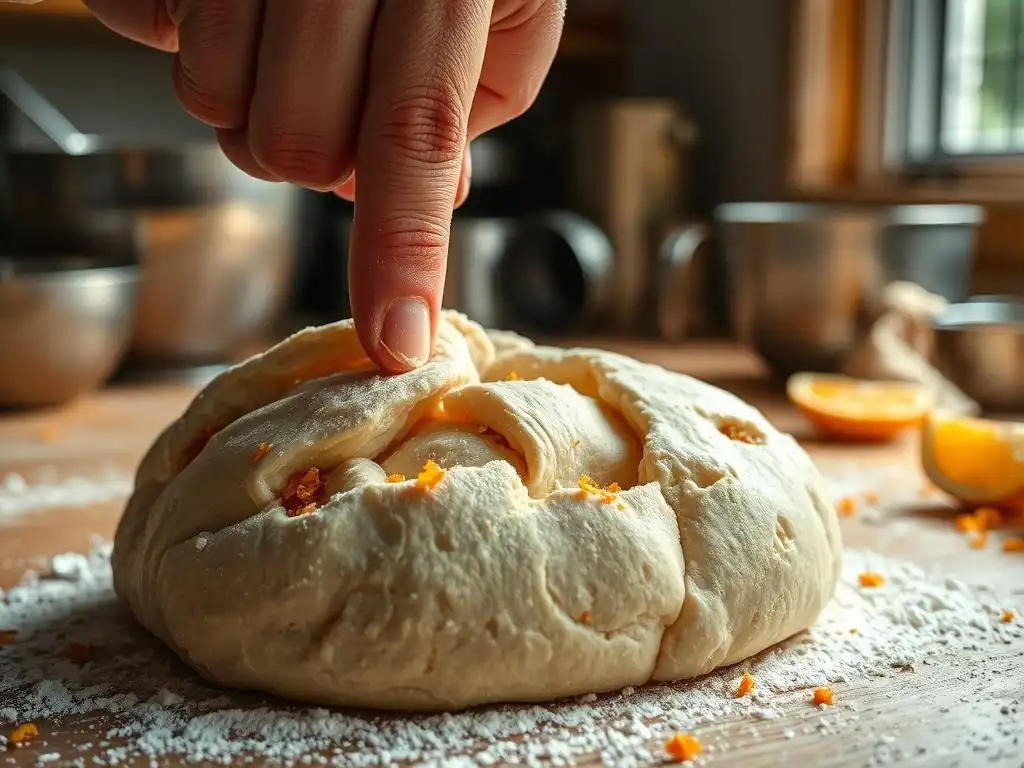
Welcome to BakeWithEase, your guide to baking brilliance! Are you ready to unlock the secrets to perfectly textured enriched doughs? Achieving optimal gluten development is key, but it's a delicate balance. Dive in to discover our enriched dough recipe and learn how to master the art of creating light, airy, and irresistibly delicious baked goods. Curious about the science behind it all? Let's explore the fascinating world of baking science together!
- Introduction to Gluten Development in Enriched Doughs
- Key Ingredients and Their Impact on Gluten
- Techniques for Optimal Gluten Development in Enriched Doughs
- Troubleshooting Gluten Issues in Enriched Doughs
- Enriched Dough Recipe Examples and Gluten Development
- Conclusion: The Art and Science of Gluten in Enriched Baking
-
Frequently Asked Questions
- How does gluten development differ in enriched doughs compared to lean doughs?
- What ingredients in enriched doughs specifically affect gluten development?
- Why is proper mixing so crucial for enriched doughs?
- Can I use a stand mixer to develop gluten in enriched dough?
- What are some signs of under or over-developed gluten in enriched dough?
- Final Reflection: The Art and Science of Gluten in Enriched Doughs
- Master Your Enriched Dough: Take Action Today!
Introduction to Gluten Development in Enriched Doughs
Understanding Gluten Formation: The Foundation of Baking
Gluten is the structural backbone of most baked goods, providing elasticity and strength that allows dough to trap gases produced by yeast or other leaveners, resulting in a light and airy texture. This essential network forms when two proteins, glutenin and gliadin, found in wheat flour, hydrate and connect through kneading or mixing. As water is introduced to the flour, these proteins begin to link together, forming long, elastic strands.
The more the dough is worked, the more these strands align and strengthen, creating the cohesive, stretchy matrix we recognize as developed gluten. This process is fundamental to understanding how different doughs behave, especially when dealing with the unique challenges of enriched doughs.
Effective gluten development in enriched dough is crucial for achieving the desired volume and texture. Without sufficient structure, the dough would collapse under the weight of its rich ingredients and fail to hold its shape during proofing and baking. However, unlike lean doughs (like baguette dough, which is just flour, water, salt, and yeast), enriched doughs contain significant amounts of fat, sugar, eggs, and sometimes dairy.
These additions dramatically influence how gluten proteins interact and develop, requiring modified techniques and a deeper understanding of the science at play. Mastering this initial stage of gluten development sets the stage for successful baking with enriched doughs.
What are Enriched Doughs? Defining Key Ingredients and Characteristics
Enriched doughs are characterized by the addition of ingredients beyond the basic flour, water, yeast, and salt. These typically include butter or other fats, sugar, eggs, and often milk or cream. These additions contribute richness, tenderness, flavor, and color to the final product. Common examples of enriched doughs include brioche, challah, cinnamon rolls, and sweet breads. The percentage of these enriching ingredients can vary widely; for instance, a standard enriched dough might contain 10-15% fat and 10-15% sugar relative to the flour weight, while a highly enriched brioche could have upward of 50% butter and 20% eggs.
The presence of these rich ingredients significantly alters the dough's handling properties and the process of gluten development in enriched dough. Fats and sugars tenderize the crumb, while eggs add protein and richness. However, these same ingredients can interfere with gluten formation and development if not managed correctly. Understanding the specific impact of each enriching agent is key to adapting standard baking techniques and achieving the perfect balance between a strong, elastic gluten network capable of providing structure and a tender, soft texture characteristic of these delicious baked goods.
The Delicate Balance: Why Gluten Development Differs in Enriched Doughs
Achieving optimal gluten development in enriched dough is a nuanced process, often described as finding a delicate balance. The high levels of fat, sugar, and eggs present a unique challenge compared to lean doughs. Fat coats the flour particles and gluten strands, inhibiting their ability to connect and form a strong network. Sugar competes with the flour for water, slowing down hydration and thus the initial stages of gluten formation. Eggs, while adding protein, also introduce fat (from the yolk) and can change the dough's consistency, impacting how it needs to be kneaded.
This means that standard kneading times and techniques used for lean doughs are often unsuitable for enriched doughs. Over-kneading can lead to a tough, dense product because the fat and sugar haven't fully mitigated the gluten strength, or because the gluten strands become too tight. Under-kneading, conversely, results in a weak dough that lacks structure and collapses during proofing or baking. Therefore, bakers must employ specific strategies, such as delayed fat incorporation or modified mixing methods, to encourage adequate gluten development in enriched dough while simultaneously preserving the desired tenderness and richness imparted by the added ingredients.
Key Ingredients and Their Impact on Gluten
Fat's Role in Gluten Development: Inhibition and Tenderness
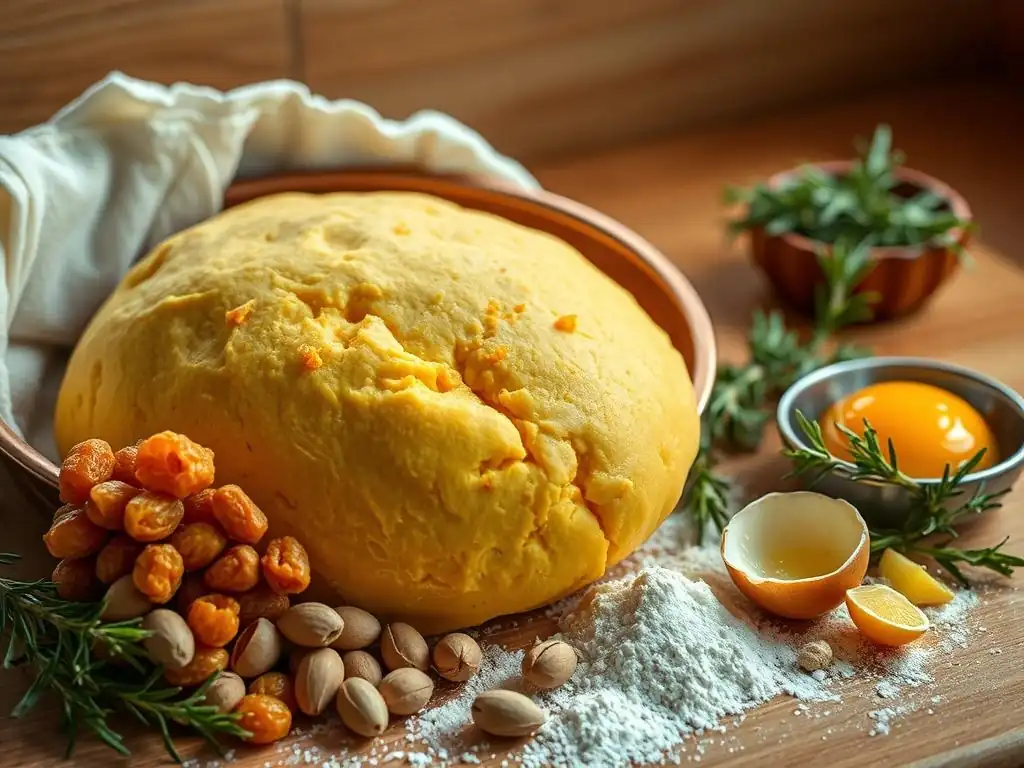
Fat is perhaps the most significant factor influencing gluten development in enriched doughs, acting primarily as an inhibitor. When fat is present from the beginning of mixing, it coats the flour particles, physically preventing water from reaching the gluten-forming proteins (glutenin and gliadin) as effectively. This initial coating hinders hydration and slows down the initial formation of gluten bonds. As kneading progresses, fat molecules get in between the developing gluten strands, lubricating them and interfering with their ability to link tightly and align into a strong, cohesive network.
This inhibitory effect is precisely why enriched doughs are so tender. The fat effectively "shortens" the gluten strands, reducing the chewiness that is characteristic of lean breads with highly developed gluten. For example, a brioche dough containing 30% butter relative to flour weight will inherently have less extensive gluten development than a plain white bread dough, resulting in a softer, more cake-like crumb. However, the challenge lies in developing enough gluten to provide structure without making the dough tough. This requires careful management of fat incorporation and kneading techniques.
How Fats Shorten Gluten Strands: A Detailed Explanation
The mechanism by which fats "shorten" gluten strands is primarily physical interference. Imagine the long, elastic chains of gluten proteins forming as you knead dough. When fat is present, it acts like tiny ball bearings or coatings throughout this developing network. The non-polar nature of fat means it doesn't mix with water, which is essential for gluten hydration and bonding. Instead, fat molecules position themselves between the hydrophilic (water-attracting) parts of the gluten proteins.
As the dough is kneaded, the gluten proteins attempt to align and form strong cross-links. However, the intervening fat droplets or layers disrupt this process. The gluten strands are forced to navigate around or through these fat barriers, preventing them from forming continuous, long chains. This results in a network where the gluten strands are shorter and less interconnected than in a lean dough. This physical disruption directly translates to a more tender crumb structure, less elasticity, and less chewiness in the final baked good.
Choosing the Right Fat for Optimal Gluten Control
The type of fat used in enriched dough can influence gluten development and the final texture. Solid fats, like butter, lard, or shortening, are typically preferred in doughs where tenderness is paramount. When solid fat is incorporated, it remains in small pockets or layers throughout the dough, creating distinct barriers to gluten development. For instance, using cold, cubed butter in a dough that is then folded (like for croissants or some sweet rolls) creates layers of fat that separate dough layers, dramatically limiting gluten connection between those layers and resulting in flakiness and tenderness.
Liquid fats, such as oils, are generally less effective at inhibiting gluten development because they disperse more thoroughly and coat the proteins more uniformly, making it harder to create those distinct barriers. While they still provide tenderness, they can result in a slightly less structured crumb compared to solid fats.
For applications requiring significant gluten development for structure (like challah, which needs to be braided), butter is often preferred over oil because its solid nature at room temperature allows for better dough handling during shaping, even as it contributes richness and tenderness. The specific fat chosen impacts not only flavor but also directly affects how the gluten network forms and behaves.
Sugar's Influence: Sweetness and Gluten Competition
Sugar plays a dual role in enriched doughs: it provides sweetness and flavor, and it significantly impacts gluten development. One of sugar's primary effects on gluten is its competition for water. Sugar is hygroscopic, meaning it loves water and readily absorbs it. When sugar is added to dough, it competes with the flour for the available liquid. This reduces the amount of water available for the gluten-forming proteins (glutenin and gliadin) to hydrate, which is the essential first step in gluten development.
As a result, doughs with high sugar content hydrate more slowly and require longer mixing times to achieve the same level of gluten development as a lean dough. For example, a standard white bread dough might reach full development in 8-10 minutes of kneading, while a sweet roll dough with 20% sugar might take 12-15 minutes or more. This slower hydration can also affect yeast activity, which is another reason why enriched doughs often rise more slowly. Bakers must be patient and ensure sufficient hydration occurs for proper gluten development in enriched doughs containing significant sugar.
Sugar's Hygroscopic Properties and Gluten Hydration
The hygroscopic nature of sugar has a direct and measurable impact on gluten hydration. Water is the medium through which glutenin and gliadin proteins move and interact to form the gluten network. When sugar is dissolved in the dough's water, it essentially "ties up" some of that water, making it less available for the proteins to absorb. Think of it like adding a sponge (sugar) to the bowl of water needed for another sponge (flour). The sugar sponge will soak up some water before the flour sponge can.
This reduced water availability means that the gluten proteins hydrate more slowly and less completely initially. This slower hydration leads to a delayed onset of gluten development. Furthermore, the presence of sugar can also slightly alter the structure of the water itself, potentially affecting the protein interactions. While gluten development in enriched doughs with sugar will still occur with sufficient mixing and time, the initial hydration is hindered, requiring adjustments in technique and patience from the baker.
Balancing Sweetness for Perfect Gluten Structure
Achieving the perfect balance of sweetness and structure in enriched dough requires careful consideration of sugar levels. Very high sugar concentrations (e.g., over 20-25% of flour weight) can significantly impede gluten development, potentially resulting in a dense crumb. While some highly sweet baked goods rely more on chemical leaveners or egg proteins for structure, yeast-leavened enriched doughs need enough gluten strength to hold their rise.
Bakers often manage high sugar levels by ensuring adequate hydration, sometimes using slightly more liquid than a comparable lean dough (though this must be balanced against creating a sticky, unmanageable dough). They also rely on longer mixing times to overcome the initial hydration hurdle.
Furthermore, considering the type of sugar can matter; fine granulated sugar dissolves quickly and affects hydration immediately, whereas larger crystals or certain liquid sugars might behave slightly differently. Ultimately, the chosen sugar level must be balanced against the desired texture, understanding that higher sugar levels will necessitate techniques that promote gluten development despite the inhibitory effects.
Egg's Contribution: Protein and Emulsification
Eggs are a common and valuable addition to enriched doughs, contributing richness, flavor, color, and structure. The protein in egg whites, primarily albumin, can bond with gluten proteins, potentially strengthening the overall network. This added protein helps create a more robust structure, contributing to better volume and a finer crumb texture in baked goods like brioche or challah. For example, using several whole eggs (around 20-30% of flour weight) in a challah recipe provides additional protein scaffolding alongside the developed gluten network, helping the heavy dough maintain its shape during proofing and baking.
However, egg yolks also contain fat and lecithin, a powerful emulsifier. While the protein helps gluten development, the fat and emulsifiers can, like butter, interfere with gluten linkage, contributing to tenderness. The emulsifying properties help distribute the fat and other liquids evenly throughout the dough, which can indirectly affect gluten development by influencing how water and fat interact with the flour proteins. The combination of added protein for structure and added fat/emulsifiers for tenderness makes eggs a complex ingredient that both enhances and modifies the gluten network.
Egg Proteins and Gluten Network Enhancement
Egg proteins, particularly those from the egg white, contribute to the structural integrity of enriched doughs in several ways. During mixing, these proteins hydrate and unfold, becoming available to interact with the developing gluten network. Some studies suggest that egg albumin can form disulfide bonds with glutenin and gliadin proteins, effectively cross-linking and strengthening the protein matrix. This is similar to how gluten proteins bond with each other, but it incorporates the egg protein into the structure.
During baking, egg proteins coagulate (set) at relatively low temperatures (around 140-160°F or 60-70°C). This coagulation provides additional structural support to the crumb. As the dough heats up, the egg proteins solidify, creating a rigid framework that complements the structure provided by the developed gluten. This dual protein network—from both flour and eggs—helps enriched doughs, which are often heavy with fat and sugar, maintain their rise and achieve a stable, open crumb structure after baking.
Emulsifying Properties of Eggs: Impact on Dough Texture
The lecithin present in egg yolks acts as a natural emulsifier, helping to blend ingredients that wouldn't normally mix, like water and fat. In enriched dough, this emulsifying property helps to disperse the added fats (from butter, oil, or the egg yolk itself) more evenly throughout the dough. While this even distribution can lead to a smoother, more manageable dough, it also means that the fat is more effectively positioned to coat the gluten proteins.
This emulsification can slightly inhibit gluten development by ensuring that the fat is effectively interspersed within the dough matrix, making it harder for gluten strands to bond unimpeded. However, this interference is part of what contributes to the desirable tender texture of enriched doughs containing eggs. The emulsified fat creates a finer, more uniform distribution of fat pockets throughout the crumb compared to simply adding solid fat without an emulsifier.
This results in a softer mouthfeel and contributes to the richness. So, while emulsification slightly hinders gluten development, it significantly enhances the overall texture and quality of the final product.
Techniques for Optimal Gluten Development in Enriched Doughs
Mixing Methods: Adapting Techniques for Enriched Doughs
Achieving the right level of gluten development in enriched dough requires adapting standard mixing methods. Unlike lean doughs that can often be kneaded vigorously from the start, enriched doughs benefit from more controlled techniques. The presence of fat, sugar, and eggs necessitates methods that allow for initial gluten formation before the full impact of these inhibitory ingredients takes hold. Over-mixing enriched dough can easily lead to a tough texture, while under-mixing leaves the dough weak and unable to support its structure.
Common adaptations include starting with a leaner mix (flour, water, yeast, salt, and sometimes eggs/milk) to begin gluten development, followed by gradual incorporation of fat and sugar. This allows the gluten network to start forming in a less inhibited environment. Another technique involves slower mixing speeds initially.
Stand mixers are particularly useful for enriched doughs as they can handle the heavy, sticky consistency and provide consistent kneading. The goal is to develop enough strength for the dough to pass the "windowpane test" (stretching a small piece thin enough to see light through it without tearing) but without excessive tightness or resistance.
The Importance of Autolyse in Enriched Doughs
Autolyse, a technique where flour and water are mixed and left to rest for 20-60 minutes before other ingredients (like yeast, salt, and enrichments) are added, can be beneficial for gluten development in enriched doughs, though it's often modified. The initial rest period allows the flour to fully hydrate and enzymatic activity to begin breaking down proteins, making the gluten proteins more pliable and easier to develop during subsequent mixing. This pre-hydration step kickstarts gluten formation before the inhibitory effects of fat and sugar are introduced.
In enriched doughs, a modified autolyse is often used. Flour and liquid (milk, water, eggs) are mixed, but salt and yeast are sometimes withheld, and fat and sugar are always withheld during this rest period. This allows the base dough to hydrate and start building gluten structure without the interference of fat coating proteins or sugar competing for water. After the autolyse period, the remaining ingredients are added, and kneading continues. This approach can reduce overall kneading time and improve the dough's extensibility, making it easier to handle and shape later.
Modified Kneading Techniques: Achieving Strength Without Overdevelopment
Given the challenges posed by enrichments, modified kneading techniques are essential for optimal gluten development in enriched doughs. The "intensive mix" method, often performed in a stand mixer, involves prolonged mixing (10-20 minutes or more) often at medium speed, sometimes with delayed fat incorporation. The dough is kneaded until it becomes very smooth, elastic, and passes the windowpane test easily. This method forces extensive gluten development to counteract the tenderizing effects of fat and sugar.
Alternatively, some bakers use a "less intensive" approach, relying on a combination of mixing and rest periods (folds). After an initial mix to combine ingredients and start gluten development, the dough is given several rest periods (e.g., 30-60 minutes), during which stretch-and-folds are performed. These folds help align the gluten structure gently, building strength without the mechanical stress of continuous kneading. This method is often preferred for doughs where a very delicate crumb is desired, as it minimizes the risk of overworking the dough and results in gluten development in enriched dough that is strong yet relaxed.
Hydration Levels: Finding the Sweet Spot for Enriched Doughs
Hydration level, the ratio of liquid to flour by weight, is critical for gluten development in any dough, and enriched doughs are no exception. Sufficient water is necessary for the gluten proteins to hydrate and bond. However, determining the "sweet spot" for hydration in enriched doughs is complicated by the presence of other liquids (milk, eggs) and ingredients that absorb water (flour, sugar).
Generally, enriched doughs tend to have a lower effective hydration for gluten development compared to lean doughs, even if the total liquid content seems high, because sugar absorbs water and fat interferes with hydration. A dough with 60% water might behave very differently from a dough with 60% total liquid (water, milk, egg liquid) and 20% sugar. Finding the right balance means using enough liquid to allow for adequate gluten hydration and development while resulting in a dough that is still manageable, especially considering the added weight and stickiness from fat and sugar.
The Impact of Liquid Ingredients on Gluten Formation
Different liquid ingredients impact gluten formation in unique ways. Water is the most direct facilitator of gluten hydration and development. Milk, while providing hydration, also contains fat and proteins (like casein and whey) that can interfere slightly with gluten development compared to plain water. Milk fats, even in low-fat milk, can coat gluten proteins, similar to butter. Milk proteins can also interact with gluten proteins, potentially affecting the network structure.
Eggs, as discussed, add both protein for structure and fat/emulsifiers that interfere with gluten development. The liquid portion of the egg contributes to hydration, but its composition is far more complex than water. Using milk or eggs instead of just water can lead to a softer, richer crumb, but it requires careful consideration of how these ingredients affect the overall hydration and the rate at which gluten develops. Adjusting mixing times and techniques based on the specific liquid ingredients used is crucial for optimal gluten development in enriched dough.
Determining the Ideal Hydration Ratio for Your Recipe
Determining the ideal hydration ratio for an enriched dough recipe is often a process of trial and error, influenced by flour type, specific ingredients, and desired outcome. A typical enriched dough might have a total liquid weight (water, milk, eggs) ranging from 55% to 70% of the flour weight. However, this number needs context. A dough with 65% liquid from water and eggs will behave differently from one with 65% liquid from water, milk, and a high percentage of sugar.
Consider a brioche with 500g flour, 150g eggs (approx. 3 large), 100g milk, and 250g butter. The liquid is 150g + 100g = 250g. Hydration based on just liquid is 250/500 = 50%.
But the eggs contain fat, and the butter adds significant fat. The flour will also absorb water differently based on protein content. Recipes are often developed through testing to find the hydration level that allows for sufficient gluten development in enriched dough while resulting in a manageable dough texture and the desired final crumb. Bakers often look for visual cues during mixing – the dough should pull away from the sides of the bowl, become smooth, and eventually pass the windowpane test.
Temperature Control: Managing Gluten Development During Proofing
Temperature plays a significant role in managing gluten development, not just during mixing but also during the proofing stage. After initial kneading, the dough rests and ferments. During this time, enzymatic activity continues to modify the gluten network, and the gluten strands relax. Warmer temperatures accelerate this enzymatic activity, which can break down gluten slightly, leading to a weaker network if proofing is too long or too warm. Conversely, cooler temperatures slow down enzymatic activity and yeast fermentation, allowing for slower, more controlled gluten relaxation and flavor development.
Controlling dough temperature during proofing is especially important for enriched doughs because their high sugar content can accelerate fermentation in warm conditions, and the fat can become oily if too warm. A balance is needed: warm enough for yeast activity and gluten relaxation, but not so warm that the gluten structure degrades or the fat melts excessively. Maintaining an optimal proofing temperature, often between 75-80°F (24-27°C), helps ensure that the gluten network relaxes and expands evenly as gas is produced, leading to a well-risen and tender final product.
The Role of Temperature in Gluten Relaxation and Expansion
During the bulk fermentation and proofing stages, the gluten network undergoes significant changes primarily driven by temperature and time. As the dough rests, the gluten strands, which were tightened and aligned during kneading, begin to relax. This relaxation is partly due to the physical resting of the dough and partly due to enzymatic action (protease enzymes naturally present in flour) which can cleave some of the protein bonds. Warmer temperatures increase the rate of this enzymatic activity and the rate of gluten relaxation.
Simultaneously, yeast fermentation produces carbon dioxide gas. As the gas accumulates, it pushes against the relaxed, elastic gluten network, causing the dough to expand. A sufficiently developed and properly relaxed gluten network is crucial here; it must be strong enough to trap the gas (preventing collapse) but extensible enough to expand without tearing.
If the dough is too cold, relaxation and fermentation are slow. If it's too warm, fermentation can be too rapid, and enzymatic breakdown might weaken the gluten too much, leading to a dough that collapses. Optimal temperature ensures the gluten development in enriched dough is balanced – strong enough to hold the gas, relaxed enough to expand smoothly.
Cold Fermentation Techniques for Enhanced Flavor and Structure
Cold fermentation, often involving refrigerating the dough for 12-48 hours or even longer, is a highly effective technique for managing gluten development and enhancing flavor in enriched doughs. At cold temperatures (typically 35-40°F or 2-4°C), yeast activity slows dramatically, but enzymatic activity, though slowed, continues at a different pace. This extended, slow fermentation allows for complex flavor compounds to develop.
Crucially for gluten development, the long cold rest provides ample time for gluten relaxation without excessive enzymatic degradation. The gluten network becomes more extensible and less tight, making the dough easier to handle and shape after it warms up slightly. While the cold doesn't develop gluten further, it improves its quality by promoting relaxation and extensibility.
This results in a more open crumb structure and reduces the likelihood of a tough texture, even in doughs that have undergone significant initial gluten development in enriched dough processing. Cold fermentation is particularly beneficial for rich doughs like brioche, allowing the flavors to meld and the texture to become exceptionally tender.
Troubleshooting Gluten Issues in Enriched Doughs
Dough Too Weak: Causes and Solutions
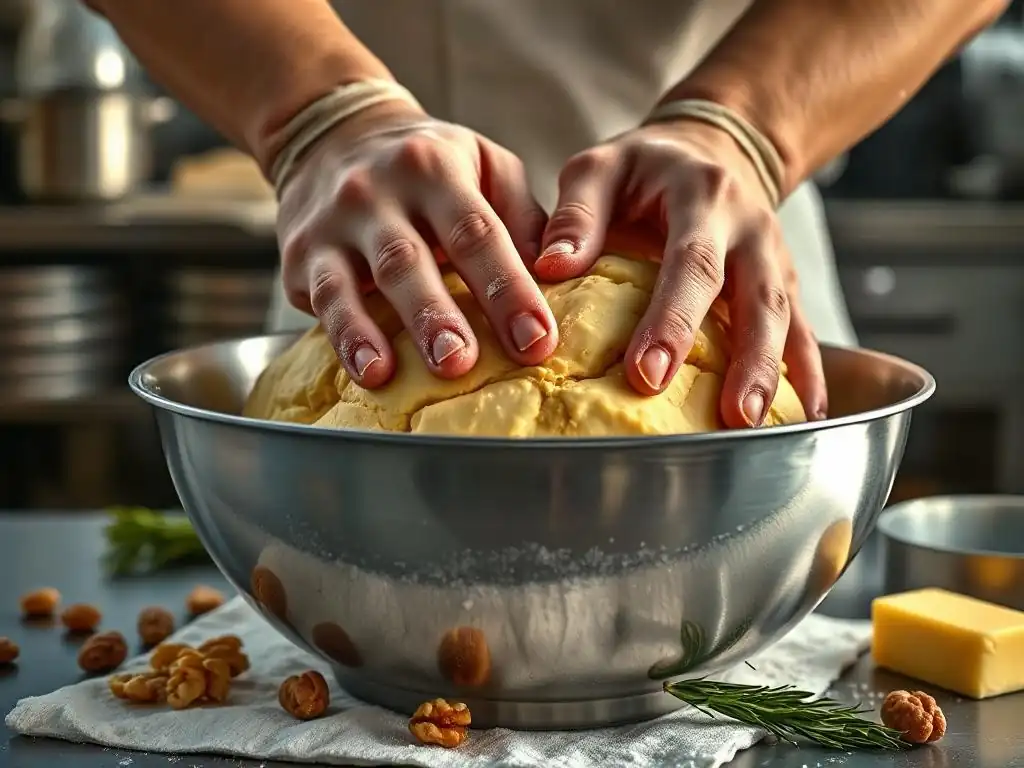
A common issue with enriched doughs is insufficient gluten development, resulting in a dough that is weak, sticky, lacks elasticity, and struggles to hold its shape. This can be caused by several factors:
- Under-kneading: Not enough time or intensity to form a strong gluten network.
- High fat/sugar content: These ingredients significantly inhibit gluten formation, requiring longer mixing.
- Low protein flour: Flour with insufficient glutenin and gliadin content.
- Insufficient hydration: Not enough liquid for proteins to hydrate properly (less common but possible if liquids are mismeasured).
- Adding fat/sugar too early: Inhibiting initial gluten formation.
A weak dough will spread rather than hold a round shape, tear easily when stretched, and fail the windowpane test. It won't trap fermentation gases effectively, leading to poor volume and a dense, tight crumb.
Addressing Insufficient Gluten Development
If you suspect your enriched dough is weak due to under-kneading, you can often remedy it by continuing to knead. For a stand mixer, mix on medium speed, observing the dough. It should start to pull away from the sides of the bowl and become smoother. Knead until it passes the windowpane test. Be careful not to over-knead once it reaches this point. If kneading by hand, continue until the dough feels elastic and less sticky.
Another potential solution, especially if you added fat/sugar too early, is to try a series of stretch-and-folds during the initial bulk fermentation. After resting the dough for 20-30 minutes, gently stretch and fold it over onto itself in the bowl. Repeat this every 20-30 minutes for 1-2 hours. This gentle handling helps align the gluten strands and build strength without the risk of overworking associated with prolonged mechanical kneading, aiding gluten development in enriched dough that started out weak.
Proofing Time Adjustment for Weak Dough
A weak dough struggles to support its own weight and the gas produced during fermentation. If you have a weak dough, you might need to adjust your proofing time and environment. A weaker dough may overproof and collapse more easily than a strong dough. Consider using a slightly cooler proofing temperature to slow down fermentation and give the fragile gluten network more time to hold up.
Also, be mindful of the proofing duration. A weak dough might show signs of overproofing (deflating slightly, very fragile surface) sooner than a properly developed dough. You might need to bake it slightly earlier than the recipe suggests if it looks like it's reaching its peak volume but starting to show signs of weakness. Supporting the dough during proofing, perhaps in a well-floured basket or proofing mold, can also help a weaker dough maintain its shape.
Dough Too Tough: Over-Developed Gluten and Remedies
Conversely, enriched doughs can also become tough due to over-developed gluten. While enriched doughs require significant mixing to incorporate enrichments and build enough structure, excessive kneading can lead to a very tight, resistant dough. This is particularly easy to do with enriched doughs because the fat and sugar initially mask some of the gluten development; you might keep kneading, thinking it needs more, when it's actually developed but feels different due to the enrichments.
Over-kneading results in a gluten network that is too tight and inextensible. The dough will feel very stiff and resistant when you try to stretch it. It might tear rather than stretch thinly during the windowpane test, or feel very elastic but also very tight. Over-developed gluten in enriched dough leads to a final baked product that is dense, chewy, and lacks the characteristic tenderness of enriched goods.
Preventing Over-Kneading in Enriched Doughs
Prevention is the best strategy for avoiding over-kneaded enriched dough. Pay close attention to the dough's texture and appearance during mixing. Stop kneading once the dough is smooth, elastic, and passes the windowpane test. It should stretch thinly without tearing easily. Remember that enriched doughs often take longer to reach this stage than lean doughs, but there is still a point of completion.
If using a stand mixer, be mindful of the time, but rely more on visual and tactile cues than just the clock. For example, a typical brioche might take 15-20 minutes in a stand mixer, but this can vary based on the mixer, flour, and specific ingredients. Learn what properly developed enriched dough looks and feels like for your recipe. Using the modified autolyse or stretch-and-fold methods mentioned earlier can also help reduce the risk of over-kneading, as they build strength more gently.
Incorporating Fat After Initial Gluten Development for Tough Dough
If you realize your enriched dough is becoming tough during kneading, especially if you added all the fat at the beginning, one potential remedy is to try incorporating additional fat very gently at the end. For instance, if making brioche and the dough feels too tight, you might try kneading in a small amount (e.g., 10-20g) of softened butter very slowly. This added fat can help lubricate the tight gluten strands and introduce more tenderness.
This technique is essentially a form of the delayed fat incorporation method, applied after the fact. It's not a guaranteed fix for severely over-kneaded dough, but it can help mitigate some of the toughness by physically disrupting the overly tight gluten network. Knead just until the added fat is incorporated; do not continue kneading extensively, as this will only worsen the problem. The goal is to introduce tenderness, not build more strength.
Achieving the Perfect Texture: Balancing Gluten Strength and Tenderness
The hallmark of a great enriched dough product is the perfect balance: a crumb that is tender and rich, yet still possesses enough structure to hold its shape and achieve good volume. This balance is the direct result of carefully managing gluten development in enriched dough. It requires developing sufficient gluten to provide structure and elasticity for rising, but limiting it enough so that the tenderizing effects of fat, sugar, and eggs dominate the final texture.
Mastering this balance involves understanding how each ingredient affects gluten, choosing appropriate mixing techniques (like delayed fat addition or gentle folds), controlling hydration, and managing fermentation time and temperature. It's a combination of scientific principles and sensory evaluation – learning to read the dough. By paying attention to these factors, bakers can consistently produce enriched baked goods with the ideal combination of softness, richness, and structural integrity.
Visual Cues for Assessing Gluten Development
Learning to assess gluten development in enriched dough visually and by touch is crucial. While the windowpane test is a standard indicator, enriched doughs, especially those with high fat content, may not always achieve a perfectly transparent windowpane due to the interference of fat. However, they should still stretch significantly before tearing.
Look for the dough to transition from a shaggy, wet mass to a smooth, cohesive ball that pulls away cleanly from the sides of the mixing bowl (if using a mixer). The surface should become smooth and elastic, losing its stickiness (though very high-fat doughs will remain somewhat tacky). When you press a finger into the dough, the indentation should slowly spring back. During stretch-and-folds, the dough should resist initially but then stretch without breaking. These cues indicate that sufficient gluten development in enriched dough has occurred to provide structure.
Adjusting Fat Content for Dough Texture
One of the most direct ways to influence the final texture of an enriched dough product is by adjusting the fat content, which directly impacts gluten development. Recipes with higher fat percentages (like a brioche with 40-50% butter) will inherently have less gluten development and thus a more tender, cake-like crumb. Recipes with lower fat percentages (like a challah with 10-15% oil or butter) will allow for more gluten development, resulting in a bread-like texture that is soft but still has chewiness and structure suitable for braiding.
If you find a standard enriched dough recipe is too tough for your liking, you could experiment with slightly increasing the fat content in future attempts (e.g., adding an extra 5-10% butter or oil relative to flour weight). Conversely, if a dough is too weak or crumbly, slightly reducing the fat might allow for better gluten development. Remember that changing fat content will also affect hydration and overall dough consistency, potentially requiring other minor adjustments to the recipe.
Enriched Dough Recipe Examples and Gluten Development
Example 1: Brioche - Mastering the Richness
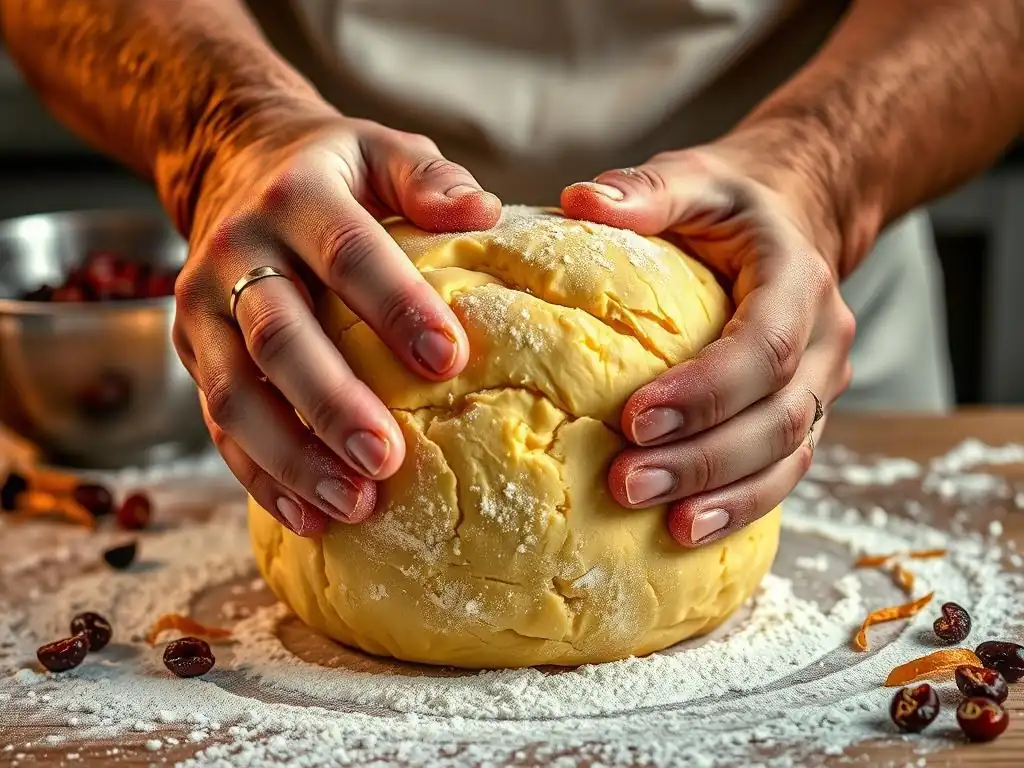
Brioche is a classic example of a highly enriched dough, often containing significant amounts of butter (sometimes up to 50% of the flour weight) and eggs (20-30% or more), along with sugar and milk. This high level of enrichment presents a substantial challenge for gluten development. The large quantity of fat actively inhibits gluten formation by coating proteins, and the sugar competes for water. The goal is to develop just enough gluten to support the dough's structure and allow it to rise, while letting the fat and eggs ensure a supremely tender, rich crumb.
Mastering brioche involves specific techniques designed to overcome these challenges. Often, initial mixing is done with flour, liquids (milk, eggs), yeast, and sugar, allowing some preliminary hydration and gluten formation. Butter is then incorporated gradually, often small pieces at a time, allowing the dough to redevelop structure between additions. This process is lengthy, sometimes taking 20-30 minutes in a stand mixer, to ensure the butter is fully emulsified and the gluten network is developed enough to pass a modified windowpane test (it will be less transparent than a lean dough).
Gluten Development in Brioche: Key Considerations
Key considerations for gluten development in brioche revolve around managing the high fat and sugar content. Using a high-protein flour (like bread flour) is often recommended to provide more potential for gluten development to counteract the inhibitory effects of the enrichments. Adequate hydration is crucial, ensuring enough liquid is available for the proteins despite the sugar's competition.
The mixing technique is paramount. The gradual addition of softened (but not melted) butter is standard. This allows the dough to build some strength before the full impact of the fat is introduced. Kneading continues until the dough is smooth, elastic, and pulls away from the bowl. It should feel heavy and rich but also possess noticeable strength and elasticity. Proper gluten development in enriched dough like brioche is what prevents it from becoming a dense, greasy brick and allows it to achieve its characteristic light, airy crumb despite the richness.
Initial Mixing and Gradual Fat Incorporation in Brioche
A common approach for brioche mixing starts with combining flour, yeast, sugar, salt, and liquids (milk, eggs) and mixing until a basic dough forms. This stage allows the flour to hydrate and the initial gluten network to begin developing. The dough will likely be sticky and relatively weak at this point.
Softened, but not melted, butter is then added gradually, often one piece at a time, while the mixer runs. After each addition, the dough will look messy and greasy. Continue mixing until the butter is fully incorporated and the dough comes back together, pulling away from the sides of the bowl, before adding the next piece.
This process is repeated until all the butter is added. The continuous kneading during this phase develops the gluten network around and through the newly incorporated fat. The mixing continues until the dough is smooth, elastic, and strong enough to pass the windowpane test, indicating sufficient gluten development in enriched dough ready for proofing.
Example 2: Challah - Achieving a Soft and Stretchy Dough
Challah is another popular enriched dough, though typically less rich in fat than brioche. It often contains eggs, sugar, and oil or melted butter, but usually in lower percentages (e.g., 10-15% fat, 10-15% sugar, 1-3 whole eggs per 500g flour). The goal for challah is a soft, slightly sweet bread with a distinctive eggy flavor and a stretchy texture that facilitates braiding. While still facing the challenges of enrichments, the lower fat content allows for more straightforward gluten development compared to brioche.
Challah dough needs to be sufficiently strong and elastic to withstand the tension of braiding without tearing. This requires good gluten development. Mixing is typically done until the dough is smooth, elastic, and passes the windowpane test. The presence of eggs adds protein that aids structure, while the moderate amounts of fat and sugar contribute tenderness without severely inhibiting gluten formation.
Gluten Development in Challah: Specific Techniques
Specific techniques for gluten development in challah focus on achieving sufficient strength for braiding. Using bread flour is common due to its higher protein content. Mixing is often done until the dough is very smooth and elastic. Unlike brioche, the fat (oil or melted butter) is often added along with the other wet ingredients from the start, or after the initial dry ingredients are combined with liquids.
Kneading continues until the dough is strong, supple, and passes the windowpane test. The dough should feel smooth and elastic and bounce back slowly when poked. Proper gluten development in enriched dough like challah ensures the dough has the necessary extensibility to be rolled into long strands and braided without tearing or snapping. This strength also helps the braided loaf hold its shape during proofing and baking, contributing to a beautiful final presentation and a soft, slightly chewy texture.
Braiding Techniques and Gluten Alignment in Challah
Braiding challah is not just for aesthetics; the technique itself interacts with the gluten structure. As the dough strands are rolled and then braided, the gluten network within each strand becomes aligned along the length of the strand. This alignment contributes to the bread's structure and texture.
A dough with proper gluten development for challah will stretch easily into long, uniform strands without excessive resistance or tearing. The elasticity allows the strands to be gently pulled taut during braiding. If the dough is under-developed, it will tear. If it is over-developed or too tight, it will resist stretching and be difficult to braid smoothly. The act of braiding further organizes the gluten network, contributing to the final crumb structure and the characteristic pull-apart texture of challah.
Example 3: Sweet Rolls - Balancing Sweetness and Structure
Sweet rolls, such as cinnamon rolls or sticky buns, are another popular type of enriched dough. They typically contain moderate amounts of sugar (15-25% of flour weight), butter or oil (10-20%), eggs, and milk. The high sugar content is a key factor influencing gluten development here, as it significantly competes for water and slows hydration. The goal is a soft, tender roll with enough structure to hold its shape and support fillings or toppings.
Balancing the desire for a very soft, sweet roll with the need for structural integrity is the main challenge. Overcoming the sugar's inhibitory effect requires sufficient kneading time to ensure adequate hydration and gluten development. However, over-kneading can lead to a tough roll, which is undesirable for this type of pastry.
Gluten Development in Sweet Rolls: Challenges and Solutions
The primary challenge for gluten development in sweet rolls is the high sugar concentration. This significantly slows down hydration and gluten formation. Solution: ensure adequate mixing time. Knead the dough longer than you would a lean dough to allow the gluten network to fully develop despite the sugar's presence. Using a stand mixer on medium speed for 10-15 minutes is often necessary.
Another solution is ensuring sufficient hydration. While sugar absorbs water, there must be enough liquid available overall for the flour proteins. Recipes are formulated to account for this. Using milk instead of water adds richness and can slightly alter hydration dynamics. The fat content also influences tenderness, and proper incorporation is needed to balance structure and softness. Achieving optimal gluten development in enriched dough for sweet rolls results in a dough that is elastic enough to roll out and shape but bakes into a tender, fluffy roll.
Lamination Techniques and Gluten Sheeting in Sweet Rolls
While not all sweet rolls are laminated (like croissants), some recipes, particularly those involving rolling out the dough and spreading fillings (like cinnamon rolls), benefit from careful handling of the gluten structure. When rolling out the dough, the gluten network is stretched and aligned into sheets. A dough with good, balanced gluten development will roll out smoothly and evenly without tearing or snapping back excessively.
If the dough is too weak, it will tear when rolled thin. If it's too tough or tight, it will resist rolling and spring back, making shaping difficult and potentially leading to a tough final product. For recipes involving rolling and filling, the gluten development in enriched dough needs to provide enough strength to handle manipulation while remaining extensible enough for sheeting. This is why assessing the dough's texture and elasticity before shaping is important.
Conclusion: The Art and Science of Gluten in Enriched Baking
Mastering the Balance for Baking Success
Mastering gluten development in enriched dough is truly a blend of art and science. It requires understanding the fundamental principles of how gluten forms and behaves, coupled with the practical skill of reading the dough's texture and feel. The science explains why fat inhibits, why sugar competes for water, and how eggs contribute structure. The art lies in applying this knowledge, adapting techniques, and making real-time adjustments based on the specific recipe, ingredients, and environmental conditions.
Successful enriched baking hinges on finding that delicate balance: developing sufficient gluten to provide the necessary structure and elasticity for a good rise and shape, while simultaneously preserving the tenderness and richness imparted by the butter, sugar, and eggs. It's a skill honed through practice, observation, and a willingness to learn from both successes and failures. Each enriched dough recipe presents its own unique challenge and requires a slightly different approach to gluten development in enriched dough.
Further Exploration: Resources for Advanced Gluten Understanding
For those wishing to delve deeper into the fascinating science behind gluten development in enriched doughs and other baking topics, numerous resources are available. Books dedicated to the science of baking provide detailed explanations of protein interactions, hydration dynamics, and the impact of various ingredients. Online communities and forums offer opportunities to discuss techniques and troubleshoot issues with experienced bakers.
Exploring different types of flour and their protein content can also deepen understanding. Experimenting with slight variations in mixing times, hydration levels, or proofing temperatures within a familiar enriched dough recipe can provide valuable hands-on learning about how these factors influence gluten structure and the final baked good. Continuous learning and experimentation are key to truly mastering the art and science of working with gluten in enriched baking.
Frequently Asked Questions
How does gluten development differ in enriched doughs compared to lean doughs?
Enriched doughs contain fats and sugars which can inhibit gluten formation, requiring more precise mixing techniques than lean doughs. This makes gluten development a more delicate balance.
What ingredients in enriched doughs specifically affect gluten development?
Specifically, fats like butter and sugars coat gluten proteins, slowing down their ability to bond and form a strong network. Eggs can also add moisture and richness, impacting texture.
Why is proper mixing so crucial for enriched doughs?
Proper mixing is essential to overcome the inhibiting effects of fats and sugars. It ensures adequate gluten development, leading to a stronger dough structure and a better final product.
Can I use a stand mixer to develop gluten in enriched dough?
Yes, a stand mixer is highly recommended for enriched doughs. Its power and consistent mixing action help effectively develop gluten despite the presence of fats and sugars, leading to a more consistent result.
What are some signs of under or over-developed gluten in enriched dough?
Under-developed gluten results in a sticky, slack dough that doesn't hold its shape well. Over-developed gluten leads to a tough, dense texture in the baked product, potentially tearing during stretching.
Final Reflection: The Art and Science of Gluten in Enriched Doughs
The delicate dance of gluten development in enriched doughs remains a crucial factor in achieving optimal texture and flavor in countless baked goods, impacting everything from the airy lightness of croissants to the chewy satisfaction of brioche. Understanding this process is not merely a technical skill; it's the key to unlocking the full potential of your baking, transforming simple ingredients into culinary masterpieces.
The influence of gluten development extends far beyond the confines of the kitchen; it represents a fascinating intersection of science and artistry. The precise manipulation of gluten strands, the careful balance of hydration and kneading, speaks to a deeper understanding of the transformative power of ingredients. Baking is a science, but it's also an art. It's about understanding the ingredients and the process, but it's also about intuition and creativity.
This quote perfectly encapsulates the journey of mastering gluten development, a journey that blends precision with passion.
Now, consider your own baking experiences. Have you ever noticed the subtle differences in texture and taste resulting from variations in kneading time or hydration levels? I encourage you to experiment, to observe, and to truly appreciate the intricate relationship between gluten development and the final product. Embrace the challenge, refine your technique, and discover the joy of creating breads and pastries that are not only delicious but also a testament to your understanding of this fundamental baking principle. The journey of mastering gluten development is a lifelong pursuit, filled with rewarding discoveries and delicious results.
Master Your Enriched Dough: Take Action Today!
Thank you for taking the time to explore the intricate world of gluten development in enriched doughs. You've gained valuable insights that can transform your baking experience! Now, let’s channel that knowledge into action and elevate your baking skills.
- Start a baking experiment: Choose a favorite enriched dough recipe and make it your own by adjusting ingredients, hydration levels, or mixing techniques. Observe the gluten development and texture changes.
- Join our community: Share your baking successes and challenges with fellow enthusiasts on our BakeWithEase forum. Get feedback and inspiration to keep improving!
- Document your journey: Keep a baking journal to track your experiments, noting the impacts of different techniques on your doughs. You'll be amazed at how much you learn!
What unique twist will you add to your next enriched dough recipe? Let us know in the comments!