
Beyond Fudge: Preventing Crystallization in Other Sugar Confections

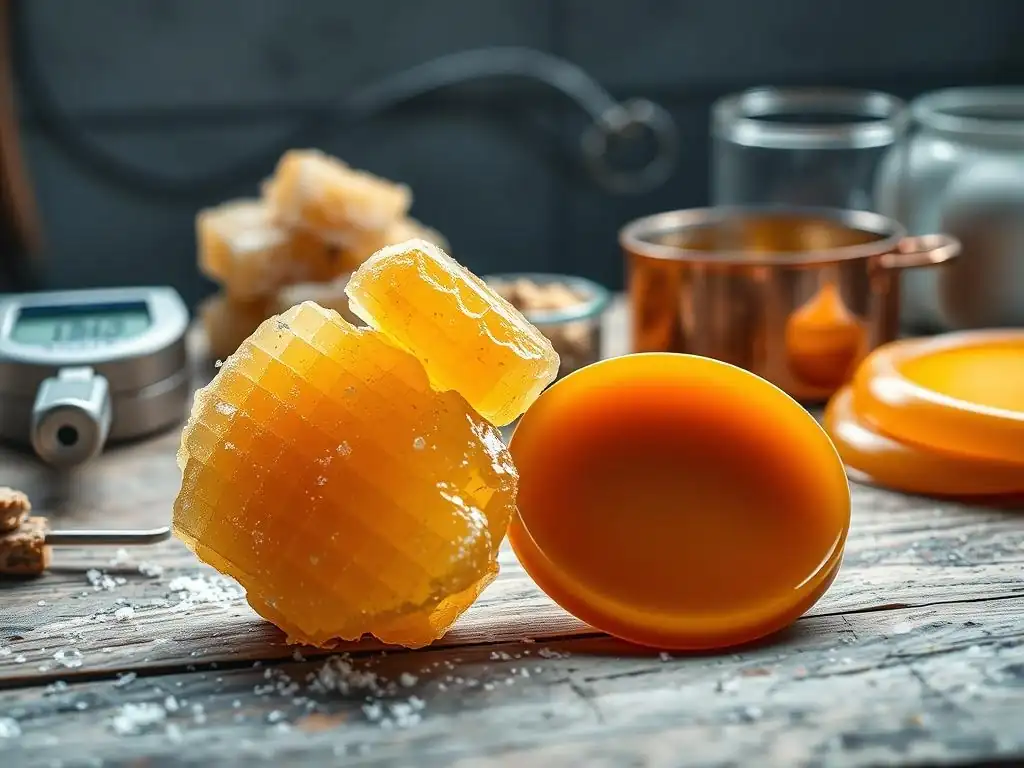
Welcome to BakeWithEase, your trusted guide to a sweeter, smoother baking journey! Ever wondered how to achieve that flawlessly glossy finish on your candies and desserts? Dive into our Baking Science Deep Dive as we tackle a common baking nemesis: preventing sugar crystallization recipes. Forget grainy fudge and embrace perfectly textured confections. Intrigued? Let's unlock the secrets to crystal-clear success!
- Mastering Sugar: Preventing Crystallization in Confectionery
- Understanding Sugar Crystallization
- Controlling Sugar Crystallization: Key Factors
- Techniques for Preventing Crystallization
- Application: Preventing Crystallization in Specific Confections
- Troubleshooting Crystallization
- Advanced Techniques
- Recipes for Success
- Conclusion: Achieving Confectionery Perfection
-
Frequently Asked Questions
- What exactly is sugar crystallization, and why does it matter when baking?
- Are there specific ingredients that increase the risk of sugar crystallization in recipes?
- What are some general techniques I can use to prevent sugar crystallization while baking?
- Does the type of sugar I use affect the likelihood of crystallization?
- How do I fix a sugar confection if I notice crystallization has already started?
- Final Reflection: The Sweet Science of Preventing Sugar Crystallization
- Unlock the Secrets to Smooth Confections!
Mastering Sugar: Preventing Crystallization in Confectionery
Sugar work is a cornerstone of many beloved desserts, from silky caramels to glossy hard candies. However, a common challenge bakers face is unwanted sugar crystallization, which can turn smooth confections into gritty disappointments. Understanding how to control this process is key to achieving perfect textures. This article delves into the science behind sugar crystallization and provides practical tips and preventing sugar crystallization recipes principles to help you create flawless sugar confections every time.
Understanding Sugar Crystallization
To effectively prevent crystallization, it's crucial to understand what sugar is and why it behaves the way it does in confectionery. Sucrose, common table sugar, is a disaccharide molecule composed of glucose and fructose. When dissolved in liquid and heated, these molecules spread out. As the liquid evaporates during cooking, the sugar concentration increases, reaching a state called supersaturation, where more sugar is dissolved than would normally be possible at room temperature.
The Science of Sugar Crystallization
Crystallization occurs when these dissolved sucrose molecules start to re-form their ordered crystalline structure. In a supersaturated solution, the molecules are unstable and eager to bond together. Any disturbance – such as a stray sugar crystal (a "seed"), impurities, sudden cooling, or excessive agitation – can trigger this process. The molecules rapidly link up, creating a lattice structure that precipitates out of the solution as visible crystals, resulting in a grainy texture.
A key factor influencing crystallization is temperature. Heating the solution helps dissolve more sugar, but as it cools, the solution becomes increasingly supersaturated. The rate and extent of crystallization depend heavily on how the solution is handled during and after cooling. For instance, allowing a hot sugar syrup to cool undisturbed often results in slower, more controlled crystallization, while stirring a cooling syrup can introduce air bubbles or tiny crystals that act as seeds, accelerating unwanted large crystal formation.
Why Prevent Crystallization? Texture and Shelf Life
The primary reason to prevent uncontrolled sugar crystallization is texture. A smooth caramel or a clear hard candy relies on the sugar remaining in an amorphous (non-crystalline) or finely crystalline state. When large crystals form, the confection becomes grainy, gritty, and unpleasant to eat. Imagine biting into a piece of rock candy when you expected a smooth toffee – that's the impact of uncontrolled crystallization.
Beyond texture, crystallization can also affect the shelf life and appearance of confections. In items like fondant or some glazes, crystallization can lead to "sugar bloom," where sugar migrates to the surface and crystallizes, creating a dull, powdery finish. This change in structure can also alter moisture distribution, potentially leading to dryness or stickiness over time. Mastering preventing sugar crystallization recipes techniques ensures confections maintain their intended texture, clarity, and appeal throughout their shelf life.
Controlling Sugar Crystallization: Key Factors
Successful sugar work hinges on managing the conditions that influence crystallization. Several factors play critical roles in preventing unwanted crystal formation and achieving the desired smooth outcome in your confections.
Temperature Management for Smooth Confections
Precise temperature control is perhaps the most crucial element in sugar work. Heating sugar syrup dissolves the sugar, and continued heating evaporates water, increasing sugar concentration. Different stages of candy making (thread, soft ball, hard ball, soft crack, hard crack) correspond to specific temperature ranges and sugar concentrations. For example, hard candy reaches the hard crack stage between approximately 300-310°F (149-154°C), a very high concentration where crystallization is highly probable if not managed correctly.
Allowing the syrup to reach the target temperature accurately is essential, as undercooking means insufficient water evaporation and potentially too low a sugar concentration for the desired outcome, while overcooking can lead to burning or excessive crystallization risk. Equally important is how the syrup cools. Rapid, undisturbed cooling often helps maintain the supersaturated state longer, reducing the chance of spontaneous crystallization compared to slow cooling or cooling with agitation. Using a reliable candy thermometer is non-negotiable for success in preventing sugar crystallization recipes.
Sugar Concentration and its Role in Crystal Formation
As discussed, concentration is directly linked to temperature in sugar syrup. A higher ratio of sugar to water means a higher boiling point and a greater potential for crystallization upon cooling. For confections like hard candy or caramel, which require very high sugar concentrations, the risk of crystallization is significant.
Balancing the need for high concentration with the desire for a smooth texture often involves adding substances that interfere with sucrose's ability to form crystals. These inhibitors work by getting in the way of the sucrose molecules trying to link up. Without these inhibitors or careful technique, achieving a high sugar concentration inevitably leads to rapid, uncontrolled crystallization as the syrup cools, resulting in a grainy product. Understanding the target concentration (implied by the temperature stage) and employing appropriate inhibitors is key to preventing sugar crystallization recipes from failing.
Agitation: Balancing Stirring and Stillness
The role of stirring in sugar work is paradoxical. Initially, when dissolving sugar in water over low heat, stirring is necessary to ensure all the sugar crystals are fully dissolved. This prevents undissolved sugar particles from acting as seeds later. However, once the syrup comes to a boil and the temperature starts to rise significantly, stirring becomes a major enemy of smooth confections.
Agitation during the boiling process or while the syrup is cooling from high temperatures can splash syrup onto the sides of the pan where it cools slightly and crystallizes, or it can introduce air bubbles and dust particles that act as nucleation sites. These tiny crystals then seed the entire batch, causing rapid, widespread crystallization. Therefore, for many confections like hard candy or caramel, the rule is to stop stirring once the syrup boils and to clean down the sides of the pan with a wet pastry brush to dissolve any stray crystals.
Techniques for Preventing Crystallization
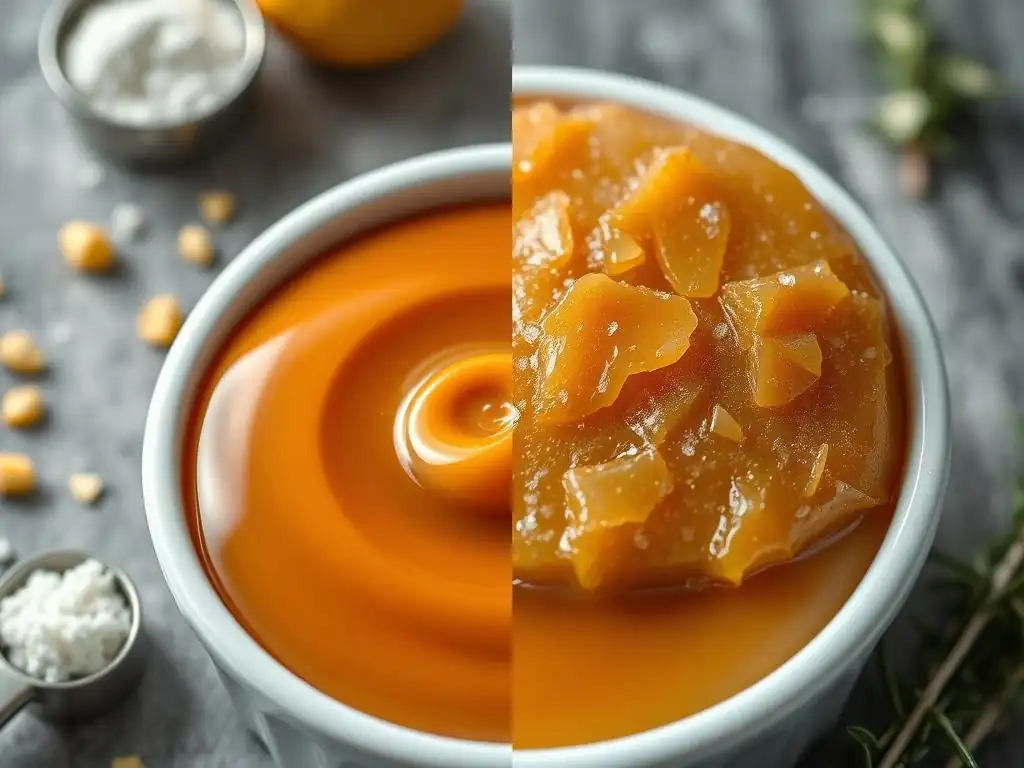
Beyond controlling temperature, concentration, and agitation, specific ingredients and methods are employed to actively inhibit sugar crystallization, ensuring a smooth, desirable texture in your confections. These are fundamental components of successful preventing sugar crystallization recipes.
Invert Sugar: A Natural Crystallization Inhibitor
Invert sugar is a mixture of glucose and fructose, created by breaking down sucrose. These smaller, different molecules interfere with the regular structure that sucrose molecules try to form when crystallizing. Think of it like trying to stack uniform bricks versus trying to stack a mix of bricks and pebbles – the pebbles disrupt the neat pattern. Ingredients like honey and maple syrup are naturally high in invert sugars.
Commercially produced invert sugar syrup is also available and is widely used in confectionery and baking to maintain softness and prevent graininess. When using ingredients naturally containing invert sugar, they are often added alongside sucrose to achieve the desired effect. For example, a recipe might use a combination of granulated sugar and honey.
Glucose Syrup: Controlling Sugar Structure
Glucose syrup, often referred to as corn syrup in the US, is a viscous liquid containing glucose and other glucose polymers (chains of glucose molecules). Like invert sugar, the different molecular sizes and structures within glucose syrup disrupt the orderly lattice formation of sucrose crystals. It's a highly effective inhibitor and is a staple in many commercial and home candy recipes.
Adding glucose syrup provides a buffer against crystallization, allowing the sugar solution to reach high concentrations and cool without seeding. A typical ratio might involve using about 1/4 cup of corn syrup for every cup of granulated sugar in recipes aiming for a smooth, non-crystalline texture like taffy or some caramels. This addition is a fundamental step in many preventing sugar crystallization recipes.
Acids: Breaking Down Sucrose with Lemon Juice
Adding a small amount of acid to a sugar solution and heating it causes hydrolysis, the chemical breakdown of sucrose into its components, glucose and fructose. This process effectively creates invert sugar in situ. Common acids used include cream of tartar (potassium bitartrate), lemon juice, or vinegar.
Even a tiny amount can be effective; for instance, a pinch of cream of tartar (about 1/8 teaspoon per cup of sugar) or a teaspoon of lemon juice can significantly reduce the risk of crystallization in hard candy or simple syrup. The acid facilitates the inversion process as the syrup cooks. This is a simple yet powerful technique used in many preventing sugar crystallization recipes for clear syrups and candies.
Fat Content: Adding Richness and Stability
Fats, such as butter or cream, play a role in preventing sugar crystallization recipes, particularly in creamy confections like fudge, caramels, and toffees. Fat molecules disperse throughout the sugar solution. As the solution cools and sugar molecules attempt to crystallize, the fat globules can coat the surface of tiny crystal nuclei, preventing them from linking up and growing into larger, noticeable crystals.
In addition to inhibiting large crystal growth, fats contribute richness, flavor, and a desirable chewiness or tenderness to the final product. The presence of fat helps create a smoother mouthfeel, even if some micro-crystallization occurs. Consider the difference in texture between a fat-free hard candy and a buttery toffee – the fat contributes significantly to the latter's smooth texture.
Seeding: Controlled Crystallization in Fudge
While most techniques focus on preventing crystallization, fudge is a classic example of a confection where crystallization is not only allowed but controlled to achieve the desired texture. Fudge relies on the formation of very small, uniform sugar crystals. The process involves cooking a sugar solution with milk/cream and often fat to a specific temperature (typically the soft ball stage, around 235-245°F or 118-118°C).
Crucially, the mixture is then cooled without stirring to a lower temperature (around 110-120°F or 43-49°C). At this point, the solution is highly supersaturated. Vigorously stirring or beating the mixture at this cooler temperature initiates rapid crystallization, but because there are many nucleation sites created by the stirring, it results in a multitude of tiny crystals rather than a few large ones. This controlled seeding and crystallization is fundamental to achieving fudge's characteristic smooth, non-gritty texture.
Application: Preventing Crystallization in Specific Confections
The principles of controlling crystallization are applied differently depending on the specific confection you are making. Each type of candy or syrup presents unique challenges and requires tailored techniques from the arsenal of preventing sugar crystallization recipes.
Caramel: Achieving a Smooth, Chewy Texture
Making smooth caramel involves cooking sugar (often with water or cream) until it caramelizes and reaches a specific temperature, usually within the soft ball to firm ball stage (235-250°F or 113-121°C). The key challenge here is preventing the dissolved sugar from recrystallizing before or during the addition of dairy (like cream or butter), which cools the mixture and increases the risk.
Using an inhibitor like corn syrup is common in caramel recipes to ensure a smooth, non-grainy result. Additionally, starting with a clean pan, dissolving the sugar fully before boiling, and avoiding stirring once boiling begins are crucial steps. Washing down sugar crystals from the sides of the pan with a wet brush is another vital technique to prevent seeding that could ruin the smooth texture.
Candied Fruit: Maintaining Clarity and Gloss
Candied fruit is made by gradually replacing the water within the fruit with a concentrated sugar syrup. The process typically involves simmering fruit in syrups of increasing sugar concentration over several days. The goal is a translucent, glossy finish, which requires the sugar syrup surrounding and impregnating the fruit to remain clear and non-crystalline.
To achieve this, the syrups used for candying fruit must be carefully managed. Techniques include using inhibitors like glucose syrup or a touch of acid, boiling the syrups between uses to redissolve any small crystals that may have formed, and ensuring the fruit is fully submerged to prevent sugar drying and crystallizing on exposed surfaces. A clear, stable syrup is essential for the glossy, appealing look of quality candied fruit.
Hard Candy: Preventing Graininess and Cloudiness
Hard candy is made by cooking sugar syrup to a very high temperature (hard crack stage, 300-310°F or 149-154°C), resulting in a confection that is brittle when cooled. The high sugar concentration at this temperature makes it extremely susceptible to crystallization, which manifests as cloudiness and a gritty texture instead of the desired clear, smooth glass-like quality.
Preventing crystallization in hard candy relies heavily on using inhibitors (corn syrup is almost always included), starting with a meticulously clean pan, ensuring all sugar is dissolved before boiling, and absolutely avoiding stirring once the syrup is boiling. Washing down the sides of the pan is also critical. Even a single stray crystal or air bubble can seed the entire batch, turning a clear syrup cloudy and grainy.
Pralines: Creating a Silky, Melt-in-Your-Mouth Experience
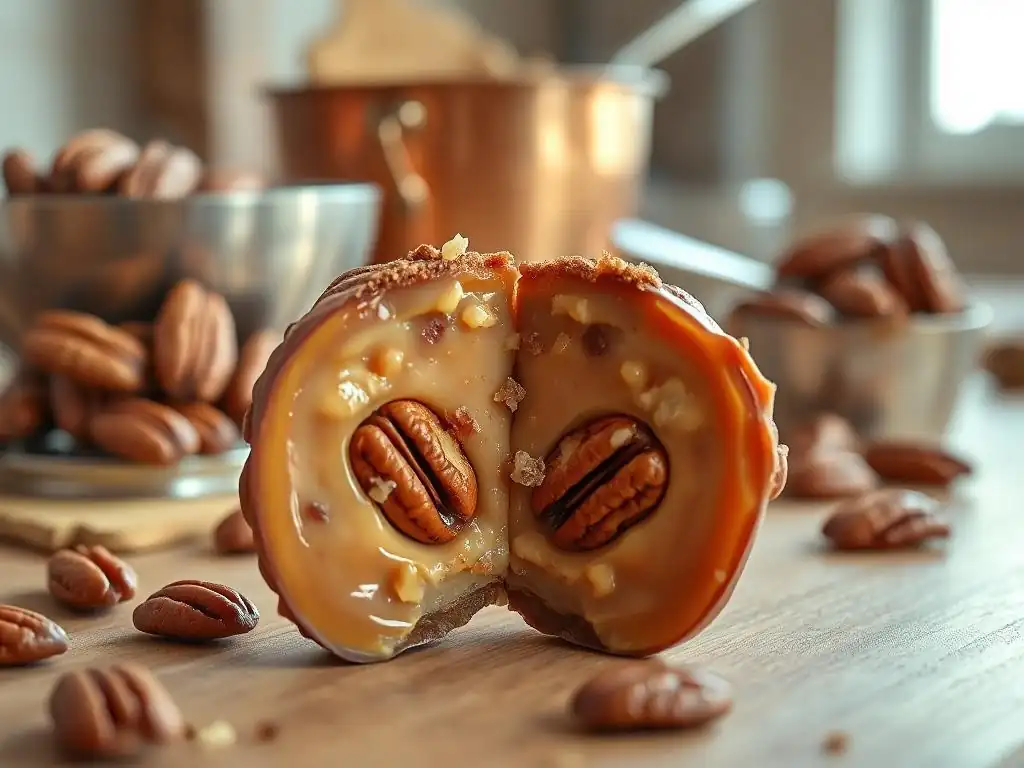
Pralines, particularly the creamy Southern style, are another confection where controlled crystallization is key, similar to fudge, but often aiming for a slightly different texture. They are made by cooking sugar, milk or cream, and nuts to a specific temperature (often soft ball to firm ball stage). The goal is a smooth, slightly grainy texture that melts in your mouth, not a hard, gritty one.
The process involves cooking to the right temperature, cooling the mixture slightly off the heat (sometimes with stirring, sometimes not, depending on the specific recipe style), and then stirring vigorously until the mixture thickens and sets, coating the nuts. The timing and method of stirring are critical to developing a fine, uniform crystal structure rather than large, unpleasant crystals. Careful temperature monitoring and understanding the desired crystal size are vital for success.
Simple Syrups: Ensuring Clarity and Preventing Granulation
Simple syrup, a basic solution of sugar and water, is used in everything from cocktails to glazes and soaking cakes. While seemingly straightforward, it can granulate (crystallize) upon cooling or storage if not made correctly. The goal is a clear, stable liquid.
Preventing granulation in simple syrup involves ensuring the sugar is completely dissolved by heating the mixture gently and stirring initially. Using a higher sugar-to-water ratio (e.g., 2:1 sugar to water) makes a more concentrated, less prone-to-spoilage syrup, but also slightly increases the risk of granulation if not dissolved properly. Avoiding vigorous shaking or introducing impurities after cooling also helps maintain clarity and prevents the formation of sugar crystals.
Troubleshooting Crystallization
Despite best efforts, crystallization can sometimes occur. Knowing how to identify it and potentially salvage a batch can save time and ingredients.
Identifying Signs of Crystallization
Unwanted crystallization in sugar confections is usually quite evident. The most common sign is a gritty or sandy texture where a smooth one is expected. In clear syrups or hard candies, it appears as cloudiness or opaque areas forming within the liquid or solid mass.
You might also see distinct sugar crystals forming on the sides of the pan above the syrup line, or developing within the confection as it cools or sits. These are clear indicators that the sucrose molecules have begun to reorganize into their crystalline structure.
Salvaging Crystallized Confections
In some cases, a crystallized batch can be salvaged. The general method involves adding a small amount of liquid (water or even fresh syrup) to the crystallized confection in the pan. Heat the mixture gently, stirring constantly, to redissolve the sugar crystals back into the solution.
Once fully dissolved and smooth again, you can attempt to recook the syrup to the desired temperature. It's highly recommended to add a crystallization inhibitor (like a little corn syrup or a pinch of acid) during this reheating process if one wasn't used initially, or if the original amount was insufficient. While this method can work, the texture might not be quite as perfect as a batch made without crystallization issues from the start.
Avoiding Common Mistakes
Many crystallization problems stem from common errors. Not fully dissolving the sugar at the beginning is a major culprit, leaving seed crystals in the pan. Stirring the syrup after it has come to a boil introduces air and can splash syrup onto the cooler sides of the pan, creating seeds.
Using dirty equipment or allowing any foreign particles to enter the syrup can also trigger crystallization. Finally, inaccurate temperature monitoring or boiling the syrup for too long can lead to overconcentration, increasing the risk of spontaneous crystallization. Meticulous technique and a clean workspace are paramount in preventing sugar crystallization recipes from going awry.
Advanced Techniques
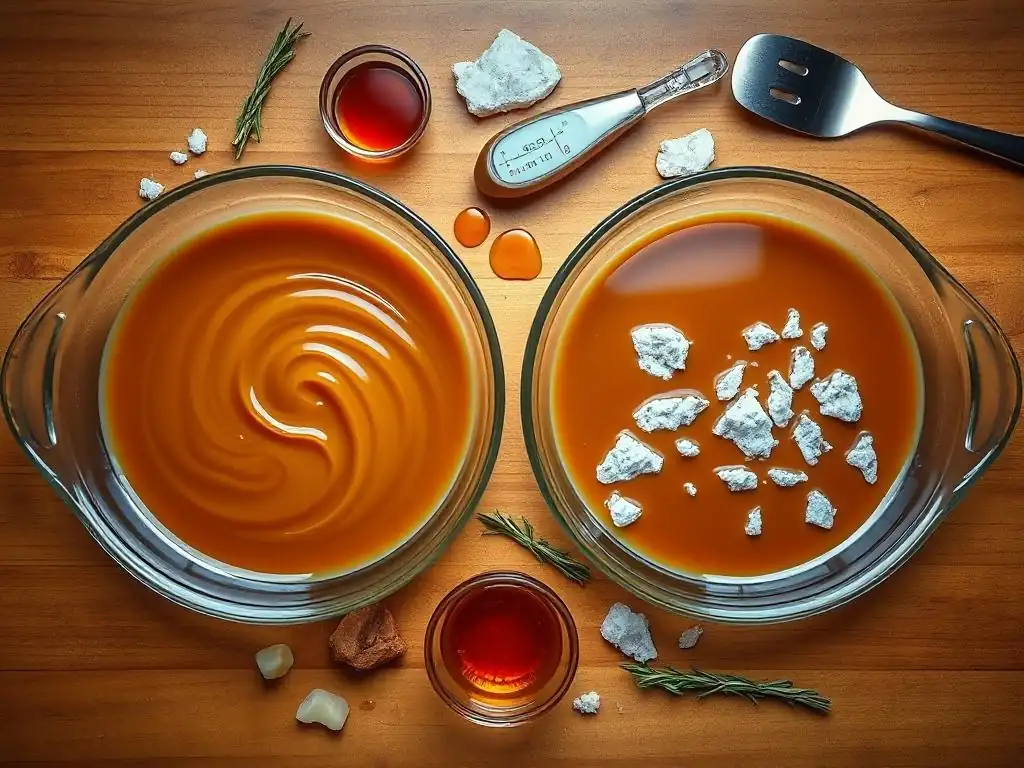
For those looking to delve deeper into sugar work, exploring more advanced techniques and ingredients can further enhance control over crystallization.
Enzyme Use: Exploring Invertase
Invertase is an enzyme that specifically catalyzes the hydrolysis of sucrose into glucose and fructose, creating invert sugar. While not typically used in basic home candy making, it's employed in commercial confectionery, particularly in cream-centered chocolates or fondant.
A small amount of invertase can be added to a cooked sucrose mixture after it has cooled down significantly (as enzymes are sensitive to high heat). Over time, the enzyme will slowly convert some of the sucrose into invert sugar, which helps keep the center soft and creamy and prevents it from drying out or becoming grainy due to crystallization. This is a precise method for controlling texture over time.
Sugar Selection: Understanding Different Sugar Types
While sucrose is the most common sugar used in confectionery and the primary focus of crystallization issues, understanding other sugar types can be beneficial. Different sugars (like dextrose, fructose, lactose) and sugar alcohols (like sorbitol, maltitol) have different solubility and crystallization properties.
Using a blend of different sugars can sometimes help manage texture and crystallization. For example, recipes might incorporate dextrose or fructose alongside sucrose. However, for most home baking and candy making, mastering the control of sucrose crystallization using inhibitors and technique is the primary skill needed.
Precision and Accuracy: Measurement is Key
At any level of sugar work, precision is non-negotiable. This applies not only to temperature but also to ingredient measurements. Using exact amounts of sugar, liquid, and any inhibitors specified in a recipe is crucial. Deviations can alter the final sugar concentration and the effectiveness of crystallization prevention methods.
Using a reliable digital scale for weighing ingredients and a calibrated candy thermometer is highly recommended. Eyeballing measurements or guessing temperatures significantly increases the risk of crystallization and inconsistent results. Precision is the foundation upon which successful preventing sugar crystallization recipes are built.
Recipes for Success
While full recipes are beyond the scope here, understanding how crystallization prevention techniques are applied in practice is valuable. Here are examples highlighting the key principles.
Salted Butter Caramel: A Smooth and Creamy Delight
A recipe for smooth salted butter caramel typically involves cooking sugar, water, and often corn syrup to a specific temperature (soft ball to firm ball). The corn syrup acts as the primary inhibitor. Key steps include dissolving sugar completely initially, not stirring once boiling, washing down the sides of the pan, and carefully adding warm cream and butter off the heat to minimize temperature shock and seize-up (which can induce crystallization). The fat from the butter also helps maintain smoothness.
Candied Ginger: Perfectly Clear and Spicy
Making candied ginger involves simmering sliced ginger in syrup, gradually increasing the sugar concentration over several stages. To keep the syrup clear and prevent granulation, each successive syrup might have a slightly higher sugar-to-water ratio, and a touch of acid (like lemon juice) or glucose syrup is often included. Between stages, the syrup is often brought back to a boil to redissolve any potential crystals before the next simmering phase.
Raspberry Hard Candy: Vibrant Color and Smooth Texture
Raspberry hard candy requires cooking sugar, water, and corn syrup to the hard crack stage. The corn syrup is essential for preventing crystallization at this high temperature. The process demands a clean pan, ensuring sugar is fully dissolved before boiling, no stirring during boiling, and careful handling once the syrup reaches temperature. Flavoring and color are added after the syrup is off the heat and slightly cooled to prevent them from burning or affecting the sugar structure prematurely.
Conclusion: Achieving Confectionery Perfection
Mastering the art of preventing sugar crystallization recipes is fundamental to creating smooth, professional-quality confections. It requires understanding the science behind sugar's behavior and applying precise techniques to control it.
Key Strategies for Crystallization Control
The most effective strategies involve:
- Accurate Temperature Management: Reaching the correct temperature for the desired sugar concentration.
- Using Inhibitors: Incorporating ingredients like corn syrup, invert sugar, or acid to interfere with crystal formation.
- Careful Handling: Avoiding stirring during boiling and keeping the pan clean to prevent seeding.
- Controlled Cooling: Allowing high-temperature syrups to cool undisturbed initially.
- Utilizing Fat: Leveraging the properties of fat in creamy confections.
- Controlled Crystallization: Knowing when and how to encourage small crystal formation (as in fudge or pralines).
By diligently applying these principles, you can significantly reduce the risk of unwanted graininess and achieve the smooth, delightful textures that are the hallmark of great sugar confections.
Resources for Advanced Sugar Work
For those eager to explore further, investing in quality tools like a precise candy thermometer and a heavy-bottomed saucepan can make a significant difference. Consulting reliable baking science resources or detailed confectionery guides can provide deeper insights into the complex chemistry of sugar and techniques for manipulating it. Practice and patience are your greatest allies in becoming a master of sugar work.
Frequently Asked Questions
What exactly is sugar crystallization, and why does it matter when baking?
Sugar crystallization is the process where dissolved sugar molecules reform into solid crystals. It's problematic because it can ruin the smooth texture of many confections, creating a gritty, undesirable result.
Are there specific ingredients that increase the risk of sugar crystallization in recipes?
Yes! Using excessive sugar in relation to other ingredients, or the presence of undissolved sugar particles, can significantly increase the risk. Avoid adding ingredients that naturally create sugar crystals.
What are some general techniques I can use to prevent sugar crystallization while baking?
Several methods can help. These include carefully dissolving all sugar before the mixture boils, adding an interfering agent like corn syrup or lemon juice, and avoiding agitation during cooking.
Does the type of sugar I use affect the likelihood of crystallization?
Yes, to a degree. Granulated sugar is most prone to crystallization. Using invert sugar (like honey or corn syrup) can help prevent it because it's less likely to form crystals.
How do I fix a sugar confection if I notice crystallization has already started?
Sometimes you can rescue it. Try adding a small amount of water and gently heating and stirring until the crystals dissolve. However, prevention is always the best approach.
Final Reflection: The Sweet Science of Preventing Sugar Crystallization
The battle against sugar crystals isn't just about perfectly smooth fudge; it's about unlocking the potential of countless confectionery creations. A deep understanding of sugar's behavior, as explored throughout this article, is crucial for any baker or candy maker aiming for consistent, professional-quality results. The techniques outlined here—from precise temperature control to the strategic use of inhibitors—are not mere tricks, but fundamental principles that elevate the art of confectionery.
The impact of mastering sugar crystallization extends far beyond the kitchen. It's a testament to the power of scientific understanding in transforming a seemingly simple process into a precise art. The subtle nuances of sugar chemistry, often overlooked, are what separate a mediocre confection from a truly exceptional one. As the renowned pastry chef, Jacques Torres, once said, Baking is a science, but it's also an art. You need to understand the science to create the art.
This perfectly encapsulates the journey we've undertaken in exploring the prevention of sugar crystallization.
Now, I invite you to take this knowledge and apply it to your own culinary adventures. Don't be afraid to experiment, to tweak techniques, and to discover the sweet science behind your favorite confections. The next time you're faced with a recipe that promises smooth, creamy texture, remember the principles discussed here. With practice and a little patience, you'll be crafting flawless candies and desserts that are as visually stunning as they are delicious. The journey to mastering sugar crystallization is a rewarding one—embrace the challenge, and savor the sweet success.
Unlock the Secrets to Smooth Confections!
Thanks for exploring the world of perfectly smooth sugar confections with us! You've now gained valuable insights into preventing crystallization, a game-changer for your baking adventures. Ready to put your new knowledge into practice?
- Master a new candy recipe: Try your hand at making fondant this weekend, using the techniques you just learned! This is your chance to shine!
- Share your success (or challenges!): We’d love to see your creations and hear about your experience. Post a picture on your favorite social media using #BakeWithEaseSmoothCandies.
- Dive deeper into candy-making: Explore our other articles on BakeWithEase.com for more tips and tricks on achieving the perfect texture in all your sweet creations!
So, what delicious candy masterpiece will you create first?