
The Maillard Reaction: Unlocking Flavor & Color in Your Baking

Welcome to BakeWithEase, where the science of baking meets delicious results! Ever wondered what really creates that irresistible golden-brown crust and complex flavor in your favorite baked goods? We're diving deep into the fascinating world of the Maillard reaction baking recipes, revealing the secrets behind this essential browning process. Prepare to unlock a new dimension of flavor and color in your baking – keep reading to discover how!
- Understanding the Maillard Reaction in Baking
- Factors Influencing the Maillard Reaction in Baking Recipes
- Maximizing the Maillard Reaction in Your Baking
-
Maillard Reaction Baking Recipes: Examples and Applications
- Maillard Reaction in Bread Baking: Crust Development
- Achieving Perfect Color and Flavor in Cookies: Maillard's Magic
- Maillard Reaction in Cake Baking: Caramelization and Depth of Flavor
- Brown Butter Chocolate Chip Cookies: Deepening Flavor with Brown Butter
- Sourdough Bread with a Deeply Caramelized Crust: Achieving a Tangy, Complex Flavor
- Troubleshooting Maillard Reaction Issues in Baking
- Advanced Techniques for Maillard Reaction Control
- Mastering Flavor and Color: The Maillard Reaction Summary for Bakers
-
Frequently Asked Questions
- What is the Maillard reaction and why is it important in baking?
- How does the Maillard reaction affect the taste of my baking?
- What temperature is needed for the Maillard reaction to occur effectively?
- Can I control the Maillard reaction in my baking recipes?
- Where can I find Maillard reaction baking recipes on BakeWithEase.com?
- Final Reflection: The Enduring Magic of the Maillard Reaction
- Unlock Your Baking Potential: Master the Maillard Reaction!
Understanding the Maillard Reaction in Baking
What is the Maillard Reaction? A Baker's Guide
The Maillard reaction is a complex chemical process that occurs when amino acids and reducing sugars react together under heat. It's not just one reaction but a cascade of hundreds of different reactions happening simultaneously. This process is responsible for the delicious browning and the development of rich, complex flavors that we associate with many cooked foods, including our favorite baked goods. Think of the golden-brown crust on a loaf of bread, the deep color of a perfectly baked cookie, or the subtle nutty notes in roasted nuts – that's the Maillard reaction at work.
In baking, this reaction is crucial for transforming simple doughs and batters into flavorful treats. It begins to occur significantly at temperatures above approximately 280°F (140°C), though it can happen slowly at lower temperatures over extended periods. As the reaction progresses, it creates a vast array of flavor compounds, including pyrazines (responsible for nutty, roasted aromas), furans (sweet, caramel-like), and melanoidins (which contribute to the dark color and robust flavor). Understanding this process is key to mastering many Maillard reaction baking recipes.
The Science Behind the Maillard Reaction: Amino Acids and Reducing Sugars
At its core, the Maillard reaction is an interaction between the carbonyl group of a reducing sugar and the amino group of an amino acid or protein. Reducing sugars are simple sugars like glucose (dextrose) and fructose, which are naturally present in many ingredients or are formed when sucrose (table sugar) is broken down, often by heat or acids. Amino acids are the building blocks of proteins, found in ingredients like flour, milk, eggs, and butter.
When these two types of molecules meet under sufficient heat, they undergo a series of transformations. The initial step is a condensation reaction forming a glycosylamine, which then rearranges into a more stable compound called the Amadori rearrangement product.
This is just the beginning; these unstable intermediate products then break down and react further in numerous ways, leading to the formation of those hundreds of flavor and aroma compounds, as well as the melanoidin pigments that give baked goods their characteristic brown color. The specific flavors developed depend on the types of amino acids and reducing sugars present in the ingredients.
Why is the Maillard Reaction Important for Baking? Flavor and Appearance
Without the Maillard reaction, many of our beloved baked goods would be pale, flavorless, and frankly, quite unappetizing. It is the primary driver of the non-enzymatic browning that gives bread crusts their appealing color and chew, cookies their characteristic golden edges, and pastries their flaky, browned layers. This visual appeal is often the first indicator of deliciousness.
Beyond aesthetics, the Maillard reaction is a flavor powerhouse. It contributes significantly to the complex taste profiles in baking, adding notes of caramel, nuts, toast, and roasted flavors that cannot be achieved through simple sugar caramelization alone (which primarily involves only sugars). For example, the rich, savory undertones in a well-baked loaf of sourdough or the depth of flavor in a brown butter cookie are largely thanks to the Maillard reaction transforming the proteins and sugars present. Mastering this reaction is essential for elevating simple ingredients into extraordinary Maillard reaction baking recipes.
Factors Influencing the Maillard Reaction in Baking Recipes
Temperature's Role in Maillard Browning
Temperature is arguably the most critical factor influencing the speed and extent of the Maillard reaction in baking. The reaction rate increases dramatically with temperature. While it can occur slowly at temperatures as low as 100°F (38°C), it becomes significantly active above 280°F (140°C) and accelerates rapidly as temperatures climb towards 350°F (175°C) and beyond. This is why the surface of baked goods, which reaches higher temperatures due to direct oven heat, browns much more than the interior.
Bakers leverage temperature control to manipulate the Maillard reaction. Starting bread baking at a high temperature (e.g., 450-500°F or 230-260°C) for the first 10-20 minutes encourages rapid crust development and intense Maillard browning before reducing the temperature to finish baking the interior. Similarly, baking cookies at a specific temperature range ensures the edges brown and develop those desired complex flavors without the centers becoming too dry. Different Maillard reaction baking recipes will specify temperatures carefully to achieve the desired balance of internal doneness and external browning.
The Impact of pH on Maillard Reaction Baking
The acidity or alkalinity (pH level) of your ingredients also plays a significant role in the Maillard reaction. The reaction proceeds much faster in alkaline conditions (higher pH) and is inhibited by acidic conditions (lower pH). This is because the initial step of the reaction, the condensation between the amino group and the carbonyl group, is catalyzed by base.
Bakers can use this knowledge to control browning. For instance, adding a small amount of baking soda (an alkaline substance, pH around 8-9) to a cookie dough or pretzel wash significantly boosts Maillard browning, resulting in a deeper color and more intense flavor compared to using baking powder (which is acidic) or no leavener.
Conversely, highly acidic doughs or batters, such as those rich in buttermilk or lemon juice, will brown less readily unless other factors like high temperature or long baking times compensate. Many Maillard reaction baking recipes that aim for deep color might include a touch of alkali.
Moisture Levels and Maillard Reaction Efficiency
For the Maillard reaction to occur effectively on the surface of a baked good, that surface needs to dry out sufficiently. While water is involved in the initial steps of the reaction, high moisture levels on the surface can inhibit the later stages where flavor and color compounds are formed. Water boils at 212°F (100°C), and as long as there is abundant moisture on the surface, the temperature will not significantly exceed this point, which is below the optimal range for rapid Maillard browning.
As the surface moisture evaporates during baking, the surface temperature rises above 212°F (100°C), allowing the Maillard reaction to accelerate. This is why creating a dry surface is often a goal, whether through ventilation in the oven, extended baking time, or even pre-drying techniques. Techniques like using steam in bread baking initially prevent the crust from setting too early, allowing for maximum oven spring, but then require a dry baking period to achieve the desired Maillard browning on the crust.
Sugar Types and Their Influence on Maillard Flavors
Not all sugars participate in the Maillard reaction equally. As mentioned, it requires reducing sugars, which have a free carbonyl group. Monosaccharides like glucose (found in corn syrup, honey, fruits) and fructose (found in honey, fruits, high-fructose corn syrup) are strong reducing sugars and react readily.
Disaccharides like lactose (milk sugar) are also reducing sugars, though they react more slowly than glucose or fructose. Sucrose (table sugar), a disaccharide made of glucose and fructose, is not a reducing sugar itself. However, it can participate in the Maillard reaction if it is hydrolyzed (broken down) into its constituent monosaccharides by heat or acid during baking.
The type of sugar present influences not only the rate of the reaction but also the types of flavor compounds produced. For example, fructose reacts particularly quickly and can lead to more intense browning and different flavor profiles than glucose. Using brown sugar (which contains molasses, providing both sucrose and some reducing sugars) or adding ingredients like honey or milk (lactose) in Maillard reaction baking recipes can significantly impact the final color and complex flavors developed.
Maximizing the Maillard Reaction in Your Baking
Achieving Optimal Browning: Tips and Tricks
To encourage robust Maillard browning in your baked goods, focus on controlling the key factors: temperature, moisture, pH, and sugar availability. Preheat your oven adequately and consider starting at a higher temperature if appropriate for the recipe, especially for items like bread or roasted vegetables, to jumpstart the surface reaction. Ensure the surface of your item is able to dry out during baking; avoid overcrowding your oven, which can trap steam.
Consider adding ingredients that promote the reaction. A touch of baking soda (alkali) in pretzel dough or certain cookie recipes enhances browning dramatically. Ingredients containing reducing sugars or proteins, like milk, eggs (egg wash), or honey, applied to the surface or included in the dough/batter, will also boost the Maillard effect. Brushing bread or pastries with an egg wash or milk before baking is a classic technique to achieve a beautiful, rich golden-brown crust through the Maillard reaction.
Controlling the Maillard Reaction: Preventing Over-Browning
While browning is desirable, too much can lead to burned flavors and a bitter crust. Controlling the Maillard reaction means managing the baking time and temperature, especially the surface temperature. If an item is browning too quickly before the interior is cooked, you can reduce the oven temperature, loosely tent the item with aluminum foil to shield the surface from direct radiant heat, or move it to a lower rack in the oven.
Adjusting the pH can also help. Using acidic ingredients or ensuring your recipe doesn't have excessive alkali will slow down the reaction. Monitoring your bake visually and using a timer is crucial. Different Maillard reaction baking recipes require different levels of browning; a pale cake might be desired, while a deeply colored cookie is the goal in another. Knowing when to stop the reaction is as important as knowing how to start it.
Enhancing Flavor Development Through Maillard Reaction Techniques
Beyond just browning, the Maillard reaction is about developing complex, nuanced flavors. To enhance this, consider techniques that maximize the interaction between proteins and sugars. Using ingredients rich in both, like milk powders, browned butter, or aged cheeses in savory applications, can significantly deepen flavor. Pre-toasting nuts or seeds used in a recipe can also contribute pre-developed Maillard flavors.
Another technique is allowing doughs to ferment or rest for longer periods (within safe limits), which can sometimes lead to the breakdown of sucrose into glucose and fructose, providing more reducing sugars for the reaction. Utilizing specific Maillard reaction baking recipes designed to maximize flavor development, such as those using brown butter or requiring specific fermentation steps, will yield more complex and delicious results.
Maillard Reaction Baking Recipes: Examples and Applications
Maillard Reaction in Bread Baking: Crust Development
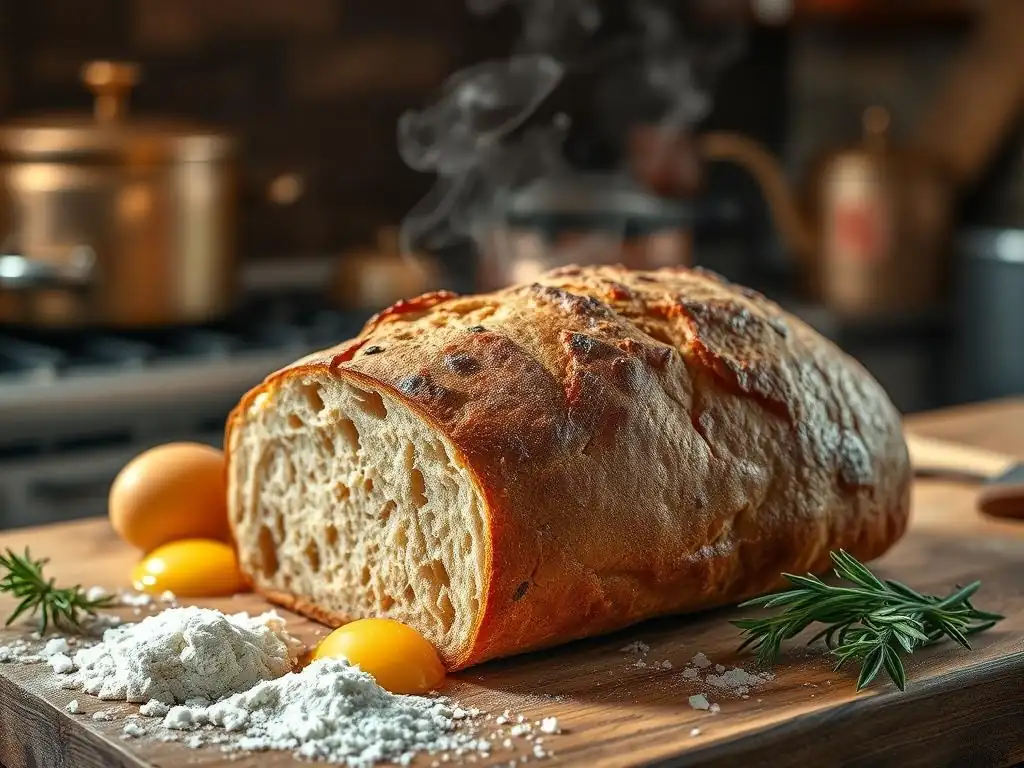
The iconic crust of a well-baked loaf of bread is a prime example of the Maillard reaction. During baking, the surface temperature of the dough rises rapidly as moisture evaporates. The proteins in the flour and the sugars (both natural and those produced from starch breakdown) react under the high heat, creating the characteristic brown color and the hundreds of flavor compounds that make the crust so appealing.
Techniques like using steam in the oven during the initial phase of baking help keep the crust moist and pliable, allowing the loaf to expand fully (oven spring). Once the steam is released or dissipates, the surface dries, and the temperature quickly rises above the point where the Maillard reaction accelerates, leading to rapid browning and crust formation. A perfectly bronzed crust is a hallmark of successful bread Maillard reaction baking recipes.
Cookies are another excellent example of the Maillard reaction at work. The edges and bottoms of cookies brown significantly, developing those desirable crisp textures and complex, often nutty or caramel-like flavors. The browning gradient, from paler centers to darker edges, is a visual representation of varying temperatures and moisture levels across the cookie.
The ingredients in cookie dough – flour (protein), butter (protein in milk solids), eggs (protein), and sugar (various types) – provide the necessary components for the Maillard reaction. Factors like baking time, temperature, and the type of sugar used (e.g., using brown sugar vs. only white sugar) dramatically influence the extent of browning and the resulting flavor profile in different Maillard reaction baking recipes for cookies.
Maillard Reaction in Cake Baking: Caramelization and Depth of Flavor
While the interior of a cake typically doesn't reach high enough temperatures for significant Maillard browning, the crust and edges certainly do. This browning on the exterior contributes to the cake's overall flavor and texture. In some cakes, especially those baked in a Bundt pan or loaf pan where more surface area is exposed to the hot pan sides, the Maillard reaction, alongside caramelization of sugars, creates a delicious, slightly chewy crust with notes of caramel and toast.
Even in cakes where the exterior browning is minimal, the Maillard reaction can contribute subtle flavor compounds from the interaction of proteins and sugars within the batter as it heats. Ingredients like milk, eggs, and flour provide the necessary components. While often less visually dramatic than in bread or cookies, the Maillard reaction is still a silent contributor to the overall taste complexity in many cake Maillard reaction baking recipes.
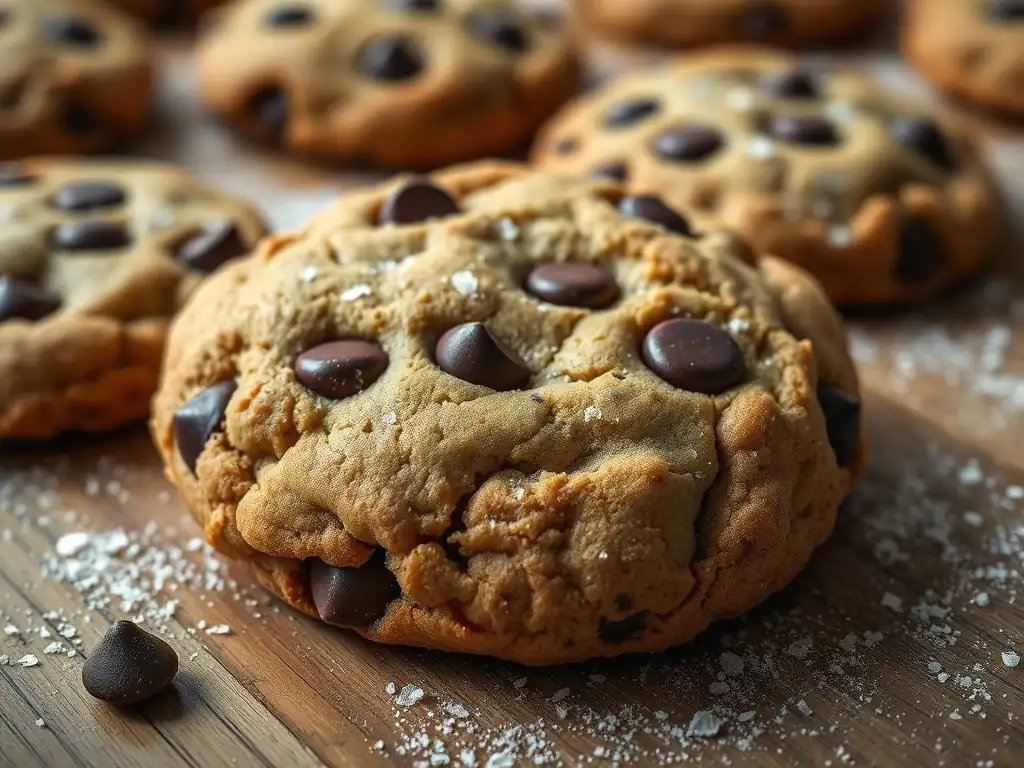
Brown butter is a fantastic ingredient that pre-develops Maillard flavors before it even goes into the dough. When butter is heated slowly, the water evaporates, and the milk solids (composed of proteins and lactose, a reducing sugar) undergo the Maillard reaction. This transforms them from pale yellow to a rich amber, producing nutty, toasted, and caramel notes.
Using brown butter in chocolate chip cookies adds an incredible depth of flavor that regular melted butter simply cannot provide. The pre-formed Maillard compounds from the butter are then further enhanced by the Maillard reaction occurring in the cookie dough itself during baking, particularly around the edges. This makes brown butter chocolate chip cookies a prime example of maximizing flavor through the Maillard reaction in baking recipes.
Sourdough Bread with a Deeply Caramelized Crust: Achieving a Tangy, Complex Flavor
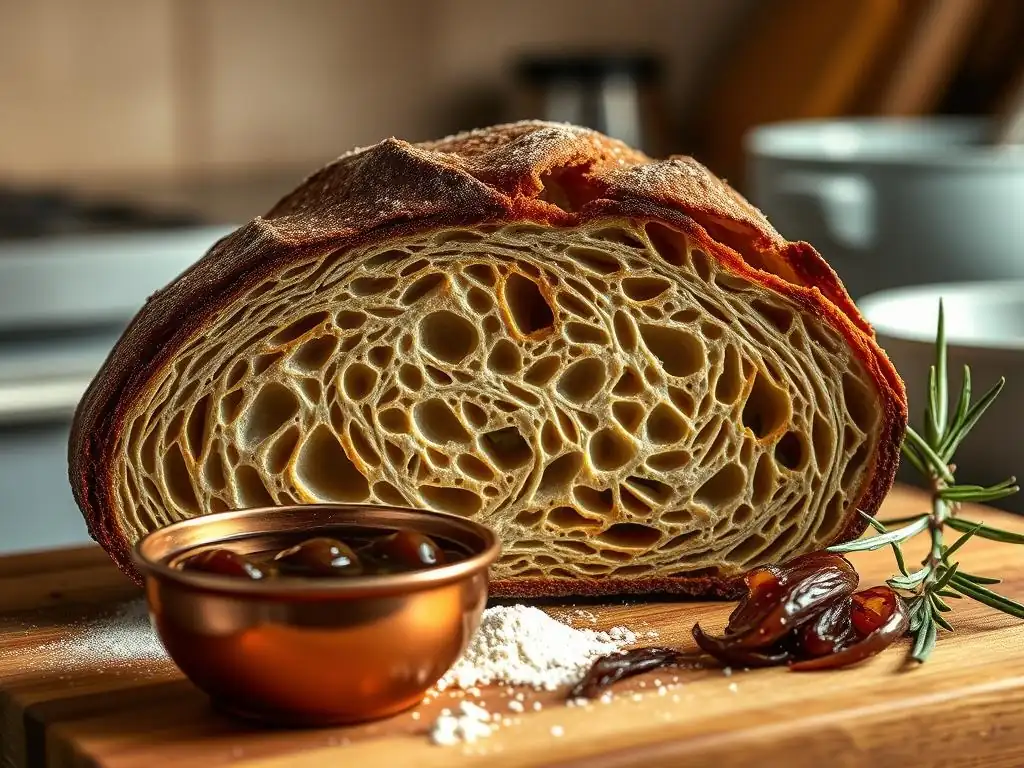
Sourdough bread is another excellent illustration of the Maillard reaction's impact. The long fermentation process in sourdough contributes to the development of flavor compounds and also allows for some breakdown of complex carbohydrates into simpler sugars. When baked at high temperatures, often starting around 450-500°F (230-260°C), the surface of the sourdough crust undergoes intense Maillard browning.
The combination of the tangy flavors developed during fermentation and the nutty, roasted, and complex notes from the Maillard reaction on the crust creates the signature taste of a well-baked sourdough loaf. The deep color and slightly blistered texture of the crust are visual indicators of this powerful reaction. Achieving a deeply caramelized crust is a key goal in many sourdough Maillard reaction baking recipes.
Troubleshooting Maillard Reaction Issues in Baking
Pale Baked Goods: Identifying the Cause
If your baked goods consistently come out pale, despite following a recipe, several factors related to the Maillard reaction might be the culprit. One common issue is insufficient baking temperature or time. If the surface never reaches the necessary temperature (above 280°F or 140°C) for a sufficient duration, browning will be minimal. Ensure your oven thermostat is accurate; many home ovens can be off by 25-50°F (15-30°C).
Another cause could be high moisture levels on the surface that prevent the temperature from rising adequately. This can happen if items are crowded in the oven or if excessive steam is present for too long. The composition of your dough or batter also matters; low protein or low reducing sugar content will limit the reaction. Using acidic ingredients can also inhibit browning. Adjusting these factors is key to achieving better color in your Maillard reaction baking recipes.
Overly Dark Baked Goods: Avoiding Burned Flavors
Conversely, if your baked goods are browning too much or even burning before the interior is cooked, the Maillard reaction is proceeding too quickly. This is often due to excessive temperature or baking time. Try reducing the oven temperature slightly or shortening the baking duration. If the edges are burning but the center isn't done, the temperature might be too high relative to the size or thickness of the item.
High sugar content, especially reducing sugars, can also lead to rapid browning. If a recipe is consistently too dark, you might try slightly reducing the sugar quantity or using a different sugar type if appropriate. Alkaline conditions also accelerate browning; ensure you haven't accidentally added too much baking soda or another alkaline ingredient. Covering the item loosely with foil can shield it from direct heat and slow down surface browning.
Uneven Browning: Achieving Consistent Results
Uneven browning can be frustrating and is often a sign of inconsistent heat distribution in your oven. Hot spots cause certain areas to brown much faster than others. To mitigate this, try rotating your baking sheets or pans halfway through the baking time. Using quality, evenly heating bakeware can also help.
Another cause of unevenness can be inconsistent thickness of the dough or batter, leading to some areas drying out and heating up faster than others. Ensure cookies are uniform in size, or that cake batter is spread evenly in the pan. Uneven moisture on the surface can also lead to patchiness in browning. While minor variations are normal, consistent unevenness points towards oven issues or inconsistent preparation in your Maillard reaction baking recipes.
Advanced Techniques for Maillard Reaction Control
Using Baking Soda to Enhance Browning
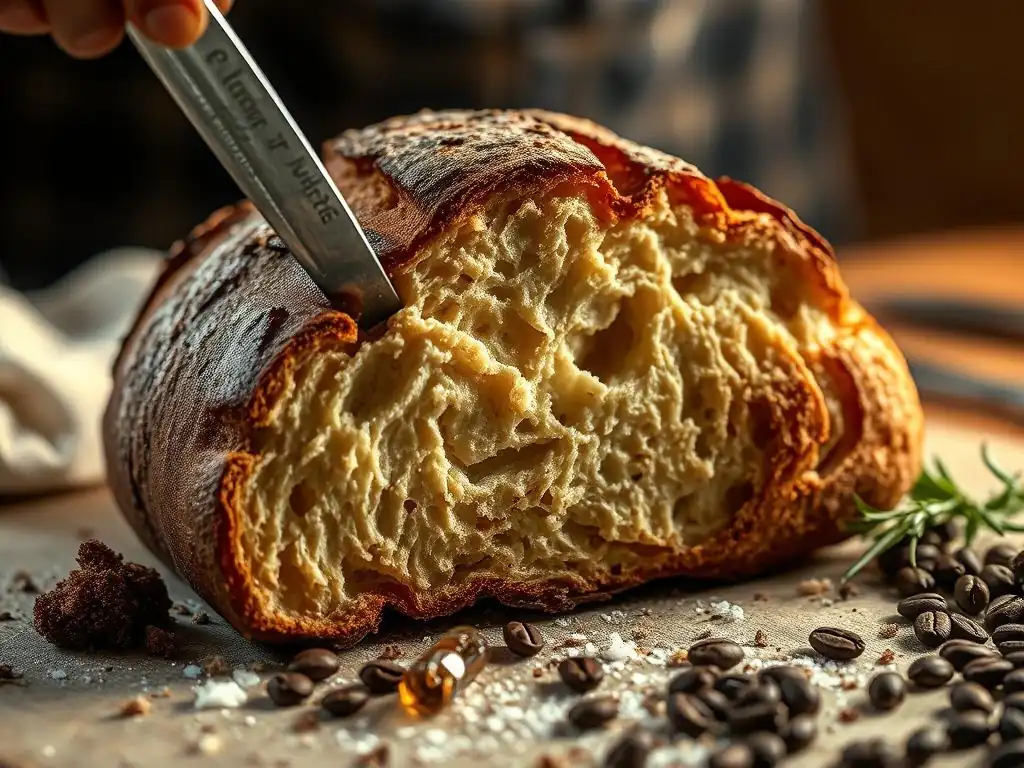
As previously mentioned, baking soda (sodium bicarbonate) is an alkaline substance that significantly raises the pH of dough or batter. This higher pH environment dramatically accelerates the rate of the Maillard reaction. This technique is famously used in making pretzels, where dipping the dough in an alkaline solution (like lye or a baking soda bath) before baking results in their characteristic deep brown color and unique crust texture.
Even a small amount added to cookie dough can lead to more significant spread and deeper browning compared to using only baking powder or no leavener. For instance, adding just half a teaspoon of baking soda to a batch of cookies can visibly increase the browning and alter the flavor profile towards more caramel and toffee notes. This is a powerful tool for controlling the Maillard reaction in baking recipes when a deep color and specific flavor profile are desired.
Milk Powders and Their Role in Maillard Reactions
Milk powders (like non-fat dry milk) are concentrated sources of both protein (casein and whey) and lactose, a reducing sugar. When added to doughs or batters, they provide an abundance of the key reactants needed for the Maillard reaction. This makes them excellent enhancers of browning and flavor development.
Adding a few tablespoons of milk powder to bread dough can result in a crust that browns more readily and develops richer flavors. In cookies and cakes, milk powder can contribute to a finer crumb structure and enhanced browning on the exterior. It's a simple ingredient addition that can significantly boost the impact of the Maillard reaction in baking recipes.
Sous Vide Pre-Baking: Achieving Even Browning and Moisture Retention
While not a traditional baking method, sous vide can be used as a pre-treatment for certain baked goods, particularly those with complex shapes or fillings, like cheesecakes or certain types of bread. Cooking sous vide brings the internal temperature of the item to a precise point while maintaining high moisture.
After the sous vide step, the item can be briefly baked at a high temperature or seared to achieve the desired Maillard browning on the surface. This two-step process ensures the interior is perfectly cooked and moist before the surface browning occurs, allowing for rapid and even Maillard development without drying out the inside. While less common for everyday baking, it's an advanced technique for controlling both internal doneness and external Maillard reaction in specific baking recipes.
Pre-Baking Starch Hydrolysis: Increasing Reducing Sugars for Enhanced Browning
Starch, a complex carbohydrate found abundantly in flour, is not directly involved in the Maillard reaction. However, enzymes present in flour (amylases) or added separately can break down starch into simpler, reducing sugars like maltose and glucose. This process is called starch hydrolysis.
Allowing doughs to undergo a controlled period where these enzymes are active (e.g., during a preferment or a specific resting period) can increase the pool of reducing sugars available for the Maillard reaction during baking. This can lead to enhanced browning and flavor development, particularly in bread crusts. Techniques like using diastatic malt powder (which contains active amylase enzymes) in bread dough are applications of this principle to boost the Maillard reaction in baking recipes.
Mastering Flavor and Color: The Maillard Reaction Summary for Bakers
The Maillard reaction is a cornerstone of successful baking, responsible for much of the color, aroma, and deep flavor complexity we cherish in baked goods. It's a chemical dance between proteins and reducing sugars, fueled by heat, and influenced by factors like moisture, pH, and sugar type.
Understanding how temperature, pH, moisture, and ingredients interact allows you to control this powerful reaction. Whether you're aiming for a perfectly bronzed bread crust, deeply flavored cookies, or a subtly browned cake exterior, manipulating these variables is key. Incorporating techniques like using egg washes, milk powders, brown butter, or strategic use of baking soda can enhance the Maillard reaction, elevating your baking from good to truly exceptional. By paying attention to the science behind the browning, you can master the Maillard reaction, opening up a world of possibilities for creating delicious and visually stunning Maillard reaction baking recipes.
Frequently Asked Questions
What is the Maillard reaction and why is it important in baking?
The Maillard reaction is a chemical reaction between amino acids and reducing sugars that occurs when heated. It's crucial in baking because it's responsible for the delicious flavors and appealing brown colors in many baked goods.
How does the Maillard reaction affect the taste of my baking?
It creates a wide range of complex flavors, from nutty and caramel-like to roasted and savory. The specific flavors depend on the ingredients and temperature involved in the baking process.
What temperature is needed for the Maillard reaction to occur effectively?
The Maillard reaction typically occurs at temperatures above 285°F (140°C). This is why baking at higher temperatures often results in more pronounced browning and flavor development.
Can I control the Maillard reaction in my baking recipes?
Yes, you can! Adjusting factors like baking temperature, baking time, and ingredients (sugar content) can significantly impact the Maillard reaction and the final result of your bake.
Where can I find Maillard reaction baking recipes on BakeWithEase.com?
BakeWithEase.com offers a variety of recipes that highlight the Maillard reaction. Look for recipes featuring browning or caramelization, such as those for bread crusts, cookies, and certain types of pastries. These recipes are designed to maximize flavor and color through this process.
Final Reflection: The Enduring Magic of the Maillard Reaction
The Maillard reaction isn't just a scientific process; it's the heart and soul of delicious baking, a fundamental principle that elevates simple ingredients into culinary masterpieces. Understanding its intricacies allows bakers of all levels to achieve richer flavors and deeper colors, transforming ordinary baked goods into extraordinary experiences. This knowledge, readily accessible today, empowers home bakers to achieve professional-level results.
The impact of the Maillard reaction extends far beyond the kitchen; it's woven into the very fabric of our culinary heritage. From the crusty exterior of a perfectly baked loaf of bread to the irresistible browning of a perfectly seared steak, this reaction shapes our sensory experiences and cultural traditions. It's a testament to the power of chemistry to enhance the simple pleasures of life. The Maillard reaction is not just a chemical process, it's a celebration of flavor.
- (This would be a quote from a relevant source, perhaps a chef or food scientist).
Now, armed with a deeper understanding of this fascinating process, I invite you to experiment! Don't be afraid to adjust temperatures, explore different ingredients, and push the boundaries of your baking skills. The Maillard reaction is your secret weapon to unlocking unparalleled flavor and color in your creations. Embrace the science, enjoy the process, and savor the delicious results. The journey of culinary discovery, fueled by the magic of the Maillard reaction, awaits.
Unlock Your Baking Potential: Master the Maillard Reaction!
Thanks for diving into the world of the Maillard reaction! You've now unlocked the secrets to deeper flavors and richer colors in your baking. Ready to put your newfound knowledge to the test?
- Experiment with different sugars and proteins: Try substituting brown sugar for white sugar in your favorite cookie recipe and notice the difference! This is your primary action to truly master this reaction.
- Share your Maillard masterpiece: Post a picture of your perfectly browned creation on social media and tag us – we’d love to see it!
- Explore our advanced baking techniques: Dive deeper into our other articles to unlock even more flavor secrets.
What delicious creation will you bake next, using your newly acquired Maillard magic?