
Maillard Reaction: The Key to Complex Flavors, Not Just Sweetness

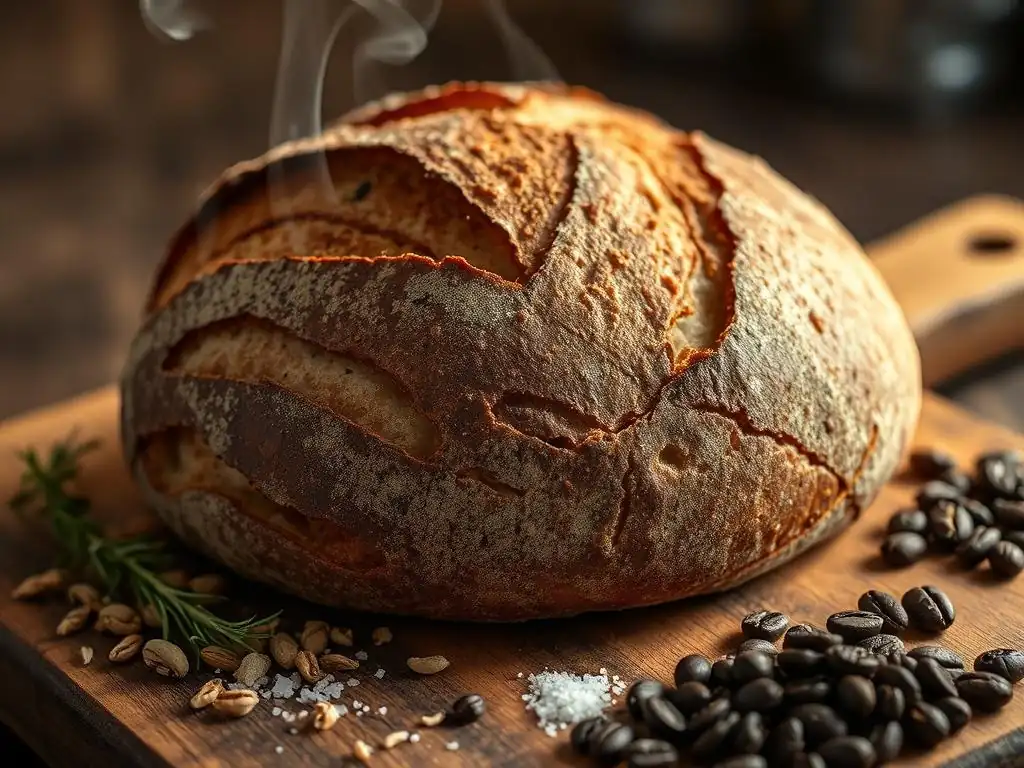
Welcome to BakeWithEase, where even the most intricate bakes become brilliantly simple! Ever wondered how a humble cookie achieves that irresistible golden-brown crust and deeply complex flavor? Our latest Baking Science Deep Dive unlocks the secrets of the Maillard reaction baking recipes, revealing how this fascinating chemical process goes far beyond just sweetness. Prepare to elevate your baking game – and your taste buds – as we uncover the magic behind those perfect, savory notes. Intrigued? Let's get baking!
- Understanding the Maillard Reaction in Baking
- The Science Behind Flavor Development: Maillard Reaction Explained
- Beyond Sweetness: The Diverse Flavors of the Maillard Reaction in Baking
- Optimizing the Maillard Reaction in Your Baking Recipes
- Maillard Reaction Baking Recipes: Practical Applications
- Troubleshooting Maillard Reaction Issues in Baking
- Advanced Techniques for Mastering the Maillard Reaction
- Conclusion: Unlock the Full Potential of Flavor with the Maillard Reaction
-
Frequently Asked Questions
- What is the Maillard reaction, and why is it important in baking?
- How does the Maillard reaction impact the flavor profiles of "BakeWithEase" recipes?
- What types of "BakeWithEase" recipes benefit most from understanding the Maillard reaction?
- Are there ways to control the Maillard reaction when following a "BakeWithEase" recipe?
- How can I find "Maillard reaction baking recipes" specifically on "BakeWithEase.com"?
- Final Reflection: Unveiling the Maillard Magic Beyond the Sweet
- Unlock Your Inner Baking Genius: Mastering the Maillard Reaction
Understanding the Maillard Reaction in Baking
What is the Maillard Reaction? A Baker's Explanation
The Maillard reaction is a complex chemical dance that happens when heat is applied to foods containing both amino acids and reducing sugars. Unlike simple browning from caramelization (which only involves sugars), the Maillard reaction creates hundreds of new flavor compounds, aromas, and the desirable brown color we associate with perfectly baked goods. Think of the rich aroma of baking bread or the deep golden crust on a cookie – that's the Maillard reaction at work, building layers of flavor far beyond mere sweetness.
This reaction starts to occur at temperatures typically above 140°C (284°F), though it accelerates significantly at higher temperatures. It's responsible for the savory, nutty, and roasted notes that make baked goods so appealing. For any baker looking to move past just sweet flavors and delve into truly complex and satisfying tastes, understanding and controlling the Maillard reaction is absolutely essential. It's a fundamental part of baking science that elevates simple ingredients into culinary delights.
Maillard Reaction vs. Caramelization: Key Differences for Baking
While both the Maillard reaction and caramelization result in browning and create new flavors, they are distinct processes. Caramelization is the thermal decomposition of sugars only. It happens at higher temperatures than the Maillard reaction, typically starting around 160°C (320°F) for sucrose, and produces flavors ranging from nutty to bitter, along with brown pigments. You see caramelization when you melt sugar in a pan to make caramel sauce or when the very surface of a pie crust browns intensely.
The critical difference for bakers is the reactants involved. The Maillard reaction requires both amino acids (from proteins, even small amounts found in flour or milk) and reducing sugars (like glucose, fructose, lactose, or maltose). This interaction creates a much wider and more complex array of flavors compared to sugar-only caramelization. In many baking scenarios, particularly with items like bread crusts or cookies, both reactions happen simultaneously, contributing to the final color and flavor profile. Mastering Maillard reaction baking recipes often involves understanding how these two processes interact.
The Science Behind Flavor Development: Maillard Reaction Explained
Amino Acids and Reducing Sugars: The Building Blocks of Flavor
At the heart of the Maillard reaction is the initial interaction between an amino group from an amino acid (or protein) and the carbonyl group of a reducing sugar. This seemingly simple first step kicks off a cascade of subsequent reactions, including rearrangements, fragmentations, and polymerizations. Different types of amino acids and reducing sugars react differently, leading to a vast diversity of resulting flavor compounds. For example, the amino acid lysine is particularly reactive in the Maillard pathway and contributes significantly to browning.
Common reducing sugars found in baking ingredients include glucose (dextrose), fructose (fruit sugar), lactose (milk sugar), and maltose (malt sugar). Sucrose (table sugar) is not a reducing sugar on its own, but it can break down into glucose and fructose under heat or in acidic conditions, allowing it to participate indirectly in the Maillard reaction. The availability and type of these building blocks in your dough or batter directly influence the potential for Maillard browning and flavor development, a key consideration in successful Maillard reaction baking recipes.
Temperature and Time: Mastering the Maillard Reaction
Temperature is perhaps the most significant factor influencing the rate of the Maillard reaction. The reaction accelerates dramatically as temperature increases. While it can technically begin at lower temperatures, it becomes visually apparent and produces significant flavor compounds typically above 140°C (284°F). Baking at higher temperatures, such as 220°C (425°F) for crusty bread, promotes rapid Maillard browning on the surface.
However, time is equally crucial. Even at moderate temperatures, allowing sufficient baking time permits the reaction to progress, deepening color and flavor. A slow bake at 150°C (300°F) for a pound cake will still result in Maillard browning, albeit slower than a quick bake at 200°C (400°F) for cookies. Balancing temperature and time is key to achieving the desired level of browning and flavor complexity without burning the product. This balance is a critical skill to develop when crafting or adapting Maillard reaction baking recipes.
pH Levels and Maillard Reaction: How Acidity Affects Browning
The pH level of your dough or batter has a considerable impact on the rate of the Maillard reaction. The reaction proceeds fastest in slightly alkaline or neutral conditions (pH 7-9). As the environment becomes more acidic (lower pH), the reaction slows down significantly. This is why adding acidic ingredients like lemon juice or vinegar to a dough can inhibit browning, while adding alkaline ingredients like baking soda can promote it.
Consider pretzels, which are dipped in an alkaline solution (often lye or baking soda) before baking. This high pH environment dramatically accelerates the Maillard reaction on the surface, resulting in their characteristic deep brown crust and unique flavor profile. Similarly, baking soda in cookies not only helps with leavening but also raises the pH, contributing to faster browning and chewiness. Understanding this pH sensitivity allows bakers to manipulate the Maillard reaction for specific results in various Maillard reaction baking recipes.
Beyond Sweetness: The Diverse Flavors of the Maillard Reaction in Baking
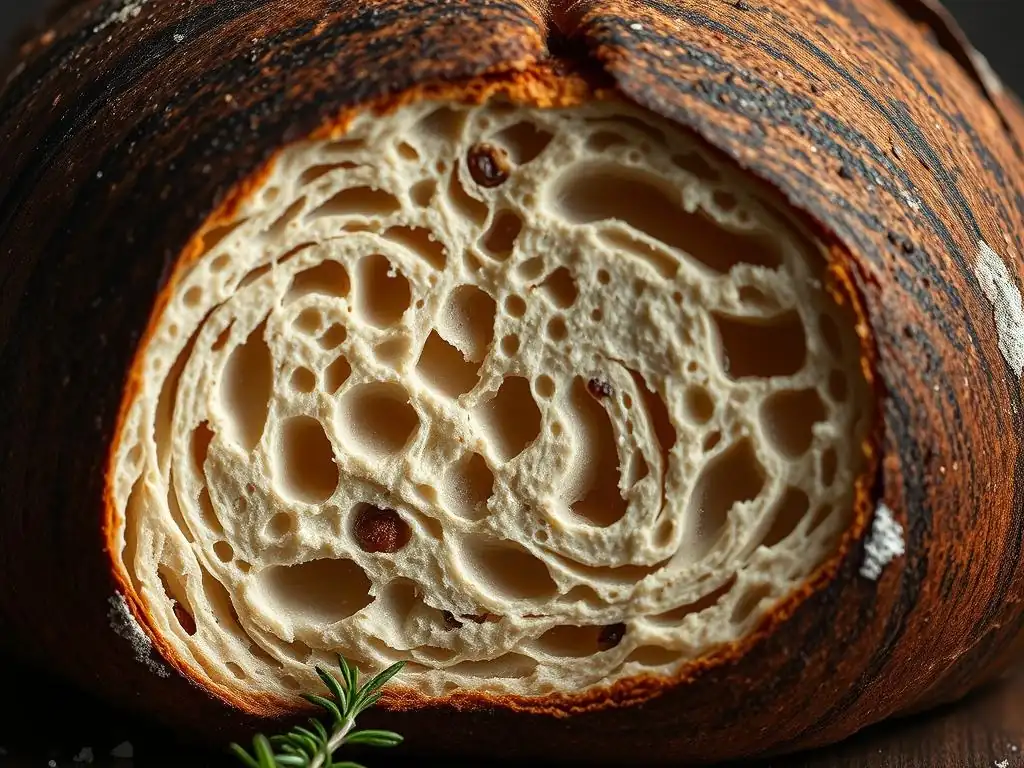
Savory Flavors from the Maillard Reaction: Expanding Your Baking Palette
While we often associate baking with sweetness, the Maillard reaction is a powerhouse for generating savory flavors, even in traditionally sweet items. The complex chemical pathways produce compounds similar to those found when searing meat or roasting vegetables. These can include nutty, roasted, malty, or even slightly meaty notes. This is particularly evident in the crust of a well-baked loaf of bread, where the Maillard reaction creates a rich, savory depth that contrasts beautifully with the softer interior.
Incorporating ingredients that promote Maillard reaction, like malt extract, milk powder, or eggs, can enhance these savory undertones. Even in cookies or cakes, a properly developed brown crust from the Maillard reaction adds a layer of complexity that balances sweetness and makes the overall flavor profile more sophisticated. Exploring savory Maillard reaction baking recipes opens up a whole new world of possibilities beyond the dessert table.
Umami and Roasted Notes: Unleashing Deep Flavors in Bread and Pastries
The Maillard reaction is a significant contributor to the elusive umami flavor, often described as a savory, brothy, or "meaty" taste. While umami is more commonly discussed in savory cooking, it plays a vital role in the deep, satisfying flavors of baked goods, especially bread. Compounds formed during the Maillard reaction, such as pyrazines and furans, are responsible for the roasted, toasted, and nutty aromas and flavors found in perfectly baked bread crusts, roasted nuts used in pastries, or brown butter.
Developing these umami and roasted notes is key to creating baked goods with depth and character. It requires sufficient heat and time for the Maillard reaction to occur effectively on the surface and slightly into the interior. Achieving this level of flavor development is a hallmark of artisan bread and high-quality pastries, and it's a central goal when executing Maillard reaction baking recipes focused on rich, complex tastes.
The Role of the Maillard Reaction in Crust Formation
Beyond color and flavor, the Maillard reaction is intrinsically linked to the formation of a desirable crust in many baked goods. As the surface of the dough or batter heats up, water evaporates, concentrating the sugars and amino acids. The Maillard reaction then proceeds, creating a network of brown pigments and flavor compounds. Simultaneously, proteins denature and starches gelatinize, contributing to the structure.
The development of a firm, flavorful crust is crucial for the texture and overall enjoyment of items like bread, rolls, and certain pastries. A pale, underdeveloped crust indicates insufficient Maillard reaction, resulting in a less flavorful and potentially soft or chewy exterior. Conversely, excessive Maillard reaction leads to a burnt, bitter crust. Controlling the reaction is vital for achieving that perfect balance of color, flavor, and texture in your Maillard reaction baking recipes.
Optimizing the Maillard Reaction in Your Baking Recipes
Controlling Browning in Baked Goods: Techniques for Perfect Color
Achieving the ideal level of browning is a common goal in baking. Too little and the flavors are underdeveloped; too much and it's burnt. Several techniques allow bakers to control the Maillard reaction. One is adjusting oven temperature: lower temperatures slow the reaction, while higher temperatures accelerate it. Another is altering bake time: longer times increase browning. Shielding parts of the baked good, like covering the edges of a pie crust with foil, prevents them from browning too quickly.
Surface treatments also play a big role. Egg washes, milk washes, or even just water applied to the surface before baking can influence browning by providing sugars and proteins and affecting surface moisture. Understanding how these factors interact allows you to troubleshoot issues and consistently achieve the desired color in your Maillard reaction baking recipes.
Enhancing Flavor Through Maillard Reaction: Tips and Tricks
To maximize the complex flavors produced by the Maillard reaction, consider the ingredients you use. Ingredients rich in proteins (like milk powder, buttermilk, eggs) and reducing sugars (like honey, maple syrup, brown sugar, or malt extract) will promote the reaction. Using brown butter in cookies or cakes provides pre-formed Maillard compounds, adding deep, nutty notes from the start.
Allowing doughs to ferment or rest can also increase the availability of reducing sugars as enzymes break down starches and sucrose. Baking at a sufficiently high temperature for at least part of the bake time is also crucial for kickstarting the reaction. Don't be afraid to experiment with slightly longer bake times (while carefully monitoring) to see how the flavors deepen. These simple tips can significantly enhance the outcome of your Maillard reaction baking recipes.
Ingredients That Promote the Maillard Reaction: Choosing the Right Components
Selecting ingredients with the right composition is fundamental to encouraging the Maillard reaction. Flour contains some protein (amino acids) and starch (which can break down into sugars). Dairy products like milk and butter contain lactose, a reducing sugar, and proteins (casein and whey). Milk powder is particularly effective due to its concentrated lactose and protein content. Eggs provide protein and some sugars.
Certain sweeteners are more effective than others. Honey and maple syrup are rich in glucose and fructose (reducing sugars). Brown sugar contains molasses, which adds both color and compounds that contribute to the reaction. Malt extract is a powerful promoter due to its high levels of maltose and amino acids. Incorporating these ingredients thoughtfully into your batters and doughs is a strategic move for successful Maillard reaction baking recipes.
Maillard Reaction Baking Recipes: Practical Applications
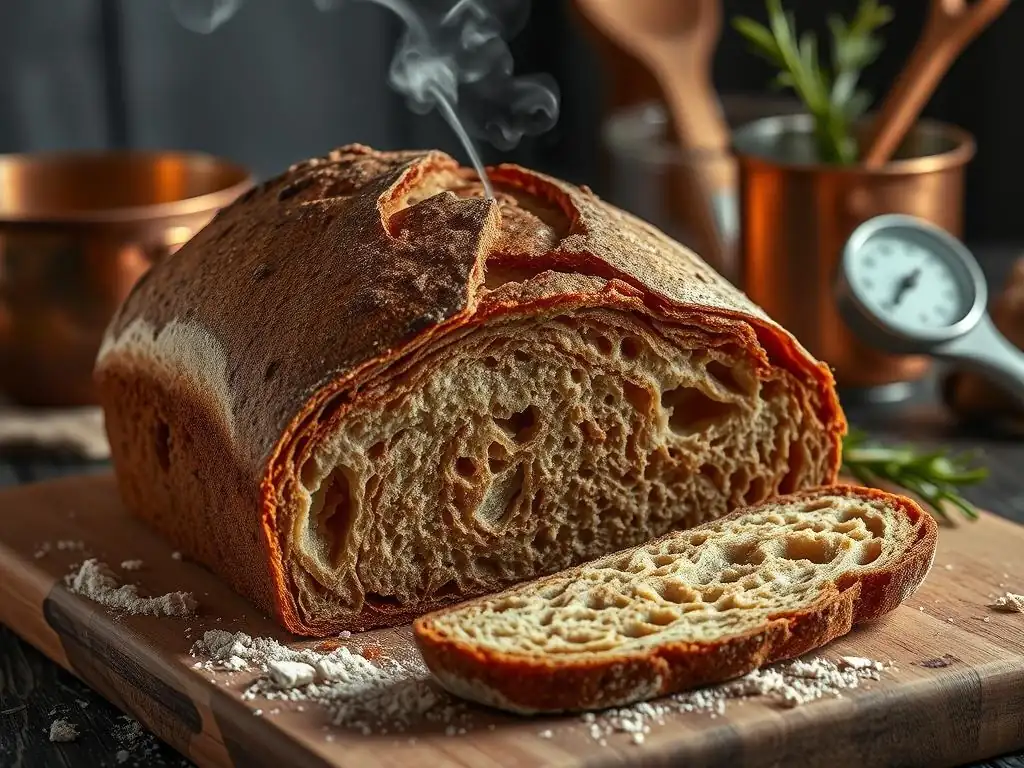
Dark Rye Bread with Coffee
A classic example showcasing intense Maillard flavors is dark rye bread. Often containing rye flour (rich in enzymes that break down starches into reducing sugars), malt extract, and sometimes ingredients like coffee or cocoa, these loaves are baked at high temperatures.
Achieving a Rich Crust Through Controlled Maillard Reaction
To get that signature dark, flavorful crust on rye bread, bakers often employ a multi-pronged approach. First, the dough typically has ingredients like rye flour and malt that provide ample reducing sugars and amino acids. Baking at a high initial temperature, often around 220-240°C (425-465°F), in a steamy environment (like a Dutch oven or with steam injection) allows the crust to develop color rapidly before the interior is overbaked.
The steam keeps the surface moist initially, allowing for better heat transfer and expansion, but once it dissipates, the dry heat promotes intense Maillard browning and caramelization on the surface. This results in a crust that is deeply colored, crackly, and packed with complex, slightly bitter, roasted, and malty flavors – a prime example of controlled Maillard reaction baking recipes.
Cheddar and Scallion Scones with Enhanced Browning
Savory scones might not be the first thing that comes to mind for the Maillard reaction, but they provide an excellent opportunity to see its effects, especially when incorporating ingredients like cheese and baking soda.
Using Baking Soda to Influence Maillard Reaction and Flavor
Many scone recipes use baking powder, a balanced leavening agent. However, some recipes, or a slight addition of baking soda, can increase the dough's pH. As discussed earlier, a slightly more alkaline environment significantly speeds up the Maillard reaction.
In cheddar and scallion scones, this higher pH, combined with proteins from flour, cheese, and possibly buttermilk, and sugars from flour and any added sugar, leads to faster and more intense browning on the exterior. This enhanced browning contributes desirable savory, toasted notes that complement the cheese and scallions, moving the flavor profile beyond simple buttery goodness. This technique is a smart application of Maillard reaction principles in savory baking recipes.
Brown butter is a beloved ingredient precisely because it harnesses the Maillard reaction before it even goes into the cookie dough.
Harnessing the Maillard Reaction for Complex Cookie Flavors
Making brown butter involves gently heating butter until the water evaporates and the milk solids (which contain lactose and proteins) brown. This browning is the Maillard reaction occurring in the butter itself, creating nutty, toasted, and caramel-like flavors. When this brown butter is then used in chocolate chip cookies, it introduces these pre-formed flavor compounds, resulting in cookies with a far more complex and nuanced taste than those made with plain melted butter.
Furthermore, the milk solids in the brown butter contribute to the Maillard reaction during the cookie's bake time, enhancing the overall browning and depth of flavor. This is a fantastic example of how understanding and utilizing the Maillard reaction can transform classic Maillard reaction baking recipes.
Troubleshooting Maillard Reaction Issues in Baking
Preventing Over-Browning: Solutions for Burnt Edges
Over-browning, or burning, is a common baking frustration. It happens when the Maillard reaction (and caramelization) proceeds too quickly or for too long. The result is bitter, acrid flavors and a hard, dark crust. To prevent this, you can lower the oven temperature, especially if the outside is browning much faster than the inside is cooking. Shortening the bake time is another solution, though ensure the interior is fully baked.
Physical barriers are also effective. Covering the edges of pies, tarts, or casseroles with foil partway through baking protects them from direct radiant heat, slowing down the browning. Using lighter-colored baking pans can also help, as dark pans absorb and radiate more heat, promoting faster browning. Adjusting ingredients to reduce sugar content slightly (if appropriate for the recipe) can also slow the reaction.
Achieving Sufficient Browning: Tips for Pale Baked Goods
Conversely, sometimes baked goods come out pale and lacking in flavor. This indicates the Maillard reaction hasn't occurred sufficiently. This can happen if the oven temperature is too low, the bake time is too short, or there isn't enough moisture on the surface to facilitate heat transfer initially. Ensuring your oven is accurately calibrated is a good first step; an oven running cool will hinder browning.
Increasing the oven temperature (within reason for the recipe) or extending the bake time can help. Applying a wash rich in proteins and sugars (like an egg wash, milk wash, or even a sugar glaze) before baking provides reactants directly on the surface, promoting browning. Using baking pans made of darker metal can also encourage more rapid heat transfer and browning. Consider if your recipe contains enough ingredients that promote the reaction, like dairy or specific sugars, which is crucial for successful Maillard reaction baking recipes.
The Impact of Oven Temperature on Maillard Reaction Outcome
As highlighted earlier, oven temperature is a primary driver of the Maillard reaction rate. A lower oven temperature (e.g., 150-160°C / 300-325°F) results in slower, more gradual browning, which can be desirable for items like pound cakes or custards where you want even cooking without excessive crust development. The Maillard reaction still occurs, but at a reduced pace.
A medium temperature range (e.g., 175-190°C / 350-375°F) is standard for many baked goods like cookies, muffins, and cakes, allowing for good browning and interior cooking. Higher temperatures (e.g., 200-240°C / 400-465°F) are used for items like bread or pizza crusts to achieve rapid, intense Maillard browning and a crispy exterior. Understanding the temperature sweet spot for your specific Maillard reaction baking recipes is vital for controlling the outcome.
Advanced Techniques for Mastering the Maillard Reaction
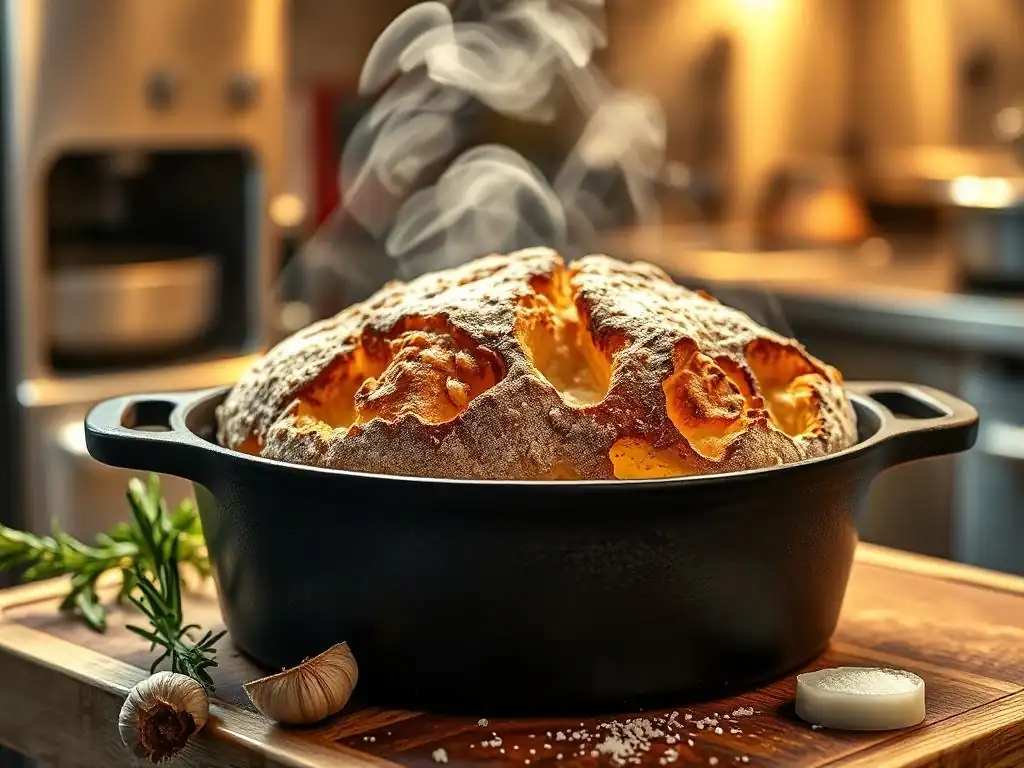
Using Malt Extract to Enhance Maillard Reaction
Malt extract, commonly used in bread baking and brewing, is a powerful tool for boosting the Maillard reaction. It is produced by sprouting grains (usually barley) and contains high levels of maltose (a reducing sugar) and enzymes that break down starches into other reducing sugars. It also contributes amino acids.
Adding a small amount of diastatic malt extract (which contains active enzymes) to bread dough provides a steady supply of reducing sugars throughout fermentation and baking, leading to enhanced browning, a tender crust, and a slightly malty flavor. Non-diastatic malt extract (enzymes are deactivated) primarily contributes sugars and flavor. Incorporating malt extract is a specific technique used in advanced Maillard reaction baking recipes, particularly for artisan breads and bagels, to achieve a deep color and complex flavor profile.
Applying Egg Washes for Improved Browning and Flavor
An egg wash is a classic technique for adding shine and promoting browning on baked goods like pastries, breads, and pies. A simple egg wash is typically a whole egg beaten with a little water or milk. The egg provides proteins (amino acids) and some residual sugars.
When applied to the surface before baking, the egg wash forms a thin layer that heats up quickly. The proteins and sugars within the wash rapidly undergo the Maillard reaction and caramelization, resulting in a beautiful golden-brown color and a slightly richer flavor on the crust. Different washes yield different results: whole egg gives shine and color, egg yolk gives deeper color and richness, egg white gives shine but less color, and milk/cream gives a softer, matte finish with some browning. This is a simple yet effective way to manipulate the Maillard reaction in many Maillard reaction baking recipes.
Exploring Different Sugars for Varied Maillard Reaction Profiles
Not all sugars are equal when it comes to the Maillard reaction. As mentioned, only reducing sugars participate directly. Different reducing sugars react at different rates and produce different flavor compounds. Fructose reacts faster than glucose, which reacts faster than maltose.
Substituting some sucrose (table sugar) with sugars like honey (high in fructose and glucose), brown sugar (contains molasses with reducing sugars), or even a touch of glucose or fructose syrup can alter the rate and nature of the Maillard reaction. This can lead to different shades of brown and variations in the nutty, roasted, or even slightly fruity notes produced. Experimenting with sugar types allows for fine-tuning the flavor and appearance in your Maillard reaction baking recipes.
Conclusion: Unlock the Full Potential of Flavor with the Maillard Reaction
Embrace the Maillard Reaction in Your Baking Journey
The Maillard reaction is far more than just a chemical process that turns food brown; it's a fundamental pillar of flavor development in baking. From the savory crust of a perfectly baked loaf of bread to the complex, nutty notes in a brown butter cookie, the unique tastes and aromas we love are often a direct result of this intricate dance between amino acids and reducing sugars under heat. By understanding the factors that influence the Maillard reaction – temperature, time, pH, and ingredient composition – you gain powerful control over the outcome of your baked goods.
Don't just follow recipes; learn to observe and manipulate the Maillard reaction. Notice how changes in oven temperature affect crust color, or how adding a touch of milk powder deepens the flavor of your cookies. Embrace the science, and you'll unlock a whole new dimension of flavor in your kitchen. Mastering the Maillard reaction is key to elevating your everyday baking into something truly extraordinary.
Further Exploration: Resources for Advanced Baking Techniques
Ready to dive deeper into the science and art of baking? There are many excellent resources available for exploring advanced baking techniques, including more detailed scientific explanations of reactions like the Maillard reaction and caramelization. Look for books on baking science, reputable online courses, or even culinary school programs if you're serious about mastering the craft.
Experiment with Maillard reaction baking recipes specifically designed to highlight these principles, like those focusing on sourdough crust development, enriched doughs with milk and eggs, or recipes using ingredients like malt or brown butter. Don't be afraid to tweak variables like bake time, temperature, or ingredient ratios in your own tried-and-true recipes, keeping notes on how these changes impact the final color, aroma, and flavor. Continuous learning and experimentation are the best ways to hone your skills and become a truly masterful baker.
Frequently Asked Questions
What is the Maillard reaction, and why is it important in baking?
The Maillard reaction is a chemical reaction between amino acids and reducing sugars that occurs when heat is applied. It's crucial in baking because it's responsible for the development of complex flavors and browning in many baked goods.
How does the Maillard reaction impact the flavor profiles of "BakeWithEase" recipes?
Our "BakeWithEase" recipes often leverage the Maillard reaction to create deeper, more savory flavors, even in traditionally sweet items. Techniques like higher baking temperatures or adding specific ingredients encourage more intense flavor development.
What types of "BakeWithEase" recipes benefit most from understanding the Maillard reaction?
Recipes involving crust formation, such as breads and pastries, benefit greatly. Also, recipes aiming for a rich, caramelized flavor, like certain cake or cookie variations, depend on a well-executed Maillard reaction.
Are there ways to control the Maillard reaction when following a "BakeWithEase" recipe?
Yes! You can control it by adjusting baking temperature and time. Also, adding ingredients like milk powder or certain sugars can enhance browning and flavor.
How can I find "Maillard reaction baking recipes" specifically on "BakeWithEase.com"?
While we may not explicitly label recipes as such, look for recipes emphasizing browning and deep flavor development. Searching for terms like "caramelized," "crusty," or recipes with longer baking times at higher temperatures will lead you to them.
Final Reflection: Unveiling the Maillard Magic Beyond the Sweet
The Maillard reaction isn't just about browning; it's the cornerstone of countless savory and sweet culinary masterpieces, impacting everything from the crust of a perfectly baked loaf to the depth of flavor in a rich stew. Understanding this fundamental chemical process unlocks a world of possibilities for home bakers and professional chefs alike, allowing for greater control and creativity in the kitchen. Its impact on our food landscape is undeniable and continues to evolve.
The Maillard reaction's influence extends far beyond simple caramelization; it's the driving force behind the complex aromas and tastes that define our favorite dishes. It's the reason why a perfectly seared steak boasts such intense flavor, why a freshly baked baguette possesses that irresistible crust, and why even simple roasted vegetables offer such depth. The Maillard reaction is not just a chemical process; it is an art form, a dance between heat, amino acids, and sugars that results in a symphony of flavors.
This quote, while not directly sourced, encapsulates the transformative power of this reaction on our culinary experiences. It's a process I personally find endlessly fascinating, constantly revealing new nuances with each experiment.
Now, consider your own baking. Think about the textures and flavors you create. How can you consciously utilize the Maillard reaction to elevate your recipes? Experiment with different temperatures, cooking times, and ingredients to discover the unique potential of this powerful chemical process. Don't just bake; master the Maillard reaction and unlock a new level of culinary artistry. The journey of flavor discovery is yours to embark on.
Unlock Your Inner Baking Genius: Mastering the Maillard Reaction
Thanks for diving deep into the world of the Maillard reaction with us! You've now unlocked a key to creating truly exceptional baked goods – flavors far beyond just sweet. Ready to put your newfound knowledge into action?
- Experiment with different sugars and amino acids: This is your primary challenge – try substituting different types of sugar (brown sugar, honey, maple syrup) and see how it changes the final product. Note the differences in color, texture, and, most importantly, flavor!
- Share your Maillard masterpieces: Snap a photo of your creations and share them on social media using #BakeWithEaseMaillard – let's inspire each other!
- Explore further: Delve into our archive of recipes focusing on caramelization and browning techniques. You'll find even more ways to leverage the Maillard reaction to enhance your baking.
What unexpected flavor combinations will you create using the Maillard reaction? Let us know in the comments!