
Dive Deep: The Chemistry of Oil and Water Interactions in Your Kitchen

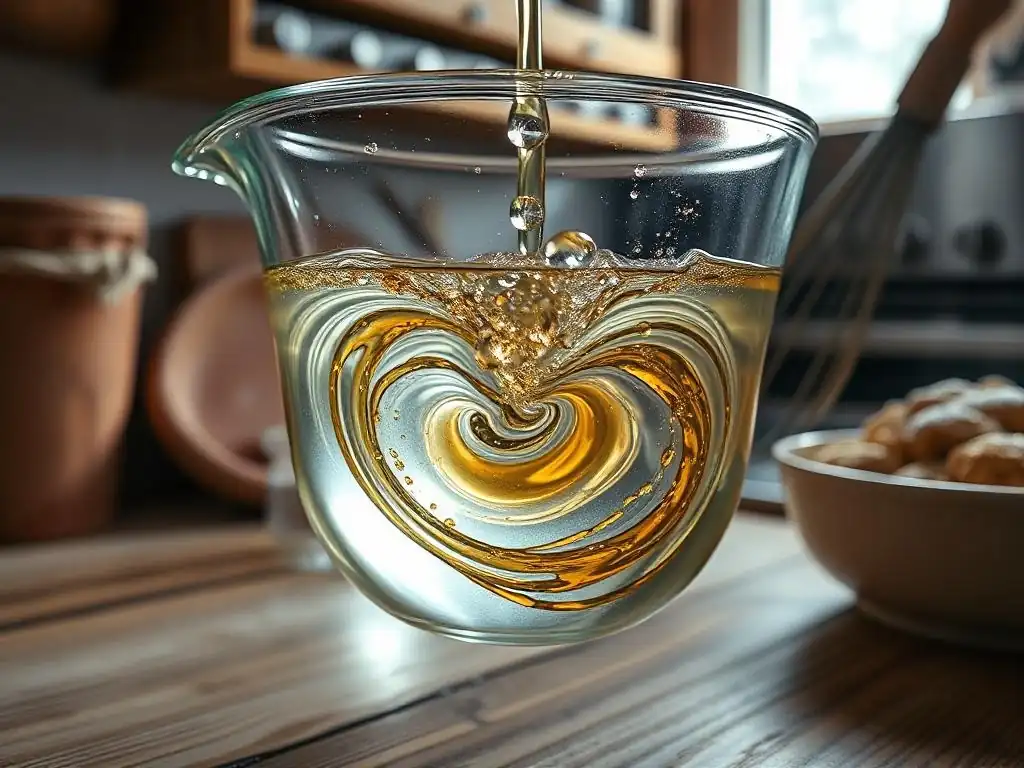
Welcome to BakeWithEase, where the magic of baking comes to life! Ever wondered how seemingly incompatible ingredients like oil and water can create the most delicious treats? Prepare to be amazed! This week, we're taking a deep dive into the fascinating world of oil water baking chemistry. Unlock the secrets behind emulsification, texture, and flavor as we explore the science that transforms simple ingredients into culinary masterpieces. Curious to learn more? Let's get baking!
- Dive Deep: The Chemistry of Oil and Water Interactions in Baking
- Introduction to Oil and Water in Baking
- The Science of Immiscibility: Fats and Water
- Emulsification: Bridging the Gap
- Emulsifiers: The Key to Stable Emulsions
- The Impact of Emulsification on Baking Results
- Factors Affecting Emulsion Stability
- Troubleshooting Common Emulsification Problems
- Practical Applications: Examples in Baking Recipes
- Mastering Oil and Water Chemistry
- Conclusion: The Art and Science of Baking
-
Frequently Asked Questions
- What role does oil play in baking, particularly in relation to water?
- How does the "oil water baking chemistry" affect the texture of cakes?
- Why is it important to consider the properties of oil and water when baking, especially when following a recipe?
- What are some common techniques used to overcome the natural separation of oil and water in baking?
- How does the ratio of oil to water impact the final product in baking?
- Final Reflection: Unlocking the Secrets of Oil and Water in Your Baking
- Unlock Your Baking Potential: Mastering Oil & Water
Dive Deep: The Chemistry of Oil and Water Interactions in Baking
Introduction to Oil and Water in Baking
Understanding the Role of Fat and Water in Baking
Fat and water are two of the most fundamental components in nearly every baking recipe, from the simplest cookie to the most complex layered cake. While seemingly straightforward, their interaction, or lack thereof, is a cornerstone of successful baking chemistry. Water is essential for activating gluten in flour, dissolving sugars and salts, and creating steam for leavening. Fats, on the other hand, contribute tenderness, richness, moisture, and flavor.
They shorten gluten strands, prevent staling, and help incorporate air into batters and doughs. The delicate balance and interaction between these two seemingly incompatible substances significantly dictates the final texture, structure, and shelf life of baked goods. Understanding this fundamental oil water baking chemistry is key to mastering your craft.
Think about a simple muffin batter. The water in the milk or eggs hydrates the flour, allowing gluten to develop and provide structure. The fat from butter or oil coats the flour particles, inhibiting excessive gluten development, resulting in a tender crumb. If these ingredients don't integrate properly, you might end up with a greasy, tough, or unevenly textured product. Achieving a harmonious blend of fat and water is not just about mixing; it's about managing their inherent tendency to separate and leveraging the principles of oil water baking chemistry to create stable, desirable results.
Why Fat and Water Don't Mix (Without Help)
The reason fat and water resist mixing is rooted in their molecular structures and how they interact with each other. Water molecules are polar, meaning they have a slightly positive charge on one end and a slightly negative charge on the other. This polarity allows water molecules to form strong hydrogen bonds with each other and with other polar substances like sugar and salt.
Fats, however, are primarily composed of nonpolar molecules, like triglycerides. These molecules have no significant separation of charge and therefore cannot form hydrogen bonds with water molecules. Instead, they are more attracted to other nonpolar molecules.
This difference in polarity leads to a phenomenon called immiscibility – the inability of two substances to mix and form a homogeneous solution. When fat and water are combined, the water molecules prefer to bond with each other, effectively pushing the nonpolar fat molecules away. The fat molecules, likewise, cluster together to minimize contact with the water.
This separation is why oil floats on water and why vinaigrettes quickly separate into distinct layers. In baking, overcoming this natural separation is crucial for creating smooth batters, stable frostings, and evenly textured baked goods, highlighting the importance of manipulating oil water baking chemistry.
The Science of Immiscibility: Fats and Water
Molecular Structure and Polarity
At the heart of why oil and water don't mix lies their fundamental molecular structure and resulting polarity. Water (H₂O) is a bent molecule where the oxygen atom is more electronegative than the hydrogen atoms. This difference in electronegativity causes the electrons in the O-H bonds to be pulled closer to the oxygen, creating a partial negative charge (δ⁻) on the oxygen side and partial positive charges (δ⁺) on the hydrogen sides.
This uneven distribution of charge makes the water molecule polar, allowing it to form strong dipole-dipole interactions, specifically hydrogen bonds, with other polar molecules. Substances that dissolve well in water, like sugar or salt, are also typically polar or ionic.
Fats, on the other hand, are largely composed of triglycerides, which are molecules made of a glycerol backbone esterified with three fatty acid chains. These fatty acid chains are long hydrocarbon chains (composed of carbon and hydrogen atoms). The bonds between carbon and hydrogen (C-H) and carbon and carbon (C-C) are nonpolar covalent bonds, meaning the electrons are shared relatively equally.
While there might be a small polar ester group connecting the fatty acids to glycerol, the vast majority of the molecule is nonpolar. This nonpolar nature means fat molecules do not have significant partial charges and cannot form hydrogen bonds with water. Their primary interactions are weaker van der Waals forces, which are more favorable between other nonpolar molecules.
Hydrophobic vs. Hydrophilic Interactions in Baking
The terms "hydrophobic" and "hydrophilic" are used to describe how substances interact with water, and they are central to understanding oil water baking chemistry. "Hydrophobic" literally means "water-fearing." Nonpolar substances, like fats and oils, are hydrophobic. They do not interact favorably with water and are repelled by it.
When hydrophobic molecules are placed in water, the water molecules prefer to interact with each other through strong hydrogen bonds, effectively excluding the hydrophobic molecules. This exclusion drives the hydrophobic molecules to aggregate together, minimizing their contact with the surrounding water. This is why oil droplets merge into larger puddles when mixed with water.
Conversely, "hydrophilic" means "water-loving." Polar or ionic substances, like sugar, salt, and the hydroxyl groups in starch and proteins, are hydrophilic. They readily dissolve in or mix with water because they can form favorable interactions, such as hydrogen bonds or ion-dipole interactions, with water molecules.
In baking, ingredients like flour (containing starch and protein) and sugar are hydrophilic and absorb water, contributing to the dough or batter's structure and consistency. The challenge in many recipes is to get the hydrophobic fat to coexist harmoniously with the hydrophilic water and other ingredients, often requiring the intervention of emulsifiers to bridge this gap.
Emulsification: Bridging the Gap
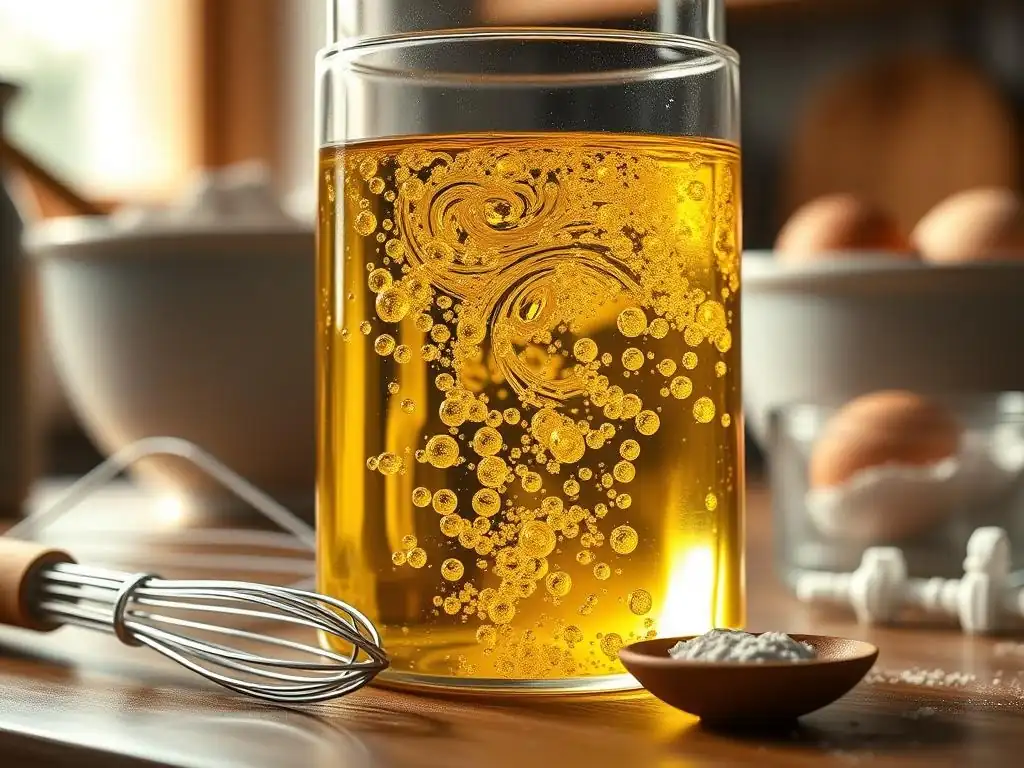
What is an Emulsion in Baking?
An emulsion is a stable mixture of two immiscible liquids, typically one dispersed throughout the other in the form of tiny droplets. In baking, the most common emulsions involve fat (or oil) and water. While fat and water naturally separate, an emulsion achieves a state where droplets of one liquid are suspended within the other, resisting the tendency to coalesce and separate.
Think of mayonnaise, which is a stable emulsion of oil dispersed in a continuous phase of water (from egg yolks, vinegar, etc.). In baking, batters for cakes, muffins, and even doughs often involve forming temporary or stable emulsions.
Creating an emulsion requires energy, usually in the form of mechanical mixing (like whisking or beating), to break one liquid into tiny droplets and disperse them into the other. However, this mechanical energy alone is not enough to maintain stability; without help, the droplets will eventually collide and merge, leading to separation. This is where emulsifiers come into play, acting as bridges between the fat and water phases to keep the emulsion stable over time. Understanding how to create and maintain emulsions is a vital part of mastering oil water baking chemistry for consistent results.
Types of Emulsions: Oil-in-Water and Water-in-Oil in Baking
Emulsions in baking can be broadly categorized into two main types based on which liquid forms the continuous phase and which is dispersed:
- Oil-in-Water (O/W) Emulsions: In this type, tiny droplets of oil (the dispersed phase) are suspended within a continuous phase of water. Many batters are O/W emulsions. For example, a typical cake batter consists of oil or melted butter dispersed within the liquid ingredients (water, milk, eggs). The water-based liquid forms the bulk of the mixture, and the fat is distributed throughout as small droplets. These emulsions tend to feel less greasy and flow more easily because the continuous phase is water-based. Sauces and gravies are often O/W emulsions.
- Water-in-Oil (W/O) Emulsions: Here, tiny droplets of water (the dispersed phase) are suspended within a continuous phase of oil or fat. Butter and margarine are classic examples of W/O emulsions. Butter is typically about 80-82% fat, 16-18% water, and 1-2% milk solids. The water is dispersed as minuscule droplets within the continuous fat matrix. These emulsions tend to feel richer and more solid at room temperature because the continuous phase is fat-based. Many types of frosting and some doughs (like puff pastry dough, where tiny water droplets are trapped within layers of fat) also involve W/O structures, showcasing another facet of oil water baking chemistry.
Identifying Oil-in-Water Emulsions in Baking Recipes
Identifying oil-in-water (O/W) emulsions in baking recipes often involves looking for mixtures where a relatively large amount of liquid (like milk, water, eggs, or fruit purée) is combined with a smaller amount of fat (liquid oil or melted fat). A classic example is a simple vinaigrette, though less common in baking directly, it demonstrates the principle. In baking, many cake or muffin batters where liquid oil is the primary fat source fit this description.
For instance, a recipe calling for 1 cup of milk, 2 large eggs (mostly water), and 1/2 cup of vegetable oil will likely form an O/W emulsion as you mix. The liquid ingredients form the continuous phase, and the oil is dispersed within it.
Another indicator is the texture and appearance of the batter. O/W emulsions typically have a smooth, pourable consistency. Think of a standard pancake batter or a liquid cake batter made with oil – they are fluid because the continuous phase is water-based.
The fat is present, contributing richness and moisture, but it's dispersed as droplets rather than forming the main structure. The stability of these O/W emulsions in baking is often enhanced by ingredients like egg yolks (containing lecithin), proteins, and starches present in the flour, which can act as natural emulsifiers and stabilizers, facilitating the integration of oil and water baking chemistry.
Spotting Water-in-Oil Emulsions in Baked Goods
Water-in-oil (W/O) emulsions are readily apparent in baked goods that rely heavily on solid fats like butter or margarine. The most prominent examples are butter and margarine themselves, which are manufactured W/O emulsions. When you use butter in a recipe, you are introducing water dispersed within a fat matrix. This structure is crucial for techniques like creaming butter and sugar, where air is incorporated into the continuous fat phase, stabilized by the dispersed water droplets and sugar crystals.
Beyond the primary fat ingredient, W/O emulsions are key in applications like buttercream frosting. Many buttercreams are made by beating butter with powdered sugar and a small amount of liquid (like milk or cream). As you beat, the liquid (water) is dispersed into the continuous fat phase provided by the butter.
The high proportion of fat relative to water, along with the mechanical action and sometimes added emulsifiers (like those naturally present in butter or added as ingredients), helps create a stable W/O emulsion that is rich, smooth, and holds its shape. The texture is generally thicker and less fluid than O/W emulsions, reflecting the continuous fat phase, and understanding this helps manipulate oil water baking chemistry for desired outcomes.
Emulsifiers: The Key to Stable Emulsions
What are Emulsifiers and How Do They Work?
Emulsifiers are substances that make it possible to create and maintain a stable mixture of two immiscible liquids, like oil and water. They are often molecules that have a dual nature: one part of the molecule is hydrophilic (attracted to water), and the other part is hydrophobic (attracted to oil or fat). This duality allows emulsifier molecules to position themselves at the interface between oil and water droplets. The hydrophilic end dissolves in or faces the water phase, while the hydrophobic end dissolves in or faces the oil phase.
By coating the surface of the dispersed droplets, emulsifiers reduce the interfacial tension between the two liquids. More importantly, they create a physical barrier around the droplets, preventing them from colliding and coalescing back into separate layers. This barrier can be electrostatic (if the emulsifier carries a charge, repelling similarly charged droplets) or steric (a physical barrier that prevents close contact).
The effectiveness of an emulsifier depends on its molecular structure, concentration, and the specific oil and water phases involved. In baking, emulsifiers are essential for achieving smooth textures, increasing batter volume, improving crumb structure, and extending shelf life by preventing fat separation and moisture migration, thereby optimizing the complex interplay of oil water baking chemistry.
Common Emulsifiers Used in Baking
Baking relies on a variety of emulsifiers, both natural and added, to ensure ingredients blend harmoniously. These substances play a critical role in the texture, stability, and overall quality of baked goods. Identifying and utilizing appropriate emulsifiers is a key aspect of controlling oil water baking chemistry.
Some of the most frequently encountered emulsifiers in the kitchen and commercial baking include:
- Lecithin: Found naturally in egg yolks and soybeans.
- Mono- and Diglycerides: Often added to commercial baked goods.
- Proteins: Like those in milk and eggs, can act as weak emulsifiers.
- Starches: Can also contribute to emulsion stability.
- Gums: Such as xanthan gum or guar gum, primarily stabilizers but can aid emulsification.
Understanding how these work allows bakers to improve their recipes and troubleshoot issues related to ingredient separation.
Lecithin: Egg Yolks and Soy Lecithin
Lecithin is a phospholipid, a type of fat molecule that contains a phosphate group, making it amphiphilic – it has both hydrophobic fatty acid tails and a hydrophilic phosphate head. This structure makes lecithin an excellent natural emulsifier. Egg yolks are a rich source of lecithin, containing about 10-15% phospholipids, with lecithin being the most abundant.
This is why egg yolks are so effective at emulsifying sauces like hollandaise and mayonnaise, which are classic O/W emulsions. In baking, the lecithin in eggs helps to create a stable batter, improve the distribution of fat, and contribute to a finer, more tender crumb structure in cakes and muffins.
Soy lecithin is extracted from soybeans and is widely used as a food additive (E322). It functions similarly to egg lecithin, helping to blend fats and liquids in a variety of products. In commercial baking, soy lecithin is often added to bread doughs to improve volume and texture, in cookie doughs to prevent spreading and improve snap, and in cake mixes to ensure uniform distribution of fat and moisture. A typical addition level in bread dough might be around 0.25-0.5% based on flour weight. Its ability to effectively manage oil water baking chemistry makes it a versatile ingredient.
Mono- and Diglycerides: Applications and Considerations
Mono- and diglycerides are partial glycerides, meaning they are composed of a glycerol molecule esterified with one (monoglyceride) or two (diglyceride) fatty acid chains, unlike triglycerides which have three. Like lecithin, they are amphiphilic due to the presence of the polar hydroxyl groups from the glycerol backbone and the nonpolar fatty acid chains. This dual nature allows them to effectively reduce interfacial tension between oil and water and stabilize emulsions. They are among the most common emulsifiers used in the food industry, often derived from vegetable fats.
In baking, mono- and diglycerides are frequently added to commercial bread, cakes, cookies, and shortenings. They perform multiple functions: they act as dough conditioners, improving crumb softness and volume in bread; they help create stable fat dispersions in shortenings and margarines; and they improve the texture and shelf life of cakes by preventing staling (retrogradation of starch). Typical usage levels in bread might range from 0.2% to 1% of the flour weight. They are particularly effective at stabilizing W/O emulsions and improving the aeration of batters, showcasing their crucial role in manipulating oil water baking chemistry for commercial scale.
Xanthan Gum: A Natural Emulsifier and Stabilizer
Xanthan gum is a polysaccharide (a complex carbohydrate) produced by the fermentation of sugar by the bacterium Xanthomonas campestris. While often primarily known as a thickener and stabilizer, it also possesses emulsifying properties, particularly in stabilizing existing emulsions. Xanthan gum dissolves in water to form a highly viscous solution, even at low concentrations (e.g., 0.1-0.5%). This viscosity helps to physically prevent dispersed droplets (whether oil in water or water in oil) from moving around, colliding, and coalescing.
In gluten-free baking, xanthan gum is invaluable as it provides structure and viscosity that would otherwise be provided by gluten. It helps bind ingredients together and prevents crumbly textures. In standard baking, small amounts of xanthan gum can be added to batters or fillings to improve their stability and prevent separation, such as in fruit fillings or sauces that might break down during baking.
For example, adding 0.1% xanthan gum to a fruit pie filling can prevent the liquid from weeping out during baking. Its ability to increase the viscosity of the water phase helps maintain the integrity of emulsions, making it a useful tool in oil water baking chemistry.
The Impact of Emulsification on Baking Results
Texture and Mouthfeel: How Emulsions Affect Baked Goods
The degree and stability of emulsification have a profound impact on the texture and mouthfeel of baked goods. In cakes and muffins, a well-emulsified batter, often an O/W emulsion, ensures that fat is evenly distributed throughout the mixture as tiny droplets. These fat droplets interfere with gluten development, leading to a tender, fine crumb structure. They also contribute to moisture retention, resulting in a moist and soft texture. If the emulsion is poor or breaks, the fat can pool, leading to a greasy, heavy layer at the bottom of the cake and a dry, tough texture elsewhere.
In contrast, stable W/O emulsions, like butter or buttercream, contribute richness, smoothness, and structure. In creaming butter and sugar, the air incorporated into the continuous fat phase is stabilized by the dispersed water droplets and sugar crystals, creating a light and airy foundation for cakes and cookies. Buttercream's smooth, non-greasy mouthfeel is a direct result of the stable dispersion of water within the fat. Poor emulsification in buttercream can lead to a greasy, separated texture. Mastering oil water baking chemistry through proper emulsification is key to achieving the desired textural characteristics in your baked goods.
Shelf Life and Stability: Emulsification for Freshness
Emulsification plays a significant role in extending the shelf life and maintaining the stability of baked goods. One major factor contributing to staling is the retrogradation of starch, where starch molecules realign and push out water. Emulsifiers, particularly mono- and diglycerides, can interact with starch molecules, inhibiting this process and keeping the crumb softer for longer. By ensuring fats are finely dispersed, emulsifiers also help prevent moisture loss and migration within the product, maintaining a consistent texture and preventing drying out.
Furthermore, stable emulsions prevent ingredient separation over time. In products like packaged cake mixes, commercially produced breads, or certain filled pastries, maintaining the uniform distribution of fats and liquids is crucial for quality and appeal throughout their intended shelf life. A stable emulsion prevents fat bloom (where fat crystals migrate to the surface) in chocolate coatings or fat separation in fillings. This stability, facilitated by effective oil water baking chemistry management, helps maintain the desired texture and appearance from the time of baking until consumption.
Flavor Distribution: Enhancing Taste
Proper emulsification is also critical for optimal flavor distribution in baked goods. Many flavor compounds, especially those derived from fats (like the rich flavors in butter or oils) or fat-soluble flavorings (like vanilla extract components, many of which are more soluble in alcohol and fat than water), are carried within the fat phase. A stable emulsion ensures that these flavor compounds are evenly dispersed throughout the batter or dough.
When fats and liquids are well-integrated, the flavor is distributed uniformly throughout the final product, providing a consistent and enjoyable taste experience in every bite. If the emulsion breaks, fat-soluble flavors might concentrate in greasy pockets, while water-soluble flavors remain in other areas, leading to an uneven and less pleasant flavor profile. For instance, in a chocolate cake, the fat-soluble cocoa flavor is best appreciated when the fat is finely dispersed by a stable emulsion. Thus, managing oil water baking chemistry through emulsification directly contributes to a more delicious outcome.
Factors Affecting Emulsion Stability
Temperature's Role in Emulsion Stability
Temperature is a critical factor influencing the stability of emulsions in baking. Generally, increasing temperature can decrease the viscosity of both the continuous and dispersed phases, making it easier for droplets to collide and coalesce, thus potentially destabilizing the emulsion. For example, if a buttercream (a W/O emulsion) gets too warm, the continuous fat phase softens or melts, and the dispersed water droplets can separate, leading to a greasy, broken frosting. Similarly, a cake batter (O/W emulsion) that is too warm might be less viscous, allowing oil droplets to coalesce before baking sets the structure.
Conversely, temperature changes can also affect the effectiveness of emulsifiers. Some emulsifiers work best within specific temperature ranges. Also, in some cases, heating can help form an emulsion by making the fat more liquid and easier to disperse into smaller droplets, such as when making a warm hollandaise sauce. However, maintaining stability often requires careful temperature control during mixing and storage. For instance, chilling a W/O emulsion like butter or buttercream solidifies the fat phase, physically locking the water droplets in place and providing stability. Managing temperature is therefore an essential component of controlling oil water baking chemistry.
The Importance of Mixing Technique
The mechanical energy applied during mixing is crucial for forming an emulsion in the first place and can significantly impact its stability. Initial mixing energy is needed to break down one liquid into small droplets and disperse them throughout the other phase. The speed and duration of mixing matter. Too little mixing may result in large, unstable droplets that quickly separate. For example, if you don't whisk vinaigrette vigorously, it separates almost immediately.
However, excessive mixing can also destabilize an emulsion. Over-mixing can lead to the breakdown of the emulsifier layer around the droplets or cause the droplets to collide too forcefully, overcoming the emulsifier's barrier and leading to coalescence. In baking, this is evident when a cake batter is over-mixed after the wet and dry ingredients are combined; the emulsion can break, resulting in a greasy, poor-textured cake. The correct mixing technique, balancing sufficient energy for droplet formation with care to avoid overworking, is vital for successful oil water baking chemistry and stable emulsions.
Ingredient Ratios: Achieving Balance
The relative proportions of fat and water (and other ingredients) are fundamental to achieving and maintaining a stable emulsion. There is often an optimal ratio for a given system and emulsifier. For instance, in an O/W emulsion like mayonnaise, there's a limit to how much oil can be dispersed in the water phase; exceeding this limit can cause the emulsion to invert (turn into a W/O emulsion) or break entirely. A typical mayonnaise recipe uses about 3-4 parts oil to 1 part liquid (egg yolk, vinegar/lemon juice).
In baking, while batters are often O/W, the ratio of fat to total liquid can vary greatly depending on the desired outcome. Recipes with a higher proportion of fat might be closer to the point of inversion or require stronger emulsification. The presence of other ingredients, such as proteins (like in eggs or milk) and starches (in flour), also influences stability.
These ingredients can act as weak emulsifiers themselves or increase the viscosity of the continuous phase, helping to suspend the dispersed droplets. Understanding how ingredient ratios influence the complex interactions of oil water baking chemistry is key to developing reliable recipes.
Troubleshooting Common Emulsification Problems
Emulsion Breaking: Causes and Solutions
An emulsion breaking, or separating, is a common problem in baking and cooking, indicating that the delicate balance between the fat and water phases has been disrupted. This can result in a greasy layer separating from a watery layer, a curdled appearance, or a general lack of smoothness. Causes include:
- Temperature extremes: Too hot or too cold conditions can destabilize the emulsifier or change the viscosity of the phases.
- Adding ingredients too quickly: Especially when adding the dispersed phase (e.g., oil to a liquid), adding it too fast overwhelms the emulsifier's ability to coat new droplets.
- Incorrect ingredient ratios: Too much of the dispersed phase relative to the continuous phase or emulsifier.
- Insufficient or excessive mixing: Not enough mixing to form small droplets, or too much mixing that damages the emulsion.
- Presence of contaminants: Sometimes, tiny amounts of soap or other substances can interfere with emulsifiers.
Solutions depend on the specific emulsion and cause. For a broken buttercream (W/O), sometimes gently warming it slightly or adding a small amount of warm liquid and re-beating can help. For a broken O/W sauce or batter, sometimes whisking in a small amount of the continuous phase (like water or milk) or adding another egg yolk (for lecithin) can help re-emulsify. Often, prevention through careful technique is easier than repair when dealing with oil water baking chemistry.
Achieving a Smooth and Consistent Batter
A smooth and consistent batter is a hallmark of proper emulsification. If a batter appears lumpy, greasy, or shows signs of separation, it often indicates issues with how the fat and liquid phases have combined. To achieve a smooth batter, consider the following:
- Temperature of Ingredients: Ensure ingredients like butter and eggs are at the temperature specified in the recipe (often room temperature). This helps them emulsify more easily. Creaming butter and sugar properly incorporates air and starts the emulsification process in recipes using solid fat.
- Order and Rate of Addition: Follow the recipe's instructions carefully, especially when adding wet to dry ingredients or vice versa. Often, adding wet ingredients gradually to dry (or creamed fat/sugar) helps the emulsifiers present in the ingredients (like egg yolks) build a stable emulsion layer by layer. Adding liquids too quickly can overwhelm the mixture and prevent smooth incorporation.
- Appropriate Mixing: Mix until just combined, especially after adding flour. Over-mixing develops gluten excessively and can sometimes disrupt the delicate emulsion structure, leading to a tougher texture and potential separation issues later in the baking process. Proper management of oil water baking chemistry during mixing is key to consistency.
Preventing Separation
Preventing separation in baked goods and mixtures relies on establishing and maintaining a stable emulsion. Key strategies include:
- Using Emulsifiers: Ensure the recipe includes natural emulsifiers (like eggs) or consider adding a small amount of a suitable commercial emulsifier if developing your own recipes, particularly for products intended for longer storage.
- Controlling Temperature: Store mixtures and finished goods at appropriate temperatures to maintain the stability of the fat phase and prevent the emulsion from breaking. For instance, refrigerating buttercream keeps the fat solid and the emulsion stable.
- Proper Mixing Technique: As mentioned, avoid over-mixing which can damage the emulsion. Mix only until ingredients are just incorporated.
- Understanding Ingredient Interactions: Be aware of how acidic or alkaline ingredients might affect certain emulsifiers. For example, extreme pH levels can sometimes destabilize protein-based emulsions.
- Selecting the Right Fat: Different fats have varying melting points and crystalline structures which influence their behavior in emulsions. Using a fat suitable for the intended application is important for stability, tying back directly to the principles of oil water baking chemistry.
Practical Applications: Examples in Baking Recipes
Mayonnaise Cake: An Oil-in-Water Example
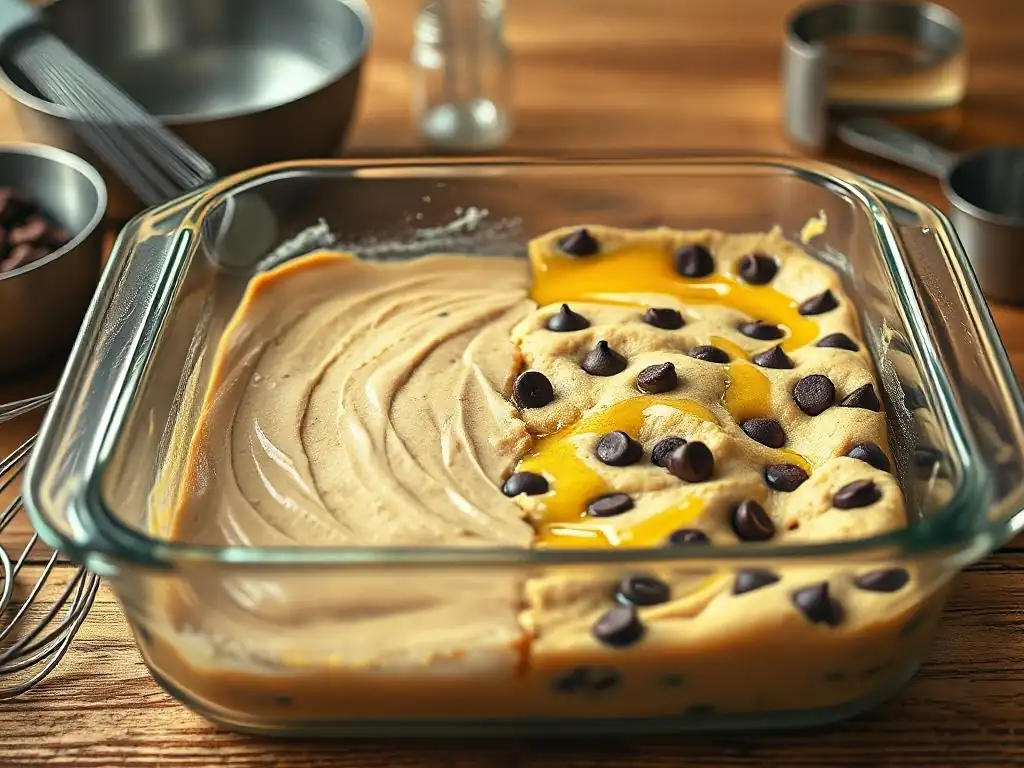
Mayonnaise cake is a fascinating example of leveraging an existing stable O/W emulsion (mayonnaise) within a baking context. Mayonnaise is typically made from oil, egg yolk (for lecithin), vinegar or lemon juice (water phase), and seasonings. It's a classic O/W emulsion where oil droplets are dispersed throughout the vinegar/egg liquid. When mayonnaise is incorporated into a cake batter, it serves multiple purposes: the oil provides richness and moisture, the egg yolk contributes emulsification and structure, and the vinegar can react with baking soda for leavening.
In a mayonnaise cake recipe, the mayonnaise is often mixed with sugar and other liquid ingredients (like water or milk) before dry ingredients are added. The stable O/W emulsion of the mayonnaise helps distribute the fat very effectively throughout the batter. This leads to an exceptionally moist and tender cake with a fine crumb because the dispersed oil interferes with gluten development more uniformly than simply adding oil or melted fat directly. The acidic vinegar also enhances the leavening action of baking soda, contributing to a lighter texture. It's a clever application of pre-formed oil water baking chemistry.
Buttercream Frosting: A Water-in-Oil Example
Buttercream frosting, particularly American-style buttercream, is a prime example of a W/O emulsion in baking. It's typically made by creaming butter (a W/O emulsion itself) with a large amount of powdered sugar and a small amount of liquid (milk, cream, or water). As the ingredients are beaten together, the small amount of liquid from the milk/cream/water and the butter's inherent water content (around 16-18%) is dispersed into the continuous fat phase provided by the butter. The high proportion of fat is key here.
The mechanical action of beating breaks the liquid into tiny droplets, and these droplets are stabilized within the fat matrix by natural emulsifiers in the butter and sometimes added emulsifiers in commercial powdered sugar (like cornstarch or calcium phosphate, which help prevent clumping but can also aid stability). The resulting W/O emulsion is thick, smooth, and spreadable, holding its shape well because the continuous phase is solid or semi-solid fat at room temperature.
If too much liquid is added, or the temperature is too high, the emulsion can break, resulting in a greasy, separated mess. Achieving a perfect buttercream is a practical demonstration of controlling oil water baking chemistry.
Tips for Perfect Emulsions
Achieving stable emulsions consistently in your baking requires attention to detail. Here are some practical tips:
- Use Room Temperature Ingredients: Especially for recipes involving creaming butter or incorporating eggs into batters. Room temperature ingredients emulsify more readily than cold ones.
- Add Dispersed Phase Gradually: When adding oil to liquids (like in a dressing or sometimes a batter) or liquid to fats (like in buttercream), add it slowly in a thin stream while mixing vigorously. This allows the emulsifier time to coat the new droplets as they form, preventing coalescence.
- Mix Appropriately: Use sufficient speed to create small droplets but avoid over-mixing, which can break the emulsion. Know when to stop mixing – often, just until combined after adding dry ingredients is sufficient for batters.
- Consider Emulsifiers: Don't underestimate the power of ingredients like egg yolks. If a recipe is prone to separation, increasing a natural emulsifier might help.
- Control Temperature: Be mindful of the temperature of your ingredients and your kitchen. Extreme heat or cold can destabilize emulsions. Chill buttercreams or doughs if they become too soft or greasy during handling.
- Follow the Recipe: Recipes are often developed with specific mixing techniques, temperatures, and ingredient ratios in mind to create stable emulsions. Deviating significantly can lead to problems with oil water baking chemistry.
Mastering Oil and Water Chemistry
Elevating Baking Skills
Understanding the fundamental principles of oil water baking chemistry, particularly the science of emulsification, is a powerful way to elevate your baking skills beyond simply following a recipe. When you grasp why certain steps are necessary – like creaming butter and sugar, adding eggs one at a time, or alternating wet and dry ingredients – you gain control over the process. You can predict how ingredient substitutions might affect the outcome (e.g., using oil instead of melted butter might change the emulsion type and texture).
This knowledge empowers you to troubleshoot problems when they arise. If a batter looks greasy, you can recognize it as a potential emulsion issue and consider adjustments. If a frosting breaks, you understand it's likely a temperature or ratio problem. Moving from simply executing steps to understanding the why behind them allows for greater flexibility, creativity, and consistent success in the kitchen. It transforms baking from a rigid set of instructions into a dynamic interaction with ingredients.
Further Exploration
For those fascinated by the science behind baking, exploring the world of oil water baking chemistry can lead to deeper insights. Consider researching the specific properties of different fats and oils – their fatty acid composition, melting points, and how they interact with water and emulsifiers. Delve into the role of proteins and starches as stabilizers and weak emulsifiers in various systems.
Investigate different types of commercial emulsifiers used in the food industry and how they function, perhaps even experimenting with them in your own baking projects (following safe usage guidelines). Explore the science of other types of mixtures in baking, like suspensions (flour in liquid) and foams (whipped egg whites or cream), which also involve complex physical and chemical interactions. Resources like food science textbooks, scientific articles (accessible summaries often found online), and specialized baking science books can provide a wealth of detailed information to continue your journey into the fascinating chemistry of baking.
Conclusion: The Art and Science of Baking
Frequently Asked Questions
What role does oil play in baking, particularly in relation to water?
Oil contributes to moisture and tenderness in baked goods. It also inhibits gluten development, resulting in a softer crumb compared to water-based recipes.
How does the "oil water baking chemistry" affect the texture of cakes?
The interaction, or rather lack of interaction, between oil and water impacts cake texture. Emulsifiers help to combine them, creating a stable emulsion that leads to a moist and even crumb.
Why is it important to consider the properties of oil and water when baking, especially when following a recipe?
Understanding how oil and water behave is crucial because they don't naturally mix. Knowing this allows you to use techniques and ingredients that promote emulsification, resulting in better baking outcomes.
What are some common techniques used to overcome the natural separation of oil and water in baking?
Common techniques include using emulsifiers like eggs or lecithin. Also, gradually adding ingredients and vigorous mixing can help create a more stable mixture.
How does the ratio of oil to water impact the final product in baking?
The ratio of oil to water significantly alters the final product's characteristics. More oil often results in a moister and more tender product, while more water can lead to a chewier or drier texture.
Final Reflection: Unlocking the Secrets of Oil and Water in Your Baking
Understanding the intricate dance between oil and water in baking is not just a scientific curiosity; it's the key to unlocking culinary mastery. A seemingly simple interaction holds the power to transform a dense, gummy cake into a light, airy masterpiece, or a brittle cookie into a chewy delight. Mastering this fundamental chemistry translates directly into achieving consistent, predictable, and delicious results in your kitchen.
The impact of understanding emulsion science extends far beyond the confines of our kitchens. It's a testament to the power of basic scientific principles to elevate everyday practices. We often overlook the unseen forces at play in our cooking, but recognizing the subtle interplay of oil and water allows us to appreciate the artistry and precision involved in baking. The best bakers are scientists in disguise.
- This unsourced quote perfectly captures the essence of how understanding the chemistry behind baking elevates the craft from a simple act to a precise science.
Now, consider your own baking experiences. Have you ever struggled with a recipe that seemed to defy logic? Perhaps you've encountered unexpected results due to a misunderstanding of how oil and water interact. I encourage you to revisit your favorite recipes, armed with this new knowledge. Experiment with different ratios, observe the changes in texture, and savor the delicious results of your newfound understanding. The journey of culinary exploration is a continuous one, and by diving deeper into the chemistry of your kitchen, you'll unlock a world of possibilities and elevate your baking to a whole new level.
Unlock Your Baking Potential: Mastering Oil & Water
Thanks for taking the time to explore the fascinating world of oil and water interactions in baking! You've now gained valuable insights into how these seemingly opposing forces create amazing textures and flavors. Ready to put your new knowledge into practice?
- Experiment with different oil types: Try substituting olive oil for canola oil in your next cake recipe and observe the difference in texture and taste. This is your chance to become a true baking alchemist!
- Share your baking triumphs (and challenges!): Let's connect! Share your experiences and recipes in the comments below – we’d love to hear how your baking journey is unfolding.
- Explore our collection of oil-centric recipes: Find even more inspiration and delicious recipes designed to showcase the magic of oil and water emulsions on our site.
What unique oil-based creation will you bake next? Let us know!