
Why Your Sourdough Crust Gets That Deep Color: The Maillard Effect

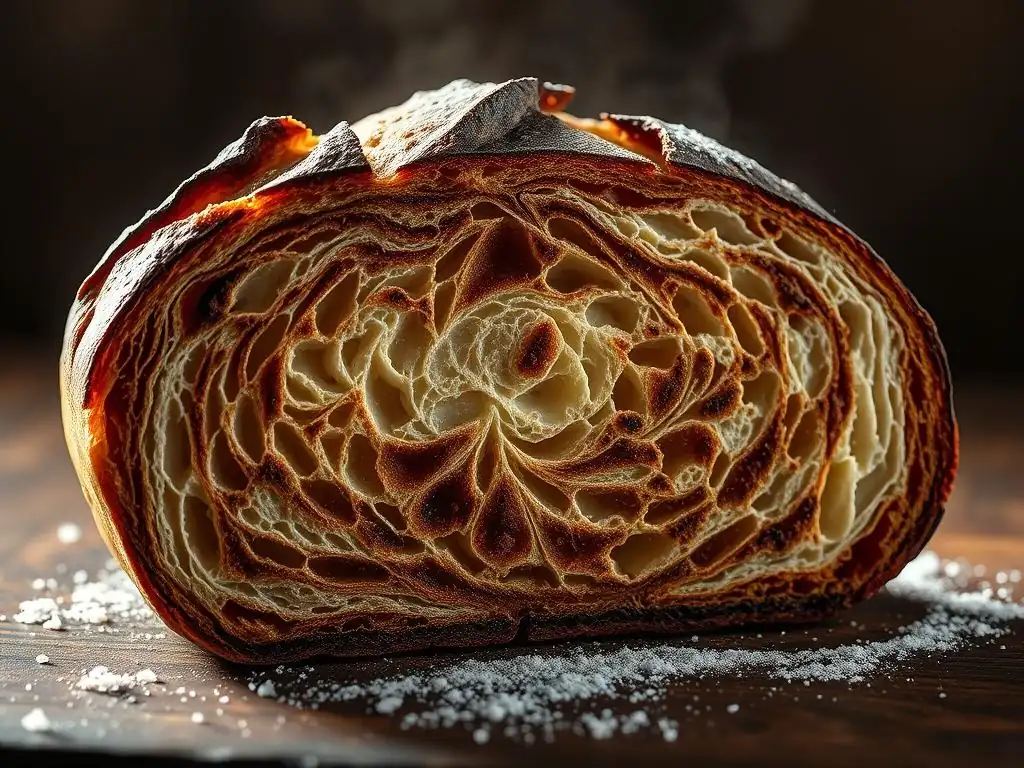
Welcome to BakeWithEase, your guide to unlocking the secrets of the oven! Ever wondered why your sourdough crust develops that irresistible, deep color? We're diving deep into the science behind it in this Baking Science Deep Dive. Prepare to unravel the mysteries of the Maillard Effect and learn how it contributes to the perfect sourdough bake. Curious to know what chemical reactions are at play? Let's get started!
- The Science of Sourdough Crust Color: The Maillard Reaction
- Understanding Sourdough Crust Color
- The Maillard Reaction: The Chemistry of Sourdough Crust
- Factors Affecting Sourdough Crust Color Development
- Troubleshooting Sourdough Crust Color
- Techniques for Enhancing Sourdough Crust Color
- Mastering Sourdough Crust Color: Tips
- The Maillard Effect and Flavor: Beyond Appearance
- Conclusion: The Art and Science of Sourdough Crust Color
-
Frequently Asked Questions
- What is the Maillard effect, and why is it important for sourdough baking?
- How does sugar content affect the color of my sourdough crust?
- Does oven temperature influence the depth of color in a sourdough crust?
- What role does steam play in achieving a deep-colored sourdough crust?
- Can I manipulate my sourdough recipe to get a darker crust color?
- Final Reflection: The Golden Crust and the Alchemy of Flavor
- Unleash Your Inner Baker: Mastering the Maillard Reaction
The Science of Sourdough Crust Color: The Maillard Reaction
Understanding Sourdough Crust Color
The Appeal of a Well-Colored Sourdough Crust
A beautifully colored sourdough crust isn't just for show; it's a strong indicator of complex flavor development and proper baking. That spectrum of golden-brown to rich mahogany signifies that the Maillard reaction, a non-enzymatic browning process, has occurred effectively on the surface of your loaf. Bakers often strive for this deep sourdough crust color because it promises a satisfying crunch, a slightly sweet and savory aroma, and contributes significantly to the overall eating experience. It’s the visual cue that tells you the bread has reached its full potential in terms of texture and taste on the exterior.
Beyond aesthetics, the depth of color hints at the intensity of the flavor compounds created during baking. A pale crust often suggests underbaking or insufficient heat, leading to a less flavorful and potentially chewy or tough texture. Conversely, achieving a deep sourdough crust color means you've unlocked a cascade of reactions on the surface, transforming simple sugars and amino acids into hundreds of new flavor molecules. This is why a loaf with a gorgeous, deep brown crust often tastes demonstrably better than one that is light and anemic-looking. It's the visible signature of successful baking science at work.
Achieving Optimal Sourdough Crust Color: An Overview
Achieving optimal sourdough crust color involves a delicate balance of several factors, ranging from dough composition to baking technique. It's not a single step but a culmination of choices made throughout the baking process, all influencing the Maillard reaction. The goal is to encourage sufficient browning without burning, resulting in that sought-after deep sourdough crust color that is both visually appealing and flavor-rich. This requires understanding how heat, moisture, and the ingredients in your dough interact during the intense environment of the oven.
From the initial mixing of your dough – considering its hydration and ingredients – through the long fermentation process which develops acids and breaks down starches, and finally to the precise conditions within your oven, every stage plays a role. Baking temperature is perhaps the most direct factor, as the Maillard reaction requires significant heat to initiate and proceed. However, controlling humidity, understanding how steam affects the initial crust development, and even the timing and depth of your scoring all contribute to the final appearance and the depth of your sourdough crust color.
The Maillard Reaction: The Chemistry of Sourdough Crust
What is the Maillard Reaction in Baking?
The Maillard reaction is a complex series of chemical reactions that occur between amino acids and reducing sugars when heated, typically above 280°F (140°C). It's responsible for the browning of food and the creation of myriad flavor and aroma compounds. Think of searing steak, toasting marshmallows, or roasting coffee beans – the delicious smells and colors are largely due to this reaction. In the context of baking, particularly sourdough, the Maillard reaction is critical for developing the crust's characteristic golden-brown to deep mahogany hue and contributing significantly to its aroma and complex savory-sweet flavors.
This reaction is distinct from caramelization, which involves the browning of sugars alone. While both occur during baking and contribute to crust color, the Maillard reaction is far more complex, producing hundreds of different flavor compounds depending on the specific amino acids and sugars involved, as well as temperature and moisture levels. It's the primary force behind achieving that beautiful, deep sourdough crust color and the rich, toasted notes that make sourdough so appealing. Without the Maillard reaction, your sourdough crust would remain pale and lack the depth of flavor we associate with a well-baked loaf.
Key Components for the Maillard Reaction in Sourdough
Reducing Sugars and Amino Acids: The Foundation of Color and Flavor
The availability of reducing sugars and amino acids is fundamental to the Maillard reaction. In sourdough, these components become more available during the fermentation process. As the starter and wild yeast break down complex carbohydrates (starches) in the flour, they produce simpler reducing sugars like glucose and fructose. Simultaneously, enzymes in the flour (proteases) and the sourdough culture break down proteins into amino acids. A well-fermented sourdough dough naturally develops a good supply of these necessary reactants, setting the stage for a successful Maillard reaction during baking and contributing to a rich, deep sourdough crust color.
The type of flour used can also influence the availability of these components. Flours with higher protein content (like strong bread flour) provide more amino acids, while the enzymatic activity during fermentation determines the sugar availability.
For example, a longer, cooler fermentation can sometimes lead to more extensive starch breakdown, potentially providing more reducing sugars for the reaction. It's the interplay between these simple sugars and amino acids, present in sufficient quantities on the dough's surface, that provides the chemical building blocks necessary for the Maillard reaction to produce those desirable brown pigments and complex flavors that define a deep sourdough crust color.
The Role of Temperature in Initiating the Maillard Reaction
Temperature is the primary catalyst for initiating and driving the Maillard reaction. While it can occur slowly at lower temperatures, it accelerates dramatically above 280°F (140°C). This is why the initial phase of baking at high temperatures is crucial for crust development. As the surface of the dough reaches and surpasses this temperature threshold, the chemical dance between sugars and amino acids begins in earnest, leading to rapid browning and flavor formation. A hot oven is therefore essential for triggering this process effectively and ensuring you can achieve a deep sourdough crust color.
Maintaining a high enough temperature on the crust surface throughout the bake is key. Factors like oven temperature, baking surface (a hot baking stone or steel is excellent), and even steam management initially (which keeps the surface cooler and pliable) all influence how quickly and effectively the crust reaches the necessary temperature for intense Maillard browning.
If the oven temperature is too low, or if the crust remains too cool for too long, the reaction will be sluggish or incomplete, resulting in a pale crust rather than the desired deep sourdough crust color. Aiming for oven temperatures typically between 450°F and 500°F (230°C-260°C) for at least the initial part of the bake is common practice to kickstart this vital reaction.
Factors Affecting Sourdough Crust Color Development
Dough Hydration and Crust Color Impact
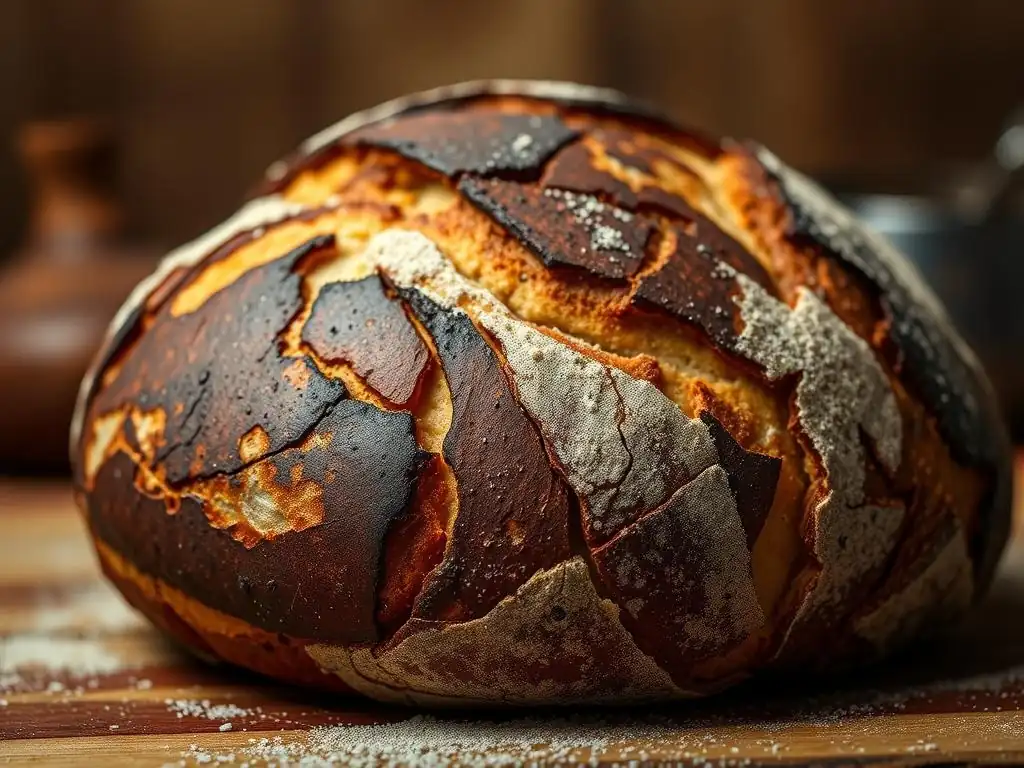
Dough hydration significantly impacts sourdough crust color development, primarily by influencing the initial temperature of the crust surface in the oven. Higher hydration doughs (e.g., 75% hydration or more) contain more water. As the bread bakes, this water needs to evaporate from the surface before the crust can dry out and reach the high temperatures required for the Maillard reaction (above 280°F or 140°C).
The evaporation process cools the surface, effectively delaying the onset and progress of browning. This can sometimes make achieving a deep sourdough crust color more challenging with very wet doughs unless sufficient baking time at high heat is provided.
Conversely, lower hydration doughs (e.g., 60-65% hydration) have less water to evaporate from the surface. This means the crust can dry out and heat up faster in the oven, allowing the Maillard reaction to begin sooner and potentially proceed more rapidly. While lower hydration doughs might seem easier to brown, they can also develop a thick, hard crust quickly if not managed properly, sometimes before the interior is fully baked. Balancing hydration with baking technique is crucial for developing a beautiful, deep sourdough crust color without compromising the interior crumb or burning the surface.
Fermentation Length and its Effect on Maillard Development
The length of fermentation plays a vital role in developing the components necessary for the Maillard reaction. During a long, slow fermentation (especially cold fermentation in the refrigerator for 12-48 hours), the sourdough starter's enzymes have ample time to break down complex starches into simpler reducing sugars and proteins into amino acids. These are the essential reactants for the Maillard reaction. A well-fermented dough will therefore have a richer supply of these compounds available on the surface, ready to participate in the browning process when heat is applied.
Under-fermented dough, on the other hand, may not have sufficient levels of reducing sugars and amino acids available on the surface. This can lead to a pale crust even when baked at high temperatures, as the necessary components for the Maillard reaction are simply not present in adequate quantities.
Over-fermentation can also impact crust color, sometimes leading to excessive sugar consumption by the yeast or producing excessive acidity which can slightly inhibit the reaction, though this is less common than issues from under-fermentation. Generally, ensuring adequate fermentation time is a critical step towards achieving a beautiful, deep sourdough crust color.
Baking Temperature and Sourdough Crust Color
Baking temperature is arguably the most direct and significant factor influencing sourdough crust color. The Maillard reaction requires high temperatures to proceed effectively, typically starting around 280°F (140°C) and accelerating rapidly as the temperature increases. Baking sourdough at initial high temperatures, often between 450°F and 500°F (230°C-260°C), is essential to quickly bring the crust surface up to the temperature needed for intense browning. This initial burst of heat encourages the Maillard reaction to kick in strongly from the start.
After the initial high-temperature phase (often done with steam in a Dutch oven or with injected steam), the temperature is usually reduced (e.g., to 400°F-450°F or 200°C-230°C) to allow the interior to finish baking without burning the crust. However, maintaining a sufficiently high temperature throughout the remaining bake is still important for deepening the sourdough crust color.
If the temperature is dropped too low or too early, the Maillard reaction will slow down, potentially resulting in a less developed, paler crust. Controlling oven temperature and monitoring crust development visually are key skills for achieving a consistent, deep sourdough crust color.
Troubleshooting Sourdough Crust Color
Pale Sourdough Crust: Causes and Solutions
A pale sourdough crust is a common frustration and usually indicates that the Maillard reaction hasn't occurred sufficiently. One primary cause is insufficient heat. The oven might not be reaching the target temperature, or the baking surface (stone or steel) might not be adequately preheated. Ensure your oven thermostat is accurate and preheat for at least 45-60 minutes with your baking vessel or stone inside at the maximum temperature before loading the bread. Another common issue is insufficient fermentation, meaning there aren't enough reducing sugars and amino acids available for the reaction; extending cold fermentation can often help.
Excessive steam throughout the bake can also lead to a pale crust because the constant evaporation keeps the surface temperature too low for browning. While steam is essential for oven spring and a thin, crisp crust initially, it typically needs to be removed for the last 15-20 minutes of baking to allow the crust to dry and brown.
Baking at too low a temperature after removing steam is another culprit; ensure the temperature remains high enough (e.g., 400°F-450°F) to continue the Maillard reaction. Finally, very high hydration doughs can be slower to brown; allowing slightly longer baking time or using a hotter initial temperature might be necessary for achieving a deep sourdough crust color.
- [ ] Check oven temperature with a separate thermometer.
- [ ] Ensure baking stone/steel/Dutch oven is fully preheated.
- [ ] Lengthen cold fermentation time.
- [ ] Reduce steam or remove lid for the final portion of the bake.
- [ ] Increase baking temperature slightly after steam is removed.
Overly Dark Sourdough Crust: Prevention Strategies
An overly dark or burnt sourdough crust means the Maillard reaction, and possibly caramelization, has gone too far. The most frequent cause is baking at too high a temperature for too long, especially after steam has been removed. While high initial heat is good, sustained very high heat can burn the crust before the interior is fully baked. Try reducing the oven temperature by 25-50°F (15-30°C) after the initial steaming phase (e.g., after 20-30 minutes).
Another strategy is to shield the crust once it reaches your desired deep sourdough crust color. If baking in a Dutch oven, you can remove the lid for the final stage, but if the top is browning too fast, you can loosely tent the loaf with aluminum foil for the remainder of the bake.
If baking on a stone, you can place a baking sheet on the rack above the bread to diffuse some of the radiant heat from the top element. Monitoring the crust color visually and adjusting the bake time or temperature as needed is crucial to prevent burning while still achieving a satisfyingly deep sourdough crust color.
- [ ] Reduce oven temperature after initial steaming phase.
- [ ] Tent the loaf with aluminum foil if browning too quickly.
- [ ] Use a baking sheet on the rack above the loaf to shield.
- [ ] Monitor crust color closely throughout the bake.
Consistent Sourdough Crust Color: Best Practices
Achieving consistent sourdough crust color loaf after loaf requires controlling variables in your process. Start with a reliable recipe and consistent ingredients, including a vigorous and predictable sourdough starter. Maintain consistent fermentation times and temperatures, as variations here directly impact the availability of sugars and amino acids for the Maillard reaction. Use an accurate oven thermometer to ensure your oven is heating properly and consistently.
Standardize your baking method: always preheat your oven and baking surface for the same amount of time at the same temperature. If using a Dutch oven, time the lid-on and lid-off phases precisely. If baking with steam, use a consistent method for generating and venting the steam.
Pay attention to visual cues, but also rely on baking time and internal temperature (around 205-210°F or 96-99°C for the crumb) to determine when the bread is fully baked, ensuring you don't over-brown the crust simply because the interior needs more time. By minimizing fluctuations in your process, you increase your chances of reliably achieving that beautiful, deep sourdough crust color every time you bake.
Techniques for Enhancing Sourdough Crust Color
Using Diastatic Malt Powder for Color and Flavor
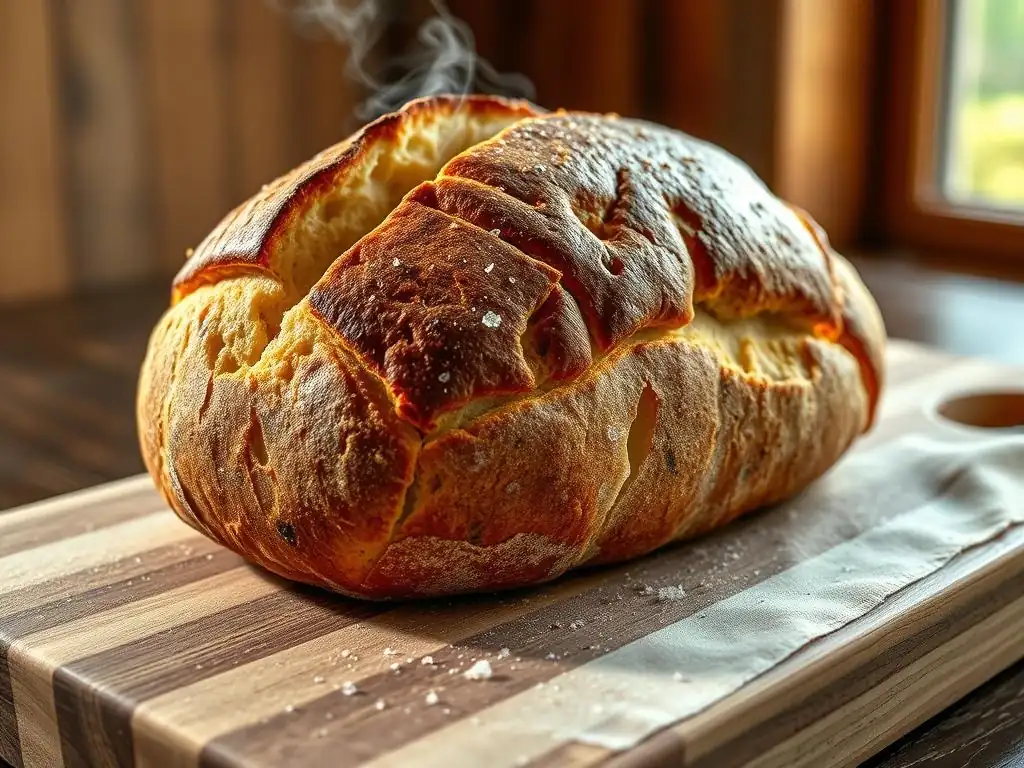
Diastatic malt powder is a powerful tool for enhancing sourdough crust color and flavor. It contains enzymes, primarily amylase, which break down starch into simple reducing sugars. When added to dough in small quantities (typically 0.5% to 1% of the flour weight), these enzymes increase the pool of reducing sugars available during fermentation and, crucially, during baking. This provides more fuel for the Maillard reaction on the crust surface, leading to more vigorous browning and a richer, deeper sourdough crust color.
Beyond color, diastatic malt powder contributes to a more tender crumb and adds subtle malty notes to the flavor profile. It's particularly effective with flours that have lower inherent enzymatic activity. However, use it sparingly; too much diastatic malt can lead to excessive enzymatic activity, resulting in a gummy crumb and an overly dark or burnt crust because too many sugars are produced, causing the Maillard reaction to run too fast. A small addition can make a noticeable difference in achieving a lovely, deep sourdough crust color and improving overall loaf quality.
Milk Solids and their Effect on Sourdough Crust Color
Adding milk or milk powder to a bread dough, while not traditional for classic sourdough, is a well-known technique for enhancing crust color in other types of bread. Milk contains lactose, a reducing sugar, as well as proteins (casein and whey). Both the lactose and the amino acids from the proteins readily participate in the Maillard reaction when heated. This provides additional reactants on the crust surface beyond those derived solely from flour, leading to more intense browning.
Even a small amount of milk powder (e.g., 1-2% of flour weight) or substituting some water with milk in your recipe can significantly boost crust color development. The presence of milk solids encourages the Maillard reaction to produce a richer, more even brown hue compared to a water-only dough. While purists may stick to the traditional flour, water, and salt, incorporating milk solids is a reliable method if your primary goal is to achieve a significantly deeper sourdough crust color than you're currently getting with your standard formula.
Steam's Role in Crust Color Development
Steam plays a seemingly counterintuitive yet essential role in achieving a beautiful, deep sourdough crust color. In the initial phase of baking (typically the first 15-25 minutes), steam prevents the crust from forming too quickly and solidifying. It keeps the surface moist and pliable, allowing the loaf to expand fully (oven spring) without cracking haphazardly. This prevents the development of a thick, tough crust early on, which can inhibit the Maillard reaction from occurring evenly.
Crucially, steam also keeps the surface temperature of the dough below the point where the Maillard reaction accelerates rapidly (around 280°F or 140°C). While this delays the start of intense browning, it ensures that when the steam is removed (or dissipates), the crust dries out and heats up rapidly and evenly.
This allows the Maillard reaction to proceed uniformly across the entire surface, resulting in a more consistent and often deeper sourdough crust color than if the crust had hardened prematurely in a dry oven. Effective steam management – providing ample steam initially and then venting it – is therefore vital for optimal crust development and color.
Mastering Sourdough Crust Color: Tips
Scoring Techniques for Crust Control and Color
Scoring isn't just decorative; it's functional, directing where the bread expands during oven spring. The cuts you make expose fresh dough surface to the heat, which will brown differently than the rest of the crust. Deeper scores tend to open up more dramatically, creating prominent "ears" or flaps of crust that can brown intensely, often reaching a very deep sourdough crust color due to direct heat exposure and rapid drying.
Shallow or multiple overlapping scores can create a different pattern of browning, resulting in a mosaic of lighter and darker areas. Experimenting with scoring depth and pattern allows you to influence the final appearance and distribution of your deep sourdough crust color. Ensure your blade is sharp for clean cuts, as jagged edges can sometimes burn before the rest of the crust achieves the desired color. Practice different techniques to see how they affect the pattern and intensity of your sourdough crust color.
Visual Cues for Monitoring the Maillard Reaction
Learning to read your crust is key to mastering sourdough crust color. The Maillard reaction progresses through stages, visible as changes in color. Initially, the crust will be pale beige, then move through shades of gold, amber, and finally rich brown to mahogany. Pay close attention to how quickly your crust is browning during the bake, especially after any steam is removed.
If the crust is reaching your desired deep sourdough crust color too quickly while the internal temperature is still low (below 200°F or 93°C), you'll need to take action, such as reducing oven temperature or tenting the loaf with foil to prevent burning. Conversely, if after 30-40 minutes the crust is still quite pale, consider if your temperature is too low, if there's too much steam, or if fermentation was insufficient. Using visual cues in conjunction with baking time and internal temperature is the best way to ensure you achieve the perfect, deep sourdough crust color without guesswork.
Post-Bake Crust Management: Maintaining Color and Texture
Once your sourdough loaf is out of the oven and has achieved that beautiful, deep sourdough crust color and an internal temperature of 205-210°F (96-99°C), immediate post-bake handling is important. Allow the bread to cool completely on a wire rack. This is not just for texture (allowing steam to escape prevents a gummy interior) but also helps set the crust.
While the Maillard reaction stops once the bread cools significantly, residual heat can continue to affect the crust slightly. Cooling on a rack allows air circulation, helping to maintain the crispness associated with a well-developed crust. Storing the bread properly after cooling (e.g., cut-side down on a board, in a paper bag, or a bread box) helps preserve the crust's texture and the visual appeal of your deep sourdough crust color for as long as possible, though the crust will naturally soften over time due to moisture migration from the crumb.
The Maillard Effect and Flavor: Beyond Appearance
The Maillard Reaction's Contribution to Sourdough Flavor Profiles
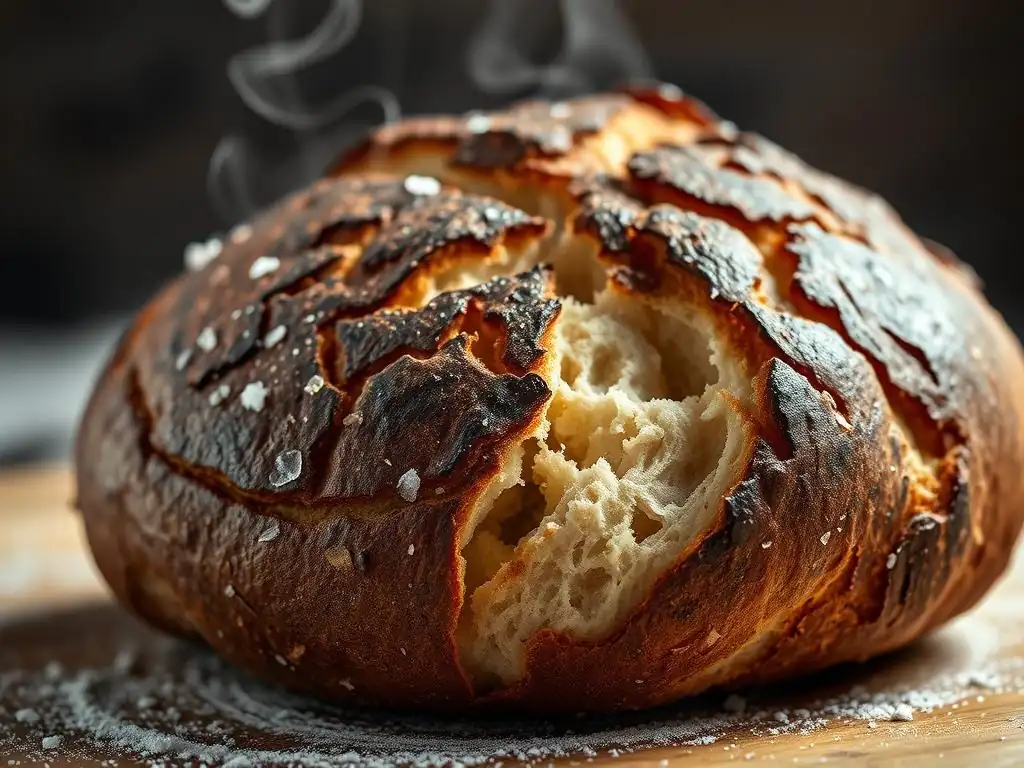
The Maillard reaction is not solely about achieving a deep sourdough crust color; it's a powerhouse of flavor creation. As amino acids and reducing sugars react under heat, they produce a vast array of volatile and non-volatile compounds, including melanoidins (responsible for the brown color) and hundreds of other flavor molecules. These compounds contribute significantly to the complex aroma and taste of a well-baked sourdough crust, adding notes that can range from nutty, roasted, and toasty to slightly sweet, savory, and even chocolatey or coffee-like depending on the specific conditions and dough composition.
The intensity and type of flavors produced are directly related to how far the Maillard reaction progresses. A pale crust will have minimal Maillard flavors, tasting mostly of baked flour. As the crust develops that beautiful deep sourdough crust color, the concentration and variety of these flavor compounds increase dramatically. This is why the crust is often the most flavorful part of the bread, offering a concentrated burst of the complex products of the Maillard reaction that complement the tangy crumb.
The Link Between Crust Color and Sourdough Taste
There is a direct and strong link between sourdough crust color and the overall taste experience of the loaf. A pale crust, indicating minimal Maillard reaction, will result in a less flavorful crust with little aroma beyond simple baked notes. It may also be chewy rather than crisp. As the crust browns and achieves a deep sourdough crust color, the Maillard reaction is in full swing, generating a multitude of flavor compounds that enhance the bread's complexity.
That rich, deep brown hue signifies the presence of melanoidins and other flavor molecules that contribute nutty, roasted, and caramelized notes, adding depth and sophistication to the sourdough's inherent tanginess. An overly dark or burnt crust, however, indicates that the reaction has gone too far, producing bitter and acrid flavors that overpower the pleasant Maillard compounds and the delicate flavors of the crumb. Therefore, achieving the optimal deep sourdough crust color is about finding the balance where flavor development is maximized without introducing undesirable burnt notes.
Exploring Flavor Variations Through Controlled Maillard Reactions
Understanding and controlling the Maillard reaction allows bakers to intentionally influence the flavor profile of their sourdough crust. By adjusting factors like fermentation time, baking temperature, and the use of ingredients like malt or milk powder, you can manipulate the conditions under which the reaction occurs, leading to subtle variations in flavor. For example, a longer, cooler fermentation might provide more sugars, potentially leading to a sweeter, more caramel-like Maillard profile when baked to a deep sourdough crust color.
Baking at a slightly higher initial temperature might favor certain reaction pathways over others, resulting in different flavor compounds compared to a lower temperature bake. Even the type of flour used (which affects sugar and amino acid profiles) can subtly alter the resulting Maillard flavors. Experimenting with these variables allows bakers to explore the full potential of the Maillard reaction, moving beyond just achieving a deep sourdough crust color to actively shaping the complex and delicious flavors that make each sourdough loaf unique.
Conclusion: The Art and Science of Sourdough Crust Color
Achieving Desired Sourdough Crust Color: A Summary
Achieving the desired deep sourdough crust color is a blend of scientific understanding and practical baking artistry. It hinges primarily on facilitating the Maillard reaction – the complex chemical process between reducing sugars and amino acids that requires sufficient heat. Key factors influencing this reaction include adequate fermentation to develop the necessary reactants, proper dough hydration to manage surface moisture, and precise oven temperature control during baking.
From providing initial steam for optimal oven spring and even crust development, to ensuring the crust reaches temperatures above 280°F (140°C) for browning, every step contributes. Techniques like adding diastatic malt or milk solids, scoring strategically, and monitoring visual cues all play a role in guiding the process. Mastering these elements allows bakers to move from hoping for a good crust color to reliably achieving that beautiful, deep sourdough crust color that is the hallmark of a well-baked loaf, promising both visual appeal and exceptional flavor.
Further Resources on Sourdough Baking
For those eager to deepen their understanding and further refine their sourdough skills, including mastering the art of achieving that perfect deep sourdough crust color, numerous resources are available. Exploring detailed guides on sourdough starter maintenance, understanding flour types and their impact on dough rheology and fermentation, and delving into the nuances of bulk fermentation and proofing can provide a more holistic view of the baking process. Specific topics like the enzymatic activity of flour or the role of different acids produced by the starter in crust development offer fascinating insights.
Many experienced bakers share their knowledge through books, online communities, and specialized baking websites, often providing detailed explanations and troubleshooting tips for common issues like pale or overly dark crusts. Engaging with these resources can help demystify the science behind sourdough, empowering you to make informed decisions throughout your baking journey and consistently achieve not just a stunning, deep sourdough crust color, but a truly exceptional loaf from the inside out.
Frequently Asked Questions
What is the Maillard effect, and why is it important for sourdough baking?
The Maillard effect is a chemical reaction between amino acids and reducing sugars that gives baked goods their characteristic flavor and brown color. It's crucial for achieving a deep, flavorful crust in sourdough.
How does sugar content affect the color of my sourdough crust?
Higher sugar content, whether naturally present in the flour or added, will accelerate the Maillard reaction, leading to a darker crust color. Consider adjusting fermentation times to control sugar levels.
Does oven temperature influence the depth of color in a sourdough crust?
Yes, higher oven temperatures encourage the Maillard reaction, resulting in a deeper, richer crust color. However, be careful not to burn the crust before the inside is fully baked.
What role does steam play in achieving a deep-colored sourdough crust?
Steam in the oven initially delays crust formation, allowing the dough to expand fully and for the Maillard reaction to occur more evenly and deeply later in the baking process.
Can I manipulate my sourdough recipe to get a darker crust color?
Absolutely! You can try increasing the protein content of your flour, adding a small amount of sugar or malt extract, or using a longer, slower fermentation to develop more sugars.
Final Reflection: The Golden Crust and the Alchemy of Flavor
The quest for that deeply colored, intensely flavorful sourdough crust is more than just aesthetics; it's a journey into the fascinating world of chemical reactions. Achieving that rich mahogany hue isn't accidental; it's a testament to understanding the Maillard reaction and its intricate dance with heat, time, and the unique composition of sourdough. This understanding unlocks not just a beautiful crust, but a depth of flavor that elevates the entire baking experience.
The Maillard reaction, far from being a mere scientific curiosity, is a cornerstone of culinary artistry. It's the invisible hand shaping the flavors and colors of countless dishes, from the perfectly seared steak to the golden-brown crust of our beloved sourdough. Its influence on our cultural landscape is profound, shaping our expectations of what constitutes "good" food and influencing the very way we interact with our meals. The Maillard reaction is the magic behind so many of our favorite foods. It's a testament to the power of simple chemistry to create complex and delicious flavors.
– [Insert Name of Relevant Food Scientist or Baker here, if applicable].
Now, consider your own baking journey. What have you learned about the delicate balance between temperature, time, and hydration in achieving that perfect crust? I urge you to experiment, to push the boundaries of your understanding, and to embrace the alchemy of the Maillard reaction.
Each loaf you bake is an opportunity to refine your technique, to deepen your appreciation for the science behind the art, and to savor the reward of a crust that is not only beautiful but bursting with flavor. The next time you see that deep, rich color, remember the journey it took to get there – a journey fueled by understanding and a passion for the perfect loaf.
Unleash Your Inner Baker: Mastering the Maillard Reaction
Thanks for taking the time to explore the fascinating world of sourdough crusts and the Maillard reaction! We hope you gained valuable insights into achieving that deep, rich color you crave. Now it's time to put your knowledge into practice!
- Bake a test loaf: Experiment with different baking times and temperatures to see how they impact your crust’s color. Pay close attention to the changes you observe. This is the best way to refine your technique!
- Share your results: Post a picture of your perfectly browned loaf on social media and tag us! We love seeing your creations.
- Join our baking community: Connect with other passionate bakers in our forums to share tips, recipes, and troubleshoot challenges together. Let's learn from each other!
What unique twist will you add to your next sourdough bake to truly master the Maillard reaction?