
From Flour to Fantastic: How Gluten Builds Baking Structure

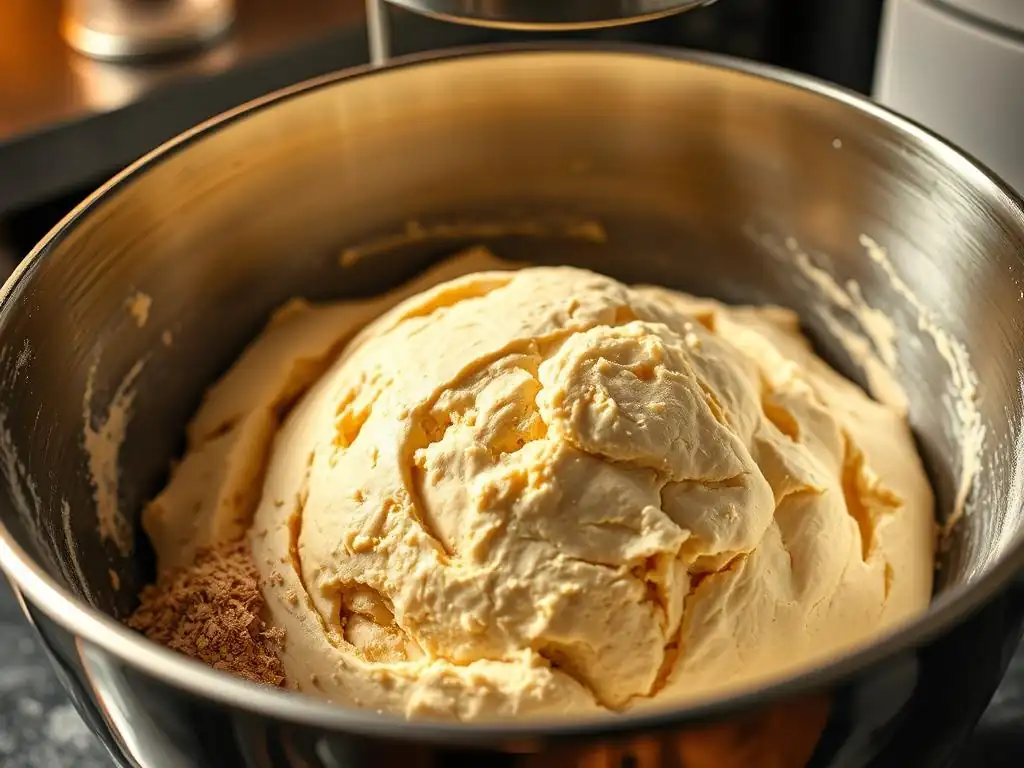
Welcome to BakeWithEase, where turning flour and dreams into delicious realities is our mission! Ever wondered how that perfect loaf of bread achieves its airy crumb or how a delicate cake maintains its shape? Prepare to unlock the secrets behind gluten building baking structure. This article delves deep into the science that makes it all possible, transforming your baking from guesswork to guaranteed success. Curious to learn how this intricate process shapes your favorite treats? Let's get baking!
- Understanding Gluten's Role in Baking Structure
- The Gluten Development Process: Step-by-Step
- Factors Affecting Gluten Development in Baking
- Techniques for Enhancing Gluten Strength in Baking
- Troubleshooting Gluten Problems in Baking
- Gluten Building Baking Structure in Specific Recipes
- Advanced Gluten Manipulation Techniques
- Conclusion: Mastering Gluten for Baking Success
- Frequently Asked Questions
- Final Reflection: The Unexpected Power of Gluten
- Unleash Your Inner Baker: Master Gluten's Power!
Understanding Gluten's Role in Baking Structure
What is Gluten and Why is it Important for Bakers?
Gluten is a complex protein structure that forms when two water-insoluble proteins found in wheat and some other grains – gliadin and glutenin – are hydrated and manipulated, typically through mixing or kneading. Think of it as the invisible scaffolding within your dough or batter.
This network of proteins provides the essential elasticity and extensibility needed for baked goods to hold their shape, rise, and develop that desirable texture, whether it's the airy crumb of a loaf of bread or the delicate chewiness of a cookie. Without sufficient gluten building baking structure, many traditional baked goods simply wouldn't be possible.
For bakers, understanding gluten is foundational. It dictates how dough behaves, how much it will rise, and the final texture of the product. A baker needs to control the development of this protein network – sometimes encouraging it significantly, as in artisan bread, and sometimes minimizing it, as in tender cakes or flaky pastries. Mastering the art of managing gluten is key to consistently producing high-quality results and is central to achieving the specific structural goals for different types of baked goods.
The Science Behind Gluten Formation: Gliadin and Glutenin
The magic begins when water meets flour containing gliadin and glutenin. Gliadin is primarily responsible for the extensibility or stretchiness of dough, allowing it to expand without tearing. Glutenin, on the other hand, provides the elasticity and strength, giving the dough its ability to spring back into shape and hold onto gases produced during leavening. When water is added, these proteins absorb it and begin to bond together. Mechanical action, like mixing or kneading, provides the energy needed to align these proteins and form disulfide bonds, creating a strong, interconnected, three-dimensional network – the gluten structure.
This network is vital because it traps the carbon dioxide gas produced by yeast or chemical leaveners. As the dough bakes, this gas expands, and the elastic gluten network stretches to accommodate it, causing the dough or batter to rise. The structure then sets during baking as the proteins coagulate, creating the stable crumb structure we see in finished products like bread. The amount of gluten developed directly impacts the final texture; more development leads to a chewier, more structured result, while less development results in a more tender, crumbly product.
Gluten's Impact on Different Baked Goods: A Structural Foundation
The degree of gluten building baking structure required varies dramatically depending on the desired outcome. In a crusty baguette, a strong, well-developed gluten network is crucial to support a large rise and create a chewy interior with an open crumb. This requires flour high in protein (like bread flour with ~12-14% protein), significant hydration, and extensive kneading or folding.
Conversely, in a delicate pound cake, minimal gluten development is desired. Cake flour, with its lower protein content (around 7-9%), is often used, and mixing is kept to a minimum just to combine ingredients. This limits the formation of gluten, resulting in a tender, fine-crumbed cake that crumbles easily rather than stretching. Understanding this relationship allows bakers to select the right flour and technique to achieve the perfect texture for each recipe.
The Gluten Development Process: Step-by-Step
Choosing the Right Flour: Hard Red Wheat vs. Soft White Wheat
The journey to building the right gluten building baking structure starts with selecting the appropriate flour. Flours milled from hard wheat varieties, like hard red spring or winter wheat, are higher in protein, typically ranging from 11% to 14%. These flours contain more of the gluten-forming proteins, gliadin and glutenin. When hydrated and mixed, they are capable of forming a strong, elastic gluten network, making them ideal for yeast-leavened breads, pizza dough, and other products requiring significant chew and structure.
In contrast, flours derived from soft wheat varieties, such as soft white wheat, have a lower protein content, usually between 7% and 10%. This lower protein level means they form a weaker, less elastic gluten network. These flours are preferred for baked goods where tenderness is paramount, such as cakes, pastries, cookies, and biscuits. Using a low-protein flour helps minimize gluten development, resulting in a soft, crumbly texture rather than a tough or chewy one.
Hydration: The Key to Unlocking Gluten Potential
Water is absolutely essential for gluten building baking structure. Gliadin and glutenin are dormant in dry flour. It is only when water is added that these proteins can absorb moisture and begin to interact with each other.
The amount of water used in a recipe, often expressed as a baker's percentage relative to the flour weight, significantly impacts gluten development. Higher hydration levels (e.g., 70% or more) generally allow for more complete gluten development, as the proteins can move more freely and form connections. This is why wet doughs, like those for ciabatta or focaccia, often result in a very open, airy crumb structure.
However, simply adding water isn't enough; the proteins need time and energy to fully hydrate and bond. Allowing flour and water to rest together, even for a short period before kneading begins (a technique called autolyse), gives the gluten proteins a head start in absorbing water and beginning to link up, which can lead to better gluten development with less mixing effort later on.
Mixing and Kneading: Building Strength and Elasticity in Gluten
Once the flour is hydrated, mechanical action is needed to develop the gluten building baking structure. Mixing and kneading are the processes that bring the hydrated gliadin and glutenin proteins into contact, encouraging them to link together and form the intricate gluten network. As you knead dough, you are essentially stretching and folding this protein matrix, aligning the strands and strengthening the bonds. This process transforms a shaggy, sticky mass into a smooth, elastic dough that can be stretched into a thin membrane without tearing – a test often called the "windowpane test."
The duration and intensity of mixing or kneading directly correlate with the degree of gluten development. For bread doughs, this process can take anywhere from 5 to 15 minutes by hand or 5 to 10 minutes in a stand mixer, depending on the flour and hydration. For cakes or muffins, mixing is minimal – often just until combined – to prevent significant gluten formation and ensure a tender crumb.
Rest and Relaxation: Allowing Gluten to Develop Fully
After the initial mixing or kneading phase, giving the dough time to rest is crucial for optimizing the gluten building baking structure. This resting period allows the gluten network, which has been tightened and stressed by the mechanical action, to relax. As it relaxes, the gluten strands rearrange themselves, becoming more aligned and organized. This leads to improved extensibility, making the dough easier to handle, shape, and stretch without tearing.
Resting also allows enzymes naturally present in flour, like proteases, to subtly modify the gluten proteins. While excessive protease activity can break down gluten, controlled activity during resting can actually improve the network's properties, increasing elasticity and reducing toughness. This is why recipes often call for a "bench rest" after kneading or a longer "bulk fermentation" period; these rests are not just for yeast activity but are vital steps in achieving the desired gluten development and dough handling characteristics.
Factors Affecting Gluten Development in Baking
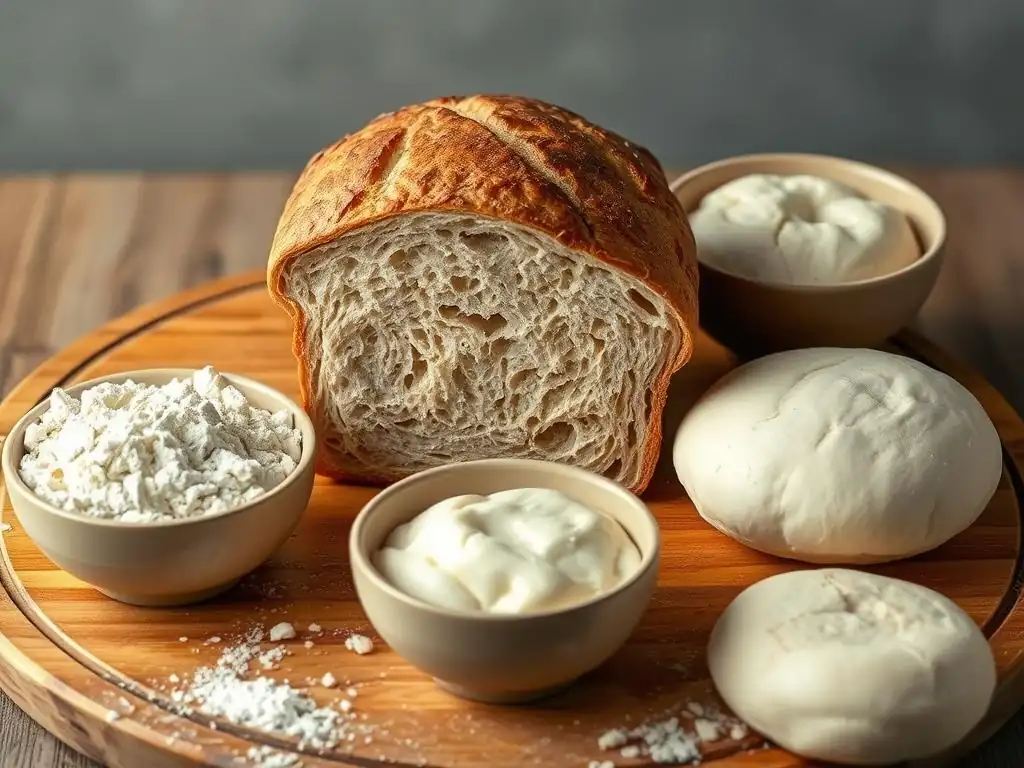
Water Temperature: Optimizing Gluten Formation
The temperature of the water used in baking significantly influences the rate and efficiency of gluten building baking structure. Warm water, typically between 70°F (21°C) and 80°F (27°C), helps hydrate the flour proteins more quickly and efficiently than cold water. This speeds up the initial interaction between gliadin and glutenin, getting the gluten development process off to a faster start. Warm water is also beneficial when using yeast, as it activates the yeast more readily, which is often done simultaneously with hydrating the flour.
However, water that is too hot can have detrimental effects. Temperatures above 140°F (60°C) can start to damage the gluten proteins, denaturing them and preventing them from forming a strong network. This can result in a dough that is weak, sticky, and lacks structure. Therefore, using water within the recommended temperature range is important for achieving optimal hydration and facilitating effective gluten development without causing damage.
Fat Content: How Fat Impacts Gluten Structure
Fat plays a complex role in baking, and one of its key functions is to interfere with gluten building baking structure. Fat molecules coat the flour particles and the developing gluten strands, preventing them from bonding together as effectively. This interference weakens the gluten network, leading to a more tender and less chewy product. In baked goods like biscuits, scones, or pie crusts, where a tender or flaky texture is desired, incorporating cold fat (like butter or shortening) is a common technique used specifically to inhibit gluten development.
The amount and type of fat used greatly influence this effect. A high-fat dough, such as brioche (which can contain 50% or more fat by flour weight), will have a much softer, less chewy texture compared to a lean dough like a French baguette (which has virtually no fat). Melted fat tends to coat flour particles more thoroughly than solid fat, leading to even greater gluten inhibition. Understanding how fat interacts with gluten allows bakers to control tenderness and structure in various recipes.
Sugar's Influence on Gluten Development in Baked Goods
Sugar affects gluten building baking structure in several ways. Like fat, sugar is a tenderizer because it competes with flour proteins for water. Sugar is hygroscopic, meaning it attracts and holds onto moisture. By drawing water away from the gliadin and glutenin, sugar reduces the amount of water available for gluten formation, resulting in a weaker network. This is one reason why high-sugar batters, like those for cakes, tend to be very tender and have minimal chewiness.
Additionally, sugar can physically interfere with gluten development by getting between the protein strands. While sugar does inhibit gluten formation, it also contributes to the overall structure later in the baking process through caramelization and by helping to set the crumb. However, its primary impact on the development of gluten is inhibitory, contributing to tenderness alongside fat.
The Role of Salt in Gluten Control
Salt is more than just a flavor enhancer in baking; it plays a significant role in controlling gluten building baking structure. Salt strengthens the gluten network by tightening the protein strands. It helps to make the dough more elastic, easier to handle, and less sticky. Doughs mixed without salt tend to be slack, difficult to knead, and less capable of holding their shape or trapping gas effectively. A typical salt percentage in bread dough is around 1.8% to 2% of the flour weight.
However, too much salt can have a negative effect. High salt concentrations can hinder yeast activity (though bakers' yeast is relatively salt-tolerant) and can also make the gluten network excessively tight, resulting in a dense, tough product. Finding the right balance of salt is crucial for achieving dough with optimal strength, elasticity, and handling properties, contributing positively to the final texture and volume of the baked good.
Techniques for Enhancing Gluten Strength in Baking
Autolyse: A Pre-Mixing Technique for Better Gluten
Autolyse is a simple yet powerful technique used primarily in bread making to improve gluten building baking structure with less effort. It involves mixing just the flour and water from the recipe and letting the mixture rest for anywhere from 20 minutes to several hours before adding other ingredients like salt and yeast and commencing the main kneading phase. During this rest, the flour fully hydrates, and enzymatic activity (protease enzymes naturally present in flour) begins to break down some protein bonds, while simultaneously the gliadin and glutenin start to bond.
The benefits of autolyse are significant: the dough becomes much more extensible and less sticky, making kneading easier and often shorter. It allows for more complete hydration of the flour, leading to a smoother dough and potentially a more open crumb structure in the finished bread. This technique leverages time and enzymatic action to enhance gluten development passively, reducing the need for intense mechanical mixing.
Folding and Stretching: Strengthening Gluten Without Over-Kneading
For many bread doughs, particularly those with high hydration, extensive traditional kneading can be messy and challenging. Folding and stretching is an alternative or supplementary technique used to build gluten building baking structure more gently over time. This involves periodically stretching and folding the dough onto itself during the bulk fermentation period (the first rise).
Common folding schedules might involve performing 3-4 sets of folds every 30-60 minutes during the initial hours of fermentation. Each fold helps to align and strengthen the gluten strands without the continuous mechanical stress of kneading. This method is particularly effective for wet doughs, as it helps build tension and structure gradually, resulting in a strong yet extensible network capable of supporting a large rise and producing a beautiful, open crumb.
Using Vital Wheat Gluten: Boosting Protein Content for Stronger Dough
Vital wheat gluten is a product made by processing wheat flour to remove most of the starch, leaving behind a concentrated protein powder (often 75-80% protein). It is essentially concentrated gluten building baking structure in a box. Bakers sometimes add a small amount of vital wheat gluten to flours that are lower in protein, such as all-purpose flour or whole wheat flour, when making bread.
Adding just a tablespoon or two of vital wheat gluten per cup of flour can significantly increase the dough's protein content and, consequently, its ability to form a strong gluten network. This is particularly useful when working with flours that naturally produce weaker doughs, helping them achieve better volume, structure, and chewiness, especially in whole grain or rye breads where the bran can interfere with gluten development.
Troubleshooting Gluten Problems in Baking
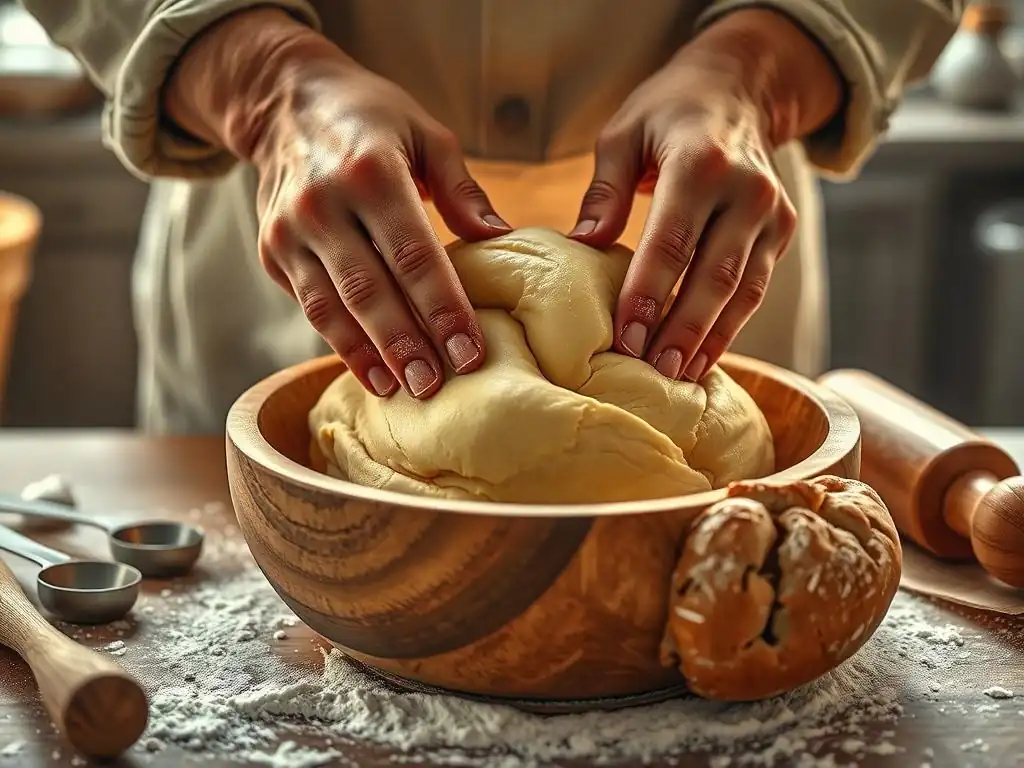
Over-Developed Gluten: Identifying and Addressing Tough Dough
Over-developed gluten occurs when dough is mixed or kneaded for too long, especially with low hydration or high protein flour. The gluten network becomes excessively tight and strong. The dough will feel very stiff, resistant to stretching, and may even tear easily when you try to pull it thin. This overly strong gluten building baking structure results in baked goods that are tough, dense, and rubbery, lacking the desired tenderness.
If you realize your dough is over-developed before baking, you can sometimes mitigate the issue by letting it rest for a longer period (30 minutes to an hour or more) at room temperature. This allows the gluten strands to relax slightly. Incorporating a small amount of fat (like melted butter or oil) can also help tenderize the dough by interfering with the gluten network, though this changes the recipe. If the dough is already baked, there's no fix for toughness, highlighting the importance of proper mixing technique.
Under-Developed Gluten: Recognizing and Rectifying Weak Dough
Under-developed gluten happens when the flour hasn't been sufficiently hydrated or mixed to form a strong network. The dough will feel slack, sticky, and weak. It won't hold its shape well, and it will tear easily when stretched instead of forming a thin membrane in the windowpane test. Baked goods made with under-developed gluten will typically have poor volume, a dense or uneven crumb, and a crumbly texture rather than the desired elasticity. The gluten building baking structure simply isn't strong enough to support the rise.
The solution for under-developed dough is usually more mixing or kneading. If you notice the dough is weak after the initial mix, continue kneading until it becomes smooth, elastic, and passes the windowpane test. Ensure you've used enough water as specified in the recipe. If working with a very low-protein flour where significant gluten development isn't possible, adjust expectations or consider adding vital wheat gluten.
Gluten-Free Baking: Alternatives and Strategies for Structure
Baking without wheat, barley, or rye requires finding alternative ways to create gluten building baking structure. Since the natural protein network isn't present, gluten-free bakers rely on a combination of alternative flours (like rice, almond, oat, or tapioca flour) and binders to mimic gluten's functions. Common binders include hydrocolloids like xanthan gum or guar gum, or natural sources like psyllium husk or ground flaxseed.
Xanthan gum, for instance, is often added in small amounts (e.g., 1/4 to 1 teaspoon per cup of gluten-free flour blend, depending on the recipe) to provide elasticity and structure, helping the dough or batter trap gases and prevent crumbling. Psyllium husk absorbs a large amount of water and forms a gel, providing structure and moisture retention. Gluten-free baking is a balance of different ingredients working together to simulate the structural role that gluten naturally provides.
Gluten Building Baking Structure in Specific Recipes
Gluten's Impact on Bread Structure: From Loaf to Crumb
In yeast-leavened bread, the gluten building baking structure is paramount. A strong, elastic gluten network is necessary to withstand the pressure of rising carbon dioxide gas produced by the yeast. As the dough proofs, the gluten stretches, allowing the loaf to expand significantly. During baking, the heat sets this stretched network, creating the framework for the bread's internal structure, or crumb.
Think of a rustic sourdough loaf. Its large holes and chewy texture are direct results of significant gluten development achieved through long fermentation, stretching and folding, and high hydration, allowing the trapped gas to expand dramatically before the structure sets. Conversely, a soft sandwich loaf uses slightly less protein flour and less aggressive kneading, resulting in a finer, softer crumb with smaller, more uniform air pockets, but still relies on a developed gluten network for its shape and rise.
Gluten in Pastry: Achieving Flakiness and Tenderness
For pastries like croissants, puff pastry, or pie crust, the goal is often tenderness and flakiness, which means minimizing the continuous gluten building baking structure. These recipes typically use lower protein flour (like pastry flour or all-purpose) and rely heavily on cold fat (butter or shortening) incorporated in a way that creates layers within the dough.
When the pastry bakes, the fat melts, and any trapped water turns to steam, pushing the layers apart and creating flakiness. Minimizing gluten development ensures that the dough is tender and easily separated into these layers. Overworking pastry dough develops too much gluten, resulting in a tough, rigid crust rather than a light, flaky one that shatters when bitten.
Gluten's Role in Cake Structure: Creating a Light and Airy Texture
In cakes, the desired texture is typically light, tender, and fine-crumbed, requiring very limited gluten building baking structure. Cake recipes use low-protein flour (cake flour is ideal, around 7-9% protein) and often incorporate significant amounts of sugar and fat, both of which inhibit gluten development.
Mixing is usually done just until the ingredients are combined, further preventing the formation of a strong gluten network. The structure in cakes is primarily provided by the coagulation of egg proteins and the setting of starches during baking, rather than a robust gluten framework. Any significant gluten development would make the cake tough and chewy instead of soft and delicate.
The desired texture of a cookie – chewy, crispy, or cakey – is significantly influenced by the degree of gluten building baking structure. For a chewy cookie, moderate gluten development is needed. Using a slightly higher protein flour (like all-purpose) and mixing enough to bring the dough together helps create some structure. The balance of ingredients, like a higher ratio of brown sugar to white sugar and melted butter, also contributes to chewiness and inhibits excessive spread.
For a crispy cookie, minimal gluten development is desired. Using lower protein flour, creaming butter and sugar extensively (which incorporates air and coats flour particles), and using chemical leaveners (like baking soda) that produce a quick, tenderizing rise helps limit gluten formation. For cakey cookies, the texture is similar to cake, requiring minimal gluten, achieved through low-protein flour, less fat, and often the inclusion of eggs and chemical leaveners for a softer, cake-like crumb.
Advanced Gluten Manipulation Techniques
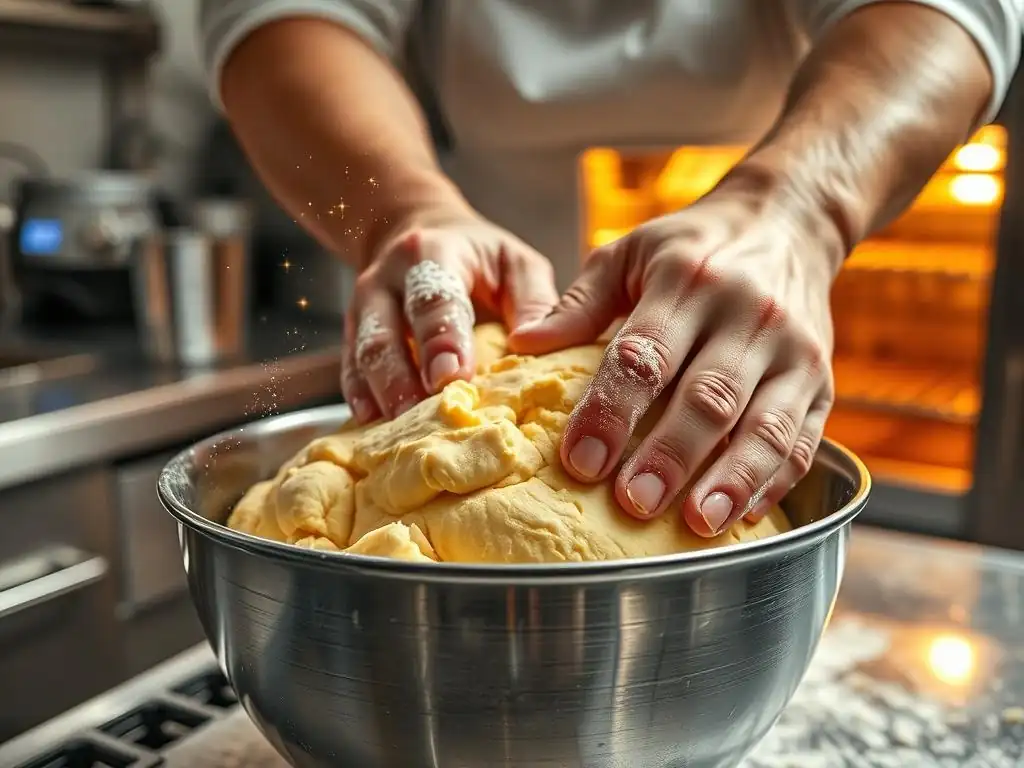
Tangzhong Method: Pre-Gelatinizing Flour for Softer Bread
The Tangzhong method, originating from Asian baking, is an advanced technique that leverages the properties of gelatinized starch to influence gluten building baking structure and moisture retention. It involves cooking a small portion of the flour with liquid (water or milk) into a thick paste or roux before adding it to the main dough ingredients. Heating the flour and liquid above 140°F (60°C) causes the starch molecules to gelatinize and absorb significantly more liquid than they would at room temperature, typically holding up to four times their weight in water.
When this gelatinized paste is added to the dough, it introduces extra moisture in a stable form that doesn't interfere with initial gluten development but keeps the finished bread incredibly soft and moist for longer. While the primary role is moisture retention, the extra hydration introduced via the Tangzhong can indirectly support better gluten development, leading to a softer, fluffier crumb structure that resists staling.
Sourdough and Gluten Development: A Symbiotic Relationship
Sourdough baking involves a symbiotic relationship between wild yeast, lactic acid bacteria, and gluten building baking structure. The long, slow fermentation process characteristic of sourdough provides ample time for gluten to develop and strengthen, even with minimal kneading, especially when combined with techniques like stretching and folding during the bulk fermentation. The acidic environment created by the lactic acid bacteria in the starter also influences gluten.
While excessive acidity can eventually degrade gluten, the moderate acidity typical of sourdough fermentation helps to condition the gluten network, making it more extensible and elastic. This results in a dough that is strong enough to support the characteristic rise and open crumb of sourdough bread while being pliable and easy to handle. The enzymes in the flour also have more time to act, further influencing the protein network.
Cold Fermentation and its effect on Gluten Structure
Cold fermentation, such as proofing dough in the refrigerator for 12 to 72 hours, significantly impacts gluten building baking structure. The cold temperature slows down yeast activity dramatically, but enzymatic activity (like protease action) continues, albeit slowly. This extended, slow enzymatic breakdown of some protein bonds, combined with the long hydration time, allows the gluten network to relax and become more extensible.
While cold fermentation doesn't necessarily build more gluten than warm fermentation, it conditions the gluten network, making it more manageable and potentially leading to a more even and desirable crumb structure with improved flavor development. The dough becomes less elastic and more extensible, making shaping easier. This technique is often used for pizza dough and artisan bread to enhance both texture and flavor.
Conclusion: Mastering Gluten for Baking Success
Key Takeaways on Gluten Building Baking Structure
Understanding how gluten forms and behaves is fundamental to achieving success in almost any baking endeavor, from a rustic loaf of bread to a delicate sponge cake. The process of gluten building baking structure involves the hydration of gliadin and glutenin proteins and their development through mechanical action and time. The degree to which this structure is developed is a critical factor determining the final texture of your baked goods.
Key factors influencing gluten development include the type of flour used (protein content), the amount and temperature of water, the intensity and duration of mixing/kneading, the presence of inhibitors like fat and sugar, and the impact of salt. Techniques like autolyse, folding, and cold fermentation can be used to optimize gluten properties. By mastering the principles of gluten manipulation, bakers can confidently control the outcome of their recipes, ensuring tender cakes, flaky pastries, and perfectly structured loaves of bread, truly transforming flour into fantastic creations.
Frequently Asked Questions
What exactly is gluten, and why is it important in baking?
Gluten is a protein complex formed when wheat flour is mixed with water. It's crucial because it provides structure and elasticity to baked goods, allowing them to rise and hold their shape.
How does kneading affect gluten development?
Kneading is essential for gluten development. It aligns the gluten proteins, creating a network that traps gas produced by yeast or baking powder, resulting in a light and airy texture.
What types of flour contain gluten?
Wheat flour is the most common source of gluten, but it is also found in flours made from rye, barley, and spelt. These flours can be used to create baked goods with varying degrees of gluten strength and texture.
What happens if I over-knead my dough?
Over-kneading can lead to excessive gluten development, resulting in a tough and dense baked good. The gluten strands become too tight, making the final product less tender.
Can I bake without gluten, and what are some gluten-free alternatives?
Yes, you can bake without gluten! Common alternatives include rice flour, almond flour, tapioca starch, and potato starch. These flours require different techniques and often the addition of binding agents like xanthan gum to mimic gluten's structure.
Final Reflection: The Unexpected Power of Gluten
The intricate dance of gluten, far from being a mere culinary nuisance, is the very backbone of countless beloved baked goods. Understanding its role isn't just about achieving a perfectly risen loaf; it's about appreciating the complex chemistry that transforms simple flour into something truly extraordinary. This knowledge empowers bakers, both amateur and professional, to achieve greater control and creativity in the kitchen.
The impact of gluten's structural role extends far beyond the individual baker's experience. It's woven into the fabric of our culinary heritage, influencing traditions and techniques passed down through generations. The very texture of our bread, cakes, and pastries – the satisfying chew, the airy lightness, the delicate crumb – is a testament to gluten's power. The baker's art is a science, and the science is in the gluten.
This unspoken truth underscores the importance of understanding this protein's behavior.
Now, consider your own baking journey. What have you learned about the subtle nuances of gluten development? Perhaps you've experimented with different flours, kneading techniques, or resting times, observing firsthand how these factors influence the final product. I encourage you to continue exploring, to experiment with different recipes and techniques, and to embrace the fascinating world of gluten's structural magic. The more you understand, the more you can create, and the more deeply you can appreciate the artistry of baking.
Unleash Your Inner Baker: Master Gluten's Power!
Thanks for diving deep into the world of gluten with us! We hope you now have a clearer understanding of how this protein powerhouse structures your bakes. Ready to put your new knowledge into practice?
- Bake your best loaf yet! Try a new recipe, focusing on the gluten development techniques we discussed. Experiment with different flours and hydration levels to see how it affects the final result. This is where the real fun begins!
- Share your baking triumphs (and challenges!): Let's build a supportive baking community! Post a picture of your creations on social media and tag #BakeWithEaseGluten for a chance to be featured.
- Explore further: Dive deeper into our recipe section on BakeWithEase.com – we have loads more tips and tricks to help you become a true gluten guru!
So, what amazing creation will you bake next, armed with your newfound gluten knowledge?