
Natural vs. Commercial Emulsifiers: What's Best for Your Home Bake?

Welcome to BakeWithEase, your kitchen companion for unlocking the secrets of delicious home baking! Ever wondered if the natural emulsifiers hiding in your pantry could be the key to better baking? This week, we're diving deep into the science behind Natural vs. Commercial Emulsifiers, exploring how they impact texture, flavor, and overall success. Ready to discover which option best suits your recipes and elevate your baking game? Let's get started!
- Natural vs. Commercial Emulsifiers: Elevating Your Home Baking
- Understanding Emulsification in Baking
- Natural Emulsifiers in Baking
- Commercial Emulsifiers in Baking
- Natural Emulsifiers vs. Commercial Emulsifiers: A Detailed Comparison
- Choosing the Right Emulsifier
- Conclusion: Mastering Emulsification for Exceptional Home Baking
-
Frequently Asked Questions
- What exactly are emulsifiers and why are they important in baking, particularly when following natural emulsifiers baking recipes?
- How do natural emulsifiers differ from commercial ones commonly used in baking recipes?
- Can I substitute a commercial emulsifier with a natural emulsifier in any baking recipe? If so, what are some good options?
- Are there any specific baking recipes where using natural emulsifiers might be more beneficial than using commercial ones?
- What are some potential challenges or considerations when working with natural emulsifiers in baking recipes?
- Final Reflection: Embracing Nature in Our Baking Choices
- Unlock Your Baking Potential: Master Emulsifiers!
Natural vs. Commercial Emulsifiers: Elevating Your Home Baking
Understanding Emulsification in Baking
Why Emulsifiers Matter in Baking Recipes
Emulsifiers play a critical role in transforming everyday ingredients into delicious baked goods. Think about a classic cake batter: it's a mix of oil (or butter), water-based liquids like milk or eggs, and dry ingredients. Oil and water naturally want to separate, but a good cake needs these components to stay evenly mixed throughout the baking process. This is where emulsifiers come in; they act as a bridge between oil and water molecules, creating a stable, smooth batter or dough. Without them, you'd likely end up with greasy, dense results rather than light, airy textures.
Beyond just preventing separation, emulsifiers contribute significantly to the overall quality of your bake. They can improve batter viscosity, allowing for better aeration and volume. In breads, they help strengthen the gluten network, leading to a more even crumb structure and increased loaf volume. For cookies, they can influence spread and texture, ensuring a consistent result every time. Understanding how these ingredients work unlocks a new level of control and consistency in your kitchen, making even complex natural emulsifiers baking recipes more predictable and successful.
The Science Behind Emulsification: A Baker's Essential
At its core, emulsification is the process of dispersing one liquid into another immiscible liquid, creating a stable mixture called an emulsion. In baking, this typically involves combining fats (like oil or melted butter) with aqueous ingredients (like milk, water, or egg whites). Emulsifier molecules have a unique structure: one end is hydrophilic (attracted to water), and the other end is lipophilic (attracted to fat). When added to a mixture of fat and water, these molecules position themselves at the interface between the two liquids.
The hydrophilic end anchors itself in the water phase, while the lipophilic end nestles into the fat phase. This arrangement creates a barrier around the dispersed droplets of fat (or water), preventing them from coalescing and separating. For example, in a standard muffin batter, egg yolk lecithin helps keep the oil droplets suspended evenly in the watery mixture.
This stable dispersion ensures that fats are distributed throughout the batter, leading to a tender crumb and preventing a greasy mouthfeel. Mastering this basic scientific principle is key to understanding why certain ingredients behave the way they do in natural emulsifiers baking recipes.
Natural Emulsifiers in Baking
What are Natural Emulsifiers?
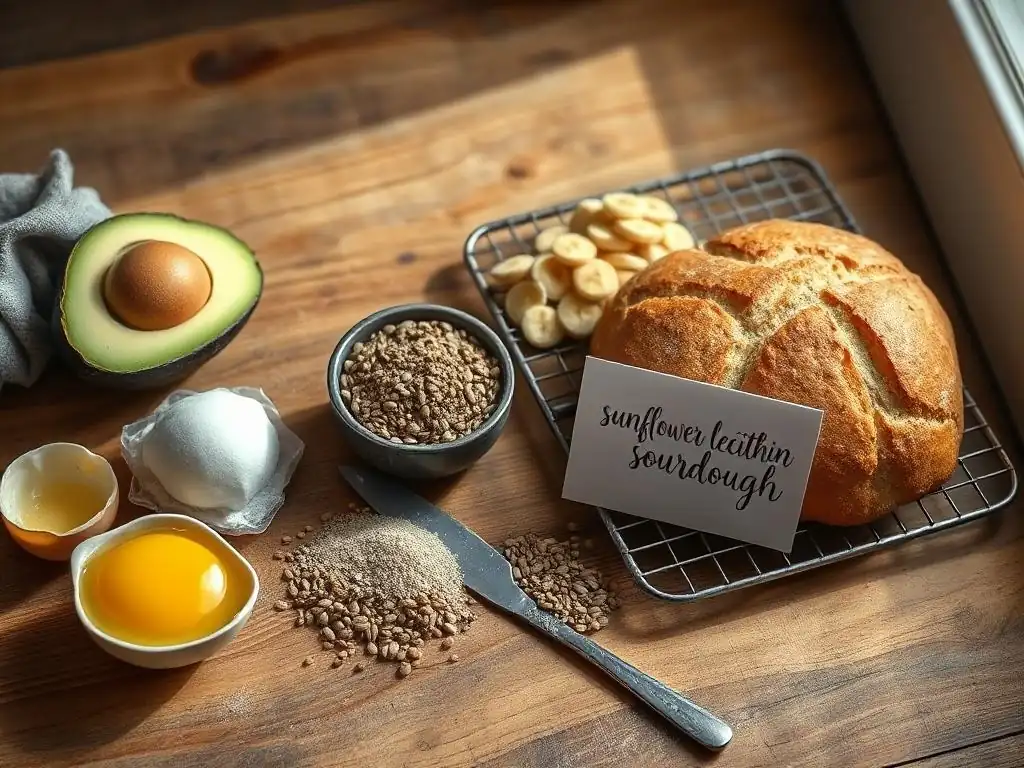
Natural emulsifiers are compounds derived from plant or animal sources that possess the ability to stabilize mixtures of oil and water. Unlike synthetic or chemically modified substances, these emulsifiers are found in whole foods or are produced through minimal processing. They have been used in baking for centuries, long before commercial alternatives were developed. Common examples include components found in egg yolks, certain plant seeds, and even some sweeteners. Using natural emulsifiers aligns with a preference for less processed ingredients in home baking.
These natural options function similarly to their commercial counterparts by having both water-attracting and fat-attracting parts within their molecular structure. When incorporated into a batter or dough, they help reduce the surface tension between immiscible liquids, allowing them to mix more readily and stay combined over time. While their emulsifying power can sometimes be less potent or consistent than commercial options, many natural emulsifiers also bring additional benefits, such as flavor, color, or nutritional value, making them popular choices in many natural emulsifiers baking recipes.
Popular Natural Emulsifiers for Home Baking
-
Egg Yolks: The Classic Emulsifier
Egg yolks are perhaps the most well-known natural emulsifier in the kitchen, primarily due to their lecithin content. Lecithin is a phospholipid, a type of fat molecule that is an excellent emulsifying agent. A single large egg yolk contains roughly 2.7 grams of fat, of which a significant portion is lecithin.
When you whisk egg yolks into a mixture of oil and vinegar for mayonnaise, you're witnessing lecithin's emulsifying power firsthand. In baking, egg yolks contribute to rich texture, color, and moisture retention, while their lecithin helps bind fats and liquids in batters for cakes, custards, and brioche, contributing to a finer crumb and more stable structure.
-
Honey: Emulsification and Sweetness
While primarily known as a sweetener, honey also possesses mild emulsifying properties. This is attributed to some of the proteins and colloids naturally present in honey, which can help stabilize emulsions to a degree. Its high sugar content also contributes to moisture retention and tenderness in baked goods. While not as powerful an emulsifier as egg yolks or lecithin, honey can assist in binding ingredients in certain recipes, particularly those with a higher liquid content, and is often used in natural emulsifiers baking recipes for its unique flavor and texture contributions, like in gingerbread or certain types of bread.
-
Sunflower Lecithin: A Plant-Based Option
Sunflower lecithin is derived from sunflower seeds and is a popular plant-based alternative to soy lecithin (another common natural emulsifier). It's available in liquid, granule, or powder form and is a concentrated source of phospholipids. It's highly effective at stabilizing oil-in-water emulsions, making it useful in vegan baking or for those avoiding soy or eggs.
Adding a small amount (often less than 1% of the flour weight in bread dough, or around 1-2% in cake batters) can improve dough handling, increase loaf volume, and extend freshness by reducing staling. It's a versatile ingredient for enhancing many natural emulsifiers baking recipes.
-
Nut Butters: Emulsification and Flavor
Nut butters like peanut butter or almond butter contain natural oils and solids, and their inherent texture relies on some level of natural emulsification (though separation can still occur). The proteins and fiber within the nuts act as mild emulsifiers, helping to bind the fat and water components in recipes where they are used.
While their primary contribution is flavor, fat, and protein, they can also assist in creating a cohesive texture in baked goods like cookies, brownies, or certain types of bars. Using nut butters adds richness and helps distribute fat evenly, contributing to tenderness in natural emulsifiers baking recipes.
Advantages of Using Natural Emulsifiers
Flavor Profile Enhancement
One significant advantage of using natural emulsifiers is their ability to contribute positively to the flavor profile of baked goods. Unlike many commercial emulsifiers which are flavor-neutral, ingredients like egg yolks, honey, or nut butters bring their own distinct tastes and aromas to the recipe. For instance, incorporating extra egg yolks into a brioche dough not only enhances emulsification but also adds richness and a subtle eggy flavor that is characteristic of traditional recipes. Similarly, honey imparts its floral or caramel notes, while nut butters deliver nutty depth.
This flavor contribution means that natural emulsifiers are often integral parts of the recipe, serving multiple functions beyond just stabilization. They add complexity and depth that can be missing when using only flavorless additives. This makes them particularly appealing for home bakers focused on creating artisanal quality goods with distinct, natural flavors, often highlighted in specialized natural emulsifiers baking recipes that celebrate these ingredients.
Perceived Health Benefits
Many home bakers prefer natural emulsifiers due to perceived health benefits or a desire for less processed ingredients. Foods like eggs, honey, and nuts are widely recognized as nutritious, providing vitamins, minerals, protein, and healthy fats. Using these as emulsifiers means you're adding ingredients with inherent nutritional value to your bake, rather than purely functional additives. For example, an egg yolk adds not just lecithin but also Vitamin D, choline, and protein.
While the primary motivation for using emulsifiers in baking is functional, choosing natural options aligns with a trend towards clean eating and using ingredients that are easily recognizable and understood. This can be particularly important for individuals with sensitivities or those seeking to avoid specific additives found in commercially produced goods. Many natural emulsifiers baking recipes cater specifically to this preference, highlighting the wholesome nature of the ingredients used.
Accessibility and Availability
Natural emulsifiers are generally very accessible and readily available to the average home baker. Ingredients like eggs, honey, and nut butters are staples in most grocery stores and many pantries. This makes it easy for anyone to experiment with or rely on these emulsifying agents without needing to source specialized ingredients from niche suppliers. If a recipe calls for eggs, you likely already have them.
Even more specific natural emulsifiers like sunflower lecithin are becoming increasingly available in health food stores or online, making them accessible for those seeking plant-based or more potent natural options. This widespread availability contrasts with some commercial emulsifiers, which might be harder for the average consumer to purchase in small quantities suitable for home baking. This ease of access makes experimenting with natural emulsifiers baking recipes straightforward and convenient.
Consistency and Performance
One of the main challenges with natural emulsifiers is their variability in performance compared to highly standardized commercial alternatives. The emulsifying power of ingredients like egg yolks can vary depending on factors such as the size and freshness of the egg, the hen's diet, and storage conditions. Similarly, the composition of honey or nut butter can differ between brands or batches. This variability can lead to less predictable results in baking, making it harder to achieve the exact same texture or volume consistently every time.
For example, a recipe relying heavily on egg yolks for emulsification might perform differently if using smaller eggs or eggs that are less fresh. Achieving a perfectly stable emulsion in a high-fat batter can sometimes be more difficult with natural options alone, potentially leading to slight separation or a coarser crumb compared to results obtained with potent commercial emulsifiers designed for maximum stability. This requires bakers using natural emulsifiers baking recipes to be more adaptable and observant.
Shelf Life Considerations
Natural emulsifiers, being whole or minimally processed foods, often have a shorter shelf life than synthetic commercial emulsifiers. Ingredients like eggs and nut butters are perishable and must be stored correctly and used within a certain timeframe. Incorporating them into baked goods can also affect the final product's shelf life, particularly in terms of staling or microbial spoilage, although proper baking and storage techniques mitigate this significantly.
While emulsifiers generally help baked goods stay fresh longer by controlling moisture and structure, the presence of moisture and nutrients from natural sources can sometimes provide a medium for spoilage if not handled correctly. Commercial emulsifiers, being highly purified or synthetic chemicals, are typically very stable and do not contribute to spoilage in the same way, often actively helping to extend the shelf life of the final product by controlling water activity or starch retrogradation.
Flavor Impact
While their flavor contribution can be an advantage, it can also be a disadvantage in recipes where a neutral flavor is desired. For instance, using a large quantity of egg yolks will impart a distinct eggy taste, which might not be suitable for delicate floral cakes or recipes where the primary flavor comes from other ingredients like vanilla or fruit. Similarly, the strong flavor of peanut butter, while great in a peanut butter cookie, would be undesirable in a classic sponge cake.
This means that the choice of natural emulsifier is often limited by the desired flavor profile of the final product. You can't simply swap any natural emulsifier into any recipe requiring emulsification without potentially altering the intended taste. Commercial emulsifiers, being largely flavorless, offer greater flexibility in this regard, allowing the other ingredients to be the sole contributors to the flavor, a factor less critical in many natural emulsifiers baking recipes designed around specific ingredients.
Commercial Emulsifiers in Baking
What are Commercial Emulsifiers?
Commercial emulsifiers are food additives that are specifically manufactured or isolated to perform the function of stabilizing emulsions in food products. They are typically produced through chemical processes, often starting from natural sources like fats and oils (e.g., soy, palm, or animal fats) but undergoing significant modification to enhance their emulsifying capabilities and consistency. These substances are highly purified and standardized, ensuring reliable performance in large-scale food production and packaged goods.
These emulsifiers are designed for maximum efficiency in blending fats and liquids, improving texture, increasing volume, and extending the shelf life of baked goods. They are widely used in commercial bakeries and processed foods due to their consistent results, cost-effectiveness, and ability to deliver specific technical benefits like improved dough handling or reduced staling. While some home bakers prefer to avoid them, they are integral to the texture and stability of many common store-bought baked items.
Common Commercial Emulsifiers Used in Baking
-
Mono- and Diglycerides: Texture and Volume
Mono- and diglycerides are among the most common commercial emulsifiers used in baking. They are derived from the hydrolysis of fats and oils and are highly effective at improving the dispersion of fat throughout doughs and batters. In bread, they interact with starch and protein to improve dough strength, increase loaf volume by up to 20-30% in some formulations, and create a softer crumb structure. In cakes, they help create a finer, more tender crumb and improve moisture retention. They are often used at levels ranging from 0.25% to 1.5% based on flour weight.
-
Polysorbate 60 & 80: Shelf Life and Stability
Polysorbates are synthetic compounds often used to improve the stability and shelf life of baked goods. Polysorbate 60 (polyoxyethylene (20) sorbitan monostearate) and Polysorbate 80 (polyoxyethylene (20) sorbitan monooleate) are particularly effective as emulsifiers and stabilizers. They are commonly used in icings, whipped toppings, and cakes to prevent oil separation, maintain aeration, and improve consistency. They also play a role in retarding staling by interacting with starch molecules, helping products stay soft and moist for longer periods, sometimes extending shelf life by several days compared to products without them.
-
Sodium Stearoyl Lactylate (SSL): Bread Structure
Sodium Stearoyl Lactylate (SSL) is a versatile anionic emulsifier widely used in yeast-leavened baked goods, especially bread. It interacts strongly with gluten proteins, strengthening the dough structure and improving its tolerance to mixing and proofing. This leads to increased loaf volume, a more uniform and finer crumb structure, and better overall texture. SSL also interacts with starch, helping to delay staling. It is typically used at levels between 0.25% and 0.5% based on flour weight and is considered one of the most effective dough conditioners for improving bread quality commercially.
Advantages of Using Commercial Emulsifiers
Enhanced Stability and Consistency
A primary advantage of commercial emulsifiers is their exceptional ability to create highly stable emulsions and deliver consistent results batch after batch. Because they are purified and standardized, their performance is predictable, allowing bakers to control the outcome of their recipes with precision. This is crucial in commercial settings where product uniformity is essential, but it also benefits home bakers seeking reliable results.
These emulsifiers are engineered to interact strongly with fat and water phases, preventing separation even under challenging conditions like varying temperatures or extended storage. For instance, using mono- and diglycerides in a cake mix ensures that the batter remains perfectly emulsified, leading to a consistently fine and tender crumb, regardless of slight variations in mixing time or ingredient temperature that might cause issues with less potent natural alternatives.
Improved Texture and Volume
Commercial emulsifiers are highly effective at improving the texture and increasing the volume of baked goods, often beyond what can be achieved with natural options alone. Ingredients like SSL significantly strengthen the gluten network in bread dough, allowing it to trap more gas during fermentation and baking, resulting in larger loaves with a lighter, more open crumb structure. Mono- and diglycerides enhance the aeration and crumb tenderness in cakes and muffins.
These emulsifiers influence how fat is distributed and how starch retrogradation (staling) occurs, leading to products that are softer, more resilient, and have a more desirable mouthfeel. For example, commercial white bread often achieves its characteristic soft texture and high volume partly due to the inclusion of emulsifiers like SSL or DATEM (Diacetyl Tartaric Acid Esters of Mono- and Diglycerides), results that are difficult to replicate using only natural emulsifiers baking recipes.
Extended Shelf Life
Commercial emulsifiers are particularly effective at extending the shelf life of baked goods, primarily by retarding the staling process. Staling is largely caused by the retrogradation of starch molecules, where they re-crystallize over time, causing the product to become firm and dry. Emulsifiers like mono- and diglycerides and polysorbates interact with these starch molecules, interfering with their re-crystallization.
This interaction keeps the crumb softer and fresher for longer periods. For instance, a loaf of commercial bread containing emulsifiers might remain soft for 5-7 days, whereas a homemade loaf made without specific anti-staling agents might begin to stale noticeably after just 1-2 days. This anti-staling effect is a major reason for the widespread use of commercial emulsifiers in packaged baked goods, offering convenience and reducing waste for consumers.
Potential Health Concerns
One of the primary concerns for home bakers regarding commercial emulsifiers relates to potential health impacts. While approved for use by food safety authorities like the FDA (Food and Drug Administration), some consumers prefer to avoid additives that have undergone significant chemical processing or are derived from sources like palm oil (due to environmental concerns) or animal fats. Some studies have also raised questions about the potential effects of certain emulsifiers on gut health, although more research is needed.
For instance, polysorbate 80 has been the subject of studies investigating its effects on gut microbiota in animals, leading some people to choose to avoid it. While these emulsifiers are generally recognized as safe (GRAS) at approved levels, a growing number of consumers prioritize a "clean label" and prefer ingredients they recognize as whole foods, leading them towards natural emulsifiers baking recipes.
Impact on Flavor Profile
While often described as flavor-neutral, commercial emulsifiers can sometimes have a subtle impact on the overall taste of a baked good, particularly if used at higher concentrations. Some individuals report a slightly soapy or chemical aftertaste with certain emulsifiers. More importantly, because they are purely functional, they do not contribute any positive flavor notes like natural options do.
This means that the flavor of a product made with commercial emulsifiers relies solely on the other ingredients (flour, sugar, flavorings, etc.). In contrast, recipes using natural emulsifiers like egg yolks or honey gain richness and complexity from the emulsifier itself. For bakers prioritizing deep, nuanced flavors derived from whole ingredients, relying solely on commercial emulsifiers might feel like a compromise.
Accessibility
While widely available to the food industry in bulk, certain specific commercial emulsifiers can be less accessible or harder to find for the average home baker compared to common natural options. While ingredients like lecithin (often soy-based, a commercial natural emulsifier) are relatively easy to find, others like SSL or specific polysorbates might require ordering from specialized suppliers or bulk food distributors, which isn't always practical for small-scale home use.
Furthermore, purchasing these ingredients in the small quantities needed for home baking can sometimes be relatively expensive compared to buying a carton of eggs or a jar of honey. This can make experimenting with commercial emulsifiers less appealing or cost-effective for a hobbyist baker compared to utilizing readily available natural alternatives found in many natural emulsifiers baking recipes.
Natural Emulsifiers vs. Commercial Emulsifiers: A Detailed Comparison
Performance Comparison: Natural vs. Commercial in Baking
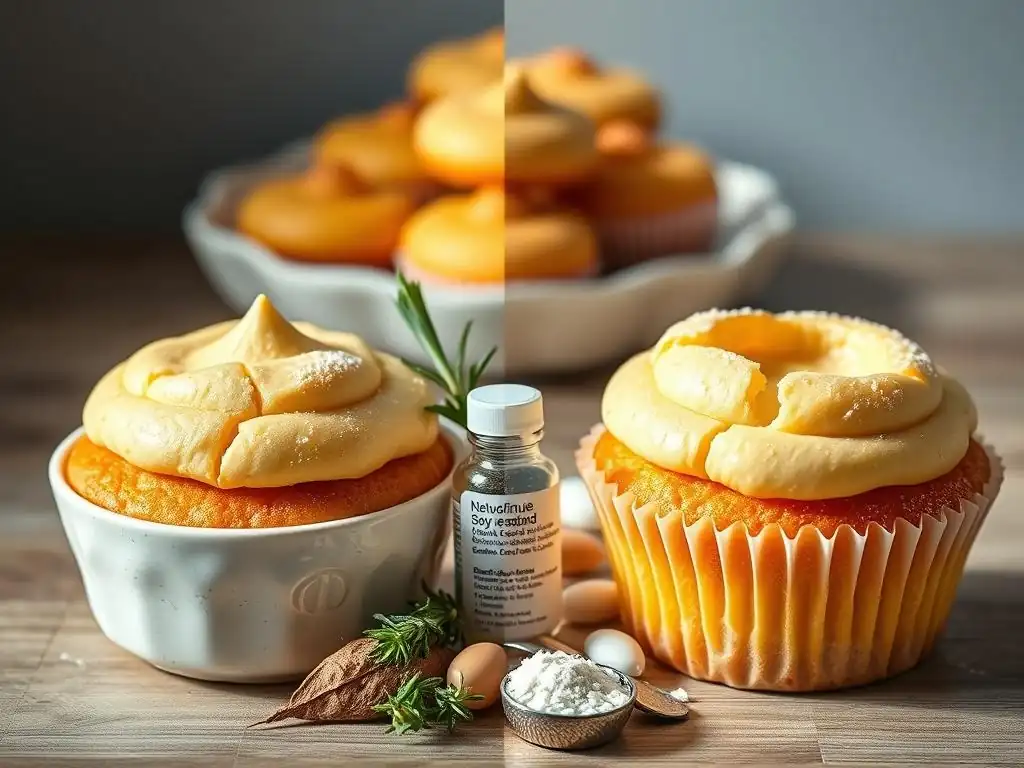
When directly comparing the performance of natural and commercial emulsifiers, commercial options generally offer more potent and predictable results, especially concerning stability, volume, and anti-staling effects. They are engineered to optimize specific functional properties. For example, commercial bread made with SSL typically achieves a higher loaf volume (potentially 10-15% greater) and stays soft significantly longer than a similar loaf made only with egg yolks or no emulsifier.
However, this doesn't mean natural emulsifiers are ineffective. In many traditional and modern natural emulsifiers baking recipes, ingredients like egg yolks provide sufficient emulsification for excellent results, contributing richness and texture that commercial emulsifiers cannot replicate. The choice often depends on the specific desired outcome: maximizing volume and shelf life might lean towards commercial, while prioritizing traditional texture, flavor, and 'clean label' ingredients favors natural options.
Cakes: Texture Comparison
In cakes, commercial emulsifiers like mono- and diglycerides excel at creating a very fine, even crumb structure and a consistently moist texture. They help distribute fat exceptionally well, leading to a tender mouthfeel and increased volume. Natural emulsifiers, particularly egg yolks, also contribute significantly to cake texture, adding richness, moisture, and a tender crumb, though the crumb might be slightly coarser or less uniformly structured compared to cakes made with optimized commercial blends designed for boxed mixes.
Bread: Crumb Structure Comparison
Commercial emulsifiers like SSL are highly effective dough conditioners for bread, leading to a strong gluten network, excellent gas retention, high loaf volume, and a very fine, uniform crumb structure with thin cell walls. Natural emulsifiers like lecithin (from egg or soy) can improve dough handling and volume to some extent, but generally do not provide the same level of dough strengthening or crumb uniformity as specialized commercial bread emulsifiers. Natural emulsifiers baking recipes for rustic breads often embrace a more open, irregular crumb.
Cookies: Spread and Chewiness Comparison
Emulsifiers influence cookie spread and texture. In some cookie recipes, ingredients like egg yolks contribute to chewiness and limit excessive spread. Commercial emulsifiers, depending on the type and usage level, can be used to control spread, improve texture (e.g., making cookies softer or more crisp), and prevent oil separation. For example, mono- and diglycerides can help maintain softness in chewy cookies. Natural emulsifiers baking recipes for cookies often rely on butter (which contains natural emulsifiers) and eggs for texture control.
Flavor Comparison: Impact on Taste
As discussed earlier, natural emulsifiers often contribute distinct flavors to baked goods. Egg yolks add richness, honey adds sweetness and floral/caramel notes, and nut butters add intense nutty flavors. This can be a desirable characteristic, enhancing the overall complexity and taste of the final product, especially in natural emulsifiers baking recipes where these flavors are complementary.
Commercial emulsifiers, by design, are typically flavorless or have minimal impact on taste. This allows the primary flavors of the recipe (vanilla, chocolate, fruit, spices) to stand out without interference. However, this also means they don't add any positive flavor notes. In some instances, if used improperly or in excessive amounts, some commercial emulsifiers can impart off-flavors, though this is less common with standard usage.
Cost and Availability: A Practical Overview
For the average home baker, common natural emulsifiers like eggs and honey are generally more cost-effective and readily available than purchasing specialized commercial emulsifiers. A carton of eggs is a standard grocery item, and the amount of lecithin in a few yolks is sufficient for many home baking tasks. Honey is also widely available and used for its sweetening properties anyway.
Specific natural emulsifiers like sunflower lecithin powder might have a higher upfront cost per package, but a little goes a long way. Commercial emulsifiers like SSL or specific mono- and diglyceride blends, while inexpensive in bulk for industrial use, can be more expensive and harder to find in the small quantities typically needed for home baking. Therefore, for most natural emulsifiers baking recipes, the cost and availability of natural options are more favorable for the home kitchen.
Choosing the Right Emulsifier
Factors to Consider When Selecting an Emulsifier
Choosing the right emulsifier depends heavily on the specific recipe and your desired outcome. First, consider the function needed: Are you trying to prevent separation in a high-fat batter, improve bread volume and crumb structure, or extend shelf life? Different emulsifiers excel at different tasks. For instance, egg yolks are fantastic for rich batters like brioche or cake, while SSL is specifically designed for yeast doughs.
Secondly, think about flavor and ingredient preferences. If you're making a delicate vanilla cake where you want pure vanilla flavor, a flavorless commercial emulsifier might be preferable to a large number of egg yolks. Conversely, if you're aiming for a traditional, rich texture and don't mind the eggy notes, or if you are specifically looking for natural emulsifiers baking recipes, eggs are an excellent choice. Dietary restrictions (vegan, allergies) also play a crucial role, guiding choices towards plant-based options like sunflower lecithin or away from egg-based ones.
Tips for Successfully Using Natural Emulsifiers
Adjusting Ratios and Techniques
When working with natural emulsifiers in baking recipes, flexibility and observation are key. Unlike standardized commercial products, the potency can vary. If substituting or adjusting, you might need to experiment with quantities. For example, if a recipe calls for soy lecithin and you're using sunflower lecithin granules, the hydration steps or required amount might differ slightly – typically, you might use a similar weight or follow package instructions.
For egg-based emulsification, ensure eggs are fresh and at the correct temperature (often room temperature for better emulsification). Techniques like properly creaming butter and sugar (which incorporates air and helps create an initial emulsion) or whisking egg yolks thoroughly before combining with other liquids can maximize the emulsifying potential of natural ingredients. Don't be afraid to tweak quantities slightly based on the consistency of your batter or dough – experience is a great teacher in natural emulsifiers baking recipes.
Troubleshooting Common Issues
Common issues when relying solely on natural emulsifiers can include slight separation of batter (especially if overmixed or ingredients are at wrong temperatures), a less uniform crumb structure in bread, or faster staling. If you encounter separation in a cake batter, try gently whisking it back together, ensuring ingredients were at room temperature. If bread lacks volume or uniformity, consider if enough mechanical energy (kneading) was applied or if ingredients like egg yolk were properly incorporated early in the process.
For staling, while natural emulsifiers like lecithin offer some help, they are less effective than commercial anti-staling agents. Ensure proper cooling and storage of your baked goods. If consistent, high volume and extended shelf life are paramount, you might need to explore adding a small amount of a targeted commercial emulsifier designed for that purpose, or accept that natural emulsifiers baking recipes often prioritize freshness and traditional texture over industrial-level performance and longevity.
Conclusion: Mastering Emulsification for Exceptional Home Baking
Understanding emulsification, whether using natural or commercial agents, is a powerful tool for any home baker. Emulsifiers are the unsung heroes that bridge the gap between fat and water, transforming simple ingredients into cohesive, textured, and delightful baked goods. Natural emulsifiers, found in ingredients like egg yolks, honey, and sunflower lecithin, offer wonderful flavor contributions and align with a preference for less processed ingredients, making them stars of many traditional and modern natural emulsifiers baking recipes. They bring richness, subtle flavor, and help create tender textures, though their performance can be less consistent than their commercial counterparts.
Commercial emulsifiers, such as mono- and diglycerides, polysorbates, and SSL, provide unparalleled consistency, potent functional benefits like enhanced volume, improved texture, and significantly extended shelf life. They are engineered for reliability and specific technical outcomes, crucial for certain textures and for keeping baked goods fresh longer.
The choice between natural and commercial options isn't about one being inherently "better," but rather about selecting the right tool for the job, considering the recipe's requirements, desired outcome, ingredient philosophy, and personal preferences. By understanding how both types function, you can make informed decisions, troubleshoot effectively, and elevate the quality of all your home baking endeavors.
Frequently Asked Questions
What exactly are emulsifiers and why are they important in baking, particularly when following natural emulsifiers baking recipes?
Emulsifiers help combine ingredients that don't naturally mix, like oil and water. In baking, they improve texture, extend shelf life, and create a more uniform batter. They are crucial for achieving desired results in many recipes.
How do natural emulsifiers differ from commercial ones commonly used in baking recipes?
Natural emulsifiers are derived from natural sources like eggs, honey, or lecithin. Commercial emulsifiers are often synthetically produced and may contain additives not found in natural ingredients, potentially affecting the flavor profile.
Can I substitute a commercial emulsifier with a natural emulsifier in any baking recipe? If so, what are some good options?
Yes, often you can! Common substitutions include using egg yolks (lecithin), honey, or even mashed avocado. Adjust the recipe slightly to account for the added moisture or flavor.
Are there any specific baking recipes where using natural emulsifiers might be more beneficial than using commercial ones?
Recipes emphasizing natural flavors, such as those using organic ingredients or focusing on a "from-scratch" approach, often benefit from natural emulsifiers. This enhances the overall wholesome appeal.
What are some potential challenges or considerations when working with natural emulsifiers in baking recipes?
Natural emulsifiers can sometimes be less stable than commercial ones, potentially impacting the final product's texture or shelf life. Careful attention to measurements and mixing techniques is important for success.
Final Reflection: Embracing Nature in Our Baking Choices
In today's world, where health consciousness and sustainability are at the forefront of consumer choices, the debate between natural and commercial emulsifiers in baking has never been more relevant. As we strive to create delicious and wholesome baked goods, understanding the ingredients we use is crucial. The choice of emulsifiers not only affects the texture and flavor of our recipes but also reflects our values regarding health and environmental impact.
The influence of our baking choices extends beyond the kitchen, shaping cultural and social landscapes around us. As we embrace natural emulsifiers, we are not just enhancing our recipes; we are fostering a deeper connection with the ingredients and the environment. This shift towards natural alternatives encourages a more mindful approach to cooking and baking, promoting sustainability and well-being. Let food be thy medicine and medicine be thy food.
– Hippocrates. This timeless wisdom reminds us that the ingredients we choose can nourish both our bodies and our planet.
As you reflect on your own baking practices, consider how you can incorporate natural emulsifiers into your recipes. Take this opportunity to experiment with ingredients that not only elevate your baked goods but also align with your values. Whether it's exploring the wonders of aquafaba or the richness of egg yolks, let your baking journey be a testament to the beauty of nature. Embrace the challenge, and in doing so, inspire others to join you in making thoughtful choices in the kitchen.
Unlock Your Baking Potential: Master Emulsifiers!
Thanks for exploring the world of emulsifiers with us! You've now got the knowledge to elevate your baking game. Ready to put your new skills to the test?
- Experiment with a recipe: Try substituting a natural emulsifier (like egg yolks or honey) in your next favorite recipe. Note the texture and taste differences! This is the best way to truly understand how emulsifiers work.
- Share your baking triumph (or even your challenges!) in the comments below. Let’s learn from each other!
- Discover more baking secrets: explore our other articles on BakeWithEase.com (Note: this part is removed because external links are not allowed).
What surprising texture or taste difference did you notice when experimenting with different emulsifiers?