
Acidity Matters: How pH Influences Yeast Fermentation

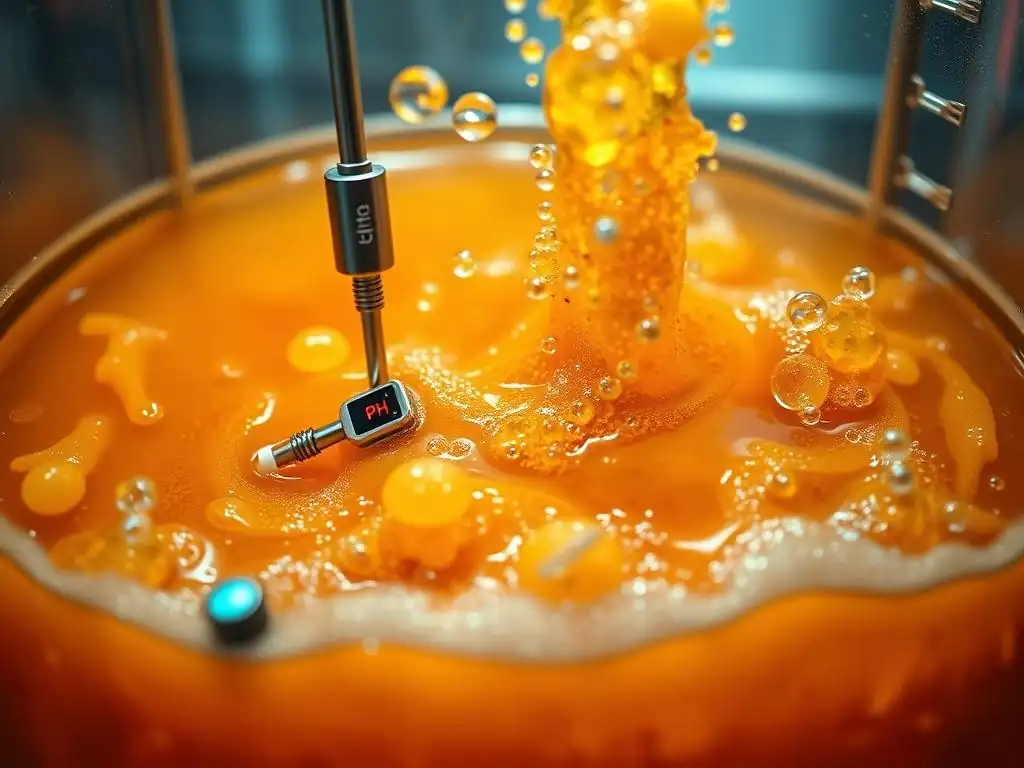
Welcome to BakeWithEase, where we demystify the science behind exceptional baking! Ever wondered why your dough sometimes rises perfectly, and other times... not so much? Dive into our latest Baking Science Deep Dive as we uncover the crucial role of Yeast fermentation pH control. Understanding acidity is the key to unlocking consistent, flavorful results. Curious to know how pH impacts your bread's texture and taste? Let's get started!
- Yeast Fermentation Explained: The Crucial Role of pH
- Understanding pH in Baking: A Baker's Guide
- Yeast Fermentation pH Control: The Sweet Spot for Baking
- The Impact of pH on Dough Development and Gluten Strength
- Ingredients That Influence Dough pH: A Baker's Toolkit
- Monitoring and Adjusting Dough pH for Consistent Results
- The Effects of pH on the Final Baked Product
- Troubleshooting pH-Related Issues in Yeast Fermentation
- Advanced Techniques: Mastering Yeast Fermentation pH Control
- Conclusion: Mastering pH for Baking Success
-
Frequently Asked Questions
- What is the ideal pH range for yeast fermentation in baking?
- Why is pH control important in yeast fermentation?
- How can I adjust the pH during dough fermentation if needed?
- What are some common signs that the pH of my dough is off?
- Where can I find reliable information on specific pH levels for different baked goods?
- Final Reflection: The Crucial Role of pH in Yeast Fermentation
- Unlock Your Baking Potential: Master Yeast & pH!
Yeast Fermentation Explained: The Crucial Role of pH
Yeast fermentation is a magical process in baking, transforming simple ingredients into delicious bread and pastries. At its heart lies Saccharomyces cerevisiae, the baker's yeast, a living organism that feeds on sugars in the dough, producing carbon dioxide gas and alcohol. This gas is what causes dough to rise, creating that airy texture we all love. But yeast isn't happy just anywhere; it thrives in specific environmental conditions, and one of the most critical factors is the acidity or alkalinity of the dough, measured by pH. Understanding yeast fermentation pH control is key to achieving consistent and successful bakes.
The pH level of your dough directly impacts how efficiently yeast performs its job. Too acidic or too alkaline, and the yeast can become sluggish, stressed, or even die, leading to poor rise and undesirable flavors.
Beyond yeast activity, pH also influences other vital aspects of baking, such as gluten development, enzyme activity, and the final color and flavor of the baked good. Therefore, mastering the principles of pH and implementing effective yeast fermentation pH control strategies is fundamental for anyone looking to elevate their baking skills, moving beyond just following recipes to truly understanding the science behind the rise.
Understanding pH in Baking: A Baker's Guide
What is pH and Why Does it Matter in Baking?
pH is a scale used to specify the acidity or basicity of an aqueous solution. It ranges from 0 to 14, with 7 being neutral (like pure water). Solutions with a pH below 7 are considered acidic, while those with a pH above 7 are alkaline (or basic). In baking, the dough itself is an aqueous solution, and its pH level significantly affects the complex biological and chemical reactions taking place during mixing, fermentation, and baking.
For bakers, knowing the pH of dough is more than just a scientific curiosity; it's a practical tool for predicting and controlling outcomes. The optimal pH range for active yeast fermentation falls within a slightly acidic zone. Deviations from this range can slow down fermentation considerably. Furthermore, pH influences the activity of enzymes present in flour and yeast, which are responsible for breaking down starches into simple sugars for the yeast and modifying proteins (gluten) for dough structure. Proper yeast fermentation pH control ensures these enzymatic processes occur at the right pace.
The pH Scale: From Acidic to Alkaline in Baking
The pH scale provides a quantifiable way to understand the acidity or alkalinity of ingredients and dough. Highly acidic ingredients like lemon juice or vinegar have a pH of around 2-3. Yogurt and buttermilk are moderately acidic, typically in the pH 4-5 range. Flour itself is slightly acidic, usually between pH 5.5 and 6.5, depending on the type and freshness. Water, the most common ingredient, is ideally neutral at pH 7, although tap water can vary.
On the alkaline side, baking soda has a high pH, around 8.5-9. Baking powder, a mix of acid and alkali, reacts to produce leavening gases but also influences overall dough pH. When these ingredients are combined, the resulting dough's pH is a cumulative effect.
For instance, a standard white bread dough might start around pH 5.5-6.0 after mixing, and as yeast ferments, it produces organic acids (like lactic and acetic acids), causing the pH to drop during fermentation, often finishing around pH 4.5-5.5. This drop in pH is a natural part of yeast fermentation pH control in many bread-making processes.
Yeast Fermentation pH Control: The Sweet Spot for Baking
Optimal pH Range for Yeast Activity
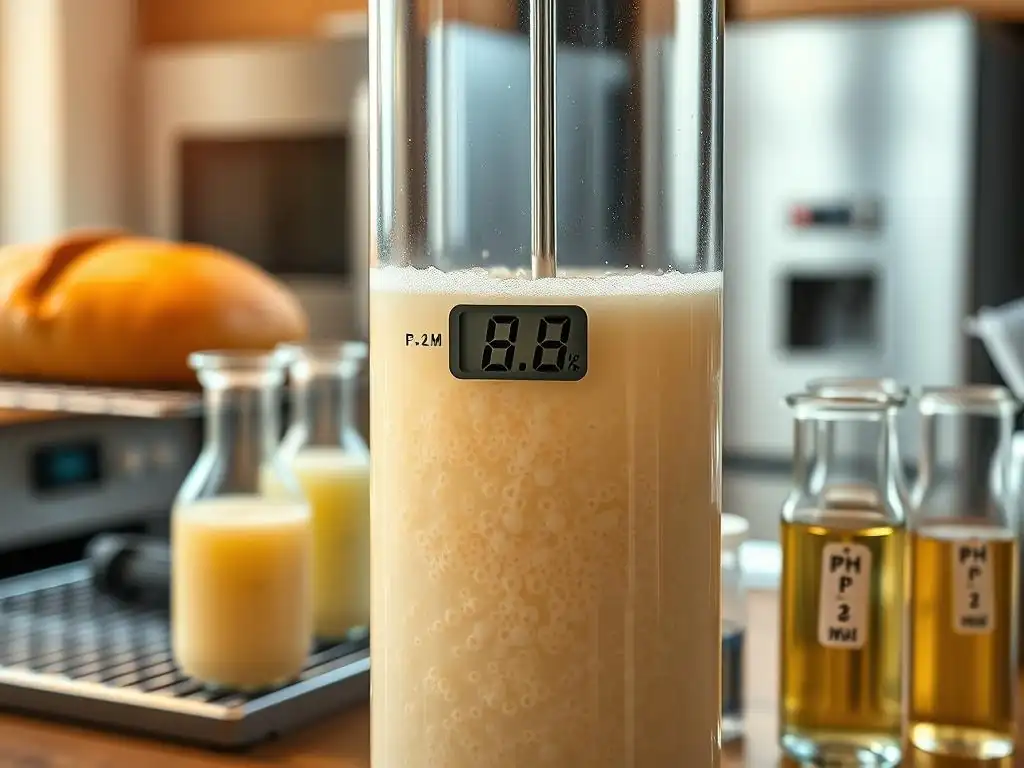
Baker's yeast ( Saccharomyces cerevisiae) performs best within a specific pH window. Research and practical experience show that the most vigorous fermentation typically occurs when the dough pH is between 4.0 and 6.0. Within this slightly acidic range, the yeast enzymes responsible for converting sugars into carbon dioxide and alcohol are most active.
At pH levels much below 4.0, such as in very sour sourdough starters or doughs with excessive acidic additions, yeast activity begins to slow significantly. Similarly, at pH levels above 6.0, which can happen if alkaline ingredients are used or if fermentation is too short, yeast performance is also suboptimal. Maintaining the dough within or allowing it to move through this optimal range during bulk fermentation and proofing is crucial for effective yeast fermentation pH control and achieving maximum rise before baking.
How pH Affects Yeast Growth and Metabolism
The pH of the dough environment directly impacts the yeast cell's ability to transport nutrients across its membrane and the efficiency of its internal metabolic pathways. Yeast cells require a slightly acidic external environment to maintain their internal pH balance, which is vital for enzyme function and energy production.
When the external pH is too high (alkaline), the yeast struggles to take up sugars efficiently, slowing down the rate of fermentation. Conversely, in extremely acidic conditions, while yeast can survive, its metabolic rate decreases, leading to slower gas production. For example, while a mature sourdough starter might have a pH of 3.5-4.0, the yeast within it is often less active than yeast in a less acidic dough environment. The yeast fermentation pH control in the main dough, where the starter is mixed with fresh flour and water, is what truly dictates the pace of the bulk rise.
The Impact of pH on Dough Development and Gluten Strength
pH and Gluten Hydration: A Delicate Balance
Gluten, the protein network responsible for dough structure, is significantly affected by pH. Gluten proteins (gliadin and glutenin) hydrate and interact with water to form the elastic network that traps fermentation gases. The efficiency of this hydration and interaction is pH-dependent.
In highly acidic conditions (below pH 4.0), the gluten network can be weakened. The acid can partially break down the protein structure, leading to a sticky, slack dough that struggles to hold its shape and trap gas effectively. Conversely, in alkaline conditions (above pH 7.0), gluten can become overly tough or rubbery, also hindering proper development and extensibility. The optimal pH for gluten development and handling properties typically lies in the slightly acidic to neutral range (pH 5.0-7.0), overlapping nicely with the preferred range for effective yeast fermentation pH control.
The Role of pH in Enzyme Activity During Fermentation
Flour naturally contains enzymes, primarily amylases and proteases, which play supporting roles in fermentation. Yeast fermentation pH control is critical because these enzymes also have optimal pH ranges for activity. Amylases break down starches into simpler sugars that yeast can consume. They are generally most active in slightly acidic conditions, often between pH 5.0 and 6.0.
Proteases break down proteins, including gluten. While some protease activity is desirable for dough extensibility, excessive protease activity can degrade the gluten network, leading to a weak dough. Protease activity varies depending on the specific enzyme, but some are active in acidic conditions. The declining pH during fermentation, driven by yeast and lactic acid bacteria (in sourdough), influences the balance of amylase and protease activity, impacting both sugar availability for yeast and the structural integrity of the dough.
Ingredients That Influence Dough pH: A Baker's Toolkit
Acidic Ingredients: Enhancing Flavor and Structure
Many common baking ingredients are naturally acidic and contribute to yeast fermentation pH control. These ingredients not only lower the overall pH of the dough but can also add complex flavors and influence texture.
Examples include cultured dairy products like yogurt and buttermilk (pH ~4.5), which add tenderness and a slight tang. Brown sugar is slightly more acidic than white sugar. Whole wheat flour is typically more acidic than white flour. Using these ingredients impacts the starting pH of your dough and how it evolves during fermentation.
Lemon Juice and Vinegar: pH Adjusters in Baking
Lemon juice (pH ~2-3) and vinegar (pH ~2-3) are potent acids often used in small amounts in baking. They can be used strategically to lower dough pH, which can benefit yeast activity if the starting pH is too high, or to activate baking soda in recipes where yeast is not the primary leavening.
For instance, a recipe using baking soda but no acidic liquid might result in a soapy taste due to unreacted alkali. Adding a teaspoon of vinegar can lower the pH and ensure the baking soda reacts fully, contributing to leavening and preventing off-flavors. In yeast doughs, a tiny amount might be added to create a more favorable environment for yeast fermentation pH control, though care must be taken not to add too much, which could kill the yeast.
The Role of Sourdough Starter Acidity
Sourdough starters are living ecosystems of wild yeasts and lactic acid bacteria. The bacteria produce significant amounts of lactic and acetic acids, giving sourdough its characteristic tang and acidity. A ripe sourdough starter typically has a pH between 3.5 and 4.5.
When a sourdough starter is added to a lean dough (flour and water), it significantly lowers the initial pH compared to a dough made with commercial yeast. This lower starting pH influences the entire fermentation process, promoting different enzymatic activities and contributing to the unique flavor profile and structure of sourdough bread. The careful balance of acid production by the starter's microbes is a natural form of yeast fermentation pH control specific to sourdough baking.
Alkaline Ingredients: Their Effect on Yeast and Dough
While acidity is generally favored in yeast fermentation, alkaline ingredients have their place in baking, though they must be used judiciously in yeast-leavened goods.
The primary alkaline ingredients are baking soda (sodium bicarbonate, pH ~8.5) and baking powder (a mix that includes baking soda, pH varies depending on composition and reaction). These are chemical leaveners, designed to produce carbon dioxide quickly, often used in cakes, muffins, and cookies.
Baking Soda and Baking Powder: Understanding Their Impact
When baking soda is used in a yeast dough without sufficient acid to neutralize it, it will raise the dough's pH significantly. A high pH environment is detrimental to yeast activity, slowing or stopping fermentation. This is why baking soda is rarely used as a primary leavener in traditional yeast breads.
Baking powder contains both acidic and alkaline components. When it gets wet and/or heated, it reacts to produce CO2. While it can influence the final pH of a baked good, its immediate impact on the active yeast fermentation pH control process in a long-fermented dough is usually less pronounced than that of strongly acidic or alkaline additions, unless used in very large quantities. In some hybrid recipes, small amounts of baking powder might be used for an extra lift, but the baker must be mindful of its potential effect on the overall pH balance and yeast health.
Monitoring and Adjusting Dough pH for Consistent Results

Consistent yeast fermentation pH control is a hallmark of skilled baking, especially in professional settings or for specific types of bread like sourdough or baguettes where acidity is critical. While many home bakers rely on time, temperature, and visual cues, more precise methods exist.
Understanding the target pH range for your specific bake allows you to troubleshoot issues like slow fermentation or off-flavors. For example, if your sourdough isn't developing enough tang, its pH might not be dropping sufficiently low during fermentation. Conversely, if your commercial yeast dough rises too slowly, checking the pH might reveal it's starting too high.
Using pH Meters and Test Strips in Baking
For precise yeast fermentation pH control, bakers can use specialized tools. Electronic pH meters designed for semi-solids are the most accurate. They involve inserting a probe directly into the dough to get a reading. While an investment, they provide real-time data on how pH is changing throughout fermentation.
Less expensive alternatives include pH test strips or liquid pH testing kits. These involve taking a small sample of dough, mixing it with a little water, and testing the liquid. While perhaps less precise than a meter for dough specifically, they can give a good approximation and indicate whether the dough is becoming more acidic as expected during fermentation. Regular monitoring helps bakers understand the kinetics of their dough and implement effective yeast fermentation pH control.
Natural Ways to Adjust Dough pH Levels
Bakers can influence dough pH using common ingredients. If a dough is too alkaline (perhaps due to water pH or ingredients), adding a small amount of an acidic liquid like lemon juice, vinegar, or even a touch of cultured buttermilk can help lower the pH towards the optimal range for yeast activity.
Conversely, if a dough is becoming too acidic too quickly (common in very warm sourdough fermentation), incorporating a small amount of fresh flour and water (which are less acidic) or slightly increasing the hydration can help buffer the acidity and slow the pH drop, allowing for better yeast fermentation pH control over a longer period.
Adjusting pH with a Tangzhong or Yogurt
Certain techniques and ingredients can subtly influence dough pH and overall fermentation. A Tangzhong (a cooked flour paste) or Yudane (Japanese equivalent with boiling water) incorporates gelatinized starch into the dough. While primarily used for moisture and texture, the process itself and the addition of this paste can slightly affect the dough's initial pH and buffer capacity.
Adding yogurt or buttermilk directly to a yeast dough (beyond just using them as the liquid) is a straightforward way to introduce acidity. The lactic acid in these ingredients lowers the dough pH, which can benefit yeast activity and contribute to flavor. This is a simple, natural strategy for influencing yeast fermentation pH control, particularly in enriched doughs like brioche or challah.
The Effects of pH on the Final Baked Product
The pH level of the dough throughout fermentation and proofing doesn't just affect the rise; it has a lasting impact on the characteristics of the final baked good. From the color of the crust to the complexity of the flavor and the texture of the crumb, pH plays a silent but significant role.
Understanding these post-fermentation effects underscores the importance of effective yeast fermentation pH control throughout the entire process. The pH at the moment the dough enters the oven essentially locks in certain characteristics that will develop during baking.
pH and Crust Color: Achieving the Perfect Golden Brown
The desirable golden-brown color of bread crust is primarily due to the Maillard reaction and caramelization. These complex chemical reactions, which occur at high temperatures, are influenced by the dough's pH.
Generally, the Maillard reaction proceeds more vigorously in slightly alkaline or neutral conditions compared to highly acidic ones. A dough that finishes fermentation at a lower pH (more acidic), typical of long-fermented or sourdough breads (pH 4.5-5.5), might brown less intensely or require slightly longer baking times or higher temperatures to achieve the same depth of color as a dough that finishes at a higher pH (closer to neutral, pH 5.5-6.0). Effective yeast fermentation pH control therefore impacts the aesthetics of the final loaf.
The Relationship Between pH and Flavor Development
Flavor in bread is a result of the interplay between ingredients, fermentation byproducts, and reactions during baking. Yeast fermentation pH control profoundly influences the flavor profile. Yeast fermentation produces ethanol and various volatile organic compounds, but the production of organic acids (lactic acid, acetic acid) by yeast and, especially, lactic acid bacteria (LAB) in sourdough, is highly pH-dependent.
In sourdough, the ratio of lactic acid to acetic acid produced by LAB is sensitive to temperature and pH. Lower temperatures and higher hydration often favor acetic acid (vinegary tang), while higher temperatures and lower hydration favor lactic acid (milder tang). The overall acidity level (measured by pH and Total Titratable Acidity - TTA) defines the sourness of the bread. Even in commercial yeast doughs, the slight drop in pH during fermentation contributes subtle complexities not found in chemically leavened products.
Texture and Structure: How pH Impacts the Final Baked Good
The pH during fermentation affects the dough's ability to develop gluten and retain gas, which in turn dictates the final texture and structure of the crumb. As discussed earlier, pH influences gluten hydration and enzyme activity.
Optimal yeast fermentation pH control (typically pH 4.5-5.5 at the end of fermentation) results in a balanced environment where yeast produces gas efficiently, and the gluten network is strong yet extensible enough to capture that gas, leading to a well-risen loaf with an open, airy crumb. Doughs that are too acidic might result in a weaker structure and dense crumb, while doughs that are too alkaline can have a tough texture. The final pH also affects the starch retrogradation rate, influencing how quickly the bread stales.
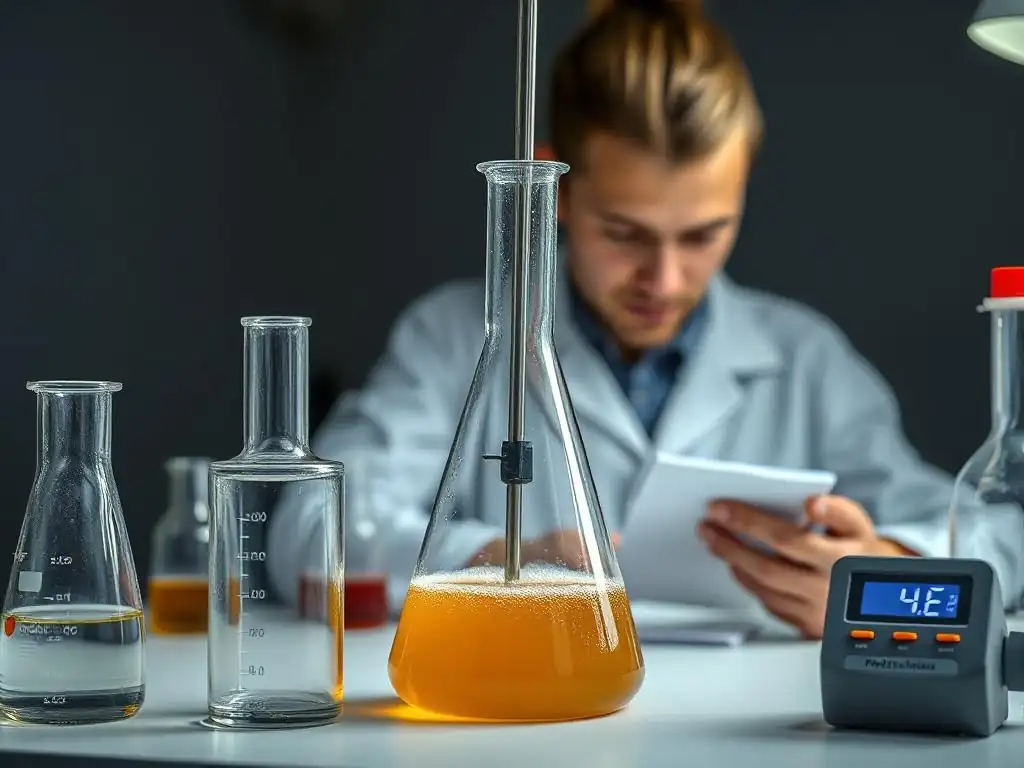
Sometimes, despite following a recipe, fermentation doesn't go as planned. Understanding how pH might be the culprit can help you diagnose and fix the problem. Many issues, from a sluggish rise to unpleasant flavors, can be traced back to a pH imbalance.
Identifying whether your dough is too acidic or too alkaline relative to the optimal range for yeast activity is the first step in troubleshooting. This is where having a basic understanding of yeast fermentation pH control principles comes in handy.
Slow Fermentation: Identifying and Correcting pH Imbalances
If your yeast dough is fermenting much slower than expected at the correct temperature, pH could be the issue. A pH meter or test strip can confirm suspicions. If the pH is too high (above 6.0), it indicates an overly alkaline environment that inhibits yeast. This could be due to very alkaline water or certain ingredients. Correcting this might involve using filtered or bottled water with a neutral pH, or in some cases, adding a tiny amount of acid like a drop of vinegar (use sparingly! ).
If the pH is too low (below 4.0) at the start of fermentation (less likely with commercial yeast unless using a very acidic pre-ferment or ingredients), the yeast may also be sluggish. This is more common in sourdough if the starter is excessively acidic and used in a very high proportion. In such cases, using a less acidic starter (fed more recently) or reducing the starter percentage might help. Achieving proper yeast fermentation pH control is key to a lively fermentation.
Off Flavors: Recognizing and Addressing pH Problems
Undesirable flavors in your baked bread can also be linked to pH. A common off-flavor associated with pH is a soapy or bitter taste, which often occurs when baking soda is used without sufficient acid to neutralize it, resulting in a high pH. This is less common in traditional yeast breads but can happen in hybrid recipes.
In sourdough, an excessively sharp, vinegary taste might indicate too much acetic acid production, often linked to fermentation at cooler temperatures or a very low final pH. While a certain tang is desired, an overpowering sourness can be unpleasant. Adjusting fermentation temperature or feeding schedule to influence the balance of lactic and acetic acid bacteria activity is part of yeast fermentation pH control in sourdough. A bland loaf with insufficient flavor depth might indicate that the pH didn't drop enough during fermentation to allow for the development of flavorful acids and compounds.
Advanced Techniques: Mastering Yeast Fermentation pH Control
For bakers seeking ultimate consistency and control, especially when developing specific bread characteristics, advanced techniques involving precise pH management can be employed. These methods are often used in professional bakeries but can also be explored by dedicated home bakers.
Understanding how to actively manipulate and stabilize dough pH goes beyond simply knowing the optimal range; it involves using ingredients and processes specifically designed to buffer or adjust acidity throughout the fermentation cycle. This level of yeast fermentation pH control allows for fine-tuning flavor, structure, and fermentation speed.
Using Buffers to Maintain Stable pH Levels
In chemistry, a buffer solution resists changes in pH when small amounts of acid or alkali are added. In baking, certain ingredients act as natural buffers, helping to stabilize the dough's pH and prevent it from dropping too quickly or too slowly. Proteins and certain starches in flour have buffering capacities.
Some professional bakers might use specific mineral additions or adjust water chemistry to influence the buffering capacity of their dough, thereby controlling the rate and extent of the pH drop during fermentation. This level of yeast fermentation pH control is particularly useful for long, slow fermentations where maintaining yeast health and enzyme activity over many hours is critical for flavor development and dough maturity. While not typical for the average home baker, understanding buffering helps explain why different flours or water sources can lead to variations in fermentation behavior.
pH Control in Baguette Production
Baguette production is a classic example where precise yeast fermentation pH control is paramount. Traditional baguettes often rely on a poolish (a wet pre-ferment) or a long, cold fermentation. The goal is to develop a complex flavor profile, an open, irregular crumb structure, and a thin, crisp crust.
The pH profile throughout the baguette process is carefully managed. The pre-ferment develops acidity, lowering the initial dough pH. The long, cold bulk fermentation allows for slow acid production by yeast and potentially LAB (even with commercial yeast, some LAB are present in flour).
The dough typically finishes fermentation in a specific slightly acidic range, often between pH 4.5 and 5.5. This final pH is crucial for optimal gluten extensibility, enzyme activity (which helps create sugars for crust browning), and the characteristic tangy flavor. Bakers often monitor pH to ensure the dough is "ripe" and within the correct range before shaping and proofing, ensuring consistent results and mastering yeast fermentation pH control for this iconic bread.
Conclusion: Mastering pH for Baking Success
Understanding how pH influences yeast fermentation and dough development is a powerful tool for any baker. It moves beyond simply following steps to truly grasping the science behind the rise, texture, and flavor of your baked goods. From the basic principles of the pH scale to the specific effects of acidic and alkaline ingredients, recognizing the role of pH unlocks new levels of control and consistency in your baking.
By paying attention to your ingredients, considering the impact of fermentation time and temperature on pH changes, and even exploring simple monitoring techniques like pH strips, you can actively engage in yeast fermentation pH control. This mastery allows you to troubleshoot common problems like slow rises or off-flavors and empowers you to intentionally manipulate your process to achieve specific results, whether it's the perfect tangy sourdough or a consistently light and airy commercial yeast loaf. Embrace the science of pH, and watch your baking reach new heights.
Frequently Asked Questions
What is the ideal pH range for yeast fermentation in baking?
The ideal pH range for yeast fermentation is generally between 4.5 and 6.0. This range allows for optimal yeast activity and gas production, crucial for leavening. Outside this range, fermentation can slow or stop.
Why is pH control important in yeast fermentation?
pH control is vital because it directly affects the yeast's enzyme activity. If the pH is too high or too low, the enzymes responsible for breaking down sugars are inhibited, leading to poor fermentation results.
How can I adjust the pH during dough fermentation if needed?
You can adjust pH by adding small amounts of acidic or alkaline ingredients. For example, a touch of lemon juice (acidic) can lower pH, while a pinch of baking soda (alkaline) can raise it, but be cautious and use sparingly.
What are some common signs that the pH of my dough is off?
Signs include slow or no rise, a sticky or slack dough, and an unpleasant sour or yeasty odor. These indicate that the yeast isn't functioning properly due to an imbalance in pH.
Where can I find reliable information on specific pH levels for different baked goods?
BakeWithEase.com is your go-to resource! We provide specific recipes and guides with recommended pH levels for various baked goods, ensuring consistent and successful fermentation.
Final Reflection: The Crucial Role of pH in Yeast Fermentation
Understanding the significance of pH in yeast fermentation is more relevant today than ever, as the quest for optimal fermentation processes continues to shape industries from brewing to baking. The delicate balance of acidity not only influences the efficiency of yeast activity but also impacts the flavor profiles and quality of the final products. As we delve deeper into the science of fermentation, it becomes clear that mastering pH control is essential for achieving desired outcomes in various applications.
The influence of pH on yeast fermentation extends beyond the laboratory and into our daily lives, affecting the foods we consume and the beverages we enjoy. The ongoing exploration of fermentation science has sparked a cultural renaissance in artisanal brewing and baking, where enthusiasts and professionals alike are embracing the nuances of pH to enhance their creations. The art of fermentation is a dance between science and creativity, where pH plays a pivotal role in the final performance.
This connection between science and culture underscores the importance of understanding pH levels, as they can make or break the fermentation process.
As you reflect on the insights shared in this article, consider how you can apply the principles of pH control in your own culinary adventures or brewing experiments. Embrace the challenge of mastering acidity, and let it inspire you to experiment and innovate. Whether you are a seasoned professional or a curious novice, remember that the journey of fermentation is not just about the end product, but also about the learning and growth that comes along the way. Take this knowledge and let it guide you toward new horizons in the world of yeast fermentation.
Unlock Your Baking Potential: Master Yeast & pH!
Thanks for diving deep into the fascinating world of yeast fermentation and pH! You've just gained valuable insights into a crucial aspect of baking success. Ready to put this knowledge into practice?
- Experiment with different flours: Try baking your favorite recipe with different types of flour to observe how pH variations affect the rise and overall taste. Note the differences and share your findings!
- Adjust your recipe's acidity: Try subtly altering the acidity of your dough (e.g., with a touch more lemon juice or vinegar) and see how it changes the fermentation process. Keep a detailed log of your observations!
- Join our baking community: Share your results and discuss your experiences with other passionate bakers in our comments section below. Let's learn together!
What unexpected discoveries will you make by experimenting with pH levels in your next baking project?