
Punching Down Dough: Its Surprising Impact on Fermentation

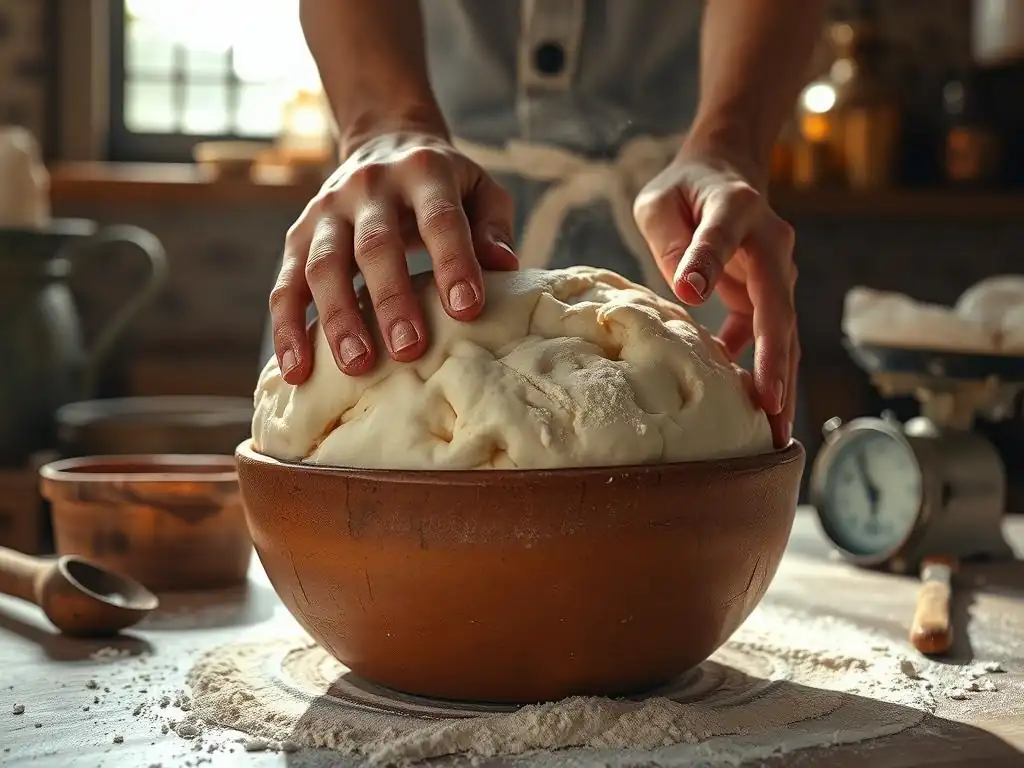
Welcome to BakeWithEase, where baking becomes a joy, not a chore! Ever wondered about the surprising science behind that satisfying thwack you give your dough? Our latest deep dive explores just that. Discover why punch down dough and how this seemingly simple act dramatically impacts fermentation, gluten development, and ultimately, the texture of your baked goods. Prepare to unlock the secrets behind consistently perfect results – let's get baking!
- Punching Down Dough: Its Impact on Fermentation - BakeWithEase.com
- Understanding Dough Fermentation
- Why Punch Down Dough?
- The Impact of Punching Down on Dough Structure
- How to Punch Down Dough Correctly
- The Science Behind Punching Down
- What Happens If You Don't Punch Down Dough?
- When Not to Punch Down Dough
- Alternative Methods to Punching Down Dough
- Punching Down Dough and Sourdough
- Conclusion: Mastering Punching Down for Optimal Fermentation
- Frequently Asked Questions
- Final Reflection: The Unexpected Alchemy of Punching Down Dough
- Unleash Your Inner Baker: Master the Art of Dough Punching!
Punching Down Dough: Its Impact on Fermentation - BakeWithEase.com
Introduction to Punching Down Dough
Baking bread is a journey filled with fascinating transformations, and one step that often sparks questions, especially for newcomers, is punching down the dough. This seemingly simple action, sometimes called 'degassing' or 'knocking back,' involves gently deflating the dough after its initial rise.
While it might feel counterintuitive to remove the gas you've worked so hard to create, understanding why punch down dough reveals its crucial role in achieving a beautiful, well-structured loaf. It's more than just a traditional step; it's a technique rooted in the science of fermentation, profoundly impacting the final texture, flavor, and rise of your baked goods.
This process isn't about being rough; it's a controlled release of carbon dioxide and a gentle manipulation of the dough's structure. Many bakers find this step satisfying, marking the transition from the first fermentation to the next stage of shaping and proofing. For anyone wondering, "Why punch down dough? ", the answer lies in its ability to manage the powerful forces at play during yeast activity, ensuring a more uniform and desirable outcome for everything from a simple white loaf to more complex enriched doughs.
Understanding Dough Fermentation
Dough fermentation is a vital biochemical process driven primarily by yeast, transforming simple ingredients into a complex matrix ready for baking. During this stage, yeast consumes sugars present in the flour (or added sugars) and produces carbon dioxide gas and alcohol as byproducts. This gas is trapped within the elastic network of gluten developed during mixing and kneading, causing the dough to rise and expand. The duration and temperature of fermentation significantly influence the flavor profile, as yeast and other microorganisms (especially in sourdough) produce organic acids and other aromatic compounds.
A successful first fermentation, often called the "bulk fermentation," typically involves the dough doubling or even tripling in volume depending on the recipe, yeast activity, and ambient temperature. For example, a standard bread dough might rise at room temperature (around 70-75°F or 21-24°C) for 1 to 2 hours. During this time, the gluten network stretches, accommodating the expanding gas bubbles. Managing this process is key to preventing the dough from becoming over-proofed and collapsing, which is where techniques like punching down come into play.
The Role of Yeast
Yeast, typically Saccharomyces cerevisiae in commercial baking, is a single-celled fungus responsible for alcoholic fermentation in dough. These tiny organisms are dormant in dry or compressed form and become active when hydrated in a warm, moist environment with available food (sugars). As they consume sugars, they release enzymes that break down complex carbohydrates in the flour into simpler sugars they can metabolize. The primary products of this metabolism are ethanol (alcohol) and carbon dioxide (CO₂).
The rate at which yeast works is highly dependent on temperature. Optimal activity for many commercial yeasts occurs between 75°F and 85°F (24°C and 30°C). Below this range, activity slows down, and above it, yeast can be killed (typically above 130°F or 54°C). Sufficient yeast activity is crucial not only for leavening the dough but also for developing complex flavors. A longer, slower fermentation at cooler temperatures often results in a more nuanced flavor profile compared to a rapid rise at warmer temperatures.
The Importance of Gas Production
The production of carbon dioxide gas is fundamental to dough leavening. As yeast produces CO₂, the gas gets trapped within the gluten network, creating pockets that expand and cause the dough to increase in volume. This expansion is what gives bread its light, airy texture. Without adequate gas production and retention, the dough would remain dense and flat.
The gluten network, formed by proteins in the flour (glutenin and gliadin) when hydrated and worked, acts like a balloon, holding the gas. The elasticity and extensibility of this network are critical. If the gluten is too weak, it cannot trap the gas effectively, and the dough won't rise well.
If it's too strong or tight, it can resist expansion, leading to a dense crumb. Managing the balance between gas production and the strength of the gluten network is a core aspect of successful bread making, and techniques like kneading, resting, and yes, punching down, are all part of this management.
Stages of Fermentation
Dough fermentation typically occurs in multiple stages, although the terminology can vary. The most common structure includes:
- Bulk Fermentation (First Rise): This is the initial period after mixing and kneading where the entire mass of dough ferments. It usually lasts from 1 to several hours, during which the dough significantly increases in volume, often doubling or tripling. This stage is critical for developing flavor and strengthening the gluten structure through enzyme activity and natural stretching from gas expansion.
- Punching Down/Degassing: An intermediate step, performed after the bulk fermentation. As we'll explore, this step is optional for some doughs but traditional for many, serving to release excess gas, equalize temperature, and redistribute yeast and nutrients.
- Dividing and Shaping: After punching down (if done), the dough is portioned and formed into its final shape (loaves, rolls, etc. ).
- Proofing (Final Rise): This is the final fermentation period after shaping, where the dough rises again before baking. It's typically shorter than the bulk fermentation (e.g., 30-90 minutes) and aims for about a 50-80% increase in volume. Over-proofing at this stage can lead to collapse in the oven.
Understanding these stages helps bakers control the process. For instance, knowing that yeast activity slows in the refrigerator allows for long, cold bulk fermentations (e.g., 12-48 hours) that develop exceptionally complex flavors, even if the visual rise is slower.
Why Punch Down Dough?
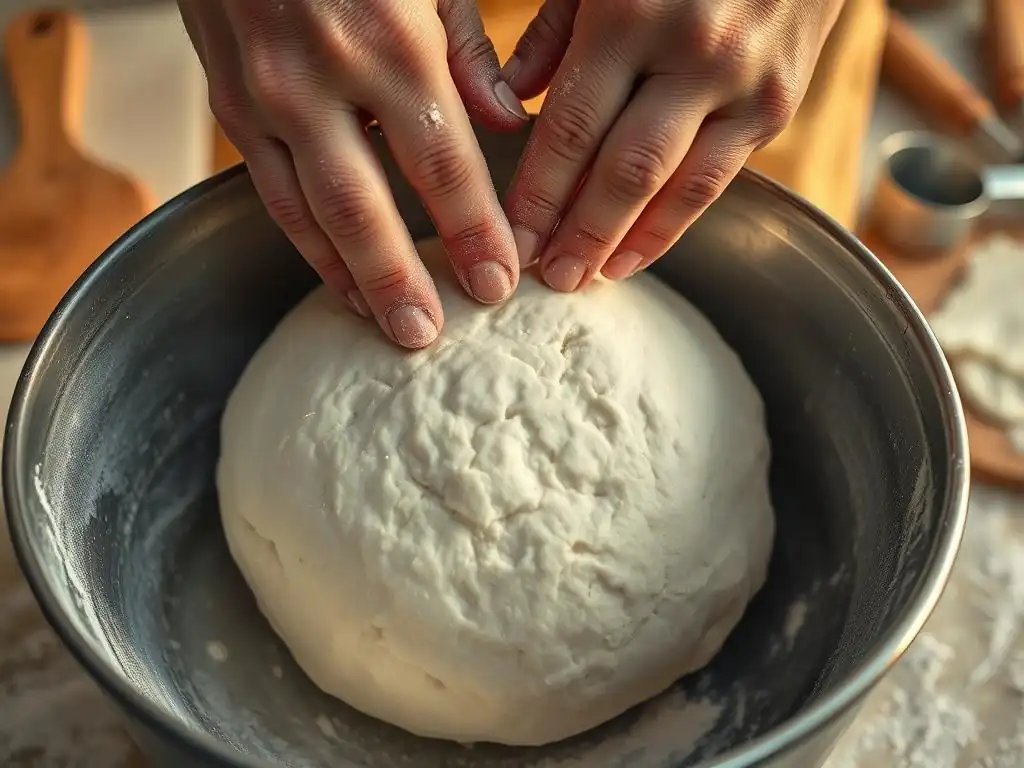
The question, "Why punch down dough?" is central to understanding this traditional baking step. While some modern techniques minimize or omit it, it serves several important functions in classic bread recipes. Fundamentally, it's a method of managing the dough's internal environment and structure after a significant period of fermentation has occurred. It helps control the pace of the next stage of fermentation and prepares the dough for shaping by making it more manageable.
The primary reasons for incorporating a punch down include releasing accumulated gases, redistributing the yeast cells and their food source, equalizing the dough's temperature, and further developing the gluten structure. Each of these factors contributes to a more consistent rise, improved texture, and often a better overall loaf quality. It's a physical intervention that directly influences the biological and chemical processes happening within the dough mass.
Reasons for Punching Down
There are several key reasons why bakers choose to punch down dough after the first rise. These benefits are interconnected and contribute to a more predictable and desirable baking outcome. Understanding these functions helps demystify this step and clarifies why it remains a common practice in many bread-making traditions.
Here are the primary reasons:
- Releasing excess carbon dioxide.
- Redistributing yeast and nutrients.
- Equalizing dough temperature.
- Strengthening the gluten network.
- Making shaping easier.
Let's delve into each of these points to fully appreciate the impact of this step. For example, releasing excess gas prevents the formation of excessively large, irregular air pockets in the final loaf and helps prevent the dough from collapsing under its own weight if it's on the verge of over-proofing during bulk fermentation.
Releasing Excess Gas
During bulk fermentation, yeast produces a significant volume of carbon dioxide. As the dough rises, the gluten network stretches to accommodate this gas. If the dough is allowed to rise too much without intervention, the gluten can become overly stretched and thin, potentially leading to large, uneven holes in the final crumb structure or even collapse. Punching down the dough gently deflates it, releasing a large portion of the accumulated CO₂.
This degassing action allows the gluten network to relax slightly and then retighten during the subsequent rest and proofing periods. It prevents the largest bubbles from dominating and encourages the formation of smaller, more uniform pockets of gas during the final rise. This contributes to a finer, more consistent crumb texture throughout the loaf, which is often desired in traditional sandwich breads or rolls. While some recipes intentionally seek large, open holes (like ciabatta or some artisan loaves), for many standard bread types, controlled degassing is beneficial.
Redistributing Yeast
As yeast cells actively ferment, they multiply and consume the sugars in their immediate vicinity. Over time, pockets of higher yeast concentration and depleted sugar levels can form within the dough mass. Punching down the dough effectively remixes the yeast cells throughout the dough, bringing them into contact with fresh supplies of sugar (food) and oxygen (initially present in the dough, though quickly consumed).
This redistribution helps to ensure that the yeast activity is more uniform throughout the dough during the subsequent proofing stage. It provides the yeast with renewed energy, allowing for a more vigorous and even final rise. Think of it like stirring a mixture to ensure all components are evenly distributed; it promotes consistent activity across the entire volume of dough, leading to a more predictable rise in the proofing basket or on the baking sheet.
Equalizing Temperature
Even in a controlled environment, dough can develop temperature variations. The center of a large mass of dough may be slightly warmer than the edges, especially during active fermentation which generates a small amount of heat. These temperature differences can lead to uneven yeast activity – faster where it's warmer, slower where it's cooler.
Punching down and briefly handling the dough helps to equalize the temperature throughout the mass. By folding and manipulating the dough, warmer parts are mixed with cooler parts, creating a more uniform temperature profile. This promotes more consistent yeast activity during the final proof, resulting in a more even rise and preventing some sections of the loaf from rising faster or slower than others. This is particularly relevant for larger batches of dough.
The Impact of Punching Down on Dough Structure
Beyond managing fermentation gases and yeast, punching down also has a significant effect on the physical structure of the dough itself, specifically its gluten network. While the majority of gluten development occurs during initial mixing and kneading, subsequent handling during fermentation stages, including punching down and folding, continues to refine and strengthen this network. This contributes to the dough's ability to hold its shape and trap gases effectively during the final rise and baking.
The mechanical action of punching down and folding the dough helps to realign and strengthen the gluten strands that may have been stretched and weakened by the expanding gas bubbles during the first rise. This leads to a more robust and elastic dough that is easier to handle, shape, and will provide better oven spring. Understanding this structural impact is another crucial part of answering why punch down dough is a valuable technique for many bread types.
Gluten Development
Gluten development is a continuous process that starts when water is added to flour and continues through mixing, kneading, and fermentation. During the initial rise, the expanding gas bubbles naturally stretch the gluten network. While this stretching contributes to extensibility, the network can become somewhat disorganized and weakened if not managed.
Punching down, particularly when combined with folding techniques, helps to reorganize the gluten strands. Imagine the gluten network as a tangled mass of elastic bands. Kneading starts to align them, and fermentation stretches them. Punching down and folding acts like giving the elastic bands a gentle pull and fold, encouraging them to align more neatly and form stronger, more cohesive sheets. This results in a gluten structure that is both extensible enough to expand with gas and elastic enough to hold its shape, leading to a better rise and crumb structure.
Strengthening the Dough
The realignment and tightening of the gluten network during punching down effectively strengthens the dough. A stronger dough can support more weight and trap gas more efficiently. This is particularly important for larger loaves or doughs with inclusions like nuts or seeds, which can weigh down the structure.
A dough that has been adequately strengthened through proper gluten development and techniques like punching down will have better 'oven spring' – the final burst of rising that occurs in the oven's initial heat. This happens because the strong, elastic gluten network can withstand the rapid expansion of gases and steam before the structure sets. Conversely, a weak dough might collapse or spread out rather than rising upwards in the oven. This strengthening is a key benefit that explains why punch down dough is a standard practice in many robust bread recipes.
Improving Dough Elasticity
Elasticity is the dough's ability to spring back to its original shape after being stretched. Alongside extensibility (the ability to stretch without breaking), elasticity is a critical property of well-developed dough. During the first rise, the dough becomes very extensible but can lose some of its snap or elasticity as the gluten stretches.
Punching down and folding helps restore some of this elasticity. By gently deflating and reforming the dough mass, the gluten strands are brought closer together, allowing them to recoil more effectively. A dough with good elasticity is easier to handle and shape because it resists sticking and holds the tension created during shaping. This tension is vital for creating a loaf with good structure and a clean seam, which further contributes to a good rise in the oven. Improving elasticity is a direct result of the gluten realignment facilitated by punching down.
How to Punch Down Dough Correctly
Punching down dough isn't about aggression; it's a gentle yet firm process designed to deflate the dough and prepare it for the next stage. The goal is to release the accumulated carbon dioxide without completely destroying the delicate gluten network or expelling all the gas – some gas is needed for the subsequent proofing. The technique involves gently pressing the dough and then often folding it onto itself.
Different bakers have slightly different methods, but the core principle remains the same: reduce the volume, redistribute the internal components, and tighten the structure slightly. It should feel responsive and less airy after the punch down but still pliable. Overly rough handling can damage the gluten, so a gentle approach is best.
Gently Deflating
The first step in punching down is to gently deflate the risen dough. You can do this directly in the fermentation bowl. Lightly flour your hands if the dough is sticky. Then, using the flats of your hands or your fingertips, gently press down on the center of the dough mass. Work your way outwards towards the edges, pressing gently to push the gas out. Avoid punching or hitting the dough forcefully, as this can be too harsh on the gluten structure.
The dough will visibly shrink as the gas is expelled. It will become denser and less inflated. While you are releasing a significant amount of CO₂, you won't remove every single bubble, nor should you aim to. The goal is to manage the volume and structure, not to return the dough to its pre-fermentation state. This gentle deflation is key to maintaining the integrity of the gluten network while achieving the desired reduction in volume.
Folding the Dough
After the initial deflation, it's beneficial to fold the dough onto itself. This step helps to further redistribute the yeast and nutrients, equalize temperature, and continue to strengthen the gluten network. Turn the dough out onto a lightly floured surface if you prefer, or you can often perform folds directly in the bowl.
Fold the edges of the dough into the center. For example, you can fold the top edge down to the center, then the bottom edge up to the center, and finally the sides in. You can repeat this process once or twice, turning the dough as you go, until it forms a relatively smooth ball or mass again. This folding action is where much of the structural benefit of punching down comes from, helping to create layers and tension within the dough. It's this combination of deflation and folding that makes the dough more manageable for shaping.
Returning to Fermentation Bowl
Once the dough has been gently deflated and folded, it should be returned to its fermentation bowl (which can be lightly oiled or floured if needed) to rest before dividing or shaping. This brief rest period, sometimes called an intermediate proof or bench rest (if done after dividing), allows the gluten to relax slightly after being handled and tightened.
Cover the bowl again to prevent the dough from drying out. The dough will begin to rise again relatively quickly as the remaining yeast continues to produce gas, now with better access to food and oxygen due to the redistribution. The duration of this rest depends on the recipe and subsequent steps, but it's typically shorter than the initial bulk fermentation. This period allows the dough to become pliable and ready for the next step: portioning and shaping into the final loaves or rolls.
The Science Behind Punching Down
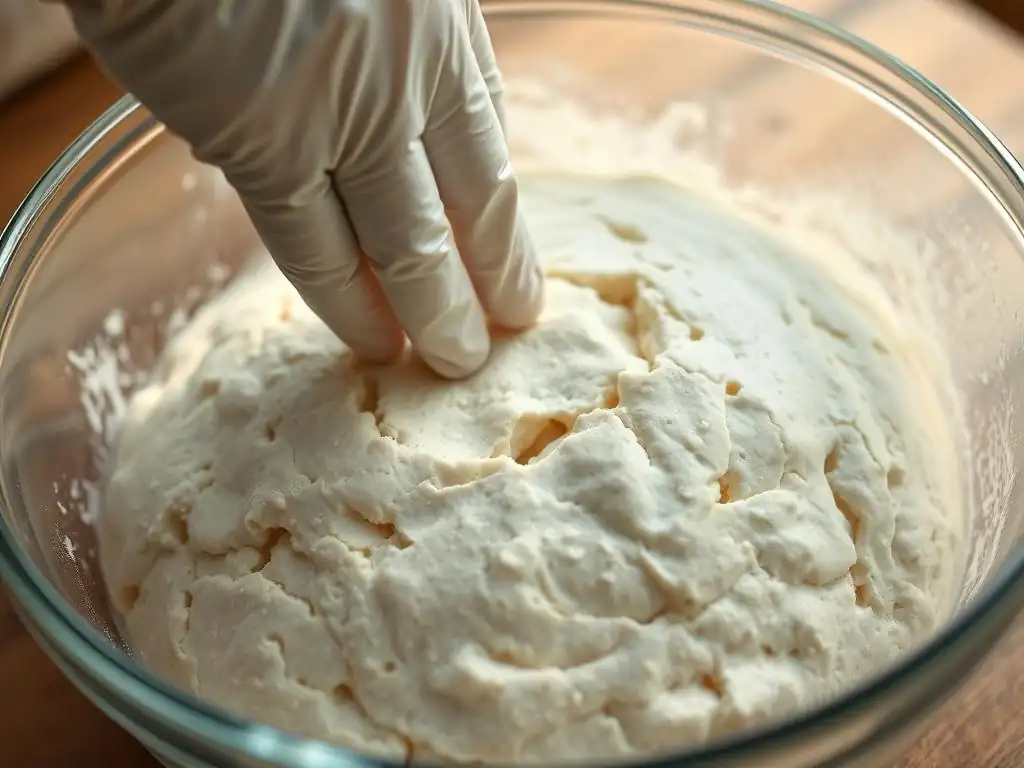
Delving deeper into the science reveals precisely why punch down dough has the effects it does on fermentation and the final product. It's not just about physical manipulation; it influences the chemical environment within the dough, impacting flavor development and the dough's readiness for baking. Understanding these underlying scientific principles provides a clearer picture of the subtle yet significant changes occurring within the dough mass.
The release of CO₂, the change in acidity levels, and the ongoing activity of enzymes are all affected by the act of punching down. This interaction of physical action and biological/chemical processes is what makes baking such a fascinating blend of art and science. Let's explore how punching down influences these specific aspects of the dough.
CO2 Release and Flavor
As yeast ferments sugars, it produces carbon dioxide and ethanol. While CO₂ is responsible for the rise, ethanol contributes to flavor and aroma. Other volatile organic compounds are also produced during fermentation, contributing to the bread's complex taste. When you punch down dough, you release a significant amount of the accumulated CO₂ and some of these volatile compounds, including ethanol.
While releasing some flavor compounds might seem counterintuitive, it also allows for a refresh within the dough. The act of punching down and exposing the dough to air can provide a small amount of oxygen, which can briefly stimulate yeast activity and the production of different flavor compounds. Moreover, by managing the rise, you ensure the fermentation doesn't proceed too rapidly or unevenly, which could lead to off-flavors. The controlled release helps maintain a balanced fermentation environment for the flavors to continue developing optimally during the final proof.
Acidity Levels
During fermentation, yeast produces organic acids (like lactic and acetic acids, especially in sourdough fermentation, but also to a lesser extent in commercial yeast doughs). These acids contribute significantly to the bread's flavor profile and also affect the gluten structure, slightly softening it over time. As CO₂ accumulates, it dissolves in the dough's water content, forming carbonic acid, which also contributes to acidity.
Punching down releases a large portion of the dissolved CO₂, which can cause a slight, temporary decrease in carbonic acid and thus a minor shift in the dough's pH. While this change might be subtle, it's part of the overall chemical environment management. More importantly, by redistributing yeast and providing fresh food, punching down can help maintain a healthy fermentation pace where acid production continues steadily rather than stalling or becoming unbalanced due to localized depletion of resources.
Enzyme Activity
Flour contains enzymes, notably amylase, which break down starches into simpler sugars that yeast can ferment. These enzymes are active throughout the fermentation process. The temperature and pH of the dough influence enzyme activity.
Punching down helps to equalize the temperature within the dough mass, ensuring that enzyme activity remains consistent throughout. By redistributing moisture and nutrients, it also ensures that enzymes have continuous access to their substrates (starches). While the primary impact of punching down is on yeast and gluten, its role in maintaining a uniform internal environment supports optimal enzyme function, which in turn aids yeast activity and contributes to the dough's overall development and readiness for baking.
What Happens If You Don't Punch Down Dough?
While punching down is a common step, it's not strictly necessary for all doughs or desired in all baking styles. However, for many traditional bread recipes, omitting this step can lead to several potential problems affecting the final texture, rise, and even flavor of the loaf. Understanding these potential issues helps explain why punch down dough is included in so many instructions and when you might choose to skip it.
The consequences of not punching down often relate to uncontrolled gas expansion, uneven distribution of yeast activity, and potential structural weaknesses. These can manifest in various ways, from a loaf that collapses to one with an undesirable crumb structure.
Potential Problems
If you skip punching down in a recipe where it's typically included, you might encounter issues such as:
- Over-proofing: The dough may continue to rise unchecked, potentially exhausting the yeast and leading to collapse.
- Uneven crumb structure: Large, irregular air pockets might form alongside dense areas.
- Weakened gluten: The gluten network can become overstretched and unable to support the final rise.
- Less predictable rise: The final proof and oven spring might be less consistent.
- Difficulty in shaping: The dough can be too puffy and delicate to handle easily.
For example, in a standard white bread recipe designed for two rises and a punch down, omitting the punch down could result in a loaf that initially looks very large after the first rise, but then struggles to hold its structure during shaping and might not achieve a good final rise or oven spring, leading to a denser loaf than intended.
Over-Proofing
One of the most significant risks of not punching down is allowing the dough to over-proof during the bulk fermentation. As yeast continues to produce gas, the dough expands. The gluten network can only stretch so far. If the dough rises too much, the gluten becomes thin and weak. At this point, the dough can collapse under its own weight or upon even gentle handling.
An over-proofed dough often smells strongly of alcohol, feels fragile and may deflate easily when touched. If baked, it typically results in a dense loaf with a poor rise and potentially a gummy texture. Punching down acts as a reset button, releasing excess gas and giving the gluten a chance to recover and reorganize, thus preventing the dough from reaching this fragile, over-stretched state during the bulk fermentation. It helps manage the pace and extent of the initial rise.
Uneven Texture and Flavor
Without punching down, the gas bubbles created during the first rise can become very large and dominant in certain areas of the dough. When the dough is eventually shaped and baked, these large bubbles can persist, resulting in a crumb structure with large, irregular holes next to areas that are dense and lacking aeration. This lack of uniformity is often undesirable in many types of bread.
Furthermore, the uneven distribution of yeast and nutrients that can occur without remixing can lead to variations in fermentation activity throughout the dough mass. Some areas might ferment faster than others, potentially leading to localized depletion of sugars and uneven development of flavor compounds. Punching down helps create a more homogeneous environment, promoting a consistent crumb texture and a more balanced flavor profile throughout the entire loaf. This is a key aspect of why punch down dough is valued for consistency.
When Not to Punch Down Dough
While punching down is beneficial for many doughs, it's not a universal requirement and can actually be detrimental to certain types of dough or specific baking processes. Modern artisan bread techniques, in particular, often minimize or omit punching down in favor of gentler handling or alternative methods like folding. Knowing when not to punch down is just as important as knowing why punch down dough in other contexts.
The decision to skip the punch down often depends on the desired final texture, the hydration level of the dough, and the length of the fermentation period. Very delicate or wet doughs can be easily damaged by aggressive degassing, and long, slow fermentations may not require the same level of intervention.
Delicate Doughs
Some doughs are intentionally kept very delicate to achieve a specific light and airy texture. Examples include brioche, challah, or certain enriched doughs that are high in fat (like butter) and eggs. These ingredients can tenderize the gluten network, making it more fragile compared to a lean bread dough made only with flour, water, salt, and yeast.
Aggressively punching down a delicate dough can easily damage the weakened gluten structure, causing it to lose its ability to hold gas and result in a dense, heavy final product. For these doughs, if any degassing is needed at all, it's usually done with extremely gentle handling, perhaps just easing the dough out of the bowl rather than actively pressing it down. The focus is on preserving the tenderness.
Long Fermentation Processes
When dough undergoes a long, slow fermentation, especially a cold fermentation in the refrigerator (e.g., 12-48 hours), the yeast activity is much slower. This slower pace allows for a more gradual production and accumulation of gas. The gluten network has ample time to slowly stretch and relax without becoming over-stressed.
In these long fermentations, the need to release excess gas and redistribute yeast is often less critical. The slower process inherently leads to more uniform yeast distribution and less drastic gas accumulation over a given time period compared to a rapid room-temperature rise. Many recipes employing long, cold fermentation skip the punch down entirely, relying instead on gentle shaping or minimal handling to preserve the delicate structure created by the slow rise.
High-Hydration Doughs
High-hydration doughs, containing a high percentage of water relative to flour (e.g., 75% hydration or higher), are typically very wet and slack. These doughs are often handled differently than drier doughs, relying more on techniques like "stretch and fold" during the bulk fermentation to build strength.
Punching down a very wet, slack dough in the traditional sense can be messy and counterproductive. The goal with high-hydration doughs is often to preserve the large, irregular gas bubbles that contribute to an open, airy crumb structure (like in ciabatta or many sourdough loaves). Aggressively degassing these doughs would destroy these desirable large bubbles. Instead of punching down, bakers working with high-hydration doughs usually opt for very gentle handling, minimal degassing during shaping, or alternative methods like coil folds (discussed below) that build structure without expelling much gas.
Alternative Methods to Punching Down Dough
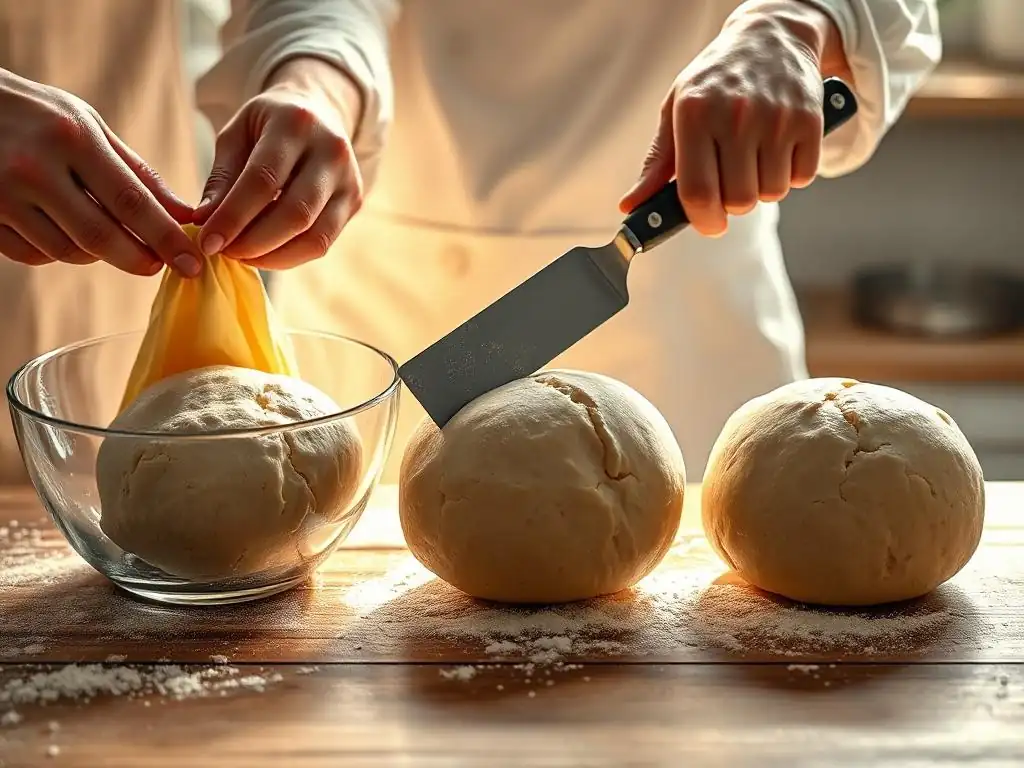
While punching down is a specific technique, its core functions – managing gas, strengthening gluten, and redistributing yeast – can be achieved through alternative methods, particularly folding techniques. These methods are often favored in modern artisan bread making, especially for wetter or more delicate doughs, as they are generally gentler than a traditional punch down. They allow bakers to build dough strength and manage fermentation without aggressively deflating the dough.
Understanding these alternatives provides flexibility in bread making and allows bakers to choose the best method for the specific dough and desired outcome. They achieve similar goals to punching down but through different means, often resulting in a slightly different crumb structure or handling experience.
Folding Techniques
Folding dough during bulk fermentation is a popular alternative or supplement to punching down. Techniques like "stretch and fold" involve gently stretching a portion of the dough up and folding it back over the main mass. This is typically repeated several times (e.g., 4-6 folds) around the dough mass. These folds are usually performed periodically during the bulk fermentation (e.g., every 30-60 minutes for the first couple of hours).
Folding helps to build strength and tension in the gluten network gradually. It also helps to redistribute yeast and nutrients and can expel some, but not all, of the gas. Compared to a single, aggressive punch down, multiple gentle folds over time build strength progressively while being less disruptive to the existing gas structure. This often results in a more open and irregular crumb structure compared to dough that has been heavily punched down.
Degassing Strategies
Even when not performing a full punch down, some level of degassing is often necessary, especially during shaping. Simply turning the dough out of the bowl onto the workbench will usually cause some deflation. During shaping, gentle pressing and handling naturally expel some gas.
The amount of degassing during shaping can be controlled by the baker. For a more open crumb, minimal handling is used. For a tighter, more uniform crumb, the dough might be gently pressed or rolled more firmly during shaping to expel more gas. This controlled degassing during shaping allows the baker to influence the final crumb structure without the potential shock to the dough that a mid-fermentation punch down can sometimes cause.
Coil Folds
Coil folds are a specific type of folding technique often used for high-hydration doughs. Instead of stretching the dough up from the edges, the dough is lifted from the center using wet hands, allowing the edges to fold underneath the mass like a coil. This is repeated from different sides.
Coil folds are extremely gentle on the dough and primarily serve to build strength and tension from the bottom up. They cause very minimal degassing compared to traditional punching down or even standard stretch and folds. This makes them ideal for doughs where preserving maximum gas volume and achieving a very open crumb structure is the goal. They achieve the benefit of strengthening the dough and redistributing yeast with minimal disruption to the gas bubbles.
Punching Down Dough and Sourdough
Sourdough fermentation is a more complex process than commercial yeast fermentation, involving a symbiotic culture of wild yeasts and lactic acid bacteria. While the principles of managing gas and dough structure remain similar, the presence of bacteria adds another layer of complexity, particularly regarding acid production and its effect on gluten. The question, "Why punch down dough?" is relevant for sourdough, but the approach might differ slightly due to the unique characteristics of the starter and the longer fermentation times often involved.
Sourdough doughs typically ferment more slowly than commercial yeast doughs, especially when using traditional methods involving long bulk ferments. This slower pace, combined with the acid production from bacteria, influences how the dough behaves and responds to handling, including punching down or alternative folding techniques.
Sourdough Fermentation
Sourdough fermentation relies on a 'starter,' a living culture of wild yeasts and lactic acid bacteria thriving in a flour and water mixture. The wild yeasts, like Saccharomyces cerevisiae (though often different strains than commercial yeast) and others, produce CO₂ for leavening and ethanol. The lactic acid bacteria, primarily Lactobacillus species, produce lactic acid and acetic acid.
This dual fermentation process contributes significantly to the characteristic tangy flavor of sourdough bread. The acids produced also affect the gluten network; they can help strengthen it initially but can also degrade it over very long fermentation periods if not managed. Sourdough bulk fermentation is often longer than commercial yeast bulk fermentation (e.g., 4-12 hours at room temperature or much longer in the refrigerator) to allow sufficient acid development for flavor.
Punching Down Sourdough
Whether or not to punch down sourdough dough is a matter of baker's preference and the specific recipe. Many sourdough bakers prefer gentler techniques like stretch and folds or coil folds performed periodically during the bulk fermentation (e.g., every 30-60 minutes for the first 2-3 hours) rather than a single, aggressive punch down. These methods build strength gradually while preserving more of the gas and promoting a more open crumb structure often desired in artisan sourdough.
However, some sourdough recipes, particularly those aiming for a tighter crumb or using faster fermentation schedules, do include a punch down. If punching down sourdough, it should be done gently, similar to commercial yeast dough. The rationale remains the same: manage gas, redistribute yeast and bacteria, equalize temperature, and build structure. The acids in sourdough can make the dough slightly more extensible but potentially less elastic over time, so building tension through folding or a gentle punch down can be beneficial.
Maintaining Starter Activity
The health and activity of your sourdough starter are paramount to successful sourdough baking. A vigorous starter, properly fed and at its peak, will ensure sufficient leavening power and acid production. While punching down is a step performed on the dough, not the starter itself, the overall fermentation process relies entirely on the starter's performance.
Ensuring your starter is active involves regular feeding with fresh flour and water, keeping it at an appropriate temperature, and discarding portions to maintain a manageable size and healthy microbial balance. A well-maintained starter will provide the necessary yeast and bacteria to make the dough rise and develop flavor, whether you choose to punch down the dough or use alternative folding techniques. The vigor of the starter dictates the pace of fermentation and the dough's ability to recover and rise after any handling, including degassing.
Conclusion: Mastering Punching Down for Optimal Fermentation
Understanding why punch down dough is a valuable skill in the baker's repertoire. This seemingly simple action is a powerful technique for managing the complex biological and chemical processes occurring during fermentation. By gently deflating the dough, you achieve multiple goals: releasing excess carbon dioxide, redistributing yeast and nutrients, equalizing temperature, and strengthening the crucial gluten network. These actions work together to promote a more even rise, a finer, more consistent crumb texture, and improved handling properties, ultimately contributing to a better-quality loaf.
While punching down is a traditional method with clear benefits for many classic bread types, it's also important to recognize that it's not the only way to manage dough during fermentation. Alternative methods like stretch and folds or coil folds offer gentler ways to build strength and manage gas, often preferred for high-hydration or delicate doughs and in artisan baking styles aiming for a very open crumb. The key takeaway is that controlling the dough's environment and structure after the initial rise is critical, whether through punching down or alternative techniques.
Key Takeaways
- Punching down releases excess CO₂ and prevents over-proofing and large, irregular bubbles.
- It redistributes yeast and nutrients, promoting even fermentation and rise.
- The action helps equalize dough temperature, leading to consistent activity.
- Punching down and folding strengthens the gluten network, improving structure, elasticity, and oven spring.
- Knowing when not to punch down (delicate doughs, long ferments, high hydration) is crucial.
- Alternative methods like folding offer gentler ways to achieve similar benefits.
- Mastering dough management after the first rise, whether through punching down or folds, is essential for achieving baking success.
Achieving Baking Success
Ultimately, the goal is to bake delicious bread with a desirable texture. Incorporating the punch down step, when appropriate for your recipe, is a time-tested method to help achieve this. It allows you to take control of the fermentation process, guiding the dough towards a predictable and successful outcome. Experiment with different doughs and techniques, pay attention to how the dough feels and behaves after handling, and you'll develop an intuitive understanding of how best to manage fermentation for your baking projects. BakeWithEase is here to support your journey as you master these techniques and bake with confidence!
Frequently Asked Questions
Why is punching down dough necessary?
Punching down dough helps to release built-up carbon dioxide produced during fermentation, preventing it from becoming too airy and potentially collapsing. This also helps to redistribute nutrients for the yeast, promoting further, even fermentation.
What happens if I don't punch down my dough?
If you skip punching down, your dough may become overly proofed and have a sour, unpleasant flavor. The structure might also be too weak to support itself during baking, resulting in a flat, dense loaf.
When should I punch down my dough?
You should punch down dough after it has doubled in size during the first proofing. This typically takes about an hour or two, depending on the recipe and the ambient temperature.
How do I properly punch down dough?
Use your fist to gently but firmly deflate the dough, pushing it down to release the trapped air. Then, fold the dough over itself a few times to reshape it before proceeding with the recipe.
Does punching down dough affect the final texture of the baked product?
Yes, punching down dough influences the final texture. It helps to create a more even crumb structure and prevents large air pockets, contributing to a better overall texture in the baked product.
Final Reflection: The Unexpected Alchemy of Punching Down Dough
The seemingly simple act of punching down dough is far more than a culinary chore; it's a crucial step in the complex dance of fermentation, directly impacting the final texture and flavor of our bread. Understanding this process allows us to move beyond rote recipe following and into a deeper appreciation for the artistry of baking. The impact of this seemingly minor action reverberates throughout the entire baking process, influencing everything from gluten development to the final rise.
The act of punching down dough, for me, represents a tangible connection to a long history of bread making. It's a physical manifestation of the patience and precision required to coax life from simple flour and water. Bread is the staff of life,
a simple phrase, yet it encapsulates the profound significance of this fundamental food and the processes involved in its creation. The subtle changes in dough texture and aroma during and after punching down are a testament to the ongoing, dynamic interaction between yeast, flour, and the baker's hand.
Consider the implications of this knowledge. You now hold the power to influence the very character of your bread. By understanding the "why" behind punching down dough, you're not just following instructions; you're participating in a centuries-old tradition, actively shaping the outcome of your baking endeavors. So, the next time you punch down your dough, take a moment to appreciate the alchemy unfolding before you – the subtle shift in texture, the release of trapped gases, the promise of a perfectly risen loaf. Embrace the process, and discover the joy of truly understanding your craft.
Unleash Your Inner Baker: Master the Art of Dough Punching!
Thanks for exploring the surprising world of dough punching and its impact on fermentation! You've now unlocked a key to creating even more delicious and textured bread. Ready to put your newfound knowledge into practice?
- Punch your dough with confidence: Time your next dough punch perfectly, based on the insights you've just gained, and experience the difference in your bake. Notice the improved texture and flavor!
- Share your dough-punching journey: Snap a photo of your perfectly punched dough and share it on social media – tag us and inspire others! We'd love to see your creations.
- Explore advanced techniques: Dive deeper into different dough types and experiment with varying punch times to see how they influence your results. What new textures will you discover?
So, what unexpected benefits will your next dough punch reveal? Let's hear about it in the comments!