
Sugar Types and the Maillard Reaction: Sucrose vs. Fructose vs. Glucose

Welcome to BakeWithEase, your guide to unlocking baking brilliance! Ever wondered how different sugars transform your baked goods, creating that perfect golden-brown crust and irresistible flavor? Dive into our Baking Science Deep Dive as we explore the fascinating world of Sugar Types and the Maillard Reaction. Discover how sucrose, fructose, and glucose interact to create culinary magic and learn how to harness their power for unparalleled baking results. Ready to unlock the secrets?
- Understanding the Maillard Reaction in Baking: The Role of Sugar
- Exploring Different Sugar Types for Baking
- Sucrose vs. Fructose vs. Glucose: A Comparative Analysis of Maillard Reaction Impact
- Optimizing the Maillard Reaction with Different Sugar Combinations
- Factors Influencing the Maillard Reaction Beyond Sugar Types
- Troubleshooting Maillard Reaction Issues in Baking
- Conclusion: Mastering Sugar Types for Perfect Maillard Browning in Baking
-
Frequently Asked Questions
- What is the Maillard reaction and why is it important in baking?
- How do different sugar types (sucrose, fructose, glucose) affect the Maillard reaction?
- Does the type of sugar used impact the texture of baked goods besides browning?
- Can I substitute one sugar type for another in a recipe without affecting the outcome?
- Are there any specific sugar types recommended for achieving a deep, rich color in baked goods?
- Final Reflection: The Sweet Science of Browning and Beyond
- Unlock Your Baking Potential: Mastering Sugar's Secrets
Understanding the Maillard Reaction in Baking: The Role of Sugar
What is the Maillard Reaction and Why Does it Matter in Baking?
The Maillard reaction is a complex series of chemical reactions that occur when amino acids and reducing sugars are heated together, typically above 140°C (284°F). It's not just about color; this reaction is responsible for the development of hundreds of distinct flavor compounds and the characteristic aroma and golden-brown crust we associate with perfectly baked goods. Think about the difference between raw dough and a beautifully browned loaf of bread, or the rich, complex notes in a baked cookie. Much of that transformation is thanks to the Maillard reaction.
In the context of baking, the Maillard reaction is crucial for achieving desirable sensory qualities. Without it, baked goods would remain pale, lack depth of flavor, and miss that appealing aroma. It contributes significantly to the overall eating experience, turning simple ingredients into delicious treats. Mastering the factors that influence this reaction, including the sugar types Maillard reaction participants, is key to consistent and successful baking results.
The Importance of Reducing Sugars in the Maillard Reaction
At the heart of the Maillard reaction is the interaction between an amino acid and a reducing sugar. A reducing sugar is any sugar that has a free aldehyde or ketone group, allowing it to react with amino acids. Common reducing sugars relevant to baking include glucose (dextrose), fructose, maltose, and lactose. Sucrose, common table sugar, is not a reducing sugar because its reactive groups are tied up in the bond between glucose and fructose.
However, sucrose still plays a vital role because under the heat and slightly acidic conditions of baking, it readily hydrolyzes (breaks down) into its constituent reducing sugars: glucose and fructose. This breakdown makes the necessary reactive molecules available for the Maillard reaction to proceed. Therefore, while sucrose itself doesn't directly participate, its breakdown products, glucose and fructose, are essential players in the browning and flavor development process driven by the Maillard reaction in many baked goods. Understanding which sugars are reducing sugars helps predict and control the browning process.
Exploring Different Sugar Types for Baking
Sucrose: Table Sugar and its Impact on Maillard Browning
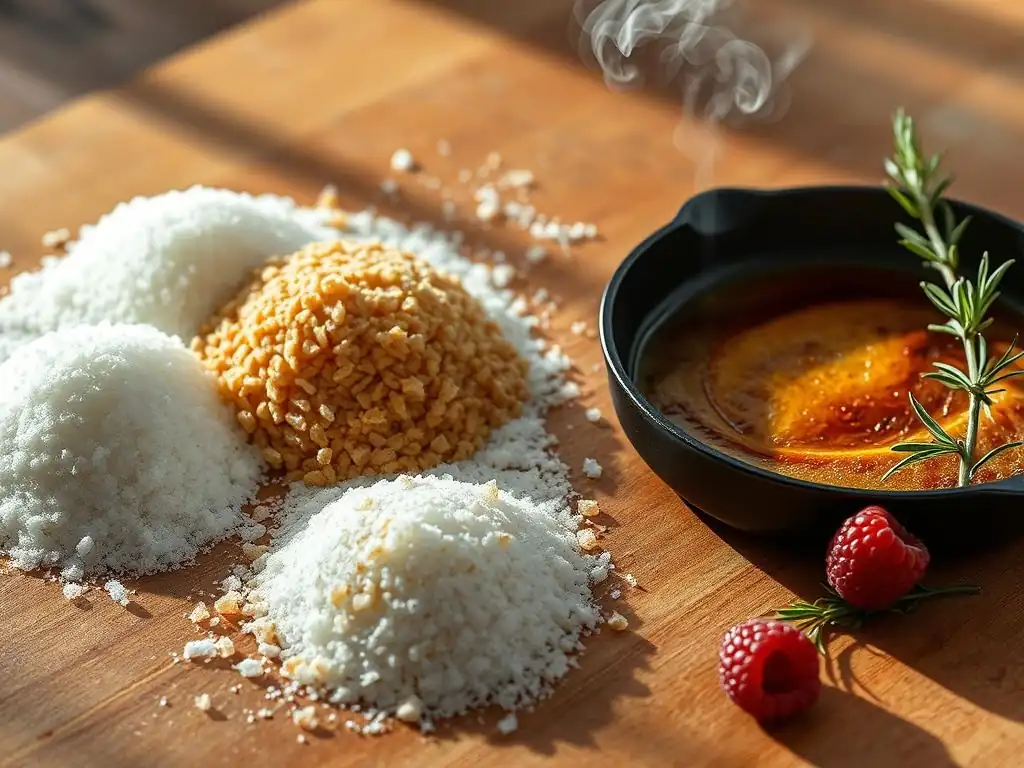
Sucrose, our familiar granulated table sugar, is a disaccharide composed of one glucose molecule bonded to one fructose molecule. As mentioned, it is not a reducing sugar on its own. However, its ubiquity in baking makes its indirect role in the Maillard reaction incredibly important. When you bake something containing sucrose, especially in an environment with sufficient moisture and a slightly acidic pH (common in many doughs and batters), the heat catalyzes the hydrolysis of sucrose into glucose and fructose.
These newly formed monosaccharides – glucose and fructose – are potent reducing sugars and are then free to participate in the Maillard reaction with available amino acids from ingredients like flour, milk, or eggs. The rate of this hydrolysis depends on factors like temperature, time, and pH. In a typical cookie baked at 175°C (350°F) for 10-12 minutes, a significant portion of the sucrose will break down, fueling the browning and flavor development on the surface. The sugar types Maillard reaction involves understanding this transformation of sucrose.
Sucrose's Role in Crust Development and Flavor
Sucrose contributes significantly to the texture and flavor of baked goods beyond just sweetness and browning. In crust development, as sucrose breaks down and participates in the Maillard reaction and caramelization (which occurs at higher temperatures), it contributes to the desirable golden-brown color and brittle or chewy texture of crusts on bread, cookies, and pies. The complex flavor compounds produced during the Maillard reaction involving glucose and fructose derived from sucrose add depth, often described as toasted, nutty, or caramel-like notes.
Furthermore, residual unreacted sucrose contributes to the overall sweetness and can affect the tenderness of the crumb by interfering with gluten development and starch gelatinization. Its presence also slightly raises the temperature at which water boils, which can subtly influence the baking process. So, while its role in Maillard browning is indirect, sucrose's overall impact on the final product's texture, sweetness, and flavor profile, including the Maillard-derived notes, is profound.
How Sucrose Breaks Down During Baking
The breakdown of sucrose into glucose and fructose during baking is primarily driven by heat and the presence of moisture and acid. This process, called hydrolysis, splits the disaccharide bond. For instance, in a slightly acidic cookie dough (pH around 6), baking at 160°C (320°F) will cause sucrose to hydrolyze relatively quickly on the surface where moisture evaporates and temperatures rise. In the center of a larger cake, where temperatures remain lower (near 100°C or 212°F) until late in baking and moisture is higher, hydrolysis might be slower.
The rate of hydrolysis increases significantly with temperature and acidity. A dough or batter with a lower pH (more acidic) will experience faster sucrose breakdown. This is why adding a touch of acid, like cream of tartar or lemon juice, can sometimes enhance browning. Understanding this breakdown mechanism is key to predicting how much reducing sugar will be available from sucrose to participate in the sugar types Maillard reaction, influencing the final color and flavor.
Fructose: A More Reactive Sugar for Maillard Browning
Fructose, a simple monosaccharide found naturally in fruits and honey, is a highly reactive reducing sugar. Its structure makes it significantly more reactive in the Maillard reaction compared to glucose. This means that fructose will initiate and accelerate the browning process at lower temperatures and/or faster rates than glucose or the breakdown products of sucrose. This characteristic makes fructose a powerful browning agent in baking.
Because of its enhanced reactivity, using fructose as the primary sugar source (or a significant portion) in a recipe can lead to faster and more intense browning. This can be desirable for achieving a deep golden color quickly, but it also increases the risk of over-browning or burning if not carefully controlled. Bakers need to be mindful of this increased reactivity when substituting fructose for other sugars or when working with recipes high in fructose-containing ingredients like honey or agave nectar.
Fructose's Enhanced Browning Capabilities in Baking
Fructose's superior browning power is evident when comparing baked goods made with different sugars. For example, cookies made with high-fructose corn syrup (HFCS) or honey (both high in fructose) will typically brown faster and more intensely than those made solely with sucrose. This is particularly noticeable on surfaces exposed to direct heat. Fructose initiates the Maillard reaction pathways more readily than glucose, leading to a quicker accumulation of melanoidins, the complex polymers responsible for brown color.
This enhanced reactivity can be advantageous in recipes where rapid surface browning is desired without overcooking the interior, such as certain types of pastries or glazes. However, it requires careful temperature management. Baking at slightly lower temperatures or for shorter durations might be necessary when using significant amounts of fructose to prevent the edges or surface from burning before the inside is cooked through. The impact of sugar types Maillard reaction is most pronounced with fructose.
Considerations When Using Fructose in Recipes
While fructose offers powerful browning, there are several considerations when using it. Firstly, its higher reactivity means a greater propensity for over-browning or burning. Recipes might need adjustments in temperature or bake time. Secondly, fructose is significantly sweeter than sucrose (approximately 1.2 to 1.8 times as sweet, depending on temperature and concentration), so less may be needed to achieve the same level of sweetness, which in turn affects the total sugar available for Maillard browning.
Thirdly, fructose is highly hygroscopic, meaning it attracts and retains moisture more effectively than sucrose or glucose. This property can result in baked goods that are softer and stay moist longer, which can be a desirable texture outcome. However, this increased moisture retention can also impact spread in cookies or affect the crispness of crusts. Balancing the desired browning, sweetness, and textural effects requires careful recipe formulation when incorporating significant amounts of fructose.
Glucose: A Simple Sugar for Controlled Maillard Reactions
Glucose, also known as dextrose, is another simple monosaccharide and a key reducing sugar involved in the Maillard reaction. It is less reactive than fructose in the initial stages of the Maillard reaction but participates readily, contributing to consistent and predictable browning and flavor development. Glucose is the primary sugar found in corn syrup (dextrose syrup) and is one of the two sugars formed when sucrose breaks down.
Using glucose (or ingredients high in glucose like corn syrup) in baking provides a controlled and reliable browning effect. While it may not brown as rapidly as fructose, it offers a steady progression of the Maillard reaction, allowing for easier monitoring and less risk of sudden burning compared to fructose-rich ingredients. This predictability makes glucose a valuable sugar in many commercial and home baking applications where consistent color is important.
Glucose's Predictable Browning Behavior
Glucose participates reliably in the Maillard reaction, leading to a steady and predictable rate of browning. This contrasts with fructose's more aggressive reactivity. In a side-by-side comparison baked at the same temperature, a cookie made with glucose syrup might brown more slowly than one made with high-fructose corn syrup, but it will likely brown more evenly and be less prone to scorching. This predictable behavior is why glucose syrups are often used in mass-produced baked goods to ensure consistent color batch after batch.
The Maillard products formed with glucose also contribute specific flavor notes, often described as less intensely "caramelized" or "toasted" than those produced with fructose, though still complex and desirable. Its reliable participation in the sugar types Maillard reaction makes glucose a staple for achieving controlled browning outcomes.
Using Glucose in Specialized Baking Applications
Glucose syrup is frequently used in confectionery and certain baking applications for its specific properties, including its controlled browning behavior. In candies, it helps control crystallization, and in baked goods like soft cookies or certain bread doughs, it contributes to tenderness and moisture retention. Its contribution to browning is a steady process, making it suitable for recipes that require longer bake times to cook through without the surface over-browning prematurely.
For instance, using a small percentage of glucose syrup in a bread dough can promote a more even, golden crust color compared to using only sucrose, which relies on hydrolysis. In glazes or washes applied before baking, glucose provides readily available reducing sugar for surface browning. Its less intense sweetness profile compared to fructose or sucrose also means it can be added in larger quantities for textural or browning purposes without making the product excessively sweet.
Sucrose vs. Fructose vs. Glucose: A Comparative Analysis of Maillard Reaction Impact
Browning Speed Comparison: Which Sugar Browns Fastest?
When comparing the browning speed solely through the Maillard reaction, fructose is generally the fastest, followed by glucose, and then sucrose (which must first break down into glucose and fructose). This relative reactivity order (Fructose > Glucose > Sucrose-derived sugars) is a crucial factor in how quickly the desired golden-brown color develops on your baked goods. A batter with a higher proportion of free fructose will likely show significant browning sooner than one with mostly glucose or sucrose.
Consider baking temperatures: the Maillard reaction typically starts around 140°C (284°F). Fructose can start reacting effectively closer to this lower threshold, while glucose requires slightly higher temperatures or longer times to reach the same level of browning. Sucrose's contribution is delayed until hydrolysis occurs, which is faster at higher temperatures and in acidic conditions. This difference in browning speed is a primary way different sugar types Maillard reaction impact the final product's appearance and bake time.
Flavor Profiles: How Sugar Type Affects Baked Goods' Taste
Beyond sweetness, the type of sugar significantly influences the specific flavor compounds generated during the Maillard reaction. While both glucose and fructose participate, the reaction pathways they follow differ slightly, leading to variations in the final mix of flavor molecules. Fructose tends to produce more of certain aromatic compounds that can contribute to intensely toasted or slightly bitter notes if browning is excessive.
Glucose, on the other hand, contributes to a broader spectrum of Maillard flavors, often described as malty, bready, or simply "baked." The flavors derived from sucrose (via its breakdown products) are a combination of those from glucose and fructose. Using different sugar types Maillard reaction influences creates unique flavor nuances. For example, a sourdough bread (acidic, long fermentation providing amino acids and some reducing sugars) baked with some added glucose might develop a different crust flavor profile than one baked with added honey (high in fructose).
Texture Differences: The Impact of Sugar on Crumb and Crust
Sugar types also influence texture, partly through their interaction with water and partly through their effect on the Maillard reaction and caramelization. Fructose, being more hygroscopic, tends to keep baked goods softer and chewier over time. This can affect the crispness of a crust, potentially making it softer than a crust developed primarily through glucose or sucrose.
Glucose contributes to tenderness and can help control crystallization, leading to a smoother texture in certain applications. Sucrose, when it doesn't fully hydrolyze or participate in browning, contributes to crispness in cookies and can influence the structure by interfering with gluten and starch. The extent of Maillard browning itself also impacts texture; a well-developed crust from the Maillard reaction (fueled by the right sugar types Maillard reaction dynamics) will be firmer and potentially crispier than one that hasn't browned sufficiently. The interplay between sugar type, moisture, and browning reactions creates the final textural characteristics.
Optimizing the Maillard Reaction with Different Sugar Combinations
Blending Sucrose, Fructose, and Glucose for Desired Results
Expert bakers often leverage the unique properties of different sugar types by blending them to achieve specific outcomes in terms of sweetness, texture, and Maillard browning. For instance, a cookie recipe might use a combination of granulated sugar (sucrose) for spread and crispness, plus a touch of brown sugar (sucrose + molasses, which contains some invert sugar/reducing sugars) for moisture, chewiness, and enhanced Maillard browning.
Adding a small amount of glucose syrup or honey (both containing reducing sugars) to a bread dough primarily using sucrose can significantly boost crust color development without drastically changing the sweetness profile. By understanding how each sugar participates in the sugar types Maillard reaction and affects other aspects like moisture and spread, bakers can formulate recipes that deliver precise results, from a light golden crust to a deeply caramelized, chewy texture.
Adjusting Baking Temperatures for Different Sugar Types
Since different sugar types react at different rates and temperatures in the Maillard reaction, adjusting baking temperature is a critical control knob. When using sugars high in fructose, such as honey or agave syrup, a slightly lower baking temperature (perhaps 5-10°C or 10-20°F lower than a recipe using only sucrose) might be necessary to prevent the surface from browning too quickly before the interior is cooked.
Conversely, if a recipe seems reluctant to brown using primarily sucrose, ensuring sufficient baking time at a temperature high enough to promote sucrose hydrolysis (above 140°C/284°F) is important. Using sugars with more free reducing sugars like glucose or fructose allows for effective Maillard browning at slightly lower temperatures or over shorter periods. Mastering the relationship between sugar types Maillard reaction kinetics and oven temperature is key to achieving consistent and beautiful results.
Factors Influencing the Maillard Reaction Beyond Sugar Types
The Role of Amino Acids in Maillard Browning
While sugars are essential, the Maillard reaction also requires amino acids, which are the building blocks of proteins. The type and availability of amino acids in your ingredients significantly influence the rate and specific flavor outcomes of the Maillard reaction. Ingredients high in protein, such as flour (especially whole wheat), milk, eggs, and cheese, provide the necessary amino acids. Certain amino acids are more reactive than others; for example, lysine is known to be particularly reactive in the Maillard reaction.
The concentration and profile of amino acids vary between ingredients. A milk wash on a loaf of bread provides both lactose (a reducing sugar) and milk proteins (amino acids), significantly boosting crust browning. Eggs in a cake batter supply amino acids that react with sugars, contributing to the crumb's subtle browning and flavor. The interplay between the available sugar types Maillard reaction participants and the protein sources is fundamental to the reaction's success.
pH Levels and Their Effect on the Maillard Reaction
The acidity or alkalinity (pH level) of the dough or batter has a significant impact on the rate of the Maillard reaction. The reaction proceeds much faster in slightly alkaline conditions (higher pH) and is slowed down in acidic conditions (lower pH). This is why pretzels, which are traditionally dipped in an alkaline solution (like lye or baking soda), develop a deep, dark brown crust very rapidly during baking – the high pH accelerates the Maillard reaction between the flour's proteins/amino acids and starches/sugars on the surface.
Conversely, acidic doughs, like some sourdoughs or recipes containing buttermilk or yogurt, will brown more slowly due to the lower pH. While the acidity in baking can sometimes help hydrolyze sucrose, overall a lower pH inhibits the later stages of the Maillard reaction. Adjusting pH, for instance by adding a pinch of baking soda to a cookie recipe, can be a technique used to encourage faster or more intense browning alongside the chosen sugar types Maillard reaction dynamics.
Moisture Content and its Influence on Browning
Moisture is another critical factor influencing the Maillard reaction. The reaction requires a certain amount of water to proceed, but it slows down significantly or stops completely in the presence of too much water (like in the uncooked interior of a cake, which stays near 100°C/212°F where water boils). The reaction accelerates as the surface of the baked good dries out and its temperature rises above the boiling point of water. This is why browning primarily occurs on the exterior.
Conversely, if the surface is too dry at the start of baking, the reaction might be inhibited. Techniques like using a steam oven or adding a water bath can keep the surface moist initially, allowing for better heat transfer and more even temperature distribution before drying out and browning commences. The migration of moisture within the product as it bakes, and its eventual evaporation from the surface, directly impacts when and where the sugar types Maillard reaction can effectively take place.
Troubleshooting Maillard Reaction Issues in Baking
Preventing Over-Browning with Specific Sugar Types
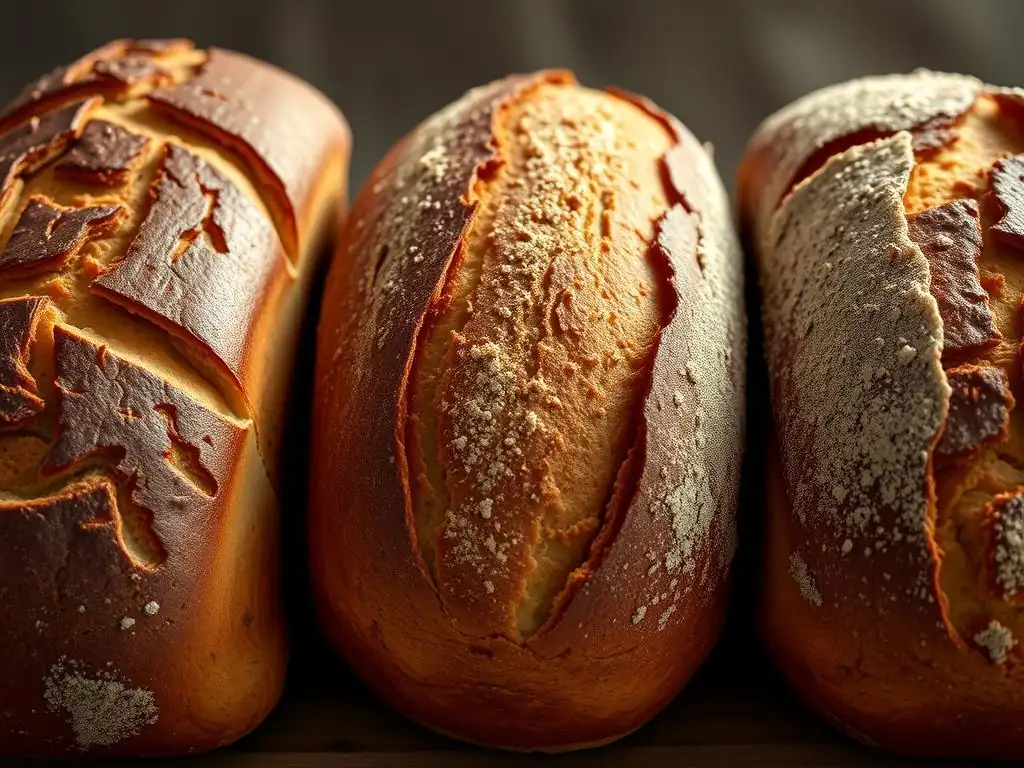
Over-browning, especially with highly reactive sugars like fructose, can lead to bitter flavors and a burnt appearance. To prevent this when using fructose-rich ingredients (honey, agave, HFCS), consider reducing the oven temperature slightly or shortening the bake time. Covering the baked good loosely with foil partway through baking can shield the surface from direct radiant heat, slowing down the browning process while the interior finishes cooking.
Another strategy is to adjust the sugar blend, perhaps reducing the amount of fructose-containing sugar and increasing sucrose or glucose, which brown more gradually. Monitoring the baked good closely, especially towards the end of the recommended baking time, is crucial. If edges are browning too quickly, you can also try rotating the pan in the oven or using baking sheets that insulate the bottom slightly. Managing the sugar types Maillard reaction speed is key to avoiding scorching.
Achieving Uniform Browning Across Baked Goods
Uneven browning can result from hot spots in the oven, inconsistent dough thickness, or uneven distribution of reactive ingredients. To promote uniform browning, ensure your oven temperature is accurate (using an oven thermometer is recommended). Rotate baking sheets halfway through the baking time to expose all sides to similar heat levels.
For recipes where a wash is applied (like egg wash or milk wash), ensure it is applied evenly across the surface. In batters or doughs, ensure ingredients are well mixed to distribute sugars and amino acids uniformly. Using sugars that brown more predictably, like glucose, can also help achieve more consistent color. Understanding how different sugar types Maillard reaction dynamics contribute to color development helps in troubleshooting inconsistencies.
- Check oven temperature calibration.
- Rotate baking sheets during baking.
- Ensure even thickness of dough/batter.
- Apply washes evenly.
- Consider sugar blend for predictable browning.
Conclusion: Mastering Sugar Types for Perfect Maillard Browning in Baking
Understanding the role of different sugar types Maillard reaction dynamics is a powerful tool for any baker. Sucrose, glucose, and fructose each contribute unique properties to baked goods, influencing not only sweetness but critically, the rate and nature of the Maillard reaction. Fructose offers rapid, intense browning, glucose provides predictable control, and sucrose contributes once hydrolyzed into its reactive components.
By recognizing how these sugars behave under heat and interact with other ingredients like amino acids, moisture, and pH, you gain greater control over the color, flavor, and texture of your creations. Experimenting with different sugar blends, adjusting baking temperatures, and paying attention to other influencing factors like pH and moisture content allows you to optimize the Maillard reaction. This deeper understanding empowers you to troubleshoot common baking issues and consistently achieve that perfect golden crust, complex flavor, and appealing aroma that defines delicious, well-baked goods.
Frequently Asked Questions
What is the Maillard reaction and why is it important in baking?
The Maillard reaction is a chemical reaction between amino acids and reducing sugars that gives browned food its distinctive flavor. It's important in baking because it contributes to the crust color, aroma, and taste of many baked goods.
How do different sugar types (sucrose, fructose, glucose) affect the Maillard reaction?
Fructose, being a reducing sugar, participates more readily in the Maillard reaction than sucrose. This means fructose-rich recipes will brown faster and darker than those using predominantly sucrose. Glucose also participates but to a lesser extent than Fructose.
Does the type of sugar used impact the texture of baked goods besides browning?
Yes, the type of sugar affects texture. For example, fructose is hygroscopic, meaning it attracts and retains moisture, resulting in softer and chewier textures compared to sucrose, which can contribute to a crisper texture.
Can I substitute one sugar type for another in a recipe without affecting the outcome?
While substitutions are possible, they can significantly impact the final product. Changes in browning, texture, and sweetness will occur. Adjustments to other ingredients might be necessary to compensate.
Are there any specific sugar types recommended for achieving a deep, rich color in baked goods?
For a deep, rich color, consider using sugars high in fructose, like honey or brown sugar. These sugars promote a more intense Maillard reaction, leading to a darker and more visually appealing crust.
Final Reflection: The Sweet Science of Browning and Beyond
The Maillard reaction, a seemingly simple chemical process, holds profound implications for our understanding of flavor, texture, and even the future of food science. Its impact extends far beyond the culinary arts, influencing everything from the browning of our toast to the development of potentially harmful compounds in processed foods. Understanding the nuances of how different sugar types – sucrose, fructose, and glucose – contribute to this reaction is crucial for both chefs and scientists alike.
The exploration of the Maillard reaction's intricacies has profoundly shaped my own appreciation for the complexities hidden within seemingly simple processes. It's a reminder that even the most basic elements of our everyday lives – a perfectly browned steak, a crusty loaf of bread – are underpinned by intricate chemical dances. The more I learn, the more I realize how much I don't know,
a sentiment that perfectly encapsulates the ongoing journey of scientific discovery in this field. The subtle differences in the browning potential of various sugars highlight the importance of precise ingredient selection and careful control over cooking methods.
Now, consider the implications of this knowledge. How can you, the reader, apply this understanding to your own cooking? Perhaps you'll experiment with different sugars to achieve the perfect crust on your next roast chicken, or you'll gain a deeper appreciation for the science behind the delicious flavors you encounter daily. More importantly, this knowledge empowers you to make informed choices about the foods you consume and to appreciate the intricate chemistry that makes our culinary world so vibrant and diverse. Let the sweet science of the Maillard reaction inspire you to explore, experiment, and savor the delicious results.
Unlock Your Baking Potential: Mastering Sugar's Secrets
Thanks for diving into the fascinating world of sugars and the Maillard reaction! You've now unlocked a deeper understanding of how different sugars impact your baking. Ready to put this knowledge to the test?
- Experiment with different sugars: Try substituting sucrose, fructose, and glucose in your next recipe to see how the texture and flavor profile change. Note your observations – you might be surprised by the results!
- Share your baking triumphs (and challenges!): Let's build a community of bakers who love experimenting! Post your results and photos on our social media channels – we'd love to see what you create.
- Dive deeper into the science of baking: Explore other BakeWithEase articles to unlock even more baking secrets. We have a wealth of information waiting for you!
What delicious creation will you bake next, and which sugar will you choose to unlock its full potential?