
Boosting Flavor: Simple Ways to Enhance the Maillard Reaction

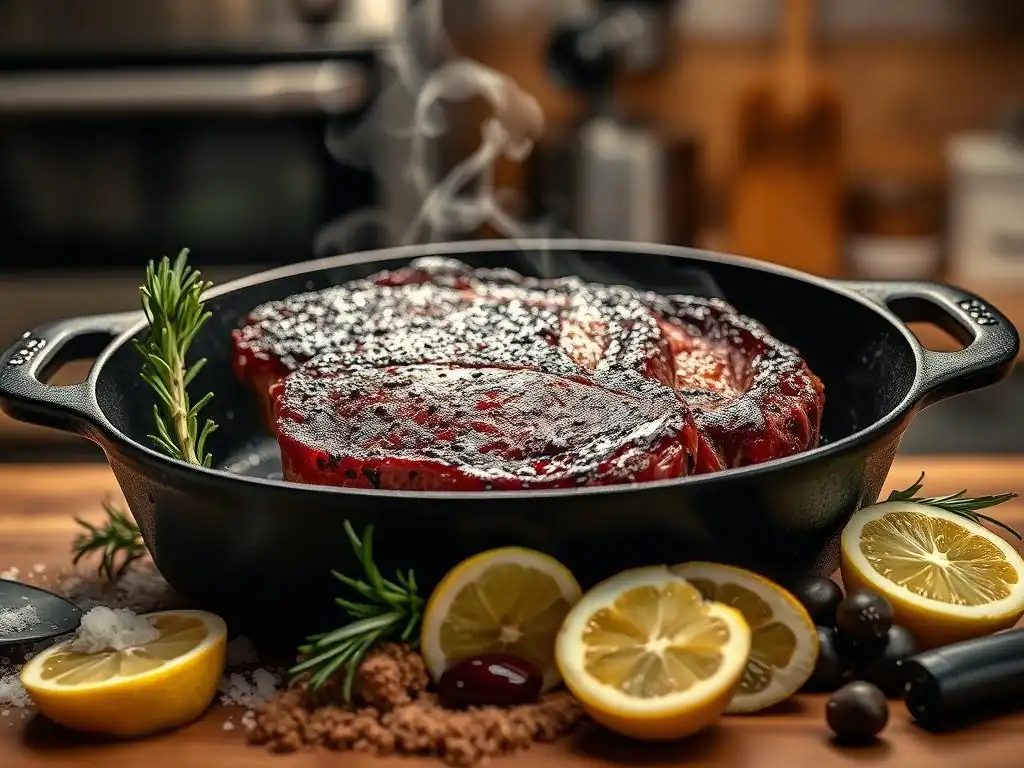
Welcome to BakeWithEase, where we unlock the secrets to baking success! Ever wondered how to achieve that perfect golden-brown crust and irresistible aroma in your baked goods? This article dives deep into the science behind it all. Get ready to explore Maillard reaction baking tips that will revolutionize your baking. Discover how simple adjustments can dramatically enhance flavor and texture, leaving you eager to experiment and elevate your creations. Let's get baking!
- Mastering Caramelization & the Maillard Reaction in Baking
- Understanding Browning Reactions in Baking
- Browning Enhancement Tips: Techniques for Richer Color & Flavor
- Advanced Techniques for Flavor Enhancement
- Troubleshooting Browning Issues in Baking
- Application: Recipes Utilizing Browning Techniques
- Conclusion: Elevate Your Baking with Browning Reaction Mastery
-
Frequently Asked Questions
- What is the Maillard reaction and why is it important in baking?
- How does temperature affect the Maillard reaction?
- Can I influence the Maillard reaction by adjusting ingredients?
- Does the Maillard reaction only apply to sweet baked goods?
- What are some simple baking tips to enhance the Maillard reaction?
- Final Reflection: The Golden Crust and the Alchemy of Flavor
- Unlock Deeper Flavors: Level Up Your Baking!
Mastering Caramelization & the Maillard Reaction in Baking
Understanding Browning Reactions in Baking
What is the Maillard Reaction? A Baker's Perspective
From the golden crust of a loaf of bread to the rich brown surface of a perfectly baked cookie, much of the delicious color and complex flavor we associate with baked goods comes from chemical reactions triggered by heat. Among the most significant is the Maillard reaction, named after French chemist Louis Camille Maillard. It's a complex series of interactions that occur when amino acids (found in proteins) and reducing sugars are heated together. Unlike caramelization, which only involves sugars, the Maillard reaction requires both proteins and specific types of sugars to be present.
This reaction doesn't just change the color of your baked goods; it's responsible for creating hundreds of new flavor compounds. These compounds contribute to the savory, nutty, roasted, and complex aromas and tastes that make baked goods so appealing. The Maillard reaction typically begins to occur at temperatures above approximately 285°F (around 140°C), though the rate and types of compounds formed depend heavily on temperature, moisture levels, and the specific ingredients present. Mastering the Maillard reaction baking tips is key to unlocking deeper flavors.
The Science Behind Browning and Flavor Development
Browning in baking is primarily driven by two key processes: the Maillard reaction and caramelization. While they often happen simultaneously and contribute to the overall color and flavor profile, they are distinct. Caramelization involves only sugars heated to high temperatures, breaking down and oxidizing to form new compounds with nutty, buttery, and sometimes slightly bitter notes. This occurs at higher temperatures than the Maillard reaction, typically above 320°F (160°C), although different sugars caramelize at different points (fructose, for example, caramelizes at a lower temperature than sucrose).
The Maillard reaction, on the other hand, is a much more intricate process involving a cascade of chemical transformations. Initially, a reducing sugar (like glucose, fructose, or lactose) reacts with an amino acid. This initial step leads to intermediate compounds that then undergo further reactions, including dehydration, fragmentation, and polymerization. These subsequent steps generate a vast array of volatile and non-volatile compounds, which are responsible for the characteristic aromas, flavors, and brown pigments (melanoidins) seen in everything from seared steak to toasted marshmallows and, of course, baked goods. Understanding these processes helps bakers intentionally manipulate them.
Why Enhancing Browning Reactions Matters for Bakers
For bakers, enhancing browning reactions isn't just about achieving a visually appealing crust; it's fundamentally about developing flavor and texture. A pale, under-browned cookie or loaf of bread often tastes flat and lacks the depth and complexity of its well-browned counterpart. The compounds created by the Maillard reaction and caramelization contribute significantly to the overall sensory experience, providing layers of flavor that simple sweetness or starchiness cannot.
Furthermore, the crust formed by these reactions provides crucial textural contrast to the soft interior of many baked goods. A crisp, flavorful crust on bread or a slightly crunchy edge on a cookie results directly from controlled browning. By understanding and applying Maillard reaction baking tips and techniques to promote caramelization, bakers can transform simple ingredients into baked goods with superior aroma, taste, and texture. This mastery distinguishes good baking from truly exceptional baking.
Browning Enhancement Tips: Techniques for Richer Color & Flavor
1. Adjusting Oven Temperature for Optimal Browning
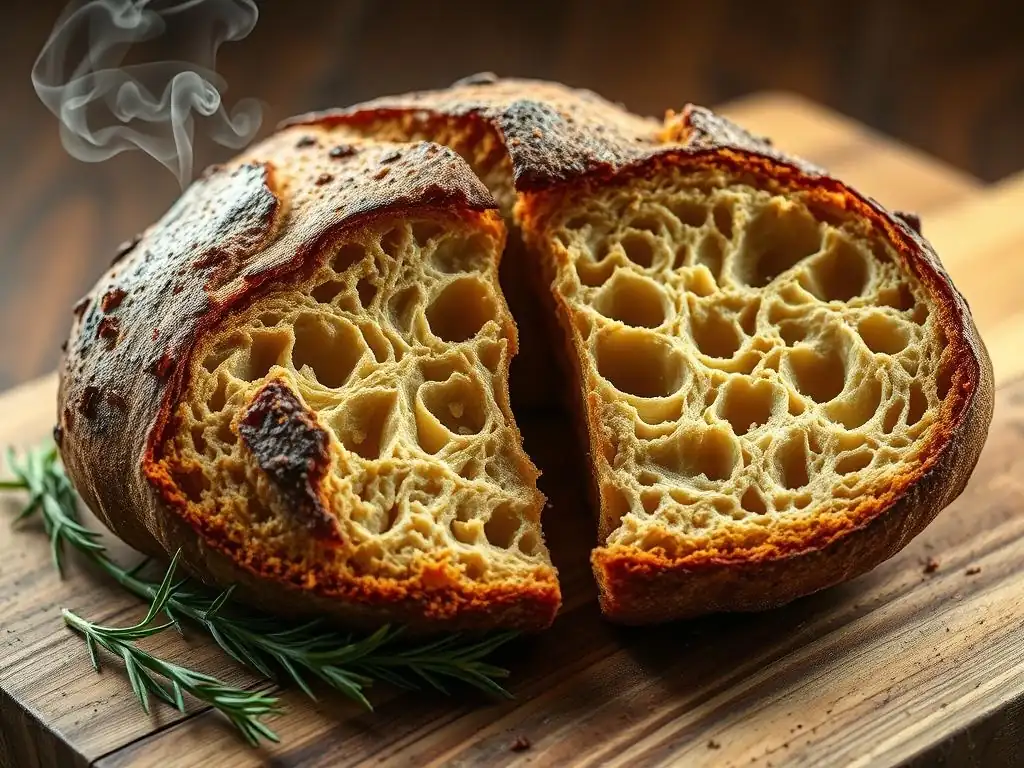
Oven temperature is perhaps the most direct factor influencing browning reactions. Higher temperatures accelerate both the Maillard reaction and caramelization. For instance, baking a loaf of bread at an initial high temperature, like 450°F (230°C), rapidly sets the crust and encourages quick browning, leading to a darker, more flavorful exterior compared to baking at a moderate 350°F (175°C) throughout. This initial high heat is often used in conjunction with steam (discussed later) to allow for maximum oven spring before the crust hardens.
However, simply cranking up the heat isn't always the solution. Very high temperatures can cause the surface to brown or even burn before the interior is fully cooked. For delicate items like cakes or muffins, a moderate temperature between 325°F (160°C) and 375°F (190°C) is usually preferred to ensure even cooking and gentle browning. Cookies, often baked at 350-400°F (175-200°C), benefit from the higher end of this range for crisp edges and good color development. Experimenting with temperature and baking time is a key Maillard reaction baking tip for different recipes.
2. The Role of Sugars: Sweeteners and Caramelization
Sugars are primary players in both caramelization and the Maillard reaction (as reducing sugars). Different types of sugars brown at different rates and contribute unique flavor profiles upon heating. Simple sugars like glucose and fructose are reducing sugars and participate readily in the Maillard reaction, while sucrose (table sugar) must first break down into glucose and fructose. Fructose caramelizes at a relatively low temperature, around 220°F (105°C), while sucrose caramelizes closer to 320°F (160°C).
The presence and type of sugar significantly impact the final color and flavor. Recipes with higher amounts of reducing sugars or those that break down into them quickly will brown more readily. This is why cookies often brown faster than lean bread doughs; they contain more sugar and fat, which also aids heat transfer. Understanding how different sugars behave is crucial for predicting and controlling browning.
Using Honey and Molasses for Flavor and Color
Honey and molasses are excellent examples of how sugar type influences browning and flavor. Both are inverted sugars, meaning they contain a significant proportion of glucose and fructose, making them highly effective at participating in the Maillard reaction and caramelization at lower temperatures than sucrose. This is why baked goods made with honey or molasses often achieve a deep, rich brown color more easily.
Beyond just color, these sweeteners contribute complex flavors. Honey adds floral or fruity notes depending on its source, while molasses provides deep, sometimes smoky, and slightly bitter undertones due to residual compounds from the sugar refining process. Using a portion of honey or molasses in recipes like gingerbread or certain types of bread enhances not only the browning but also adds layers of flavor that complement the other ingredients, showcasing valuable Maillard reaction baking tips.
The Impact of Sugar Types on Flavor Profiles
Different sugars don't just vary in how they brown; they create distinct flavor compounds when caramelized or involved in the Maillard reaction. Sucrose caramelization yields a classic sweet, nutty flavor. Glucose caramelization can produce slightly less sweet, more complex notes. Fructose, caramelizing at the lowest temperature, can contribute intensely sweet and sometimes slightly acidic or fruity notes.
Consider brown sugar, which is sucrose with added molasses. The molasses component ensures faster browning and adds those characteristic deep, slightly bitter, and smoky notes often desired in chocolate chip cookies or spice cakes. Using a blend of sugars (like granulated sugar for structure and brown sugar for moisture and flavor depth) is a common baking strategy to achieve desired browning and a multifaceted flavor profile.
3. Utilizing Alkaline Ingredients: Baking Soda and Browning
Alkaline ingredients, most commonly baking soda (sodium bicarbonate), can significantly accelerate the Maillard reaction. The Maillard reaction proceeds much faster in a slightly alkaline environment (pH 8-10) than in acidic or neutral conditions. Baking soda, when added to a dough or batter, raises the pH, providing this alkaline boost.
This is one reason baking soda is often used in cookie recipes. A small amount not only helps with leavening but also promotes faster and more pronounced browning, particularly around the edges, contributing to that desirable chewy texture and rich color. However, using too much baking soda can result in a soapy or metallic off-flavor, as well as excessive spreading in cookies.
How Baking Soda Affects Browning and Crust Formation
By increasing the pH, baking soda makes more amino acids and reducing sugars available for the Maillard reaction at lower temperatures and speeds up the reaction rate. This leads to quicker color development and the formation of more flavor compounds on the surface of the baked good. In items like pretzels, a dip in an alkaline solution (like lye or baking soda solution) before baking is specifically used to achieve a deep, characteristic brown crust through accelerated Maillard reactions.
For many recipes, even a small amount of baking soda (perhaps 1/4 to 1/2 teaspoon in a batch of cookies) can have a noticeable impact on browning compared to using only baking powder (which contains acidic components that neutralize alkalinity). This subtle adjustment is a powerful Maillard reaction baking tip for enhancing crust color and flavor without drastically changing the recipe's structure.
Caution: Balancing Baking Soda for Desired Results
While baking soda is effective at promoting browning, it must be used judiciously. As mentioned, too much can lead to unpleasant flavors. It also affects the texture by increasing spread in cookies and potentially making cakes or muffins crumbly if not balanced by acidic ingredients. The amount needed depends on the recipe's other ingredients, particularly acidic components like buttermilk, yogurt, brown sugar (which is slightly acidic), or cream of tartar.
A recipe that calls for both baking soda and an acidic ingredient uses the soda primarily for leavening (reacting with the acid), leaving less free soda to significantly raise the pH for browning. A recipe using baking soda as the sole leavener (like some cookie recipes) will have more free soda to boost pH and browning. Always follow the recipe's specified amount, but understand why it's there – often, it's a deliberate choice balancing leavening, spread, flavor, and browning.
4. Utilizing Egg Washes for a Golden-Brown Crust
Applying a liquid wash to the surface of baked goods before baking is a classic technique to enhance shine and promote even, golden-brown color development. Egg washes are among the most popular and effective. The proteins and sugars (lactose in any milk/cream added) in the egg mixture actively participate in the Maillard reaction when exposed to oven heat, creating a beautiful, flavorful crust.
Different types of egg washes yield different results. A simple whisked whole egg mixed with a tablespoon or two of water is a versatile option that provides good color and moderate shine. Using milk instead of water adds more lactose and fat, resulting in a richer, deeper brown and a slightly softer crust. An egg yolk-only wash (perhaps with cream) provides maximum richness and color, while egg whites alone offer a shiny, somewhat crisp finish with less color development.
Egg Wash Recipes for Different Baked Goods
Here are a few common egg wash variations and where they work best:
- Whole Egg + Water (1 egg + 1-2 tbsp water): A good all-purpose wash for bread, pastries, and savory pies. Gives a nice golden color and moderate shine.
- Whole Egg + Milk (1 egg + 1-2 tbsp milk): Ideal for richer doughs like brioche or challah, or for pastries. Provides a deeper brown color and slightly softer crust than water.
- Egg Yolk + Cream (1 yolk + 1 tbsp cream): For maximum richness, color, and shine, often used on high-end pastries.
- Egg White (1 white, sometimes with a pinch of salt): Used for a crisp, shiny finish, like on some types of rolls or pretzels (though pretzels often use an alkaline bath for color).
Choosing the right wash depends on the desired final appearance and texture. Applying these washes carefully is a crucial Maillard reaction baking tip.
Applying Egg Wash for Even Browning
Proper application of an egg wash is just as important as the wash itself. Use a pastry brush to apply a thin, even layer over the entire exposed surface of the dough or batter. Avoid pooling in crevices, as this can lead to uneven color and a gummy texture in those spots. A single, even coat is usually sufficient.
For items like braided bread or rolls, ensure you get into all the nooks and crannies. For pies or tarts, wash the top crust evenly. For cookies, an egg wash isn't typically used, but for scones or certain biscuits, it can add a lovely finish. Ensure the wash is applied just before baking, allowing the surface to dry slightly if needed before placing in the hot oven.
5. Milk and Dairy: Adding Depth of Flavor and Color
Milk and other dairy products contribute significantly to browning reactions in baking due to their lactose content (a reducing sugar) and proteins (casein and whey). When milk is present in a recipe, either as a liquid ingredient, in butter, or as a wash, the lactose and proteins participate in the Maillard reaction, leading to enhanced browning and the development of rich, caramelized flavors.
Consider the difference between a lean French bread (flour, water, salt, yeast) and a rich milk bread or brioche. The milk solids in the latter contribute to a softer crumb, a more tender crust, and a much richer, golden-brown exterior due to the Maillard reaction involving lactose. This is a key reason milk is often used in doughs where a soft, flavorful crust is desired.
Using Milk Alternatives to Influence Browning
While dairy milk is a classic choice for promoting browning, various milk alternatives can also influence the process, though often differently. Soy milk contains proteins and some sugars that can participate in the Maillard reaction. Almond milk is lower in protein and sugars compared to dairy or soy milk and may result in less intense browning unless compensated for. Oat milk contains some sugars and proteins but might not contribute as significantly as dairy.
The key factor is the presence of reducing sugars and proteins. Alternatives like coconut milk (full-fat) can add richness from fat but are typically lower in the specific sugars and proteins that drive strong Maillard reactions compared to dairy milk. Experimentation is often needed when substituting to achieve a similar level of browning, perhaps by adjusting oven temperature or adding a specific browning agent.
The Impact of Butter on Browning and Flavor
Butter is a powerhouse for flavor and browning in baking. It contains water, fat, and milk solids (proteins and lactose). As butter heats, the water evaporates, and the fat helps transfer heat efficiently to the milk solids. These milk solids then undergo both the Maillard reaction and caramelization, turning golden brown and developing incredibly rich, nutty flavors. This process is intentionally exploited when making brown butter.
Incorporating butter into doughs (like in croissants, brioche, or cookies) contributes to a tender crumb and a flavorful, well-browned crust. Using melted butter or brushing melted butter onto a dough surface before baking further enhances browning. The fat not only aids heat transfer but the milk solids provide the necessary components for complex flavor development through the Maillard reaction.
Advanced Techniques for Flavor Enhancement
Using a Pre-Ferment to Enhance Flavor Development
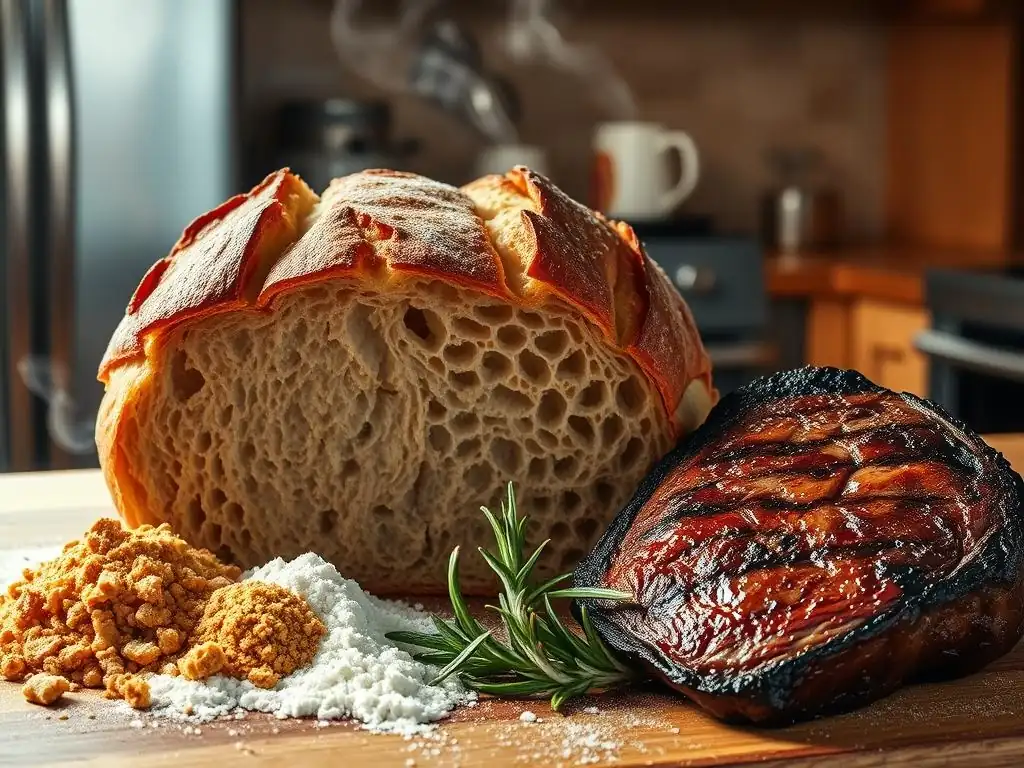
A pre-ferment, such as a poolish, biga, or sourdough starter, is a portion of the dough mixed hours or even days before the final dough. Allowing a mixture of flour, water, and a leavening agent (commercial yeast or wild yeast/bacteria) to ferment slowly before mixing the final dough has profound effects on flavor and texture, including enhancing browning.
During the long fermentation of a pre-ferment, enzymes in the flour break down complex starches into simpler sugars (like glucose and fructose). These simpler, reducing sugars are much more reactive in the Maillard reaction than the larger starch molecules. When the final dough containing the pre-ferment is baked, the increased concentration of reducing sugars leads to more vigorous Maillard reactions on the crust, resulting in deeper color and more complex, nuanced flavors that are characteristic of artisan breads.
Controlling Steam in the Oven for Crust Development
For many types of bread, particularly lean loaves, controlling steam in the oven during the initial phase of baking is critical for achieving a beautiful, well-browned crust. Steam keeps the surface of the dough moist and elastic for the first 10-15 minutes of baking. This prevents a crust from forming too quickly, allowing the loaf to expand fully (oven spring) without cracking the surface.
Once the dough has expanded and the steam dissipates (or is vented), the now-moist surface can rapidly heat up and undergo intense Maillard reactions and caramelization. The result is a thinner, crispier crust with a deeper color and more complex flavor than a loaf baked without steam, where the crust forms prematurely. Common methods include baking in a Dutch oven, using a baking stone with a steam pan, or spraying the oven walls.
The Importance of Dough Hydration for Browning
Dough hydration, the ratio of water to flour, also plays a role in browning. Higher hydration doughs (those with a greater percentage of water relative to flour) tend to stay moist longer in the oven. This extended surface moisture delays the formation of a hard crust, similar to the effect of steam.
By keeping the surface pliable longer, higher hydration allows for better oven spring and provides more time for heat to penetrate the dough, potentially leading to a more even distribution of heat and moisture near the surface. Once the water eventually evaporates and the crust sets, the conditions are ripe for robust Maillard reactions, often resulting in a thin, shatteringly crisp crust with excellent color development. Conversely, very low hydration doughs can form a crust very quickly, potentially before significant flavor compounds have developed through browning reactions, unless baked at a lower temperature for a longer time.
Troubleshooting Browning Issues in Baking
My Baked Goods Aren't Browning: Common Causes and Solutions
It can be frustrating when your cookies remain pale or your bread crust lacks that desirable golden hue. Several factors can inhibit browning. One common cause is insufficient baking time or too low an oven temperature; the reactions simply haven't had enough time or heat to occur significantly. Ensure your oven temperature is accurate using an oven thermometer.
Another factor is the recipe's composition. Low-sugar or low-protein recipes will inherently brown less. If modifying a recipe, consider whether you've reduced ingredients crucial for browning, like sugar, milk, or egg washes. High-acid doughs or batters can also slow down the Maillard reaction; adding a pinch of baking soda (if appropriate for the recipe) can help raise the pH. Using shiny metal baking pans can also result in less browning on the bottom compared to darker or non-stick pans, which absorb and radiate heat more effectively.
Achieving Consistent Browning Across All Baked Goods
Achieving uniform browning requires attention to detail and understanding the variables at play. Oven hot spots are a frequent culprit for uneven browning; rotating your baking sheets or pans halfway through the baking time can mitigate this. Using the correct type and color of baking pan is also important; dark metal pans promote faster, darker browning than reflective aluminum pans.
Ensure ingredients are well-distributed in the dough or batter; pockets of flour or uneven mixing can lead to inconsistent results. For items like cookies, scooping uniform portions ensures they bake and brown at the same rate. For bread, proper shaping creates an even surface area for consistent crust development. Finally, mastering Maillard reaction baking tips like using appropriate egg washes or adjusting oven racks can help ensure every bake comes out beautifully and evenly browned.
Application: Recipes Utilizing Browning Techniques
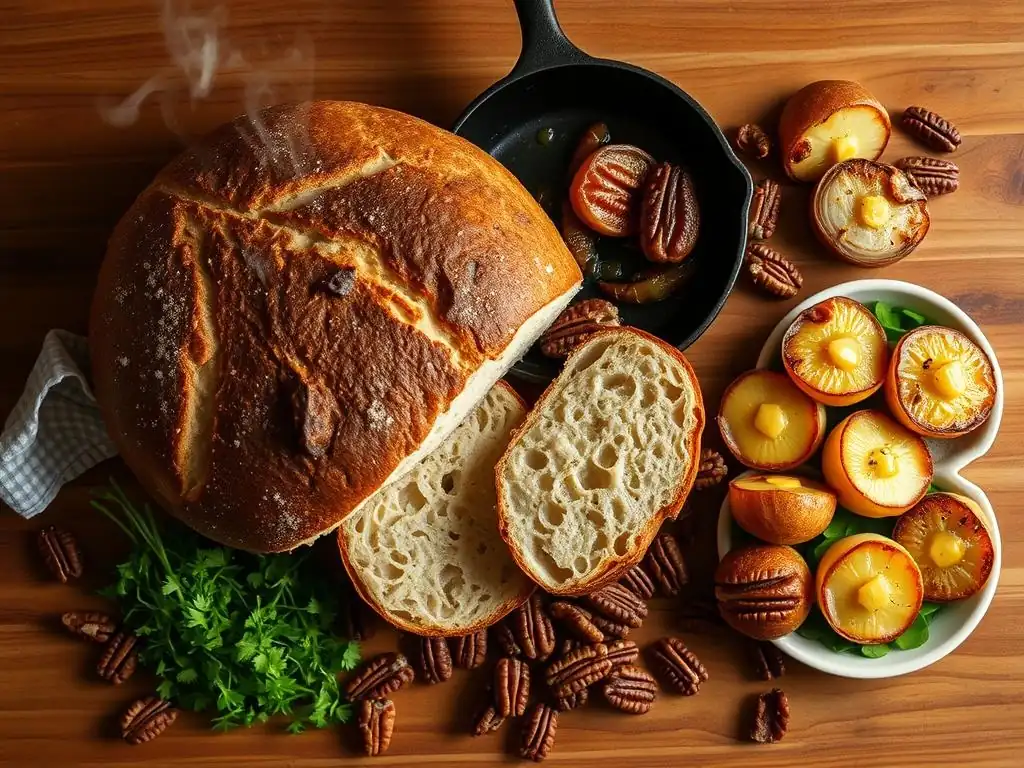
Making brown butter is a direct application of browning reactions to create a foundational flavor for a recipe. To make brown butter, you gently heat unsalted butter in a saucepan over medium heat. The water in the butter evaporates, and the milk solids separate and sink to the bottom. As the temperature rises, these milk solids undergo the Maillard reaction and caramelization, turning from pale yellow to golden, then amber, and finally a deep brown color, giving off a nutty, toasted aroma.
Using brown butter in chocolate chip cookies adds incredible depth of flavor compared to using softened butter. The nutty, caramelized notes from the browned milk solids permeate the dough, complementing the sweetness and chocolate. The residual moisture content in brown butter is slightly lower than regular butter, which can also affect texture, often leading to a chewier cookie. This technique is a prime example of leveraging the Maillard reaction for superior flavor in baking.
Sourdough Bread with a Deeply Caramelized Crust
Achieving a dark, crackly, deeply caramelized crust on sourdough bread is a hallmark of artisan baking and a perfect illustration of multiple browning techniques at work. Sourdough starters, being pre-ferments, break down starches into reducing sugars over their long fermentation. This provides ample fuel for the Maillard reaction.
Baking sourdough often involves high initial oven temperatures (450-500°F / 230-260°C) and the use of steam (often in a Dutch oven). The steam allows the loaf to expand fully without the crust setting prematurely, while the high heat ensures rapid browning once the steam dissipates. The combination of increased reducing sugars from the starter, high temperature, and controlled moisture creates a perfect environment for robust Maillard reactions and caramelization, resulting in a deeply colored, incredibly flavorful, and crisp crust that is the signature of great sourdough. Mastering these Maillard reaction baking tips elevates your bread.
Conclusion: Elevate Your Baking with Browning Reaction Mastery
Frequently Asked Questions
What is the Maillard reaction and why is it important in baking?
The Maillard reaction is a chemical reaction between amino acids and reducing sugars that occurs during heating. It's crucial because it's responsible for the browning and flavor development in baked goods.
How does temperature affect the Maillard reaction?
Higher temperatures generally accelerate the Maillard reaction. A temperature range of 280-330°F (140-165°C) is usually optimal for achieving significant browning and flavor.
Can I influence the Maillard reaction by adjusting ingredients?
Yes, you can. Ingredients like milk, eggs, and certain sugars can enhance the reaction due to their higher protein or sugar content. Adding baking soda can also increase the pH, promoting browning.
Does the Maillard reaction only apply to sweet baked goods?
No, the Maillard reaction applies to any baked good where browning and flavor development are desired. It's just as important in savory breads and pastries as it is in cakes and cookies.
What are some simple baking tips to enhance the Maillard reaction?
Brush baked goods with an egg wash or milk. Ensure adequate oven temperature. Consider adding a touch of honey or malt extract to the dough or batter to provide extra sugars.
Final Reflection: The Golden Crust and the Alchemy of Flavor
The Maillard reaction isn't just a scientific process; it's the heart of deliciousness, the key to unlocking unparalleled flavor in our baked goods, and its understanding is more relevant today than ever before. As home baking continues its resurgence, and as we all seek to elevate our culinary skills, mastering the nuances of the Maillard reaction becomes a crucial step in creating truly exceptional treats. The subtle differences between a pale, bland crust and a deeply golden, intensely flavorful one are all down to this fascinating chemical dance.
The impact of understanding the Maillard reaction extends far beyond the kitchen; it's a testament to the power of scientific principles in everyday life. It's a reminder that even seemingly simple processes, like browning bread or roasting vegetables, are underpinned by complex chemistry. This understanding allows for greater control and creativity, pushing the boundaries of what's possible in the culinary arts. The Maillard reaction is not just a chemical reaction; it's a culinary art form.
This simple statement encapsulates the profound effect this process has on our sensory experience and cultural appreciation of food.
So, as you embark on your next baking adventure, remember the power of the Maillard reaction. Experiment with the techniques discussed, explore the variations, and most importantly, savor the results. Don't just bake; create. Embrace the alchemy of flavor, and let the golden crust be a testament to your newfound understanding and mastery of this fundamental culinary process. The journey of flavor enhancement is ongoing, and your next delicious creation awaits.
Unlock Deeper Flavors: Level Up Your Baking!
Thanks for diving into the world of Maillard magic! You've now got the tools to create richer, more complex flavors in your baking. Ready to put your newfound knowledge into action?
- Experiment with different sugars: Try substituting some of your granulated sugar with brown sugar, honey, or maple syrup to see how it affects the browning and flavor development. This is your primary action – go forth and experiment!
- Share your creations: Post pictures of your delicious, enhanced baked goods on social media and tag #BakeWithEaseMaillard. Let's see those stunning results!
- Join our baking community: Head over to our forum (on our website - bakewithease.com - not linked here per your request) to share your recipes, ask questions, and connect with other passionate bakers.
So, what delicious Maillard-enhanced treat will you bake first?