
Why Acid Can Affect Gluten Development

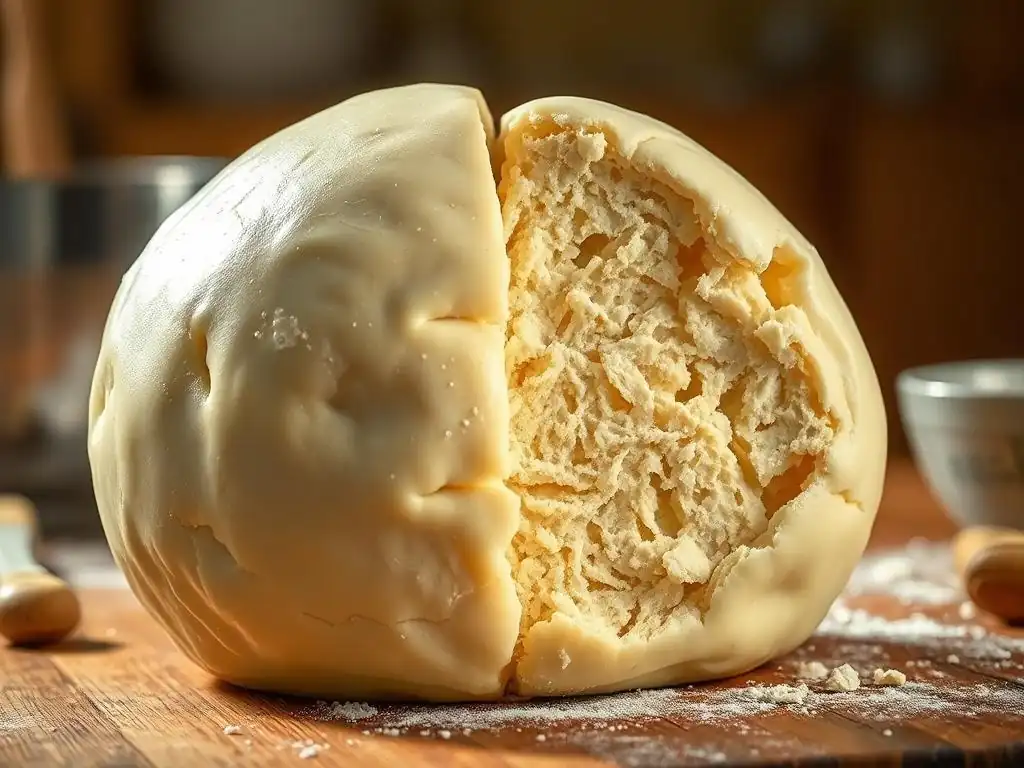
Welcome to BakeWithEase, your trusted guide to the delicious world of baking! Ever wondered how something as simple as acid can dramatically impact your dough? In this Baking Science Deep Dive, we unravel the mystery of acid gluten development explained baking, revealing the secrets to achieving perfect texture and flavor. Curious to learn how a touch of lemon juice can transform your bread? Let's get baking!
- Why Acid Affects Gluten Development in Baking
- Understanding Gluten Development: A Baker's Perspective
- The Science Behind Acid and Gluten: An Overview
- Acid's Impact on Gluten Strength and Elasticity
- Common Acidic Ingredients in Baking and Their Effects on Gluten
- How to Control Acid Levels for Perfect Gluten Development
- Baking Applications: Acid and Gluten in Action
- Conclusion: Mastering Acid and Gluten for Baking Success
-
Frequently Asked Questions
- What exactly is gluten development in baking and why is it important?
- How can acid impact gluten development in baking?
- What are some common acidic ingredients used in baking?
- In what types of baked goods is acid intentionally used to affect gluten?
- What should I consider when adjusting acidic ingredients in a recipe to avoid gluten issues?
- Final Reflection: The Transformative Power of Acid in Baking
- Unleash Your Baking Potential: Master Gluten's Secrets!
Why Acid Affects Gluten Development in Baking
Understanding Gluten Development: A Baker's Perspective
What is Gluten and Why is it Important in Baking?
Gluten is a network of two main proteins—gliadin and glutenin—found in wheat flour. When flour is mixed with water, these proteins hydrate and bond, forming an elastic matrix that traps gas produced by leavening agents. In hard wheat varieties, gluten can account for up to 14% of the flour’s weight, whereas soft wheat often contains around 8–10% gluten-forming proteins. This elasticity and extensibility allow doughs to rise and retain structure, producing breads with open crumbs and cakes with consistent volume.
Without sufficient gluten development, baked goods can turn out dense, flat, or crumbly. For instance, a typical French baguette requires around 65–70% hydration and moderate kneading (8–10 minutes by hand) to develop strength, whereas a shortcrust pastry relies on minimal gluten formation to remain tender and flaky. Understanding gluten’s role is the first step toward mastering texture, chew, and crumb in any baked creation.
The Role of Gluten in Different Baked Goods
Bread, rolls, and pizza crusts depend on a strong, well-developed gluten network to achieve chewy texture and high volume. In artisan sourdough, bakers often perform stretch-and-folds every 30 minutes over a 4–6 hour bulk fermentation to align gluten strands. Conversely, cakes and muffins require limited gluten formation—typically achieved by creaming fat and sugar to coat flour particles, or by using low-protein cake flour (~7–8% protein).
Pastries like croissants and puff pastry employ lamination, alternating layers of dough and butter. Here, gluten provides structure, while the layers of fat separate dough sheets. An overworked dough can yield tough, shrunken pastries, whereas underdeveloped gluten may lead to collapse during baking. Striking the right balance hinges on controlling both mechanical mixing and ingredient chemistry—including acidity.
The Science Behind Acid and Gluten: An Overview
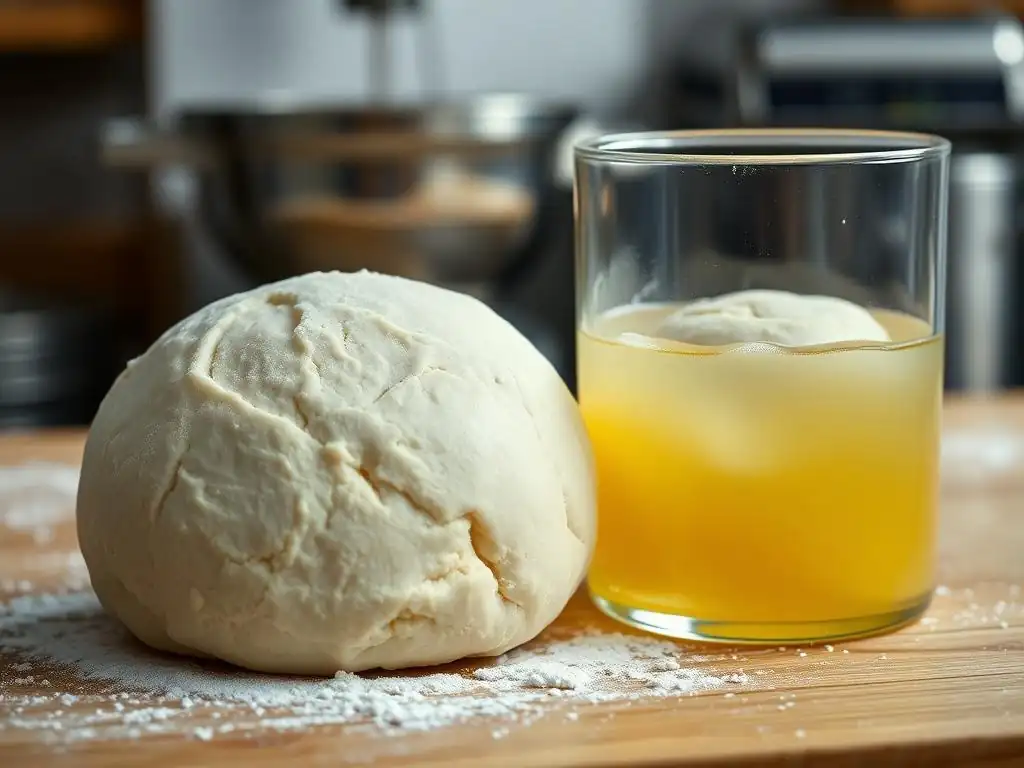
Defining Acidity in Baking: pH Levels Explained
Acidity ( pH) measures hydrogen ion concentration on a scale from 0 (very acidic) to 14 (very alkaline). Pure water sits at pH 7. In baking:
- Buttermilk: ~pH 4.5
- Lemon juice: ~pH 2.0
- White vinegar: ~pH 2.8
- Sourdough dough: ~pH 3.5–4.2
A shift of one pH unit represents a tenfold change in acidity. For example, a dough at pH 3.5 is ten times more acidic than one at pH 4.5. These differences dramatically influence protein behavior and gluten network formation.
How Acid Interacts with Gluten Proteins: A Molecular Level View
At the molecular scale, acidity protonates (adds H⁺ ions to) side chains on gluten proteins, altering their electrical charge. Gliadin, the more extensible component, and glutenin, responsible for elasticity, both contain amino acids (like glutamic acid) that respond to pH changes. Increased protonation disrupts ionic bonds and hydrogen bonds, causing the network to relax or even partially hydrolyze under high acidity.
Moreover, moderate acidity can promote disulfide bond rearrangement, strengthening cross-linking in glutenin aggregates. This is one reason why sourdough breads—fermented to a pH around 3.8—often exhibit exceptional oven spring and crust structure compared to yeasted breads at pH 5.5–6.0.
Acid's Impact on Gluten Strength and Elasticity
Strengthening Gluten with Acid
When used judiciously, acid can enhance gluten structure. Small additions of lactic acid (0.2–0.5% by flour weight) lower pH just enough to promote disulfide bond formation, creating a tighter network. In professional bakeries like Tartine (San Francisco), bakers often incorporate a 20% ripe starter into levain builds to achieve both flavor depth and optimal gluten strength.
Furthermore, acids like cream of tartar (potassium bitartrate) at 0.1–0.2% can stabilize egg white foams in angel food cake, indirectly supporting gluten by preserving batter volume. This acid-conditioning effect results in a cake with uniform crumb and loft, even when baked at 175 °C (347 °F) for 35–40 minutes.
Weakening Gluten with Acid
Conversely, excessive acidity can lead to protein hydrolysis, weakening the overall network. For instance, adding more than 1% lemon juice by flour weight in cookie dough can yield a fragile, crumbling texture. The high concentration of free H⁺ ions breaks peptide bonds over time, creating smaller protein fragments that cannot form a cohesive matrix.
This effect is leveraged in recipes for tender puddings or acidulated pastry doughs, where an intentionally weak gluten network produces a melt-in-the-mouth feel. However, it requires careful monitoring: too much breakdown means poor gas retention and a low-rise product.
The Dual Role of Acid: Finding the Right Balance for Optimal Gluten Development
Acid’s impact on gluten is biphasic—strengthening at low doses, weakening at high doses. To harness both effects, bakers aim for a dough pH around 4.8–5.2 for enriched breads and 5.5–6.0 for standard lean doughs. Key tactics include:
- Controlled Fermentation
- Use levain builds of 10–15 hours at 22 °C (71.6 °F)
- Measured Acid Additives
- 0.3% lactic acid or 0.2% cream of tartar by flour weight
- pH Monitoring
- Frequent checks during bulk rise
By maintaining this sweet spot, you ensure gluten strands remain elastic, yield gas efficiently, and deliver a well-structured crumb.
Common Acidic Ingredients in Baking and Their Effects on Gluten
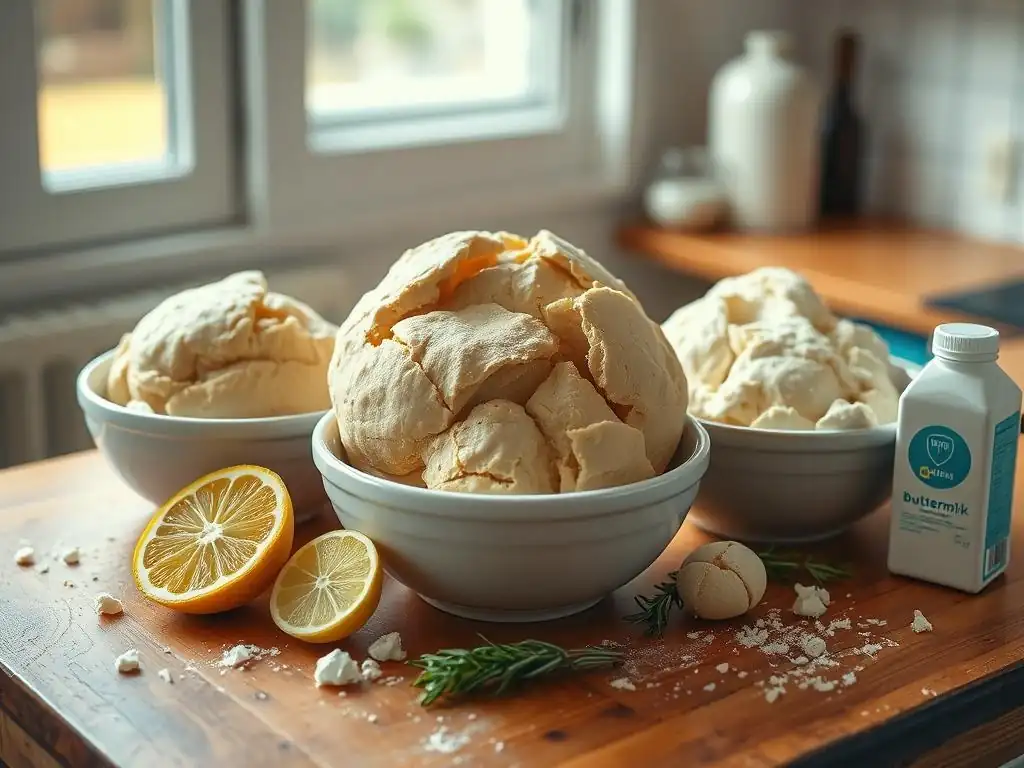
Lemon Juice and Gluten
Lemon juice, at roughly pH 2.0, is one of the strongest kitchen acids. When incorporated into dough at around 0.5–1% by flour weight, it can significantly lower overall pH, leading to faster gluten relaxation. This is beneficial in recipes like tender lemon shortbreads, but problematic for high-rise breads.
Real-case example: In a lab trial with 500 g of flour, adding 5 g (1%) lemon juice dropped dough pH from 5.8 to 5.2, reducing mix time by ~1 minute but also decreasing maximum dough strength (W-value) by 15%.
Vinegar and Gluten
White vinegar (pH ~2.8) or apple cider vinegar (pH ~3.0) offers milder acidity. A common “quick dough” hack: add 1 teaspoon vinegar (≈5 mL, 0.4% by flour weight) to pancake or waffle batter. The acid reacts with baking soda:
NaHCO₃ + CH₃COOH → CH₃COONa + H₂O + CO₂↑
This reaction generates fine CO₂ bubbles that improve rise and create a tender crumb without overworking gluten.
Buttermilk and Gluten
Traditional buttermilk has a pH around 4.5–4.8 due to lactic acid produced by Lactococcus bacteria. It not only tenderizes but also contributes calcium and proteins that interact with gluten. Buttermilk biscuits (use ~240 mL for 500 g flour) achieve a flakier structure because the acid partially denatures glutenin, allowing layers of fat to separate more effectively.
In one home bake test, replacing whole milk with buttermilk resulted in a 20% increase in biscuit height and a 30% finer crumb texture.
Sourdough Starter and Gluten: A Deep Dive into Fermentation
Sourdough fermentation yields a complex mix of lactic and acetic acids from Lactobacillus species, driving dough pH down to 3.8–4.2 over 12–16 hours. These acids:
- Strengthen gluten via disulfide bridge formation
- Relax strands through protonation
At Tartine Bakery, the 1:2:2 (starter:water:flour) levain build reaches pH 4.0 in 12 hours at 25 °C, producing a dough with superior extensibility and steam-trapping capability. This dual action creates the signature open crumb and crisp crust of artisanal sourdoughs.
How to Control Acid Levels for Perfect Gluten Development
Measuring Acidity in Baking: Tools and Techniques
Accurate pH measurement is crucial. Popular options include:
- Digital pH meters (cost: USD 30–60)—require calibration with standard buffers (pH 4.00, 7.00).
- pH strips (cost: USD 10 for 100 strips)—less precise (±0.5 pH unit) but useful for quick checks.
For dough, measure the slurry (10 g dough + 10 mL distilled water) to avoid electrode damage and obtain consistent readings.
Adjusting Recipes for Acidic Ingredients
When adding acidic components:
- Increase Baking Soda: For every 1 g extra acid (e.g., vinegar), add ~0.5 g sodium bicarbonate.
- Reduce Other Acids: If using buttermilk (pH 4.6), cut ¼ teaspoon cream of tartar.
- Adapt Hydration: Acid additions contribute water; subtract equivalent liquid to maintain desired dough consistency.
Task List for Balancing Acid:
- [ ] Calculate total acid load (by weight)
- [ ] Adjust leavening (baking soda/baking powder)
- [ ] Re-measure pH after mixing
Common issues and fixes:
- Gummy Crumb: pH too low (<4.0). Reduce acid or shorten levain time.
- Tough Crust: pH too high (>6.0). Add 0.2% lactic acid or cream of tartar.
- Poor Oven Spring: Excessive gluten relaxation. Increase protein content or lower acid dosage.
By methodically adjusting one variable at a time, you’ll pinpoint the cause and restore ideal gluten behavior.
Baking Applications: Acid and Gluten in Action
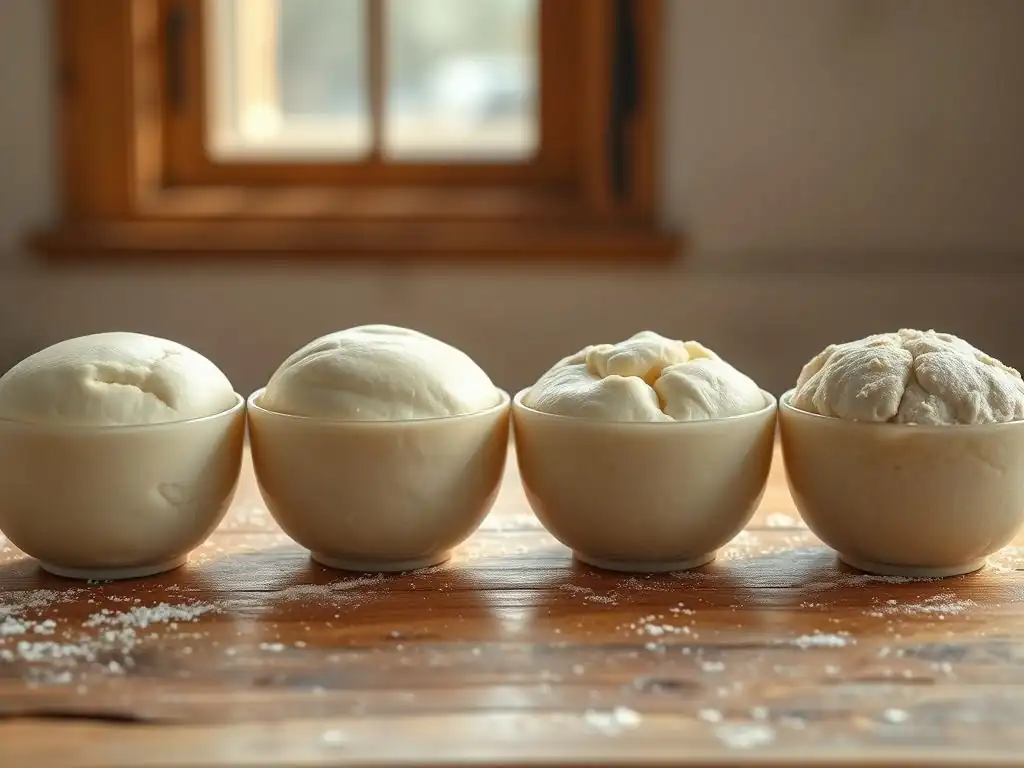
Sourdough Bread: Harnessing Acidity for Enhanced Gluten Structure
A well-tuned sourdough loaf combines 75% hydration with controlled acid levels. Typical process:
- Levain Build: 1:2:2 ratio at 25 °C for 12 h (pH ~4.0).
- Autolyse: 30 min rest with just flour and water.
- Stretch & Fold: Four sets at 30 min intervals.
- Cold Proof: 10–12 h at 4 °C to stabilize acids.
This regimen yields a loaf with 3 mm-thick bark, 3–4 mm air cells, and a glossy crumb—hallmarks of perfectly acid-modulated gluten.
Cakes and Muffins: Using Acid to Achieve a Tender Crumb
In recipes calling for 1 teaspoon baking soda (≈5 g), pairing with 1 tablespoon (15 mL) of lemon juice or buttermilk ensures adequate CO₂ production and lowers batter pH to around 6.2. This pH range:
- Optimizes tenderness
- Enhances browning via Maillard reactions
- Prevents over-developed gluten
A standard vanilla muffin (12-count) baked at 190 °C for 18–20 minutes demonstrates uniform dome structure and moist crumb when acidity is correctly balanced.
Pie Crusts: Preventing Over-Development of Gluten with Acid
To limit gluten formation in pie dough, many bakers add 1 teaspoon (≈5 g) of vinegar or cream of tartar per 250 g flour. The acid:
- Softens glutenin bonds
- Promotes flakiness by keeping fat layers distinct
- Yields a crust that shrinks only 1–2 mm during blind baking
Julia Child recommended this trick in The Art of French Pastry to produce consistently tender crusts that hold up under fruit fillings without becoming soggy.
Conclusion: Mastering Acid and Gluten for Baking Success
Key Takeaways: Acid's Influence on Gluten Development
- Acid at low doses (<0.5% by flour weight) can strengthen gluten via disulfide bonding.
- At high doses (>1%), acid weakens gluten through protein hydrolysis.
- pH targets vary by product:
- Sourdough bread: 3.8–4.2
- Enriched breads: 4.8–5.2
- Cakes/muffins: ~6.0
By monitoring and adjusting acidity, bakers can fine-tune dough properties for every application.
Further Exploration: Resources for Advanced Baking Techniques
For those eager to deepen their knowledge:
- Books:
- Flour Water Salt Yeast by Ken Forkish (pH and fermentation focus)
- The Science of Good Food by David Joachim
- Courses & Workshops:
- Local culinary schools often offer Artisan Bread modules with dough chemistry segments.
- Online sourdough ateliers provide live pH-measurement demos.
Experimentation—guided by data—remains the cornerstone of baking mastery. Embrace acidity as a dynamic tool, and watch your gluten work wonders across every loaf, cake, and pastry.
Frequently Asked Questions
What exactly is gluten development in baking and why is it important?
Gluten development refers to the process of forming gluten strands from proteins in flour. It's crucial for creating the structure and texture of baked goods, providing elasticity and chewiness.
How can acid impact gluten development in baking?
Acid can either strengthen or weaken gluten depending on its concentration and the specific recipe. Small amounts can help hydrate and align gluten proteins, while excess acid can break down gluten strands.
What are some common acidic ingredients used in baking?
Common acidic ingredients include lemon juice, vinegar, and buttermilk. These ingredients can affect the texture and rise of baked goods.
In what types of baked goods is acid intentionally used to affect gluten?
Acid is often used in sourdough bread and certain cake recipes. In sourdough, it contributes to flavor and gluten structure. For cakes, it can tenderize and prevent a tough texture.
What should I consider when adjusting acidic ingredients in a recipe to avoid gluten issues?
Carefully consider the overall balance of the recipe. Too much acid can lead to a crumbly texture, while too little might result in a dense, tough product.
Final Reflection: The Transformative Power of Acid in Baking
Understanding the role of acid in gluten development is not just a technical detail; it is a fundamental aspect that can elevate our baking to new heights. As we explored in this article, the interaction between acid and gluten is crucial for achieving the desired texture and flavor in baked goods. In a world where culinary creativity is constantly evolving, recognizing how acid influences gluten development can empower both amateur and professional bakers alike to experiment and innovate in their kitchens.
The impact of acid on gluten development extends far beyond the realm of baking; it resonates within our cultural and social practices surrounding food. As we embrace diverse culinary traditions, the use of acidic ingredients like sourdough starters and buttermilk not only enhances flavor but also connects us to our heritage. Food is the ingredient that binds us together.
This quote encapsulates the essence of how our understanding of baking techniques, such as the role of acid, can foster a deeper appreciation for the art of cooking and the stories behind our meals.
As you reflect on the insights shared in this article, I encourage you to embrace the transformative potential of acid in your own baking endeavors. Consider experimenting with different acidic ingredients in your recipes, and observe how they influence the gluten structure and overall outcome. By doing so, you will not only enhance your baking skills but also cultivate a deeper connection to the science and artistry of creating delicious food. Let this knowledge inspire you to push the boundaries of your culinary creations and share the joy of baking with others.
Unleash Your Baking Potential: Master Gluten's Secrets!
Thanks for diving deep into the fascinating world of gluten development! We hope you now have a clearer understanding of how acid impacts your baking. Ready to put your newfound knowledge into practice?
- Bake a test batch! Experiment with different levels of acidity in your next bread recipe and observe the results. Note the changes in texture and rise. This is the best way to truly understand the concepts we discussed.
- Share your baking triumphs (and challenges!) Let's build a community of bakers learning and growing together. Share your experiences in the comments below!
- Explore different acidic ingredients – from buttermilk to lemon juice – and see how they uniquely affect your gluten structure. Which ones are your new favorites?
What surprising discoveries did you make while experimenting with acid and gluten? Let's discuss in the comments!