
Classic Vanilla Pound Cake: Dense, Moist, Perfect

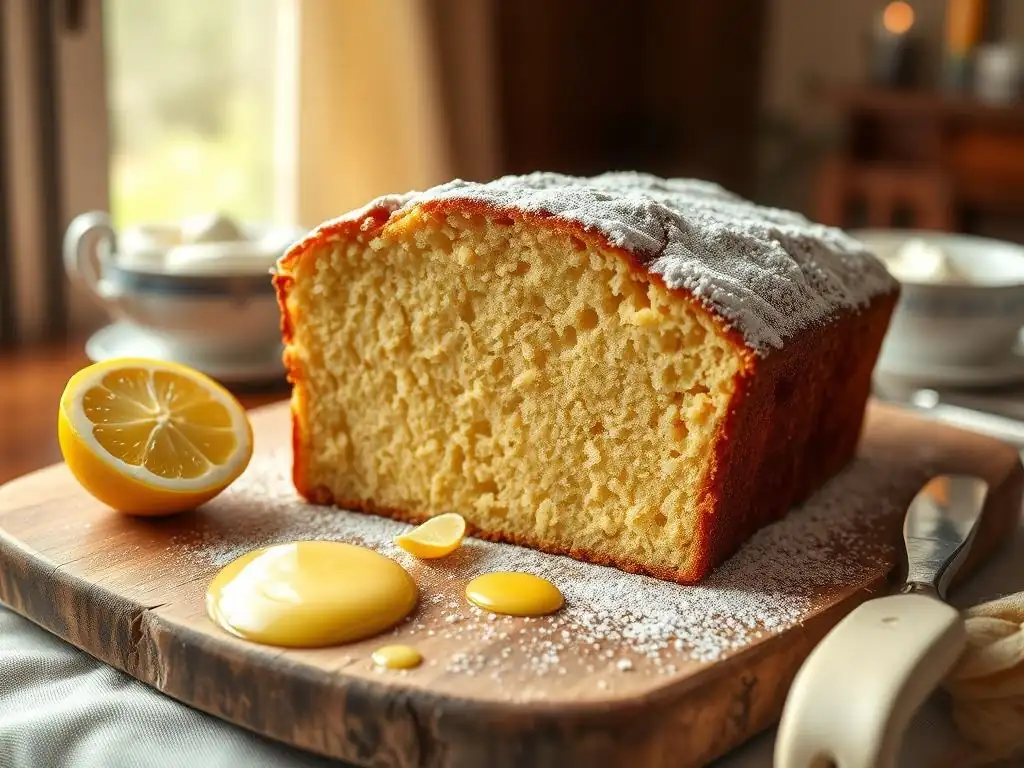
Welcome to BakeWithEase, your trusted companion in the delightful world of baking! Ever dreamt of achieving that perfectly dense and moist vanilla pound cake that melts in your mouth? Today, we're unlocking the secrets to just that. Prepare to embark on a journey of flavor and texture, as we guide you through our classic vanilla pound cake recipe, ensuring a result that's both rewarding and utterly delicious. Intrigued? Let's get baking!
- Our Guide to a Perfect Dense Vanilla Pound Cake Recipe
- Why This Dense Vanilla Pound Cake Recipe is a Must-Try
- Ingredients for Your Vanilla Pound Cake
-
Step-by-Step Instructions: Baking Your Classic Vanilla Pound Cake
- Preparing the Baking Pan for a Pound Cake
- Creaming Butter and Sugar: The Key to a Light Texture (But Dense Result!)
- Adding Eggs and Vanilla Extract for Flavor
- Combining Dry and Wet Ingredients for the Perfect Batter
- Baking Your Vanilla Pound Cake to Golden Perfection
- Cooling and Preparing the Vanilla Pound Cake for Serving
- Tips and Tricks for a Dense and Moist Vanilla Pound Cake
- Serving Suggestions for Your Classic Vanilla Pound Cake
- Troubleshooting Your Vanilla Pound Cake: Common Issues and Solutions
- Mastering the Classic Vanilla Pound Cake: A Recap
-
Frequently Asked Questions
- What makes this vanilla pound cake "dense"?
- What kind of ingredients do I need for the dense vanilla pound cake recipe?
- Can I substitute ingredients in the dense vanilla pound cake recipe?
- What are some tips for preventing a dry dense vanilla pound cake?
- How should I store my dense vanilla pound cake to keep it fresh?
- Final Reflection: The Enduring Allure of the Perfect Pound Cake
- Unlock Your Inner Baker: Bake the Perfect Pound Cake Today!
Our Guide to a Perfect Dense Vanilla Pound Cake Recipe
Welcome to BakeWithEase, where we simplify baking so you can achieve delicious results every time. Today, we're diving into the world of classic pound cake, specifically focusing on how to bake a dense vanilla pound cake recipe that is incredibly moist and utterly perfect. This isn't just any vanilla cake; it's the kind that reminds you of grandmothers' kitchens and comforting afternoons. Mastering this dense vanilla pound cake recipe is a fundamental skill that opens the door to countless variations and serving possibilities.
This guide will walk you through the essential techniques and provide a reliable, tested dense vanilla pound cake recipe. We'll cover everything from selecting the right ingredients to troubleshooting common issues. Our goal is to empower you to bake a pound cake that boasts that signature tight crumb and rich, buttery flavor that defines a true classic. Get ready to bake a cake that will impress everyone who tries it, proving that simple ingredients, when handled correctly, can create something truly extraordinary.
Why This Dense Vanilla Pound Cake Recipe is a Must-Try
The Secret to the Perfect Pound Cake Texture: Dense and Moist
The defining characteristic of a great pound cake is its texture – dense yet tender, and wonderfully moist. Unlike lighter sponge cakes or airy layer cakes, a dense vanilla pound cake recipe relies on a higher proportion of fat (butter) to flour and sugar, traditionally in equal "pound" amounts, though modern recipes often adjust slightly for better results. This generous amount of butter contributes significantly to both the flavor and the texture.
The density comes from the specific mixing method, often the creaming method, combined with careful ingredient ratios and avoiding excessive leavening. While creaming butter and sugar does incorporate some air, it's not designed to create a highly aerated batter like a chiffon cake. Instead, the structure is built upon the network formed by the flour and the richness of the butter, resulting in that satisfyingly close-grained crumb.
The moisture is locked in by the fat and sugar, ensuring each slice is rich and never dry. Aiming for this specific dense and moist quality is key to a truly classic pound cake.
Simple Ingredients for a Classic Vanilla Cake
One of the beautiful things about a classic dense vanilla pound cake recipe is its reliance on basic pantry staples. You don't need exotic ingredients; the magic happens with just flour, sugar, butter, eggs, and vanilla. Using high-quality versions of these simple components, however, makes a significant difference in the final flavor and texture. For example, using good quality unsalted butter and pure vanilla extract will elevate the taste profile dramatically.
The simplicity of the ingredient list means that the flavor of the vanilla and the rich butter truly shine through. There's no complexity to hide behind, just pure, comforting taste. This makes the dense vanilla pound cake recipe a perfect canvas for various toppings or simply delicious on its own. Ensuring your eggs and butter are at room temperature is a crucial, yet simple, step that profoundly impacts how well the ingredients emulsify and the texture of the final cake.
Recipe: Tested and Perfected
Developing a reliable dense vanilla pound cake recipe requires careful testing and tweaking. Our recipe has been refined to ensure consistent results, yielding a cake that is reliably dense, moist, and bursting with classic vanilla flavor. We've balanced the traditional ratios to achieve that signature pound cake texture while guaranteeing adequate moisture.
This tested recipe provides clear measurements and instructions designed for home bakers. We've considered common challenges, such as preventing the cake from being too dry or sinking in the middle. By following these steps, you can confidently bake a pound cake that meets the high standard of a classic. It's a foundational recipe that, once mastered, will become a go-to in your baking repertoire.
Ingredients for Your Vanilla Pound Cake
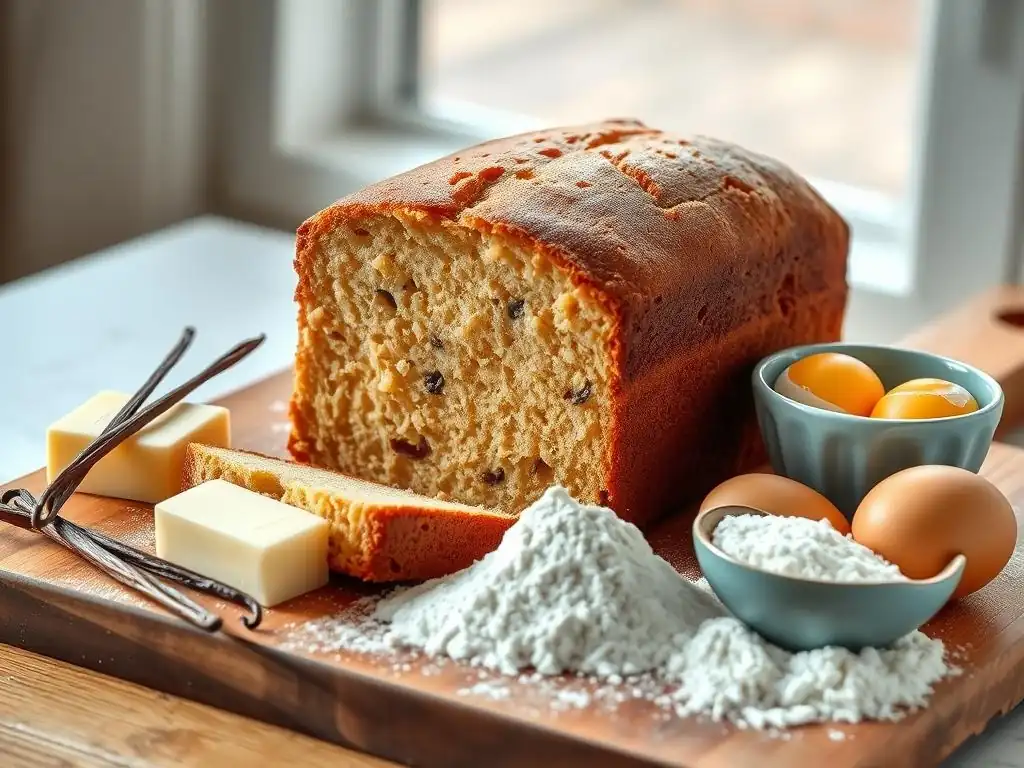
List of Ingredients for a Dense and Moist Pound Cake
To bake our classic dense vanilla pound cake recipe, you will need the following ingredients. Precision in measurement is key, especially with pound cake, so using a kitchen scale for dry ingredients is highly recommended for the most consistent results.
- 2 sticks (1 cup or approximately 227g) Unsalted Butter, softened to room temperature
- 3 cups (approximately 600g) Granulated Sugar
- 5 Large Eggs, room temperature
- 1 teaspoon Pure Vanilla Extract
- 3 cups (approximately 360g) All-Purpose Flour, sifted
- 1/2 teaspoon Salt
- 1/2 teaspoon Baking Powder (optional, for a slight lift while maintaining density)
- 1 cup (approximately 240ml) Whole Milk or Buttermilk, room temperature
Using room temperature ingredients is non-negotiable for achieving the correct emulsion and texture in a dense vanilla pound cake. Cold ingredients will not cream properly, leading to a heavier, less uniform crumb. Allow butter and eggs to sit out for at least 1-2 hours before starting.
Ingredient Substitutions and Tips for Vanilla Pound Cake
While the classic dense vanilla pound cake recipe is best with the listed ingredients, sometimes substitutions are necessary. If you only have salted butter, omit the added salt from the recipe. For a tangier flavor and slightly more tender crumb, you can substitute the whole milk with buttermilk. Buttermilk reacts with the baking powder (if used) to provide a gentle lift.
Regarding flour, while all-purpose flour is standard for this dense vanilla pound cake recipe, ensure it is properly measured and sifted to avoid a tough cake. Cake flour is not recommended as it will result in a lighter, less dense texture than desired for a classic pound cake. For vanilla, always use pure vanilla extract, not imitation, for the best flavor. The difference in aroma and taste is significant and truly enhances the vanilla notes in the finished cake.
Step-by-Step Instructions: Baking Your Classic Vanilla Pound Cake
Preparing the Baking Pan for a Pound Cake
Proper pan preparation is crucial to ensure your dense vanilla pound cake releases cleanly after baking. For a standard loaf pan (like a 9x5 inch), start by greasing the entire interior surface generously with softened butter or a non-stick baking spray that contains flour. Ensure you get into all the corners and up the sides.
After greasing, dust the pan with flour, tilting and tapping it to coat the butter evenly. Tap out any excess flour. For extra security, especially with rich cakes like this dense vanilla pound cake recipe, you can line the bottom of the pan with parchment paper after greasing and flouring. Simply cut a piece of parchment to fit the bottom dimensions of the pan, press it into place, and then grease and flour over the parchment as well. This creates a non-stick barrier that guarantees easy removal.
Creaming Butter and Sugar: The Key to a Light Texture (But Dense Result!)
Creaming butter and sugar is a fundamental step in this dense vanilla pound cake recipe, despite the goal of density. This process incorporates tiny air pockets into the butter, which expand during baking and contribute to the cake's lift and tender crumb structure, preventing it from being too heavy or leaden. Start with softened, but not melted, butter and add the granulated sugar.
Using an electric mixer (stand or hand mixer), beat the butter and sugar together on medium speed. Scrape down the sides and bottom of the bowl frequently. Creaming should take about 5-7 minutes. The mixture will become significantly lighter in color (pale yellow), fluffy, and increased in volume. You should no longer feel distinct sugar granules when you rub a bit between your fingers. This thorough creaming is vital for the success of your dense vanilla pound cake.
Adding Eggs and Vanilla Extract for Flavor
Once the butter and sugar are properly creamed, it's time to incorporate the eggs and vanilla extract. Add the large, room temperature eggs one at a time, beating well after each addition until fully incorporated. This step is important for emulsification, ensuring the fat from the butter and yolks blends smoothly with the other ingredients. Don't rush this process; allow each egg to disappear into the batter before adding the next.
After adding the eggs, beat in the pure vanilla extract. The standard amount is 1 teaspoon, but for a pronounced vanilla flavor in your dense vanilla pound cake, you can increase it slightly to 1.5 or even 2 teaspoons, depending on your preference and the quality of your extract. Continue beating for another minute after the last egg is added to ensure everything is well combined and the mixture is smooth. The batter might look slightly curdled after adding the first egg, but it should smooth out as you add the subsequent eggs and continue mixing.
Combining Dry and Wet Ingredients for the Perfect Batter
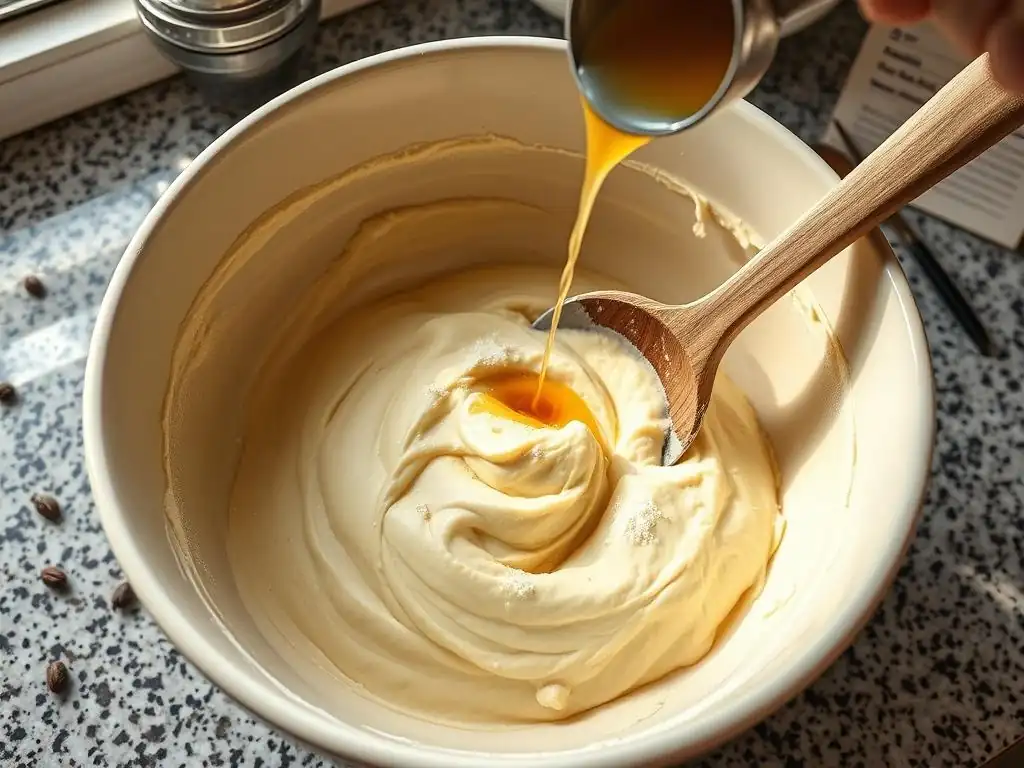
Now, you will alternate adding the dry ingredients (flour, salt, baking powder) and the wet ingredient (milk or buttermilk) to the creamed mixture. This method helps prevent the batter from breaking and allows for even distribution of the flour without overmixing. Begin by adding about one-third of the sifted dry ingredients to the bowl. Mix on low speed just until barely combined – visible streaks of flour are okay at this stage.
Next, add half of the milk or buttermilk and mix on low speed until just incorporated. Repeat this process: add the second third of the dry ingredients, mix briefly, add the remaining milk, mix briefly, and finally add the last third of the dry ingredients. For the final addition of dry ingredients, mix only until no dry flour streaks remain.
Overmixing the batter after adding the flour develops gluten excessively, which can result in a tough, rather than a dense and moist, dense vanilla pound cake. Use a spatula for a final gentle fold to ensure everything is scraped from the sides and bottom.
Baking Your Vanilla Pound Cake to Golden Perfection
Preheat your oven to 325°F (160°C). Lower temperatures for longer periods are often preferred for pound cakes as they allow the cake to rise slowly and cook through evenly without drying out the exterior or causing it to crack excessively or dome too high before the center is set. Pour the batter into your prepared loaf pan, smoothing the top with a spatula. You can create a slight trough down the center of the batter with the spatula; this helps the cake bake with a more even top crack rather than a large, messy one.
Bake the dense vanilla pound cake for approximately 60-80 minutes. Baking time can vary significantly based on your oven and the pan material. The cake is done when a wooden skewer or toothpick inserted into the center comes out clean or with just a few moist crumbs attached. The top should be golden brown, and the edges should be pulling slightly away from the sides of the pan. If the top starts to brown too quickly before the center is done, you can loosely tent the pan with aluminum foil.
Cooling and Preparing the Vanilla Pound Cake for Serving
Once the dense vanilla pound cake is baked, remove it from the oven and let it cool in the pan on a wire rack for about 10-15 minutes. This initial cooling period allows the cake to set slightly and become firm enough to handle without breaking. Running a knife gently around the edges can help ensure it's not sticking.
After the initial cooling, carefully invert the pan onto the wire rack to remove the cake. If you used parchment paper, peel it off. Allow the cake to cool completely on the wire rack before slicing. Slicing a warm pound cake can cause it to crumble or compress, ruining that beautiful dense texture. A dense vanilla pound cake can take 2-3 hours to cool fully. Patience is key here for the best results.
Tips and Tricks for a Dense and Moist Vanilla Pound Cake
Achieving the Ideal Dense Texture in Pound Cake
The signature density of a classic vanilla pound cake comes from a few key factors. First, the relatively high ratio of fat to flour and sugar compared to other cake types naturally results in a tighter crumb. Second, the mixing method plays a role; while creaming incorporates air, it's not to the extent of methods used for lighter cakes. Avoiding overmixing after adding the flour is paramount. Overmixing develops gluten, leading to toughness, not density. Mix only until the flour is just incorporated.
Another factor is using the correct type of flour. All-purpose flour provides enough structure for the dense crumb. Using cake flour would reduce the protein content, resulting in a lighter, less dense cake. Also, avoid adding excessive chemical leaveners like baking soda or too much baking powder. Our dense vanilla pound cake recipe uses a minimal amount of baking powder (optional) to provide just enough lift without compromising the characteristic density.
Preventing a Dry Vanilla Pound Cake
A dry pound cake is a common disappointment, but easily preventable with attention to detail in this dense vanilla pound cake recipe. The most frequent culprits are overbaking and incorrect ingredient measurements, particularly too much flour or not enough fat and sugar. Ensure you measure your flour correctly, ideally by weight (about 360g for 3 cups), or spoon it lightly into the measuring cup and level it off. Packing flour into the cup can add 20-30% more flour than intended.
Baking for the correct duration at the correct temperature is also vital. Use an oven thermometer to verify your oven's temperature, as they can often be off by 25°F or more. Bake only until a skewer comes out clean; don't wait for it to be bone dry. Cooling the cake properly also helps retain moisture. Finally, ensuring all cold ingredients are brought to room temperature allows for proper emulsification, which helps create a smoother batter and a more evenly moist cake.
Flavor Variations for Your Classic Pound Cake: Lemon Zest, Nutmeg, Cardamom
While the classic dense vanilla pound cake recipe is wonderful on its own, its simple base makes it perfect for subtle flavor variations. Adding the zest of one large lemon (about 1-2 tablespoons) to the batter along with the wet ingredients introduces a bright, citrusy note that pairs beautifully with vanilla. Ensure you only grate the yellow part of the peel, avoiding the bitter white pith.
Another delightful variation is to incorporate warm spices. A pinch of freshly grated nutmeg (about 1/4 teaspoon) or ground cardamom (about 1/2 teaspoon) can add depth and complexity without overpowering the vanilla. These spices complement the buttery richness of the dense vanilla pound cake. You can add these ground spices directly to the dry ingredients before combining them with the wet. Start with small amounts and adjust to your preference in future bakes.
Storing Your Vanilla Pound Cake for Maximum Freshness
To keep your dense vanilla pound cake moist and fresh, proper storage is essential. Once the cake is completely cooled, wrap it tightly in plastic wrap. Ensure the plastic wrap is in direct contact with the cake's surface to prevent air exposure, which can dry it out. For extra protection, you can then wrap the plastic-wrapped cake in aluminum foil or place it in an airtight container.
Stored at room temperature, a dense vanilla pound cake will remain fresh for about 3-4 days. For longer storage, pound cake freezes exceptionally well. Wrap individual slices or the whole cooled cake (if not too large) tightly in plastic wrap, then in aluminum foil or a freezer bag. Frozen dense vanilla pound cake can last for several months (typically up to 3-4 months) without significant loss of quality. Thaw frozen cake overnight in the refrigerator or at room temperature, still wrapped, to retain moisture.
Serving Suggestions for Your Classic Vanilla Pound Cake
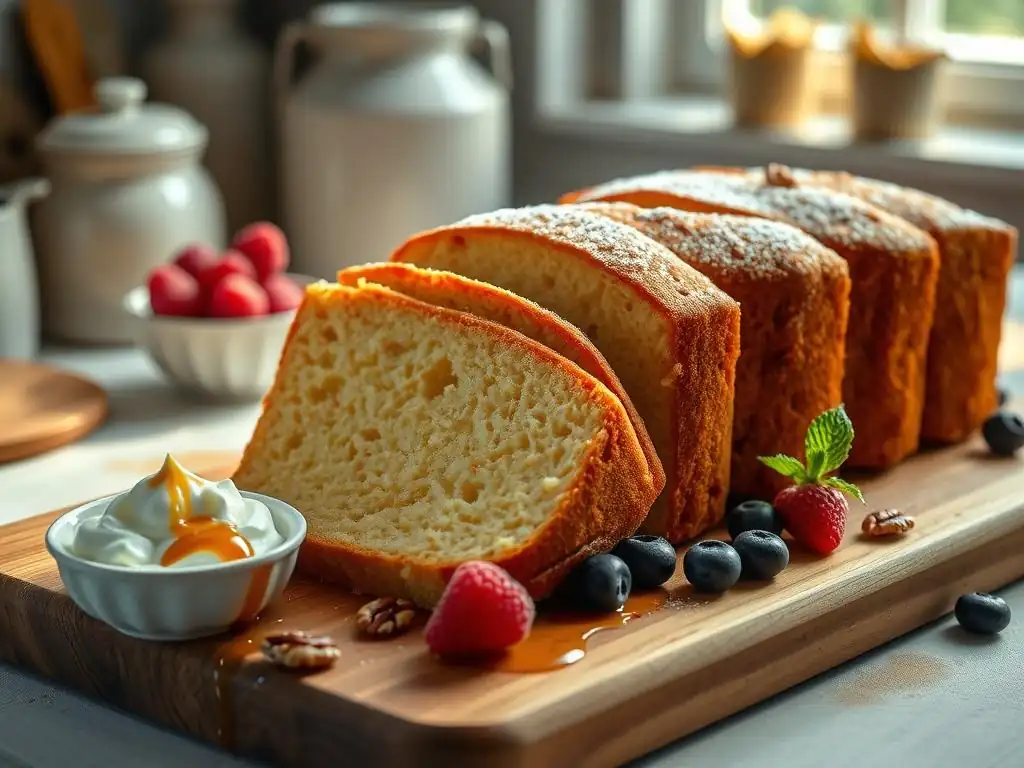
Glazes and Frostings to Elevate Your Pound Cake
A classic dense vanilla pound cake recipe is delicious plain, but it also serves as an excellent base for various glazes and frostings. A simple vanilla glaze is a popular choice: whisk together about 1 cup of powdered sugar with 1-2 tablespoons of milk or cream and 1/4 teaspoon of vanilla extract until smooth and pourable. Drizzle this over the cooled cake.
For something richer, a simple chocolate ganache (equal parts melted chocolate and hot cream) or a cream cheese frosting complement the buttery vanilla flavor beautifully. Even a simple dusting of powdered sugar over the top can add a touch of elegance. When adding glazes or frostings, ensure the dense vanilla pound cake is fully cooled to prevent them from melting or becoming messy.
Pairing Suggestions for Your Vanilla Pound Cake
The rich, buttery flavor and dense texture of this vanilla pound cake make it a versatile dessert that pairs well with many accompaniments. It's delightful served simply with fresh berries, such as strawberries, raspberries, or blueberries, which provide a lovely contrast in texture and a burst of freshness.
Another classic pairing is with a dollop of whipped cream or a scoop of vanilla ice cream. The creamy texture and temperature contrast are wonderfully satisfying. For a warm dessert, gently warming a slice of dense vanilla pound cake and serving it with a fruit compote (like cherry or peach) or a warm caramel sauce is absolutely divine. A cup of coffee or tea is also a perfect accompaniment to a slice of this comforting cake.
Troubleshooting Your Vanilla Pound Cake: Common Issues and Solutions
My Pound Cake is Too Dry: What Went Wrong?
A dry dense vanilla pound cake is a common issue, often stemming from measurement errors or overbaking. As mentioned earlier, incorrectly measuring flour (packing it into the cup) is a major cause. Ensure you're using the spoon-and-level method or, preferably, a kitchen scale for accuracy. Too little butter or sugar can also reduce moisture.
Overbaking is another frequent culprit. Ovens vary, so rely on the skewer test rather than just the clock. If your cake looks done on the outside but the center isn't quite ready, tent it with foil to prevent the exterior from drying further. Ensure your oven temperature is accurate using a thermometer. Baking at too high a temperature can also cause dryness. Lastly, make sure your ingredients, especially butter and eggs, are at room temperature for proper emulsification, which contributes to a moist crumb in your dense vanilla pound cake.
My Pound Cake Didn't Rise: Troubleshooting Tips
While a dense vanilla pound cake recipe isn't meant to be sky-high, it should still have some lift. If your cake is flat or sunken, several factors could be at play. Ensure your baking powder (if using) is fresh; old leavening agents lose their effectiveness. Check the expiration date.
Improper creaming of butter and sugar is another common cause. This step incorporates crucial air bubbles. Make sure you are creaming for the full 5-7 minutes until the mixture is light and fluffy. Cold ingredients, particularly butter and eggs, will hinder proper creaming and emulsification, resulting in a heavier, less risen cake. Ensure all ingredients are at room temperature. Finally, opening the oven door too early during baking can cause the cake to collapse before its structure is set. Resist the urge to check on it frequently in the first 45-50 minutes.
My Pound Cake is Crumbly: How to Fix It
A crumbly dense vanilla pound cake can be frustrating. This is often a sign of too much flour or insufficient binding from fats and eggs. Double-check your flour measurement; over-flouring is a primary reason for a cake that falls apart. Using a kitchen scale is highly recommended for accurate flour measurements.
Ensuring your butter and eggs are at room temperature and properly incorporated through the creaming method is also key. Proper emulsification creates a stable batter that holds together better during baking. Undermixing the batter after adding the flour can also lead to a crumbly texture, as the ingredients aren't fully integrated. While overmixing is bad, mixing just until the flour disappears is necessary for the structure of your dense vanilla pound cake. Make sure all ingredients are well combined but stop mixing as soon as that happens.
Mastering the Classic Vanilla Pound Cake: A Recap
Key Takeaways for Baking a Dense and Moist Pound Cake
Baking a perfect dense vanilla pound cake recipe comes down to a few fundamental principles. First, use high-quality ingredients and ensure they are all at room temperature. This is critical for proper emulsification and texture. Second, pay close attention to the creaming of butter and sugar – this step builds the essential structure and air pockets. Third, measure your flour accurately, ideally by weight, and avoid overmixing the batter once the flour is added.
Bake your cake at a slightly lower temperature (like 325°F) for a longer time to ensure even cooking and prevent dryness. Always use the skewer test to determine doneness rather than relying solely on the clock. Finally, be patient during the cooling process; allowing the cake to cool completely before slicing is vital for maintaining its structure and that desirable dense and moist texture. Mastering these points will consistently yield a delicious dense vanilla pound cake.
Further Baking Resources: Vanilla Cakes & Desserts
This classic dense vanilla pound cake recipe is just the beginning of your journey into vanilla cakes and desserts. On BakeWithEase.com, you can find a wealth of other recipes and guides to expand your baking skills. Explore variations on this pound cake, such as adding chocolate chips or a swirl of fruit puree.
Delve into other vanilla-centric treats like vanilla bean cupcakes, classic vanilla layer cakes with various frostings, or simpler bakes like vanilla sugar cookies or vanilla bean scones. Each recipe on our site provides clear, easy-to-follow instructions designed for bakers of all levels. Continue practicing and experimenting with different vanilla cakes and desserts to discover new favorites and build your baking confidence.
Frequently Asked Questions
What makes this vanilla pound cake "dense"?
The high ratio of butter and sugar to flour, combined with minimal leavening agents, contributes to the characteristic dense texture of the pound cake. This contrasts with lighter, airier cakes.
What kind of ingredients do I need for the dense vanilla pound cake recipe?
You'll need basic baking ingredients like butter, sugar, eggs, flour, vanilla extract, and a touch of baking powder. The recipe emphasizes using high-quality ingredients for the best flavor.
Can I substitute ingredients in the dense vanilla pound cake recipe?
While some substitutions might work, it's best to follow the recipe closely for optimal results. Altering the butter-to-sugar ratio can significantly affect the density.
What are some tips for preventing a dry dense vanilla pound cake?
Avoid overbaking the cake! Check for doneness by inserting a toothpick; it should come out with a few moist crumbs. Also, using room temperature ingredients helps create a more tender crumb.
How should I store my dense vanilla pound cake to keep it fresh?
Wrap the cooled pound cake tightly in plastic wrap, then store it in an airtight container at room temperature. This helps retain moisture and prevents it from drying out.
Final Reflection: The Enduring Allure of the Perfect Pound Cake
The classic vanilla pound cake, a seemingly simple dessert, holds a surprising power to connect us to culinary traditions and evoke feelings of comfort and nostalgia. Its enduring popularity speaks volumes about our desire for simple pleasures and the timeless appeal of a perfectly executed recipe. In a world of increasingly complex culinary trends, the pound cake remains a steadfast reminder of the beauty found in mastering the fundamentals.
The journey of perfecting this recipe, from initial experimentation to achieving that ideal dense, moist crumb, has been a personal reflection on the importance of patience and precision in baking. The best things in life are worth waiting for,
a phrase often heard in the kitchen, rings especially true when crafting a pound cake. The subtle nuances of ingredient quality and baking technique truly elevate this dessert beyond mere sustenance, transforming it into a small act of culinary artistry. Its presence on tables across generations speaks to its ability to transcend trends and remain a cherished symbol of celebration and comfort.
Now, I invite you to consider your own relationship with baking. Perhaps this recipe will inspire you to try your hand at creating your own perfect pound cake, savoring the process and the delicious reward. Or maybe it will simply encourage you to appreciate the simple pleasures found in the familiar, reminding you that sometimes, the most enduring recipes are the ones that stand the test of time. Embrace the challenge, embrace the process, and most importantly, embrace the joy of baking.
Unlock Your Inner Baker: Bake the Perfect Pound Cake Today!
Thanks for joining us on this delicious journey into the world of classic vanilla pound cake! We hope you've gained the confidence to tackle this baking masterpiece. Now it's time to put your newfound knowledge to the test.
- Bake your own pound cake masterpiece: Gather your ingredients and follow the recipe – you'll be amazed at how simple it is to create something so delicious!
- Share your baking triumph: Post a picture of your beautiful pound cake on social media and tag us @BakeWithEase – we'd love to see your creation!
- Explore our other cake recipes: Dive into our extensive collection of cake recipes and discover your next baking adventure!
Ready to experience the joy of baking a perfect pound cake? What unique twist will you add to your creation?