
Best Sourdough Books for Perfecting Your Baking Techniques

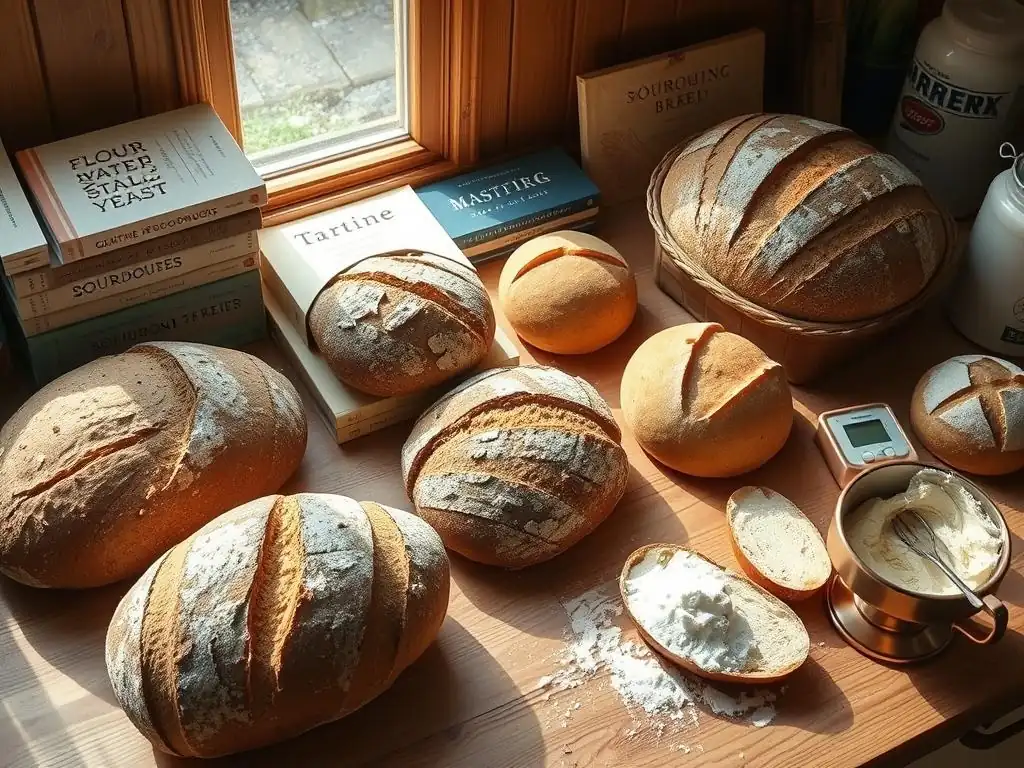
Welcome to BakeWithEase, your kitchen companion for all things baking! Ever wondered if you could truly master the art of sourdough? This week, we dive deep into the world of sourdough baking books for beginners, revealing the secrets that will transform your loaves from dense disappointments to airy masterpieces. Intrigued? Discover which books will guide you on your sourdough journey, and unlock the delicious potential within. Let's get baking!
- Choosing the Right Sourdough Baking Book: A Guide for Beginners to Experts
- Top Sourdough Baking Books for Beginners: Start Your Journey Today
- Best Intermediate Sourdough Baking Books: Level Up Your Skills
- Advanced Sourdough Baking Books: For the Experienced Baker
- Sourdough Techniques Explored: Finding the Right Book for Your Needs
- Maximizing Your Sourdough Journey: Essential Tools and Ingredients (Affiliate Opportunities)
- Conclusion: Choosing the Best Sourdough Baking Book for You
-
Frequently Asked Questions
- What makes a sourdough baking book good for beginners?
- How important is understanding sourdough starter maintenance when choosing a book?
- Are there sourdough books that focus specifically on troubleshooting common baking issues?
- Besides recipes, what other valuable information can I expect to find in a sourdough book?
- Will a sourdough baking book for beginners cover different types of sourdough bread?
- Final Reflection: The Ever-Rising Crust of Sourdough Knowledge
- Unlock Your Inner Sourdough Master!
Choosing the Right Sourdough Baking Book: A Guide for Beginners to Experts
Finding the Perfect Sourdough Guide: Matching Books to Skill Level
Embarking on the sourdough journey can feel daunting, especially when faced with a multitude of resources. The first step in finding the best sourdough baking books is understanding your current skill level and what you hope to achieve. Are you a complete novice just learning how to create and maintain a sourdough starter, or are you an experienced baker looking to explore complex dough hydration levels and unique fermentation profiles?
Many excellent sourdough baking books cater specifically to beginners, offering simple step-by-step guides, while others delve deep into the science and artistry required for advanced techniques. Identifying your starting point helps narrow down the options and ensures you pick a book that matches your pace and learning style.
For those new to the world of naturally leavened bread, focusing on sourdough baking books beginners often recommend is key. These foundational guides typically prioritize clear instructions, basic recipes, and troubleshooting common issues like inactive starter or dense loaves. As you gain confidence and experience, you might look for books that introduce variations like enriched doughs, different flours, or advanced shaping techniques. Ultimately, the "perfect" sourdough guide is one that meets you where you are and provides the knowledge and inspiration you need to confidently progress in your baking skills, turning theoretical knowledge into delicious, tangible results.
Top Sourdough Baking Books for Beginners: Start Your Journey Today
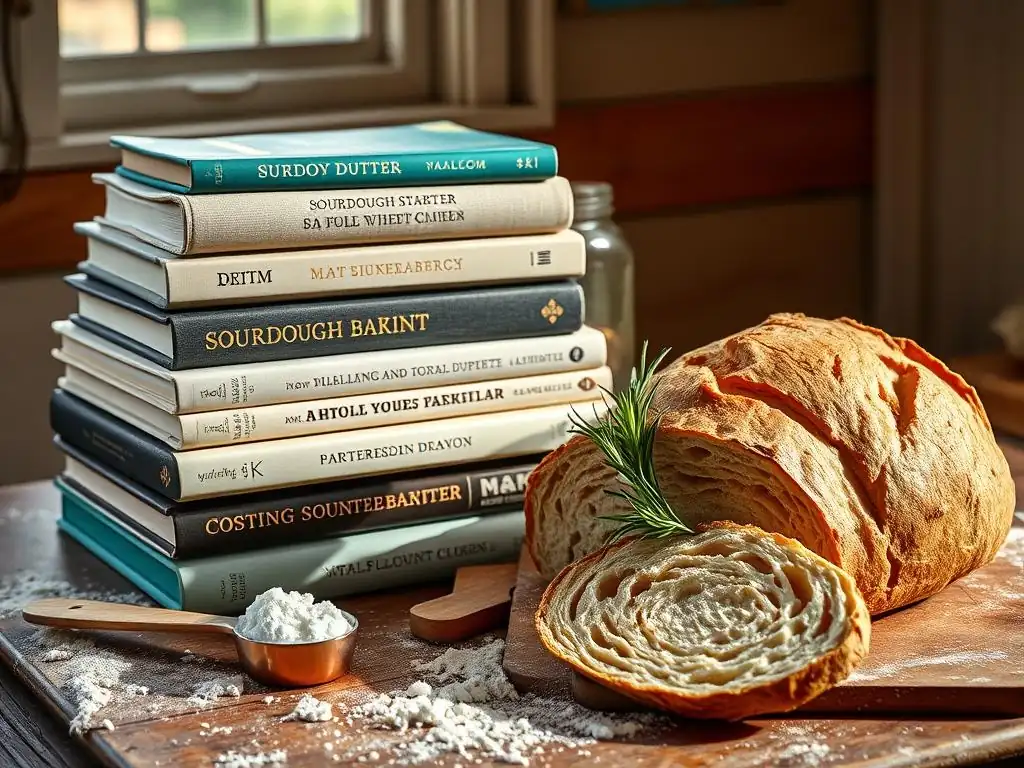
Sourdough Baking for Beginners by Lisa Clarke: Your Easy Start to Artisan Bread
Sourdough Baking for Beginners Features: Step-by-step instructions and vibrant photos
Lisa Clarke's Sourdough Baking for Beginners is designed with the absolute novice in mind. It breaks down the often-mysterious process of sourdough baking into manageable steps, starting with cultivating and maintaining a healthy starter. The book is richly illustrated with vibrant, clear photographs that accompany each stage of the process, from mixing the dough to scoring the loaf before baking.
This visual guidance is invaluable for beginners who are still learning to recognize the correct consistency of dough or the signs of proper fermentation. The instructions are written in a straightforward, friendly tone, making complex concepts accessible and encouraging readers to dive in without intimidation.
Why Sourdough Baking for Beginners is Perfect for Novices: Simple recipes and troubleshooting tips
This book excels at providing simple, reliable recipes that build confidence. Instead of overwhelming readers with complex formulas, it focuses on foundational loaves like a basic country loaf or simple sourdough rolls. A significant strength is its dedicated section on troubleshooting common problems. It addresses issues such as why a starter might not be active, why a loaf is gummy inside, or why the crust isn't developing properly, offering practical solutions. This focus on problem-solving, combined with easy-to-follow recipes, firmly establishes Sourdough Baking for Beginners as one of the top sourdough baking books beginners should consider picking up first.
Monetization Opportunity: Affiliate link to Sourdough Baking for Beginners on Amazon/Bookshop.org.
Sourdough Every Day by Hannah Dela Cruz: Mastering the Basics
Sourdough Every Day Focuses on: Foundational techniques and easy discard recipes
Hannah Dela Cruz's Sourdough Every Day takes a slightly different approach, emphasizing integration of sourdough into daily baking routines. While it covers essential techniques for creating and maintaining a starter and baking a basic loaf, a significant portion of the book is dedicated to recipes that utilize sourdough discard. This focus helps beginners feel less wasteful and provides opportunities to practice handling sourdough culture in various forms, from pancakes and muffins to crackers and quick breads. The book simplifies the core processes, making it approachable for those new to natural leavening.
Benefits of Sourdough Every Day: Building a strong sourdough base and reducing waste
One of the key benefits of Sourdough Every Day is its practical approach to using discard, which is a common challenge for new sourdough bakers. By offering numerous delicious recipes for discard, it encourages regular starter maintenance without the guilt of throwing away flour. This helps bakers keep their starter healthy and active, which is fundamental to successful sourdough baking. The book also reinforces basic techniques through repetition across different recipes, helping beginners build muscle memory and intuition about dough handling and fermentation signs, proving itself as a valuable resource among sourdough baking books beginners can trust.
Monetization Opportunity: Affiliate link to Sourdough Every Day on Amazon/Bookshop.org.
Best Intermediate Sourdough Baking Books: Level Up Your Skills
Tartine Bread by Chad Robertson: The Classic Sourdough Bible
Why Tartine Bread is a Must-Have: Exploring advanced techniques
Chad Robertson's Tartine Bread is widely regarded as a seminal work in modern artisan bread baking, particularly for sourdough. While it can be challenging for absolute novices due to its detail and assumption of some basic baking knowledge, it is an essential resource for intermediate bakers looking to elevate their skills. The book delves deep into the nuances of fermentation, dough development, and baking in a home oven to achieve results comparable to those from a professional bakery. It's not just a recipe book; it's a philosophy and a guide to understanding the living process of sourdough.
Tartine Bread's Strengths: Detailed explanations of fermentation and dough handling
The strength of Tartine Bread lies in its meticulous explanation of the "Tartine Method," a specific approach to mixing, bulk fermentation, shaping, and baking. Robertson provides detailed insights into how temperature, time, and hydration affect the final loaf. The book includes comprehensive sections on creating and maintaining a vigorous starter, understanding dough structure through techniques like stretch and folds, and achieving a beautiful crust and open crumb structure. While potentially overwhelming for someone seeking sourdough baking books beginners might prefer, for those ready to move beyond the basics, Tartine offers a masterclass in artisanal technique.
Monetization Opportunity: Affiliate link to Tartine Bread on Amazon/Bookshop.org.
The Perfect Loaf by Maurizio Leo: A Deep Dive into Sourdough Science
The Perfect Loaf Focus: Understanding the science behind sourdough baking.
Based on his highly popular website, Maurizio Leo's The Perfect Loaf offers a scientific and methodical approach to sourdough baking. The book doesn't just provide recipes; it explains the why behind each step, covering topics like flour composition, hydration percentages, fermentation activity at different temperatures, and the impact of various grains. This focus on the underlying science empowers intermediate bakers to understand how adjustments affect their results and to troubleshoot issues more effectively. It bridges the gap between following instructions and truly understanding the craft.
Benefits of The Perfect Loaf: Achieving consistent and predictable results.
By demystifying the science, The Perfect Loaf helps bakers achieve more consistent and predictable results. Leo provides detailed schedules and formulas, often with baker's percentages clearly laid out, allowing bakers to scale recipes and understand the ratios.
The book offers variations on classic loaves, explores different flours (whole wheat, rye, spelt), and includes recipes for other sourdough applications like pizza dough and pastries. For the intermediate baker aiming for reliability and a deeper understanding of their craft, this book provides the knowledge needed to consistently produce high-quality sourdough bread, making it a valuable step up from sourdough baking books beginners might start with.
Monetization Opportunity: Affiliate link to The Perfect Loaf on Amazon/Bookshop.org.
Flour Water Salt Yeast by Ken Forkish: A Scientific Approach to Sourdough
Flour Water Salt Yeast and its Emphasis on: Understanding ingredients and processes
Ken Forkish's Flour Water Salt Yeast (FWSY) is another cornerstone text for intermediate bakers, offering a rigorous yet accessible approach to bread making, including a significant section on sourdough. The book emphasizes understanding the fundamental ingredients – flour, water, salt, and yeast (both commercial and wild) – and how their interaction, combined with time and temperature, creates exceptional bread. Forkish provides detailed schedules for various doughs, highlighting the importance of process over simple ingredient lists. His methods often involve long, slow fermentation, which develops complex flavors.
Benefits of Flour Water Salt Yeast: Precise recipes for consistent results
FWSY provides precise, well-tested recipes and schedules that are designed to yield consistent results, particularly when following his specific timing and temperature guidelines. While it covers commercial yeast breads, the sourdough section is thorough, guiding bakers through building and maintaining a starter and using it in various doughs. The book includes detailed instructions for mixing, shaping, and baking in Dutch ovens, a popular technique for home bakers seeking a good crust. For those moving past basic sourdough baking books beginners recommend, FWSY offers a structured pathway to mastering fundamental artisan bread techniques, applicable to both commercial yeast and sourdough.
Monetization Opportunity: Affiliate link to Flour Water Salt Yeast on Amazon/Bookshop.org.
Advanced Sourdough Baking Books: For the Experienced Baker
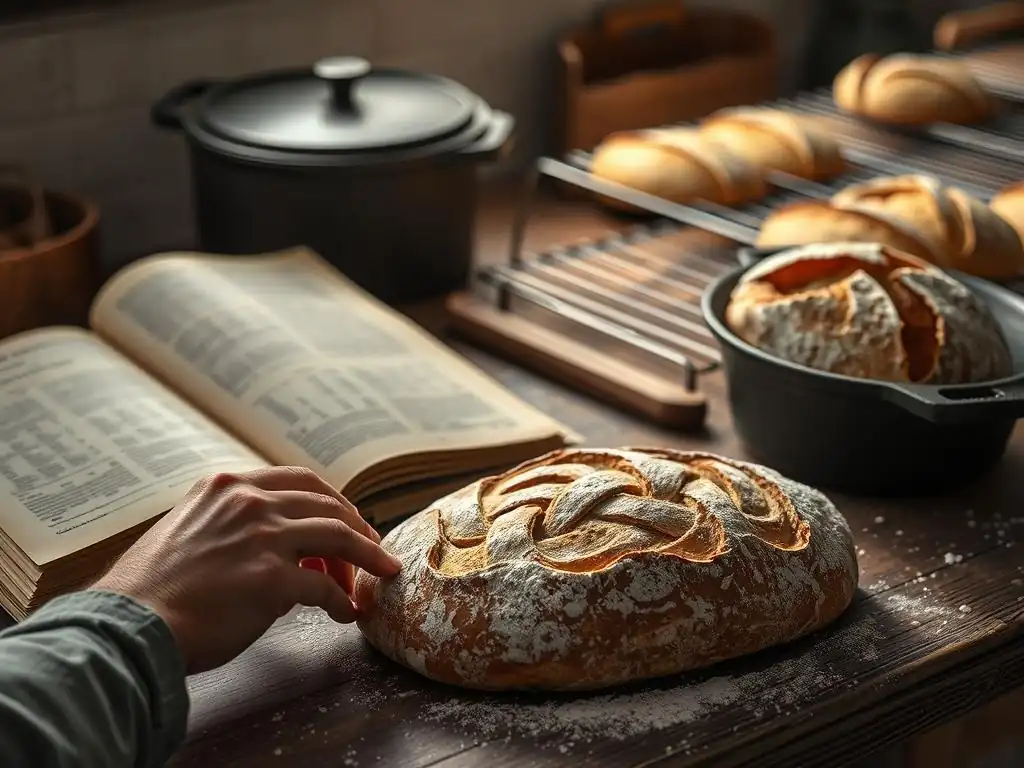
Modern Sourdough by Michelle Eshkeri: Pushing the Boundaries of Flavor and Technique
Modern Sourdough's Focus: Creative recipes and unique flavor combinations
Michelle Eshkeri's Modern Sourdough is designed for the experienced baker looking to move beyond traditional loaves and explore innovative flavors and techniques. Based on her work at Margot Bakery in London, the book features recipes that incorporate a wide range of ingredients, from fruits, nuts, and seeds to spices and vegetables, resulting in unique flavor profiles and textures. It assumes a solid understanding of basic sourdough principles and challenges bakers to work with wetter doughs, complex inclusions, and varied fermentation strategies to achieve sophisticated results.
Benefits of Modern Sourdough: Mastering advanced fermentation techniques
This book pushes the boundaries of what's possible with sourdough, encouraging experienced bakers to experiment and refine their skills. It delves into advanced fermentation techniques, exploring different starter hydration levels, bulk fermentation times, and proofing methods to achieve specific outcomes. Recipes like chocolate cherry sourdough or olive and herb loaves require precise handling and an understanding of how inclusions affect dough structure and fermentation. For bakers who have mastered the basics found in sourdough baking books beginners use and intermediate texts, Modern Sourdough offers a path to creativity and technical refinement.
Monetization Opportunity: Affiliate link to Modern Sourdough on Amazon/Bookshop.org.
Bread Ahead: The Expert Home Baker by Matthew Jones: Elevating Your Sourdough
Bread Ahead: The Expert Home Baker and its Emphasis on: Complex doughs and innovative baking methods
Matthew Jones, founder of London's renowned Bread Ahead bakery and baking school, shares his expertise in Bread Ahead: The Expert Home Baker. While covering a range of bread types, the sourdough section is particularly strong, targeting home bakers with significant experience. The book provides detailed instructions for more complex sourdough doughs, including enriched sourdoughs like brioche and challah, as well as loaves incorporating ancient grains or unusual flour blends. It also explores various baking methods beyond the Dutch oven, suitable for those with more advanced home oven setups or looking to adapt professional techniques.
Benefits of Bread Ahead: The Expert Home Baker: Developing advanced skills and creating exceptional breads
This book is ideal for experienced bakers seeking to expand their repertoire and tackle more challenging recipes. It requires a confident understanding of dough handling, fermentation indicators, and shaping techniques. Jones provides insights into achieving specific crust characteristics, crumb structures, and flavor complexities found in professional bakery settings. By tackling the recipes and techniques presented, bakers can significantly develop their advanced skills, moving far beyond the foundational knowledge provided in sourdough baking books beginners start with and producing truly exceptional and varied sourdough breads.
Monetization Opportunity: Affiliate link to Bread Ahead: The Expert Home Baker on Amazon/Bookshop.org.
Sourdough Techniques Explored: Finding the Right Book for Your Needs
Mastering Sourdough Starter: Books Focused on Fermentation and Culture
A healthy, active sourdough starter is the heart of great sourdough bread. Some books dedicate significant portions, if not entire chapters, to the nuances of creating, feeding, maintaining, and understanding your starter culture. These resources often delve into the microbiology of fermentation, explaining the roles of wild yeast and lactic acid bacteria, and how factors like temperature, hydration, and flour type affect starter activity.
Books like The Perfect Loaf or even introductory sourdough baking books beginners might use often provide detailed feeding schedules (e.g., 1:1:1 ratio of starter:water:flour fed daily or less frequently) and visual cues for peak readiness (e.g., doubling in size within 4-6 hours at 75°F). Finding a book strong in this area is crucial if you're struggling with an inactive starter or want to experiment with different feeding ratios or flour types.
Perfecting Sourdough Scoring: Visual Guides for Stunning Loaves
Scoring sourdough is not just for aesthetics; it's a critical step that controls the expansion of the loaf during baking, ensuring a good oven spring and preventing blowouts. Books that excel in this area often provide detailed visual guides, showing different scoring patterns (like a simple slit, ear cuts, or intricate designs) and explaining how the depth and angle of the cut impact the final shape and crust development. Tartine Bread, for example, shows specific angles for achieving its signature 'ear'.
While many sourdough baking books for beginners cover basic scoring, more advanced texts or dedicated resources might explore complex patterns and the tools required (like a lame or razor blade), offering tips for achieving a clean cut on wet dough. If you aim for beautiful, well-expanded loaves, seek out books with strong visual instructions on scoring.
Troubleshooting Sourdough Problems: Books That Offer Solutions and Explanations
Encountering issues is a natural part of the sourdough journey, from a dense crumb to a loaf that spreads rather than rises. The best sourdough baking books, especially those aimed at sourdough baking books beginners, often include dedicated troubleshooting sections. These sections list common problems (e.g., "dough is too sticky," "crust is pale," "loaf is flat") and provide potential causes and solutions.
For instance, a book might explain that a flat loaf could be due to an inactive starter, insufficient bulk fermentation, or overproofing during the final rise, suggesting adjustments like checking starter activity (does it double in size within 4-8 hours?) or reducing proofing time (try baking when the dough has increased by 30-50%). Books like Sourdough Baking for Beginners are particularly helpful in this regard, offering practical advice to get you back on track.
Maximizing Your Sourdough Journey: Essential Tools and Ingredients (Affiliate Opportunities)

High-Quality Sourdough Flour: King Arthur Baking Company Flour and its impact on your dough.
The quality of the flour you use significantly impacts your sourdough. Flour provides the structure (gluten) and the food (starches) for your starter and dough. Using a high-quality flour, such as those from King Arthur Baking Company, can make a noticeable difference.
King Arthur flours are known for their consistent protein content and milling quality, which translates to reliable gluten development and predictable hydration needs. For instance, their All-Purpose Flour typically has a protein content around 11.7%, providing good structure for many sourdoughs, while their Bread Flour, often around 12.7% protein, allows for stronger doughs capable of supporting a more open crumb. Using consistent, high-quality flour helps eliminate a variable when troubleshooting your bakes.
Benefits of using King Arthur Baking Company Flour: Consistent results and excellent gluten development.
The primary benefits of using King Arthur Baking Company flour are its consistency and the excellent gluten development it facilitates. Consistent protein levels mean that a recipe calling for a specific hydration percentage will behave similarly batch after batch, which is invaluable when learning sourdough.
The high quality of the wheat and milling process results in flour that absorbs water well and allows for the formation of a strong, elastic gluten network necessary to trap the gases produced by the sourdough starter, leading to a well-risen loaf with a desirable crumb structure. While sourdough baking books beginners might not always specify brand, using a reliable flour source like King Arthur helps ensure success.
Monetization Opportunity: Affiliate link to King Arthur Baking Company's online store.
Sourdough Starter Jars: Weck Jars and its benefits.
Maintaining a sourdough starter requires a suitable container. Weck jars are a popular choice among bakers for several reasons. These glass jars, known for their distinctive glass lids, rubber rings, and metal clamps, come in various sizes, making them suitable for different starter quantities. A common size used is the 1-liter (quart) jar, which provides ample room for a starter to double or triple in volume after feeding, allowing bakers to easily monitor its activity. The clear glass allows for easy observation of bubbles and rise.
Features of Weck Jars: Durable, airtight, and reusable for long-term starter maintenance.
Weck jars are made from durable glass, making them long-lasting and easy to clean. Their design, featuring a rubber seal and clamps, allows them to be airtight when clamped shut, which is useful for storing starter in the refrigerator for longer periods. However, for active starter left at room temperature, the rubber ring can be used without the clamps to allow gases to escape, preventing pressure buildup.
The wide opening of many Weck jars makes feeding and stirring the starter easy. Their reusability and robust construction make them an excellent, sustainable option for long-term sourdough starter maintenance, complementing the guidance found in many sourdough baking books beginners and experts alike might use.
Monetization Opportunity: Affiliate link to Weck Jars' online store.
Conclusion: Choosing the Best Sourdough Baking Book for You
Recap of Top Picks: Beginners, Intermediate, and Advanced Options
Choosing the right sourdough baking book is a personal journey, dependent on your experience level and baking goals. For those just starting out, seeking sourdough baking books beginners will find approachable and encouraging is key. Sourdough Baking for Beginners by Lisa Clarke and Sourdough Every Day by Hannah Dela Cruz are excellent entry points, focusing on foundational techniques and building confidence with simple recipes and troubleshooting.
As you progress, intermediate texts like Chad Robertson's Tartine Bread, Maurizio Leo's The Perfect Loaf, and Ken Forkish's Flour Water Salt Yeast offer deeper dives into technique, science, and consistency. Experienced bakers looking to innovate and refine can turn to books like Michelle Eshkeri's Modern Sourdough or Matthew Jones' Bread Ahead: The Expert Home Baker for advanced recipes and concepts.
Continue Your Baking Journey with BakeWithEase: More Recipes and Resources
No matter which sourdough baking books beginners, intermediate, or advanced bakers choose, remember that practice is paramount. These books provide invaluable knowledge and guidance, but the feel of the dough, the smell of fermentation, and the sound of a crackling crust are learned through doing. As you continue your sourdough journey, remember that BakeWithEase.com is here to support you with additional recipes, tips, and resources. Explore our guides, try new techniques, and keep baking! The perfect loaf is within reach, one bake at a time.
Frequently Asked Questions
What makes a sourdough baking book good for beginners?
A good sourdough book for beginners focuses on clear, step-by-step instructions, easy-to-find ingredients, and often includes a visual guide with pictures or diagrams to help you understand the process.
How important is understanding sourdough starter maintenance when choosing a book?
Understanding sourdough starter maintenance is absolutely crucial. A good book will dedicate a significant portion to explaining how to create, feed, and maintain a healthy starter for consistent results.
Are there sourdough books that focus specifically on troubleshooting common baking issues?
Yes, some books are designed to help you identify and fix common sourdough baking problems like dense loaves, flat breads, or overly sour flavors, offering troubleshooting tips and adjustments.
Besides recipes, what other valuable information can I expect to find in a sourdough book?
Beyond recipes, you can expect to find information on different types of flour, hydration levels, proofing techniques, and oven temperatures that impact the final product.
Will a sourdough baking book for beginners cover different types of sourdough bread?
While some books may focus on a single type, many beginner-friendly books will cover a variety of sourdough breads, such as basic loaves, boules, baguettes, and possibly even sourdough discard recipes.
Final Reflection: The Ever-Rising Crust of Sourdough Knowledge
The pursuit of the perfect sourdough loaf is a journey, not a destination, and the right guide can significantly impact your success. This journey, once shrouded in mystery and perceived as overly complex, is now more accessible than ever thanks to the wealth of resources available, particularly the excellent books highlighted in this article. The increasing popularity of sourdough baking reflects a deeper societal shift towards mindful food production and a connection to traditional techniques.
The impact of these books extends beyond simply improving baking skills; they foster a sense of community and shared passion. Sourdough baking is a process that demands patience and attention, mirroring the slower pace of life many crave. It's a rewarding experience that transcends the simple act of creating bread. Bread is the staff of life,
they say, and in the case of sourdough, it's a staff crafted with care, time, and a healthy dose of learning. This shared experience, documented and shared through these books, creates a powerful connection between bakers, both novice and expert.
Now, it's your turn. Which book resonates most with your baking style and aspirations? Don't be afraid to experiment, to embrace the inevitable failures, and to learn from each risen loaf (and each fallen one!). The journey of sourdough baking is a testament to the power of patience, precision, and the simple joy of creating something delicious and meaningful with your own two hands. Embrace the challenge, and may your sourdough journey be filled with fragrant loaves and countless happy moments.
Unlock Your Inner Sourdough Master!
Thanks for joining us on this sourdough journey! We hope you've gained valuable insights and inspiration to elevate your baking game. Ready to take the next step?
- Dive deeper into your favorite technique: Choose one tip from the article and dedicate your next baking session to mastering it. Did you love the autolyse method? Try it out!
- Share your sourdough story: Let's build a community! Tell us about your favorite sourdough recipe or your biggest baking win (or fail – we’ve all been there!) in the comments below.
- Experiment with a new starter: Feeling brave? Try creating a sourdough starter from a different grain, like rye or spelt, and share your experience.
What unique ingredient will you add to your next sourdough loaf to explore new flavor profiles?