
Curated for You: Essential Baking Cookbooks by Skill Level

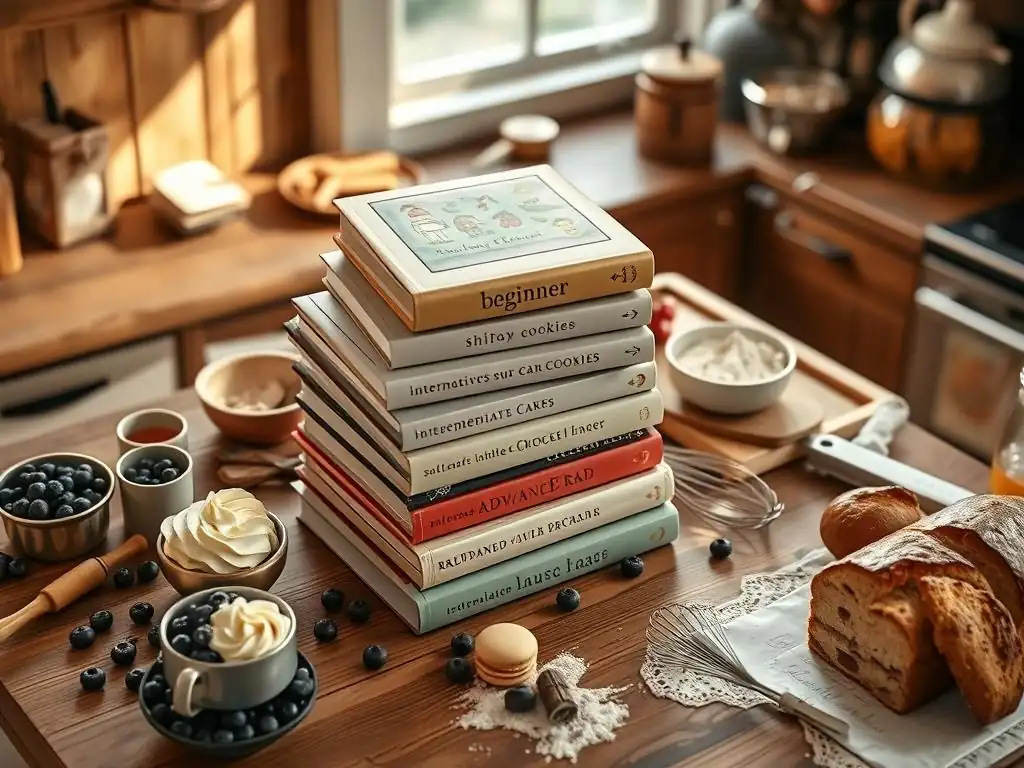
Welcome to BakeWithEase, your haven for effortless baking! Are you ready to embark on a delightful culinary journey, mastering the art of creating delectable treats? Inside, we've curated a collection of resources designed to elevate your baking skills, no matter your current experience. Curious about finding the perfect guide to launch your baking adventures? Dive in to discover our selection of the best baking cookbooks for beginners, and let the sweet aroma of success fill your kitchen!
- Curated for You: Essential Baking Cookbooks by Skill Level - BakeItBetter
- Finding the Best Baking Cookbooks for Beginners: Your BakeItBetter Guide
- Top Baking Cookbooks for Beginner Bakers: Starting Your Journey
- Intermediate Baking Cookbooks: Elevating Your Skills
- Expert Level Baking Cookbooks: Mastering the Art of Pastry
-
Comparing Baking Cookbooks: Finding the Perfect Fit
- Beginner Cookbooks Comparison: "Baking All Year Round" vs. "The Complete Baking Book for Young Chefs" vs. "Baking for Beginners"
- Intermediate Cookbooks Comparison: "Bread Baking for Beginners" vs. "Cookies: The New Classics" vs. "Pieometry"
- Expert Cookbooks Comparison: "The Art of French Pastry" vs. "Pastry School in Paris" vs. "Modernist Bread"
- Essential Baking Tools to Pair with Your New Cookbook
- Conclusion: Choosing the Best Baking Cookbook for Your Skill Level
-
Frequently Asked Questions
- What makes a baking cookbook suitable for beginners?
- Where can I find cookbooks with recipes that use only a few ingredients?
- Are there cookbooks specifically focused on learning baking techniques, rather than just recipes?
- Can I find baking cookbooks that cater to specific dietary needs, like gluten-free or vegan baking?
- How do I choose a baking cookbook when I'm overwhelmed by the options available?
- Final Reflection: The Sweetness of Skill, the Joy of Baking
- Unleash Your Inner Baker: Start Baking Today!
Curated for You: Essential Baking Cookbooks by Skill Level - BakeItBetter
Finding the Best Baking Cookbooks for Beginners: Your BakeItBetter Guide
Why a Great Cookbook is Crucial for New Bakers
Starting your baking journey can feel overwhelming, with countless recipes and techniques available online. While digital resources are fantastic, a physical cookbook offers a structured, tangible learning experience that many new bakers find invaluable. It provides a curated sequence of recipes, often starting with the simplest and gradually introducing more complex methods, helping you build confidence step by step. A good cookbook also explains the 'why' behind techniques, ingredient interactions, and potential pitfalls, turning a simple recipe into a foundational lesson.
Moreover, a dedicated baking cookbook often includes detailed glossaries of terms, equipment guides, and troubleshooting tips that are easily referenced while your hands might be covered in flour. This accessibility is particularly helpful when you're in the middle of a recipe and need a quick reminder on creaming butter and sugar or checking for dough readiness. For those seeking the best baking cookbooks for beginners, the structure and depth found in a well-written book provide a solid educational base that simply searching for individual recipes online might lack. It’s about learning the fundamentals, not just following instructions.
How to Choose the Right Baking Cookbook: Key Considerations
When searching for the best baking cookbooks for beginners, consider several factors to ensure the book aligns with your learning style and goals. Look for cookbooks that feature clear, unambiguous instructions, often with accompanying photos for each step. The recipes should ideally use readily available ingredients that you can find at your local grocery store, avoiding obscure or expensive items that might be discouraging. A good beginner book will also define common baking terms and explain basic techniques like measuring ingredients correctly or understanding oven temperatures.
Think about the types of baked goods you're most interested in making first. Some books focus on cookies and cakes, while others might include breads or pastries. The best baking cookbooks for beginners often offer a diverse mix to give you a broad introduction to different baking categories. Pay attention to the book's tone – an encouraging and friendly voice can make the learning process much more enjoyable. Finally, consider the layout and design; a clean, easy-to-read format is essential when you're following a recipe in the kitchen.
Top Baking Cookbooks for Beginner Bakers: Starting Your Journey
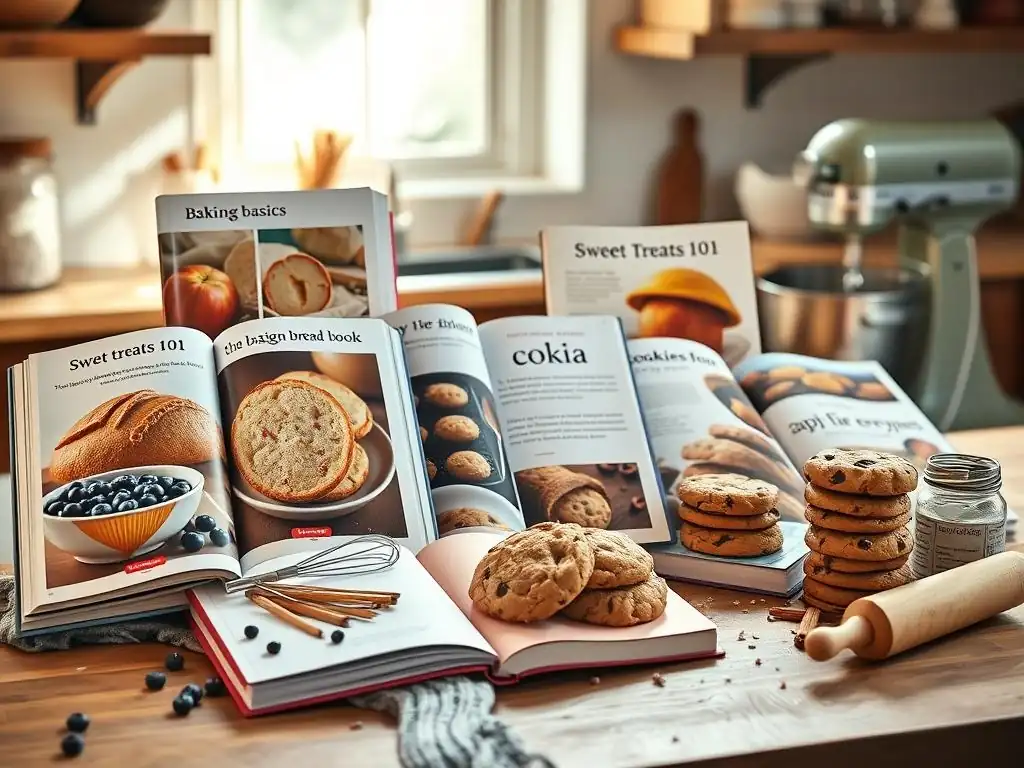
"Baking All Year Round" by Rosanna Pansino: A Fun and Accessible Introduction
Features of "Baking All Year Round" that Make it Ideal for Beginners
Rosanna Pansino's "Baking All Year Round" stands out for its emphasis on approachable, fun recipes tied to holidays and seasons. This structure provides a natural progression through the year, offering distinct projects for different times. The recipes are generally straightforward, breaking down potentially complex steps into manageable parts. For instance, a recipe for festive cookies might include clear instructions on preparing the dough, rolling, cutting, and decorating, making it less intimidating for someone new to these techniques. The book includes over 100 recipes, many of which are designed for visual appeal, encouraging beginners to take pride in their creations.
The book also incorporates helpful tips and tricks alongside the recipes, such as how to properly melt chocolate or work with food coloring. While geared towards fun, the underlying techniques covered are fundamental to many baking applications. The ingredient lists are typically short and use common pantry staples, reducing the barrier to entry. This focus on accessibility and enjoyment makes it one of the best baking cookbooks for beginners who want to dive in and create something delightful without getting bogged down in overly technical details.
Why "Baking All Year Round" is Worth the Investment: Festive and Simple Recipes
Investing in "Baking All Year Round" is worthwhile for a beginner baker because it makes baking feel like a celebration rather than a chore. The themed recipes, from Valentine's Day treats to Christmas cookies, provide clear goals and exciting results. This motivation is crucial for new bakers building consistency and confidence. For example, attempting a simple pumpkin pie for Thanksgiving or decorated sugar cookies for Christmas provides immediate, rewarding outcomes that encourage further exploration.
The simplicity of the recipes doesn't mean they lack flavor or interest. Many are creative twists on classics, like Gingerbread Cupcakes or Watermelon Rice Krispies Treats, offering a taste of novelty while sticking to basic baking principles. With an average prep time often under 30 minutes for many recipes (excluding chilling or baking time), the book respects the beginner's time commitment. It serves as an excellent gateway, proving that delicious and impressive baked goods are within reach, even for those with minimal experience, solidifying its place among the best baking cookbooks for beginners.
"The Complete Baking Book for Young Chefs": Engaging Recipes for Budding Bakers
Step-by-Step Instructions and Clear Explanations in "The Complete Baking Book for Young Chefs"
While marketed towards a younger audience, "The Complete Baking Book for Young Chefs" is genuinely one of the best baking cookbooks for beginners of any age due to its exceptional clarity. It excels in providing truly step-by-step instructions, often with photographs illustrating key stages like whisking egg whites to stiff peaks or checking if cookies are done. The language is simple and direct, avoiding jargon where possible and explaining terms clearly when used. For instance, it doesn't just say "cream butter and sugar," it explains why you do it and what the mixture should look like.
This cookbook was developed by the editors at America's Test Kitchen, known for their rigorous testing process. Each of the 100+ recipes was tested by hundreds of young bakers, ensuring the instructions are foolproof and the results are consistently good. They include "Why This Recipe Works" sections, offering concise explanations for the techniques used, which is incredibly valuable for understanding the fundamentals. This level of detail and testing makes it an incredibly reliable resource for anyone starting out.
Building Confidence with "The Complete Baking Book for Young Chefs": Age-Appropriate and Delicious Recipes
The recipes in "The Complete Baking Book for Young Chefs" are carefully chosen to be achievable and rewarding for beginners, focusing on building confidence through successful outcomes. Recipes like "Perfect Chocolate Chip Cookies" or "Foolproof Brownies" are designed to deliver excellent results consistently, minimizing frustration. The book includes a range of items from simple muffins and quick breads to more involved layer cakes and pies, gradually introducing new skills.
Beyond the recipes, the book features sections on essential baking tools, measuring techniques, and safety in the kitchen. It empowers beginners by giving them the knowledge they need to succeed independently. The focus on creating delicious, kid-approved treats means the motivation to bake is high. For a beginner, the satisfaction of producing something tasty and professional-looking from scratch is a powerful incentive to keep learning, making this book an excellent foundation for developing baking skills.
"Baking for Beginners": Simple Recipes with Everyday Ingredients
Approachable Content and Practical Tips in "Baking for Beginners"
"Baking for Beginners," often found in various editions or by different authors focusing on the same concept, aims to strip away complexity and make baking accessible. A typical version of this book features recipes that require minimal special equipment and rely heavily on common pantry items like flour, sugar, eggs, butter, and milk. The instructions are usually concise and focus on core techniques needed for each specific recipe, rather than extensive theory upfront. For example, a simple scone recipe might explain the biscuit method briefly within the recipe steps.
These books often include practical tips integrated directly into the recipes or in small sidebars, such as how to tell if your baking powder is still active or the best way to grease a pan. The focus is on getting you baking quickly and successfully. Recipes might include classics like vanilla cupcakes, simple white bread, or chocolate chip cookies, providing foundational skills that are transferable to many other recipes. This no-frills approach makes it a great starting point for someone who just wants to jump in.
Why "Baking for Beginners" is a Great Starting Point
Choosing a book titled "Baking for Beginners" is often a direct path to finding the best baking cookbooks for beginners because its very purpose is to cater to that audience. These books are specifically designed to lower the barrier to entry. They typically avoid advanced techniques like tempering chocolate or making elaborate laminated doughs initially, focusing instead on mastering basic mixing methods, understanding leavening agents, and proper baking times and temperatures.
The emphasis on everyday ingredients means you likely won't need a special trip to a gourmet store to start baking. This convenience encourages more frequent practice. While perhaps not as visually stunning as some other cookbooks, the strength lies in its practicality and focus on fundamental skills. It provides a solid base of successful baking experiences, which is crucial for building the confidence needed to tackle more challenging recipes later on. It's a reliable first step into the world of baking.
Intermediate Baking Cookbooks: Elevating Your Skills
"Bread Baking for Beginners": Mastering the Art of Homemade Bread
Mastering Basic Bread Recipes with "Bread Baking for Beginners"
Transitioning from simple cakes and cookies to bread can feel like a big leap, but "Bread Baking for Beginners" aims to bridge that gap. This type of cookbook focuses specifically on yeast-leavened doughs, starting with fundamental concepts like activating yeast, kneading techniques (both by hand and with a mixer), and understanding fermentation. A well-regarded version will guide you through classic, forgiving recipes like basic sandwich bread, pizza dough, and perhaps simple dinner rolls. The goal is to build proficiency with the core steps: mixing, kneading, rising, shaping, and baking.
These books often include detailed sections explaining the role of each ingredient – flour types, water temperature, salt's function – and troubleshooting common issues like dense loaves or dough that won't rise. They might include diagrams illustrating shaping techniques for different types of rolls or loaves. Mastering a simple loaf of white bread or whole wheat bread from such a book provides a profound sense of accomplishment and lays the groundwork for more complex bread projects.
The Value of "Bread Baking for Beginners" for Aspiring Bread Bakers
"Bread Baking for Beginners" is invaluable for the intermediate baker looking to specialize in bread because it demystifies a process that many find intimidating. Instead of jumping straight into sourdough or enriched doughs, it focuses on building a strong foundation in yeast baking. Learning to control fermentation and understand gluten development through simpler recipes is essential before tackling more complex challenges.
A good book in this category might offer variations on basic recipes, introducing concepts like adding seeds or herbs, or slightly altering hydration levels. This allows the baker to experiment within a controlled environment, deepening their understanding without overwhelming them. For someone who has mastered basic cakes and cookies and is ready to explore the world of crusty loaves and airy rolls, a dedicated "Bread Baking for Beginners" cookbook provides the essential knowledge and practice ground.
Modern Twists on Classic Cookies with "Cookies: The New Classics"
For the intermediate baker who loves cookies but wants to move beyond basic chocolate chip or sugar cookies, a book like "Cookies: The New Classics" offers exciting new territory. This type of cookbook takes familiar cookie concepts and elevates them with creative flavor combinations, improved techniques, or unique presentations. You might find recipes for Brown Butter Toffee Cookies, Olive Oil and Pistachio Biscotti, or techniques for achieving perfect crinkles on a snickerdoodle or uniform thickness on a rolled cookie.
These recipes often require a bit more precision in technique or ingredient handling than beginner recipes. For example, they might involve chilling doughs for specific periods to develop flavor, using specific types of chocolate or nuts, or mastering techniques like royal icing or intricate decorating. The book assumes the baker is comfortable with basic cookie methods (creaming, measuring, baking) and is ready to explore variations and refinements. It pushes the baker to think more critically about ingredients and process.
Why "Cookies: The New Classics" is a Must-Have for Cookie Enthusiasts
"Cookies: The New Classics" is a fantastic resource for the intermediate baker with a passion for cookies because it offers a wealth of inspiration and challenges. It moves beyond the standard repertoire and introduces exciting new flavor profiles and textures. The focus is on perfecting classic types while also exploring innovative recipes. For instance, you might learn how subtle changes in ingredient ratios can dramatically alter a cookie's chewiness or crispness.
The book encourages experimentation and refinement. It might include sections on troubleshooting common cookie problems like spreading too much or being too hard. With potentially hundreds of recipes, it provides endless opportunities to practice and hone cookie-making skills. For the baker who has mastered the basics and is looking for ways to impress with unique and delicious cookies, this type of cookbook is an essential addition to their collection.
"Pieometry": Mastering the Art and Science of Pie
Understanding the Science Behind Pie Baking with "Pieometry"
"Pieometry," a notable title in the intermediate-to-advanced baking space, specifically targets the art and science of pie making. Mastering pie crust, fillings, and assembly can be challenging, and this type of book delves deep into the 'why' behind successful pie baking. It explains the science of gluten development in crusts, how different fats affect flakiness, the role of starch in thickening fillings, and how oven temperature impacts the final result. For example, it might scientifically break down why chilling pie dough is crucial for preventing shrinkage and promoting flakiness.
These books often feature detailed guides on making various types of crusts – all-butter, lard-based, shortening-based, and even gluten-free options. They explore different filling techniques, from fruit pies and custards to meringues and tarts. The instructions go beyond simple steps, explaining the desired consistency of dough, how to handle sticky fruit fillings, and techniques for achieving a perfectly golden-brown crust.
Why "Pieometry" is a Game-Changer for Intermediate Bakers
"Pieometry" is a game-changer because it elevates pie baking from following a recipe to truly understanding the craft. It empowers the intermediate baker to troubleshoot their own pie issues and even develop their own recipes by understanding the fundamental principles. Instead of just saying "add flour to thicken," it might explain the different types of starches (cornstarch, tapioca, flour) and how they behave differently in fillings, allowing the baker to choose the best option for a specific fruit or desired texture.
The book challenges the baker with more intricate lattice work, decorative edges, and complex fillings. It assumes the baker is comfortable with basic dough handling but wants to achieve consistently perfect results and explore more ambitious pie projects. For someone who has struggled with soggy bottoms or tough crusts, or simply wants to master the nuances of this classic dessert, a detailed pie cookbook like "Pieometry" provides the knowledge and techniques to achieve mastery.
Expert Level Baking Cookbooks: Mastering the Art of Pastry
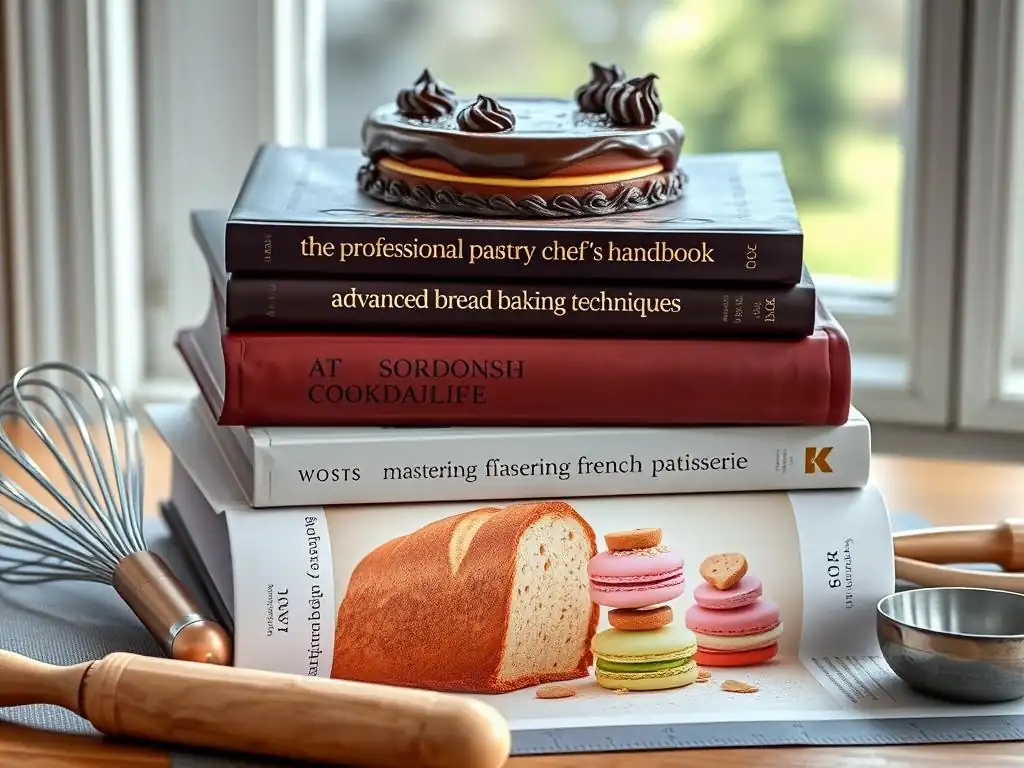
"The Art of French Pastry": A Comprehensive Guide for Advanced Techniques
Exploring Advanced Techniques and Professional Secrets with "The Art of French Pastry"
"The Art of French Pastry" (or similar comprehensive French pastry books) is designed for the serious, expert-level baker aiming to master classic patisserie techniques. These books are often encyclopedic in scope, covering everything from foundational doughs like puff pastry (pâte feuilletée), choux pastry (pâte à choux), and brioche, to complex creams (crème pâtissière, diplomat cream), mousses, glazes, and decorative elements. The instructions are incredibly detailed, often assuming prior knowledge of basic baking principles.
These resources delve into precise measurements (often by weight, sometimes in grams), specific temperatures for different processes (like tempering chocolate or making sugar syrups), and the importance of timing and chilling. You'll find step-by-step guides for creating iconic French pastries like croissants, éclairs, macarons, and elaborate layered cakes like the Opera cake. They often include insights into professional kitchen practices and achieving perfect finishes.
Why "The Art of French Pastry" is an Essential Resource for Serious Bakers
For the expert baker committed to mastering the pinnacle of the craft, "The Art of French Pastry" is not just a cookbook, but a technical manual and a source of deep knowledge. It provides the detailed guidance required to execute techniques that are notoriously difficult to perfect, such as achieving hundreds of flaky layers in puff pastry or consistent feet on macarons. The book demands patience, precision, and a willingness to practice complex procedures repeatedly.
It serves as a reference for understanding the building blocks of countless desserts. Once you master pâte à choux, for example, you can create éclairs, cream puffs, gougères, and more. The book challenges the baker to achieve professional-level results, pushing their skills to the limit. For someone who has mastered intermediate techniques and is ready to dedicate significant time and effort to perfecting advanced pastry, this type of comprehensive guide is indispensable.
"Pastry School in Paris": Mastering Classic French Pastry Techniques
A Deep Dive into Classic French Pastry Techniques with "Pastry School in Paris"
"Pastry School in Paris" (or books replicating a similar intensive learning experience) offers a structured approach to learning classic French pastry techniques, often mirroring the curriculum of a professional culinary program. These books typically break down the learning process into modules, focusing on one type of dough, cream, or dessert at a time before combining them into more complex creations. The emphasis is on understanding the foundational techniques and achieving consistency.
You'll learn how to make perfect shortcrust pastry (pâte sablée), sweet pastry (pâte sucrée), and different types of meringue (French, Swiss, Italian). The book will guide you through creating classic tarts, entremets (layered mousse cakes), and small individual pastries (petits fours). The instructions are precise, often accompanied by visual aids showing the correct consistency of batters, doughs, and creams, as well as assembly diagrams for multi-component desserts.
The Value of "Pastry School in Paris" for Understanding the Art of French Baking
This type of book is valuable for the expert baker because it provides a systematic way to learn the interconnectedness of French pastry components. It teaches not just individual recipes, but the system of French patisserie, where different creams, doughs, and glazes are combined in myriad ways. Learning to make a perfect crème pâtissière is valuable, but understanding how to turn it into a diplomat cream or a filling for choux pastry is where the true mastery lies.
The book encourages disciplined practice and attention to detail, skills essential for advanced baking. It provides the theoretical knowledge and practical steps needed to recreate iconic French desserts with authenticity. For the baker who dreams of creating elegant tarts and sophisticated layered cakes, and wants a structured, educational approach similar to professional training, a "Pastry School" style cookbook offers immense value.
"Modernist Bread": Revolutionizing Bread Baking
Exploring Innovative Techniques and Recipes with "Modernist Bread"
"Modernist Bread" is not a single book but a multi-volume set that represents the pinnacle of bread baking research and application. It explores bread making through a scientific lens, using techniques and equipment that often go beyond the traditional home kitchen. It covers everything from the history and science of grains and fermentation to detailed guides on using specialized equipment like precise temperature-controlled proofing boxes, pH meters, and even exploring alternative baking methods like baking in a vacuum or using steam injection systems.
The recipes range from incredibly detailed instructions for classic loaves like baguettes and pain de campagne, incorporating precise fermentation schedules and temperatures, to innovative recipes using hydrocolloids or unusual grain combinations. It includes extensive troubleshooting guides based on scientific principles and visual references showing dough development at various stages.
Why "Modernist Bread" is a Groundbreaking Resource for Bread Baking Experts
"Modernist Bread" is a groundbreaking resource because it provides an unprecedented depth of scientific understanding and technical detail for the expert bread baker. It challenges conventional wisdom and explores the 'why' behind every step of the bread making process with rigorous testing and data. For someone who has mastered traditional bread baking and wants to push the boundaries of what's possible, understand the science at a molecular level, and achieve absolute precision, this set is unparalleled.
It requires a significant investment of time, effort, and potentially specialized equipment. It's a resource for those who are passionate about the science of baking, are comfortable with complex instructions and data analysis, and want to achieve professional-level consistency and understanding. While not for the faint of heart (or wallet), for the dedicated bread expert, it offers a lifetime of learning and exploration.
Comparing Baking Cookbooks: Finding the Perfect Fit
Beginner Cookbooks Comparison: "Baking All Year Round" vs. "The Complete Baking Book for Young Chefs" vs. "Baking for Beginners"
When comparing these best baking cookbooks for beginners, the choice often comes down to preferred style and focus. "Baking for Beginners" (generic title) is typically the most straightforward and no-frills, focusing purely on simple recipes with common ingredients to get you baking quickly. It's great for someone who wants minimal fuss and maximum practicality right away.
"The Complete Baking Book for Young Chefs" offers a more educational and tested approach. Its step-by-step photos and "Why It Works" sections make it exceptional for truly learning the fundamentals and building confidence through consistently reliable results. While aimed at youth, its clarity benefits any beginner.
"Baking All Year Round" adds a layer of fun and seasonality. Its strength lies in its engaging, visually appealing recipes tied to holidays, providing strong motivation and enjoyable outcomes. It's ideal for beginners who are excited by themed baking and want to create impressive-looking treats relatively easily. For pure fundamental learning, "Young Chefs" might have a slight edge, but for fun and accessibility, "Baking All Year Round" is superb. All three serve as excellent entry points among the best baking cookbooks for beginners.
Moving to the intermediate level, these books represent different paths for skill specialization. "Bread Baking for Beginners" is the choice for those specifically wanting to conquer yeast doughs. It provides a focused, step-by-step guide to the unique challenges of bread, from kneading to fermentation.
"Cookies: The New Classics" is perfect for the baker who loves small, sweet treats and wants to explore a vast array of flavors and textures beyond the basics. It assumes comfort with fundamental cookie methods but pushes the baker into more refined techniques and creative combinations.
"Pieometry" is for the baker fascinated by the structure and science of pies and tarts. It delves deep into doughs, fillings, and assembly, requiring precision and an understanding of ingredient interactions. While "Bread Baking" focuses on fermentation and gluten, "Pieometry" centers on pastry dough structure and filling consistency. Your choice here depends entirely on which area of baking you're most passionate about exploring in depth.
Expert Cookbooks Comparison: "The Art of French Pastry" vs. "Pastry School in Paris" vs. "Modernist Bread"
Comparing these expert-level resources highlights the distinct areas of advanced baking they represent. "The Art of French Pastry" is a comprehensive reference for classic patisserie, covering a vast range of techniques and components needed for iconic French desserts. It's ideal for someone seeking encyclopedic knowledge and mastery of traditional methods.
"Pastry School in Paris" offers a more structured, curriculum-like approach to French pastry. It's excellent for those who prefer a step-by-step learning path through foundational techniques, building complexity over time, much like a professional course. It might be slightly more focused on building core competencies systematically compared to the broader reference style of "The Art of French Pastry."
"Modernist Bread," in contrast, is a deep dive into the science and innovation of bread baking. It's less about mastering classic recipes through tradition and more about understanding the underlying scientific principles to push boundaries and achieve extreme precision. It's for the scientifically curious bread baker. The choice depends on whether you want to master classic French sweets, learn French methods like a student, or scientifically revolutionize your bread baking.
Essential Baking Tools to Pair with Your New Cookbook
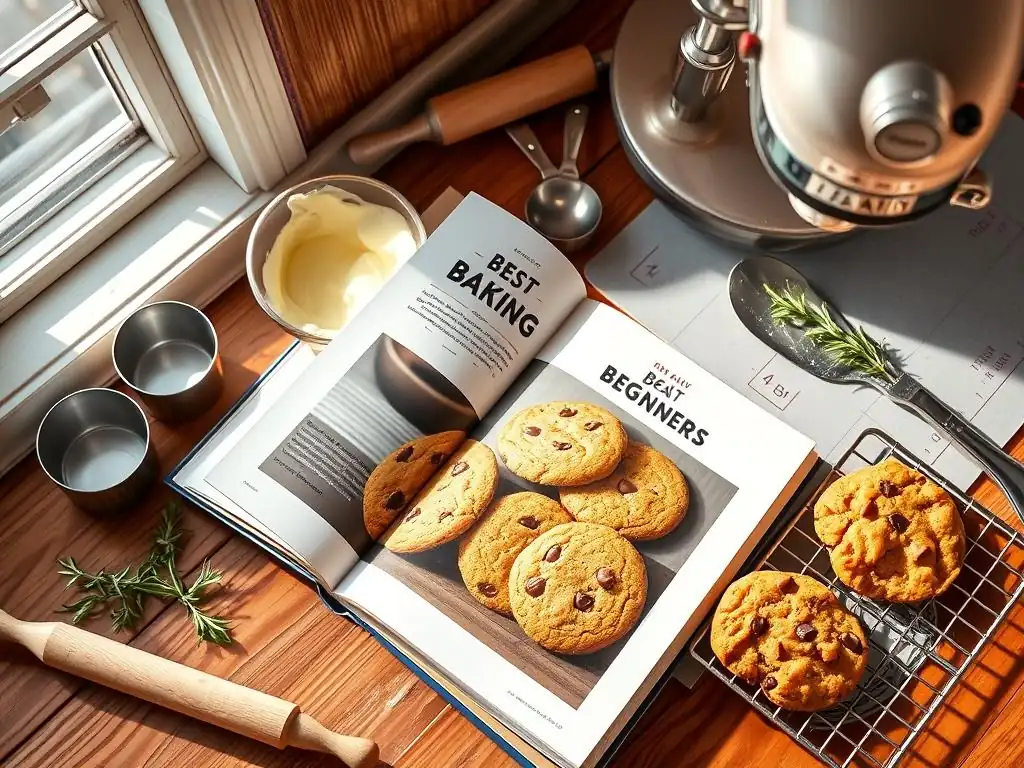
Having the right tools can make a significant difference in your baking success, especially when following recipes from the best baking cookbooks for beginners or advanced guides.
Stand Mixers for Baking: Recommendations and Reviews
A stand mixer can be a valuable investment, particularly as you move beyond simple recipes or tackle doughs that require extensive kneading, like bread doughs or enriched doughs for brioche. They provide consistent power and speed, freeing up your hands for other tasks. Models range in capacity and power, typically measured in watts.
A standard home model might have a 4.5 to 5-quart bowl, sufficient for most home baking tasks, while larger mixers with 6 or 7-quart bowls are better for double batches or very stiff doughs. Look for models with durable construction and multiple attachments like a paddle, whisk, and dough hook.
Baking Sheets and Pans: Choosing the Right Equipment
High-quality baking sheets and pans are fundamental. For cookies, roasting vegetables, or baking sheet pan dinners, sturdy aluminum half-sheet pans are a kitchen workhorse. Look for heavy-gauge aluminum that resists warping at high temperatures. For cakes, choose pans made from aluminum or nonstick materials in standard sizes (like 8-inch or 9-inch round for layers, 9x13-inch for sheet cakes). Muffin tins, loaf pans, and pie plates (glass, ceramic, or metal) are also essential depending on the types of recipes you plan to make from your best baking cookbooks for beginners and beyond.
Measuring Tools: Ensuring Accuracy in Your Baking
Accurate measuring is critical in baking. You'll need both dry measuring cups and spoons, and liquid measuring cups. Dry ingredients like flour and sugar should be leveled off with a straight edge, while liquids should be measured at eye level. For greater accuracy, especially as you tackle more complex recipes or those from expert-level books, a digital kitchen scale is highly recommended. Many professional and advanced recipes provide measurements in grams, which are much more precise than volume measurements, leading to more consistent results.
Conclusion: Choosing the Best Baking Cookbook for Your Skill Level
Level Up Your Baking Skills with the Right Cookbook
Choosing the right baking cookbook, especially among the best baking cookbooks for beginners, is a pivotal step in developing your skills. A well-chosen book acts as a mentor, guiding you through techniques, explaining concepts, and providing reliable recipes that build confidence. Whether you're just starting out and need clear, simple instructions or you're an experienced baker looking to master complex pastries or the science of bread, there's a cookbook tailored to your needs.
Investing in a quality resource saves you time and frustration by providing tested recipes and expert guidance. It allows you to learn systematically and build a strong foundation of baking knowledge. As you progress, you can seek out books that specialize in areas you want to explore further, continuously leveling up your abilities in the kitchen.
Start Baking Today!
Don't wait! Grab one of the best baking cookbooks for beginners or a book suited to your current skill level, gather your essential tools and ingredients, and start baking today. The world of baking is vast and rewarding, filled with delicious possibilities waiting to be discovered. Every successful cookie, loaf of bread, or slice of cake you create will deepen your enjoyment and expand your culinary horizons. Happy baking!
Frequently Asked Questions
What makes a baking cookbook suitable for beginners?
A beginner-friendly cookbook typically features simple recipes with clear instructions, using easily accessible ingredients. Visual aids like photos are also very helpful.
Where can I find cookbooks with recipes that use only a few ingredients?
Many cookbooks dedicated to quick and easy baking will focus on recipes with minimal ingredients. Look for books emphasizing simplicity and time-saving techniques.
Are there cookbooks specifically focused on learning baking techniques, rather than just recipes?
Yes, some cookbooks prioritize teaching fundamental baking techniques and essential skills. These often include detailed explanations and step-by-step demonstrations.
Can I find baking cookbooks that cater to specific dietary needs, like gluten-free or vegan baking?
Absolutely! There are countless cookbooks dedicated to specialized diets like gluten-free, vegan, and dairy-free baking. These focus on alternative ingredients and modified recipes.
How do I choose a baking cookbook when I'm overwhelmed by the options available?
Start by considering your skill level and baking interests. Read reviews, browse the table of contents, and look for books that align with your specific needs and goals.
Final Reflection: The Sweetness of Skill, the Joy of Baking
The accessibility of baking, once perceived as an arcane art, is now within everyone's reach. This article has highlighted the abundance of excellent baking cookbooks tailored to different skill levels, proving that the joy of creating delicious treats isn't reserved for seasoned professionals. From novice bakers nervously cracking their first egg to experienced enthusiasts seeking new challenges, there's a perfect guide waiting to be discovered.
The impact of readily available baking resources extends far beyond the kitchen. It fosters a sense of community, connecting people through shared experiences and the universal language of deliciousness. Baking, at its core, is an act of creation and care, and the right cookbook can be the key to unlocking that potential in anyone. The best things in life are homemade.
This simple sentiment encapsulates the enduring appeal of baking and the profound satisfaction derived from creating something beautiful and delicious with your own hands. The journey from measuring ingredients to savoring the final product is a deeply rewarding one, and the right cookbook can make that journey even more enjoyable.
Now, consider your own baking journey. Are you ready to embark on a new adventure? Perhaps you've been intimidated by the thought of baking, but this article has shown you that it's achievable, even enjoyable, with the right guidance. Pick up a cookbook, choose a recipe, and embrace the process. Don't be afraid to experiment, to make mistakes, and to learn from them. The most important ingredient in any recipe is passion, and the sweetest rewards come from the journey itself. So, dust off your mixing bowls, preheat your oven, and let the baking begin!
Unleash Your Inner Baker: Start Baking Today!
Thanks for exploring the world of baking with us! We hope you found the perfect cookbook recommendations to match your skill level and baking aspirations. Ready to get started?
- Dive into your chosen cookbook: Pick up that recipe that's been calling your name and start baking! This is your chance to create something delicious and rewarding.
- Share your baking journey: Snap a photo of your masterpiece and post it on social media using #BakeWithEase – we’d love to see your creations!
- Explore more baking resources: Browse our website for additional tips, techniques, and recipe inspiration. Let's make baking an even more delightful experience for you.
What delicious treat will you bake first? Let us know in the comments below!