
Your Fondant Guide: Essential Books for Mastering Smooth Finishes and Figures

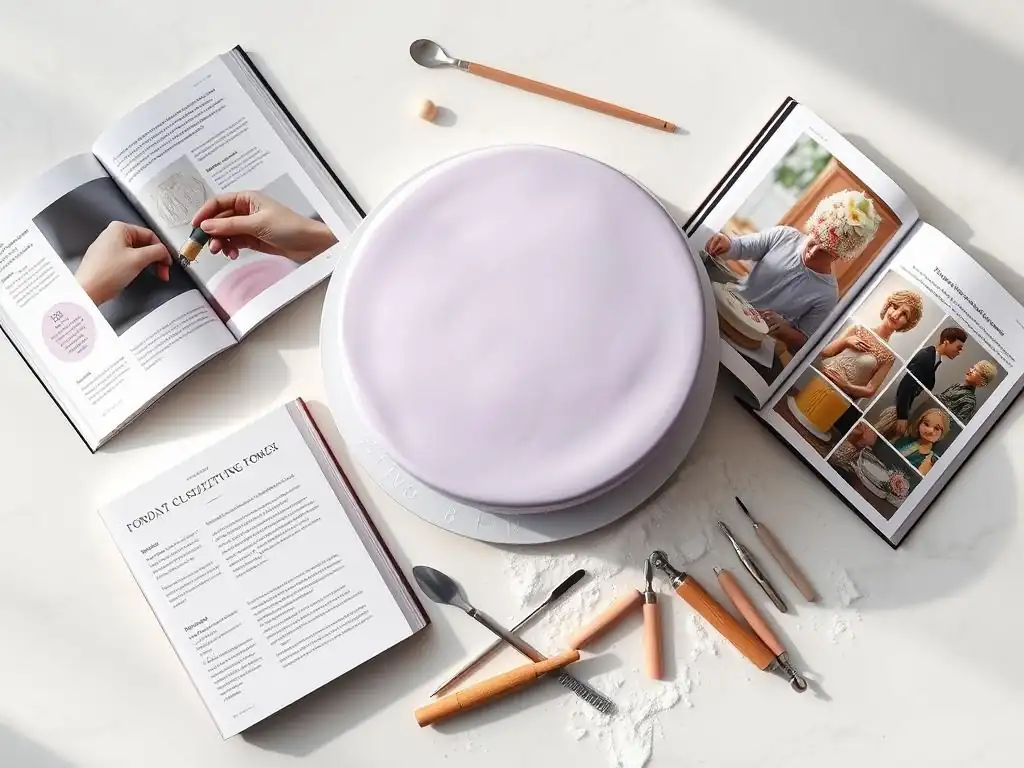
Welcome to BakeWithEase, where your baking dreams become delicious realities! Ever dreamt of flawlessly smooth fondant, the secret to truly professional-looking cakes? Unlocking the secrets to perfect fondant is easier than you think. Dive into our comprehensive guide on fondant smoothing techniques for beginners and discover essential books packed with tips, tricks, and step-by-step instructions to transform your cakes from ordinary to extraordinary. Ready to eliminate those pesky wrinkles and achieve a mirror-like finish?
- Your Fondant Guide: Essential Books for Mastering Smooth Finishes and Figures | BakeWithEase
- Introduction: Unlock Fondant Mastery with the Right Guide
- Why You Need a Fondant Guide: Elevating Your Cake Decorating
-
Essential Fondant Smoothing Techniques Beginner Guides: Top Book Recommendations
- "Cake Boss: Stories and Recipes from Mia Famiglia" by Buddy Valastro: A Blend of Inspiration and Basic Fondant Techniques
- "The Art of Cake Decorating" by Petra Stoliarova: Focus on Contemporary Fondant Designs
- "Sugar Art for Special Occasions" by Janice Murfitt: Sculpting and Modeling with Fondant for Celebrations
- "Planet Cake" by Paris Cutler: Bold and Creative Fondant Cake Designs
- Choosing the Right Fondant Guide: Factors to Consider
- Beyond the Books: Essential Fondant Tools and Materials
- Mastering Fondant Techniques: Tips and Tricks from BakeWithEase
- Conclusion: Elevate Your Cake Decorating with Fondant Expertise.
-
Frequently Asked Questions
- What are the benefits of using fondant in cake decorating?
- Which fondant smoothing techniques are most suitable for beginners?
- Besides books, what other resources can help me learn fondant smoothing techniques?
- How important is the type of fondant when aiming for a smooth finish?
- What are some common mistakes beginners make when smoothing fondant, and how can I avoid them?
- Final Reflection: The Enduring Allure of a Perfect Fondant Finish
- Unleash Your Inner Cake Artist: Master Fondant Today!
Your Fondant Guide: Essential Books for Mastering Smooth Finishes and Figures | BakeWithEase
Introduction: Unlock Fondant Mastery with the Right Guide
Fondant can seem intimidating at first glance. Its smooth, porcelain-like finish and ability to be sculpted into intricate shapes make it the choice for professional-looking cakes. However, mastering its application, especially achieving that flawless smooth surface or crafting delicate figures, requires understanding specific techniques.
While hands-on practice is invaluable, having a reliable guide is crucial. The right book can demystify the process, offering step-by-step instructions, troubleshooting tips, and endless inspiration to elevate your cake decorating skills. Whether you're aiming for perfect edges or adorable edible characters, a comprehensive fondant guide is your roadmap to success in the sweet world of cake artistry.
Why You Need a Fondant Guide: Elevating Your Cake Decorating
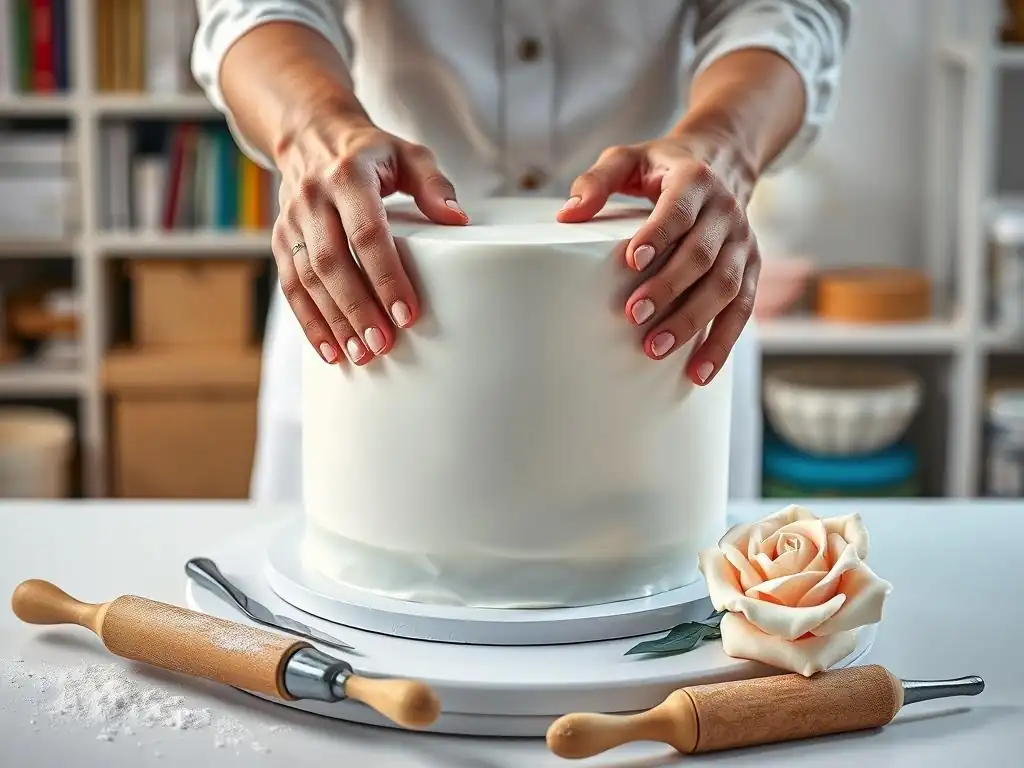
A fondant guide serves as a foundational resource for anyone looking to move beyond basic buttercream. It provides structured lessons on essential techniques like rolling fondant to the correct thickness, covering cakes without wrinkles or tears, and achieving those coveted sharp edges. Beyond application, these guides often cover the nuances of working with different types of fondant, proper storage, and how to color or flavor it effectively. For beginners, a focus on Fondant smoothing techniques beginner guides is paramount, ensuring a smooth, professional finish on your very first covered cake.
Furthermore, a good guide doesn't just teach techniques; it inspires creativity. It showcases possibilities, from elegant draped effects to complex 3D sculptures. Learning from experienced cake artists through their published works can significantly shorten the learning curve, helping you avoid common pitfalls and build confidence. Whether your goal is a simple, perfectly smooth birthday cake or an elaborate tiered creation with edible decorations, a dedicated fondant book provides the knowledge base you need to transform your baking projects into edible masterpieces.
Essential Fondant Smoothing Techniques Beginner Guides: Top Book Recommendations
For newcomers eager to master the art of covering cakes with that signature smooth finish, selecting the right introductory text is key. Many excellent books are available, but a few stand out for their clear instructions and focus on fundamental skills, including crucial Fondant smoothing techniques beginner guides. These resources lay the groundwork for success.
"Cake Boss: Stories and Recipes from Mia Famiglia" by Buddy Valastro: A Blend of Inspiration and Basic Fondant Techniques
Buddy Valastro, known globally from his TV show, offers a look into the world of a bustling family bakery alongside practical baking and decorating advice. While not solely dedicated to fondant, his book includes accessible sections on covering cakes, reflecting the foundational skills used in his shop. You'll find straightforward explanations suitable for beginners, guiding you through preparing a cake for covering and achieving a basic smooth fondant application, making it a solid starting point for learning Fondant smoothing techniques beginner guides.
This book provides a friendly entry point, often covering large-scale cakes which present their own smoothing challenges. It emphasizes practical, workable methods that have been honed over years of production baking. While it may not delve into highly advanced artistic techniques, it focuses on getting a clean, professional base layer, which is arguably the most important skill for any fondant enthusiast to master first. It grounds the art of cake decorating in real-world bakery practices.
"The Art of Cake Decorating" by Petra Stoliarova: Focus on Contemporary Fondant Designs
Petra Stoliarova's work often showcases modern, clean designs, and her book reflects this contemporary aesthetic. It typically delves into techniques for achieving crisp edges and perfectly smooth surfaces, skills essential for today's popular minimalist or geometric cake styles. This guide is particularly valuable for those interested in achieving sharp, defined lines and flawless finishes using fondant.
The book provides detailed visual guides, which are incredibly helpful when learning precise techniques like smoothing fondant around corners and ensuring no air bubbles remain. It often covers working with ganache under fondant, a technique favored by many professionals for achieving razor-sharp edges. For decorators looking to create modern, elegant cakes with impeccable finishes, this book serves as an excellent resource for honing advanced Fondant smoothing techniques beginner guides and beyond.
"Sugar Art for Special Occasions" by Janice Murfitt: Sculpting and Modeling with Fondant for Celebrations
Janice Murfitt's books frequently focus on creating edible decorations and figures, making them ideal for those interested in the sculptural side of fondant. While smoothing is a prerequisite for covering cakes, this type of guide shifts the focus towards transforming fondant into characters, flowers, and other decorative elements for specific events like birthdays or holidays.
This resource is invaluable for understanding the properties of modeling fondant or gum paste blends, crucial for creating structures that hold their shape. It provides step-by-step instructions for shaping, assembling, and adding details to figures. Although the primary focus is on sculpting, mastering smooth finishes on smaller elements and understanding how to attach them seamlessly to a covered cake are also often touched upon, complementing the Fondant smoothing techniques beginner guides learned elsewhere.
"Planet Cake" by Paris Cutler: Bold and Creative Fondant Cake Designs
Paris Cutler's "Planet Cake" offers a vibrant and often bold approach to cake decorating, showcasing creative designs that rely heavily on expertly applied fondant. The book features tutorials for a variety of cakes, from simple to elaborate, demonstrating how to achieve striking visual impact using color, shape, and texture with fondant.
This guide is excellent for inspiring readers to be adventurous with fondant. It covers techniques for covering unusually shaped cakes and incorporating different design elements directly onto the fondant surface. While it assumes some basic knowledge of covering a cake smoothly, it provides advanced tips and tricks for dealing with complex structures and designs, pushing the boundaries of what can be achieved after mastering initial Fondant smoothing techniques beginner guides.
Choosing the Right Fondant Guide: Factors to Consider
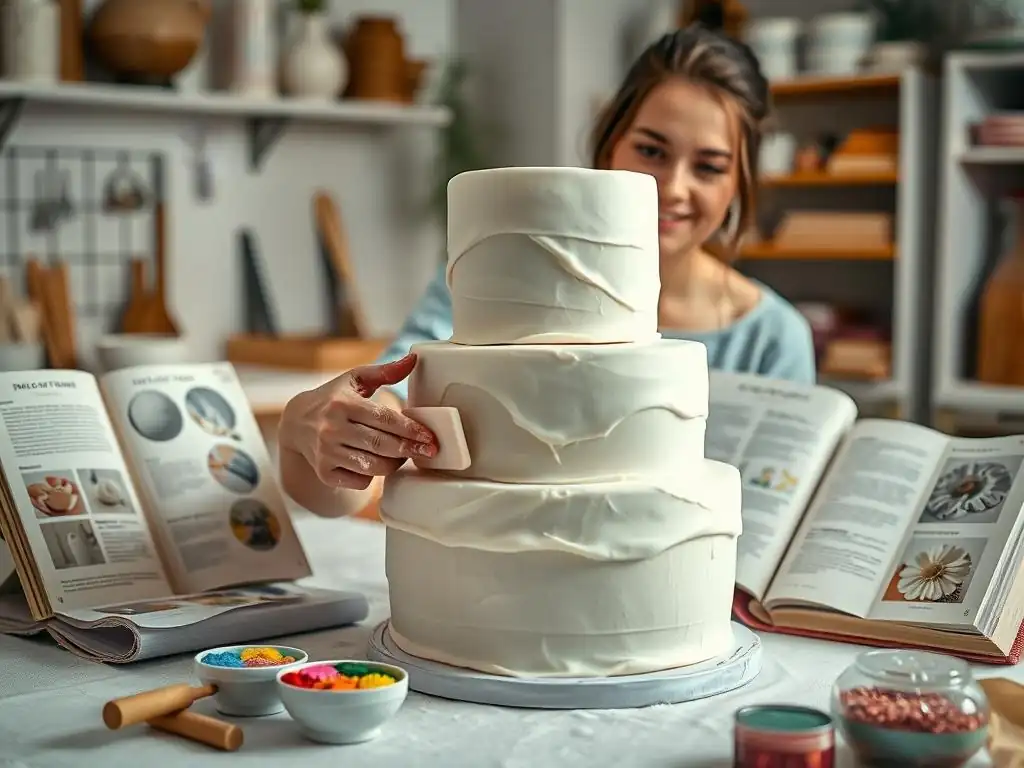
Selecting the perfect book from the myriad of options available can feel overwhelming. To find the best fit for your journey into cake decorating with fondant, consider a few key factors that align with your current skills, aspirations, and preferred learning methods.
Skill Level: Matching the Book to Your Experience
It's crucial to honestly assess your current baking and decorating proficiency. Are you an absolute beginner who has never touched fondant, or do you have some experience but want to refine your techniques? A book marketed towards beginners will provide fundamental information, such as how to prepare your workspace, the difference between various fondant types, and step-by-step instructions for basic tasks like kneading and rolling. These guides are invaluable for learning foundational Fondant smoothing techniques beginner guides.
Conversely, if you're already comfortable covering a basic round cake smoothly, you might seek a book that delves into more advanced topics like working with tiered cakes, covering square cakes with sharp corners, airbrushing on fondant, or intricate modeling. Choosing a guide that matches your skill level ensures the content is neither too basic to be helpful nor too complex to be discouraging. Look for books specifically labeled "beginner," "intermediate," or "advanced."
Focus Area: Smooth Finishes vs. Figure Modeling
Fondant is versatile, used for both covering cakes beautifully and creating detailed edible sculptures. Some books specialize heavily in achieving flawless, smooth surfaces and sharp edges on cakes, focusing on techniques like stacking, doweling, and covering multi-tiered structures. These are ideal if your primary goal is to create elegant, perfectly finished cakes.
Other guides concentrate more on the artistic side of fondant and gum paste, dedicating chapters to sculpting figures, creating realistic sugar flowers, or building structural elements. While they may briefly touch upon covering a cake as a base, their core content revolves around modeling and intricate detailing. Decide whether your main interest lies in perfecting Fondant smoothing techniques beginner guides for cake coverage or in developing skills for creating edible art pieces. Some books offer a balance, covering both aspects to varying degrees.
Learning Style: Visual Learners vs. Text-Based Learners
People absorb information differently. Some learn best by reading detailed written instructions, absorbing every nuance described in text. Others are highly visual learners who benefit most from clear, step-by-step photographs or illustrations accompanying each instruction. When choosing a fondant guide, consider which style suits you best.
Many cake decorating books are heavily visual, featuring numerous photos for each step, which is incredibly helpful for techniques like smoothing fondant, where seeing the correct angle and pressure is vital. These are excellent resources for visual learners mastering Fondant smoothing techniques beginner guides. Other books may have fewer images but offer more in-depth written explanations and troubleshooting tips. Previewing a book online or flipping through it in a store can help you determine if its presentation matches your learning preference.
Beyond the Books: Essential Fondant Tools and Materials
While a good book provides the knowledge, having the right tools makes executing fondant techniques much easier and more successful. You don't need a professional setup to start, but a few key items are indispensable for achieving smooth finishes and working with fondant effectively.
Here are some essentials:
- Non-stick surface: A large silicone mat or a clean, smooth countertop lightly dusted with cornstarch or powdered sugar.
- Rolling pin: Preferably a non-stick rolling pin specifically for fondant, or a standard rolling pin used with a non-stick cover.
- Fondant smoothers: These plastic tools are critical for pressing the fondant onto the cake and achieving a perfectly smooth, bubble-free surface. They come in various shapes and sizes.
- Pizza cutter or sharp knife/scalpel: For trimming excess fondant cleanly around the base of the cake.
- Cornstarch or powdered sugar: For dusting your surface and tools to prevent sticking.
- Shortening: A little bit of shortening can help condition fondant and prevent it from drying out too quickly while working.
- Bench scraper: Useful for lifting and transferring rolled fondant.
- Turntable: A rotating cake stand makes smoothing the sides much easier.
These tools, combined with the guidance from a good book focusing on Fondant smoothing techniques beginner guides, will significantly improve your results.
Mastering Fondant Techniques: Tips and Tricks from BakeWithEase
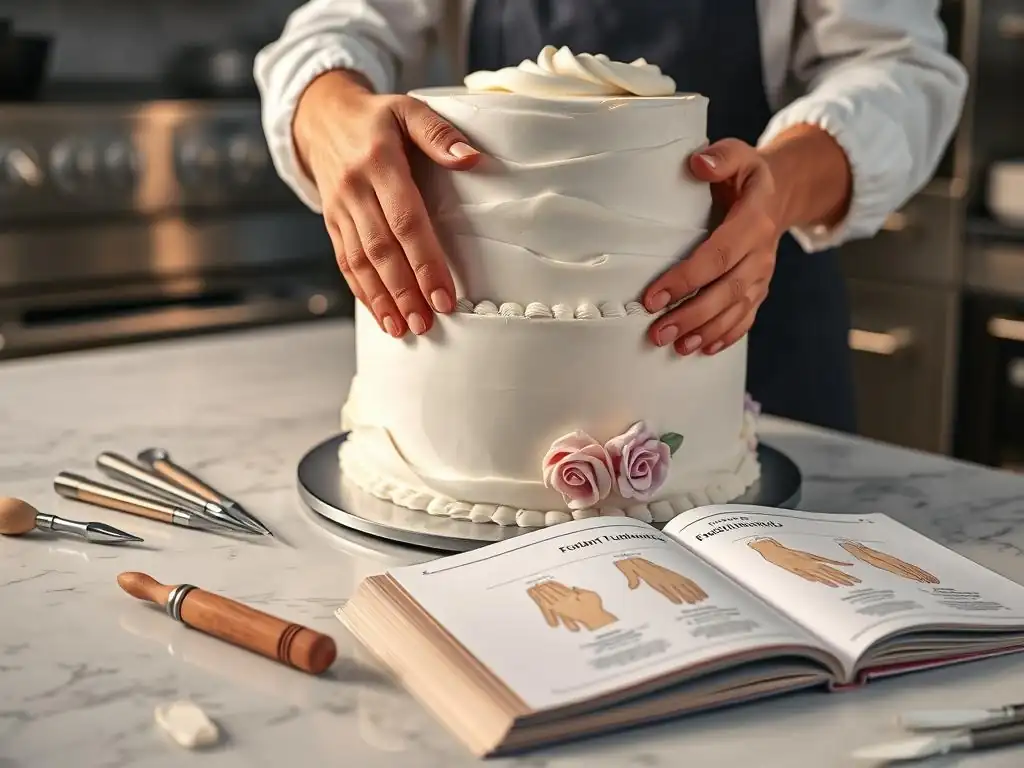
Achieving a beautiful, smooth finish with fondant takes practice, but incorporating a few key tips can make the process much less frustrating, especially for beginners. Remember, patience is your best friend when working with fondant.
- Knead Your Fondant Properly: Before rolling, knead the fondant until it is pliable and smooth, like playdough. This activates the gums in the fondant and makes it easier to work with. If it feels too stiff, you can microwave it for just a few seconds (literally 5-10 seconds at a time) to soften it slightly.
- Prepare Your Cake Surface: Ensure your cake is properly crumb-coated with buttercream or ganache and chilled until firm. A smooth, cold base is essential for a smooth fondant finish. Any bumps or crumbs on the cake will show through the fondant.
- Roll Fondant Evenly: Roll your fondant to an even thickness, typically about 1/8 inch (roughly 3mm). If it's too thin, it will tear easily; too thick, and it will look bulky. Use guides or a rolling pin with adjustable rings if needed.
- Lift and Position Carefully: Use your rolling pin to help lift and drape the fondant over the cake. Position it quickly and accurately over the center.
- Smooth from Top Down: Start smoothing the top of the cake with a fondant smoother, working outwards to the edges. Then, gently work down the sides, lifting and smoothing the pleats as you go. This is where Fondant smoothing techniques beginner guides in books are invaluable – they show you the specific hand movements.
- Remove Air Bubbles: If you see air bubbles trapped under the fondant, gently prick them with a very fine needle or pin held parallel to the cake surface. Then, smooth the area again with your fondant smoother.
- Trim Excess Neatly: Use a sharp knife or pizza cutter to trim the excess fondant cleanly around the base of the cake.
By applying these tips and practicing the techniques outlined in your chosen guide, you'll be well on your way to mastering Fondant smoothing techniques beginner guides and creating stunning cakes.
Conclusion: Elevate Your Cake Decorating with Fondant Expertise.
Embarking on the journey of decorating with fondant opens up a world of creative possibilities, allowing you to transform simple cakes into breathtaking centerpieces. While it requires dedication and practice, the right resources can significantly ease the learning curve. Investing in a quality fondant guide, especially one focusing on Fondant smoothing techniques beginner guides, provides you with the foundational knowledge and step-by-step instructions necessary to achieve professional-looking results from your very first attempt.
Coupled with essential tools and a willingness to practice, the insights gained from these recommended books will empower you to confidently tackle covering cakes and eventually explore the intricate art of fondant modeling. Don't be discouraged by initial imperfections; every cake is a learning opportunity. With the guidance found in these essential books and the tips shared by BakeWithEase, you are equipped to elevate your cake decorating skills and delight in creating beautiful, smooth, and delicious fondant-covered cakes.
Frequently Asked Questions
What are the benefits of using fondant in cake decorating?
Fondant provides a smooth, professional-looking finish to cakes. It's also great for creating detailed decorations and figures, offering versatility in design.
Which fondant smoothing techniques are most suitable for beginners?
Starting with a gentle application and using a fondant smoother is key. Avoid rushing the process and focus on small sections at a time for best results.
Besides books, what other resources can help me learn fondant smoothing techniques?
BakeWithEase.com offers step-by-step guides and videos on fondant techniques. Also, many online tutorials and baking communities can provide valuable tips.
How important is the type of fondant when aiming for a smooth finish?
The quality and texture of the fondant directly impact the final result. Opt for a smooth, pliable fondant that is easy to work with, especially as a beginner.
What are some common mistakes beginners make when smoothing fondant, and how can I avoid them?
Common mistakes include trapping air bubbles and overworking the fondant. Use a pin to release air and avoid excessive handling to prevent tearing.
Final Reflection: The Enduring Allure of a Perfect Fondant Finish
The pursuit of the flawlessly smooth fondant surface remains a cornerstone of cake decorating, a testament to the enduring power of visual appeal in the culinary arts. Whether you're a seasoned baker or just starting your journey, the quest for mastering fondant techniques continues to captivate and challenge. This guide, focusing on essential books for beginners, highlights the importance of foundational knowledge in achieving that coveted professional finish.
The impact of beautifully decorated cakes extends far beyond mere aesthetics; they represent artistry, celebration, and the power of creating something truly special. These skills, once mastered, become a source of immense personal satisfaction and creative expression. As one renowned cake artist once said, A cake is a work of art, and the fondant is its canvas.
This sentiment resonates deeply, emphasizing the importance of understanding the fundamentals before embarking on more complex designs. The books highlighted in this guide provide that crucial foundation, empowering aspiring cake decorators to transform their creations into edible masterpieces.
Now, it's your turn. Consider the journey you've embarked upon, whether it's the thrill of achieving that first perfectly smooth surface or the excitement of tackling a challenging figure. Don't be afraid to experiment, to embrace the learning process, and to find joy in the creation. Pick up one of the recommended books, dive into the techniques, and let your creativity flourish. The world of fondant awaits, ready to be shaped by your passion and skill.
Unleash Your Inner Cake Artist: Master Fondant Today!
Thanks for taking the time to explore the world of fondant with us! We hope you've gained valuable insights into creating those stunning, professional-looking cakes you've always dreamed of. Now it's time to put your newfound knowledge into action.
- Dive into your favorite book from our recommended list and start practicing! Begin with a simple project and gradually build your skills. Remember, practice makes perfect!
- Share your fondant creations on social media using #BakeWithEaseFondant — we'd love to see your progress! Connect with other baking enthusiasts and share inspiration.
- Consider joining our online baking community for further support and tips. This is a great way to ask questions and learn from experienced bakers.
What's your favorite fondant technique, and what are you excited to try out next? Let us know in the comments below!