
Sourdough Secrets: Essential Cookbooks for Mastering the Craft


Welcome to BakeWithEase, your trusted companion on your baking journey! Ever wondered why your sourdough starter isn't quite behaving? Or perhaps you're simply looking to elevate your bread-making game? Our Sourdough Starter Troubleshooting Guide unlocks the secrets to a thriving starter, but that's just the beginning. Dive into our curated selection of essential baking books and courses, hand-picked to guide you from novice to sourdough master. Discover the resources that will transform your kitchen into a haven of delicious creations – are you ready to uncover the secrets within?
- Unlock Sourdough Success: The Best Cookbooks for Every Baker
- Understanding Your Sourdough Starter: Cookbooks That Demystify the Process
- Top Sourdough Cookbooks for Beginners: Building a Solid Foundation
- Level Up Your Sourdough: Intermediate Cookbooks for Creative Baking
- Advanced Sourdough Techniques: Cookbooks for the Expert Baker
- Sourdough Starter Problems & Solutions: Cookbooks That Offer Practical Advice
- Choosing the Right Sourdough Cookbook for You: Key Considerations
- Start Your Sourdough Journey Today: Recommended Cookbooks for Every Baker
-
Frequently Asked Questions
- What is a sourdough starter, and why is it important?
- What are some common signs that my sourdough starter is unhealthy?
- How often should I feed my sourdough starter?
- What ingredients are essential for maintaining a healthy sourdough starter?
- What are some troubleshooting tips if my sourdough starter isn't doubling in size after feeding?
- Final Reflection: The Ever-Evolving World of Sourdough
- Unlock Your Inner Baker: Master the Art of Sourdough!
Unlock Sourdough Success: The Best Cookbooks for Every Baker
Embarking on the sourdough journey is a rewarding experience, filled with the aroma of naturally leavened bread and the satisfaction of creating something truly artisanal. However, it can also present its challenges, particularly when it comes to understanding and managing your sourdough starter. A reliable cookbook can be an invaluable companion, offering not just recipes but also foundational knowledge and, crucially, guidance when things don't go exactly as planned. Whether you're just cultivating your first starter or aiming to perfect your open crumb, the right book can illuminate the path to consistent sourdough success.
Choosing the right resource depends heavily on your current skill level and what you hope to achieve. Some books are designed to simplify the process for newcomers, while others delve into the science and advanced techniques that seasoned bakers crave.
Beyond recipes, many of the best sourdough cookbooks provide essential insights into the life cycle of a starter, how different flours behave, and perhaps most importantly, how to troubleshoot common issues that arise. This article explores some of the most highly regarded cookbooks, helping you find the perfect guide to master the craft, including invaluable sections on sourdough starter troubleshooting.
Understanding Your Sourdough Starter: Cookbooks That Demystify the Process
Working with a sourdough starter is the heart of this baking method. It's a living culture, and like any living thing, it requires care, understanding, and sometimes, a little intervention. Many aspiring bakers are intimidated by the prospect of keeping a starter alive and active, let alone using it successfully. This is where a comprehensive cookbook truly shines, transforming the seemingly mysterious process into an approachable one. They often provide detailed schedules for feeding, explain the signs of a healthy starter (like bubbly activity and a pleasant tangy aroma), and help you understand the impact of temperature and hydration.
A good sourdough cookbook doesn't just give you recipes; it teaches you to read your starter. It explains what the different textures and smells mean and how to adjust your feeding routine accordingly. For instance, if your starter isn't doubling after feeding, a helpful book might suggest increasing the feeding ratio or finding a warmer spot.
This foundational knowledge is critical, as a strong, active starter is the cornerstone of successful sourdough baking. Without this understanding, bakers often face issues like dense loaves or a lack of rise, leading to frustration and the need for a reliable sourdough starter troubleshooting guide.
The Importance of a Good Sourdough Cookbook for Starter Management
Managing a sourdough starter effectively is perhaps the most crucial skill in sourdough baking. It's not just about mixing flour and water; it's about creating a thriving microbial ecosystem. A quality sourdough cookbook dedicates significant pages to this very topic, often starting with how to create a starter from scratch, detailing the day-by-day changes you can expect over the initial one to two weeks. They provide clear instructions on feeding schedules—whether daily, weekly, or less often for refrigerated starters—and explain the science behind why these routines are necessary for maintaining peak activity.
Furthermore, these books often offer practical tips for integrating starter maintenance into a busy life. They might suggest keeping a small amount of starter for daily feeding or maintaining a larger "mother" starter in the fridge for less frequent baking. Many include charts or visual cues to help bakers assess their starter's readiness for baking.
For example, the float test (dropping a small amount of starter into water to see if it floats) is a common indicator of sufficient gas production, and cookbooks explain how to perform this and what the results signify. This deep dive into starter care is what elevates a good cookbook to an essential resource for any serious sourdough baker.
Sourdough Starter Troubleshooting Guide: Cookbooks That Help You Diagnose and Fix Problems
Let's face it, things don't always go perfectly in the world of sourdough. Starters can become sluggish, develop strange smells, or even grow mold. This is where a cookbook that functions as a sourdough starter troubleshooting guide becomes indispensable. Instead of resorting to endless online searches, you can turn to a trusted source that systematically addresses common issues. These sections often categorize problems by symptom—e.g., "Starter smells like acetone," "Starter isn't rising," "Mold on starter surface"—and provide clear, actionable steps to remedy the situation.
A comprehensive troubleshooting section will explain the why behind the problem. For instance, an acetone smell often indicates the starter is hungry and needs more frequent feeding or a larger feeding ratio (like changing from 1:1:1 to 1:2:2 flour:water:starter). Books might provide a flowchart or a list of questions to help you diagnose the issue correctly. They offer solutions ranging from adjusting feeding schedules and ratios to discarding more starter or changing the type of flour used. Having a reliable sourdough starter troubleshooting guide within your cookbook saves time and prevents the unnecessary discarding of a starter that just needs a little help to bounce back.
Top Sourdough Cookbooks for Beginners: Building a Solid Foundation
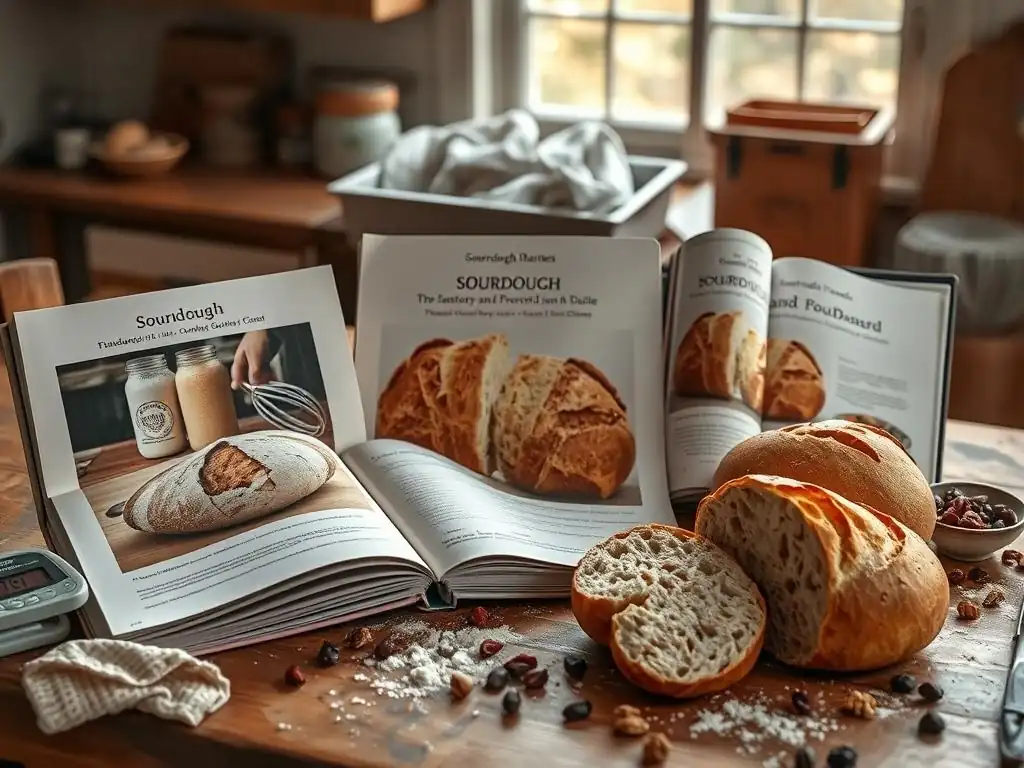
Starting with sourdough can feel overwhelming, but the right cookbook can simplify the process and build your confidence. Books aimed at beginners typically focus on foundational techniques, clear explanations, and forgiving recipes. They often introduce core concepts like hydration levels, autolyse, bulk fermentation, and shaping in an accessible manner, demystifying terms that might initially sound complicated. These resources prioritize building a strong understanding of the basic sourdough process before introducing more complex variations, ensuring that early attempts are successful and encouraging.
Beginner-friendly cookbooks also tend to feature simpler recipes that require fewer steps or less demanding techniques. They might start with a basic country loaf, perhaps baked in a Dutch oven for easier crust development. They often include detailed timelines and visual guides for each step, from mixing the dough to the final bake. Crucially, they provide solid advice on starter maintenance, often serving as a first point of reference for basic sourdough starter troubleshooting, helping new bakers navigate initial hurdles without feeling defeated.
Flour Water Salt Yeast: The Fundamentals of Artisan Bread - A Great Sourdough Starting Point
Ken Forkish's "Flour Water Salt Yeast" is widely regarded as a cornerstone for anyone serious about baking artisan bread, including sourdough. While it covers other bread types, its detailed approach to naturally leavened dough provides an exceptional foundation. The book breaks down the process into manageable steps, explaining the role of each ingredient and the importance of time and temperature. It emphasizes techniques like mixing by hand, understanding dough development, and achieving a beautiful crust.
Forkish's method is known for its longer fermentation times, which contribute to flavor development. The book provides schedules for various doughs, helping beginners plan their baking around their lives. While not exclusively a sourdough starter troubleshooting guide, it offers solid advice on maintaining a healthy levain (sourdough starter) and understanding its behavior, which is fundamental to preventing many issues before they even arise. The detailed explanations and focus on fundamental principles make it an invaluable first resource for aspiring sourdough bakers.
Tartine Bread: A Classic Approach to Sourdough Baking
Chad Robertson's "Tartine Bread" is another iconic book often recommended for those looking to master sourdough, though it might be considered slightly more advanced than Flour Water Salt Yeast for a complete novice. It presents the Tartine Bakery's signature country loaf recipe with meticulous detail, making it accessible through clear instructions and accompanying photographs. The book is celebrated for its focus on technique, particularly the stretch and fold method for developing gluten and achieving an open crumb structure.
"Tartine Bread" provides a deep dive into the entire process, from maintaining the starter (referred to as a levain) to mixing, bulk fermentation, shaping, and baking. It explains the nuances of working with high-hydration doughs and achieving that coveted airy interior. While not a dedicated sourdough starter troubleshooting guide, the book's detailed descriptions of what a healthy starter and dough should look like and how they should behave serve as an excellent reference point, allowing bakers to identify when something might be off and understand potential causes.
Level Up Your Sourdough: Intermediate Cookbooks for Creative Baking
Once you've successfully baked a few basic sourdough loaves and feel comfortable managing your starter, you might be ready to explore more complex recipes and techniques. Intermediate cookbooks build upon the foundational knowledge, introducing variations in ingredients, hydration levels, shaping methods, and baking approaches. These books encourage experimentation, guiding bakers to incorporate different flours, seeds, nuts, or even fruits into their doughs. They might also delve into scheduling bakes to fit different lifestyles, such as incorporating long cold proofs in the refrigerator.
These resources often explore different types of sourdough bread beyond the basic country loaf, such as enriched doughs for brioche or challah, rye loaves, or even pizzas and bagels made with sourdough. They provide more advanced shaping techniques and discuss factors like steam in the oven or using different baking vessels. While still offering guidance on starter health, intermediate books assume a basic level of comfort with sourdough starter management and may offer more nuanced tips rather than starting from absolute scratch or focusing heavily on fundamental sourdough starter troubleshooting.
The Perfect Loaf: Unlock the Secrets of Sourdough Baking
Authored by Maurizio Leo, the creator of the popular The Perfect Loaf website, this book is a fantastic resource for intermediate bakers looking to refine their skills. It takes a scientific yet approachable look at the sourdough process, explaining the "why" behind techniques like autolyse, bulk fermentation, and proofing with clarity. The book features a wide array of recipes, moving beyond the basic loaf to include variations like seeded loaves, enriched breads, and even sourdough croissants and pizza dough.
"The Perfect Loaf" provides detailed schedules and formulas, often including baker's percentages, which are essential for understanding and adapting recipes. It offers excellent guidance on maintaining a starter, including advice on hydration levels and feeding ratios depending on your baking goals. While not solely a sourdough starter troubleshooting guide, it includes helpful tips scattered throughout the text and within specific recipes to address common issues that might arise during mixing, fermentation, or baking, empowering bakers to understand and correct problems.
Sourdough: Recipes for Rustic Fermented Breads, Sweets, Savories, and More
Sarah Owens' "Sourdough" explores the versatility of sourdough beyond just rustic loaves, incorporating it into a variety of baked goods. This book encourages bakers to think creatively about how they use their starter, featuring recipes for items like sourdough pastries, cakes, crackers, and even pasta. It emphasizes using seasonal ingredients and explores the nuances of working with whole grains and different flours, offering a more holistic approach to sourdough baking and cooking.
Owens' book often features beautiful photography and a focus on the connection between baking, nature, and community. The recipes range in complexity, offering challenges for intermediate bakers looking to expand their repertoire. While it provides guidance on starter maintenance and incorporates sourdough starter into diverse recipes, its primary focus is on recipe variety and exploration rather than serving as a dedicated sourdough starter troubleshooting guide for fundamental starter issues. However, understanding how the starter behaves in different contexts can itself be a form of troubleshooting.
Advanced Sourdough Techniques: Cookbooks for the Expert Baker

For experienced sourdough bakers who have mastered the basics and are consistently producing good loaves, advanced cookbooks offer the opportunity to delve into more complex techniques, explore niche areas, and push the boundaries of what's possible with sourdough. These books often assume a high level of comfort with starter management, dough handling, and fermentation principles. They might explore topics like extremely high hydration doughs (90%+), using alternative grains like einkorn or spelt exclusively, or manipulating fermentation for specific flavor profiles.
Advanced resources might also discuss the science of baking in greater depth, including topics like enzymatic activity, gluten development at a molecular level, and the impact of wild yeasts and bacteria on flavor. They often feature complex recipes that require precise timing, temperature control, and expert shaping skills. While fundamental sourdough starter troubleshooting might not be the focus, these books often address advanced starter techniques, such as building specific levains for different purposes (e.g., a stiff sweet levain for enriched doughs) or managing large quantities of starter for professional-scale baking.
Open Crumb Mastery: Advanced Techniques for High-Hydration Sourdough
While a specific, widely recognized book titled exactly "Open Crumb Mastery" might not be a single best-seller, the concept represents a key area for advanced sourdough bakers. Resources focusing on achieving an open, airy crumb typically delve into the intricacies of managing very wet doughs. This involves mastering gentle mixing techniques, understanding how to build dough strength through folds without degassing excessively, and achieving the perfect balance of fermentation and proofing.
Books or guides in this vein often provide detailed visuals of dough development at different stages and discuss the impact of flour choice, water quality, and ambient temperature on high-hydration doughs. They might explore specific shaping methods designed to preserve the delicate internal structure achieved during fermentation. While not a general sourdough starter troubleshooting guide, these advanced resources often offer sophisticated advice on ensuring your starter is at peak activity and properly acidic to handle high-hydration doughs, as a weak starter is a common culprit behind poor oven spring and a dense crumb in wet doughs.
Modern Sourdough: Extraordinary Breads for Everyday
Melissa Weller's "Modern Sourdough" offers a sophisticated yet practical approach to sourdough, featuring recipes inspired by her professional baking background but adapted for the home kitchen. The book includes recipes for a range of breads, including classic loaves, but also delves into more complex items like croissants, bagels, and babka, all leavened with sourdough. It bridges the gap between traditional methods and modern techniques, offering challenges for experienced bakers.
Weller provides detailed instructions and insights into dough handling and fermentation, explaining how to achieve professional-quality results at home. The recipes often involve multiple steps and require attention to detail, appealing to those looking to refine their skills. While it covers starter maintenance, "Modern Sourdough" is more focused on applying sourdough to a diverse range of baked goods than serving as a fundamental sourdough starter troubleshooting guide. However, the precise techniques and detailed explanations can help experienced bakers diagnose and prevent issues in complex doughs.
Sourdough Starter Problems & Solutions: Cookbooks That Offer Practical Advice
Even with a solid understanding of starter maintenance, every sourdough baker will eventually encounter a problem. A sluggish starter, a loaf that doesn't rise, or an off-putting smell can be disheartening. Having a resource specifically designed to help you navigate these issues is invaluable. While many general sourdough cookbooks include a basic troubleshooting section, some resources offer a more in-depth exploration of common problems and their solutions, functioning as a dedicated sourdough starter troubleshooting guide.
These specialized resources often go beyond simple fixes, explaining the microbial reasons behind issues like excessive acidity or lack of activity. They might provide charts linking symptoms to causes and suggesting multiple potential remedies. This detailed approach empowers bakers to not only fix the current problem but also understand how to prevent it from happening again. A good sourdough starter troubleshooting guide provides confidence and resilience in the face of baking setbacks.
The Sourdough School: Sweet and Savoury Recipes Using Natural Fermentation: Your Sourdough Starter Troubleshooting Resource
Vanessa Kimbell's "The Sourdough School" is more than just a recipe book; it delves into the science and health aspects of sourdough. While it features numerous recipes, a significant part of the book focuses on understanding the starter and its impact on bread quality and digestibility. Kimbell provides extensive information on cultivating and maintaining a healthy, diverse starter, which is foundational to avoiding problems.
Crucially, the book includes detailed information on understanding your starter's behavior and how to react when it's not performing optimally. While it doesn't have a single chapter titled "Troubleshooting," the in-depth explanations throughout the book on starter health, feeding, and the fermentation process serve as an extensive sourdough starter troubleshooting guide embedded within the content.
Kimbell explains what different smells and textures indicate and how to adjust your approach, offering practical solutions rooted in scientific understanding. For example, she discusses how different flours impact fermentation and starter activity, providing insights into why a starter might be sluggish and how to fix it.
Online Sourdough Course: Sourdough Baking 101 by Vanessa Kimbell
While not a cookbook, Vanessa Kimbell's "Sourdough Baking 101" online course is a powerful resource for learning and, specifically, for sourdough starter troubleshooting. Online courses offer interactive elements and video demonstrations that can be incredibly helpful for visual learners. Kimbell's course covers everything from creating a starter to baking your first loaf, with detailed modules on understanding fermentation and starter health.
The course includes dedicated segments on diagnosing and fixing common starter problems, acting as a dynamic sourdough starter troubleshooting guide. Through video, you can see what a healthy starter looks like and compare it to one that might be struggling. Kimbell walks you through steps to revive a sluggish starter, manage hooch (the liquid that separates on top), or deal with mold. The ability to see these issues demonstrated and explained visually makes an online course like this an exceptionally practical tool for troubleshooting sourdough starter problems in real-time.
Choosing the Right Sourdough Cookbook for You: Key Considerations
With so many excellent sourdough resources available, selecting the right one can feel like a task in itself. Consider your personal goals, current skill level, and preferred learning style. Do you need a book that starts with the absolute basics, or are you looking for advanced techniques? Are you primarily interested in rustic loaves, or do you want to explore sourdough in pastries and other baked goods? Thinking about these questions will help narrow down your choices and ensure you pick a resource that will genuinely help you grow as a baker.
Also, consider the book's approach to starter management and troubleshooting. If you anticipate needing a lot of guidance in these areas, look for books with extensive sections on starter care and a clear sourdough starter troubleshooting guide. Some books are more recipe-focused, assuming you already have a handle on starter health, while others integrate starter management deeply into the core content.
Here's a quick checklist to help you decide:
- [ ] What is my current sourdough skill level (Beginner, Intermediate, Advanced)?
- [ ] Am I starting a starter from scratch or already have one?
- [ ] What types of sourdough recipes am I most interested in?
- [ ] How important is detailed guidance on starter maintenance to me?
- [ ] Do I need a comprehensive sourdough starter troubleshooting guide within the book?
- [ ] Do I prefer scientific explanations or more intuitive guidance?
- [ ] Does the book's style (photos, writing) appeal to me?
Skill Level: Matching the Cookbook to Your Experience
Selecting a cookbook that aligns with your current baking skill level is paramount for success and enjoyment. A beginner using an advanced book might feel overwhelmed by complex formulas and techniques, leading to frustration. Conversely, an experienced baker using a basic book might find the information too simplistic and the recipes unchallenging. Many cookbooks clearly state their target audience, often in the introduction or on the back cover.
Beginners should look for books that start with the absolute fundamentals, explaining concepts like hydration, fermentation times, and basic shaping in detail. Look for clear step-by-step instructions and perhaps visual guides. Intermediate bakers can explore books that introduce new techniques, different flour types, and a wider variety of recipes. Advanced bakers can seek out resources that delve into the science, high-hydration doughs, alternative grains, or professional-level methods. Choosing the right level ensures you are challenged appropriately and can build your skills effectively.
Recipe Variety: Exploring Different Sourdough Creations
While the classic sourdough country loaf is a staple, the versatility of sourdough extends far beyond. Some cookbooks specialize in rustic loaves, exploring variations in flour blends, hydration, and fermentation profiles to achieve different crusts and crumbs. Others feature a wide range of recipes, incorporating sourdough into everything from pancakes and waffles to cakes, cookies, pizza dough, and even pasta.
Consider what you want to bake with your sourdough starter. If you're passionate about mastering different bread shapes and styles (batards, boules, miches), look for a book with a strong focus on bread recipes and shaping techniques. If you want to use your starter in a broader culinary context, seek out cookbooks that include a diverse array of sweet and savory recipes. Some books offer a balance, providing foundational bread recipes alongside a selection of other sourdough applications.
Sourdough Starter Troubleshooting: Does the Cookbook Offer Help?
For many bakers, especially beginners and those working with a new or inconsistent starter, having a reliable sourdough starter troubleshooting guide readily available is crucial. Some cookbooks dedicate entire chapters or extensive sections to diagnosing and fixing common issues like a weak starter, lack of rise, dense crumb, or off flavors. These sections often provide charts that link symptoms to potential causes and offer clear, actionable solutions.
Other cookbooks might weave troubleshooting tips into the relevant recipe sections or offer general advice on starter health throughout the book without a specific, easily referenced guide. If you anticipate needing frequent help with your starter, prioritize books that explicitly mention comprehensive troubleshooting support. Reading reviews can also give you an idea of how well the book addresses common problems and serves as a practical sourdough starter troubleshooting guide for its readers.
Start Your Sourdough Journey Today: Recommended Cookbooks for Every Baker
Mastering sourdough baking is a journey that combines science, art, and patience. While online resources offer quick tips, a well-structured cookbook provides a comprehensive foundation, guiding you from understanding your starter to baking beautiful, delicious loaves. Whether you're just starting out and need a clear, beginner-friendly guide that includes basic sourdough starter troubleshooting, or you're an experienced baker looking to explore complex techniques and recipes, there's a perfect cookbook out there for you.
Investing in a quality resource can save you time and frustration, providing reliable methods and, importantly, helping you troubleshoot common issues. From the foundational principles taught in classics like Flour Water Salt Yeast and Tartine Bread to the creative explorations in Sourdough or the detailed science in The Perfect Loaf and resources like The Sourdough School, each book offers unique value. Choose the one that best fits your current needs and aspirations, and get ready to unlock the secrets of incredible sourdough baking.
Frequently Asked Questions
What is a sourdough starter, and why is it important?
A sourdough starter is a fermented culture of wild yeast and bacteria, used to leaven bread. It's important because it gives sourdough bread its characteristic tangy flavor and unique texture.
What are some common signs that my sourdough starter is unhealthy?
Signs of an unhealthy starter include lack of rise after feeding, a foul or moldy smell, or unusual discoloration. These indicate an imbalance of bacteria.
How often should I feed my sourdough starter?
The frequency of feeding depends on storage. A starter at room temperature needs daily feedings, while a refrigerated starter can be fed weekly.
What ingredients are essential for maintaining a healthy sourdough starter?
Only two ingredients are needed: unbleached flour and water. Using high-quality flour helps promote the growth of beneficial yeasts.
What are some troubleshooting tips if my sourdough starter isn't doubling in size after feeding?
Ensure the temperature is warm enough (ideally 70-75°F). Experiment with different ratios of flour and water during feeding to adjust the starter's consistency.
Final Reflection: The Ever-Evolving World of Sourdough
The journey of sourdough baking, fraught with challenges and triumphs, mirrors our own personal growth. Mastering this ancient craft isn't just about achieving a perfect loaf; it's about embracing the unpredictable, learning from failures, and celebrating the unique character of each bake. This exploration of essential cookbooks highlighted the resources available to navigate the complexities of sourdough, proving that even the most frustrating setbacks can lead to incredible rewards.
The enduring appeal of sourdough lies not only in the delicious, tangy bread it produces, but in the connection it fosters with a living organism – your starter. It's a testament to the power of patience, observation, and a willingness to adapt. The process itself is a metaphor for life's journey, with its highs and lows, its unexpected turns, and its ultimate fulfillment. The best bread is made with love, patience, and a little bit of magic.
– Unknown This quote perfectly encapsulates the spirit of sourdough baking and its enduring relevance in a world that often prioritizes speed and convenience over mindful creation.
Now, I invite you to consider your own relationship with sourdough. Have you experienced the frustration of a stalled starter or the joy of a perfectly risen loaf? What lessons have you learned from your own baking journey? More importantly, how can you apply the principles of patience, observation, and adaptation – the very essence of successful sourdough baking – to other areas of your life? Embrace the process, learn from your mistakes, and savor the unique rewards that await you, both in the kitchen and beyond.
Unlock Your Inner Baker: Master the Art of Sourdough!
Thanks for diving into the world of sourdough with us! We hope you've gained a new appreciation for this ancient baking technique and discovered some incredible cookbooks to guide your journey. Now it's time to put your newfound knowledge into action.
- Dive into your chosen cookbook and bake your first sourdough loaf! Document your journey – we'd love to see your results!
- Share your baking adventure on social media using #BakeWithEaseSourdough – let's inspire others!
- Explore our website for more baking tips and recipes to expand your sourdough skills.
Ready to transform your kitchen into a sourdough haven? What's the first recipe you'll tackle?