
Start Smart: Essential Cookbooks for Your First Baking Steps

Welcome to BakeWithEase, your kitchen companion for unlocking the joy of baking! Are you ready to embark on a delicious journey, but unsure where to begin? It all starts with the right guidance. This week, we dive into the essential tools every novice baker needs, focusing on a curated selection of beginner baking cookbooks recommended to set you up for sweet success. Intrigued? Keep reading to discover the perfect recipe for baking confidence!
- Start Smart: Essential Cookbooks for Baking Success
- Why Beginner Baking Cookbooks are Key
-
Top Beginner Baking Cookbooks
- "Baking Illustrated" by Cook's Illustrated: A Comprehensive Guide
- "Bread Baking for Beginners" by Bonnie Ohara: Mastering Basic Bread Baking Techniques
- "The Beginner's Baking Bible" by Heather Bertinetti: Easy-to-Follow Recipes for Sweet Treats
- "Baking All Year Round" by Rose Levy Beranbaum: A Trusted Source for Baking Education
- Comparing Baking Books: Features, Price, and User Reviews
- Essential Baking Equipment and Ingredients
- Maximizing Your Baking Learning Experience
- Advanced Baking Techniques
-
Frequently Asked Questions
- What makes a cookbook good for beginner bakers?
- Are baking cookbooks just for recipes, or do they offer other information?
- What kind of recipes should I expect in a beginner baking cookbook?
- How important are pictures in a beginner baking cookbook?
- Where can I find beginner baking cookbooks recommended by BakeWithEase?
- Final Reflection: The Sweet Taste of Discovery: Embracing Your Baking Journey
- Unlock Your Inner Baker: Start Baking Today!
Start Smart: Essential Cookbooks for Baking Success
Why Beginner Baking Cookbooks are Key
The Importance of a Solid Foundation
Starting your baking journey can feel overwhelming, with countless recipes and techniques available online. However, building a solid foundation is crucial for long-term success and enjoyment in the kitchen. A well-chosen beginner baking cookbook recommended by experienced bakers provides a structured learning path. It introduces core concepts, explains the science behind ingredients, and guides you through fundamental techniques like creaming butter and sugar, kneading dough, or tempering chocolate in a controlled, step-by-step manner. Without this foundational knowledge, a simple recipe can quickly turn into a frustrating mess, leading many new bakers to give up before they even truly begin.
These beginner-friendly guides often start with simple, forgiving recipes like classic chocolate chip cookies or basic muffins. They build confidence by ensuring early successes. For instance, a good introductory book might dedicate several pages just to explaining how different flours behave or why oven temperature accuracy is paramount. This level of detail is often missing in quick online recipes. Think of it like learning an instrument; you start with scales and basic chords before tackling complex sonatas. A solid cookbook provides those essential scales and chords for baking, setting you up to eventually create your own culinary symphonies.
Avoiding Common Mistakes with Expert Guidance
One of the biggest hurdles for new bakers is troubleshooting when things go wrong. Why did my cake sink? Why are my cookies flat? Beginner baking cookbooks recommended for newcomers anticipate these common pitfalls. They often include dedicated sections on troubleshooting or incorporate tips and explanations directly within the recipes. For example, a recipe for yeast bread might include a note about why dough isn't rising (perhaps the yeast is old or the water temperature was wrong) and suggest solutions. This expert guidance, distilled over years of experience, is invaluable.
Moreover, these books teach precision, which is fundamental to baking. They emphasize using the correct measurements (often by weight, which is more accurate than volume for many ingredients) and explain why following instructions precisely matters. A slight deviation in flour quantity or baking time can drastically alter the outcome. By relying on the tested and retested recipes found in reputable beginner baking cookbooks, you significantly reduce the likelihood of common errors like tough cookies, dense cakes, or bread that won't rise. Learning from the experts minimizes frustration and maximizes your chances of baking delicious treats right from the start.
Top Beginner Baking Cookbooks
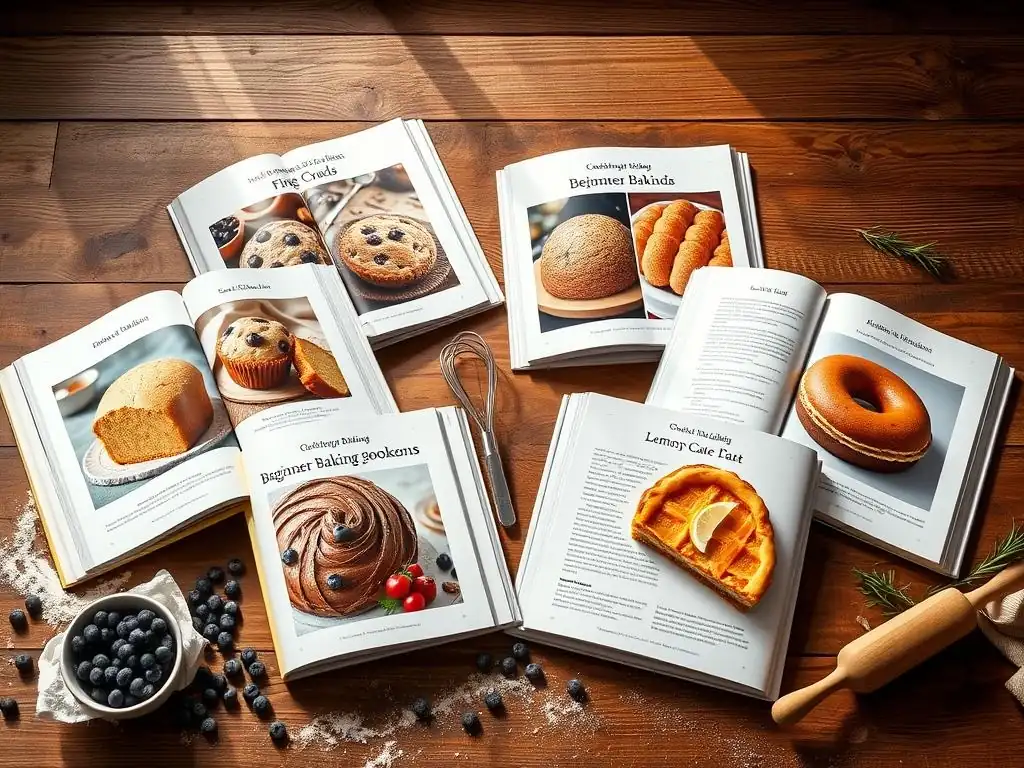
"Baking Illustrated" by Cook's Illustrated: A Comprehensive Guide
Features and Benefits
"Baking Illustrated," published by the meticulous team at Cook's Illustrated, is renowned for its scientific approach and thorough testing. This book doesn't just give you recipes; it explains why each step is necessary and how ingredients interact. It features detailed illustrations and extensive notes on recipe variations, ingredient substitutions, and troubleshooting.
Covering everything from cookies and cakes to pies and breads, it offers a broad overview of baking fundamentals. A significant benefit is the level of detail in explaining techniques, such as the difference between various mixing methods and when to use each one. It's less a collection of quick recipes and more an educational text for the serious beginner.
The book often compares different methods or ingredients side-by-side, explaining the pros and cons. For example, it might test five different ways to make chocolate chip cookies and explain which method yields the chewiest result and why. This analytical approach empowers beginners to understand the why behind baking principles, moving beyond just following instructions blindly.
The inclusion of detailed illustrations for techniques like rolling out pie dough or shaping loaves of bread further enhances its value as a learning tool. It's a substantial resource, often running over 400 pages, packed with information designed to turn a novice into a knowledgeable baker.
Why It's Perfect for Beginners: Step-by-Step Instructions
What makes "Baking Illustrated" particularly suitable as a beginner baking cookbook recommended for serious learners is its commitment to clarity and detail in its step-by-step instructions. Each recipe is broken down into manageable steps, often with accompanying illustrations that clarify potentially tricky procedures. The explanations are precise, leaving little room for ambiguity. For instance, when a recipe calls for creaming butter and sugar, the book might specify the texture and color you should be looking for and approximately how long the process should take at a certain mixer speed.
Beyond just the steps, the book provides context. It explains the science behind actions like chilling cookie dough (it helps the fat solidify, preventing excessive spread) or sifting flour (it aerates the flour and removes lumps). This level of explanation helps beginners understand the purpose of each step, making it easier to replicate results and troubleshoot when necessary. While some may find its depth intimidating, those who appreciate understanding the fundamentals will find this book an invaluable guide that builds confidence through knowledge and meticulous instructions.
"Bread Baking for Beginners" by Bonnie Ohara: Mastering Basic Bread Baking Techniques
Exploring Bread with "Bread Baking for Beginners"
Bonnie Ohara's "Bread Baking for Beginners" focuses specifically on the rewarding world of baking bread, making it an excellent beginner baking cookbook recommended for those whose primary interest lies in loaves, rolls, and enriched doughs. The book demystifies the process of working with yeast, explaining proofing, kneading, and shaping in clear, accessible language. It covers fundamental bread types, starting with simple no-knead recipes and progressing to classic sandwich loaves, rolls, and perhaps even an introduction to sourdough or enriched doughs like brioche. The recipes are designed to be achievable for home bakers without requiring specialized equipment beyond the basics.
A key aspect of Ohara's approach is building the baker's intuition. She provides cues to look for during the process, such as how the dough should feel after kneading or how to tell if it's proofed correctly using the "poke test." This practical guidance is crucial for beginners who are still learning to interact with live dough. The book often includes variations on basic recipes, encouraging experimentation once the fundamental technique is mastered. For example, a basic white bread recipe might include suggestions for adding herbs, cheese, or different flours.
Why This Book is Ideal for Learning Bread Baking Fundamentals
This book is specifically tailored for the absolute novice bread baker. It strips away the complexity often associated with bread making and focuses on the core skills needed for consistent success. The recipes are often simpler than those found in more advanced bread books, using straightforward ingredients and techniques that don't require years of experience to master. For instance, it might feature a very basic focaccia or a simple whole wheat loaf that uses active dry yeast, explained in detail. The friendly tone and clear instructions make the process less daunting.
Furthermore, "Bread Baking for Beginners" typically addresses common bread-making anxieties head-on. It explains the role of humidity, temperature, and time in fermentation in a way that is easy to grasp. It provides troubleshooting tips specifically for bread, such as what to do if your dough isn't rising or your crust is too hard. By focusing solely on bread, it allows beginners to delve deeply into this specific area of baking without being overwhelmed by other pastry techniques. It's a focused and encouraging guide for anyone taking their first steps into the world of homemade bread.
"The Beginner's Baking Bible" by Heather Bertinetti: Easy-to-Follow Recipes for Sweet Treats
Indulge in Delicious Desserts
"The Beginner's Baking Bible" by Heather Bertinetti is a fantastic beginner baking cookbook recommended for those with a sweet tooth. It focuses primarily on classic desserts and baked goods that are popular and relatively straightforward to make. Think cookies, brownies, cupcakes, simple cakes, and perhaps some basic pies or pastries. The recipes are generally designed to be approachable, often using common ingredients readily available in most supermarkets. The emphasis is on delivering delicious results with minimal fuss, making it perfect for building confidence through tasty outcomes.
The book typically features a wide variety of popular sweet recipes, offering a diverse range of projects for the new baker. You might find recipes for chocolate chip cookies, peanut butter cookies, simple vanilla cake, basic chocolate frosting, apple crisp, and perhaps a foundational brownie recipe. These are the kinds of treats that are universally loved and provide immediate gratification, which can be a powerful motivator for beginners. The focus is on classic, comforting desserts that are achievable for someone just starting out, ensuring early successes and encouraging continued exploration.
The Simplicity and Accessibility of Recipes for New Bakers
One of the key strengths of "The Beginner's Baking Bible" is the simplicity and accessibility of its recipes. The instructions are usually concise and clear, avoiding overly technical jargon. Ingredient lists are typically short and feature common pantry staples. The steps are broken down logically, making them easy to follow even for someone who has never baked before. For example, a cookie recipe might have only 5-7 steps, clearly outlining the process from mixing ingredients to baking.
This book prioritizes ease of use and reliability for the novice baker. It often includes helpful tips integrated within the recipes, such as how to properly measure flour or how to tell when a cake is done. The focus is on getting delicious, recognizable results with minimal frustration. It's the kind of book you can open on a whim and find a recipe you can confidently tackle with ingredients you likely already have. This accessibility makes it an ideal starting point for anyone eager to dive into baking sweet treats without feeling overwhelmed by complex techniques or exotic ingredients.
"Baking All Year Round" by Rose Levy Beranbaum: A Trusted Source for Baking Education
Rose Levy Beranbaum: A Legacy of Baking Expertise
Rose Levy Beranbaum is a legendary figure in the baking world, known for her meticulous approach and deep understanding of baking science. Her books, including "The Cake Bible," "The Bread Bible," and "The Pie and Pastry Bible," are considered definitive guides by many experienced bakers.
"Baking All Year Round," while potentially broader in scope than some pure beginner books, still offers her signature precision and educational value, making it a valuable beginner baking cookbook recommended for those who appreciate detail and accuracy. Her legacy is built on countless hours of testing recipes to achieve perfect results, explaining the why behind each step.
Beranbaum's writing is characterized by its clarity and thoroughness. She often includes precise measurements (usually by weight), specific temperatures, and detailed descriptions of textures and visual cues at each stage of a recipe. While her recipes can sometimes seem more complex due to this level of detail, the payoff is highly reliable results. She doesn't just tell you what to do, but why you're doing it, which fosters a deeper understanding of the baking process. Her expertise spans a wide range of baked goods, offering a comprehensive education within her books.
Why "Baking All Year Round" is a Reliable Resource
"Baking All Year Round" serves as a reliable resource for beginners due to Rose Levy Beranbaum's unparalleled attention to detail and testing. Although it might not be labeled strictly as a "beginner" book, it offers recipes and techniques that, when followed precisely, yield consistent and excellent results. The reliability of her recipes is its greatest strength for someone learning. If something goes wrong, you can be reasonably sure it wasn't the recipe's fault, but perhaps a misstep in execution or measurement, allowing you to pinpoint and correct your mistakes more easily.
The book is structured around seasons, offering recipes appropriate for different times of the year, which provides a natural progression through various types of baked goods. While some recipes might be more challenging, many are accessible to beginners, especially those who are patient and appreciate detailed instructions. Her explanations of techniques, even in recipes not explicitly for beginners, are often so clear that a novice can follow them successfully. For a beginner who values precision and wants to learn from one of the best, this book offers a wealth of knowledge and highly reliable recipes.
Comparing Baking Books: Features, Price, and User Reviews
Feature Comparison: Which Cookbook Offers the Best Coverage?
When choosing among beginner baking cookbooks recommended, comparing their features and coverage is essential. Some books, like "Baking Illustrated," offer a broad spectrum of baked goods – cookies, cakes, pies, breads – providing a general foundation across many categories. Others, like "Bread Baking for Beginners," specialize in one area, offering a deeper dive into specific techniques and types within that niche. If your primary goal is to master bread, a specialized book is likely better than a general one that only includes a few basic bread recipes.
Consider the level of detail provided. "Baking Illustrated" and Rose Levy Beranbaum's books excel in explaining the why behind the steps and discussing the science. "The Beginner's Baking Bible" focuses more on simple, direct instructions to achieve tasty results quickly. Think about your learning style: do you prefer a deep, scientific understanding, or do you just want reliable, easy-to-follow recipes?
Some books include extensive troubleshooting guides, while others integrate tips within the recipes. A feature checklist can help: Does it cover the types of baking you're interested in? Is the instruction style clear for you? Does it include helpful visuals or troubleshooting?
Bread Baking Focus: Ohara vs. Hamelman's "Bread"
Comparing "Bread Baking for Beginners" by Bonnie Ohara and "Bread" by Jeffrey Hamelman highlights the difference between a beginner-focused book and a more comprehensive professional/serious amateur text. Ohara's book is explicitly designed for novices, starting with extremely simple recipes and techniques, building confidence gradually. It uses accessible language and focuses on fundamental concepts essential for getting yeast dough to work reliably in a home kitchen. It might include recipes like a basic sandwich loaf or simple rolls using commercial yeast.
Hamelman's "Bread," while an absolutely superb and highly respected resource, is significantly more advanced. It delves into professional techniques, various preferments (like poolish, biga, and sourdough starters), and covers a vast range of bread types, including many complex European loaves. It assumes a certain level of prior knowledge and comfort with dough handling. While it's an incredible resource for growth after mastering the basics, it would likely be overwhelming as a first bread book for a complete beginner. Therefore, for someone just starting their bread journey, Ohara's book is the far more appropriate beginner baking cookbook recommended choice.
Pastry Perfection: Bertinetti vs. Lebovitz's "Ready for Dessert"
Similarly, comparing "The Beginner's Baking Bible" by Heather Bertinetti and David Lebovitz's "Ready for Dessert" illustrates the beginner vs. broader audience distinction. Bertinetti's book is tailored specifically for novices wanting easy, reliable sweet treats. It features classic, relatively simple recipes like basic cookies, brownies, and simple cakes with straightforward instructions and common ingredients, prioritizing accessibility and quick wins for the beginner baker. The focus is on building foundational skills through achievable dessert recipes.
David Lebovitz's books, including "Ready for Dessert," are excellent, but they cater to a wider audience, including those with some baking experience. While they contain many accessible recipes, they also include more complex techniques and desserts, and the explanations might assume a bit more prior knowledge than a book explicitly titled for beginners. Lebovitz's style is often more narrative and less strictly instructional than a pure beginner guide. For someone taking their very first steps into baking sweets, Bertinetti's book is likely a more direct and less intimidating beginner baking cookbook recommended path to building confidence with desserts.
Price Analysis: Finding the Best Value
The cost of beginner baking cookbooks recommended can vary significantly. Paperback editions are generally the most affordable, often ranging from $15 to $25. Hardcovers, especially larger or more profusely illustrated ones, can range from $25 to $40 or even more. Older, classic titles might be available at lower prices, while newly released books might be at the higher end. Consider whether you prefer a physical book to mark up and reference easily or if a digital version (if available) suits you, as digital copies can sometimes be cheaper.
When evaluating value, consider the book's contents relative to its price. A comprehensive guide like "Baking Illustrated," though potentially more expensive upfront, might offer better long-term value if it covers a wide range of techniques you plan to learn. A specialized but affordable book might be great value if you only want to focus on one area, like bread.
Look for sales or used copies to potentially reduce the cost. Remember that the best value isn't always the cheapest book, but the one that best meets your learning needs and provides reliable information and recipes that you will use repeatedly.
Budget-Friendly Baking: Exploring Affordable Options
For beginners on a tight budget, finding affordable beginner baking cookbooks recommended is key. Many classic baking books have been in print for years and are available in more economical paperback editions. Cookbooks published by large, general publishers rather than niche culinary presses might also be more affordably priced. Sometimes, older editions of popular books can be found at significant discounts. Websites that sell used books are also a great resource for finding quality cookbooks at lower prices.
Additionally, some excellent introductory baking guides are specifically written and priced to be accessible for beginners. These might be smaller in scope than encyclopedic baking bibles but contain all the essential information and recipes to get you started successfully. Look for titles that emphasize simplicity and basic techniques, as these often correspond with more budget-friendly pricing. Investing in a few affordable, focused beginner books might be a better starting strategy than buying one expensive, overwhelming volume.
Investing in Quality: Is a Higher Price Worth It?
While budget-friendly options exist, sometimes a higher-priced beginner baking cookbook recommended is worth the investment, especially if it's a comprehensive and highly-regarded resource. Books like "Baking Illustrated" or those by acclaimed authors like Rose Levy Beranbaum (even if not strictly "beginner" titles, they are used by beginners who want depth) often come with extensive testing, detailed explanations, and a high level of reliability that can save you time, ingredients, and frustration in the long run.
A book that costs $35 but leads to consistent success and teaches you fundamental principles might be a better investment than a $15 book with unreliable recipes or unclear instructions.
Consider the book as an educational tool. A high-quality cookbook from a trusted source is like paying for a good class; it provides structured learning and reliable information. If a book is known for its exceptionally clear instructions, detailed troubleshooting, or scientific explanations that resonate with your learning style, the slightly higher price tag might be justified by the value you gain in knowledge and successful baking outcomes. Ultimately, the "worth" is subjective, but investing in a well-regarded, reliable resource can significantly enhance your learning experience.
User Reviews and Ratings: What Other Bakers Are Saying
Consulting user reviews and ratings is an indispensable step when choosing a beginner baking cookbook recommended. Platforms like Amazon, Goodreads, and baking forums are filled with feedback from people who have actually used the books. Pay attention to reviews from other beginners – do they find the instructions clear? Are the recipes successful? Do they feel the book helped them learn? Look for common themes in feedback, both positive and negative. A book might have beautiful pictures, but if multiple reviewers complain about confusing instructions or failed recipes, it's a red flag for a beginner.
Conversely, if many beginners rave about a book's clarity, reliability, and how much it helped them improve, it's a strong indicator that it's a good fit. Don't just look at the star rating; read the comments to understand why people liked or disliked the book. Do the positive points align with what you're looking for (e.g., simple recipes, detailed explanations)? Do the negative points highlight issues that would be problematic for you (e.g., complex techniques, lack of troubleshooting)?
Real-World Experiences: Learning from Other Bakers
User reviews offer invaluable real-world perspectives on using beginner baking cookbooks recommended in a home kitchen. They go beyond the publisher's description and tell you how the book performs in practice. For instance, a review might mention that while a recipe calls for a specific tool, they found a common kitchen item worked just as well, or that a recipe took significantly longer than stated, which is useful information for planning. They might also highlight particularly successful or challenging recipes within the book.
Learning from the experiences of other bakers helps set realistic expectations. If multiple reviewers mention that a certain recipe is tricky but worth the effort, you know to approach it with extra care. If many beginners say a particular technique explanation in a book finally made sense to them after struggling with it, it suggests the book's teaching method is effective. These insights from the baking community provide a practical layer of evaluation that complements professional reviews and book descriptions.
Identifying Strengths and Weaknesses
By reading a range of user reviews for beginner baking cookbooks recommended, you can effectively identify their strengths and weaknesses from the perspective of actual users. One book might be praised for its stunning photography and inspiring ideas but criticized for vague instructions. Another might have plain layout but be universally lauded for its foolproof recipes. Some books might be great for cookies and cakes but weak on bread, or vice-versa.
Look for patterns in what users say the book does well and where it falls short. Does it deliver on its promise of being beginner-friendly? Are there specific recipes that consistently receive praise or criticism? Does the troubleshooting section actually help? By synthesizing feedback from multiple users, you can get a balanced view of a book's pros and cons and determine if its strengths align with your learning goals and if its weaknesses are something you can overlook or mitigate. This process helps you make a more informed decision than relying solely on the book's title or cover.
Essential Baking Equipment and Ingredients
Must-Have Baking Tools
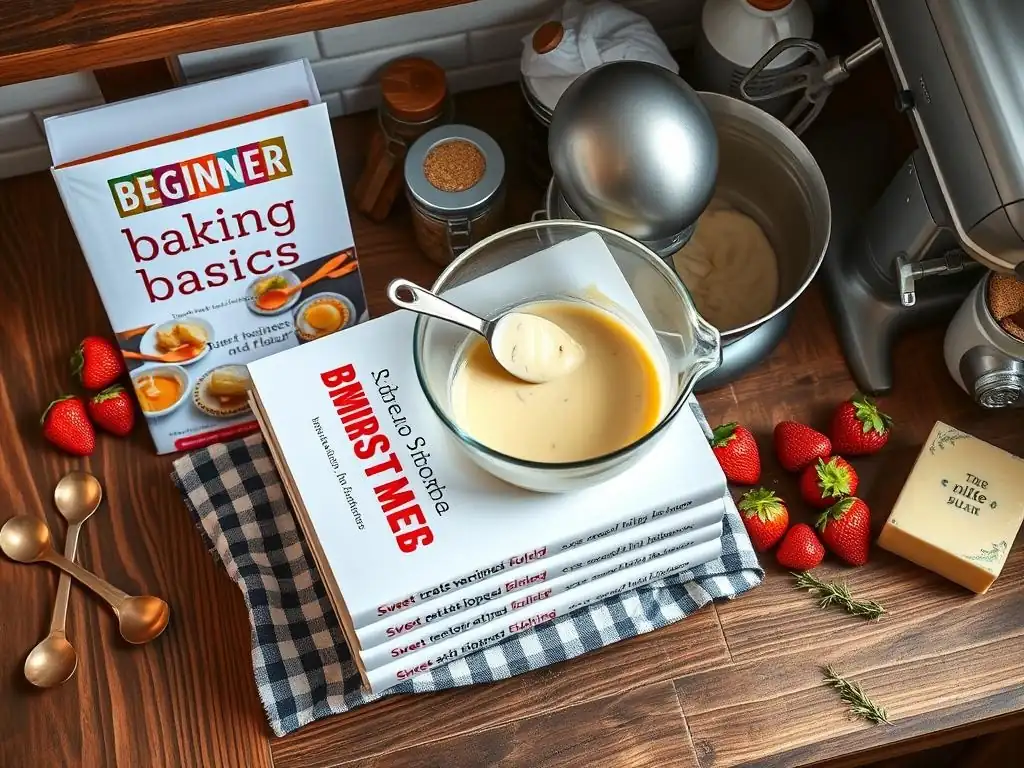
Before diving into your new beginner baking cookbook recommended, having the right tools is crucial. You don't need a professional kitchen setup, but a few essential items will make your baking much easier and more successful. Starting with the basics ensures you can accurately measure ingredients, mix doughs and batters properly, and bake evenly. Think of these as your foundational toolkit, much like a good chef needs sharp knives.
Having the correct equipment minimizes variables that can lead to baking failures. Using the right size pan, measuring ingredients precisely, and having tools that perform their intended function efficiently are all part of setting yourself up for success. You can gradually add more specialized tools as you tackle more complex recipes, but starting with these core items will allow you to bake a wide range of recipes found in most beginner books.
High-Quality Mixing Bowls, Measuring Cups, and Spatulas
- Mixing Bowls: You'll need a few sturdy mixing bowls in different sizes (small, medium, large). Glass, stainless steel, or ceramic are good options. They should be stable and large enough to comfortably mix ingredients without spills.
- Measuring Cups and Spoons: Accurate measurement is non-negotiable in baking. You need a set of dry measuring cups (for flour, sugar, etc.) and liquid measuring cups (with a spout for water, milk, oil). A set of measuring spoons for smaller quantities (teaspoons, tablespoons) is also essential. Look for sets with clear markings.
- Spatulas: Both rubber/silicone spatulas (for scraping down bowls and folding ingredients) and offset spatulas (for spreading batter and frosting) are incredibly useful. Silicone spatulas are heat-resistant and flexible, making them ideal for various tasks.
Using good quality measuring tools helps ensure consistent results, as recipes in beginner baking cookbooks recommended rely on precise quantities. Sturdy mixing bowls make the process smoother, and versatile spatulas are essential for everything from gently folding egg whites to neatly frosting a cake.
Essential Baking Sheets, Pans, and Racks
- Baking Sheets: At least one or two sturdy, rimmed baking sheets are necessary for cookies, roasted vegetables, and many other baked goods. Look for heavy-gauge aluminum for even heating. A standard half-sheet size (approx. 18x13 inches) is versatile.
- Cake Pans: Depending on your interests, you might need round cake pans (8 or 9 inches are common) or a loaf pan (for bread or quick breads like banana bread). Non-stick surfaces can be helpful for beginners, but proper greasing and flouring work well too.
- Cooling Racks: Wire cooling racks are essential for allowing baked goods to cool properly, preventing soggy bottoms. They allow air circulation around the item.
These items form the backbone of your baking setup. Baking sheets are fundamental for cookies and many other flat baked goods. Cake and loaf pans open up possibilities for different types of recipes found in beginner baking cookbooks recommended. Cooling racks are a simple but critical tool for achieving the right texture once your baked goods are out of the oven.
Key Baking Ingredients
Just as important as the right tools are the right ingredients. Starting with fresh, high-quality staples is crucial for successful baking. Understanding a little about your ingredients will also help you troubleshoot and adapt recipes as you gain experience.
Many beginner baking cookbooks recommended assume you have certain pantry staples on hand. Keeping these fresh and readily available ensures you can jump into a recipe whenever inspiration strikes without a last-minute trip to the store.
Understanding Different Types of Flour
Flour is a fundamental ingredient in almost all baking. For beginners, the most important type is all-purpose flour. It's versatile and works well for cookies, cakes, muffins, and many types of bread. It typically has a protein content around 10-12%, providing a good balance of structure and tenderness. Some recipes may call for other flours, but all-purpose is the workhorse.
Other flours you might encounter include:
- Bread Flour: Higher protein content (around 12-14%), which develops more gluten, resulting in chewier, more structured bread.
- Cake Flour: Lower protein content (around 8-10%), milled very finely, creating a tender crumb in cakes and pastries.
- Whole Wheat Flour: Contains the bran and germ of the wheat kernel, adding flavor, nutrients, and density. It has a higher protein content but the bran interferes with gluten development.
Most beginner baking cookbooks recommended will primarily use all-purpose flour, perhaps introducing bread or cake flour for specific recipes. Knowing the basic differences helps you understand why a recipe specifies a particular type.
The Importance of Fresh Yeast and Baking Powder
Leavening agents are critical for making baked goods light and airy. Using fresh and active leaveners is paramount.
- Yeast: Used in bread baking, yeast is a living organism that produces carbon dioxide, causing dough to rise. Common types for beginners are Active Dry Yeast and Instant Yeast. Always check the expiration date! Storing yeast in the refrigerator or freezer extends its lifespan. Inactive or dead yeast means your bread won't rise.
- Baking Powder: A chemical leavener used in cakes, cookies, muffins, and quick breads. Most common is "double-acting" baking powder, which reacts when mixed with liquid and again when heated. Baking powder loses potency over time, typically lasting 6-12 months once opened. You can test its freshness by putting a teaspoon in hot water; it should fizz vigorously.
Using expired or inactive leavening agents is a very common reason for baking failures like flat cookies or dense cakes/breads. Always check the freshness of your yeast and baking powder before you start a recipe from your beginner baking cookbook recommended.
Maximizing Your Baking Learning Experience
Start with Simple Recipes and Gradually Increase Complexity
When you first open your beginner baking cookbook recommended, resist the urge to jump straight to the most elaborate recipe. Start simple! Master the basics like chocolate chip cookies, easy muffins, or a straightforward quick bread. These recipes are designed to be forgiving and build fundamental skills like accurate measuring, mixing techniques, and understanding oven behavior. Achieving success with simple recipes builds confidence and provides a solid foundation before tackling more challenging bakes.
Once you're comfortable with basic techniques, gradually move on to slightly more complex recipes. This could mean trying a simple layer cake, a basic yeast bread, or a pie with a simple crust. Each new recipe introduces one or two new skills or concepts. This gradual increase in complexity prevents you from feeling overwhelmed and allows you to focus on mastering new techniques one step at a time, making the learning process enjoyable and sustainable.
Don't Be Afraid to Experiment and Make Mistakes
Baking is a science, but it also involves learning through doing. Even with the best beginner baking cookbook recommended, you will likely encounter mistakes. Don't be discouraged! See them as learning opportunities. Did your cake sink? Review the recipe and maybe your oven temperature. Are your cookies spreading too much? Consider ingredient measurements or chilling the dough. Most cookbooks include troubleshooting tips that help you diagnose the issue.
Once you've mastered a few basic recipes, feel free to experiment slightly. Try adding different extracts to a vanilla cake or swapping in different types of chocolate chips in your cookies. As you gain confidence and understand the role of ingredients, you can start to make small, informed variations. Embrace the process, learn from every bake – successful or not – and remember that even experienced bakers have off days.
Join Baking Communities and Forums
Connecting with other bakers is a fantastic way to enhance your learning experience. Online forums, social media groups, or local baking clubs offer opportunities to ask questions, share your successes and failures, and get advice from people who understand the challenges of baking. Many online communities are specifically geared towards beginners and are very supportive.
Sharing photos of your baked goods (even the imperfect ones!) can elicit helpful feedback. If you're struggling with a specific technique from your beginner baking cookbook recommended, chances are someone else in the community has faced the same issue and can offer tips or alternative approaches they found helpful. Learning from the collective experience of a community can provide encouragement and practical solutions that complement the guidance in your cookbooks.
Advanced Baking Techniques
Sourdough Baking: A Challenging Journey
Once you've mastered basic yeast breads from your beginner baking cookbook recommended bread section, you might be ready for the rewarding challenge of sourdough baking. Sourdough relies on a "starter," a live culture of wild yeast and bacteria, rather than commercial yeast. This process requires patience, understanding of fermentation cycles, and learning to read your starter and dough. It's a significant step up in complexity.
Sourdough involves maintaining a starter, understanding proofing times that vary based on ambient temperature and starter activity, and developing techniques for handling high-hydration doughs. While challenging, the depth of flavor and the satisfaction of baking a beautiful sourdough loaf are immense. Many bakers consider mastering sourdough a major milestone in their baking journey.
Pastry Perfection: Mastering Puff Pastry
Another area for advancement beyond the basics in a beginner baking cookbook recommended is mastering classic pastries like puff pastry. This involves creating numerous thin layers of dough and butter through a process of repeated folding and rolling ("lamination"). It requires precision, temperature control, and patience to achieve the light, flaky texture characteristic of croissants, palmiers, and vol-au-vents.
Working with laminated doughs teaches valuable lessons about gluten development, the properties of fat in baking, and temperature management. It's a technique that requires practice to perfect, but the ability to create delicate, flaky pastries from scratch is a highly rewarding skill.
Cake Decorating: Elevating Baking Skills
Beyond the structure and flavor of the cake itself, cake decorating offers a creative avenue to elevate your baking skills. While your beginner baking cookbook recommended might include simple frosting recipes, cake decorating involves techniques like smoothing buttercream, piping borders and designs, working with fondant, or creating sugar flowers.
This area combines baking with artistry. It requires learning how different types of frosting behave, practicing piping techniques, and developing an eye for design. It's a skill set that allows you to turn a simple baked cake into a stunning centerpiece for any occasion.
Frequently Asked Questions
What makes a cookbook good for beginner bakers?
A good beginner baking cookbook focuses on simple recipes, clear step-by-step instructions, and uses easy-to-find ingredients. It should also explain basic baking techniques.
Are baking cookbooks just for recipes, or do they offer other information?
Many beginner baking cookbooks offer more than just recipes. They often include explanations of baking science, troubleshooting tips, and guides to essential baking equipment and ingredients.
What kind of recipes should I expect in a beginner baking cookbook?
Expect recipes for classic baked goods like cookies, muffins, simple cakes, and perhaps basic breads. The focus is on building a foundation of baking skills with approachable projects.
How important are pictures in a beginner baking cookbook?
Pictures are very helpful! Visual guides can be invaluable for understanding techniques and knowing what the final product should look like, giving confidence to new bakers.
Where can I find beginner baking cookbooks recommended by BakeWithEase?
BakeWithEase offers recommendations on our website, in articles like "Start Smart: Essential Cookbooks for Your First Baking Steps," which highlights top-rated cookbooks specifically chosen for those new to baking.
Final Reflection: The Sweet Taste of Discovery: Embracing Your Baking Journey
The world of baking, once perceived as intimidating, is now more accessible than ever, thanks to the wealth of resources available to aspiring bakers. Mastering the fundamentals is key, and the right cookbook can be the difference between frustration and flour-powered joy. This article highlighted several essential guides designed to empower beginners, transforming the kitchen from a place of potential anxiety into a creative haven.
The impact of accessible baking resources extends far beyond the simple act of creating delicious treats. It fosters a sense of accomplishment, encourages creativity, and builds confidence in the kitchen. Baking is at once child's play and adult joy. And love, of course.
This quote perfectly captures the essence of the baking experience, a sentiment echoed by countless beginners who find immense satisfaction in mastering new skills and sharing their creations with loved ones. The joy of baking is contagious, and the community it fosters is truly special.
Now, it's your turn. Don't let the fear of failure hold you back. Choose a cookbook from our list, gather your ingredients, and embark on your baking adventure. Embrace the process, learn from your mistakes (and there will be some! ), and savor the sweet rewards of your efforts. Remember, every perfectly risen loaf, every perfectly frosted cake, starts with a single step, a single recipe, and a willingness to learn. Your culinary journey awaits – start baking!
Unlock Your Inner Baker: Start Baking Today!
Thanks for taking the time to explore the world of baking with us! We hope you've discovered some delicious inspiration and feel more confident in taking your first steps in the kitchen. Now it's time to put that knowledge to good use.
- Grab your apron and try one of the recipes highlighted in the article! Pick your favorite and get baking – even a simple cookie recipe can be a rewarding experience.
- Share your baking journey! Tell us about your experience, what you baked, and what you learned. We love seeing your creations and hearing your feedback.
- Explore more beginner-friendly recipes on our site (bakewithease.com) – we've got plenty more where that came from!
What delicious treat will you bake first?