
The Importance of a Good Cooling Rack for Artisan Bread

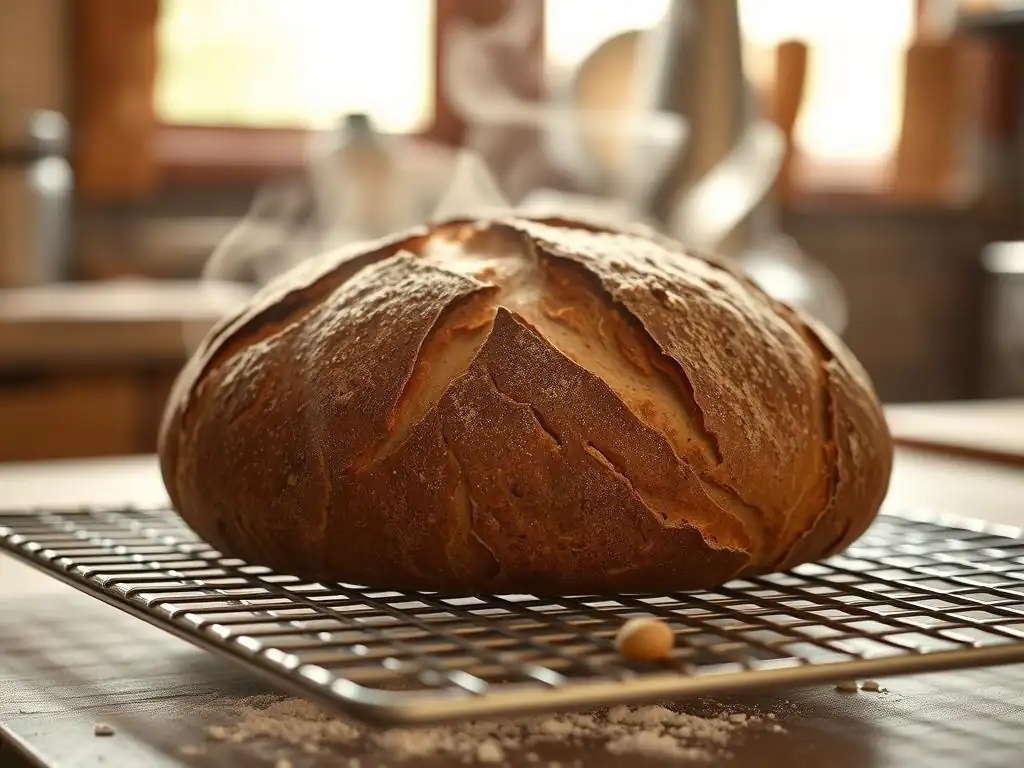
Welcome to BakeWithEase, where we demystify the world of baking! Ever wondered if that simple wire rack truly makes a difference in your final bake? Dive into our latest guide and discover exactly why using cooling racks is essential for achieving that perfect crust and crumb, especially when crafting artisan bread. Unlocking this seemingly minor detail can drastically improve your baking results – let's explore how!
- The Importance of a Good Cooling Rack for Artisan Bread: BakeWithEase Guide
- Why Use Cooling Racks for Artisan Bread? Unveiling the Benefits
- Choosing the Right Cooling Rack: A Baker's Guide to Optimal Airflow
- Best Cooling Racks for Artisan Bread: Top Picks for 2024
- Preventing Soggy Bottoms: Mastering Cooling Techniques for Perfect Crusts
- Beyond Bread: Versatile Uses for Your Cooling Rack
- Maintaining Your Cooling Rack: Cleaning and Care Tips
- Making the Right Choice: Cooling Rack Buying Guide Summary
- Frequently Asked Questions
- Final Reflection: The Unsung Hero of Artisan Bread Baking
- Unleash Your Inner Baker: Elevate Your Bread Baking!
The Importance of a Good Cooling Rack for Artisan Bread: BakeWithEase Guide
Why Use Cooling Racks for Artisan Bread? Unveiling the Benefits
Baking a beautiful loaf of artisan bread is a rewarding process, from the initial mixing and kneading to the glorious oven spring. But the journey isn't over when the bread comes out of the oven. The cooling phase is just as critical as the baking itself, and understanding why use cooling racks is paramount to achieving that perfect crust and crumb. Without proper cooling, all your hard work can result in a less-than-ideal loaf.
The primary reason why use cooling racks is to allow air circulation around the entire loaf. Placing hot bread directly on a solid surface traps steam, making the bottom crust soggy. A cooling rack elevates the bread, enabling air to flow underneath and around it, facilitating even cooling and preventing condensation buildup. This airflow is essential for maintaining the structural integrity and desirable texture of artisan bread.
Understanding the Crucial Role of Bread Cooling Racks in Baking
Bread cooling racks serve a vital function: they lift the hot loaf off any flat surface, allowing heat and steam to dissipate from all sides. When bread is first removed from a hot oven, its internal temperature is still very high, often exceeding 200°F (around 95°C). A significant amount of residual heat needs to escape, and moisture within the bread is still migrating.
By providing 360-degree air exposure, a cooling rack ensures that the crust, especially the bottom crust which was in direct contact with the baking surface, has the opportunity to crisp up fully. This process prevents the dreaded "soggy bottom" that can undermine the texture of an otherwise perfect loaf. It's not just about preventing sogginess; it's about facilitating the final stages of crust development and moisture equilibrium within the loaf.
The Science Behind Proper Cooling: Why it Matters for Crust and Crumb
The science behind why use cooling racks is rooted in thermodynamics and moisture dynamics. As a hot loaf cools, heat transfers from the center outwards. Simultaneously, moisture moves from the interior (the crumb) towards the surface (the crust). If the surface is blocked, like the bottom of a loaf resting on a counter, the moisture cannot easily escape as steam. Instead, it condenses on the cooler surface, making that part of the crust soft and damp.
Cooling on a rack allows this steam to escape freely into the air. This rapid dissipation of moisture is crucial for the Maillard reaction and caramelization that occurred during baking to set properly, resulting in a firm, crisp crust. Furthermore, proper cooling allows the internal structure of the crumb to stabilize. Cutting into a loaf too early, before it has fully cooled and moisture has equalized, can result in a gummy texture inside. For a standard-sized artisan loaf, this cooling process can take anywhere from 1 to 2 hours, sometimes longer for very large loaves.
Choosing the Right Cooling Rack: A Baker's Guide to Optimal Airflow
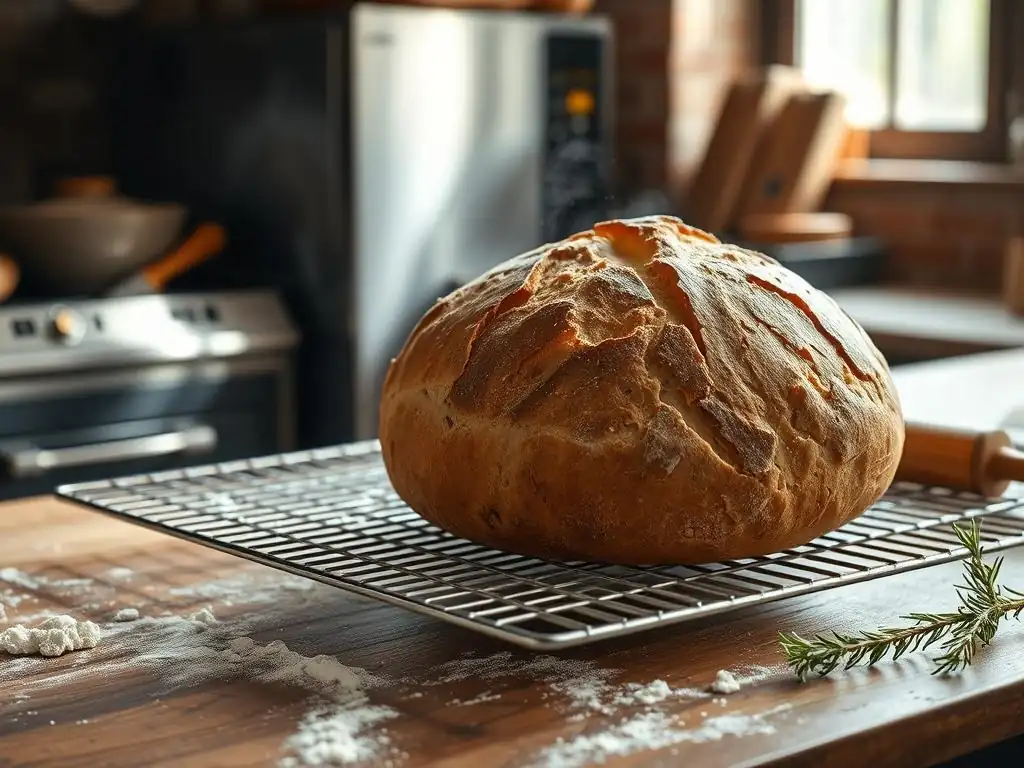
Selecting the appropriate cooling rack is just as important as understanding why use cooling racks in the first place. Not all racks are created equal, and features like size, material, and grid pattern can significantly impact how effectively your bread cools. A rack that is too small or has wires spaced too far apart might not provide adequate support, while one with poor airflow inhibits proper cooling.
Consider the types of bread you typically bake. If you make large, rustic loaves, you'll need a sturdy rack that can support their weight and size. If you bake smaller rolls or baguettes, wire spacing becomes more critical to prevent them from falling through. The goal is always to find a rack that maximizes air circulation while providing stable support for your baked goods.
Key Features to Consider When Selecting a Cooling Rack for Artisan Bread
When evaluating cooling racks, several key features stand out. First, consider the size. Ensure the rack is large enough to accommodate your largest loaves or multiple smaller items without overcrowding. Overcrowding restricts airflow. Second, look at the grid pattern and wire spacing. A tighter grid prevents smaller items from slipping through, but the wires should still be spaced enough to allow ample air circulation. Avoid racks with excessively tight mesh patterns, which can trap steam.
Third, the height of the rack is important. Legs should be high enough (typically at least 0.5 to 1 inch) to allow air to flow freely beneath the rack, even if it's placed on a flat surface. Fourth, stability and sturdiness are crucial, especially for heavy artisan loaves. Look for racks with strong legs that won't buckle under weight and a robust overall construction. Finally, material and finish matter for durability, ease of cleaning, and preventing rust.
Cooling Rack Materials: Stainless Steel vs. Chrome - Which is Best?
Cooling racks are commonly made from either chrome-plated steel or stainless steel. Each material has its pros and cons. Chrome-plated steel racks are generally more affordable and widely available. They perform well initially, but the chrome plating can eventually chip or wear off, especially if scratched or exposed to high heat (though cooling racks aren't typically used in the oven). Once the plating is compromised, the underlying steel can rust, which is undesirable for food contact.
Stainless steel racks, particularly those made from 18/8 or 304-grade stainless steel, are significantly more durable and rust-resistant. They are often heavier duty and can withstand more rigorous cleaning and use. While typically more expensive upfront, a good quality stainless steel rack can last a lifetime, making it a worthwhile investment for serious bakers. Stainless steel is also non-reactive, which is a plus. For longevity and peace of mind regarding rust and durability, stainless steel is generally considered the superior choice for a cooling rack that will see frequent use.
Best Cooling Racks for Artisan Bread: Top Picks for 2024
Navigating the market for the perfect cooling rack can be daunting with so many options available. To help simplify the choice and reinforce why use cooling racks specifically designed for durability and airflow, we've highlighted a few popular and well-regarded models that perform exceptionally well for artisan bread. These selections prioritize sturdy construction and efficient cooling.
Keep in mind that availability and specific model features can change, but these brands have consistently offered quality products in the cooling rack category. We'll look at some common contenders often praised by home bakers for their performance and reliability when cooling everything from crusty sourdoughs to tender brioche loaves.
Wilton Cooling Rack Review: The Stability Champion
Wilton is a well-known name in baking, and their cooling racks are a common sight in many kitchens. Often praised for their stability and accessibility, Wilton racks provide a reliable platform for cooling a variety of baked goods, including moderately sized artisan loaves. They are typically constructed from heavy-gauge steel with a non-stick coating, which aids in easy release and cleanup.
While some bakers prefer uncoated options for high-heat applications (though cooling racks aren't usually for high heat), the non-stick surface on Wilton racks is specifically beneficial for preventing delicate crusts from sticking as they cool. Their sturdy wire construction and supportive legs make them a solid choice for everyday baking needs.
Features and Benefits of the Wilton Cooling Rack
The key features of many Wilton cooling racks include a reinforced frame and stable legs, which prevent sagging even under the weight of heavier items like bread. The tight grid pattern is excellent for supporting smaller items like cookies or rolls, while still allowing sufficient airflow for most bread types. The non-stick coating (often a PFOA-free material) is a major benefit for easy cleanup – baked-on bits tend to slide right off.
Benefits extend beyond just stability. The non-stick surface means you don't have to worry about your bread's crust sticking as it cools and hardens. They are also typically dishwasher safe, adding convenience to your post-baking routine. Wilton offers various sizes, making it easy to find one that fits your counter space and baking volume. Their wide availability also makes them a convenient option for many bakers.
Price and Where to Buy: Wilton Cooling Rack
Wilton cooling racks are widely available and generally fall into the budget to mid-range price category. A standard 10x16-inch rack might cost anywhere from approximately $8 to $15, depending on the retailer and specific features like non-stick coating type. They can be purchased at major retailers like Walmart, Target, craft stores (like Michaels or Hobby Lobby), kitchen supply stores, and numerous online marketplaces including Amazon and the official Wilton website. Pricing can fluctuate based on sales and location.
Checkered Chef Cooling Rack: The Durability Powerhouse
The Checkered Chef cooling rack is often lauded by home bakers for its robust construction and pure stainless steel build, making it a strong contender for cooling heavier artisan loaves. Made from high-grade stainless steel, these racks are designed for durability and resistance to rust and warping. They typically feature a welded grid design without coatings, appealing to bakers who prefer pure metal surfaces.
This brand often emphasizes quality materials and construction, aiming for a product that can withstand frequent use and rigorous cleaning. For bakers who make large, dense sourdoughs or multiple loaves at once, the sturdy build of a Checkered Chef rack provides confidence that it won't bend or sag under weight.
Why Choose the Checkered Chef Cooling Rack?
Choosing a Checkered Chef cooling rack often comes down to prioritizing durability and material quality. Made from 304-grade stainless steel, these racks are inherently rust-proof and corrosion-resistant, making them ideal for humid kitchen environments and frequent washing. The welded construction ensures the grid wires stay firmly attached to the frame, preventing wobbling or breaking over time.
Another reason why use cooling racks like Checkered Chef is their oven-safe nature (typically up to 500°F or 260°C), which adds versatility, allowing them to be used for roasting or baking within the oven if needed, although their primary purpose here is cooling. Their lack of coating means no worries about chipping or flaking, and they are generally dishwasher safe and easy to scrub clean. The grid spacing is usually optimized for both airflow and supporting various sizes of baked goods.
Checkered Chef Cooling Rack: Pricing and Availability
Checkered Chef cooling racks are typically positioned in the mid-range price category, reflecting their stainless steel construction and durability. A popular size, around 12x17 inches (often designed to fit standard half-sheet pans), might range from approximately $15 to $25. Prices can vary based on size and retailer.
These racks are primarily available through online marketplaces such as Amazon, where Checkered Chef has a strong presence. They may also be found in specialty kitchen stores or other online retailers focusing on baking supplies. Checking online is usually the easiest way to find their current pricing and availability.
Ultra Cuisine Cooling Rack: Quality on a Budget
Ultra Cuisine offers cooling racks that aim to provide the benefits of stainless steel and sturdy construction at a more accessible price point. Often made from 304-grade stainless steel, similar to higher-end options, these racks present a compelling value proposition for bakers who want durability and performance without a significant investment.
They typically feature a welded grid and raised legs for airflow, designed to fit commonly used baking sheets. Ultra Cuisine racks are marketed towards home bakers looking for reliable equipment that performs well for cooling bread, pastries, and other items, emphasizing quality materials at a competitive price.
Getting the Most for Your Money: Ultra Cuisine Features
Ultra Cuisine cooling racks offer several features that provide excellent value. Like more expensive options, they are often made from 304-grade stainless steel, ensuring rust resistance and longevity. The welded wire construction provides sturdiness and prevents sagging, which is crucial when cooling heavy loaves.
Key benefits include their oven-safe capability (check specific product details for temperature limits, but often suitable for roasting) and being dishwasher safe for easy cleaning. The grid pattern is typically designed to provide good airflow while supporting various baked goods. For bakers asking why use cooling racks that offer quality without breaking the bank, Ultra Cuisine provides a durable, functional option.
Affordable Baking: Where to Find the Ultra Cuisine Rack
Ultra Cuisine cooling racks are positioned in the budget to mid-range price segment. A standard half-sheet size rack (around 11.5x16.5 inches) might cost between approximately $12 and $20, making them very competitive for a stainless steel option.
These racks are primarily sold online, with a strong presence on Amazon and potentially other e-commerce platforms that sell kitchenware and baking supplies. Their online availability makes them easy to purchase for home bakers looking for a cost-effective, durable cooling solution.
Preventing Soggy Bottoms: Mastering Cooling Techniques for Perfect Crusts
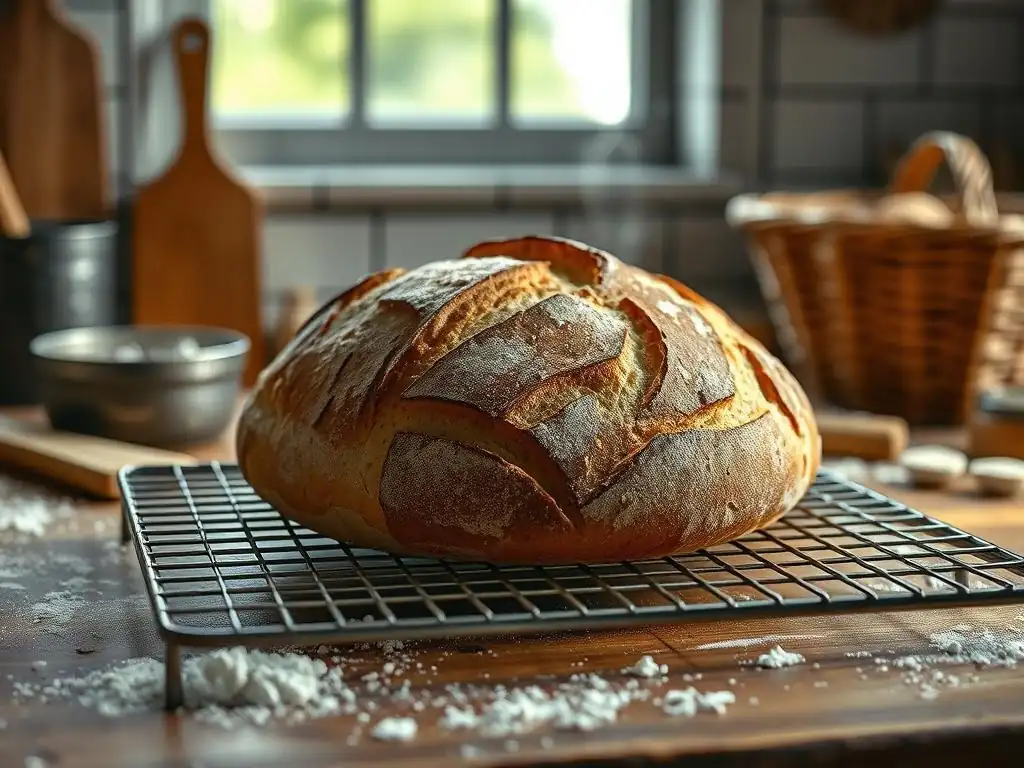
Understanding why use cooling racks is just the first step; mastering the cooling process itself is the key to avoiding the dreaded soggy bottom and achieving that coveted crispy crust on your artisan bread. It's not simply about putting the bread on the rack; proper placement and sufficient cooling time are critical factors that influence the final texture of your loaf.
Even the best cooling rack won't compensate for incorrect technique. The goal is to maximize the air circulation that the rack provides and allow enough time for the internal structure and external crust to stabilize. This ensures your bread is perfect from top to bottom, inside and out.
Cooling Rack Placement: Optimizing Airflow for Crispy Crusts
Proper placement of the cooling rack is essential for optimizing the airflow it provides. Always place the cooling rack on a surface where air can circulate freely around it. A counter or table is fine, but avoid placing it directly against a wall or in a cramped corner where airflow might be restricted on one side. Ensure the legs of the rack are fully extended and stable.
For larger loaves, ensure the entire loaf is supported by the rack and not hanging over the edges, which could impede cooling on those sides. If cooling multiple loaves, give them space on the rack; don't let them touch. This allows air to flow around each loaf individually, facilitating even heat and moisture dissipation. Think of it as giving your bread room to breathe after its hot bake.
Cooling Time: How Long Should You Cool Your Artisan Bread?
Cooling time is perhaps the most overlooked, yet critical, aspect of the process. Cutting into a hot loaf is incredibly tempting because of the aroma and soft interior, but it's detrimental to the final texture. The internal temperature of the bread needs to drop significantly, and moisture needs time to redistribute and escape. For a standard-sized artisan loaf (like a boule or batard weighing around 1-2 pounds), a minimum cooling time of 1 to 2 hours on a rack is generally recommended.
Larger or denser loaves, such as a big rye bread or a very large sourdough, might require even longer, potentially 2 to 3 hours or more, until they are just warm to the touch or have reached room temperature. Smaller items like rolls or baguettes might cool faster, perhaps in 30-60 minutes. Patience is a virtue in baking, and allowing your bread to cool completely on a rack is essential for achieving the best possible crust and crumb structure.
Beyond Bread: Versatile Uses for Your Cooling Rack
While understanding why use cooling racks is often centered around bread for artisan bakers, these versatile tools are far from single-purpose. A good quality cooling rack can be used for a multitude of tasks in the kitchen, extending its value well beyond the bread-baking process. Exploring these other uses helps maximize the utility of your investment.
From sweets to savory dishes, a cooling rack can be an indispensable piece of equipment. Its design, focused on elevating items and allowing air circulation, is beneficial in many culinary scenarios. This versatility further underscores why use cooling racks as a standard piece of kitchen equipment.
The most common use for a cooling rack besides bread is cooling other baked goods like cakes, cookies, muffins, and pastries. Just like with bread, placing these items on a solid surface immediately after baking can trap steam and lead to soggy bottoms or uneven cooling. Cookies can lose their crispness, and cakes can become dense at the base.
Using a cooling rack ensures that air circulates around these delicate items, allowing them to cool down evenly and preventing condensation. This is particularly important for items with a high moisture content or those where a crisp exterior is desired, such as certain types of cookies or tart shells. For cakes, cooling on a rack prevents the bottom from continuing to bake or steam after removal from the oven.
Using Cooling Racks for Roasting and Other Culinary Tasks
Many modern cooling racks, especially those made from stainless steel without coatings, are oven-safe and can be used inside the oven for various cooking tasks. Placing food on a rack set inside a baking pan allows fat to drip away, making roasted meats or vegetables healthier and crispier. This setup also promotes even cooking by allowing hot air to circulate around all sides of the food.
Other uses include:
- Draining fried foods to remove excess oil.
- Glazing cakes or pastries, allowing excess glaze to drip onto a tray below.
- Setting chocolate-dipped items.
- Using as a temporary trivet for hot pans (though check heat limits).
- Assembling ingredients or components for dishes where airflow is needed.
This multi-functionality adds significant value, making a cooling rack a true kitchen workhorse.
Maintaining Your Cooling Rack: Cleaning and Care Tips
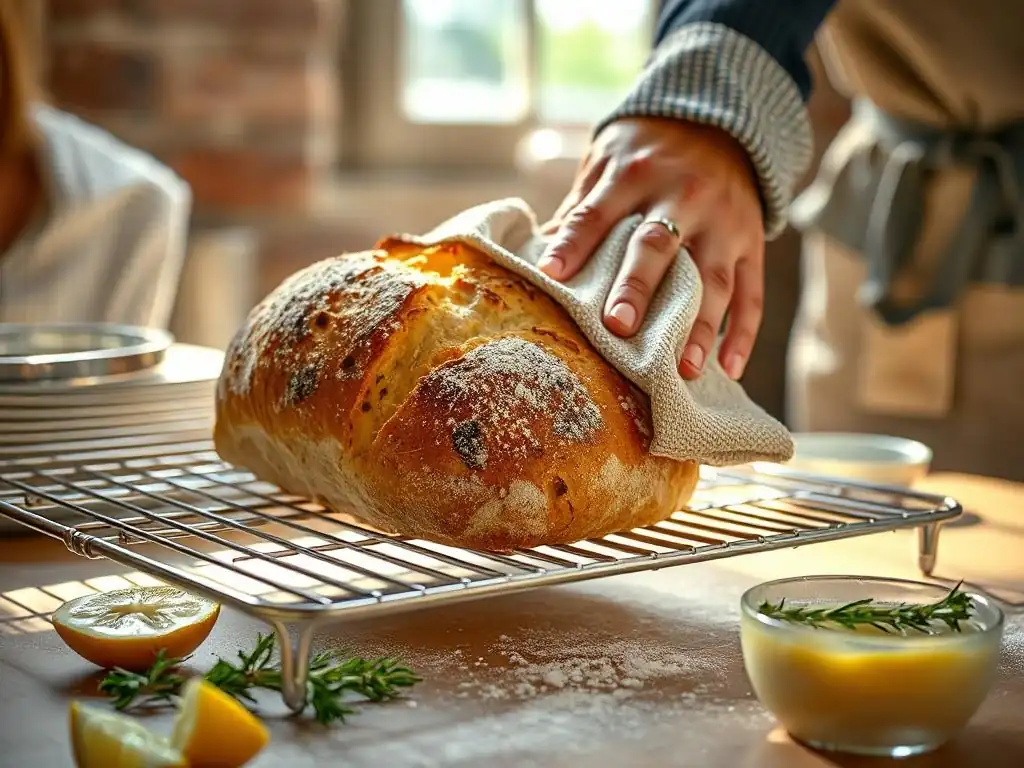
To ensure your cooling rack remains a reliable tool for years to come, proper cleaning and maintenance are essential. The best approach depends largely on the material your rack is made from. Understanding how to care for your specific rack will prevent rust, maintain its finish, and ensure it's hygienic for food contact, reinforcing why use cooling racks as a long-term investment.
Neglecting cleaning can lead to buildup of grease and food particles, which can be difficult to remove later and can harbor bacteria. Proper storage is also important to prevent damage and save space in your kitchen.
Ensuring Longevity: Proper Cleaning Techniques for Different Materials
Cleaning techniques vary slightly depending on whether your rack is chrome-plated or stainless steel.
- Chrome-Plated Racks: Wash promptly after use in warm, soapy water. Avoid abrasive scrubbers like steel wool, which can scratch off the chrome plating and lead to rust. Use a brush or sponge. Dry thoroughly immediately after washing to prevent water spots and rust, especially if the plating is already slightly compromised.
- Stainless Steel Racks: These are more forgiving. Most are dishwasher safe, which is the easiest method. For stubborn baked-on bits, soaking in hot soapy water can help loosen residue. You can use a brush or even a non-abrasive scouring pad if necessary, as stainless steel is more resistant to scratching than chrome. Ensure you rinse well.
For stuck-on messes on any type of rack, you can try making a paste with baking soda and water, applying it to the area, letting it sit, and then scrubbing gently. Always ensure the rack is completely dry before storing.
Storing Your Cooling Rack: Maximizing Space and Preventing Damage
Cooling racks, especially larger ones, can take up significant drawer or cabinet space. Proper storage not only saves space but also protects the rack from damage that could compromise its shape or finish. Many racks are designed to be stackable, either with their legs nesting within another rack or by stacking flat.
Consider vertical storage solutions, such as using a dish drying rack slot or a dedicated vertical organizer in a cabinet. Some bakers hang their racks using hooks. If stacking, ensure they are clean and dry to prevent moisture from being trapped between them. Avoid storing heavy items directly on top of racks, especially chrome-plated ones, which could cause bending or damage to the finish.
Making the Right Choice: Cooling Rack Buying Guide Summary
Choosing the right cooling rack might seem simple, but as we've explored, several factors influence its effectiveness, particularly for artisan bread. Understanding why use cooling racks and what features matter most will guide you to a purchase that enhances your baking results and lasts for years. It's an investment in the quality of your finished product.
From preventing soggy bottoms to providing a stable platform for cooling and even roasting, a good cooling rack is a versatile and essential tool for any baker. Consider your specific needs, budget, and the types of baking you do most often when making your selection.
Which Cooling Rack is Right for You? Considerations Based on Your Baking Needs
To determine which cooling rack is right for you, ask yourself:
- What size bread do I bake? Ensure the rack is large enough for your typical loaves.
- How often do I bake? Frequent bakers might benefit from the durability of stainless steel.
- Do I want to use the rack for other tasks (like roasting)? If so, an oven-safe stainless steel rack without coatings is preferable.
- What is my budget? Chrome is cheaper upfront, stainless steel is more durable but costs more.
- Do I need a non-stick surface? Some bakers prefer it for easy release, others prefer bare metal.
- How much storage space do I have? Consider stackable or hangable options.
If you primarily bake large, heavy artisan loaves and want a rack that will last, a sturdy, stainless steel rack like those offered by Checkered Chef or Ultra Cuisine (for a budget option) is likely your best bet. If you bake a variety of items and prioritize easy cleanup and stability for standard tasks, a non-stick coated rack from a brand like Wilton could be suitable.
The Importance of Investing in Quality: A Final Word on Cooling Racks
Ultimately, while you can cool bread on almost any elevated surface, the best results come from using a rack specifically designed for the job. Investing in a quality cooling rack is about more than just acquiring another tool; it's about ensuring the final, crucial step of the baking process is handled correctly. A good rack guarantees proper airflow, prevents condensation, and allows your beautiful crust to crisp up perfectly while the crumb structure stabilizes.
Considering why use cooling racks of a certain quality level means prioritizing the outcome of your baking efforts. A durable, well-designed rack will consistently deliver the necessary cooling performance, contributing significantly to the overall success and quality of your artisan bread. It's a relatively small investment that makes a big difference in achieving that perfect loaf.
Frequently Asked Questions
Why are cooling racks essential for cooling artisan bread?
Cooling racks allow air circulation around the entire loaf, preventing soggy bottoms and ensuring a crisp crust. This even airflow is crucial for quality.
Can I cool my artisan bread directly on the countertop?
No, cooling directly on the countertop traps moisture. This moisture leads to a soft, undesirably soggy bottom crust, impacting the bread's overall texture and taste.
What type of cooling rack is best for artisan bread?
A wire rack with small gaps is ideal. The gaps prevent the bread from falling through, while the wire allows for maximum airflow and even cooling.
How long should I cool my artisan bread on a cooling rack?
Allow artisan bread to cool completely, typically 1-2 hours, before slicing. This allows the internal structure to set and prevents a gummy texture.
What happens if I slice my artisan bread while it's still warm?
Slicing warm bread can result in a squished loaf and a gummy interior. The steam and moisture released during cutting can also damage the crust.
Final Reflection: The Unsung Hero of Artisan Bread Baking
The humble cooling rack, often overlooked, is the silent guardian of perfectly crisp-crusted artisan bread. Its seemingly simple function belies a profound impact on the final product, ensuring a light, airy interior and a satisfyingly crunchy exterior that elevates the entire baking experience. Ignoring this crucial step can mean the difference between a culinary masterpiece and a disappointing loaf.
The importance of proper cooling extends beyond just the texture and appearance of the bread; it's about respecting the craft and appreciating the delicate balance achieved through hours of careful work. The process of cooling allows the internal moisture to escape evenly, preventing a soggy bottom and promoting a longer shelf life. As the renowned baker, Lionel Poilâne, once said, Bread is a living thing. It needs time to breathe, to complete its transformation.
This quote perfectly encapsulates the respect we should afford our baked goods, and the cooling rack plays a vital role in that process.
Now, consider your own baking journey. Have you ever experienced the frustration of a gummy loaf? Perhaps you've noticed the difference between bread cooled on a rack versus one left to sit on a baking sheet. I encourage you to experiment, to embrace the simple elegance of the cooling rack, and to witness firsthand the transformative power it holds. The next time you bake, remember the unsung hero, and let it elevate your artisan bread to its full potential.
Unleash Your Inner Baker: Elevate Your Bread Baking!
Thanks for taking the time to learn about the crucial role of a cooling rack in achieving perfectly crisp artisan bread! You've now got the knowledge to avoid soggy bottoms and unlock truly amazing loaves. Ready to put your newfound expertise to the test?
- Invest in a high-quality cooling rack: This is the single most impactful step you can take to improve your bread baking game. Consider the size and material for your needs.
- Share your baking triumphs (and challenges!): Post a picture of your latest loaf on social media and tag us @BakeWithEase – we'd love to see it!
- Experiment with different bread recipes: Now that you understand the importance of cooling, try a new, challenging recipe and watch your skills blossom.
So, what amazing bread are you going to bake next?